Axis Q1656-LE Camera 4K Outdoor IK10: Infrastructure Project Solution
Critical infrastructure projects (factories, warehouses, bridges and roads) in Vietnam are facing harsh outdoor surveillance challenges: dust, rain, wind, and vandalism risks. The Axis Q1656-LE 4K camera with IK10 impact-resistant housing and ARTPEC-8 AI chip offers a smart, durable surveillance solution for projects requiring absolute reliability. This article analyzes features, benefits, and real-world applications in detail.
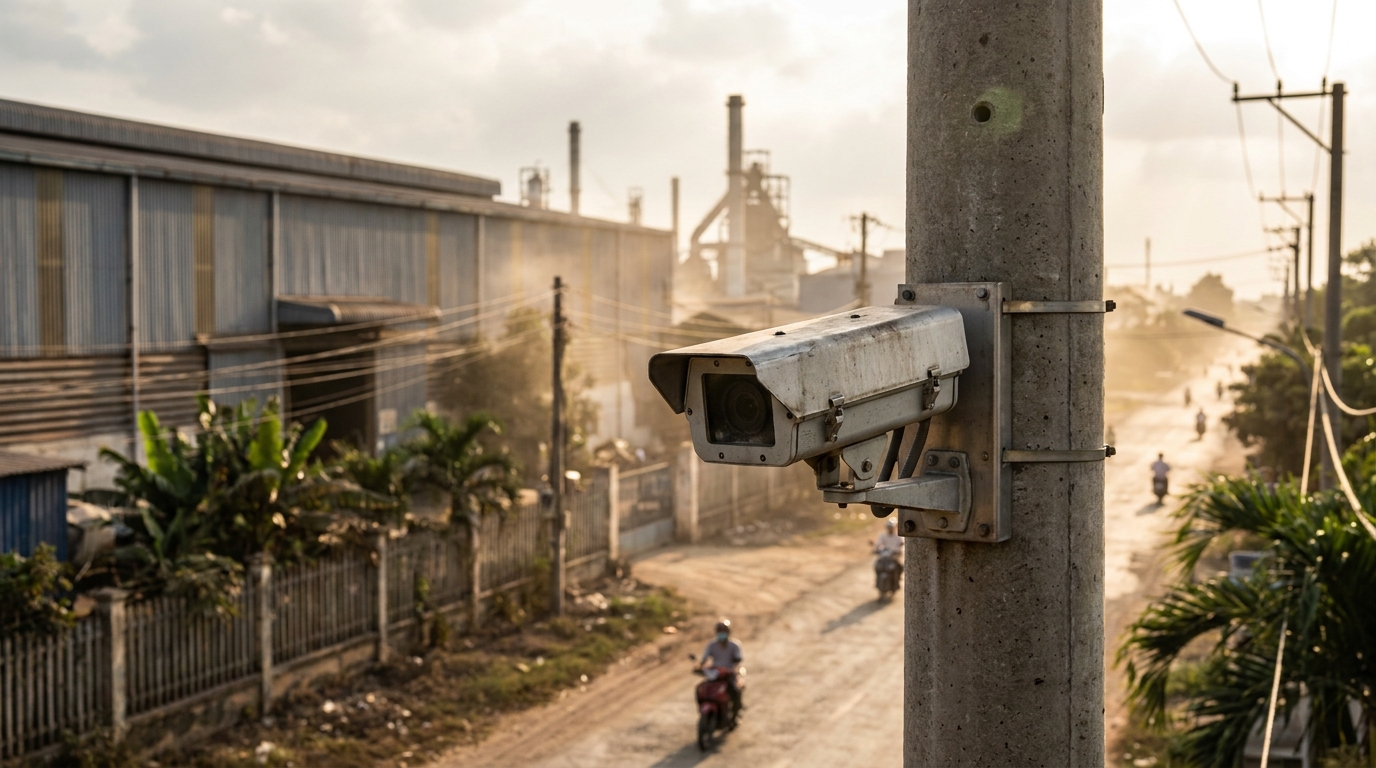
The Axis Q1656-LE is a 4K outdoor box camera designed for critical infrastructure projects where physical durability and image quality must meet the highest standards. With IK10 impact-resistant housing, ARTPEC-8 AI processing chip, and Lightfinder 2.0 technology, the product meets the need for continuous surveillance in harsh environmental conditions in Vietnam.
The Axis Q1656-LE is a 4K outdoor box camera with IK10 impact-resistant housing, ARTPEC-8 AI chip, Lightfinder 2.0, and Forensic WDR. The product is suitable for critical infrastructure projects such as factories, warehouses, bridges and roads, where high durability and good image quality are required in harsh conditions.
Why do critical infrastructure projects need IK10-rated impact-resistant cameras?
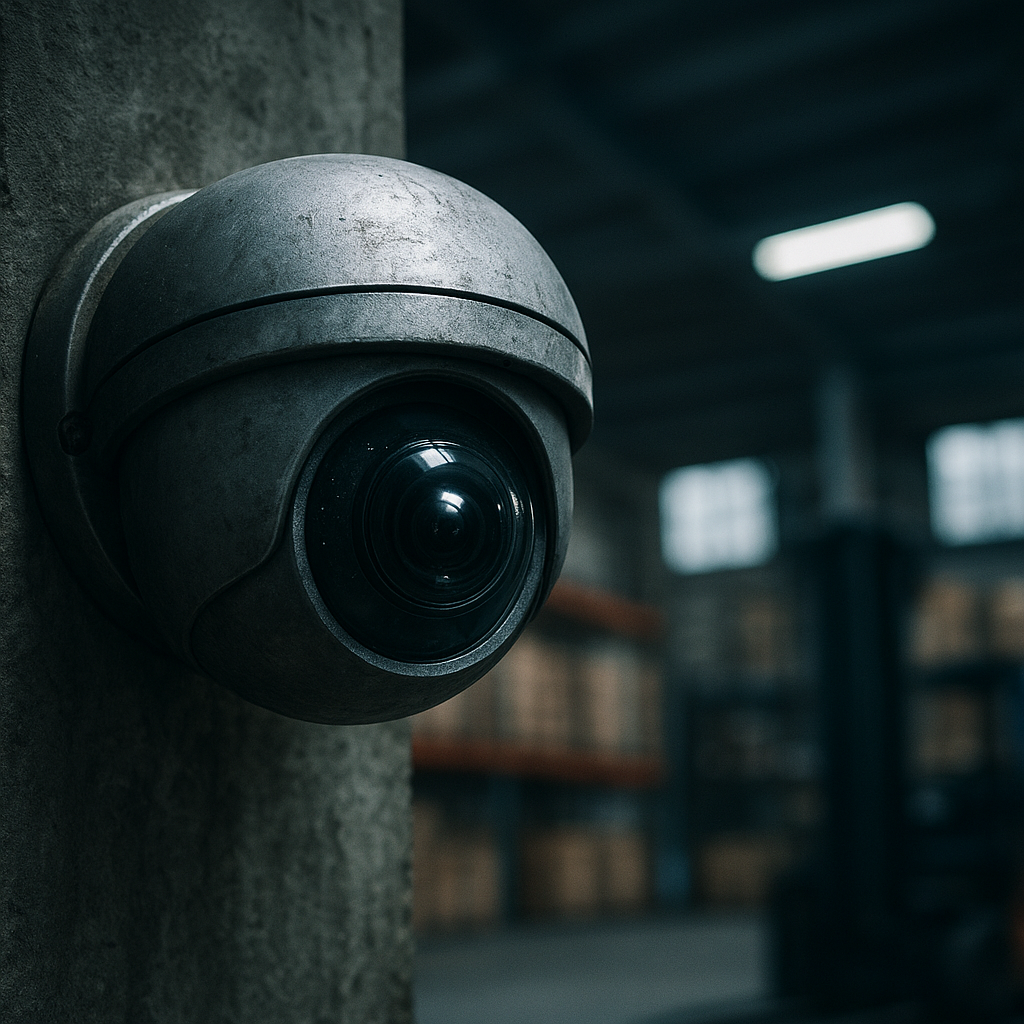
Facilities such as manufacturing plants, logistics warehouses, transshipment stations, or traffic interchanges frequently face impact risks from vehicles, operating equipment, or vandalism. Standard cameras are prone to housing cracks and lens damage upon impact, causing surveillance interruptions and repair costs. The IK10 rating is an international standard for impact resistance of 5 joules, equivalent to a 5kg weight dropping from a height of 10cm. Cameras meeting this standard ensure stable operation even under strong external impact, minimizing the risk of surveillance data loss.
Typical outdoor surveillance issues at critical projects:
- ⚠️ Vehicle impacts: Forklifts or trucks in factories or warehouses may accidentally hit camera poles, damaging the housing and misaligning the viewing angle.
- ⚠️ Deliberate vandalism: Intruders may use hard objects to smash cameras to conceal theft or property damage.
- ⚠️ Harsh weather: Heavy rain, dust, and high temperatures in Vietnam cause cameras to deteriorate quickly without IP66/IP67 protection.
- ⚠️ AI analytics needs: Modern projects require cameras capable of on-device intelligent analytics to detect anomalies in real time.
How does the Axis Q1656-LE operate in harsh conditions?
Related Products
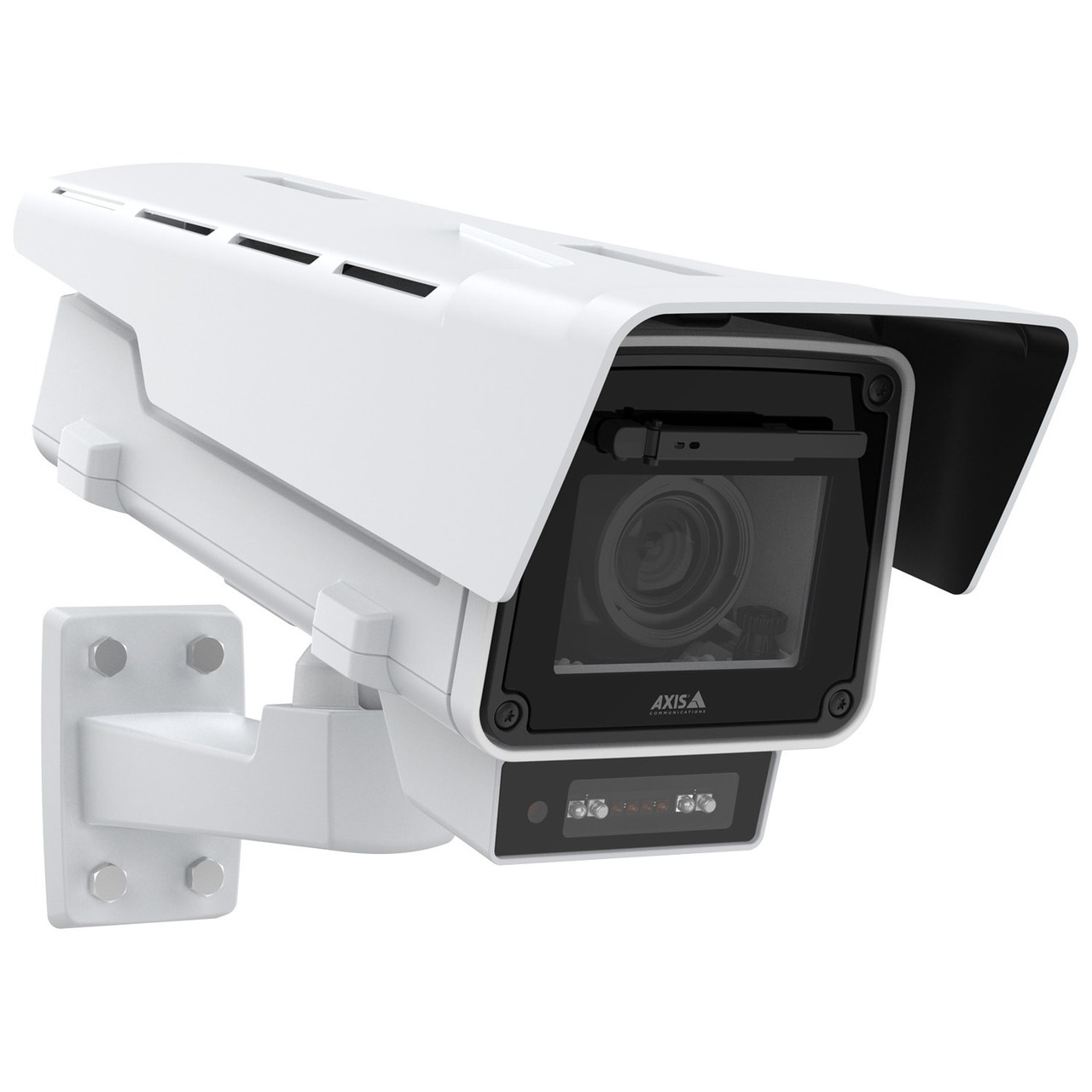



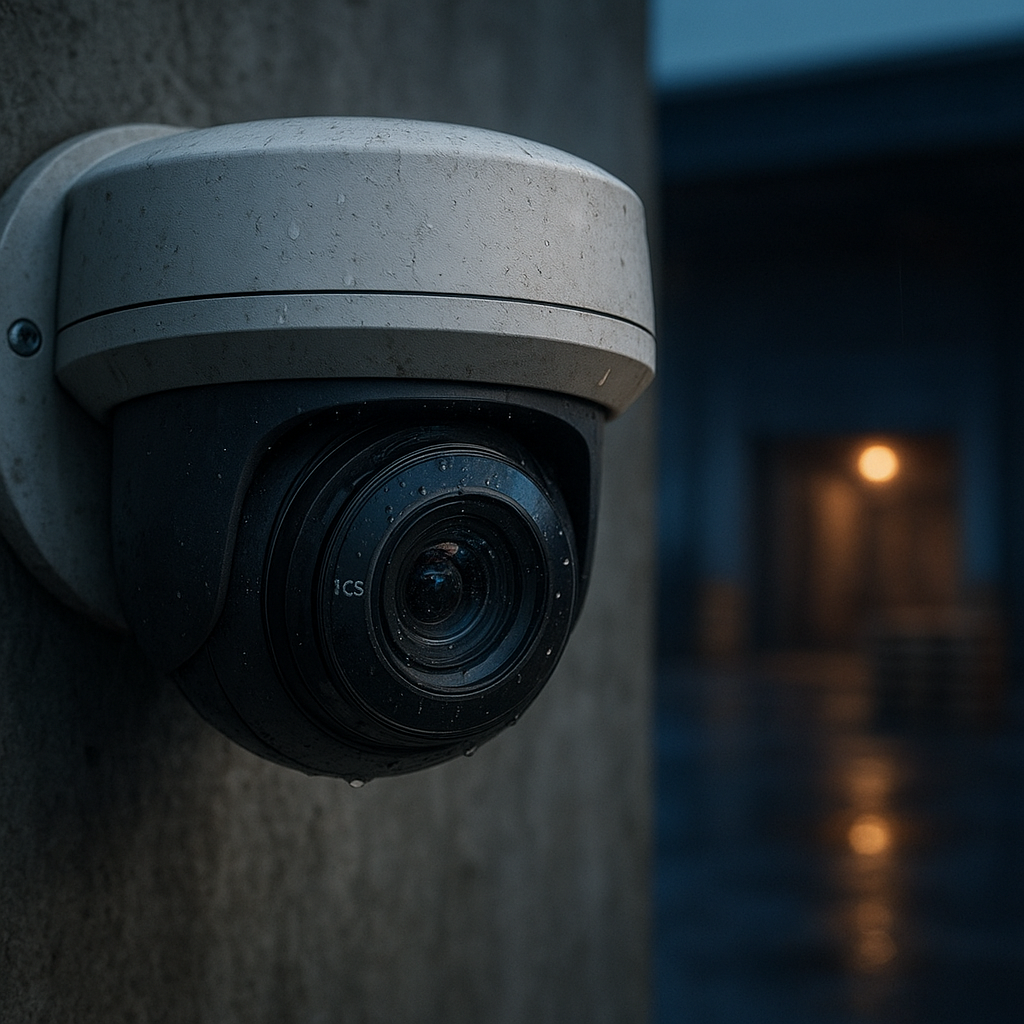
The Axis Q1656-LE uses the ARTPEC-8 processing chip with an integrated Deep Learning Processing Unit (DLPU), enabling AI analytics applications to run directly on the camera without a dedicated server. The i-CS motorized varifocal lens with Lightfinder 2.0 and Forensic WDR technology ensures clear images even in low-light or strong backlight conditions.
- Image capture: The 1/1.8" 4MP CMOS sensor (2688x1520 resolution) captures video at up to 60 frames per second, delivering sharp details even for fast-moving objects.
- On-device AI processing: The ARTPEC-8 chip with DLPU processes object detection algorithms (people, vehicles, faces) directly on the camera, reducing bandwidth load and enabling faster response.
- Light optimization: Lightfinder 2.0 automatically balances colors in low-light conditions; Forensic WDR handles strong backlight to prevent overexposure or underexposure.
- Physical protection: IK10 impact-resistant aluminum housing, IP66/IP67 dust/water protection, and an integrated windshield wiper for automatic cleaning ensure continuous operation in all weather conditions.
- Secure data transmission: Supports TLS 1.3 encryption, signed video, and protection against unauthorized access, meeting cybersecurity standards for critical infrastructure.
Specific benefits of deploying the Axis Q1656-LE for projects
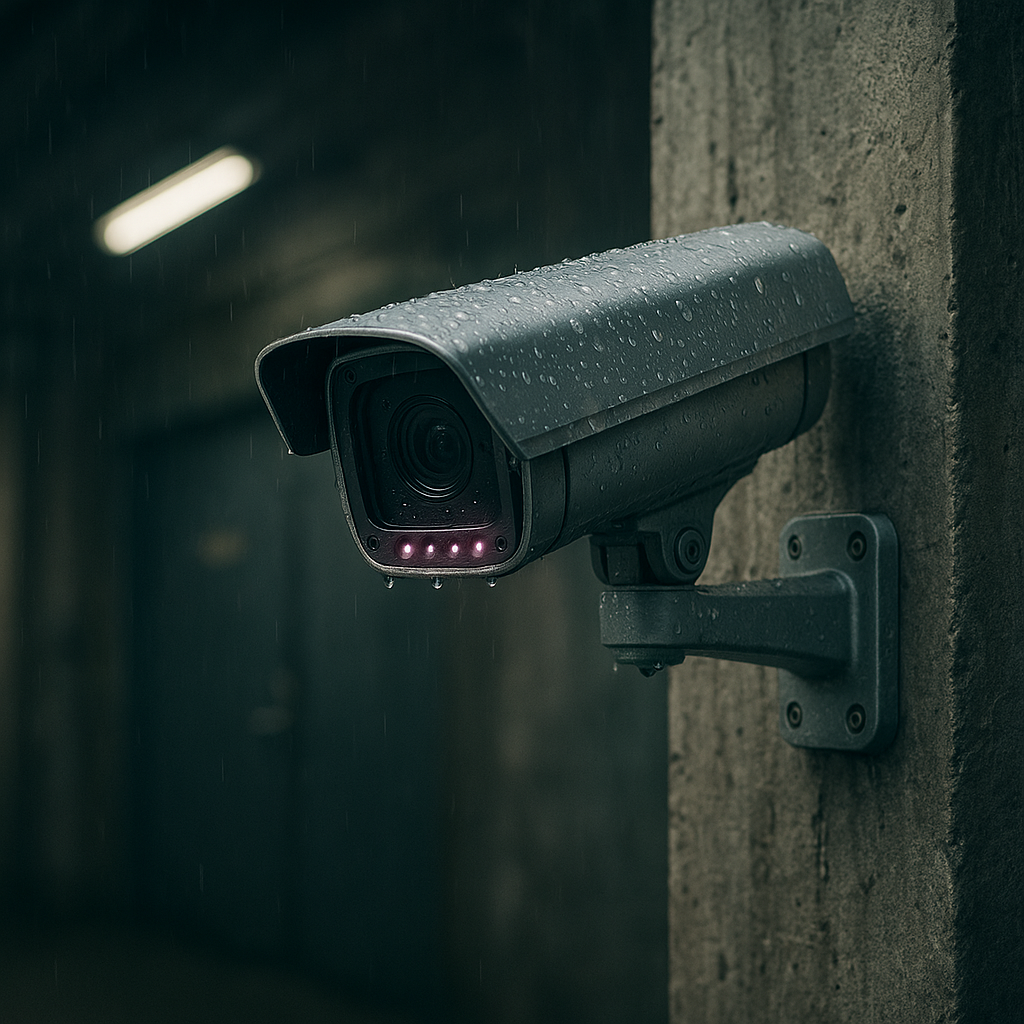
Investing in the Axis Q1656-LE camera delivers long-term value for infrastructure projects: reduced maintenance costs, increased surveillance efficiency, and support for data-driven decision-making. Below are the key benefits that enterprises gain when choosing this product line.
Superior IK10 durability
Aluminum housing withstands 5-joule impacts, minimizing damage risk from collisions or vandalism, extending device lifespan to 7-10 years.
Edge AI
ARTPEC-8 chip with DLPU processes intelligent analytics directly on the device, detecting intrusions and abnormal objects without a central server.
Clear images in all conditions
Lightfinder 2.0 and Forensic WDR ensure accurate color details even in darkness or strong backlight – a differentiator from standard cameras.
Standard cybersecurity
TLS 1.3 encryption, signed video, and centralized certificate management help protect surveillance data of critical infrastructure in compliance with Circular 02/2022/TT-BCA.
Real-world applications for each type of critical project
Each infrastructure project has its own characteristics in terms of environment, risks, and surveillance requirements. The Axis Q1656-LE is designed flexibly with an i-CS varifocal lens, allowing remote focal length adjustment to suit various installation contexts.
Manufacturing plants and industrial zones
At factories in Binh Duong, Dong Nai, or industrial zones in the North, Q1656-LE cameras are installed at entry/exit gates, raw material storage areas, and production lines. With IP66 dust resistance and c
Câu hỏi thường gặp
- Is the Axis Q1656-LE compatible with existing VMS software?
The camera supports ONVIF Profile S/G/T and RTSP protocols, making it compatible with most video management software such as Milestone XProtect, Genetec Security Center, and Synology Surveillance Station. Additionally, Axis provides an open SDK (Acap) that allows developers to customize proprietary analytics applications, suitable for projects requiring bespoke solutions.
- What is the investment and deployment cost of the Axis Q1656-LE?
The turnkey cost for one camera point, including equipment, PoE power supply, mounting bracket, and installation labor, typically ranges from 35-55 million VND. Compared to Hikvision cameras in the same segment, Axis is 40-60% more expensive, but it offers a longer warranty period and superior stability, reducing operational costs over a 7-10 year lifecycle.
- What is the deployment process for a large project with the Axis Q1656-LE?
The standard process includes 5 steps: site survey and solution consulting, camera layout design, equipment delivery and installation, VMS and AI analytics configuration, and finally acceptance testing and operational training. The completion time for a 20-50 camera project typically ranges from 2-4 weeks depending on scale.
- What built-in AI analytics does the Axis Q1656-LE support?
The camera supports Axis Object Analytics applications such as people detection, vehicle intrusion into restricted areas, line crossing, loitering detection, and people counting. Additionally, with the open Acap platform, businesses can install third-party applications like license plate recognition (LPR) or advanced behavior analytics.
- How can cybersecurity be ensured when using Axis cameras?
The Axis Q1656-LE is equipped with multiple security layers: IEEE 802.1X certificates, TLS 1.3 encryption, private key storage in a TPM chip, and signed video to prevent data tampering. During deployment, it is essential to configure a dedicated network for the camera system, change default passwords, and regularly update firmware to patch security vulnerabilities.
Đọc thêm
Trao đổi cụ thể với chuyên gia an ninh
Đặt lịch tư vấn 30 phút — không bán hàng, chỉ là buổi trao đổi để hiểu doanh nghiệp của bạn cần gì.