Stable Parking Control Equipment: 2026 Solution Selection Guide
Parking lots frequently congested during peak hours, staff recording tickets incorrectly, and revenue losses that are difficult to control are chronic problems for many buildings, apartments, and shopping centers in Vietnam. This article analyzes the core components that make up a stable parking control system, criteria for selecting suitable equipment, and a deployment roadmap to help businesses operate parking lots safely, transparently, and cost-effectively.
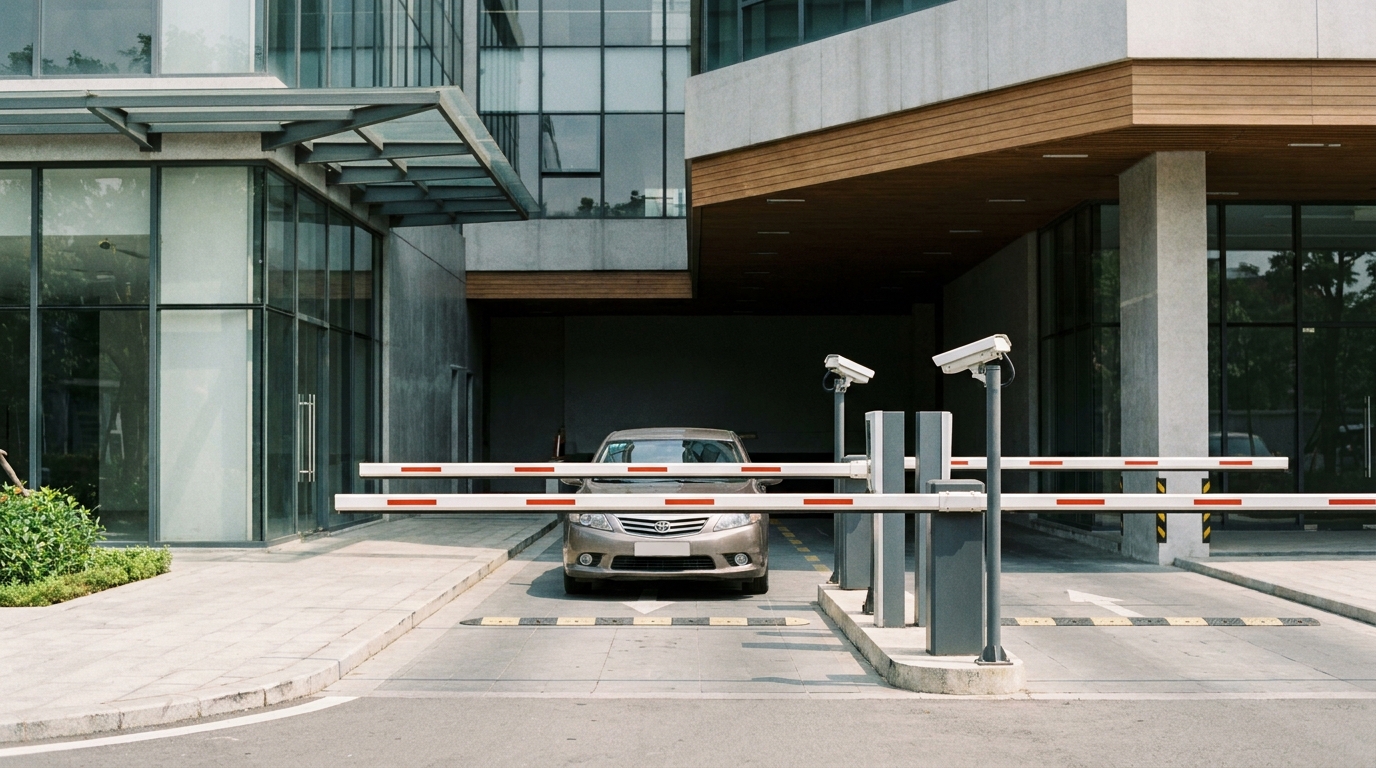
Stable parking control equipment is a combination of hardware and software that automates vehicle identification, barrier control, and real-time entry/exit data management. In Vietnam, this system is being widely deployed in apartments, office buildings, and shopping centers to address congestion, revenue loss, and parking security issues.
Stable parking control equipment consists of 4 main groups: identification (LPR/ANPR cameras, card readers), enforcement (barriers, loop detectors), auxiliary (displays, signal lights), and management software. For stable operation, prioritize systems with AI software that accurately recognizes license plates, no recurring license fees, and the ability to expand to multiple entry/exit points.
Problems businesses face when operating manual parking lots
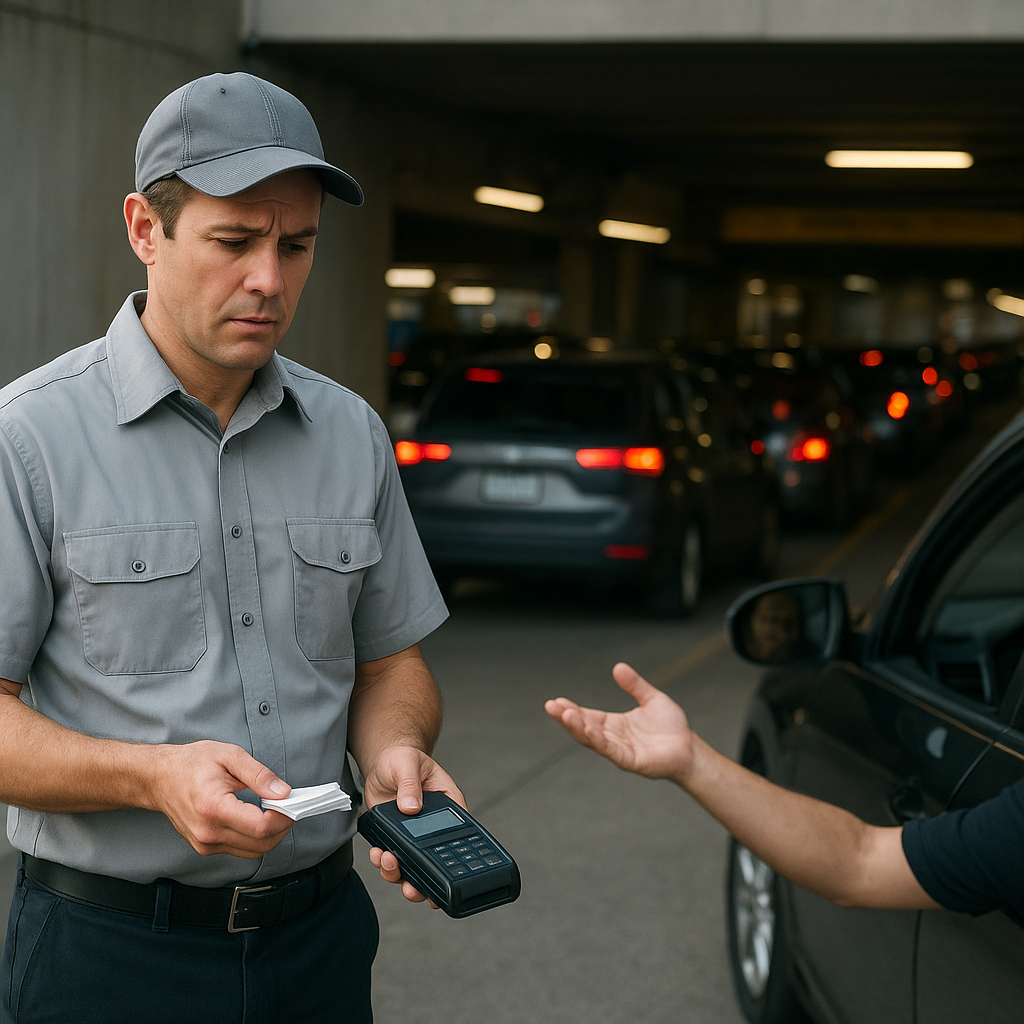
Parking lots operating with simple paper ticket or magnetic card models frequently face errors in recording vehicle entries, disputes with customers, and difficulty controlling actual revenue. According to a survey by An Ninh Số, revenue loss rates at manually managed parking lots can reach 15-20% per month.
- ⚠ Local congestion: At office buildings, during morning peak hours (7:30 AM - 9:00 AM), long lines of vehicles wait for staff to manually record tickets, causing frustration for residents and office workers.
- ⚠ Revenue loss: Selling tickets and collecting cash creates loopholes for fraud, making it difficult to reconcile data between the number of vehicles entering/exiting and actual revenue.
- ⚠ Security risks: No control over the identity of vehicles entering and exiting, making it easy for criminals to exploit for theft or cause safety issues in the parking area.
- ⚠ Labor intensive: Each shift requires at least 1-2 security guards just for recording and reconciliation, increasing labor costs while efficiency remains low.
- ⚠ Lack of analytical data: No historical data on vehicle counts or peak hours to optimize operations or plan expansion.
How does a stable parking control system solution work?
Related Products



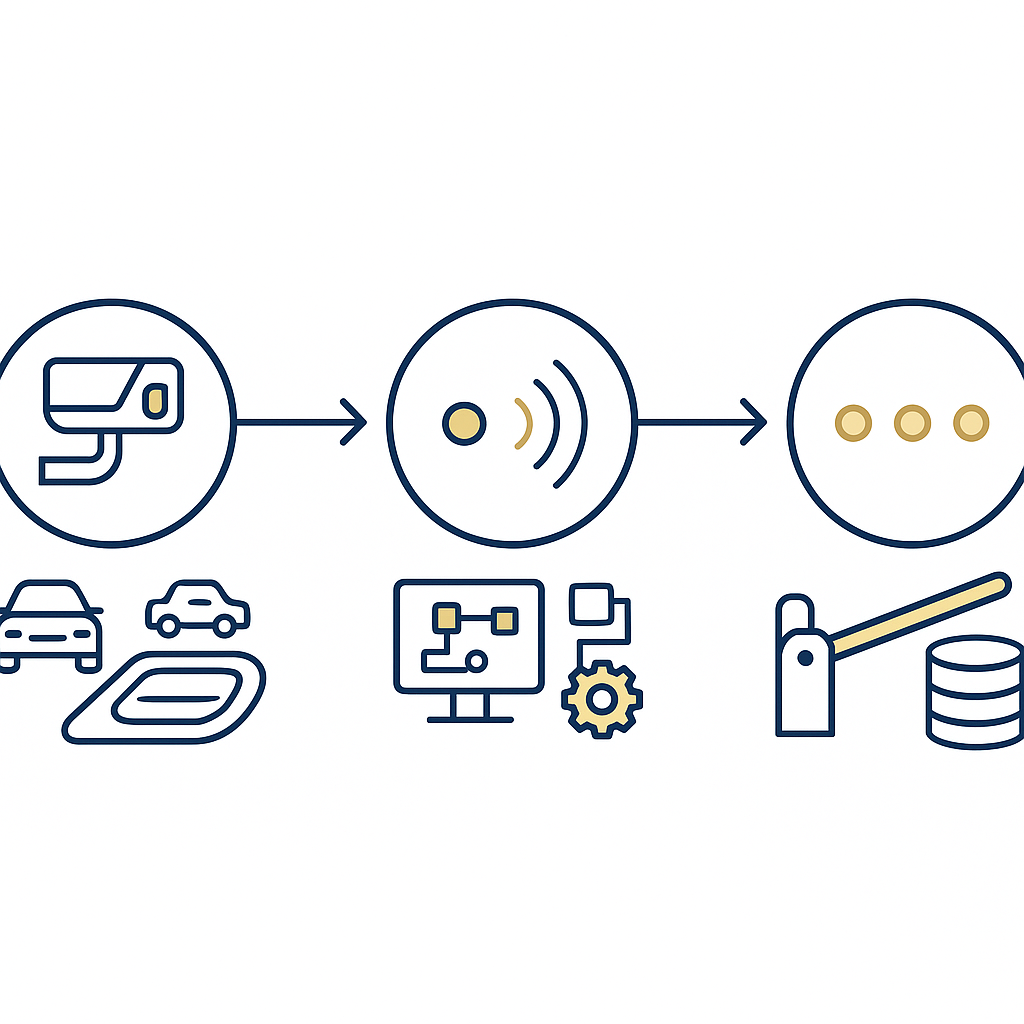
A stable parking control system operates in a closed-loop process: LPR cameras identify vehicle license plates, software processes the data and automatically controls the barrier to open, while storing all information for reconciliation. The entire process takes only 1-3 seconds, allowing vehicles to flow continuously without stopping.
- 🚗 Vehicle detection: Loop detector or radar detects a vehicle approaching the lane, triggering the LPR camera to capture the license plate.
- 📸 License plate recognition: The camera uses AI OCR technology to accurately read license plates in low-light or rainy conditions.
- 💻 Data processing: The software checks the license plate against the registered vehicle list (residents, internal vehicles) or creates a new record for transient vehicles.
- 🚧 Barrier control: If the vehicle is valid, the barrier automatically opens within 1-2 seconds; if not, the system denies entry and alerts the attendant on duty to handle it.
- 📊 Revenue reconciliation: The software automatically calculates fees based on time, issues e-invoices, and compiles revenue reports by shift and by day.
Specific benefits of investing in a stable parking control system
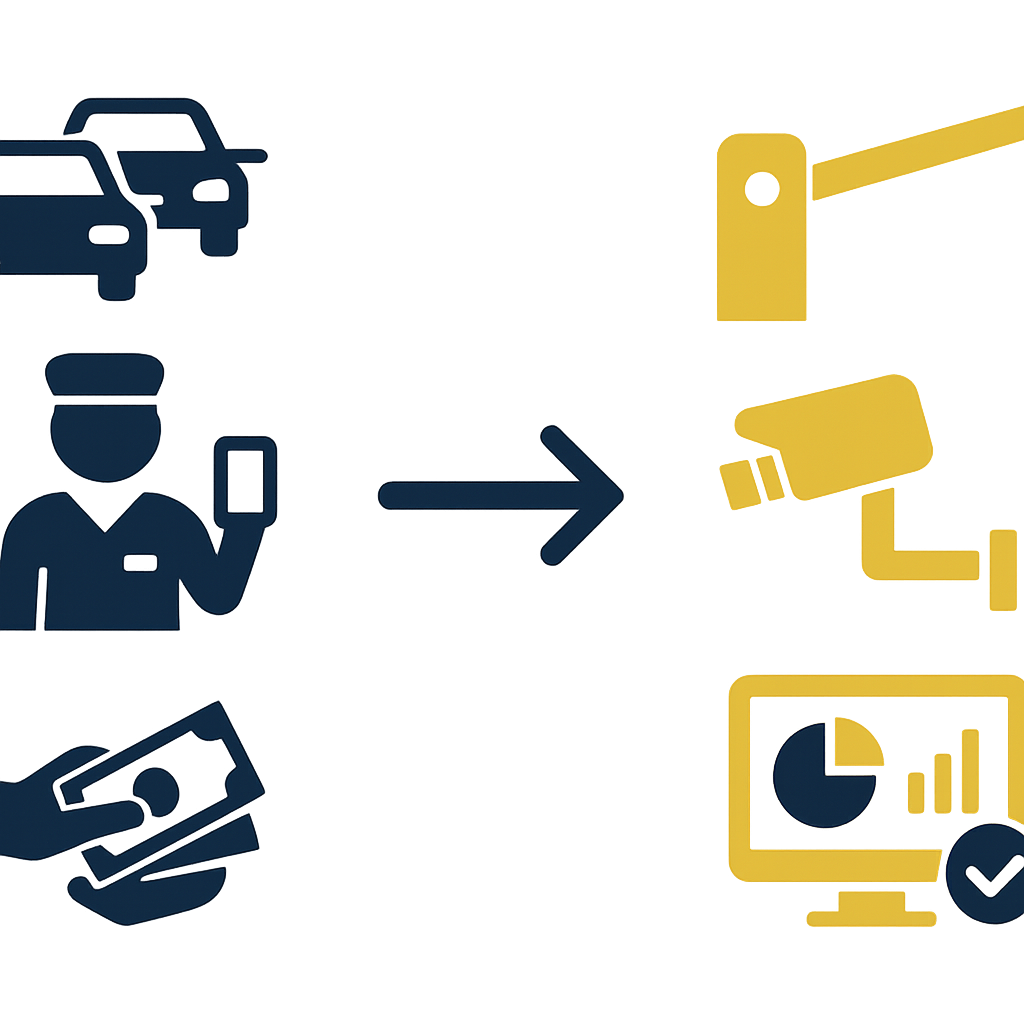
Unlike manual solutions, a stable parking control system delivers measurable value in time and cost. Buildings that have implemented the system report vehicle passage time through barriers reduced from 15-20 seconds to 1-3 seconds, reducing peak-hour congestion by 80-90%.
Core equipment in a stable parking control system
A stable parking control system requires 4 groups of equipment to operate synchronously: identification devices, enforcement devices, auxiliary devices, and management software. Choosing the wrong component will cause the entire system to operate inefficiently.
| Equipment group | Main function | Criteria for selecting stable equipment | Brand suggestions |
|---|---|---|---|
| LPR/ANPR camera | Recognizes license plates of vehicles entering/exiting | Accuracy ≥ 98%, operates well at night, resistant to backlight glare | Hikvision, Dahua |
| Automatic barrier | Blocks/opens vehicle lanes per system commands | Opening speed 1-3 seconds, durable motor for 1-2 million cycles, manual release handle during power outages | Hikvision, ZKTeco |
| Loop detector / Radar |