A smart security system is a solution that integrates artificial intelligence (AI) into physical surveillance devices, enabling automatic detection, analysis, and response to security events in real-time. In Vietnam, businesses are shifting from a passive security model (standard cameras + on-site guards) to an AI smart security system to reduce operational costs by 40-60% and improve protection efficiency.
Problems Vietnamese Businesses Face with Passive Security
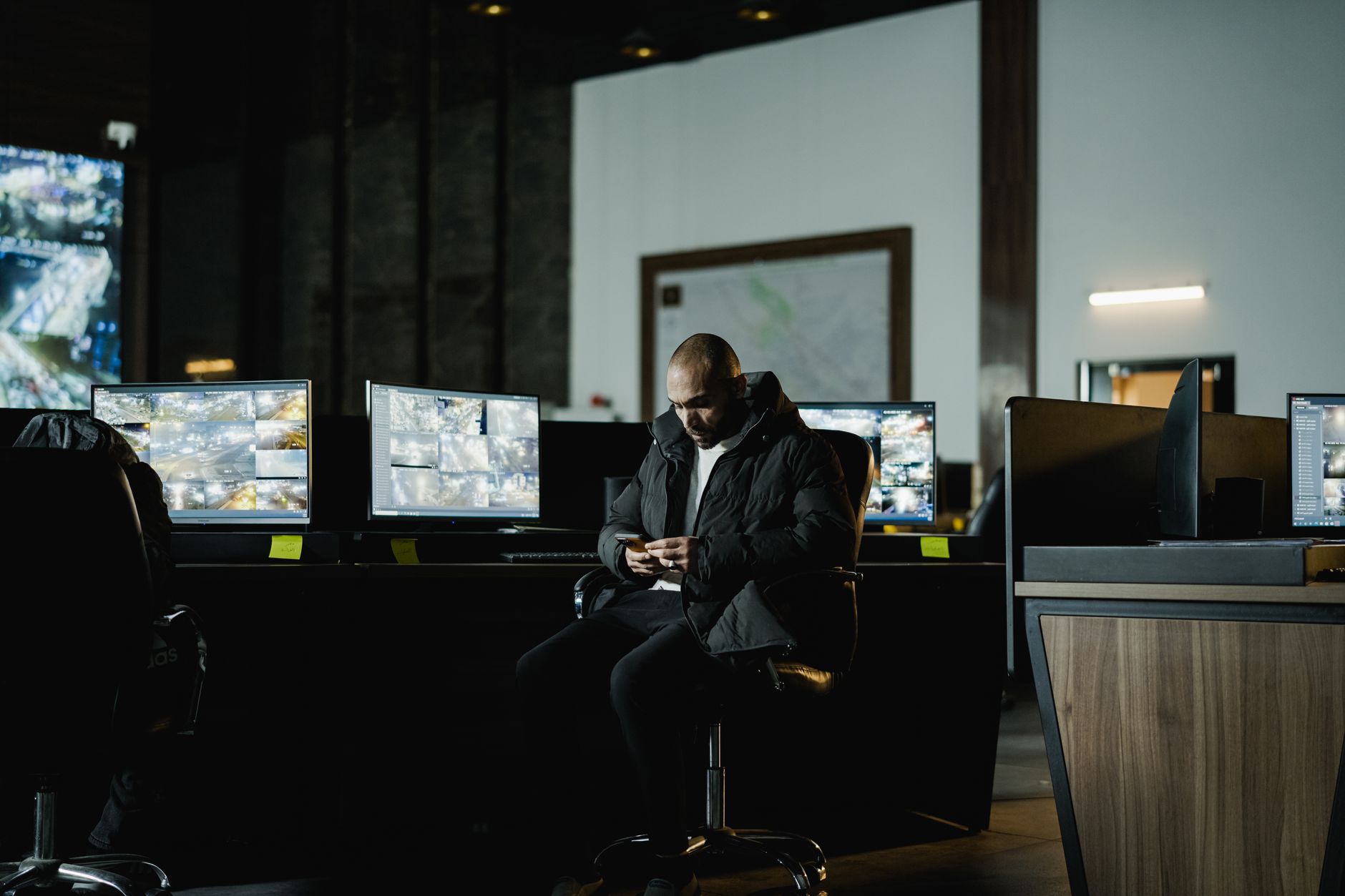
⚠ High guard staffing costs: Each shift requires 2-3 guards, 3 shifts/day, costing 15-25 million VND/month but still unable to monitor 100% of the time.
⚠ Standard cameras only record, do not detect: No capability to identify intrusions, criminals, or provide early warnings — only review after an incident occurs.
⚠ Access control vulnerabilities: Proximity cards are easily cloned, fake fingerprints, not synchronized with the camera system for subject tracking.
⚠ Distributed data, difficult to manage: Each area has its own recorder, no overall dashboard — takes 15-30 minutes to look up a single event.
⚠ No behavior analytics: No knowledge of where customers congregate, no marketing effectiveness measurement, no detection of abnormal behavior (loitering, casing).
How Does an AI Smart Security System Solution Work?
Related Products



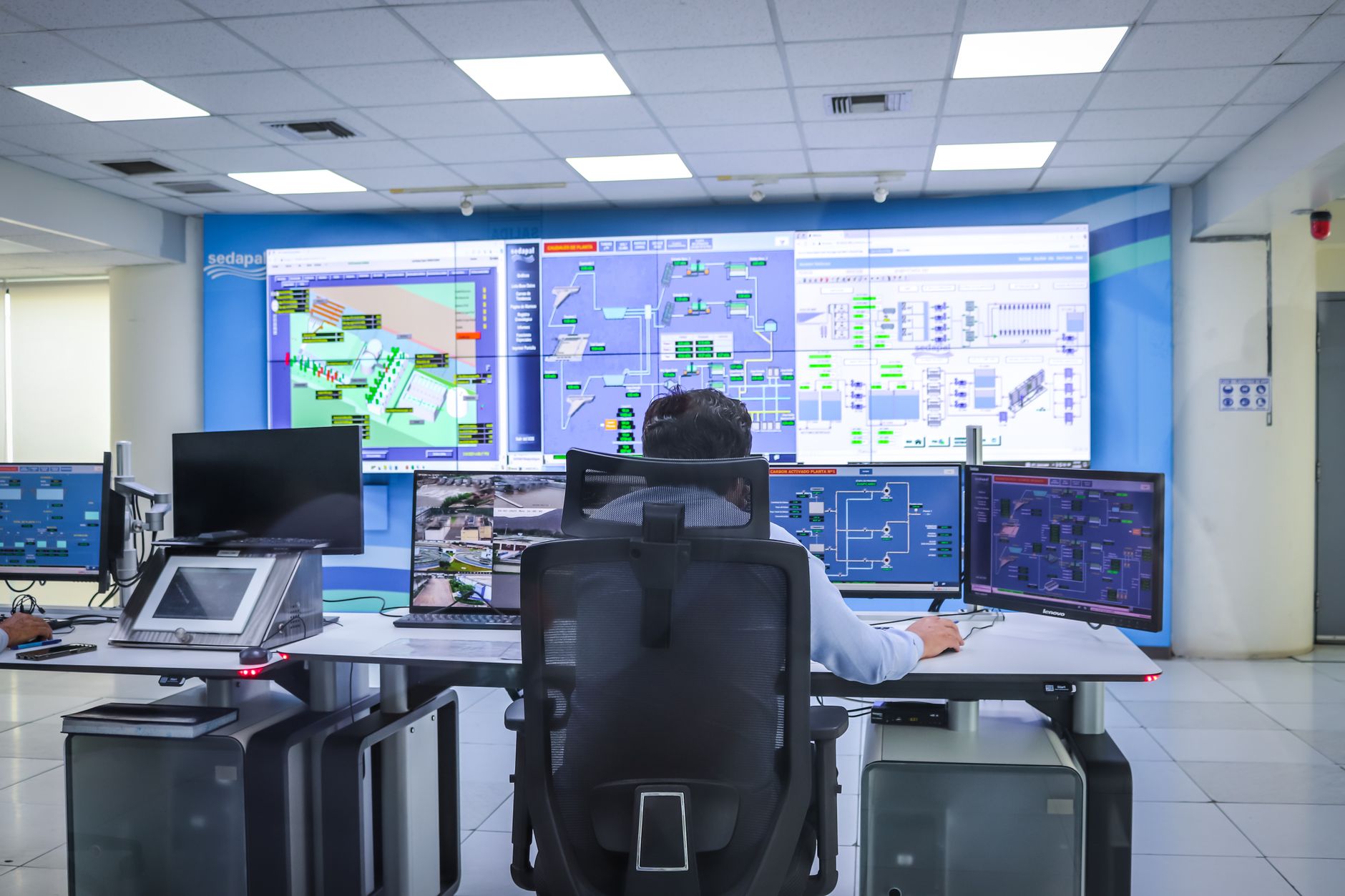
- Step 1: Assess Current State and Create a Transition Plan — Inspect all existing cameras, recorders, and access control devices. Identify blind spots and vulnerabilities. Create a 3-6 month upgrade roadmap.
- Step 2: Upgrade AI Cameras and Smart NVRs — Replace standard cameras with AI cameras capable of object recognition (people, vehicles, animals). Install AI-integrated NVRs for edge video processing, reducing bandwidth load.
- Step 3: Deploy Centralized VMS Software — Install a VMS system (Milestone, Genetec) to manage all cameras from a single dashboard. Set up automatic alerts for intrusion detection or abnormal behavior.
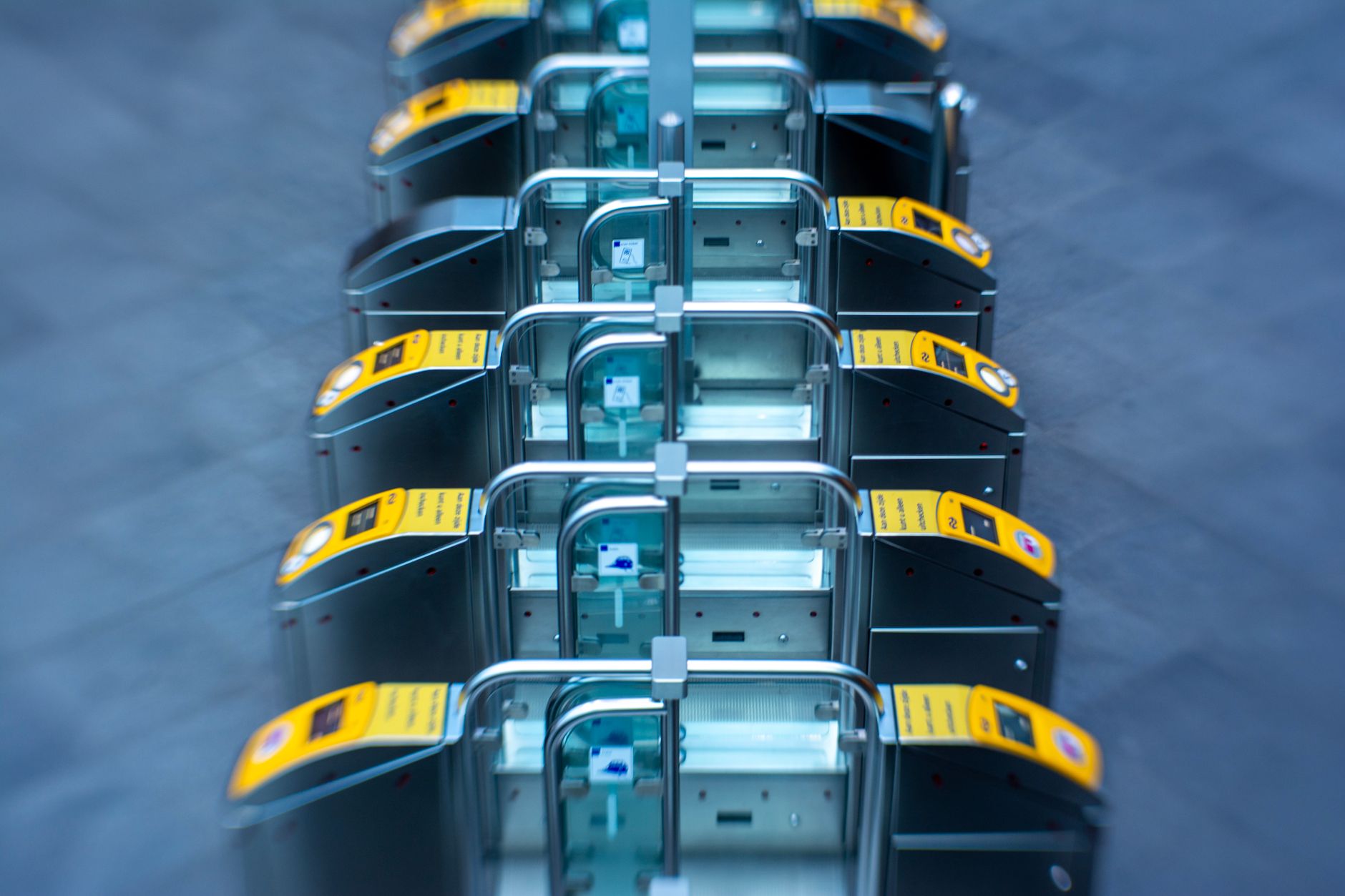
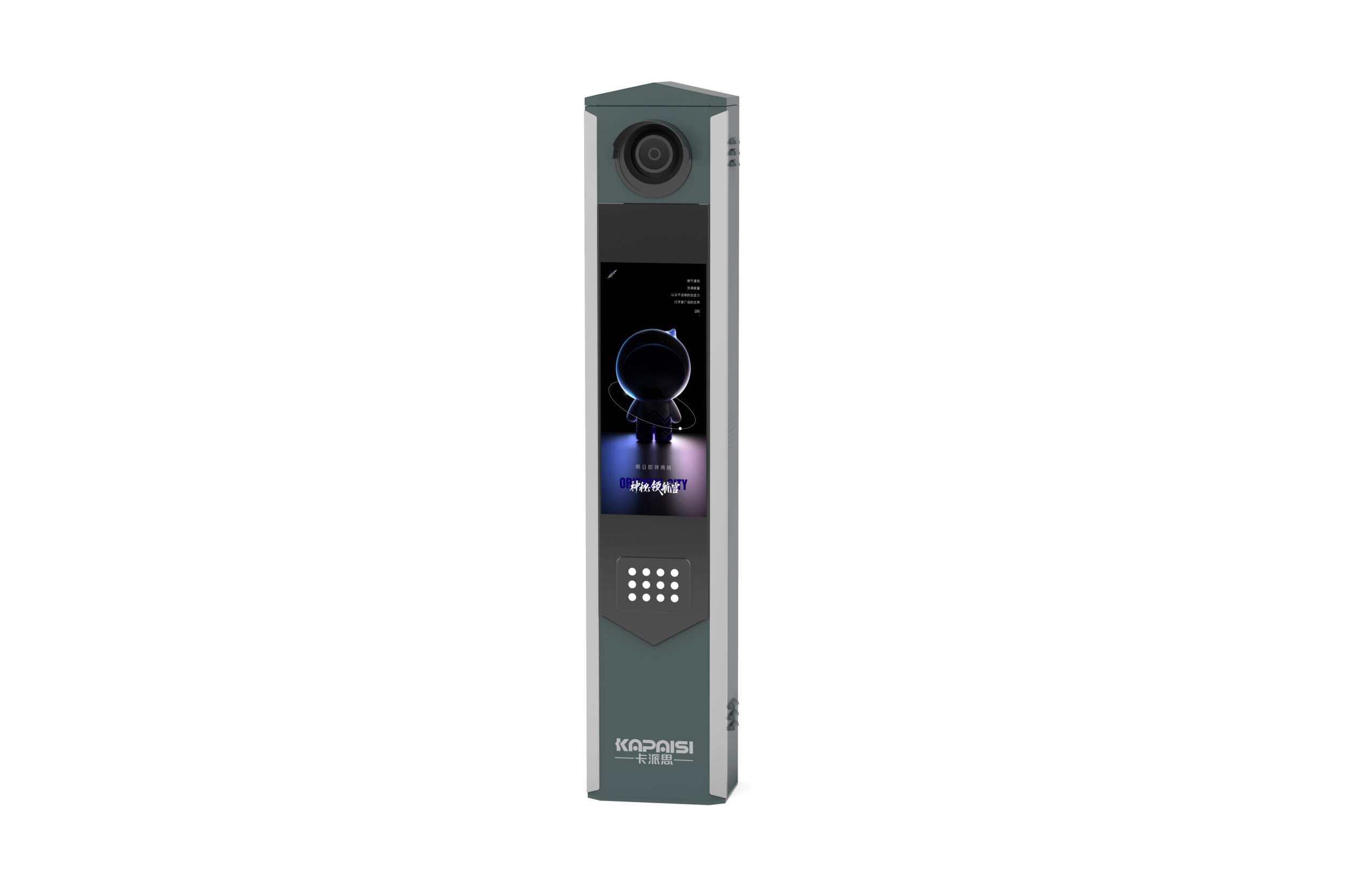
- Step 4: Integrate Smart Access Control — Synchronize face/fingerprint/card readers with the camera system for subject tracking. Combine barriers and turnstiles for automated entry control.
- Step 5: Optimize Operations with Data Analytics — Use AI to analyze surveillance data to optimize guard schedules, measure customer traffic, and detect incidents before they occur.
Specific Benefits of Transitioning to a Smart Security System
Reduce Operational Costs by 40-60%
Cut 1-2 guard shifts thanks to 24/7 AI automated surveillance. Save 15-25 million VND/month.
Detect Intrusions 3-5 Minutes Earlier
Real-time alerts when strangers enter restricted areas, enabling guards to respond promptly.
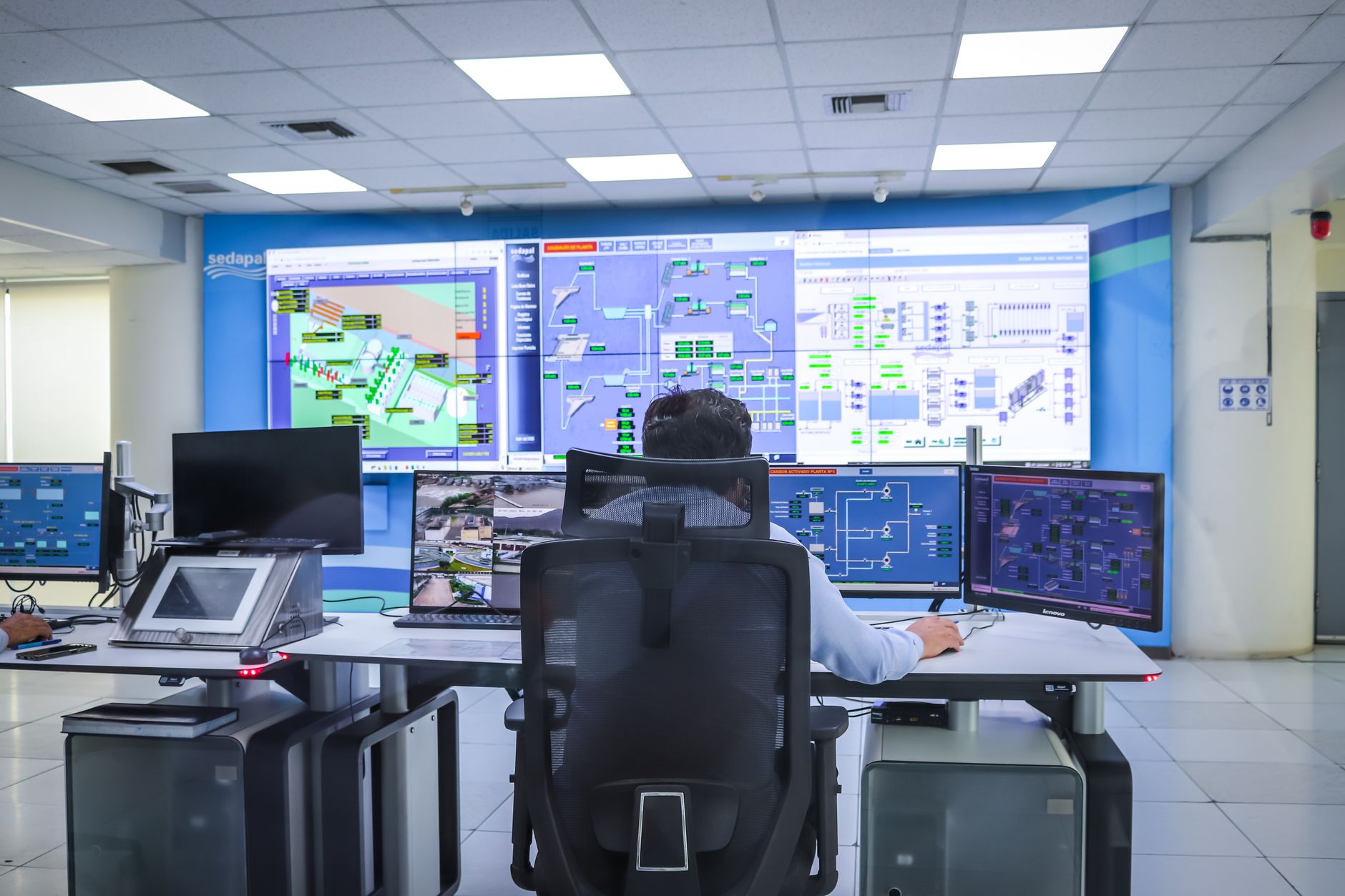
Centralized Management on One Dashboard
View all cameras, access control, and alarms on a single screen.
10x Faster Subject Tracking
Search for subjects by characteristics (shirt color, face, license plate) in seconds instead of watching hours of video.
Measure Business Performance
Count customer traffic, heatmap busiest areas, optimize staff scheduling and product displays.
Multi-Layer Data Security
End-to-end encryption, user permissions, redundant cloud storage — meeting Vietnamese security standards.
Applications in Supermarkets and Retail Chains
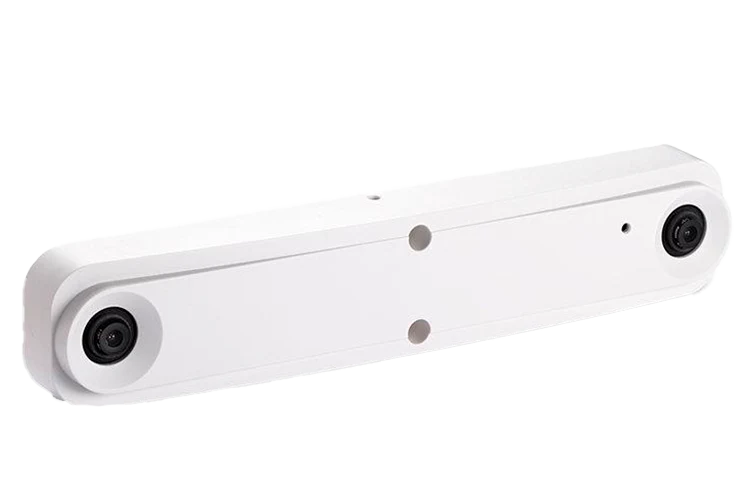
With an AI smart security system, mini-supermarkets and retail chains can reduce inventory shrinkage thanks to AI cameras detecting concealment behavior at checkout counters. EAS gates integrated with cameras allow precise tracking of shoplifters. The Xovis PC3 people counting system accurately measures customer traffic in/out, helping optimize cashier schedules — reducing operational staffing costs by 20-30%.
Applications in Factories and Industrial Zones
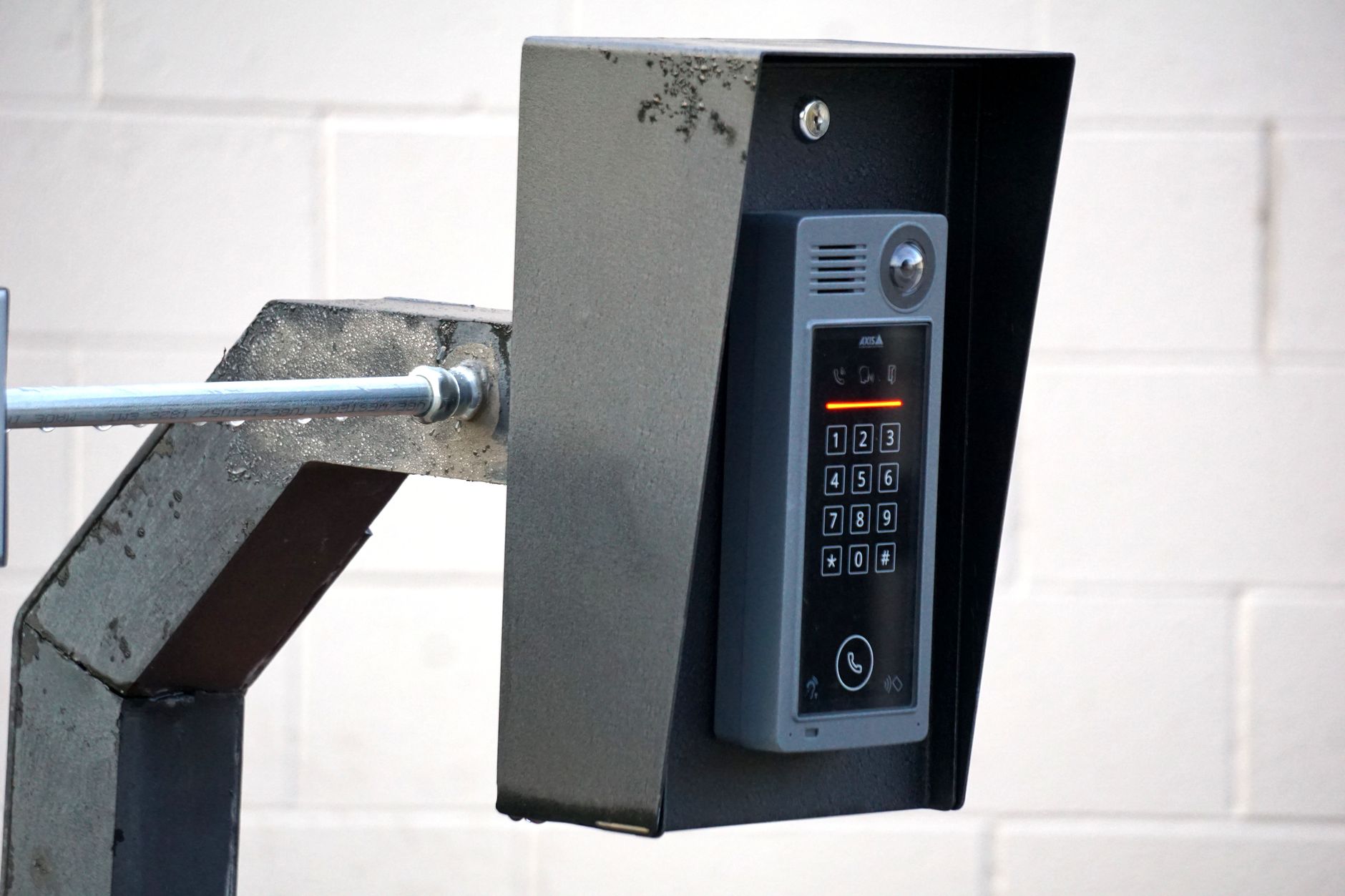
Manufacturing plants often have multiple sensitive areas: raw material warehouses, production lines, chemical zones. An AI smart security system allows setting up virtual restricted zones — when a worker enters a dangerous area, the AI camera triggers an immediate alert. Integration with ZKTeco SpeedFace-V5L access control helps manage time attendance and access permissions by shift. Result: a 70% reduction in workplace safety incidents, as deployed in many Vietnamese factories.
Applications in Offices and High-End Buildings
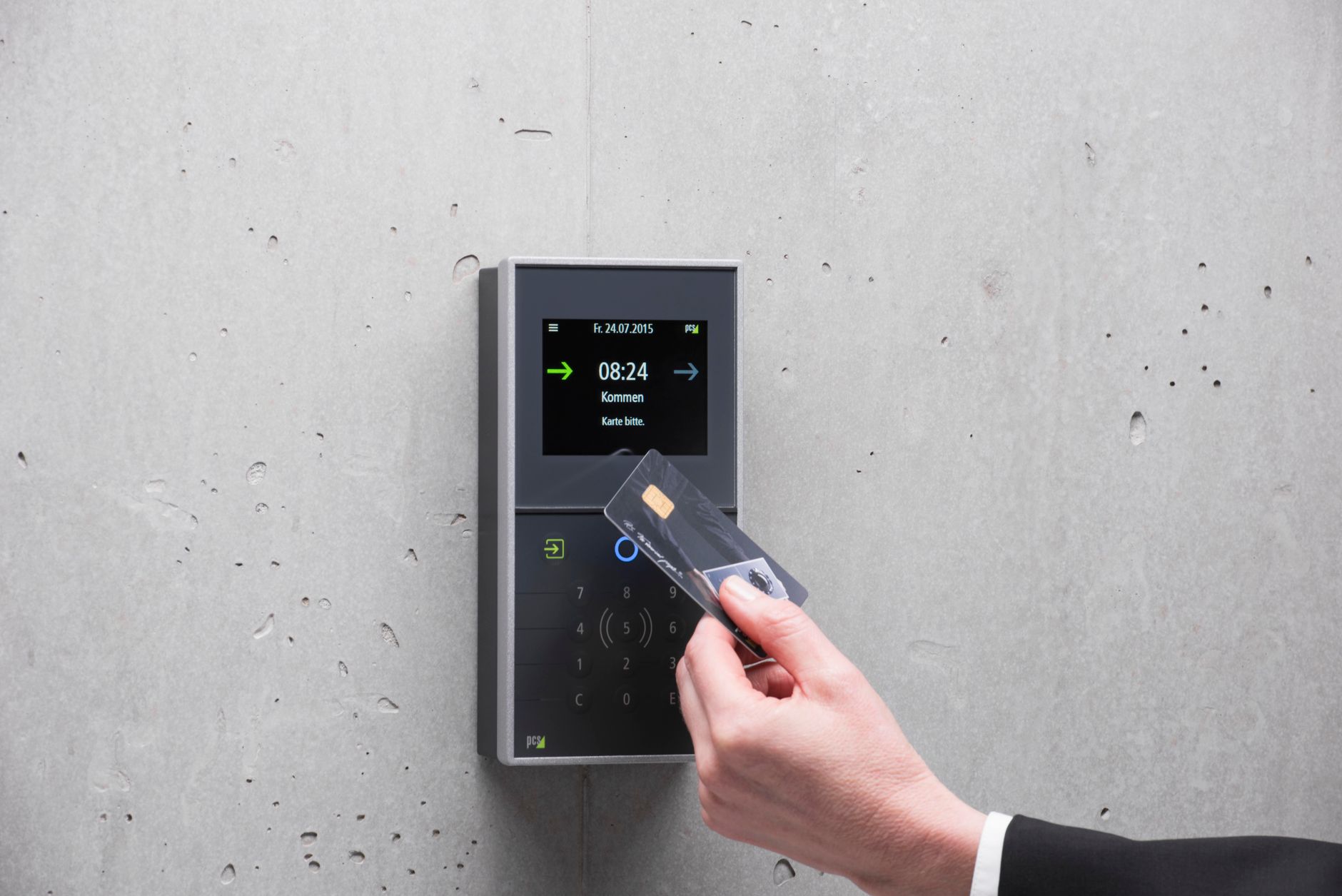
Grade A office buildings in Ho Chi Minh City and Hanoi are transitioning to AI smart security systems to manage entry with facial recognition combined with proximity cards. The centralized VMS system allows guards to monitor 50-100 cameras on a single screen, detecting strangers in basements or technical areas. Integration with LPR barriers for smart parking reduces peak-hour congestion by 80% — a typical case study from ABC Commercial Bank.
Related Products and Equipment
Frequently Asked Questions
What is the cost of transitioning to an AI smart security system?
The cost depends on the scale and current state of the system. For small and medium businesses (10-20 cameras), the upgrade cost ranges from 50-150 million VND, including replacing AI cameras, smart NVRs, and VMS software. The payback period is typically 8-12 months thanks to savings on guard costs.
Can an AI smart security system integrate with old cameras?
Yes, if the old cameras support the ONVIF or RTSP protocol. VMS systems like Milestone XProtect can connect both old cameras and new AI cameras on the same dashboard. However, old cameras will not have AI features such as object recognition or smart alerts.
Is the AI smart security system easy for staff to operate?
Very easy. The VMS interface is designed to be intuitive; security guards only need 1-2 days of training to become proficient. Automatic alerts are sent via Zalo/Email when abnormal events occur, reducing the burden of manual monitoring.
How can camera data be prevented from leaking?
An Ninh Số's AI smart security system meets Vietnamese data security standards: AES-256 end-to-end encryption, detailed user permissions, and separate cloud storage. AI cameras only record when an event occurs, reducing storage capacity and data leak risks.
Does the AI smart security system work during a power outage?
Yes. The system is designed with a backup UPS for NVRs and cameras, maintaining operation for 2-4 hours during a power outage. AI cameras can switch to night mode (infrared) and continue recording normally. Additionally, data is synced to the cloud as soon as network connectivity is restored.
What is the warranty for the AI smart security system?
An Ninh Số provides a 24-month warranty for AI cameras and NVRs, and a 12-month warranty for VMS software. 24/7 technical support is available via hotline 0796 700 777. Within 8 working hours, technicians are on-site in Ho Chi Minh City and Hanoi to resolve issues.
Comparison between AI smart security system and passive security?
Passive security only records and requires constant human monitoring, needing 3-5 guards per shift, costing 15-25 million VND/month. In contrast, an AI smart security system automatically detects intrusions, sends real-time alerts, reduces the need for 1-2 guards per shift, and has an operational cost of only 5-10 million VND/month (including electricity and maintenance).
Is it necessary to replace the entire cabling system when upgrading?
No. The AI smart security system uses standard PoE (Power over Ethernet) network cables, compatible with existing network infrastructure. If the business already has coaxial cables, an Ethernet-over-Coax converter can be used to leverage the old infrastructure, saving 30-40% on installation costs.
Contact An Ninh Số today for a consultation on your transition roadmap to an AI smart security system. Hotline: 0796 70