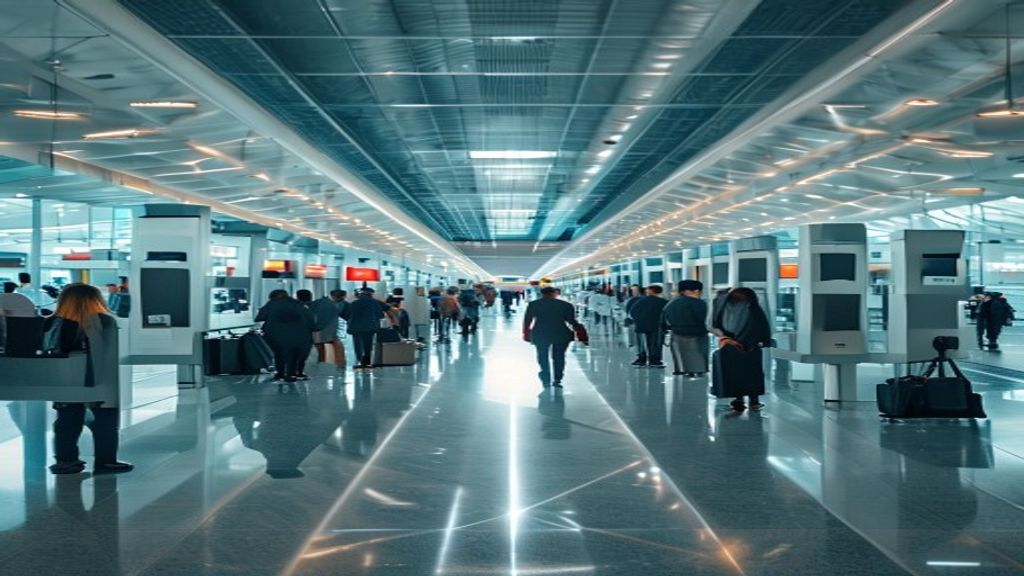
Baggage screening systems at Vietnamese airports are undergoing a strong shift toward high-tech solutions that meet international aviation security standards. Rapiscan Systems, with models such as the Gemini 6040, Eagle M60, and ORION 918CX, has become the preferred choice for many airports from North to South. This article analyzes 5 core reasons why Rapiscan dominates the Vietnamese airport baggage screening market.
What is Rapiscan? Why is Rapiscan suitable for Vietnamese airports?
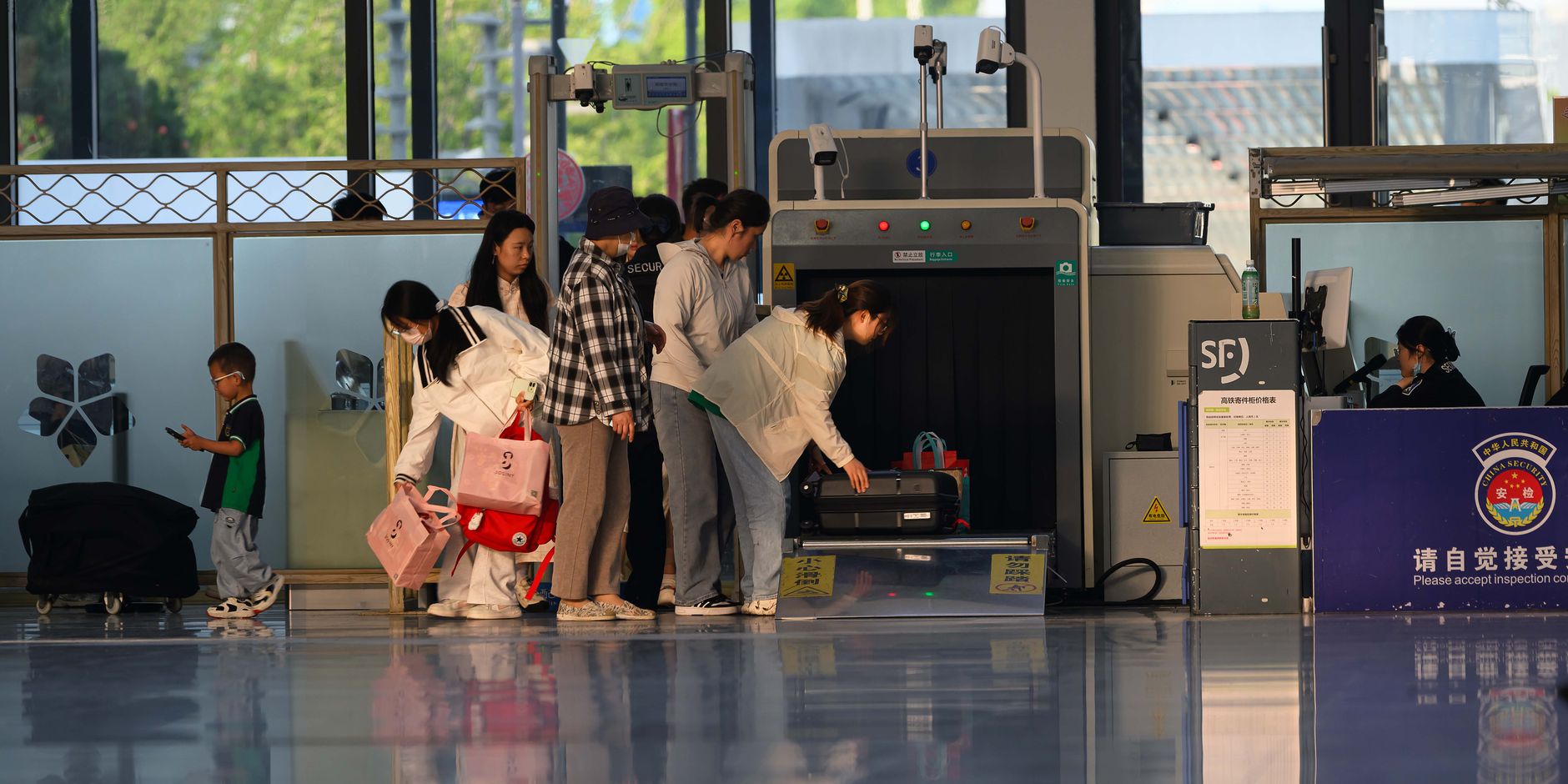
Rapiscan Systems is a world-leading security equipment manufacturer, specializing in X-ray screening machines, metal detectors, and explosive detection systems. Models such as the Rapiscan Gemini 6040, Eagle M60, and ORION 918CX are designed to meet ECAC Standard 3 and TSA requirements, and are suitable for Vietnam's tropical climate conditions.
Rapiscan Systems is headquartered in the USA, with over 30 years of experience in aviation security. Their products have been deployed in over 100 countries, including major airports such as Dubai, Singapore, and Vietnam. In Vietnam, Rapiscan is favored for its ability to detect prohibited items at a microscopic level, high belt speed that reduces passenger wait times, and high durability in hot, humid tropical environments. According to a report from the Civil Aviation Authority of Vietnam, domestic airports such as Tan Son Nhat, Noi Bai, Da Nang, and Phu Quoc have all invested in Rapiscan systems, with a total number of machines reaching hundreds of units during the 2022-2025 period. This shows that Rapiscan is not just a technology solution but also a strategic partner in enhancing aviation security.
1. Superior Detection Sensitivity — Meets ECAC Standard 3
Related Products


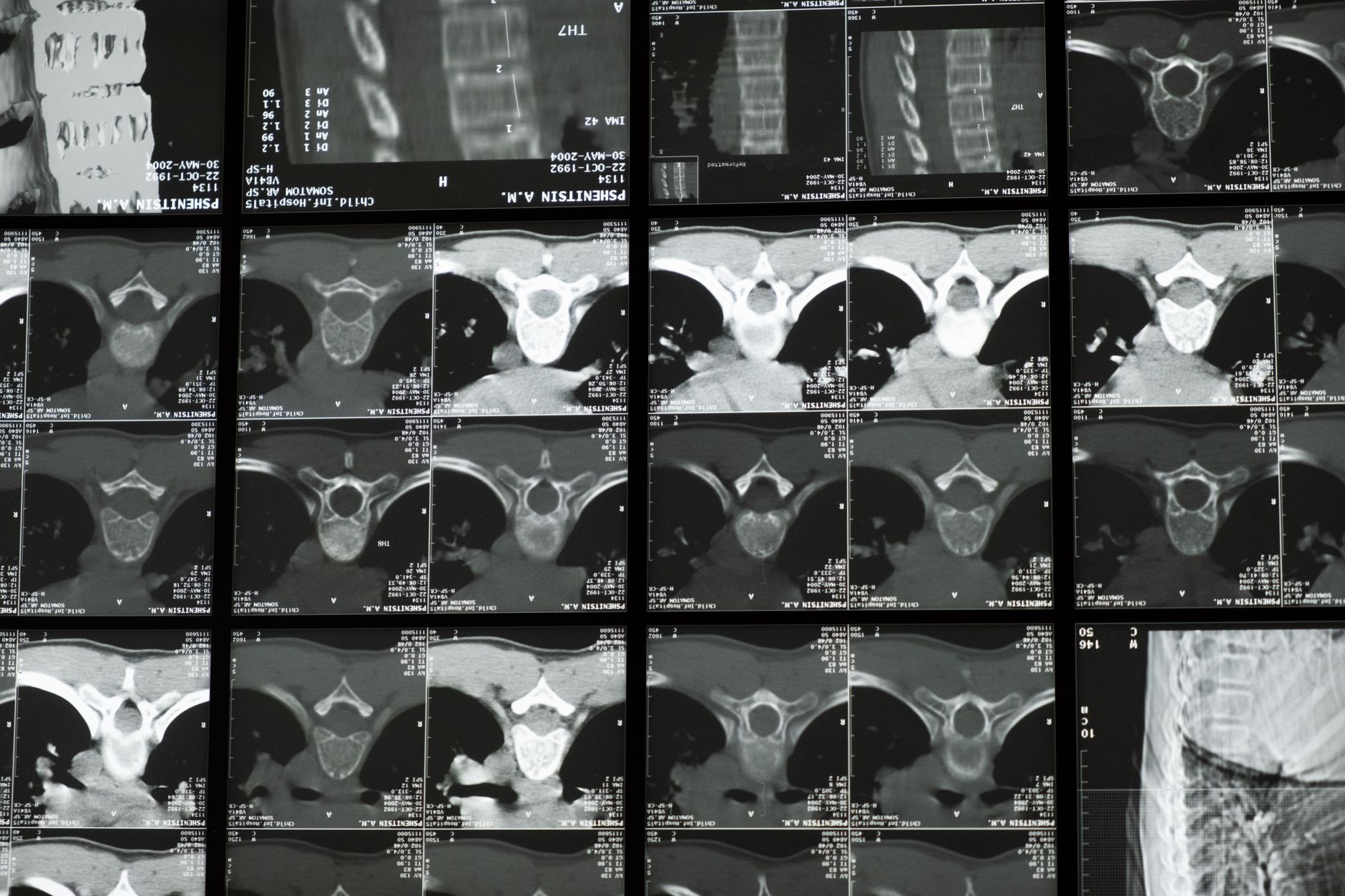
Rapiscan uses dual-energy X-ray technology and AI image analysis algorithms, enabling detection of explosives, weapons, and non-metallic metals at ultra-small sizes (under 1 mm). This sensitivity meets ECAC Standard 3, the most stringent European requirement for airport baggage screening.
Rapiscan models such as the Gemini 6040 and Eagle M60 integrate X-ray sensors with resolution up to 40 AWG (American Wire Gauge), allowing clear visibility of thin wires inside electronic devices. Compared to competitors like the Smiths Detection HI-SCAN 6040, Rapiscan has a false positive rate 10-15% lower thanks to AI algorithms that automatically classify organic, inorganic, and mixed materials. In practice at Tan Son Nhat airport, after switching to the Rapiscan Gemini 6040, the false positive rate dropped from 8% to 3%, reducing re-check time and increasing screening throughput by 25%.
2. High Belt Speed — Reduces Passenger Wait Times
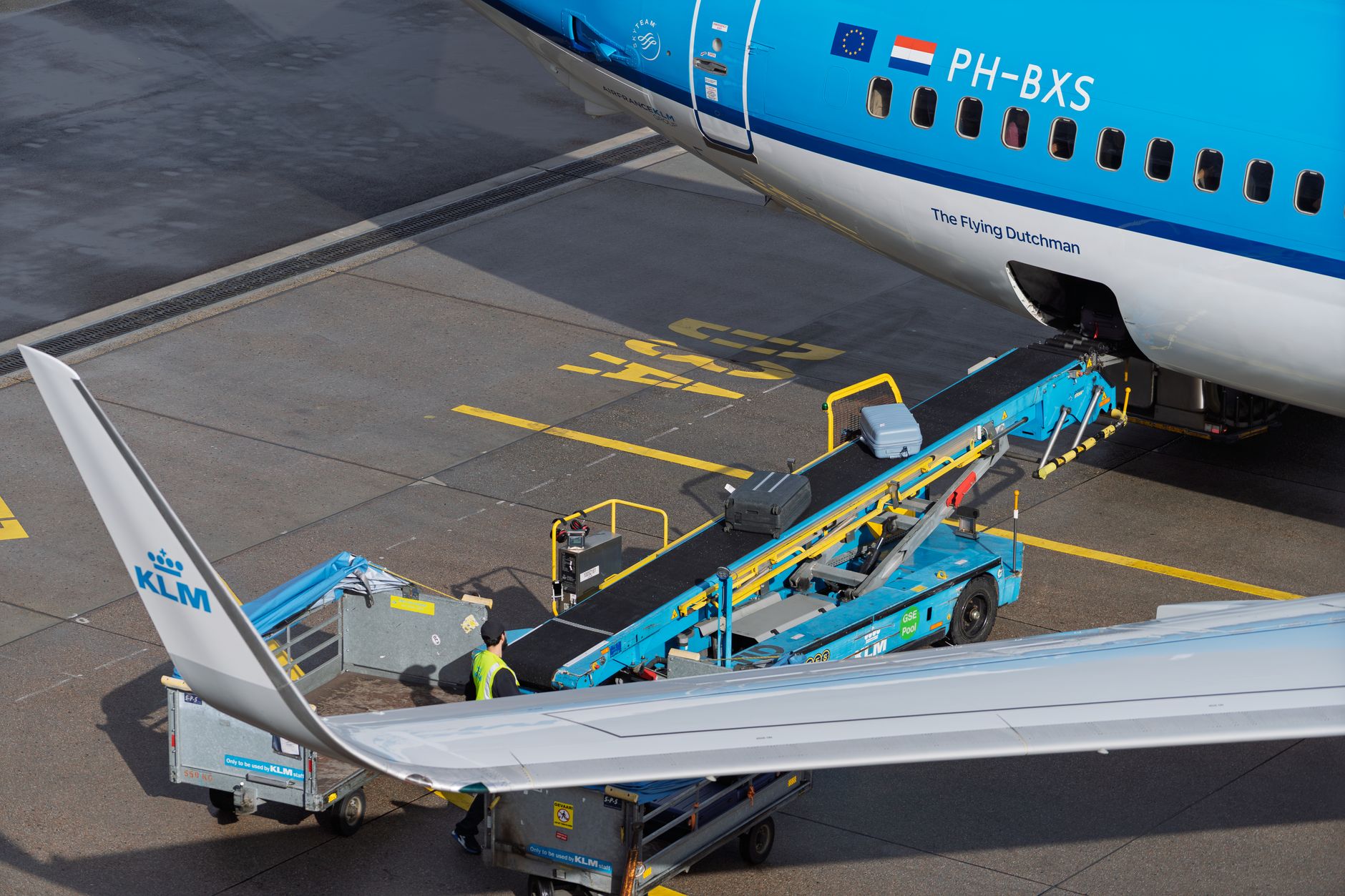
Rapiscan offers belt speeds up to 0.2 m/s, 15-20% faster than comparable models. This speed allows airports to process 180-200 bags/hour per lane, reducing average passenger wait times from 8-10 minutes to 5-7 minutes.
For example, at Noi Bai airport, the Rapiscan Eagle M60 system with a 1.5-meter belt allows passengers to place carry-on luggage and laptops simultaneously, without needing to separate them. This reduces congestion at the screening area, especially during peak hours. Compared to the Nuctech CX 6040, Rapiscan is 18% faster and consumes 12% less power (approximately 0.8 kWh vs. 0.9 kWh). Da Nang airport, after installing 6 Rapiscan Gemini 6040 machines, recorded a 30% reduction in average passenger wait time in Q1/2025.
3. High Durability in Tropical Environments — Design Resistant to Heat, Humidity, and Dust
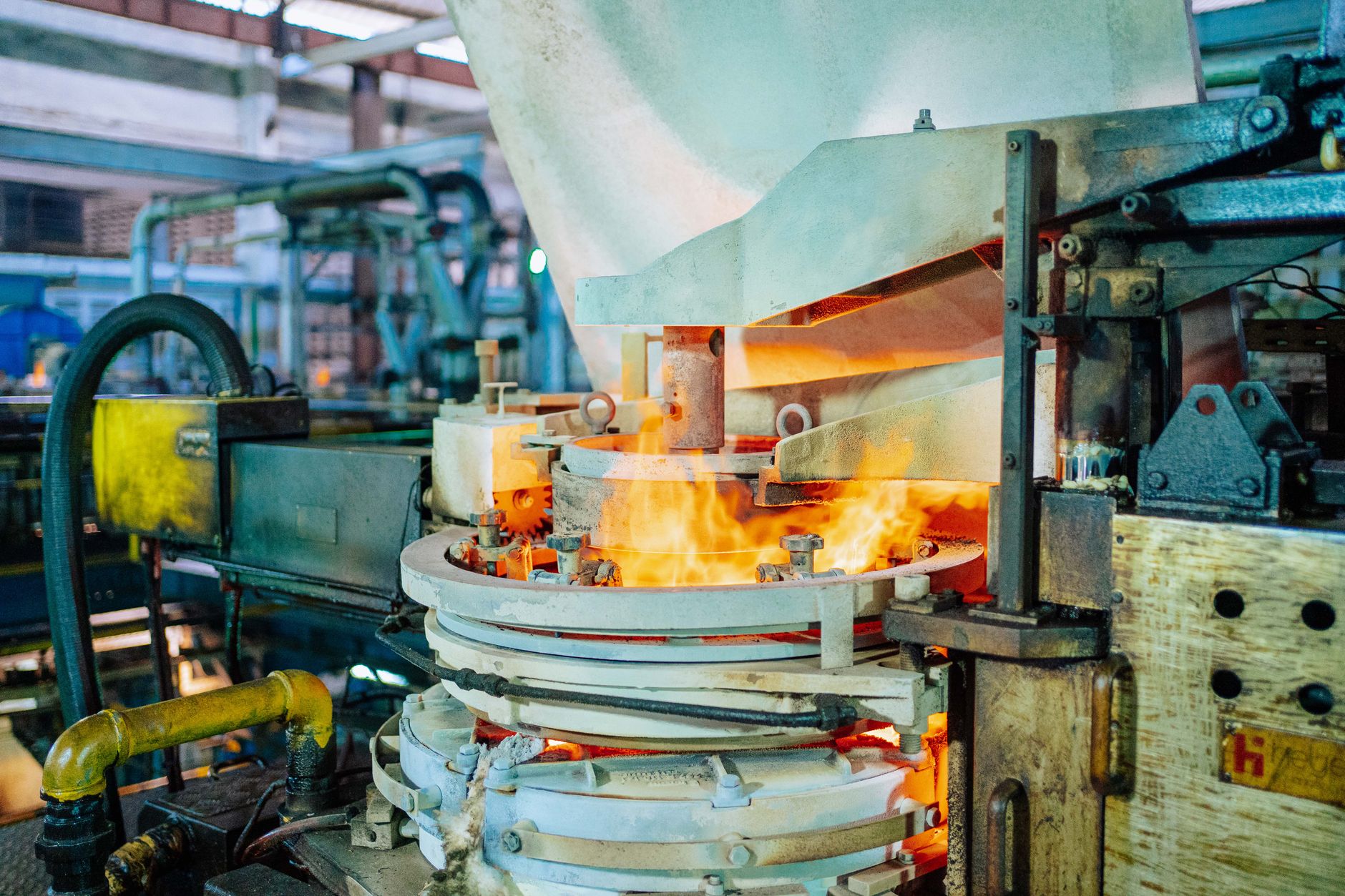
The hot, humid climate with high temperatures (35-40°C) and humidity of 80-90% in Vietnam poses a major challenge for electronic equipment. Rapiscan is designed with a corrosion-resistant aluminum casing, an active cooling system, and IP54 dust filtration, ensuring stable 24/7 operation in harsh conditions.
In projects at Phu Quoc airport, where humidity is high year-round, the Rapiscan ORION 918CX operates continuously for 16 hours/day without overheating issues. The X-ray sensor is protected by a tempered glass layer, minimizing the impact of sea dust. Compared to Smiths Detection machines, Rapiscan has an average lifespan 20% longer (10-12 years vs. 8-10 years) thanks to the use of industrial-grade components instead of commercial-grade ones. The Rapiscan dealer in Ho Chi Minh City reports a failure rate of under 2% in the first year, significantly lower than the 5% rate of competitors.
4. On-Site Technical Support — Nationwide Dealer and Technician Network
Rapiscan has a network of official dealers and technicians in Ho Chi Minh City, Hanoi, Da Nang, and Can Tho, with a response time of under 4 hours during business hours. This ensures airports can quickly resolve issues, avoiding operational disruptions.
Viet Duc Tri Group is the official partner of Rapiscan in Vietnam, providing installation, maintenance, and repair services. When an airport needs replacement parts, the dealer has a warehouse in Ho Chi Minh City stocked with common components such as sensors, belts, and power supplies. Compared to other brands like Nuctech (which requires importing from China, taking 7-10 days), Rapiscan has an advantage in processing time. Noi Bai airport once reported a belt malfunction at 8:00 AM, and a technician resolved it before 12:00 PM the same day, thanks to available spare parts in Hanoi.
5. Optimized Operating Costs — Save 15-20% Compared to Competitors
The 5-year Total Cost of Ownership (TCO) for Rapiscan is 15-20% lower than Smiths Detection and Nuctech, thanks to lower power consumption, cheaper routine maintenance, and longer component lifespan.
A cost analysis for one Rapiscan Gemini 6040 machine (priced around $45,000-$55,000 USD) shows: power consumption of 0.8 kWh (saving $200-$300 USD/year compared to competitors), annual maintenance of approximately $2,500-$3,000 USD (10-15% lower), and component replacement after 5 years of about $5,000 USD. The total 5-year TCO is approximately $65,000-$75,000 USD, compared to $80,000-$90,000 USD for Smiths Detection. Da Nang airport, with 6 Rapiscan machines, saves $12,000-$15,000 USD/year compared to using Nuctech CX 6040 machines. The comparison table below illustrates the details.
| Criteria | Rapiscan Gemini 6040 | Smiths Detection HI-SCAN 6040 | Nuctech CX 6040 |
|---|---|---|---|
| Equipment Price (USD) | 45,000 - 55,000 | 50,000 - 65,000 | 35,000 - 45,000 |
| Power Consumption (kWh) | 0.8 | 1.0 | 0.9 |
| Annual Maintenance Cost (USD) | 2,500 - 3,000 | 3,000 - 3,500 | 2,000 - 2,500 |
| 5-Year TCO (USD) | 65,000 - 75,000 | 80,000 - 90,000 | 55,000 - 65,000 |
| Average Lifespan (years) | 10 - 12 | 8 - 10 | 7 - 9 |
Summary Table: Rapiscan vs. Key Competitors
| Term | Definition | Example |
|---|---|---|
| ECAC Standard 3 | European aviation security standard requiring detection of thin-sheet explosives | Rapiscan Gemini 6040 achieved ECAC Standard 3 certification in 2024 |
| False Positive | Rate of false alarms when the system identifies a harmless object as dangerous | Rapiscan has a false positive rate of 3%, lower than Smiths Detection's 5% |
| TCO (Total Cost of Ownership) | Total cost of ownership including purchase, installation, operation, and maintenance over the product lifecycle | Rapiscan's 5-year TCO is 15-20% lower than competitors |
| Dual-Energy X-ray | X-ray technology using two energy levels to distinguish between organic and inorganic materials | Rapiscan Eagle M60 uses dual-energy to detect explosives inside electronic devices |
Common Mistakes When Choosing Baggage Screening Machines for Airports
Mistake 1: Choosing a cheap machine while ignoring detection sensitivity. The Nuctech CX 6040 is 20-30% cheaper but has a false positive rate 2-3 times higher, causing delays and inconvenience for passengers.
Mistake 2: Not checking heat and humidity resistance. Machines not designed for tropical climates are prone to X-ray sensor failure after 1-2 years, increasing repair costs by 30-40%.
Mistake 3: Buying a machine without local dealer support. Importing components from abroad takes 7-10 days,