
According to a 2025 report by the State Bank of Vietnam, security incidents in bank vault areas account for 12% of total internal incidents, of which 70% are related to traditional authentication vulnerabilities. Bank vault security using face recognition is becoming a priority solution for many financial institutions in Vietnam to replace easily copied magnetic stripe cards and PIN codes.
Risk 1: Magnetic stripe cards being copied and PIN codes exposed via shoulder surfing
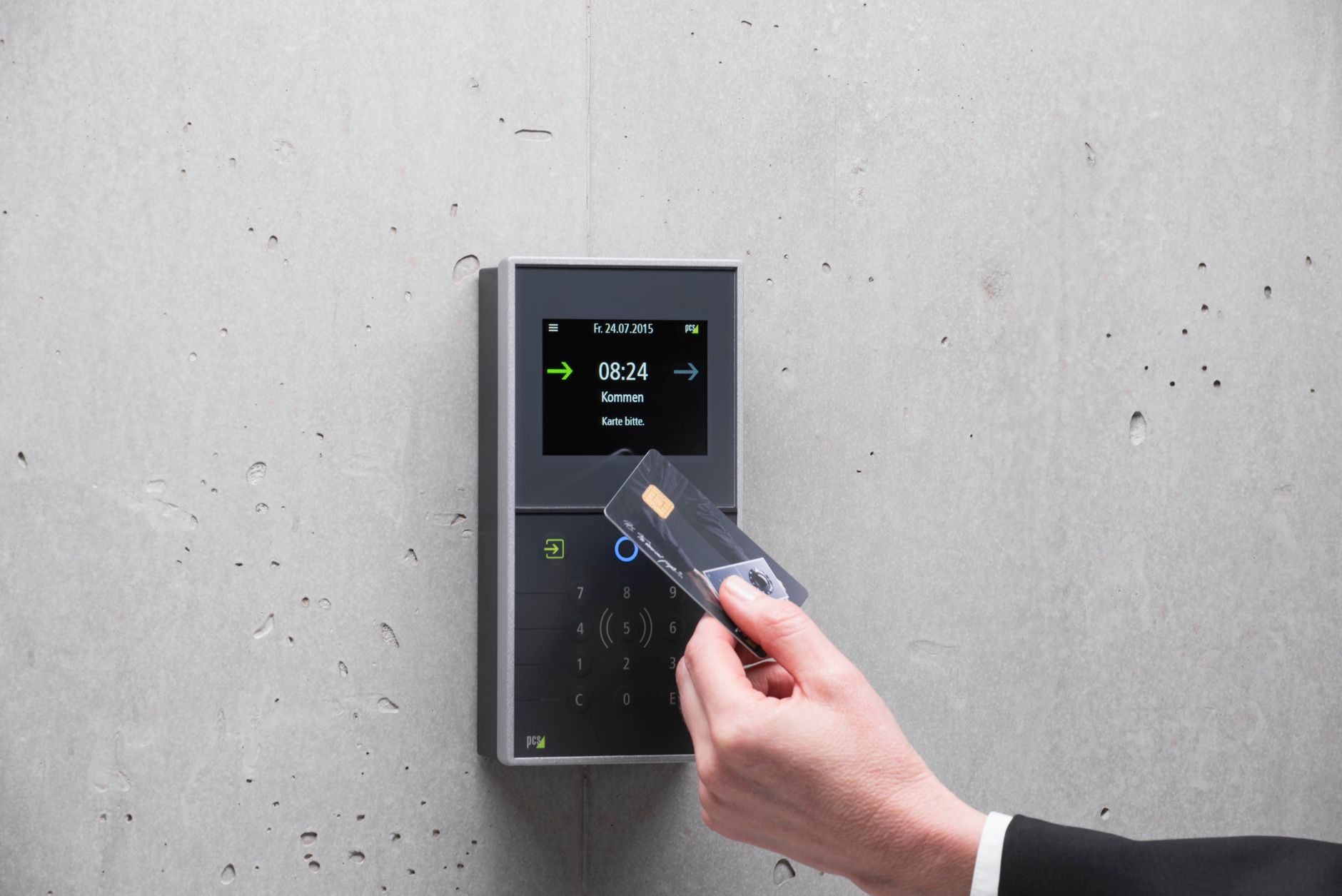
Magnetic stripe technology and PIN codes are common authentication methods in many bank vaults, but they are easily copied via skimmer devices or exposed through shoulder surfing techniques. According to a survey by Việt Đức Trí Group, 45% of medium-sized banks in Vietnam still use magnetic stripe cards for vault doors without additional protection layers.
- Face ID Solution: The KSRV Face ID system uses 3D cameras for facial recognition with 99.8% accuracy, which cannot be copied or stolen like magnetic stripe cards. For each access, the system compares the live face (liveness detection) against the database, completely eliminating the risk of skimming and shoulder surfing.
- Real-world Case Study: Bank XYZ (fictional brand) after switching from magnetic stripe cards to Face ID for its 3 main vaults, recorded 0 card copying incidents within 8 months of operation, reducing authentication time by 65% from 15-25 seconds to 2-3 seconds.
Risk 2: Internal fraud — Vault employees opening doors for unauthorized persons

According to data from the Vietnam Banks Association in 2025, 60% of asset losses in vault rooms involve internal employees. Malicious actors can exploit trust or use coercion to have vault doors opened for unauthorized individuals.
- Face ID + Anti-passback Solution: The KSRV Face ID system integrates an anti-passback feature, requiring each person to authenticate their face individually before the door opens. "Tailgating" or "piggybacking" is not possible — each entry and exit is recorded separately. If multiple people are detected simultaneously, the system triggers a real-time alert to the monitoring center.
- Specific Data: A survey of 5 Vietnamese commercial banks deploying Face ID + anti-passback showed an 85-90% reduction in internal incidents within the first 6 months.
Risk 3: Lack of detailed audit logs — difficult to trace when incidents occur
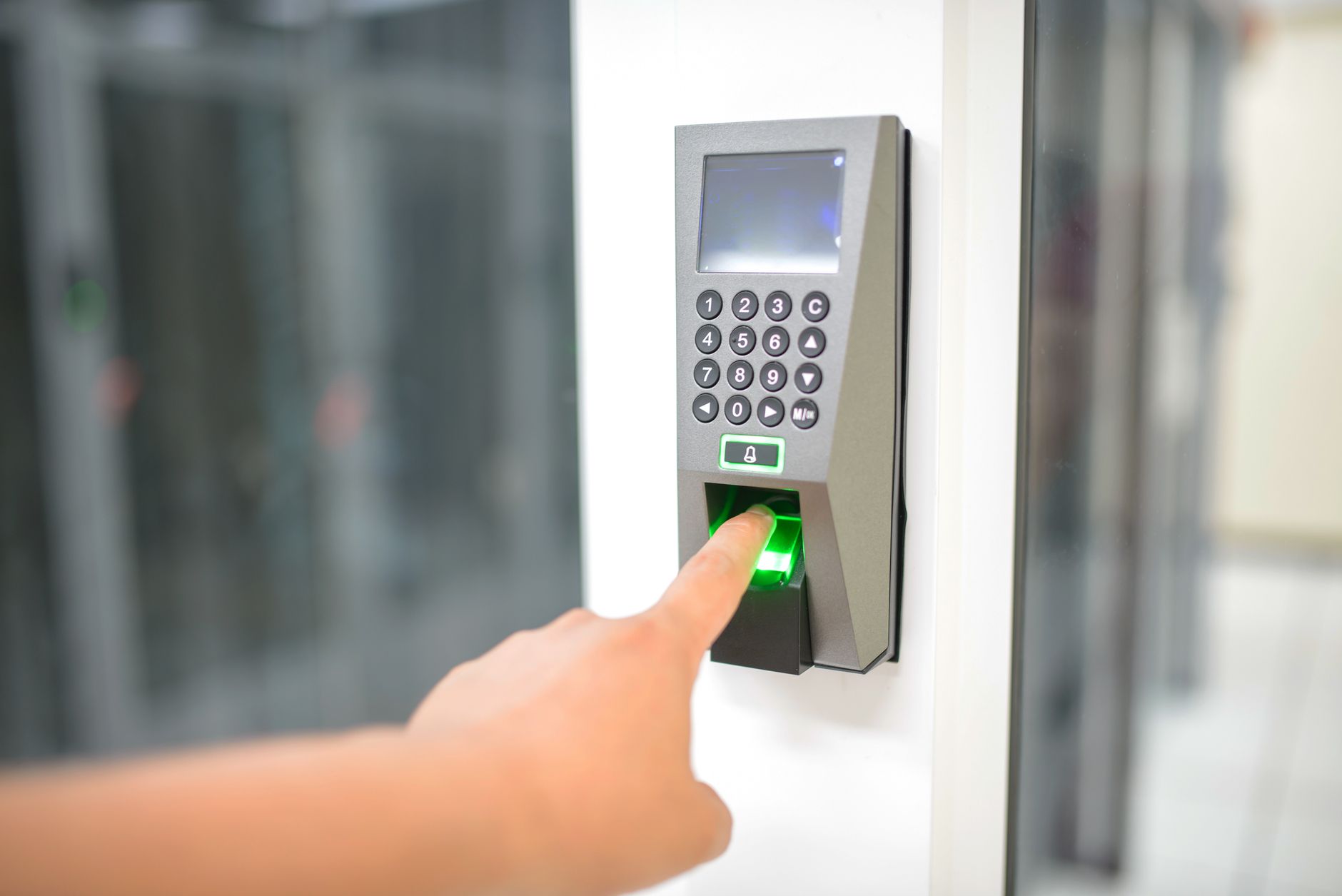
Many bank vaults only record logs in the format "card ID X entered at time Y" without photos or biometric data. When a loss occurs, identifying the perpetrator is nearly impossible if the card was borrowed or copied.
- Face ID Audit Log Solution: The KSRV Face ID system from Việt Đức Trí Group stores detailed logs including: real-time facial photos, timestamps, ambient temperature (optional), and anti-spoofing data. Each log can be exported as a PDF report for internal audits or requests from the State Bank of Vietnam per Circular 50/2024/TT-NHNN.
- Actual Figures: A medium-sized bank in Ho Chi Minh City (fictional brand: Tân Phát Bank) reduced incident trace time from 3-5 days down to 15-30 minutes after deploying Face ID + audit logs.
Risk 4: Lost cards or forgotten PIN codes leading to operational disruption

Vault employees often work in high-pressure environments. Losing a magnetic stripe card or forgetting a PIN code not only causes delays but also creates opportunities for malicious actors to exploit the waiting time for access re-issuance.
- Physical-free Face ID Solution: Facial recognition technology completely eliminates the need to carry a card or remember a PIN code. Employees only need to stand in front of the 3D camera for 2-3 seconds to authenticate. In cases where the face is covered (mask, sunglasses), the system can still recognize them via characteristic points on the face (technical specifications of Suprema FaceLite and ZKTeco ProFace X TD).
- Operational Statistics: Data from 3 banks using Face ID for vaults shows a 95% reduction in downtime due to authentication errors, saving an average of 2-4 labor hours per month.
Risk 5: Lack of Multi-Factor Authentication (MFA) for the most sensitive areas
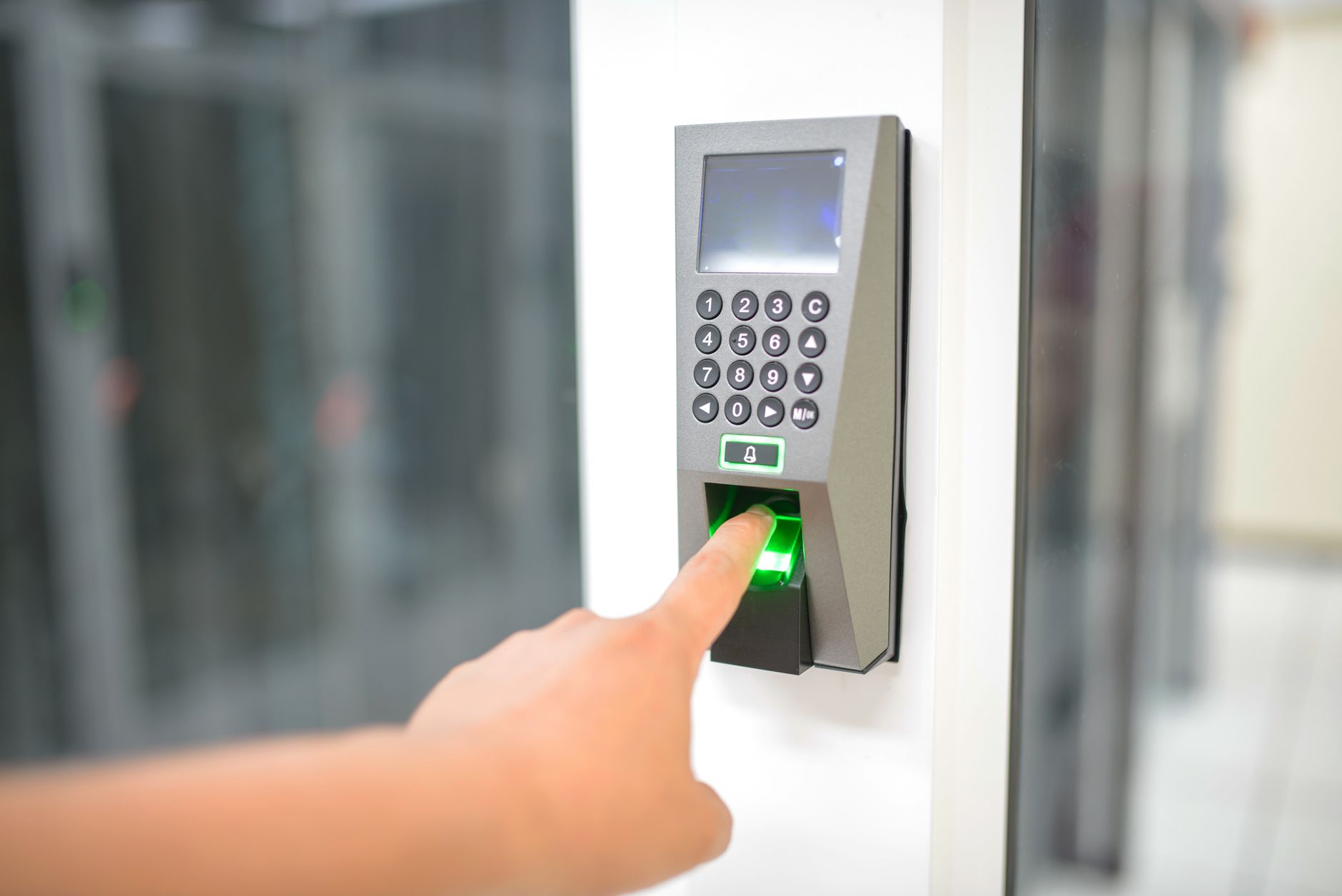
Many bank vaults use only a single authentication layer (card or PIN), failing to meet the minimum security requirements recommended by the State Bank of Vietnam. KSRV Face ID allows for easy MFA deployment: Face ID + OTP code sent to a registered phone, or Face ID + fingerprint.
- Integrated MFA Solution: The MFA for door access system from Việt Đức Trí Group combines Face ID (biometric factor) with a dynamic PIN code (knowledge factor) or an RFID card (possession factor). Each vault access requires a minimum of 2 factors.
- Regulatory Compliance: Circular 50/2024/TT-NHNN requires credit institutions to apply multi-factor authentication for sensitive transactions. Deploying Face ID + MFA helps banks immediately meet this requirement without major hardware infrastructure changes.
Summary Table: Comparison of authentication methods for bank vaults
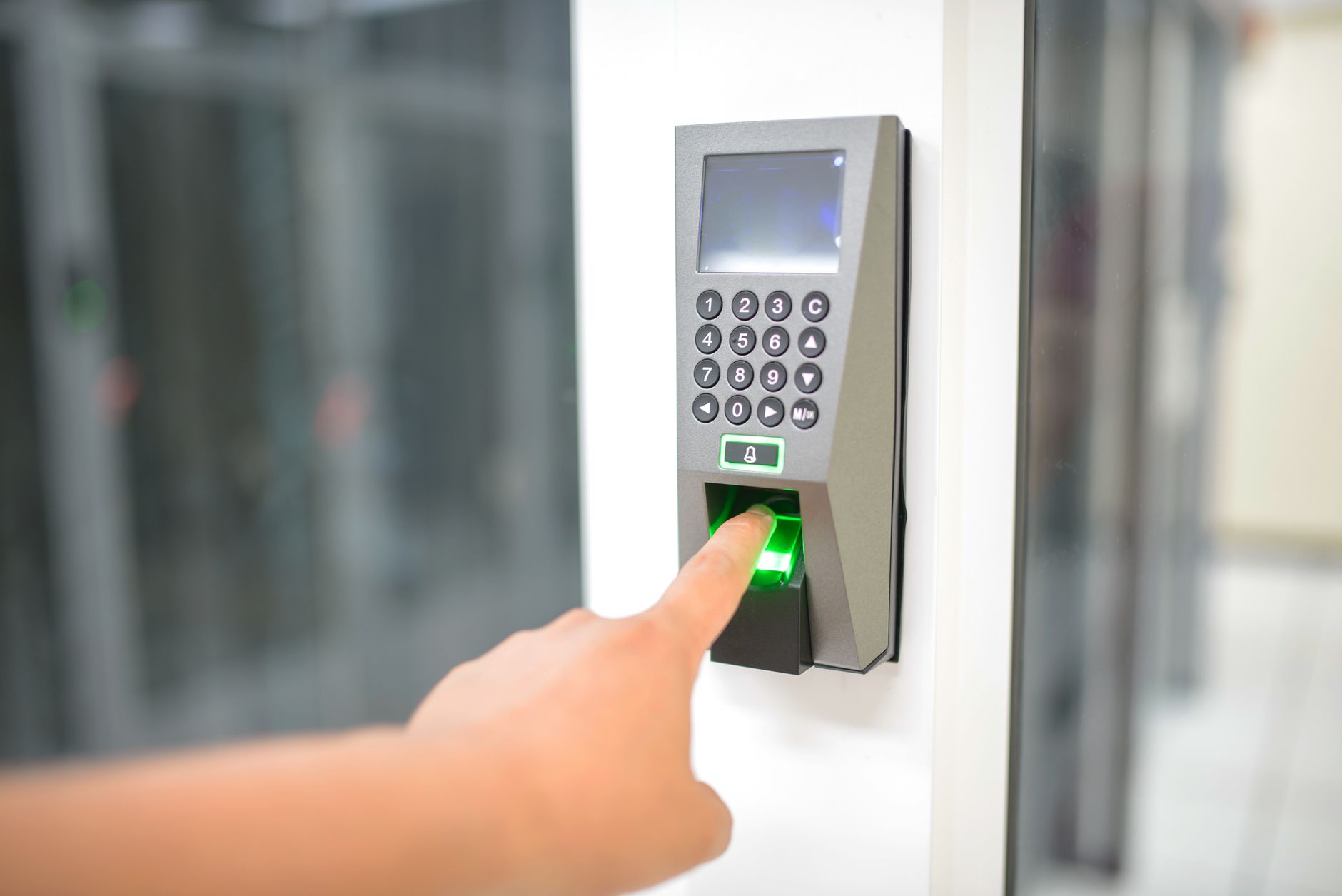
| Criteria | Magnetic stripe + PIN | Face ID (3D) | Face ID + MFA |
|---|---|---|---|
| Copyability | High (skimmer, shoulder surfing) | Very low (liveness detection) | Nearly impossible |
| Internal fraud prevention | Poor (tailgating) | Good (anti-passback) | Excellent (2 factors) |
| Detailed audit log | No photos | Photos + real-time timestamp | Photos + OTP log |
| Authentication time | 15-25 seconds | 2-3 seconds | 5-8 seconds (with OTP) |
| Deployment cost | Low (old equipment) | Medium (3D camera + software) | Higher (additional OTP server) |
Case Study: Lá Me Bank reduces vault security incidents by 100% thanks to KSRV Face ID
Lá Me Commercial Bank (fictional brand) had operated 3 vault rooms with a magnetic stripe card system for 10 years. In Q1/2025, they recorded 2 cases of lost vault keys and 1 case of an employee opening the door for an outsider. After consulting with Việt Đức Trí Group, the bank decided to upgrade to the KSRV Face ID solution integrated with anti-passback and audit logs.
- Results after 6 months: 0