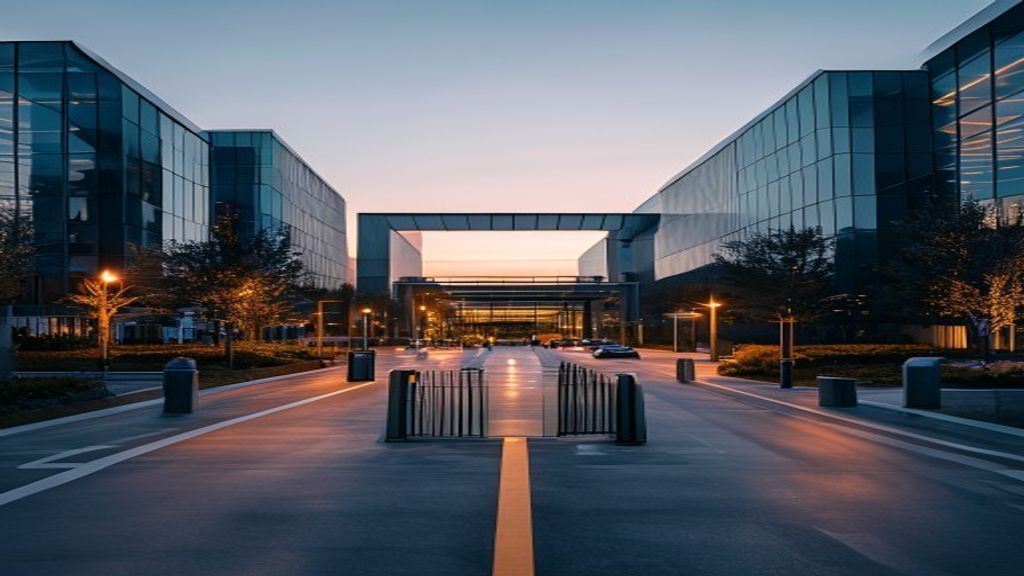
Vehicle access control systems in office buildings after 3-5 years of use often reveal a series of issues: outdated software, degraded hardware, and data loss. Many building owners are complacent, thinking "it still works," and delay upgrades. In reality, failing to upgrade to AI vehicle control software in a timely manner can cause 5 serious risks, directly impacting the building's cash flow and operational reputation.
1. Parking Revenue Loss Due to Recording and Reconciliation Errors
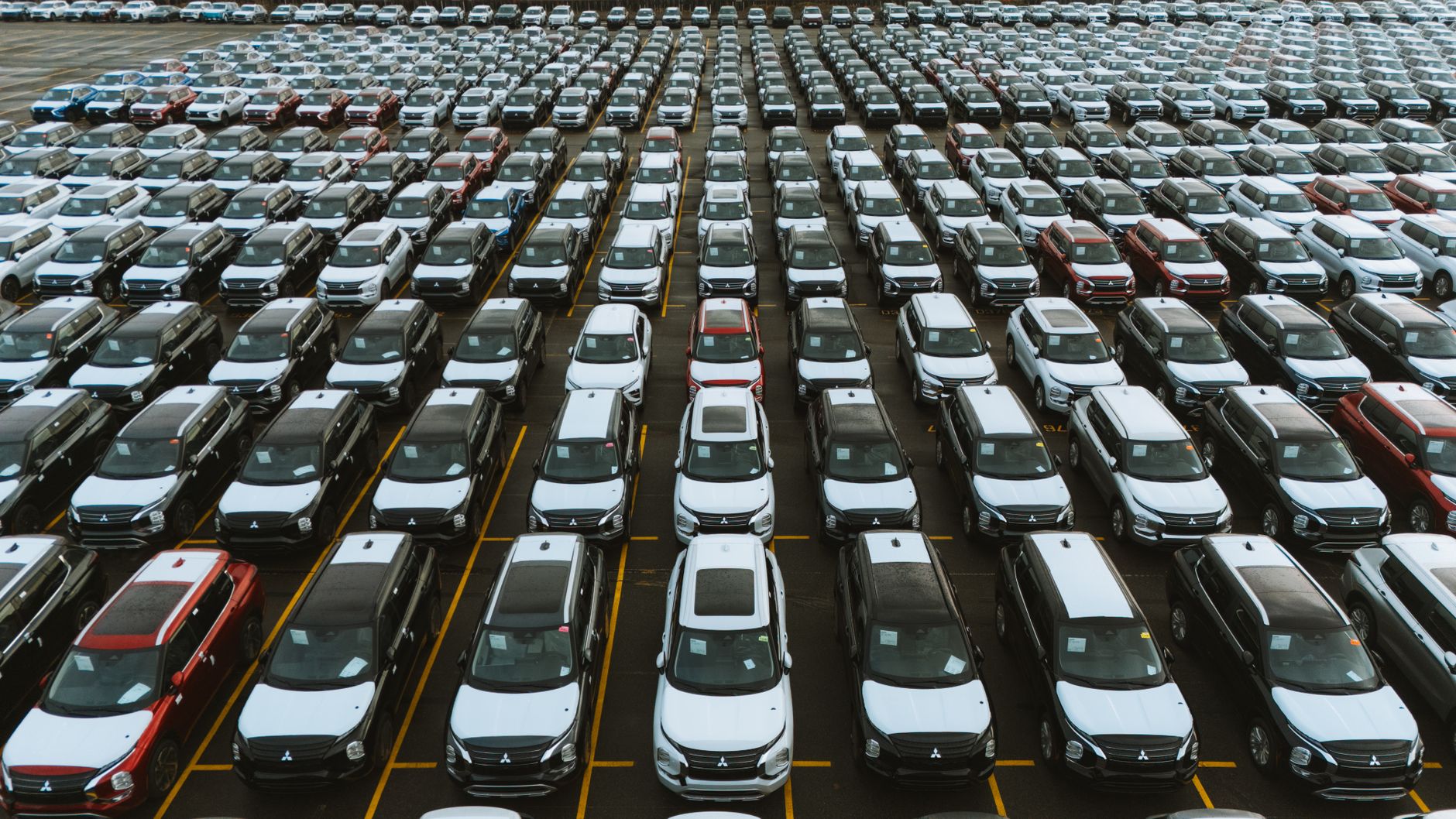
Old vehicle control systems often incorrectly record the number of vehicles entering and exiting, miss parking sessions, or lose end-of-day reconciliation data. For an office building with 200-500 vehicle trips/day, an error rate of 5-10% equates to a loss of 30-80 million VND/year.
Older vehicle control software lacks an automatic reconciliation mechanism between LPR camera data, barriers, and the billing system. Parking staff must manually enter data, which is prone to discrepancies. Some buildings have even recorded cases of staff "forgetting" to log vehicles of regular customers, causing silent revenue loss. The solution is to upgrade to AI vehicle control software with integrated LPR and real-time automatic reconciliation, completely eliminating human errors.
2. Security Vulnerabilities in Customer and Vehicle Data
Related Products

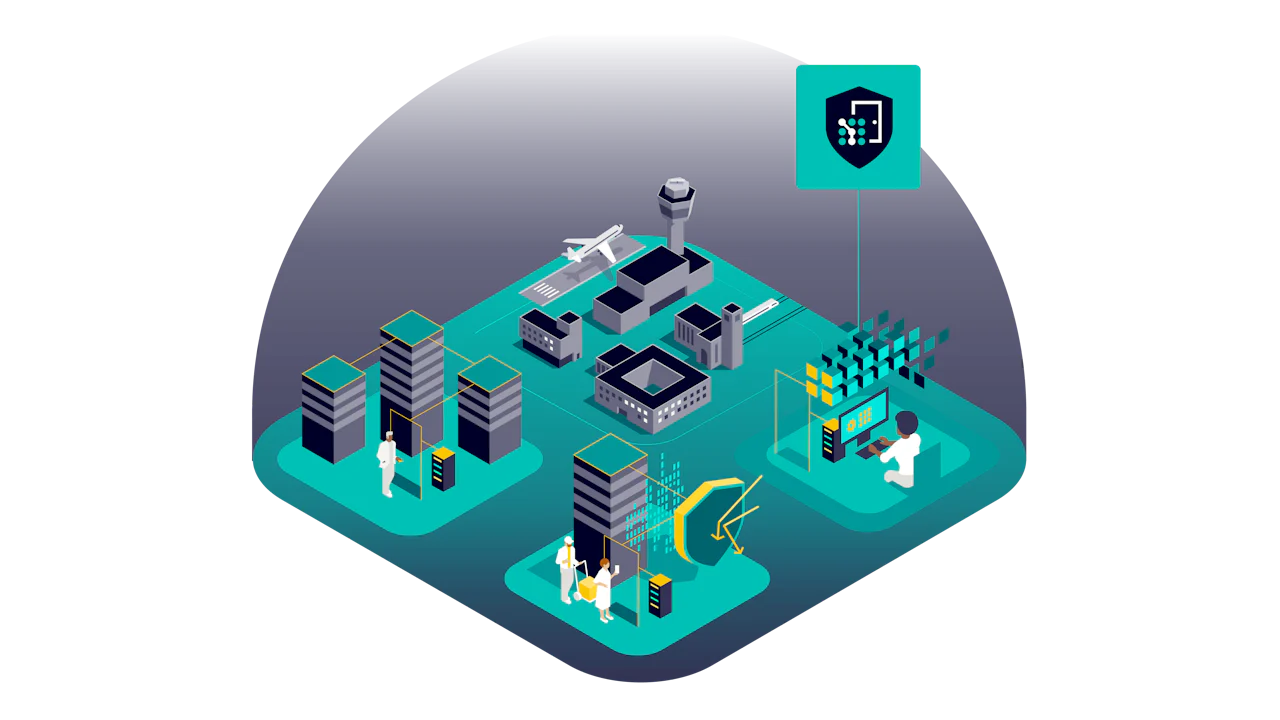

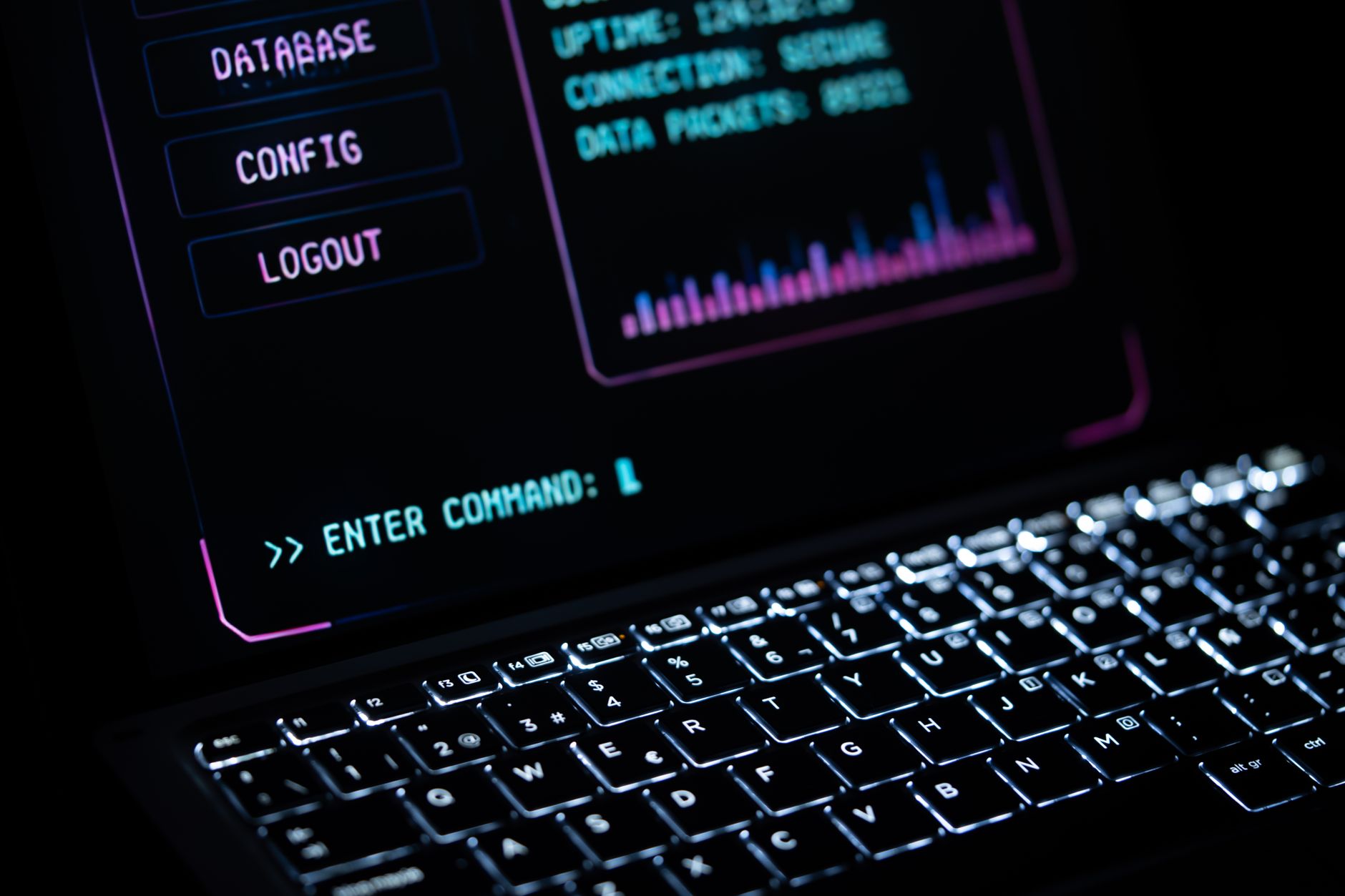
Old software is not regularly patched for security vulnerabilities, making it susceptible to attacks that exploit license plate data and loyal customer information. A single leak can damage the building's reputation and expose it to legal risks under Decree 13/2023 on personal data protection.
Older vehicle control systems often run on outdated Windows XP/7 platforms and do not support end-to-end data encryption. Attackers can gain remote access through unprotected network ports. Modern software, such as solutions from Việt Đức Trí Group, apply AES-256 encryption standards, two-factor authentication, and secure cloud data storage. Upgrading to AI vehicle control software is a mandatory step to comply with legal regulations.
3. Soaring Annual Hardware Maintenance Costs
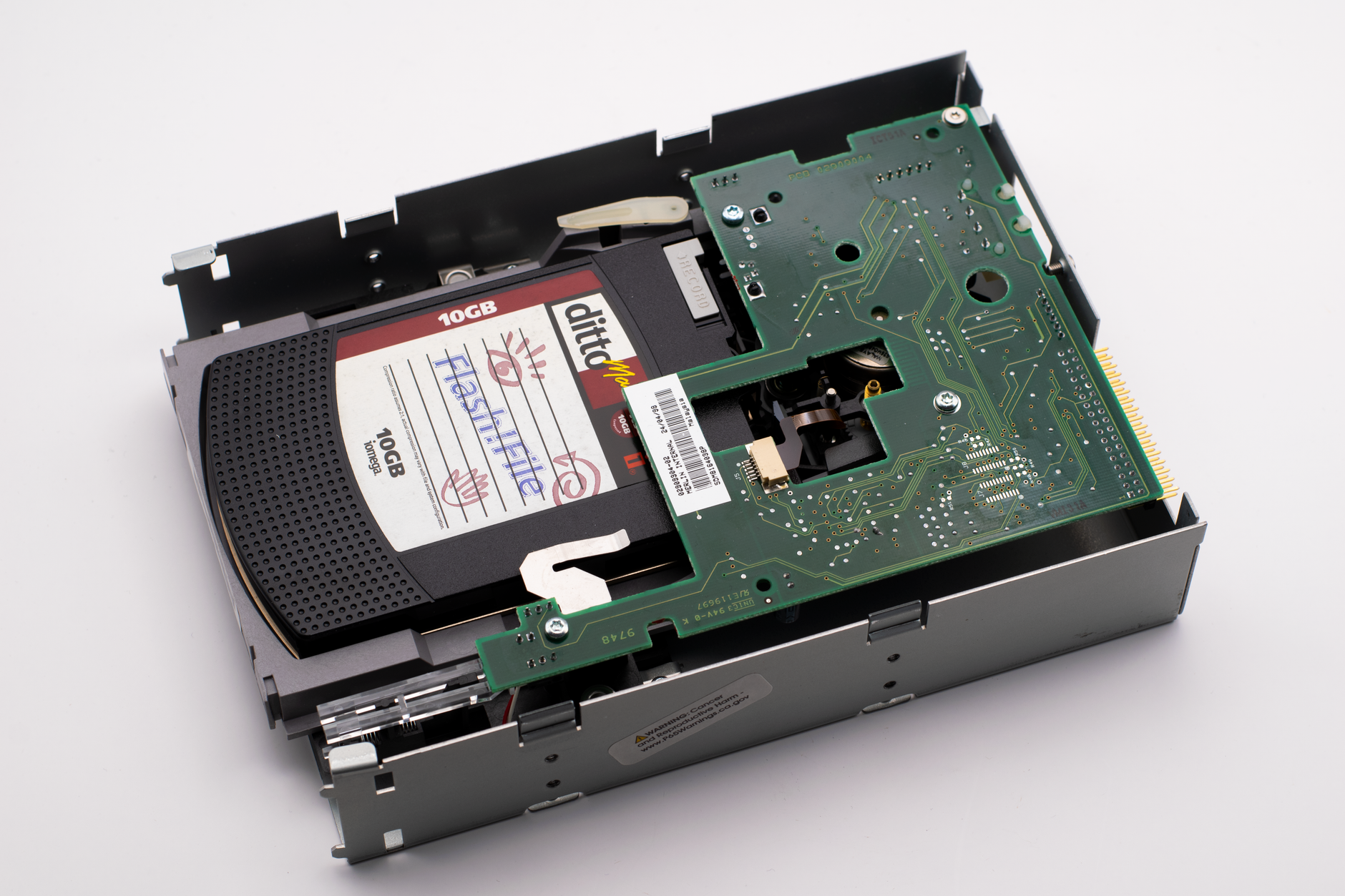
Old software often comes with proprietary hardware, whose components are gradually being phased out. Repair costs for barriers, LPR cameras, and card readers increase by 20-40%/year after the 3rd year. A building spends an average of 50-80 million VND/year on maintaining an old system.
When software is not upgraded, drivers for connecting to new hardware become incompatible. Businesses are forced to buy second-hand components or accept prolonged downtime. Instead, migrating to free AI vehicle control software allows reusing existing hardware if it meets connection standards, while also supporting flexible replacement with common commercial equipment, reducing maintenance costs by 40-60%.
4. Peak-Hour Congestion and Reduced Operational Efficiency

Old systems process 15-25 seconds per vehicle, causing congestion during morning peak hours (7:30-9:00 AM) and afternoon peak hours (5:00-6:30 PM). Building employees lose 10-15 minutes waiting each day, equivalent to 40-60 lost work hours per year.
Modern AI vehicle control software uses License Plate Recognition (LPR) technology combined with automatic barriers, reducing processing time to 3-5 seconds per vehicle. The system also features pre-registration for employee vehicles, allowing the barrier to open immediately when the camera recognizes a familiar license plate. The result is a 60-70% reduction in wait times at the gate, improving the experience for residents and customers.
5. Loss of Scalability as the Building Expands

Old software often limits the number of vehicles (e.g., a maximum of 500 vehicles/day), does not support adding new basement levels, or integrating with other systems like CRM or online payment. When the building expands, the business is forced to replace the entire system, costing 3-5 times more than a gradual upgrade.
The solution from Việt Đức Trí Group provides a microservices architecture platform, allowing unlimited expansion of gates and basement levels. The system can integrate via API with Building Management Software (BMS), mobile payment applications, and resident portals. The business only needs to upgrade the vehicle control software once, then add new modules as needed.
Summary Table: 5 Risks and Financial Impact

| Risk | Operational Impact | Estimated Cost/Year |
|---|---|---|
| Revenue Loss | 5-10% recording errors on vehicle trips | 30-80 million VND |
| Security Vulnerabilities | Data leak, loss of reputation | 50-200 million VND (incident handling) |
| Rising Maintenance Costs | Phased-out components, constant repairs | 50-80 million VND |
| Peak-Hour Congestion | 40-60 lost work hours/year | 15-30 million VND (employee salaries) |
| Loss of Scalability | Must replace entire system when expanding | 200-500 million VND (one-time) |
Common Mistakes When Delaying Vehicle Control Software Upgrades
- Complacency because "the system still works": Stable software does not mean it is safe and efficient. Risks accumulate silently until an incident occurs.
- Believing upgrades are expensive: In reality, the cost of upgrading to AI vehicle control software is only 20-30% of the maintenance cost of an old system over 2 years. Many free solutions, such as from Việt Đức Trí Group, help save money from the first year.
- Unaware of free solutions: Many businesses still think vehicle control software must be paid for. In fact, there are permanently free AI solutions with full features like LPR, parking management, and automatic reconciliation.
- Waiting until complete failure to replace: When the old system suddenly crashes, the business loses 3-7 days to deploy a new system, causing operational disruption and revenue loss.
Roadmap for Upgrading AI Vehicle Control Software for Office Buildings
The upgrade should be done in 3 steps: assess the current state, choose the right solution, and deploy in phases. The average time is 2-4 weeks for a mid-range office building.
- Step 1 – Audit the current system: Assess the age of hardware (barriers, cameras, card readers), software version, storage capacity, and network bandwidth.
- Step 2 – Select an upgrade solution: Prioritize AI vehicle control software that is backward compatible with old hardware, supports LPR, automatic reconciliation, and API integration. Guide to choosing free parking control apps for apartments and office buildings 2026 provides detailed criteria.
- Step 3 – Deploy in phases: Upgrade the software first, run it in parallel with the old system for 1-2 weeks to check accuracy. Then gradually replace outdated hardware.
For buildings already using paid software, switching to a free solution saves 40-60 million VND/year in licensing fees. See Case Study: Switching from paid to free parking software, saving 40 million VND/year to understand the roadmap.
Frequently Asked Questions
Is free AI vehicle control software truly feature-complete?
Yes. Current free AI solutions, such as those from Việt Đức Trí Group, provide full features: LPR license plate recognition, access management, revenue reconciliation, statistical reports, and automatic barrier integration. There is no limit on the number of vehicles or usage time. Businesses only pay for hardware if an upgrade is needed.
What is the cost of upgrading to AI vehicle control software?
The cost depends on the building's scale and existing hardware. If the hardware is compatible, the business only pays for installation and configuration, approximately 5-15 million VND for a building with 2-3 gates. If barriers or LPR cameras need replacement, the total cost is 30-80 million VND. Compared to the 50-80 million VND/year maintenance cost of an old system, ROI is achieved in 6-12 months.
How do I know if my old system is compatible with new AI software?
Việt Đức Trí Group offers a free system audit. Technicians will check the models of barriers, cameras, card readers, and network connectivity. Most equipment manufactured after 2018 supports communication via TCP/IP or RS485, meeting upgrade requirements. Only some proprietary older devices (pre-2015) need replacement.
Will upgrading the vehicle control software disrupt building operations?
The phased deployment process minimizes disruption. The new software is installed in parallel with the old system for 1-2 weeks, with staff operating both to get familiar. The official switchover is usually done on weekends or at night, taking 2-4 hours per gate. Peak hours are not affected.
Can AI vehicle control software integrate with CRM or online payment systems?
Yes. The solution from Việt Đức Trí Group provides a RESTful API for integration with most CRM platforms, building management software, and payment gateways (VNPay, MoMo, ZaloPay). Businesses can sync vehicle entry/exit data with loyalty programs or automate monthly ticket payment processes.
What is the warranty and technical support period for AI vehicle control software?
Việt Đức Trí Group provides a 12-month warranty for the software, with 24/7 remote technical support. Technical teams are available in Hanoi and Ho Chi Minh City within 4 working hours for urgent issues. New feature updates are released for free every 6 months.