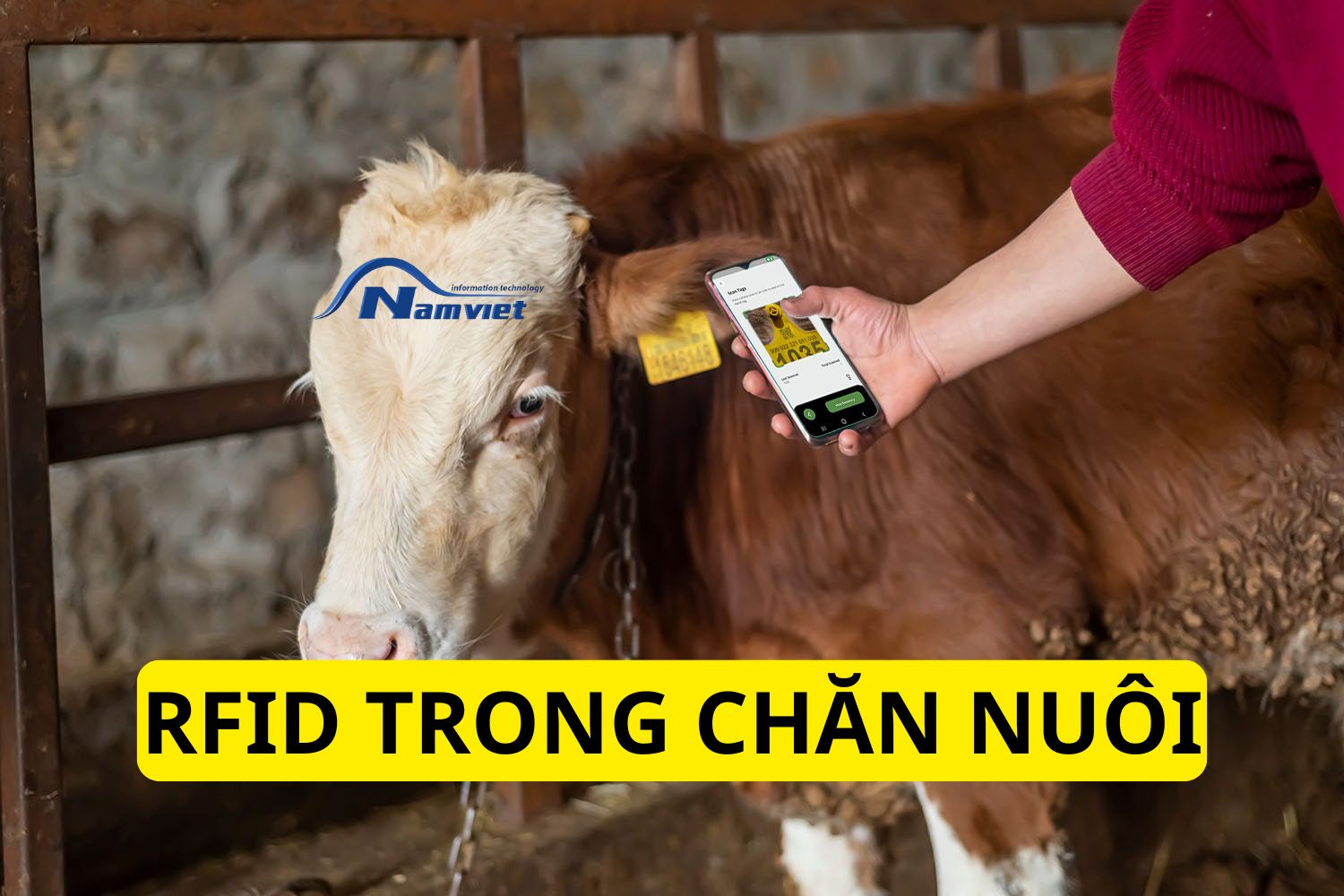
AI behavior analysis for livestock is a solution that applies computer vision and deep learning to automatically detect abnormal signs in animals such as loss of appetite, reduced movement, rapid breathing, or limping. This technology can detect diseases 24-48 hours earlier than manual observation, helping to reduce losses in industrial-scale farming.
How does AI behavior analysis for livestock work?
The system combines AI surveillance cameras, IoT sensors, and deep learning models to collect and analyze behavioral data in real time. Data from cameras and sensors is processed through models such as YOLOv8 (object detection) and LSTM (behavior sequence analysis) to detect anomalies.
The operational process consists of 4 steps: (1) AI cameras record continuous 24/7 footage with a minimum resolution of 4MP; (2) The YOLOv8 model detects and tracks each individual in the frame; (3) The LSTM model analyzes behavioral sequences over time (eating, drinking, moving, lying, standing); (4) When a deviation of >15-20% from the baseline is detected, the system sends alerts via a mobile app or central dashboard.
Edge AI vs Cloud AI Camera can be used depending on farm scale. For small farms (under 500 animals), Edge AI processes directly on the camera to reduce latency. For large farms (over 2000 animals), Cloud AI enables centralized model training and continuous updates.
Required sensors and hardware equipment
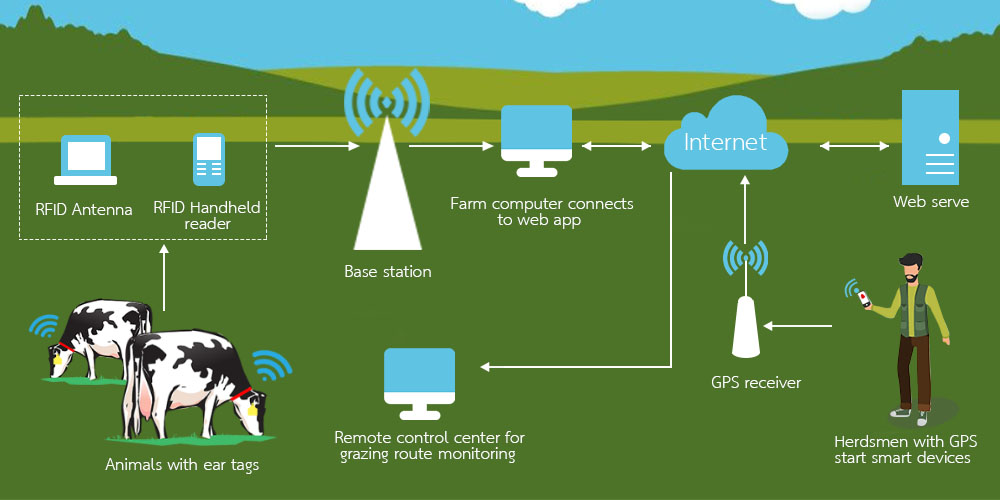
The system requires high-resolution AI cameras (4-8MP), non-contact temperature sensors, accelerometers attached to livestock, and an IoT gateway for data aggregation. Hardware costs range from 50-120 million VND for a scale of 1000 animals.
| Equipment | Main function | Quantity (1000 animals) | Estimated cost (VND) |
|---|---|---|---|
| AI Camera 4MP (Hikvision AcuSense) | Recording, motion detection, object recognition | 8-12 | 25-45 million |
| Non-contact IR temperature sensor | Remote body temperature measurement, fever detection | 4-6 | 10-20 million |
| IoT Gateway (4G/LTE) | Data aggregation, cloud connectivity | 1-2 | 5-10 million |
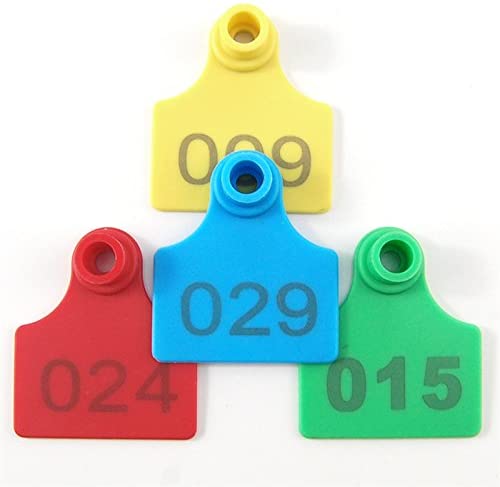
| RFID ear tags (ZKTeco or equivalent) | Individual identification, health history storage | 1000 | 15-25 million |
| Edge server or AI NVR | Video processing, running AI models | 1 | 15-30 million |
Economic benefits of applying AI for early disease detection
Early disease detection by 24-48 hours reduces mortality rates by 15-30%, saves veterinary drug costs by 20-35%, and reduces monitoring labor by 40-60%. The return on investment period is typically 12-18 months for farms with 1000-2000 animals.
A case study at a 2000-head pig farm in Dong Nai showed: after 6 months of system deployment, piglet mortality dropped from 12% to 7%, antibiotic costs decreased by 30%, and productivity increased by 8% thanks to early detection of respiratory diseases. The initial investment of 85 million VND was recouped within 14 months.
For dairy farms, AI detects mastitis 2-3 days in advance through gait and body temperature analysis, reducing milk loss damages by 20-40 million VND/year per 100 cows. See more on benefits of AI cameras for retail stores to understand how AI converts data into business value.
Comparison of AI behavior analysis vs. manual methods
Manual methods relying on worker observation detect only 40-50% of disease signs, often when the disease is already in an advanced stage. AI behavior analysis achieves 85-95% accuracy and detects issues 1-2 days earlier.
| Criteria | Manual observation | AI behavior analysis |
|---|---|---|
| Disease detection time | When clinical symptoms appear | 24-48 hours before symptoms |
| Detection accuracy | 40-50% | 85-95% |
| Continuous monitoring | No (only 8-10 hours/day) | 24/7 |
| Labor cost/month | 15-25 million (2-3 workers) | 5-8 million (system maintenance) |
| Data analysis capability | No (only manual records) | Yes (real-time dashboard, reports) |
Popular AI models used in livestock farming
Three main models are widely applied: YOLOv8 for object detection and tracking, LSTM and Transformer for behavior sequence analysis, and anomaly detection models based on autoencoders.
- YOLOv8 (Ultralytics): Detects and classifies each individual in the frame, achieving 30-60 FPS on mid-range GPUs. The YOLOv8n (nano) version runs on Edge devices like NVIDIA Jetson.
- LSTM (Long Short-Term Memory): Analyzes behavioral sequences over time, learns normal patterns, and detects deviations. Achieves 88-92% accuracy in detecting respiratory diseases in pigs.
- Autoencoder + One-Class SVM: Learns representations of normal behavior, detects anomalies without requiring disease data. Suitable for new or rare diseases.
These models are typically trained on datasets of 10,000-50,000 labeled frames, with a minimum accuracy of 90% before deployment. What is KSRV? — access control systems can also integrate with AI to manage livestock movement between areas.
Challenges in deploying AI in real-world livestock farming
Key challenges include: high initial investment costs (50-150 million VND), requirement for stable network infrastructure, lack of training data for local livestock breeds, and the adaptability of farm staff to new technology.
Specific technical barriers: (1) Cameras operating in dusty, humid, high-temperature environments (pig pens, chicken coops) require IP67 rating or higher; (2) AI models trained on foreign data often lose 10-15% accuracy when applied to Vietnamese livestock breeds; (3) Costs for hiring AI experts to fine-tune models range from 20-40 million VND per session.
Solution from An Ninh Số: provides integrated packages including AI cameras (Hikvision, Dahua), AI NVR, and initial model training services. The system can operate offline with a 7-day cache, suitable for remote farms.
Frequently asked questions
What diseases can AI behavior analysis for livestock detect?
The system can detect diseases through behavioral and physiological changes: respiratory diseases (coughing, rapid breathing, reduced movement), digestive diseases (loss of appetite, excessive lying), mastitis in dairy cows (gait changes, increased body temperature), porcine reproductive and respiratory syndrome (fever, red skin, convulsions), and Newcastle disease in chickens (reduced eating, ruffled feathers, leg paralysis). Detection accuracy reaches 85-95% depending on the disease type and training data quality.
What is the investment cost for an AI system for a 1000-animal farm?
The total investment cost ranges from 50-120 million VND depending on the configuration. The basic package (50-70 million) includes 8 AI 4MP cameras, a 16-channel NVR, and 2 temperature sensors. The advanced package (80-120 million) adds 4 more cameras, an IoT gateway, and RFID ear tag integration. Annual maintenance costs are about 10-15 million VND. The ROI period is typically 12-18 months due to savings on medication, labor, and reduced mortality rates.
Can the system operate without internet?
Yes. The system is designed with a local cache that stores data for at least 7 days. When internet is lost, cameras and NVR continue recording and performing local AI analysis. When connectivity is restored, data automatically syncs to the cloud. However, real-time alert features via the mobile app will not work during the outage. Backup solution: use a 4G/LTE gateway with a backup SIM.
How much data is needed to train an AI model for a specific farm?
A minimum of 10,000-20,000 annotated frames per behavior type (eating, drinking, walking, standing, lying) is required to achieve 85%+ accuracy. Data should be collected over the first 7-14 days after installation, including both day and night, and various weather conditions. An Ninh Số offers data labeling and initial model training services (transfer learning from existing models) at a cost of 15-25 million VND, reducing the timeline from 4-6 weeks to 1-2 weeks.
Does AI behavior analysis completely replace veterinarians?
No. AI serves as a tool for early detection and alerts but cannot replace clinical diagnosis and treatment by veterinarians. The system reduces the frequency of manual checks from 3-4 times/day to 1-2 times/day, allowing veterinarians to focus on complex cases. AI also provides detailed data on the behavioral and health history of each individual, helping veterinarians make more accurate decisions.
Contact An Ninh Số via hotline 0796 700 777 or email [email protected] for consultation on AI behavior analysis camera solutions tailored to your farm scale.