
Digital security is an integrated protection system that embeds AI, VMS, and IoT technologies into enterprise physical security infrastructure. In Vietnam, the smart security market is projected to reach 250 million USD by 2026, with a 28% YoY growth rate — reflecting the shift from passive recording cameras to real-time analytics systems.
What is Digital Security? Definition and Scope

Digital security is an integrated protection system that embeds digital technologies — AI, VMS, IoT, cloud — into physical security devices such as cameras, card readers, and sensors. Unlike cybersecurity, which only protects digital data, digital security protects people, assets, and operational processes in physical spaces through intelligent analytics.
Digital security comprises three main layers: the device layer (AI cameras, facial recognition readers, environmental sensors), the platform layer (centralized VMS, video analytics, real-time alerts), and the operations layer (dashboard, response procedures, automated reports). According to a MarketsandMarkets 2025 report, the global digital security market reached 45 billion USD, with the Asia-Pacific region accounting for 34% of the market share.
In Vietnam, enterprises are transitioning from analog camera + DVR systems to AI camera + NVR systems integrated with VMS. A 2024 survey by the Vietnam Security Association found that 62% of small and medium enterprises plan to invest in digital security within the next 18 months.
How is Digital Security Different from Cybersecurity?
Related Products
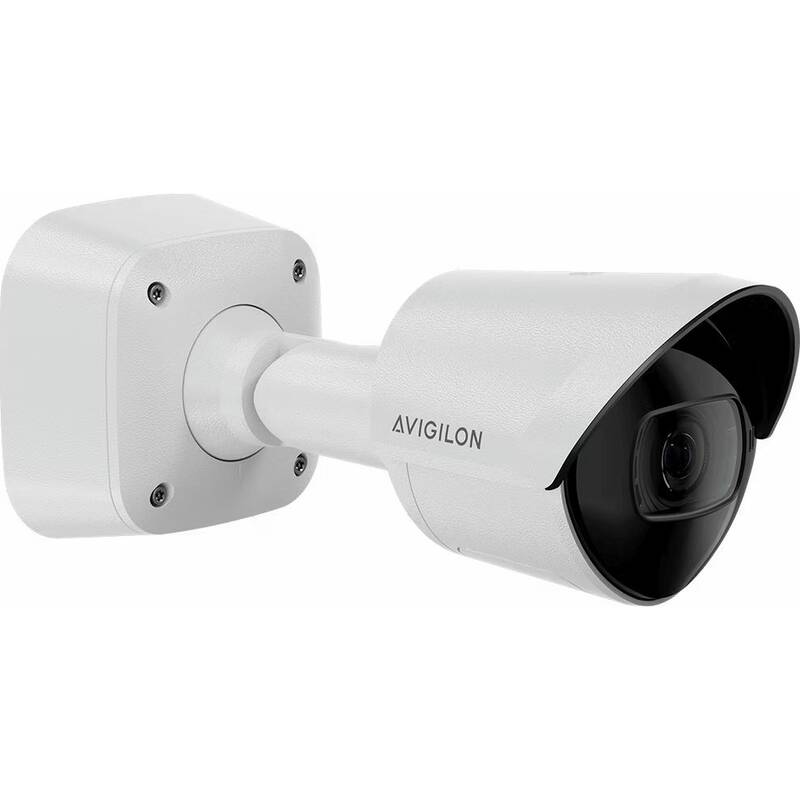
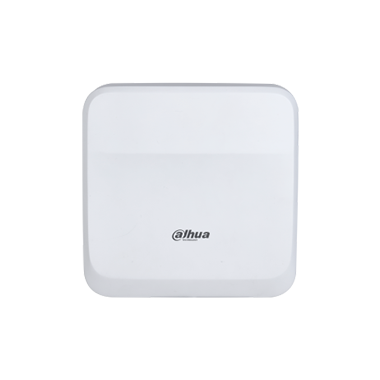


Cybersecurity protects data, networks, and information systems from digital attacks. Digital security extends the scope to physical protection through digital technologies — AI cameras, access control, behavior analytics. The two fields complement each other but differ in objectives and technologies.
The table below summarizes the key differences:
| Criteria | Cybersecurity | Digital Security |
|---|---|---|
| Protected assets | Data, IT systems | People, assets, processes |
| Core technology | Firewall, encryption, endpoint detection | AI cameras, VMS, IoT sensors, biometrics |
| Scope | Cyberspace | Physical + digital space |
| Application example | Anti-ransomware, email protection | Facial recognition access, intrusion detection |
| Applicable industries | All industries with IT systems | Retail, factories, buildings, banks |
A comprehensive digital security enterprise needs both layers: cybersecurity protects camera data and VMS from attacks, while digital security protects physical assets. Read more about What is VMS Software? A Comprehensive Guide for Vietnamese Enterprises 2026 to understand the management platform.
Benefits of Digital Security Systems for Vietnamese Enterprises

Digital security systems deliver 4 key benefits: 40-60% reduction in operational costs through automation, 3-5x improvement in incident detection compared to manual monitoring, enhanced customer experience via behavior analytics, and compliance with data protection regulations under Decree 13/2023/ND-CP.
- Reduced labor costs: AI cameras automatically detect intrusions, reducing night shift guard needs by 50-70%. A 200m² mini-supermarket saves 15-25 million VND/month in labor costs after deployment.
- Business data analytics: People counting cameras and heatmaps optimize staff scheduling, reducing customer wait times by 20-35%. See 3D People Counting Cameras for Shopping Malls: Accurate Traffic Measurement Solutions.
- Early incident detection: AI identifies abnormal behavior (loitering, unpaid items) and alerts within 5-10 seconds, reducing inventory shrinkage by 30-50%.
- Seamless integration: Digital security systems integrate with VMS, access control, fire alarms, and HVAC via a single dashboard. Refer to Desigo CC BMS Solution for Hospitals: 24/7 Environmental & Security Control.
AI Camera & VMS Integration Roadmap for Enterprises 2026

The digital security deployment roadmap consists of 4 steps: (1) assess current state and identify needs, (2) select the right VMS platform, (3) integrate edge AI devices, (4) operate, train, and continuously optimize. Average timeline for a mid-sized enterprise (50-200 cameras) is 8-12 weeks.
Step 1: Assess Current State and Identify Needs
Before investing, enterprises need to answer 5 questions: (1) Is the current system DVR or NVR? (2) Number of cameras and resolution? (3) Need to integrate access control or sensors? (4) Storage requirements in days? (5) Budget range: 200-500 million or over 1 billion VND?
A real survey of 30 Vietnamese enterprises showed that 75% of current systems do not leverage AI due to analog cameras or older NVRs. Average upgrade cost is 8-15 million VND/camera (including AI camera + analytics-capable NVR).
Step 2: Select the Right VMS Platform
VMS (Video Management System) is the heart of a digital security system. VMS selection criteria include: scalability (supporting 50-5000 cameras), ONVIF/RTSP integration, edge AI analytics support, and flexible licensing costs. See detailed comparison at Milestone vs Genetec vs Bosch Comparison: Which VMS to Choose for Enterprises 2026?
For small and medium enterprises, Milestone XProtect Express or Dahua NVR with integrated AI are popular choices, costing 30-80 million VND for a 16-32 channel system. Larger enterprises should consider Genetec Security Center or Milestone XProtect Corporate with multi-site management capabilities.
Step 3: Integrate Edge AI Devices
Edge AI devices — cameras with built-in AI processing chips — reduce the load on the central VMS. Popular lines: Hikvision AcuSense, Dahua WizMind, Avigilon H6A. Each camera can perform 3-5 concurrent AI tasks: people detection, license plate recognition, people counting, and zone detection.
Example: the Hikvision DS-2CD2387G2-LSU/SL (8MP AcuSense) can detect people and vehicles with 95-98% accuracy, reducing false alarms by 90% compared to standard cameras. The additional investment is 3-5 million VND/camera over non-AI models, but the payback period is only 6-9 months due to reduced monitoring staff.
Step 4: Operate, Train, and Optimize
After installation, enterprises need to train 2-3 staff on VMS dashboard operation, alert rule setup, and incident response procedures. Basic training takes 3-5 days, advanced training 7-10 days.
A typical case study: a manufacturing plant in Binh Duong deployed a digital security system with 48 AI cameras + Milestone VMS, reducing theft incidents by 70% and saving 40% on security costs in the first 6 months. Details at VMS Integration with Access Control: Case Study Factory Reduces Incidents by 70%.
Comparison Table: Traditional Security vs Digital Security

| Criteria | Traditional Security | Digital Security |
|---|---|---|
| Camera technology | Analog, DVR, CIF/D1 resolution | IP, NVR, AI edge, 4K/8MP |
| Video analytics | None / passive recording | AI real-time: detection, recognition, counting |
| Access control | Mechanical keys, standalone card readers | Biometrics (face, fingerprint), VMS integrated |
| Centralized management | Multiple disparate software | Single VMS dashboard |
| Monthly operational cost | 40-80 million VND (labor + equipment) | 15-30 million VND (after 8-12 month ROI) |
| Scalability | Hard limit (DVR channel count) | Flexible scaling (add camera = add license) |
Common Mistakes When Deploying Digital Security

According to a survey of 50 digital security projects in Vietnam, the 4 most common mistakes are: choosing cameras incompatible with VMS, neglecting network bandwidth, failing to plan for long-term storage, and lacking operational training. These mistakes cause 30-40% of projects to miss their expected ROI.
- Buying cameras first, choosing VMS later: Many enterprises buy cheap cameras that do not support standard ONVIF/RTSP, leading to integration failure with professional VMS. Solution: determine the VMS first, then select cameras from the VMS manufacturer's compatibility list.
- Not calculating network bandwidth: 4K cameras require 15-25 Mbps each. A 50-camera system needs at least 1 Gbps backbone. Many projects fail due to insufficient switch capacity or poor cabling. Solution: use a dedicated network with at least 1 Gbps switches and CAT6 cabling.
- Underestimating storage requirements: 4K cameras at 15 fps require 50-80 GB/day/camera. A 30-day retention for 50 cameras needs 75-120 TB. Many enterprises only budget for 7-14 days, then face data loss during incidents. Solution: calculate storage based on resolution, frame rate, and retention policy; consider H.265+ compression to reduce storage by 50-70%.
- Neglecting cybersecurity for the security system: Digital security systems themselves are vulnerable to cyber attacks. Common issues: default passwords unchanged, outdated firmware, cameras on the same VLAN as office computers. Solution: isolate the camera network with a separate VLAN, enforce strong passwords, and update firmware quarterly.
Frequently Asked Questions About Digital Security
Can digital security completely replace traditional security?
Digital security does not completely replace but upgrades and integrates. Traditional devices like mechanical locks and analog cameras can still be retained if integrated via IoT gateways. However, to leverage AI and analytics, enterprises should upgrade to IP cameras and NVRs at least every 5 years.
Do small enterprises (under 10 cameras) need digital security?
Yes. With a budget of 30-60 million VND, small enterprises can deploy an 8-16 camera AI + NVR system, reducing inventory shrinkage by 20-40% and saving 5-10 million VND/month in monitoring labor costs. Popular solution: Hikvision AcuSense 4MP + 8-channel NVR.
Does digital security require an Internet connection?
Not mandatory. A digital security system can operate fully offline with an NVR and internal network switch. However, Internet connectivity enables remote access, firmware updates, and cloud integration. Wired connections (fiber optic) are recommended over WiFi for stability.
How can I ensure camera data is not hacked?
Apply 3 measures: (1) change default passwords immediately after installation, (2) update firmware periodically (at least every 6 months), (3) use a dedicated VLAN for the camera system, isolated from the main internal network.
Does digital security comply with Decree 13/2023 on personal data protection?
Yes, if designed correctly. Digital security systems must ensure: (1) facial data is encrypted during storage and transmission, (2) automatic data deletion after the specified retention period (maximum 30 days for standard surveillance data), (3) users are notified and consent to biometric data collection.
What is the annual maintenance cost for a digital security system?
Average maintenance cost is 8-15% of system value per year. For a 300-500 million VND system, maintenance costs 25-75 million VND/year, including: hardware warranty, VMS software updates, camera cleaning, and remote technical support. Many providers offer all-inclusive maintenance packages for 12-15 million VND/year for systems under 20 cameras.
Can a digital security system integrate with fire alarm and HVAC systems?
Yes, via BACnet, Modbus protocols, or open APIs. For example, VMS can receive signals from fire detectors, automatically switch cameras to the fire zone and prioritize recording. Or integrate with BMS to turn off air conditioning when unauthorized door opening is detected.
What should I prepare before calling a consultant contractor?
Prepare 4 pieces of information: (1) floor plan (CAD or photo), (2) expected number of cameras and installation locations, (3) storage requirements (number of days), (4) estimated budget. The contractor will use this to provide a solution and accurate quotation within 3-5 working days.