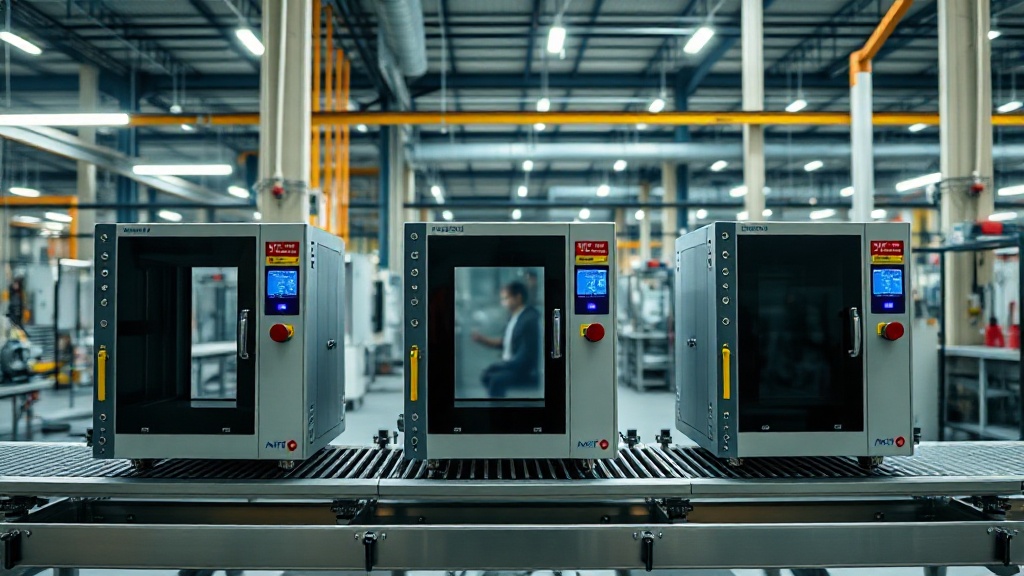
Contaminant inspection machines (metal detector & X-ray) are mandatory equipment in F&B production lines to comply with HACCP, FDA, and other food safety standards. This article compares three leading brands — Anritsu (Japan), Mettler-Toledo Safeline (Switzerland), and CEIA (Italy) — helping engineers select the right equipment for their product line, budget, and specific technical requirements.
Anritsu: Japanese contaminant inspection machines — X-ray and multi-spectral sensor technology
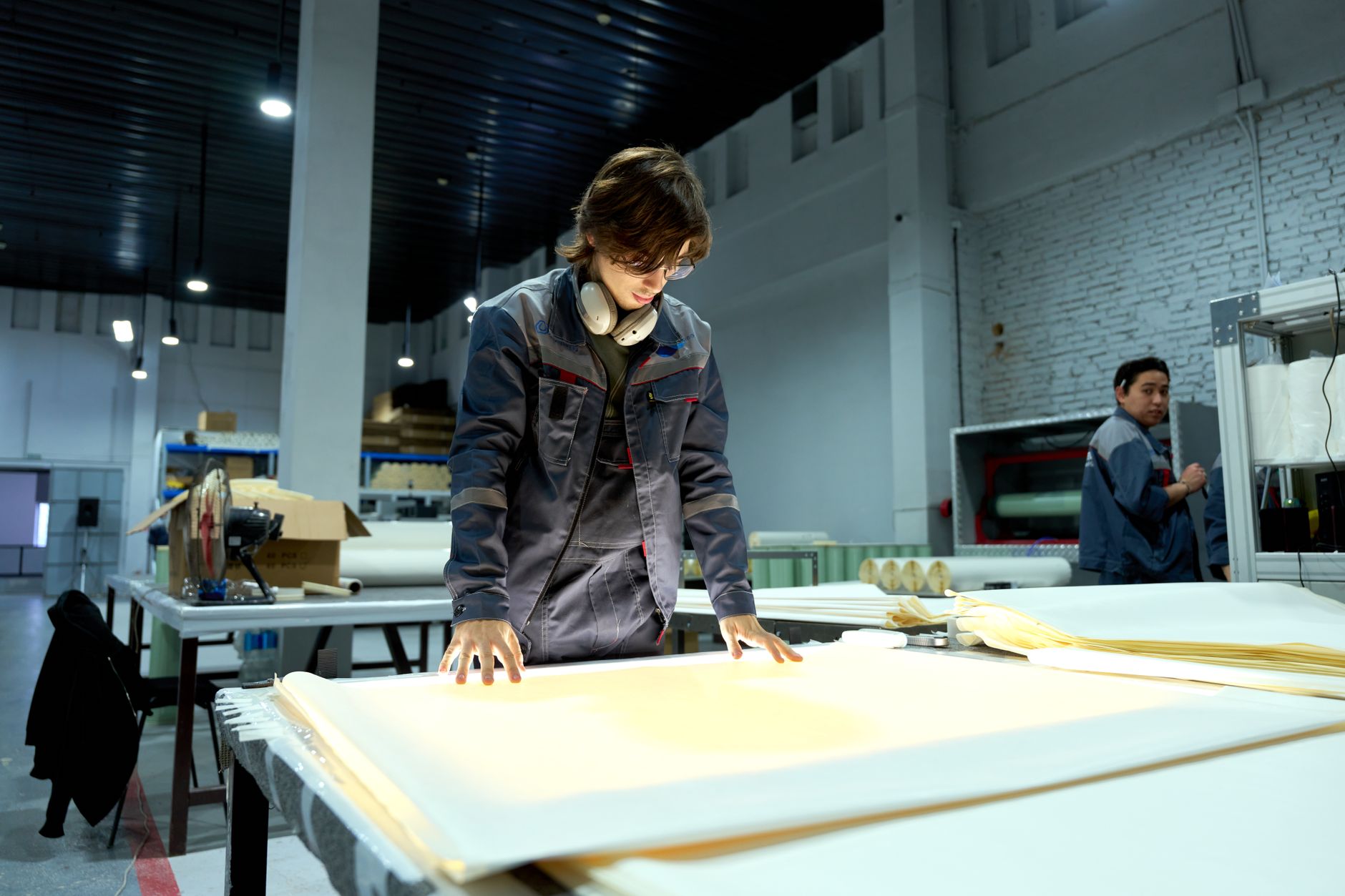
Anritsu Infivis (Japan) is a pioneering brand in X-ray contaminant inspection technology for food. The KD74xx and XR series stand out for their ability to detect non-metallic contaminants (glass, stone, hard plastic, bone) at sizes from 0.3-0.5 mm depending on the product, combined with multi-spectral sensors that distinguish contaminants from products with high salt/calcium content.
Anritsu's strength lies in its dual-energy X-ray system, which eliminates the influence of product thickness, reducing the false reject rate to below 0.1%. Anritsu metal detectors use HeadScan technology with rectangular coils for uniform coverage, suitable for products packaged in metalized film — a challenge for many other metal detector models. The initial investment cost for an Anritsu X-ray system ranges from 40-80 million VND for entry-level models to 150-250 million VND for the high-capacity XR76 series.
Mettler-Toledo Safeline: Comprehensive quality control ecosystem

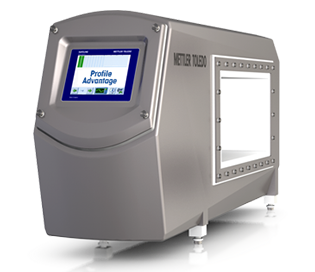
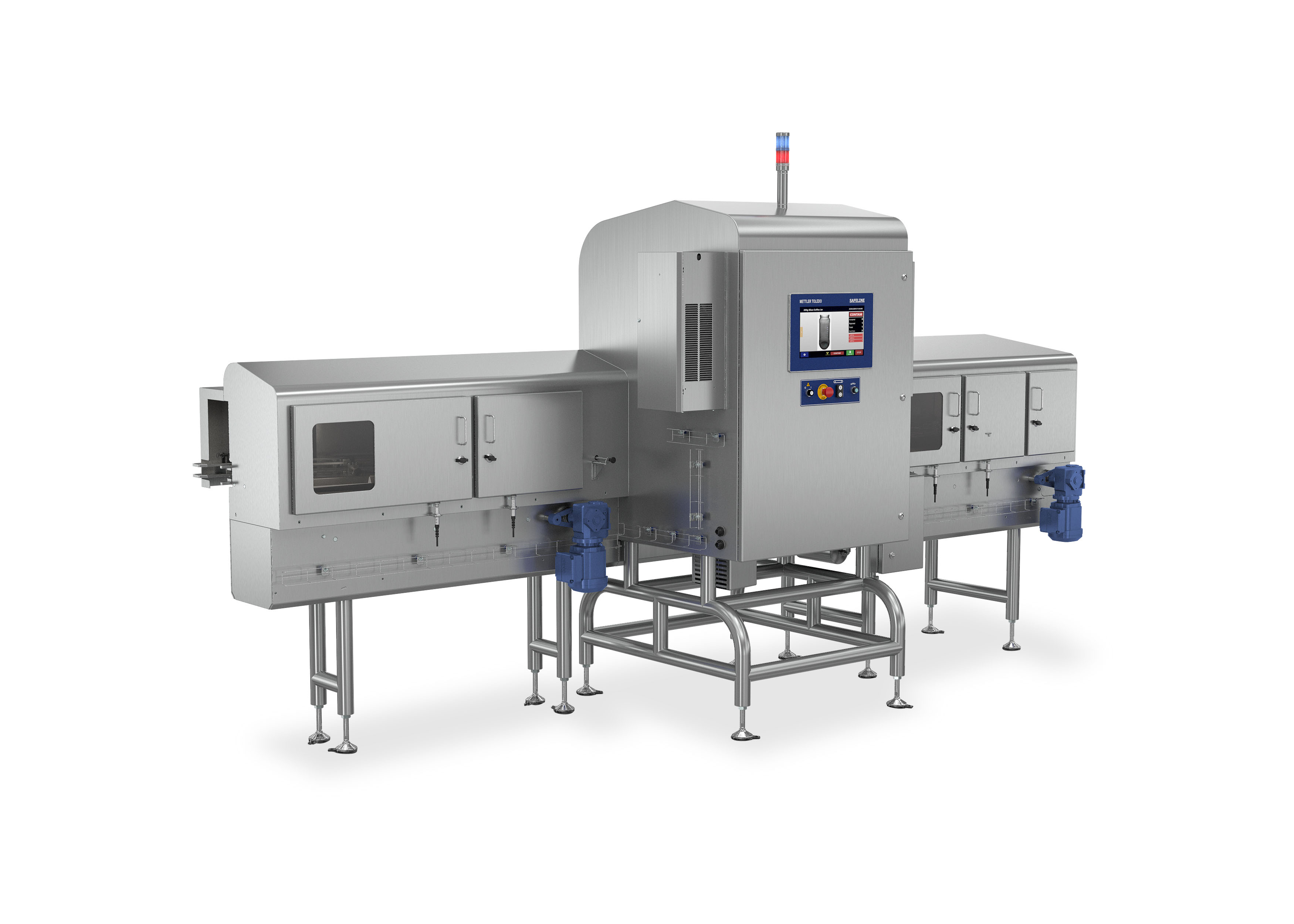
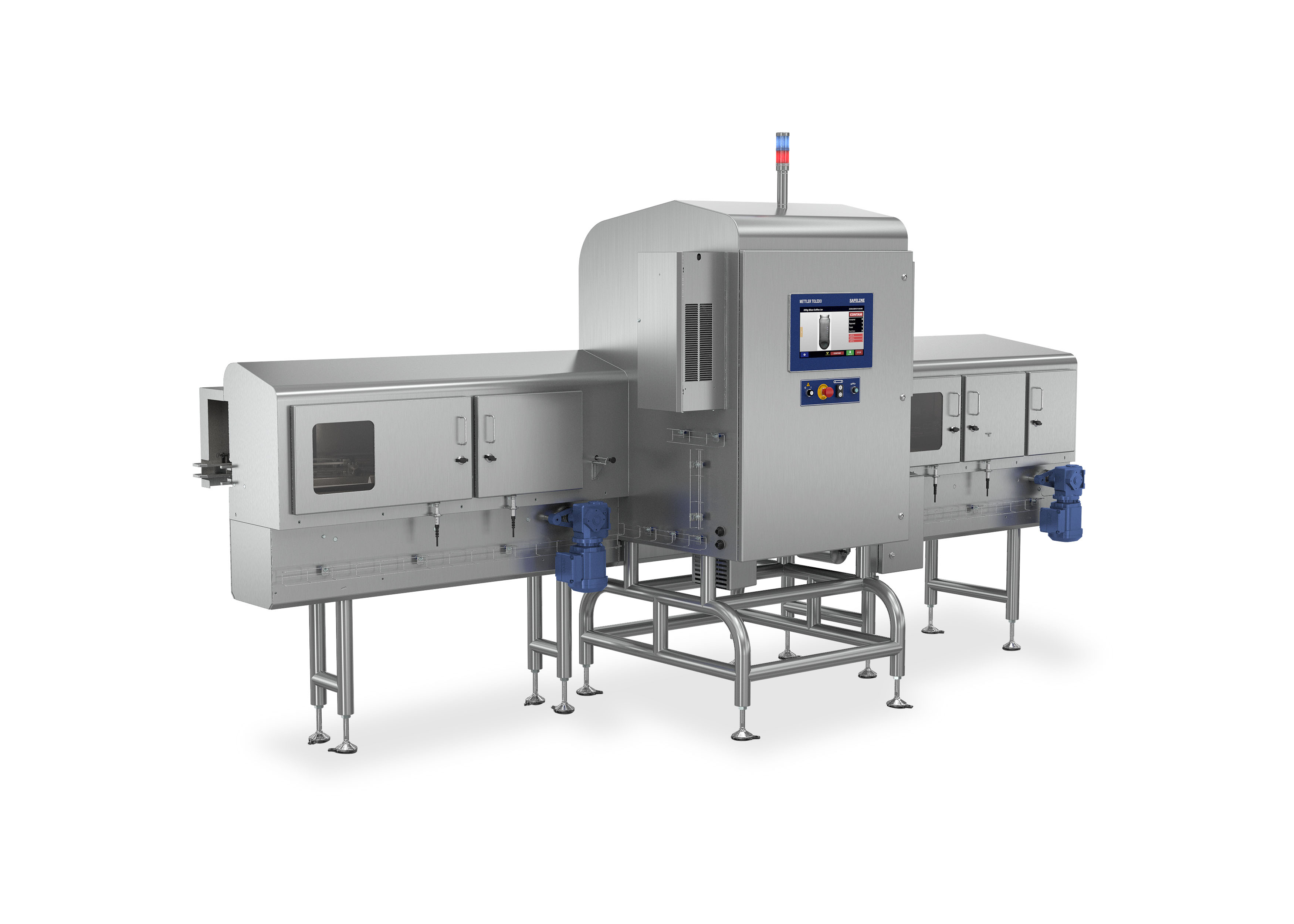
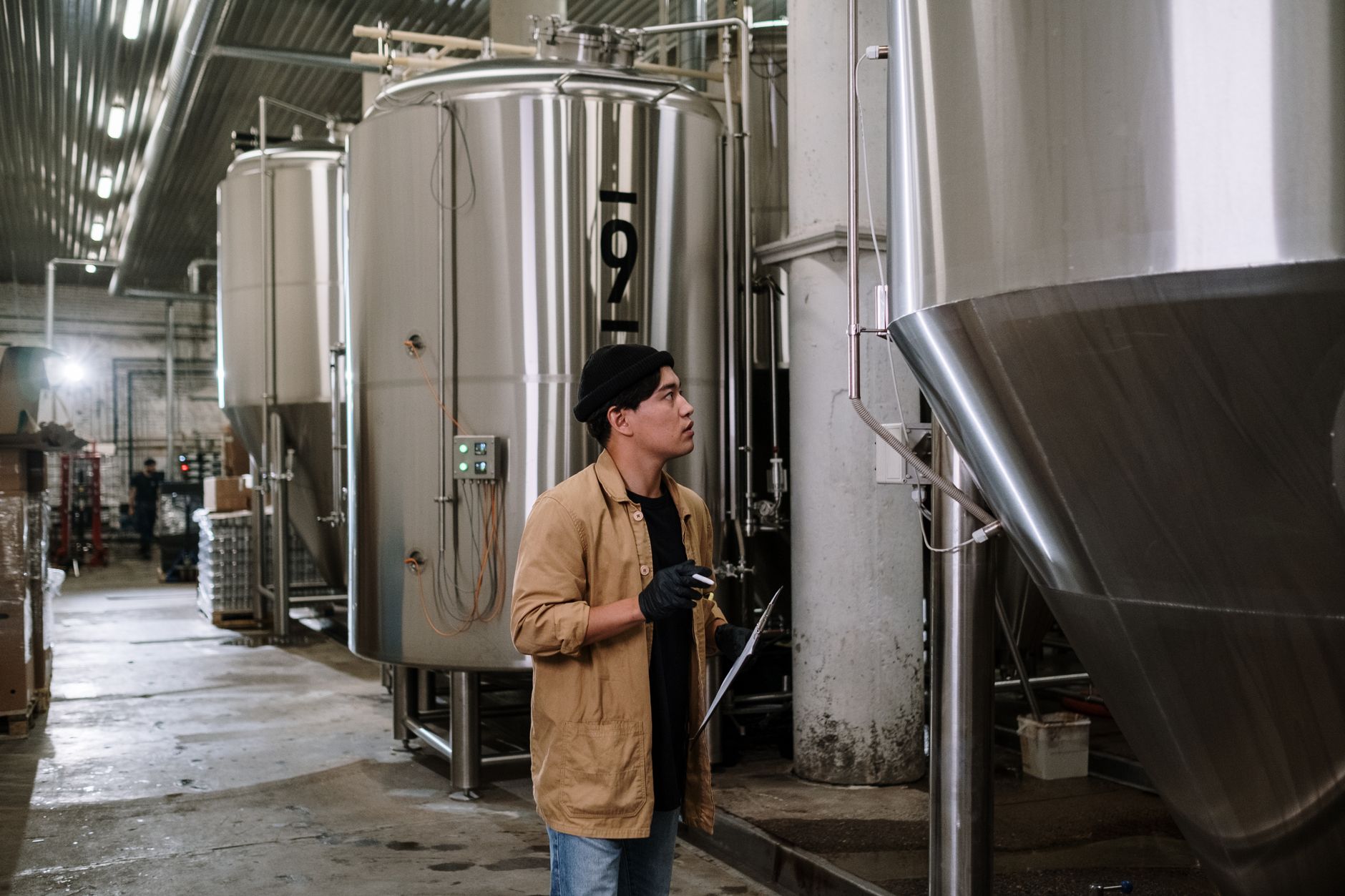
Mettler-Toledo Safeline (Switzerland) is the world's number one brand for integrated quality control equipment — including metal detectors, X-ray inspection machines, checkweighers, and vision inspection systems. The Signature and Profile Advantage series use Multi-Simultaneous Frequency coil technology, enabling simultaneous detection of ferrous, stainless steel, and aluminum at line speeds up to 120 products per minute.
Mettler-Toledo excels in system integration: a single controller can manage the metal detector, checkweigher, and X-ray machine, exporting data directly to ProdX software for traceability and automated HACCP reporting. The actual sensitivity of the Profile Advantage series reaches 0.5 mm Fe, 0.7 mm SUS, 1.0 mm Al at 60 m/min. Investment costs range from 50-100 million VND for entry-level models (Signature) to 200-350 million VND for a fully integrated X-ray + checkweigher system.
CEIA: Ultra-sensitive metal detectors for dry and frozen products
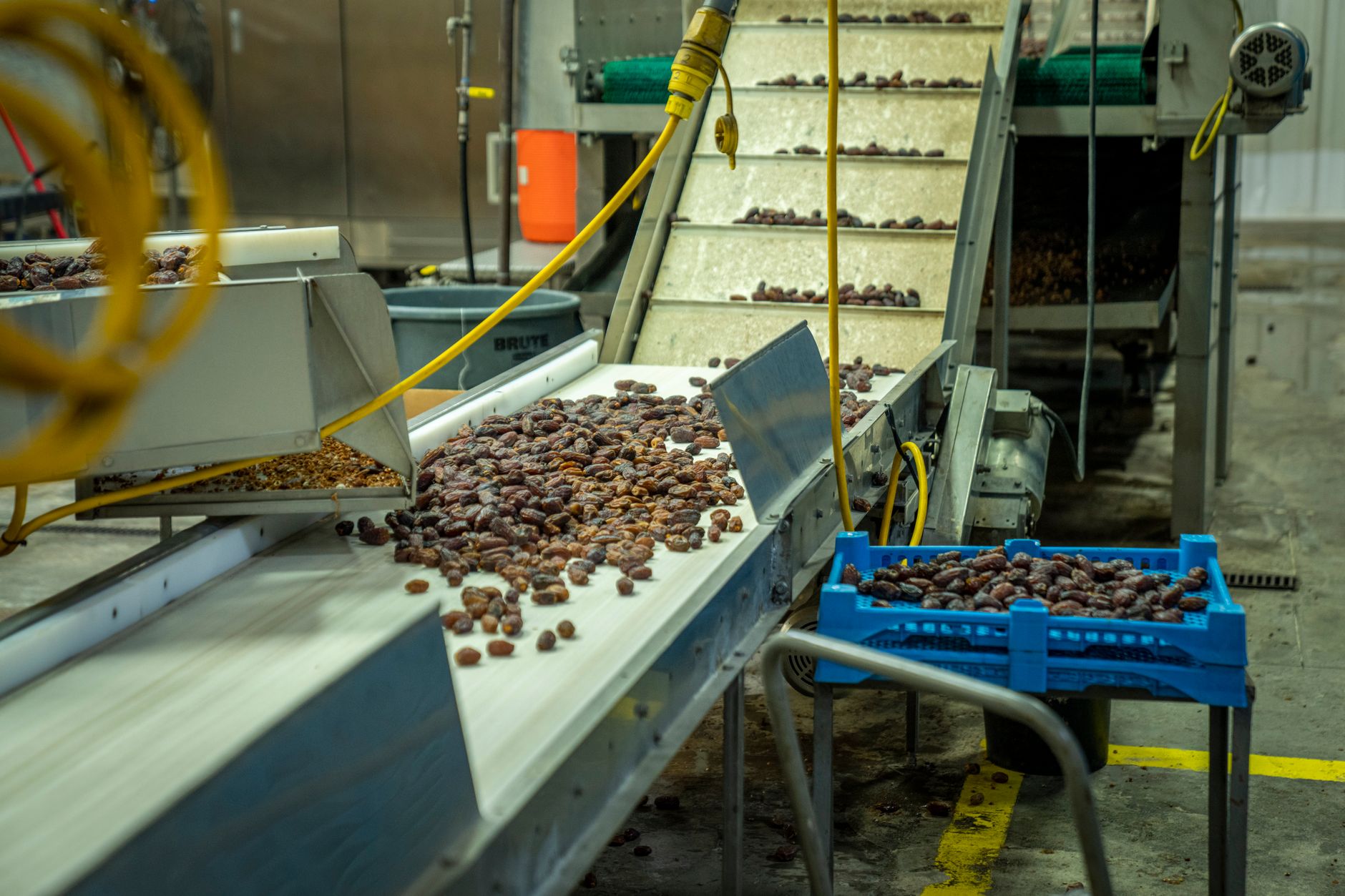
CEIA (Italy) is a brand specializing in pipeline and conveyor metal detectors, renowned for extremely high sensitivity on dry and frozen products. The MSD and THS series use eddy current sensor technology combined with pulse induction, enabling detection of ultra-small contaminants — 0.3 mm Fe, 0.5 mm SUS, 0.8 mm Al — at conveyor speeds up to 150 m/min.
CEIA's strength is its superior resistance to mechanical vibration and electromagnetic interference, thanks to its dynamic balanced coil design. The THS 21 series is suitable for liquid products (sauces, pastes, milk) thanks to its sealed pipeline design, while the MSD 21 conveyor series is suitable for packaged products. CEIA's investment cost is lower than its two competitors: 30-60 million VND for the entry-level MSD 21 series, 80-150 million VND for the high-capacity THS pipeline series.
Detailed comparison: Anritsu vs Mettler-Toledo vs CEIA
The comparison table below summarizes the most important technical criteria to help F&B engineers evaluate