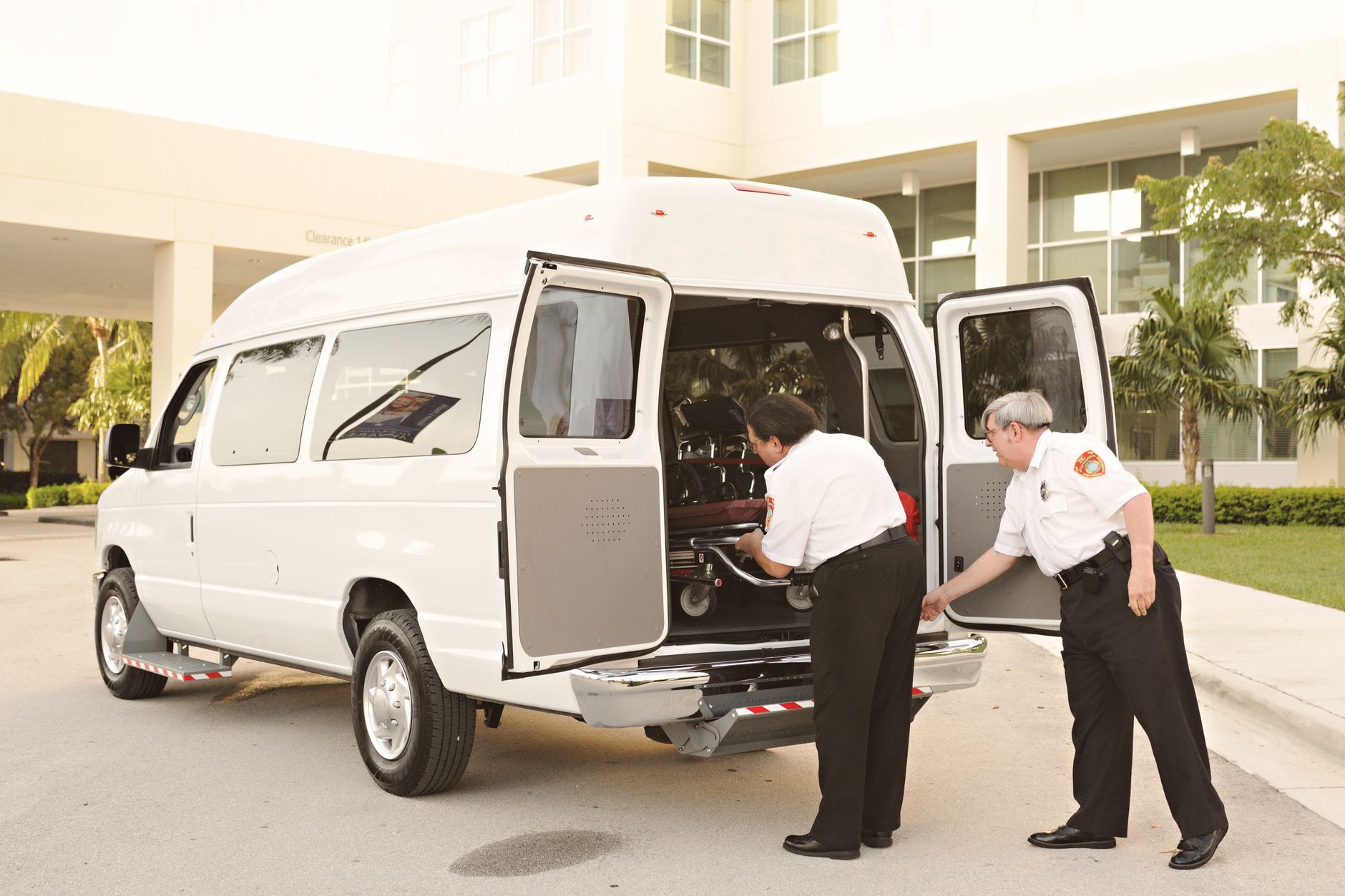
Barrier LPR (License Plate Recognition) integrated with license plate recognition cameras is an automatic access control solution that enables hospitals to prioritize emergency vehicles and manage parking efficiently. In Vietnam, central-level and private hospitals are transitioning from card-based barriers to LPR systems to resolve gate congestion and optimize priority vehicle flow.
What is a hospital barrier LPR? How does the license plate recognition mechanism work?
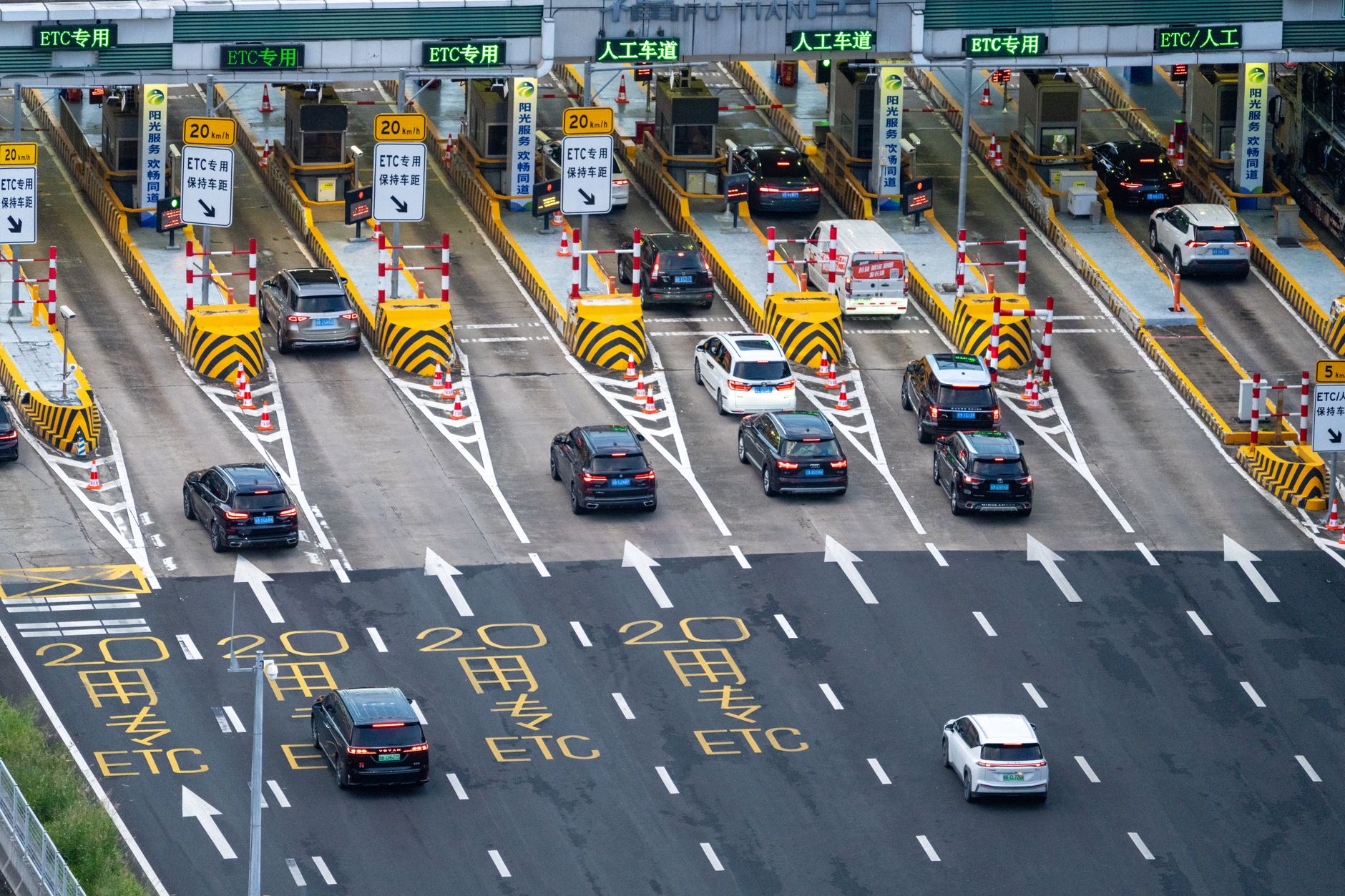
A hospital barrier LPR is an automatic gate system integrated with AI cameras to recognize license plates. When a vehicle approaches, the camera captures the license plate image, the software processes the image and cross-references it with the database to decide whether to allow entry. The entire process takes 1-3 seconds.
The operating principle of barrier LPR consists of 3 main steps:
- Image capture: An AI camera (typically 2MP-5MP resolution, infrared) installed at the entrance gate captures the license plate image in all lighting conditions. For hospitals, the camera is usually mounted at a height of 2-3 meters, at a 15-30 degree angle relative to the road surface.
- Processing and recognition: The LPR software uses deep learning algorithms to analyze the characters on the license plate, converting them into text data. Current technology achieves 95-99% accuracy for Vietnamese license plates (including white, blue, and yellow background plates).
- Verification and control: The system compares the recognized license plate against the list of authorized vehicles (staff vehicles, emergency vehicles, long-term registered vehicles). If there is a match, the barrier opens automatically; if not, the barrier remains closed, requiring manual processing via intercom or security personnel.
Emergency vehicle priority mechanism: How does barrier LPR automatically recognize and prioritize?
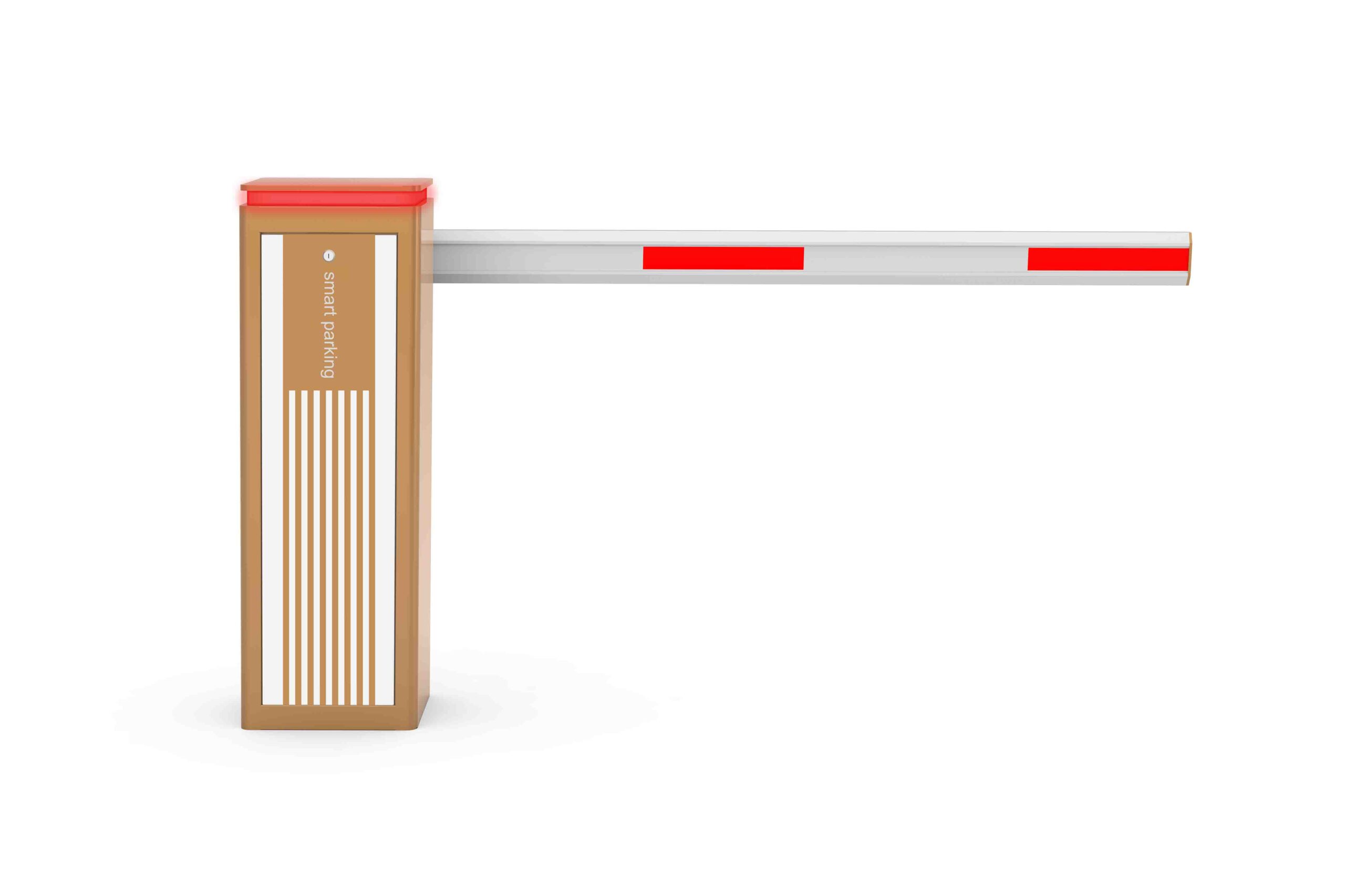
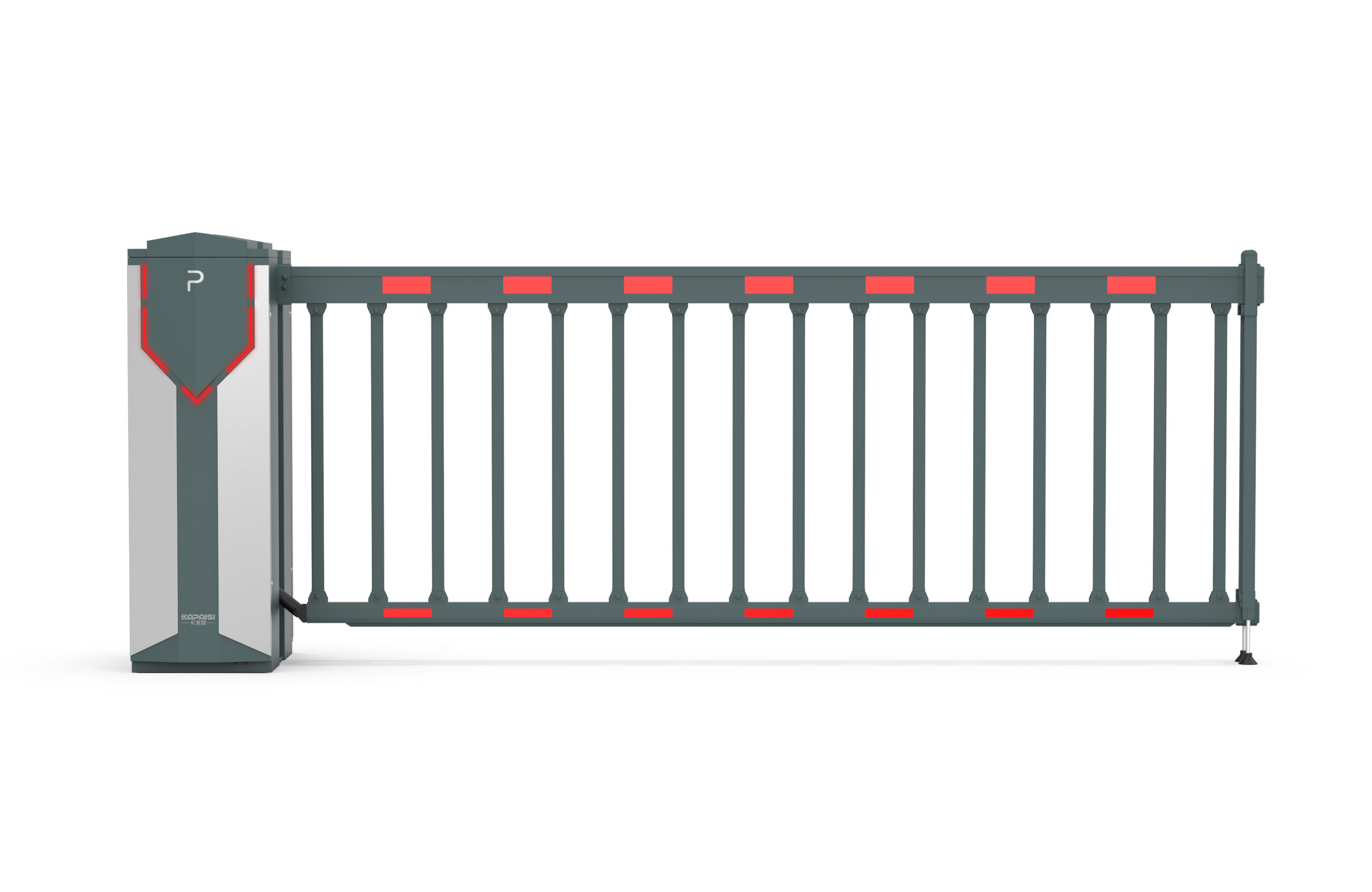
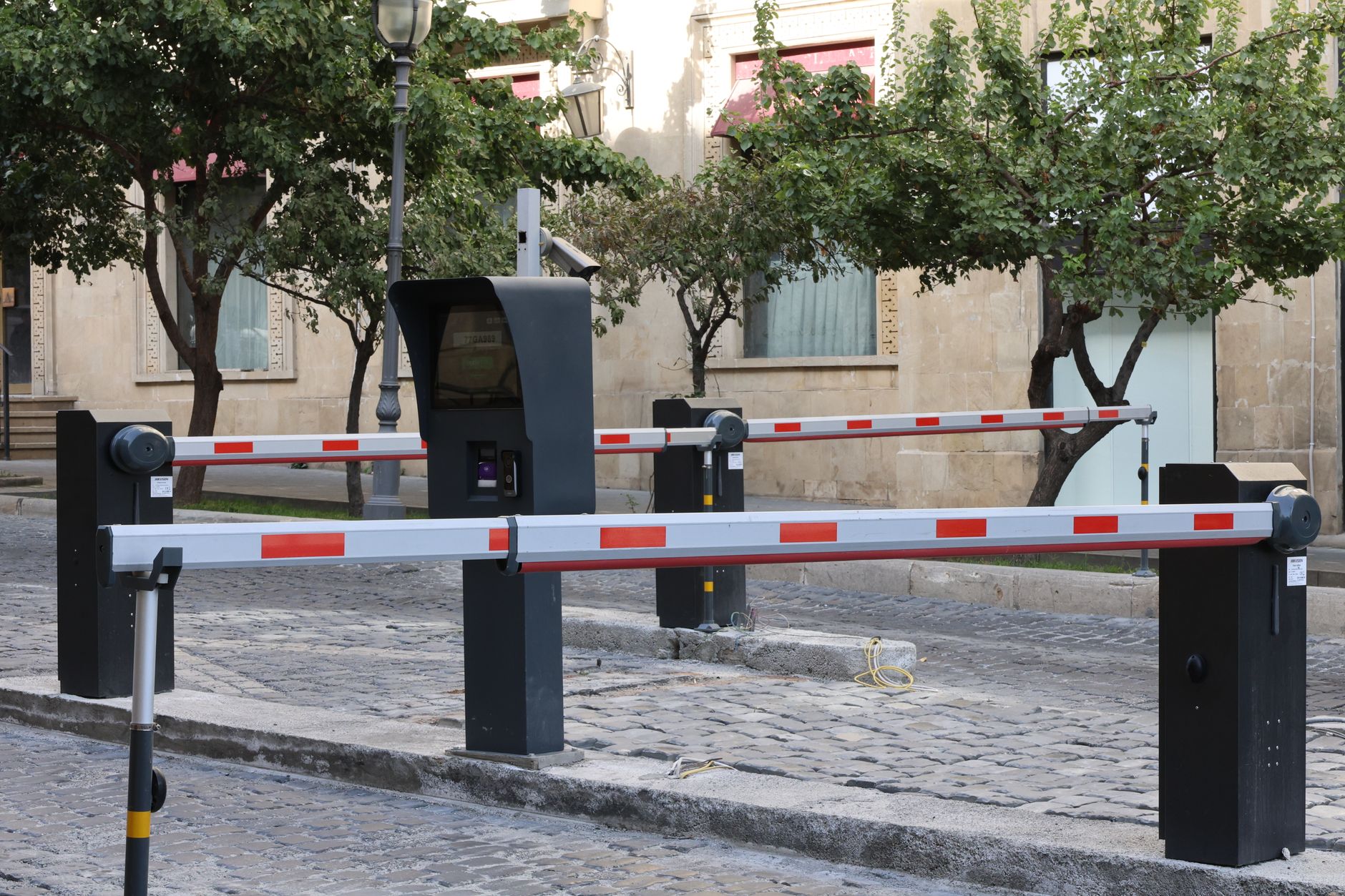
Barrier LPR prioritizes emergency vehicles through a whitelist containing ambulance license plates and hospital priority vehicles. When a vehicle arrives, the system recognizes the license plate, matches it against the whitelist, and opens the barrier immediately without requiring the vehicle to stop or manual intervention.
The priority mechanism operates based on 3 factors:
- Dynamic whitelist: Administrators can add/remove license plates of emergency vehicles, critical patient transport vehicles, and specialist vehicles to the priority list. This list can be updated per shift, per day, or for special events.
- Priority lane assignment by gate: Some hospitals arrange a dedicated gate for emergency vehicles. The barrier LPR at this gate is configured to always open upon detecting a whitelisted license plate, combined with a loop detector sensor to ensure safety.
- Integration with alert systems: When an emergency vehicle enters, the system can activate flashing LED lights, send notifications to gate staff via app or loudspeaker announcements, helping coordinate medical staff to prepare.
Comparison of barrier LPR with card-based barrier and push-button barrier for hospitals
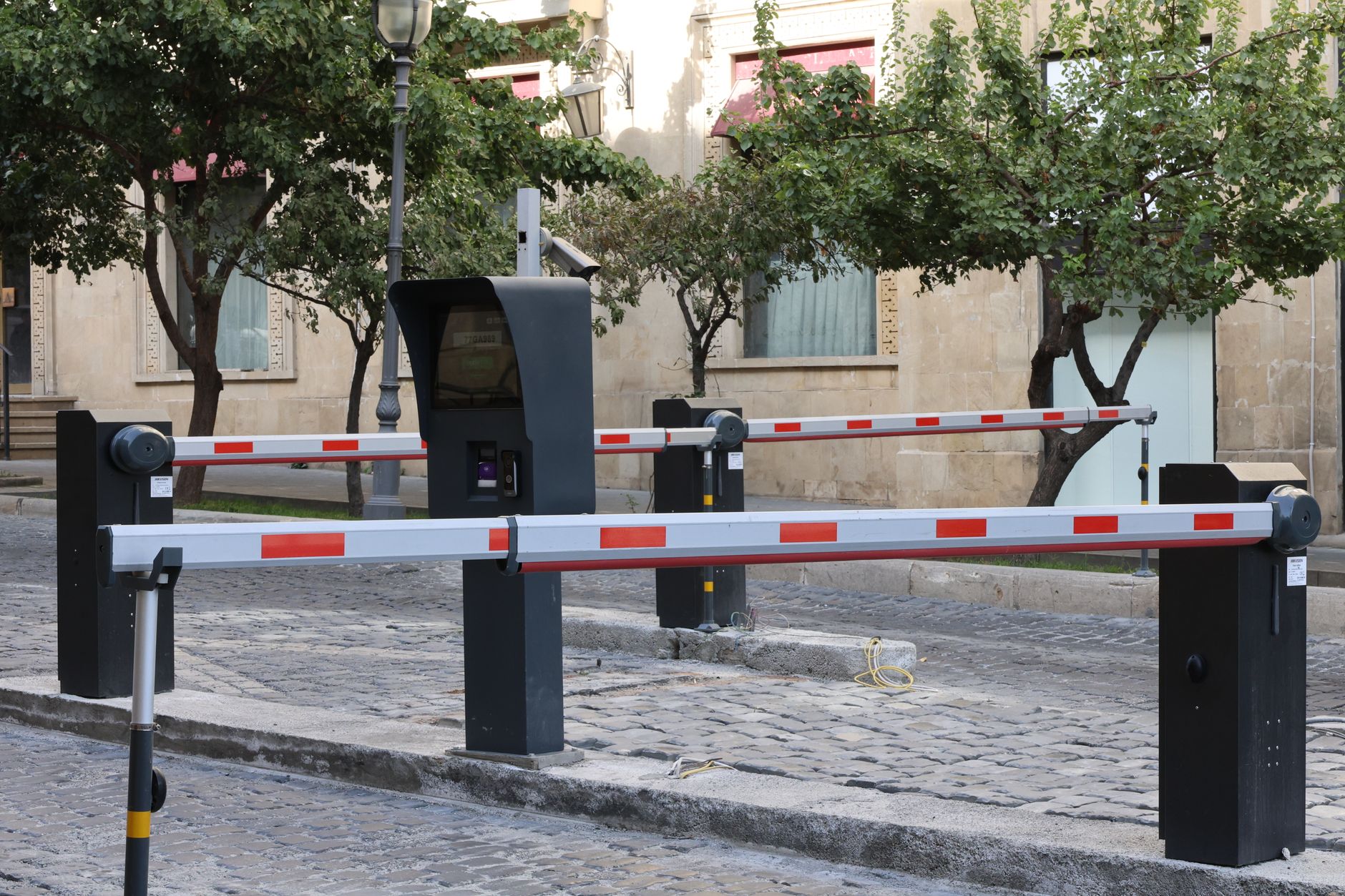
Compared to card-based and manual push-button barriers, barrier LPR offers superior advantages in speed, accuracy, and the ability to prioritize emergency vehicles. Below is a detailed comparison table to help hospitals choose the right solution.
| Criteria | Barrier LPR | Card-based barrier | Manual push-button barrier |
|---|---|---|---|
| Processing time per vehicle | 1-3 seconds | 5-10 seconds (requires card swipe) | 10-20 seconds (depends on guard) |
| Emergency vehicle priority | Automatic, no stop required | Requires dedicated card or calling guard | Depends on guard observation |
| Operating cost | Low (no card costs, minimal labor) | Medium (card costs, wear and tear) | High (24/7 labor) |
| Data storage capability | Stores license plate + entry/exit time | Stores card ID, no license plate | No storage or manual recording |
| Suitable for | Hospitals with traffic >500 vehicles/day | Small hospitals <200 vehicles/day | Temporary hospitals awaiting upgrade |
Summary table of terminology in hospital barrier LPR systems

To better understand the components and concepts in a barrier LPR system, the table below explains key terms, definitions, and practical examples in a hospital setting.
| Term | Definition | Hospital example |
|---|---|---|
| Dynamic whitelist | List of prioritized license plates, updatable in real-time | List of ambulances for Bach Mai Hospital, updated when new vehicles arrive |
| Loop Detector | Magnetic sensor embedded in the road surface, detects approaching vehicles | Triggers the LPR camera to capture an image when a vehicle enters the hospital gate |
| OCR Engine | Optical character recognition software, the core of LPR | Reads license plate 30A-123.45 from a captured Ready to deploy in 7–14 days Start with a free 60-minute site surveyOur senior technical team will visit your site, assess the current setup, and propose a bundle matched to your business model and budget. |