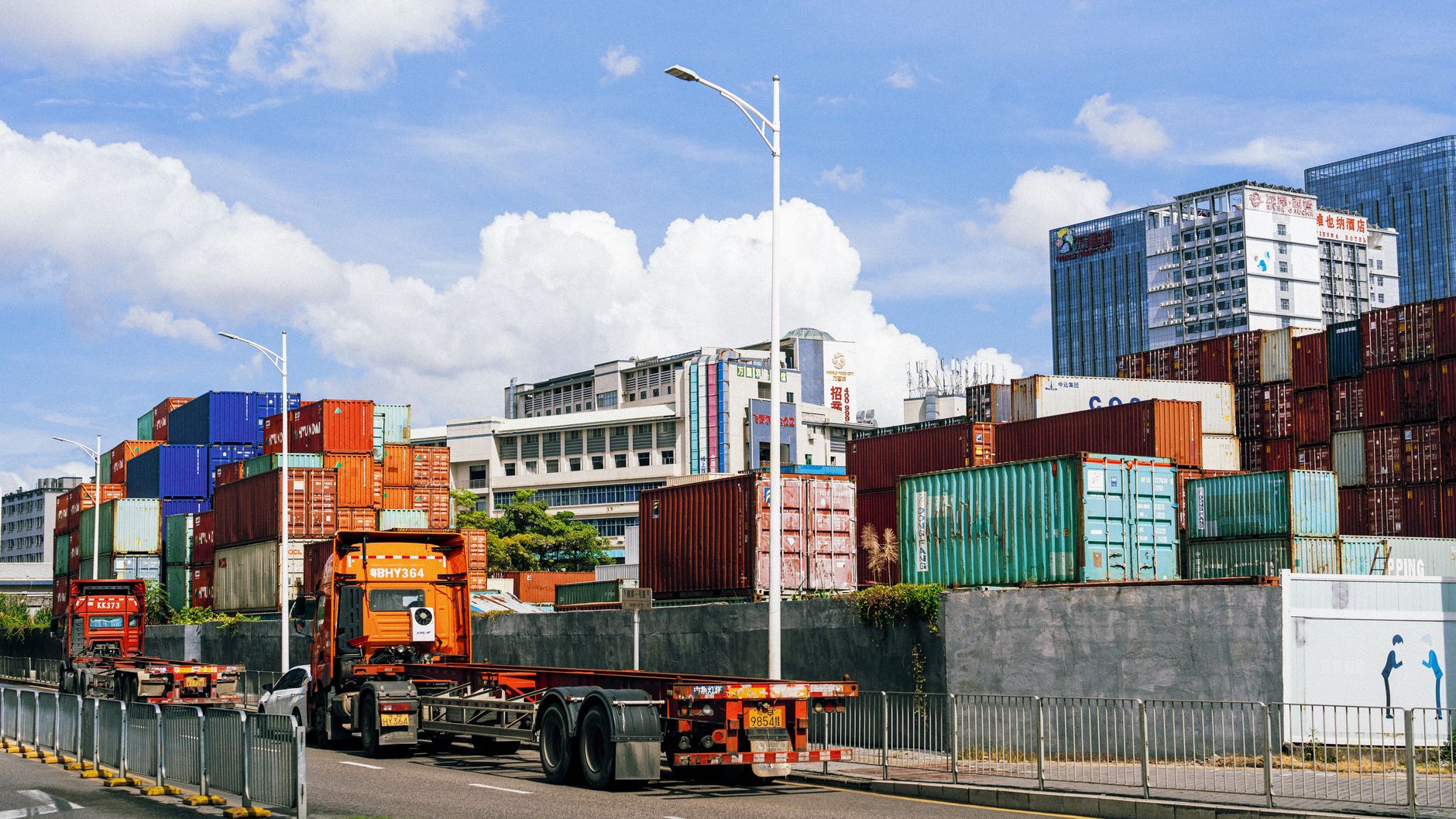
Controlling container truck entry and exit in industrial parks (IPs) has long been a headache: peak-hour gate congestion lasting 15-25 minutes, slow paperwork procedures, and overwhelmed security guards. Barrier LPR (License Plate Recognition) integrated with automatic license plate recognition cameras allows container trucks to pass without stopping, reducing wait times from 5-7 minutes to 10-15 seconds, boosting loading/unloading productivity by 25-35%. In Vietnam, IPs such as VSIP, Amata, and Long Hau have transitioned to this model from 2024-2025, with automatic gate passage rates for containers reaching 85-90%.
Why is barrier LPR the optimal solution for IPs?
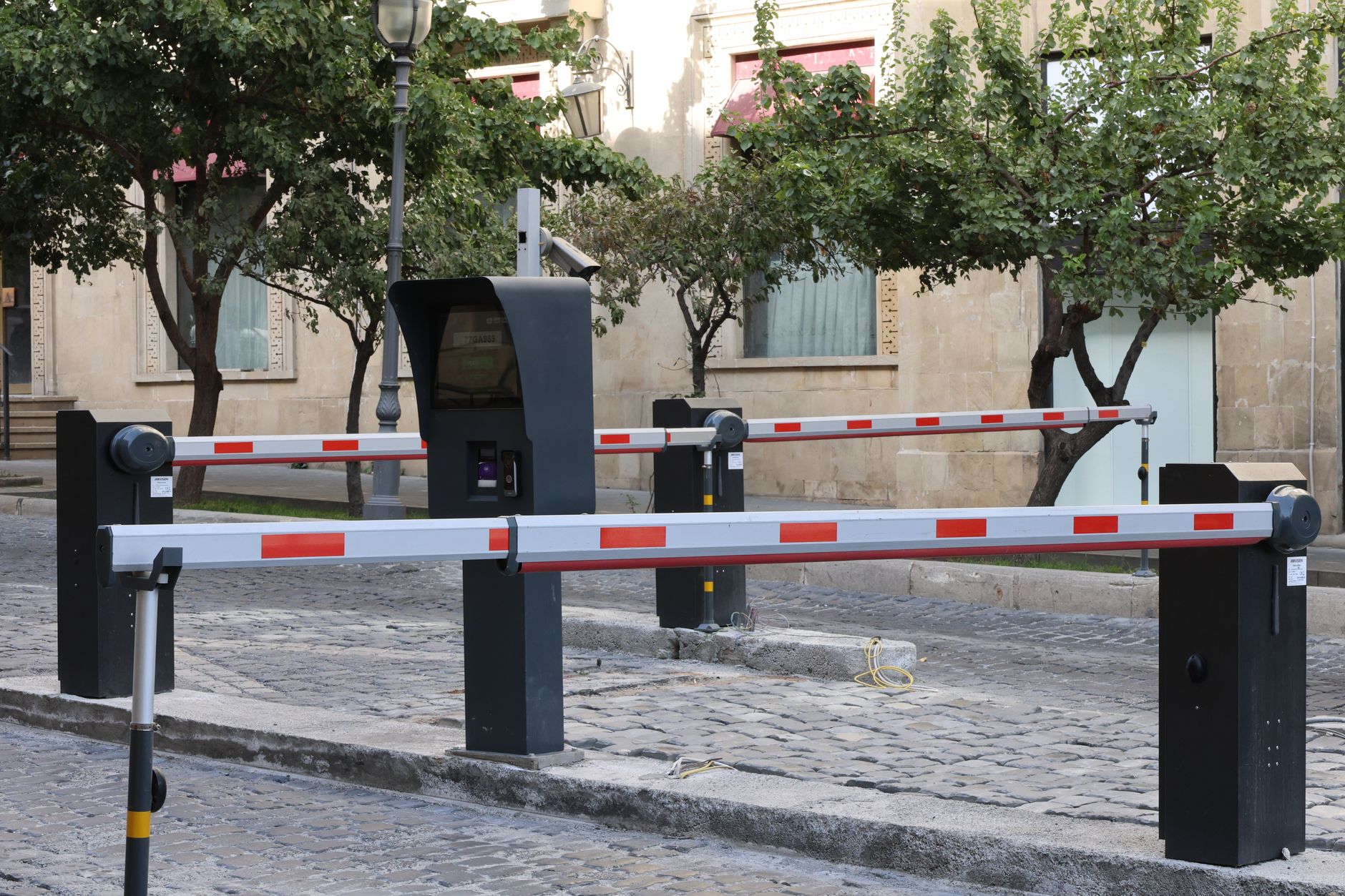
Barrier LPR thoroughly solves three core problems: peak-hour gate congestion, security personnel costs, and errors in recording container truck information. Unlike traditional card-based or remote-controlled barriers, the LPR system does not require drivers to stop, roll down windows, or perform any manual operations — the camera automatically captures the license plate, cross-references it with the database, and opens the barrier within 1-2 seconds.
Reduces gate passage time by 80%
Container trucks pass through the gate in 10-15 seconds instead of 5-7 minutes, clearing the main gate bottleneck.
Reduces security staff by 3-5 people
One LPR system replaces 2-3 security guard shifts, saving 200-400 million VND/year.
Eliminates paper logs
Vehicle entry/exit data is automatically stored on the cloud, generating reconciliation reports for transport companies.
Absolute security
Only vehicles with license plates on the whitelist are allowed entry, blocking unknown vehicles or fake plates.
Real-time reporting
Management software shows vehicle traffic by hour and by day, supporting loading/unloading planning.
24/7 load capacity
Industrial barrier arms withstand 10,000-15,000 cycles/day, with European reduction motors.
Comparison of barrier LPR and card-based barrier: Which solution for IPs?
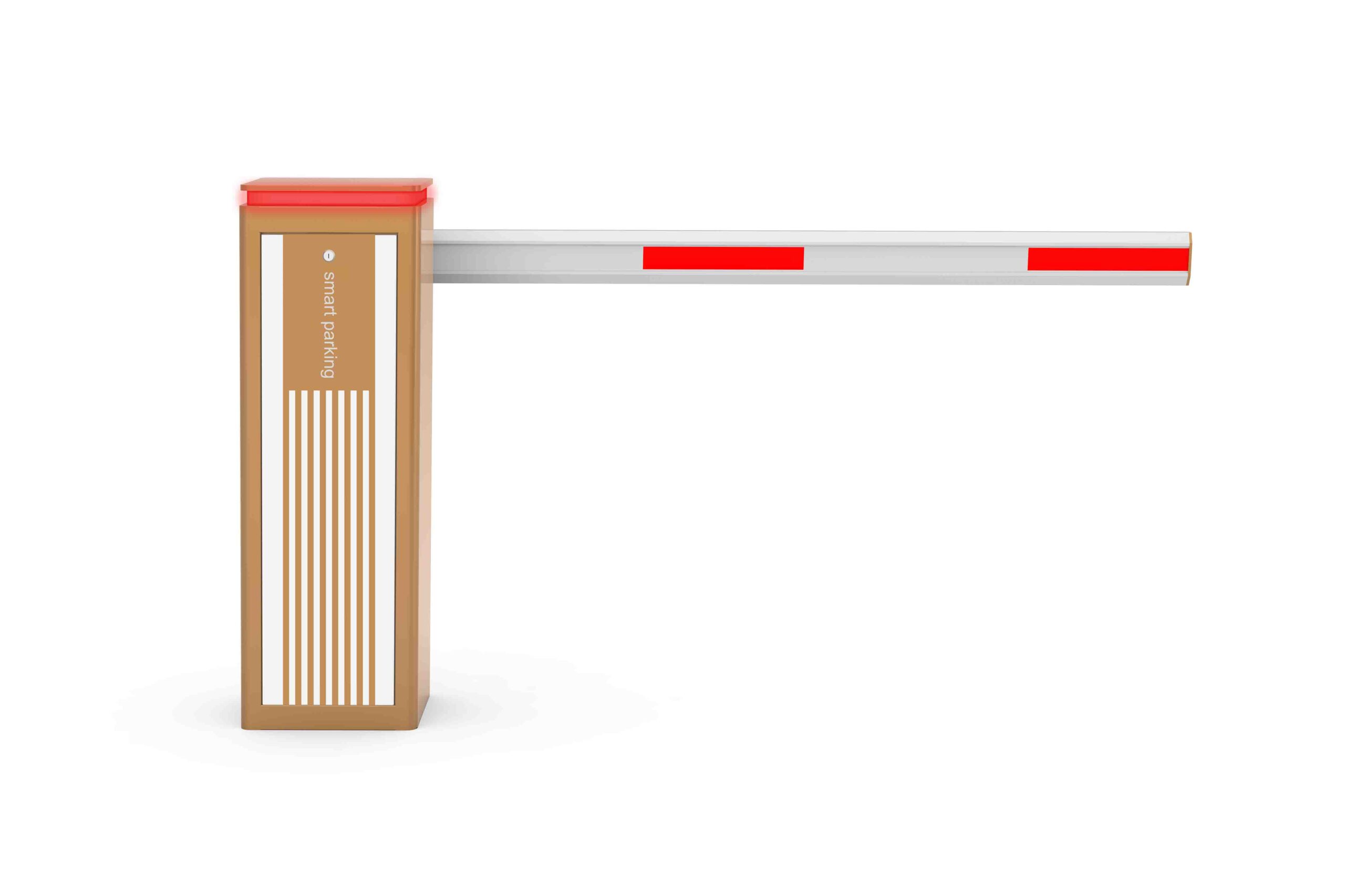
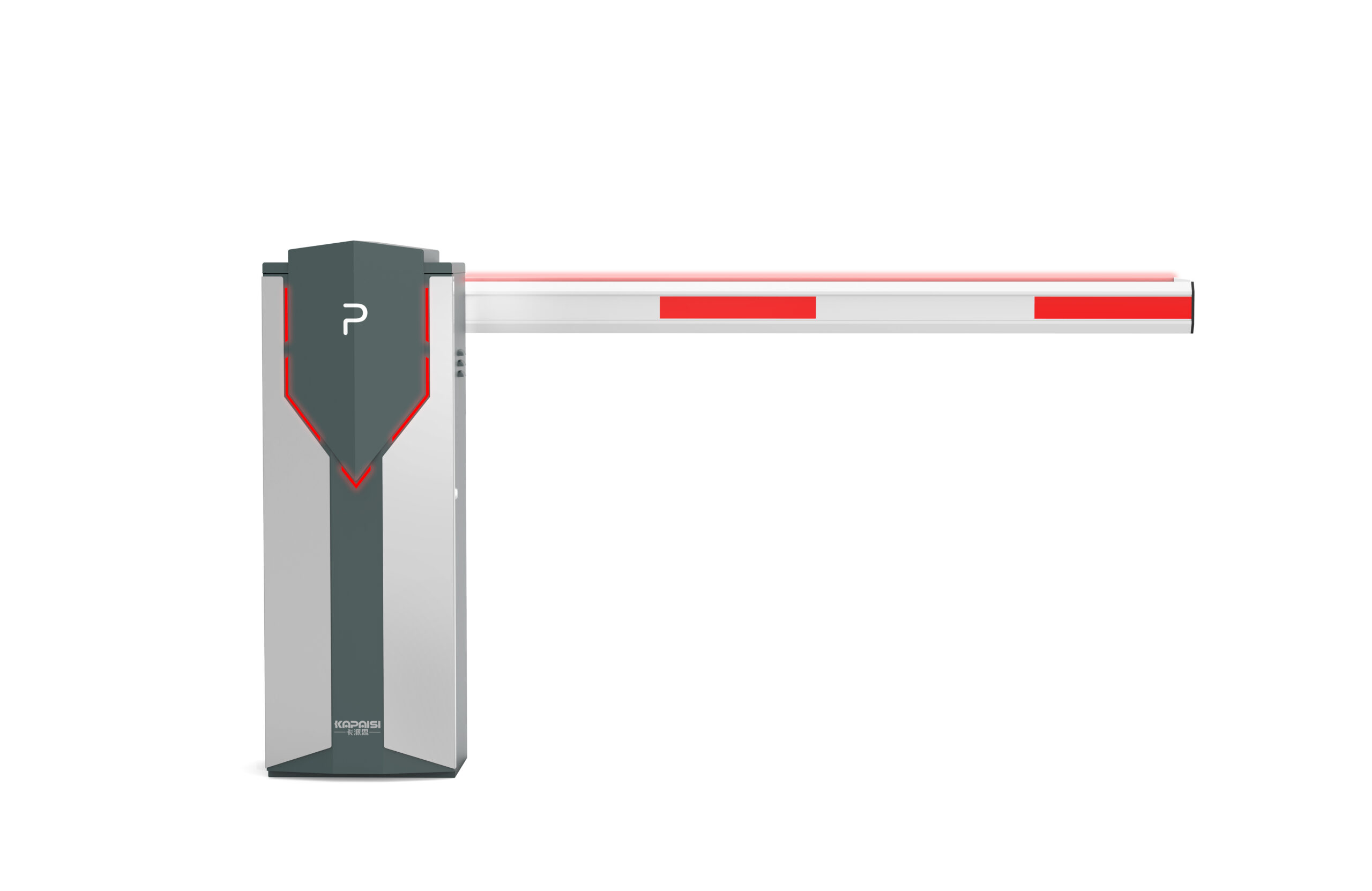
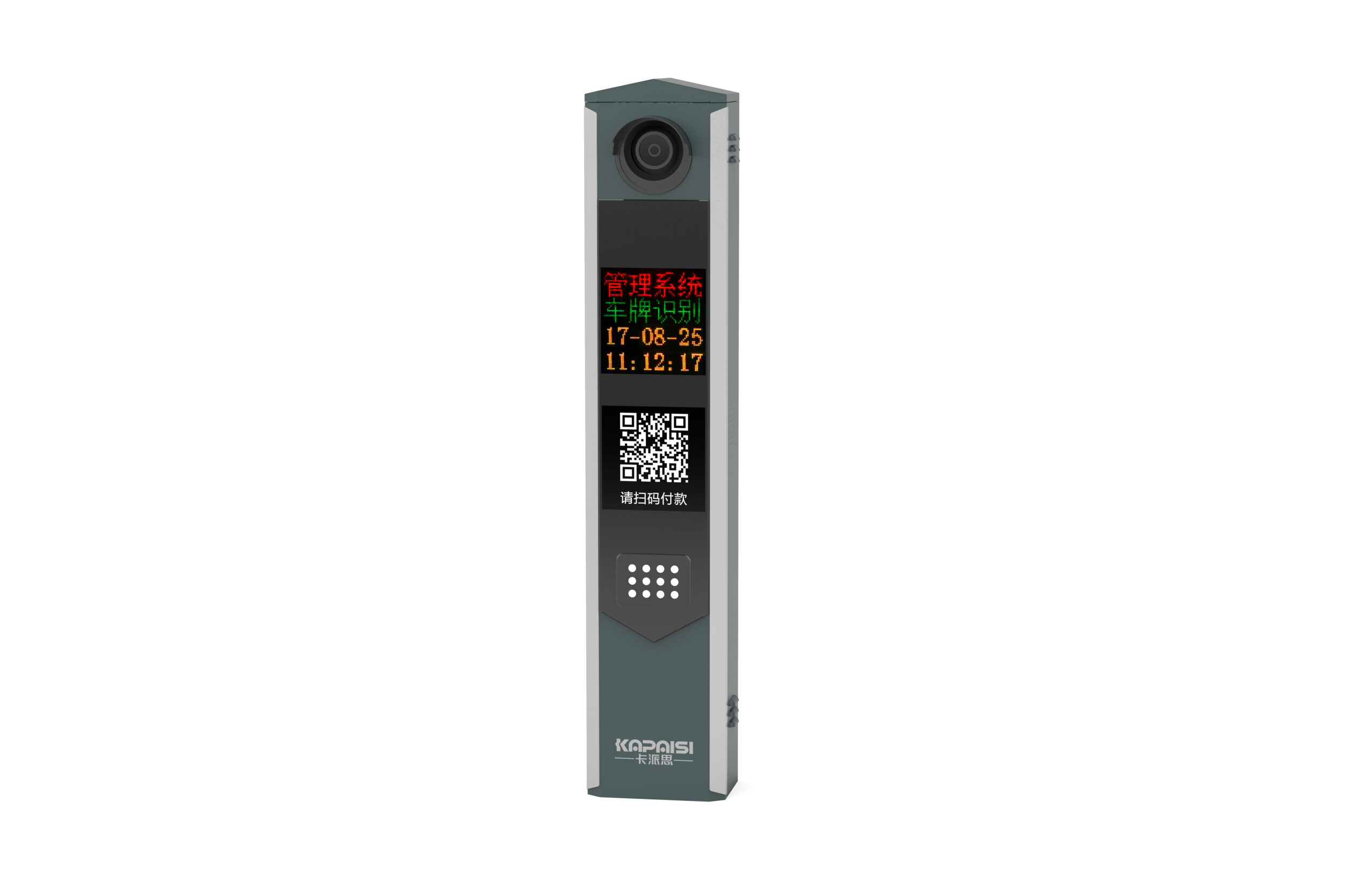
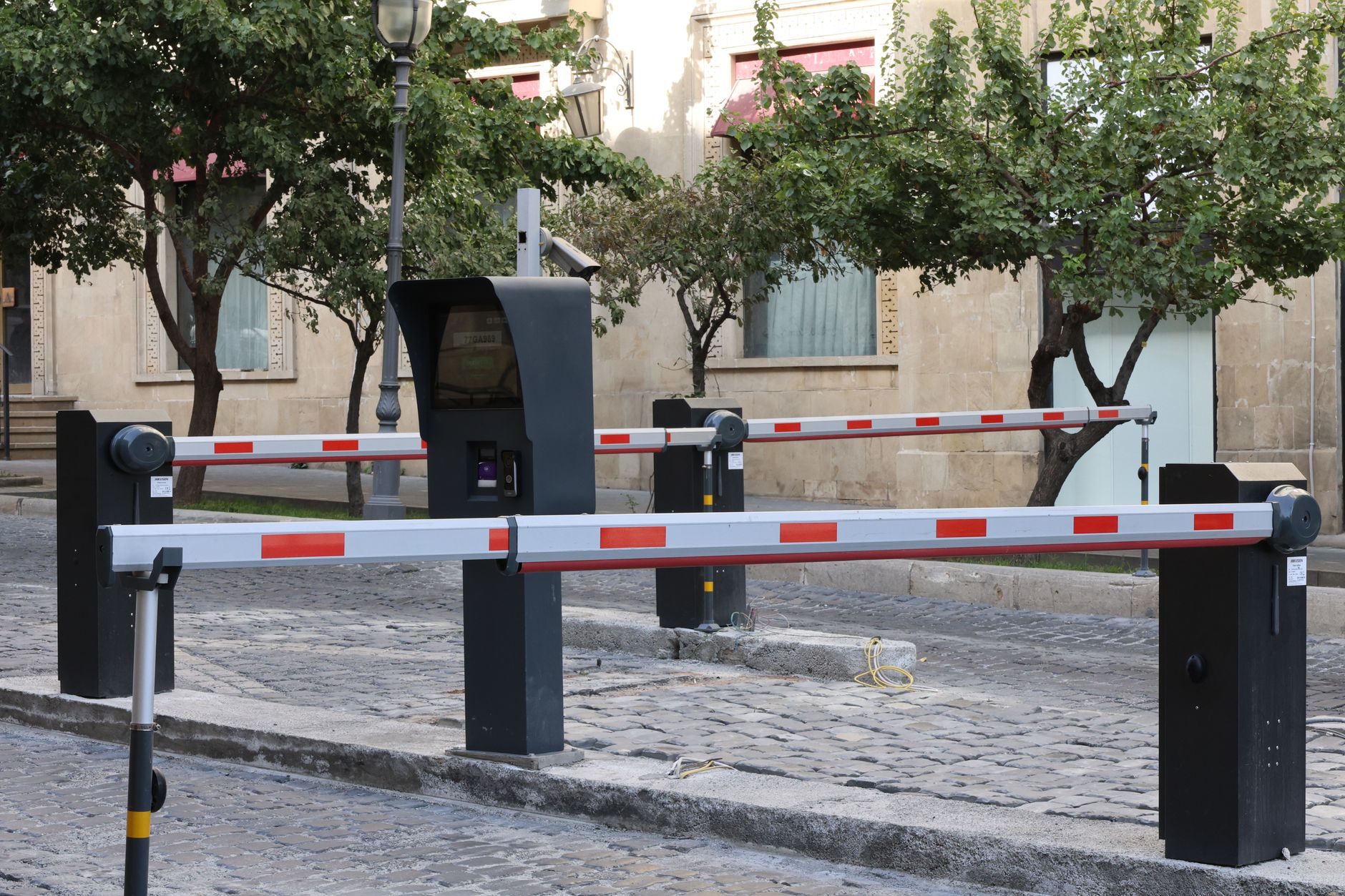
Card-based barriers are common in apartments and offices but are completely unsuitable for IPs with container trucks. Barrier LPR is superior in speed, accuracy, and integration capability with factory management systems. The comparison table below shows the clear differences.
| Criterion | Barrier LPR | Card-based barrier |
|---|---|---|
| Gate passage time | 10-15 seconds (no stop) | 30-60 seconds (stop, roll down window, swipe card) |
| Recognition accuracy | 99.2-99.8% (AI 8MP camera) | 100% (but depends on driver action) |
| Monthly operating cost | 1-2 million VND (electricity + maintenance) | 15-30 million VND (3-5 guards + card wear) |
| Load capacity | 10,000-15,000 cycles/day | 3,000-5,000 cycles/day |
| Software integration | API with ERP/WMS, real-time reports | Standalone, no data export |
| Suitable for | IPs, factories, ports, container depots | Apartments, offices, small parking lots |
With a traffic volume of 500-800 containers/day, barrier LPR helps IPs save 3-5 billion VND/year compared to card-based barriers when factoring in personnel costs and loading/unloading productivity. See also comparison of barrier LPR and card-based barrier for hospitals to see the difference in another environment.
Barrier LPR configuration for IPs: Mandatory components
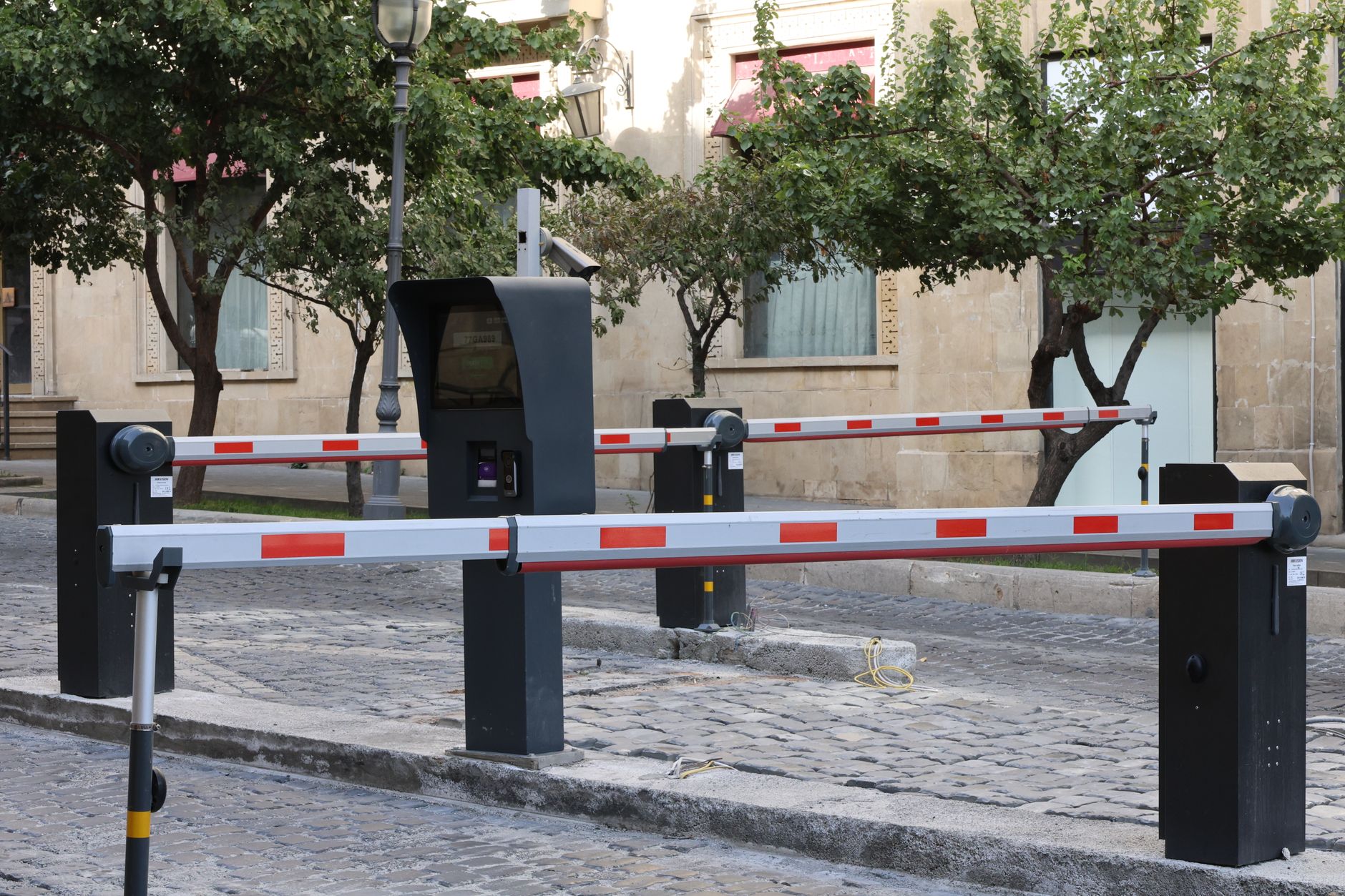
A barrier LPR system for an IP is not just a barrier arm and a camera. To operate 24/7 with container trucks weighing 40-60 tons, 6 main components are needed: a heavy-duty industrial barrier, an AI 8MP LPR camera, an intelligent LED light, an inductive loop detector, a control cabinet, and management software.
- Heavy-duty industrial barrier — Alloy steel arm, 3-phase 2HP motor, opening/closing speed 1.5-3 seconds, wind-resistant up to level 10. Popular models: Kapaisi KPS-DZ-8005, KPS-KJ-9001.
- AI 8MP LPR camera — Hikvision AcuSense or Dahua WizMind camera with AI chip, reads Vietnamese license plates (square and long plates) in all lighting conditions — even at night.
- Intelligent LED light — Infrared or white LED light automatically turns on in low light, ensuring the camera captures the plate clearly at a distance of 3-8 meters.
- Inductive loop detector — Detects the container truck entering the capture zone, triggers the LPR camera, and prevents the barrier from closing while the truck is still passing through.
- PLC control cabinet — Integrates the central processor, communicates with