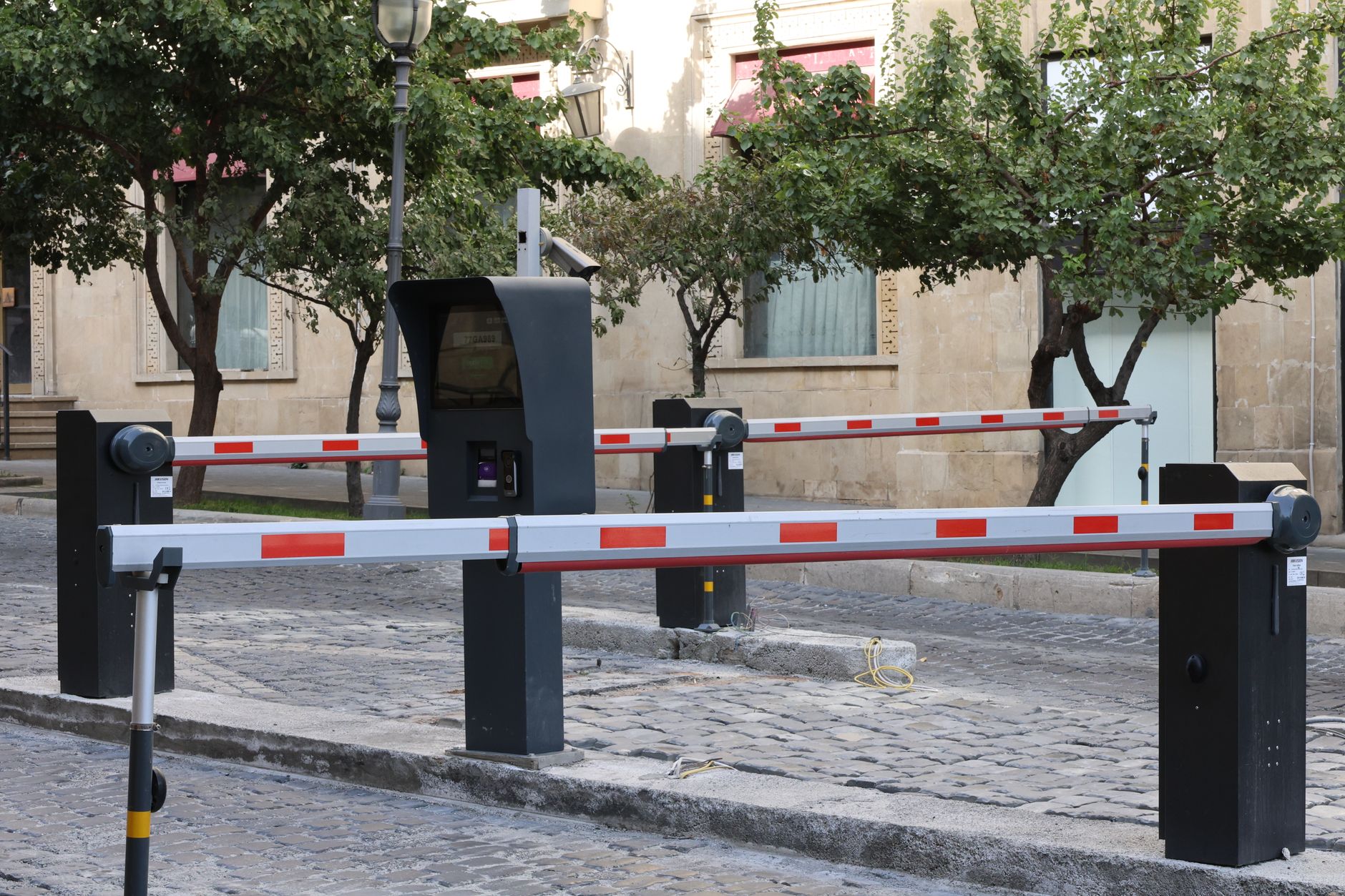
Smart License Plate Recognition (LPR) barrier is a system integrating AI cameras that read license plates in 0.3-0.5 seconds, automatically opening the barrier without requiring vehicles to stop. At grade A-B office buildings in Ho Chi Minh City and Hanoi, this solution is gradually replacing card-based barriers thanks to its real-time visitor management capabilities, reduced peak-hour congestion, and enhanced security protection.
What is a smart barrier for office buildings?
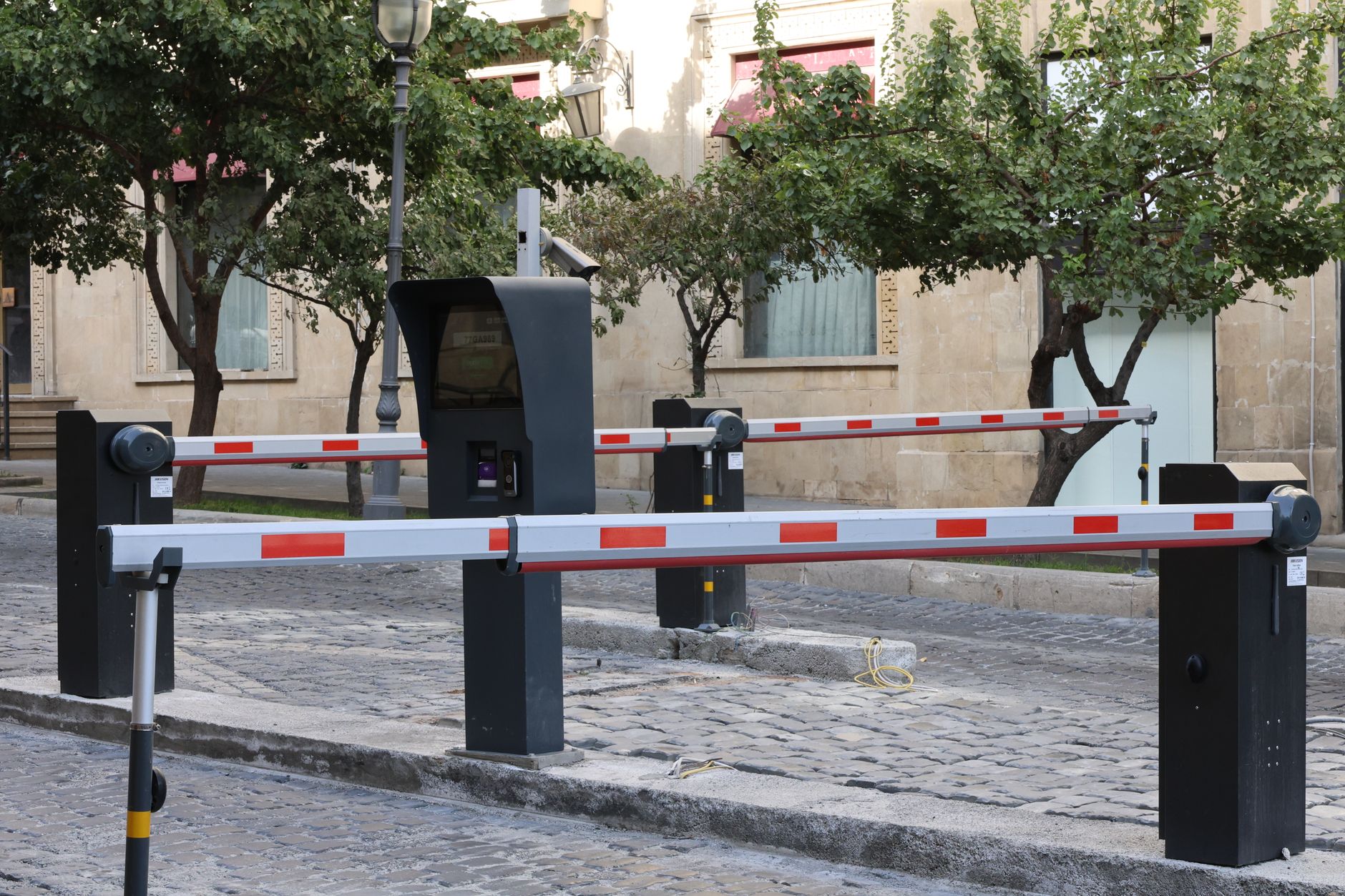
A smart barrier for office buildings is a vehicle access control system that uses AI cameras for License Plate Recognition (LPR) instead of RFID cards. The system includes automatic barriers, LPR cameras, backup card readers, and cloud-based or on-premise management software.
Unlike card-based barriers that require employees or guests to stop, swipe a card — taking 15-25 seconds per transaction — LPR barriers allow vehicles to pass through the gate slowly, with the camera reading the license plate and opening the barrier in under 1 second. License plate data is stored in the management system, enabling access history lookup and vehicle count statistics by hour/day/month.
This solution is suitable for office buildings with a stable vehicle volume of 200-500 vehicles/day, where security and visitor experience are priorities.
Operating principle: AI camera reads license plates and opens the barrier
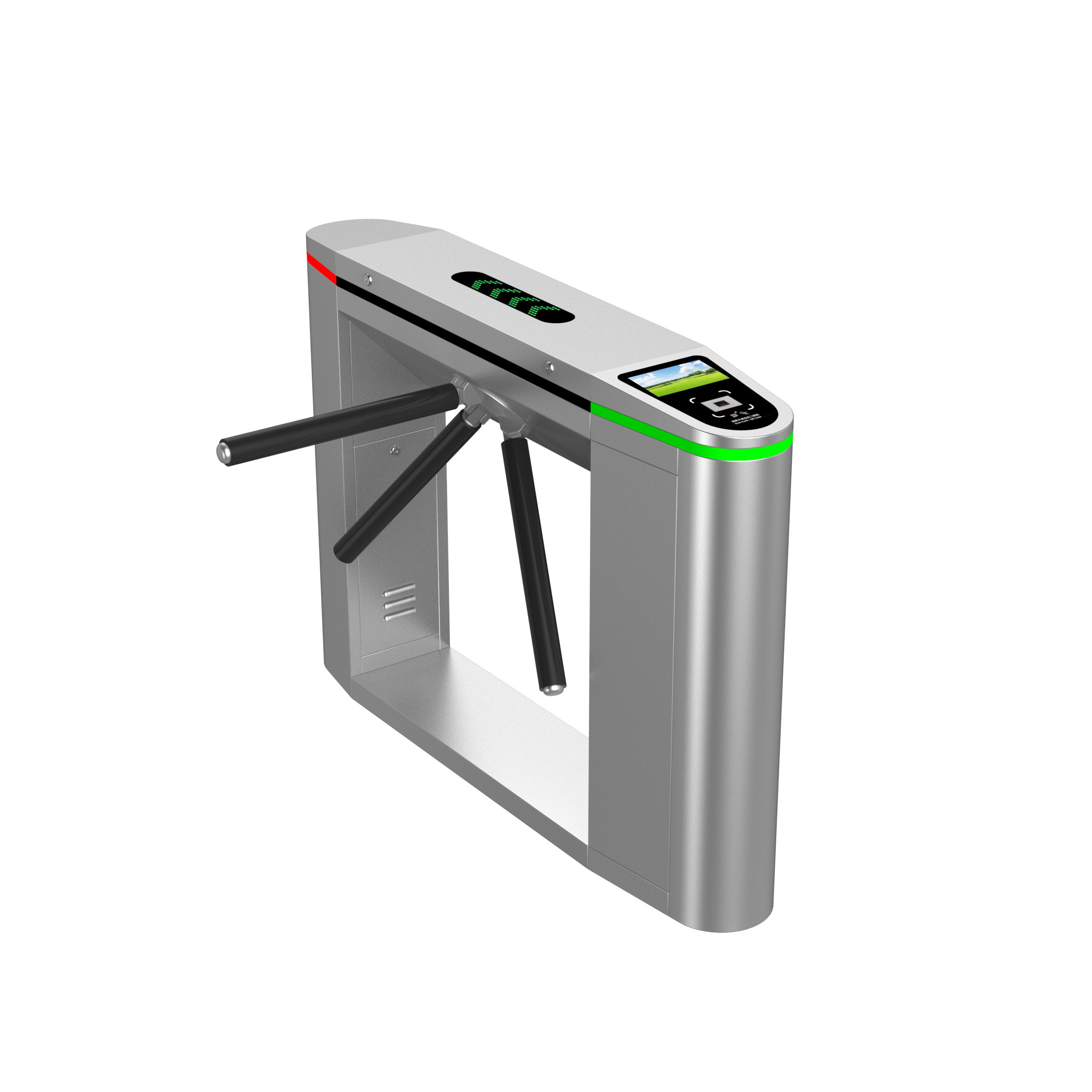
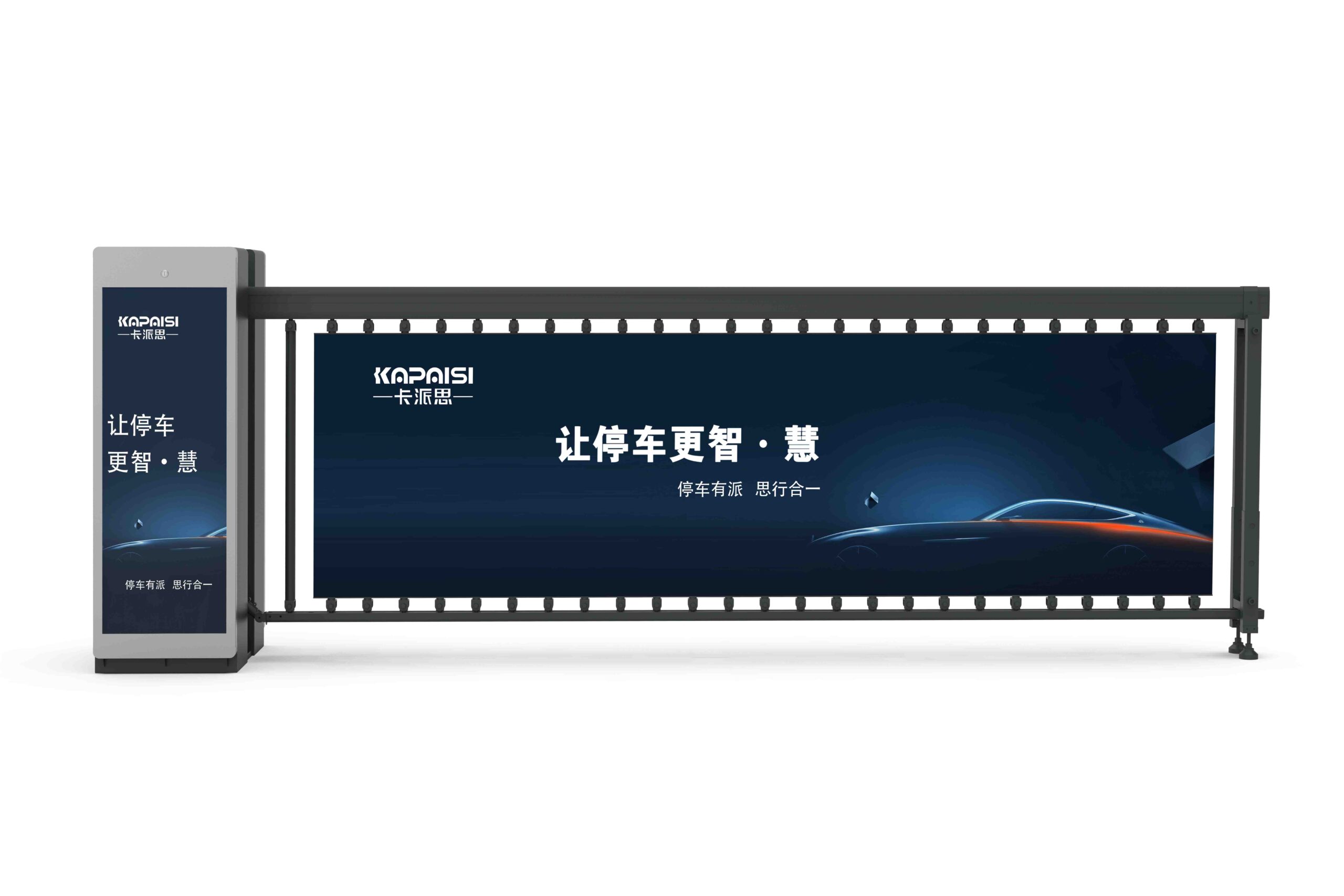
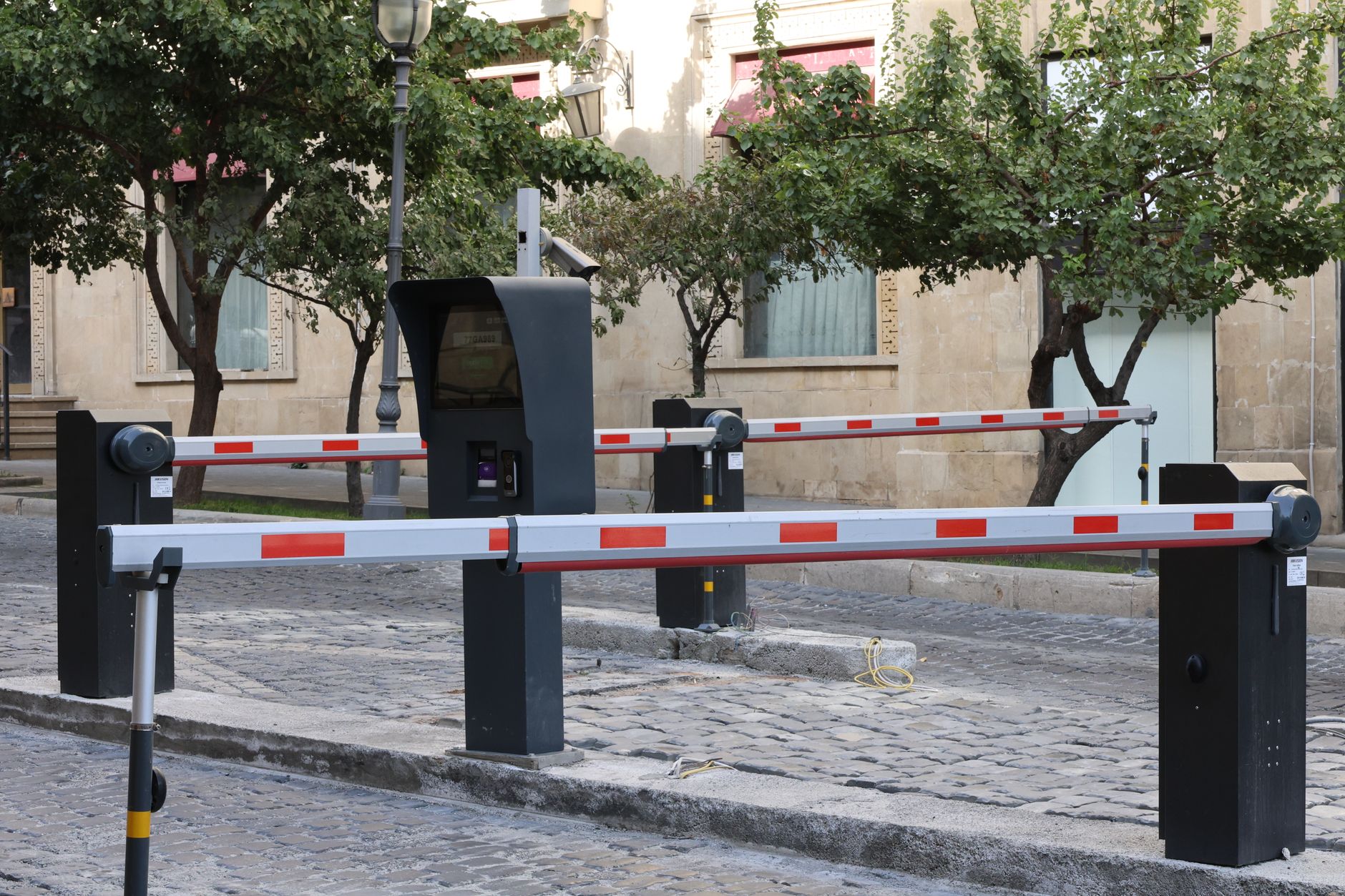
The LPR camera captures the license plate image when the vehicle enters the detection zone, processes the image using OCR algorithms to extract characters, compares it against the whitelist in the database, and sends a signal to open the barrier if matched. The entire process takes 300-500 milliseconds.
Detailed operating process:
- Vehicle detection: A loop detector or radar sensor detects the vehicle approaching the gate.
- Image capture: The LPR camera captures the front/rear license plate image with infrared light support for nighttime.
- OCR processing: The software recognizes characters on the license plate — supporting Vietnamese license plates (long/short, 1-2 lines).
- List comparison: The system checks the license plate against the whitelist (employees, residents, pre-registered guests).
- Barrier opening: If matched, the barrier opens. If not, the barrier remains closed and displays a warning on the screen for security personnel.
- Log recording: All events (license plate, time, direction) are recorded in the database.
Benefits of visitor management and building security protection
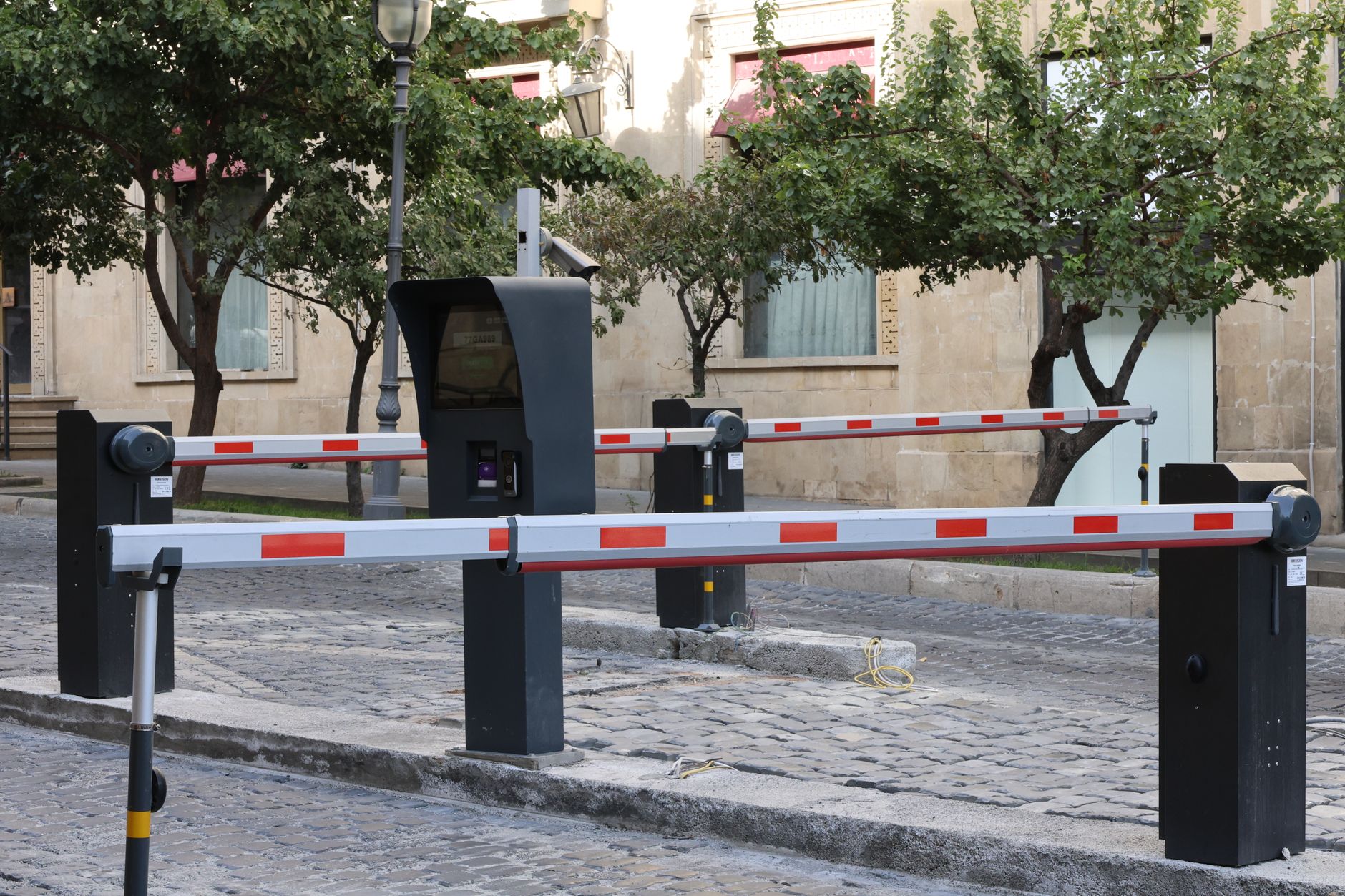
LPR barriers enable real-time visitor management: guests can pre-register their license plates via app or email, and vehicles enter automatically without manual check-in. Security is enhanced by logging all incoming and outgoing license plates, detecting unknown vehicles or those on a blacklist.
Specific benefits:
- Reduced wait time: Visitors don't need to stop to register at the security desk — saving 3-5 minutes per visit. A building with 500 vehicles/day saves 25-40 hours of waiting time daily.
- VIP guest management: VIP guest license plates are added to a temporary whitelist — vehicles enter automatically, the barrier opens, no phone confirmation needed.
- 24/7 access control: Infrared cameras operate in low-light and rainy conditions — no interruptions.
- Unknown vehicle detection: Vehicles not on the whitelist are flagged in red on the security screen, along with the license plate image and timestamp.
- Integration with timekeeping systems: License plate data can be synchronized with HR timekeeping software — vehicle entry = employee is present.
Comparison of LPR barrier vs. card-based barrier for office buildings
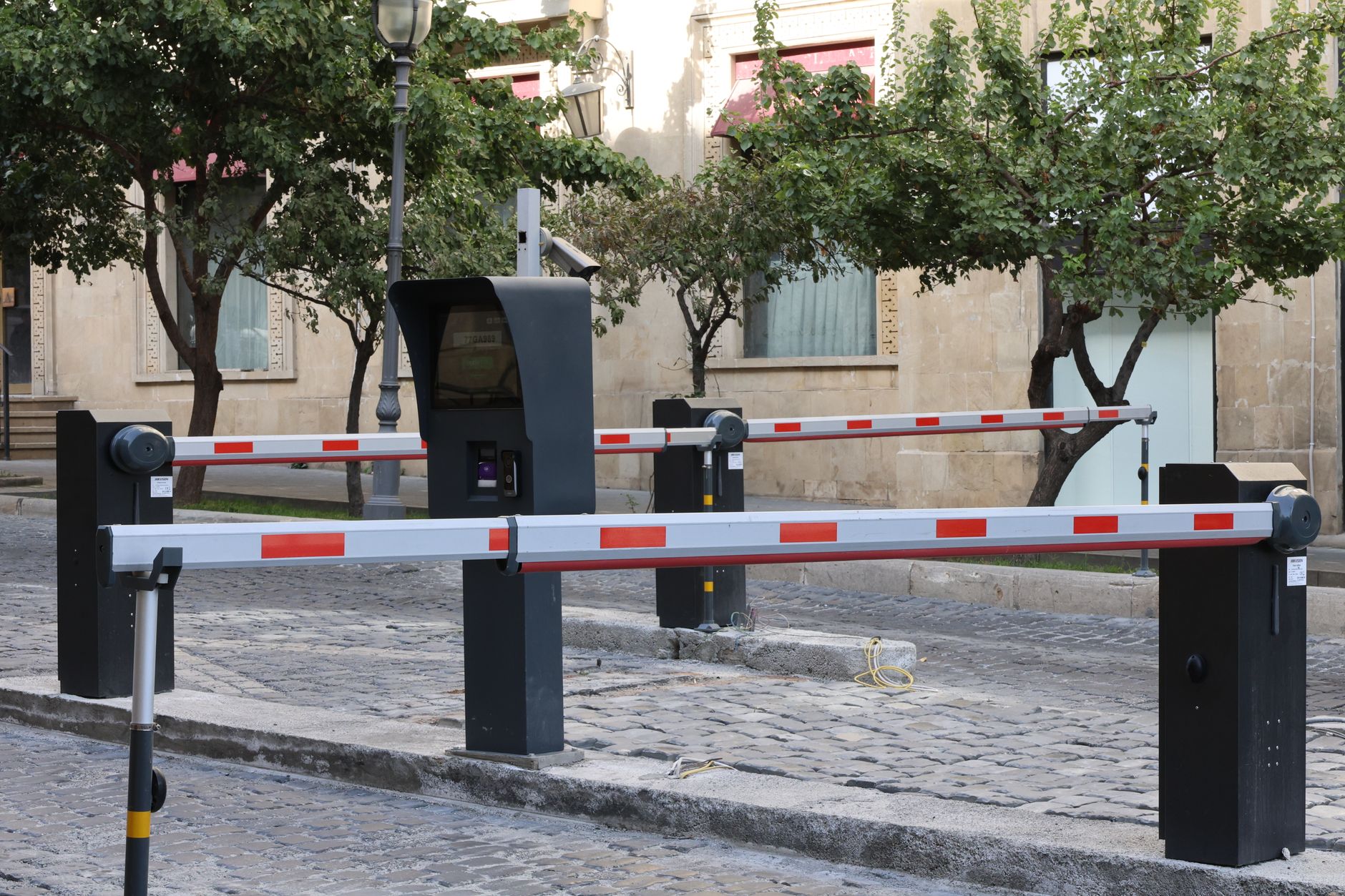
LPR barriers are superior in speed, security, and long-term operational costs compared to card-based barriers. However, the initial investment cost is 30-50% higher. The table below provides a detailed comparison for an office building with 300 vehicles/day.
| Criteria | LPR Barrier | RFID Card Barrier |
|---|---|---|
| Barrier opening time | 0.3-0.5 seconds | 2-5 seconds (including card swipe) |
| Does the vehicle need to stop? | No — slow down to 5-10 km/h | Yes — stop completely, swipe card |
| Card/tag cost | No recurring cost | 5,000-15,000 VND/card (lost/damaged) |
| Security (anti-spoofing) | High — license plates are hard to forge | Medium — cards can be copied |
| Visitor management | Pre-register license plate, automatic | Issue temporary card, manual retrieval |
| 3-year operational cost | 15-25 million VND (maintenance + electricity) | 30-50 million VND (damaged cards + labor) |
| Scalability | Add cameras, upgrade software | Add readers, new cards |
Summary table: Key terms in LPR barriers
The table below explains common technical terms encountered when researching smart barriers for office buildings, helping you communicate easily with suppliers.