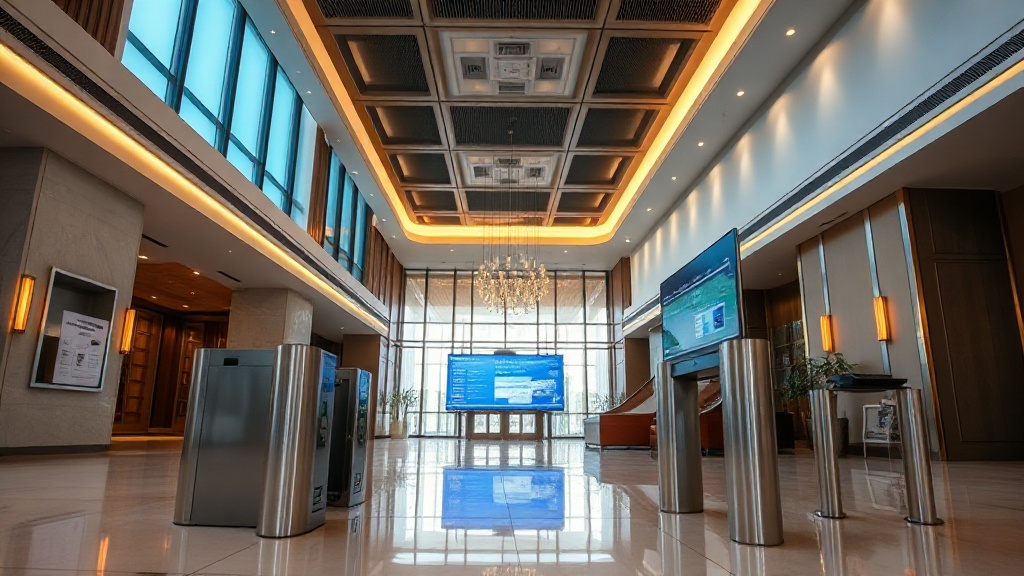
BMS (Building Management System) for 4-5 star hotels is a centralized integrated control system that enables unified monitoring and operation of technical systems including HVAC (air conditioning), Access Control, Energy Management, and Fire Safety on a single interface. In Vietnam, 4-5 star hotels are transitioning from fragmented operations to integrated BMS platforms to optimize costs by 25-35% and enhance customer experience.
Problems 4-5 star hotels face when operating without an integrated BMS

High-end hotels in Vietnam typically operate HVAC, access control, electrical systems, and fire protection independently, leading to energy costs 30-40% higher than optimal levels, security risks due to unsynchronized access control, and fire hazards when the fire alarm system does not automatically activate countermeasures.
- ⚠ Uncontrolled energy costs: HVAC runs 24/7 without optimization based on room load, electricity costs account for 35-45% of total building operating costs, with no realtime data for adjustments.
- ⚠ Fragmented access control: Guest room key card locks, lobby turnstile gates, and parking barriers operate independently — no synchronized logs, taking 15-30 minutes to trace incidents.
- ⚠ Non-automated fire protection: When a fire alarm occurs, staff must manually shut down HVAC and open emergency exits, 3-5 minutes slower than international safety standards.
- ⚠ Reactive equipment maintenance: HVAC and electrical equipment are maintained only on a fixed schedule, not based on actual operational data, leading to 2-3 unexpected breakdowns per year.
- ⚠ Lack of overall operational data: No consolidated reports on energy performance, security, and fire protection, making it difficult to optimize for green hotel standards like LEED or EDGE.
How does the integrated BMS solution for HVAC + Access + Energy + Fire work?
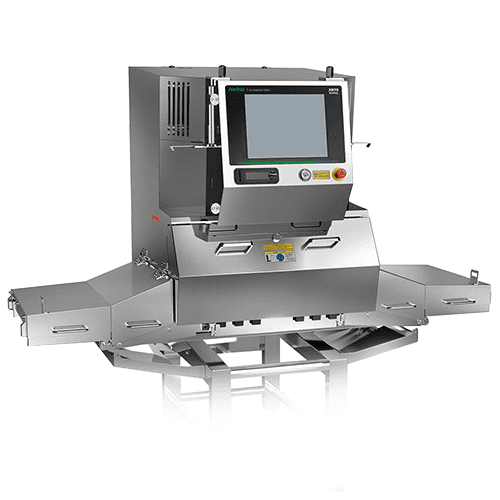
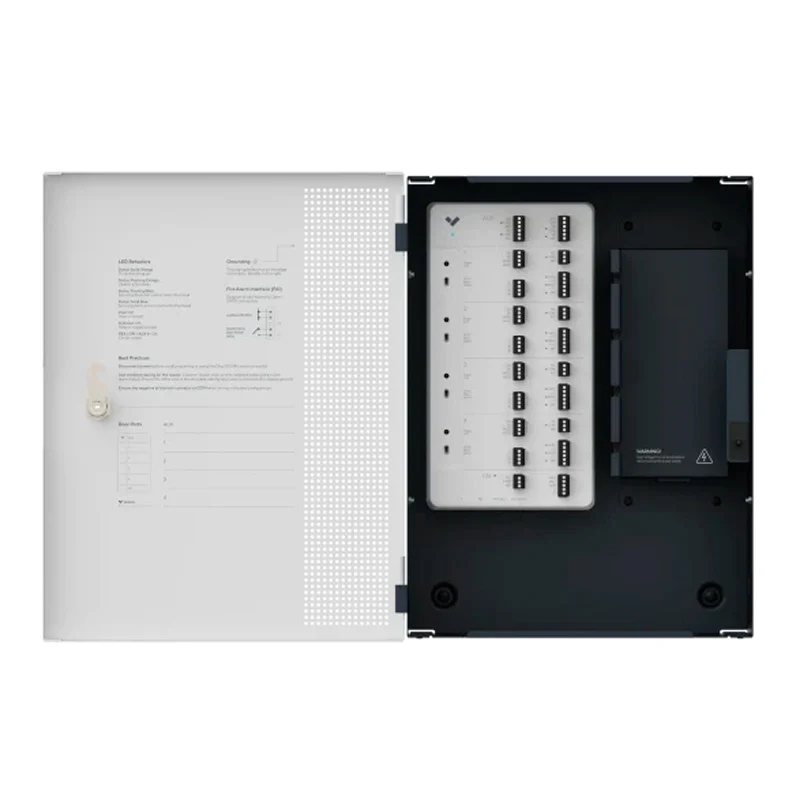
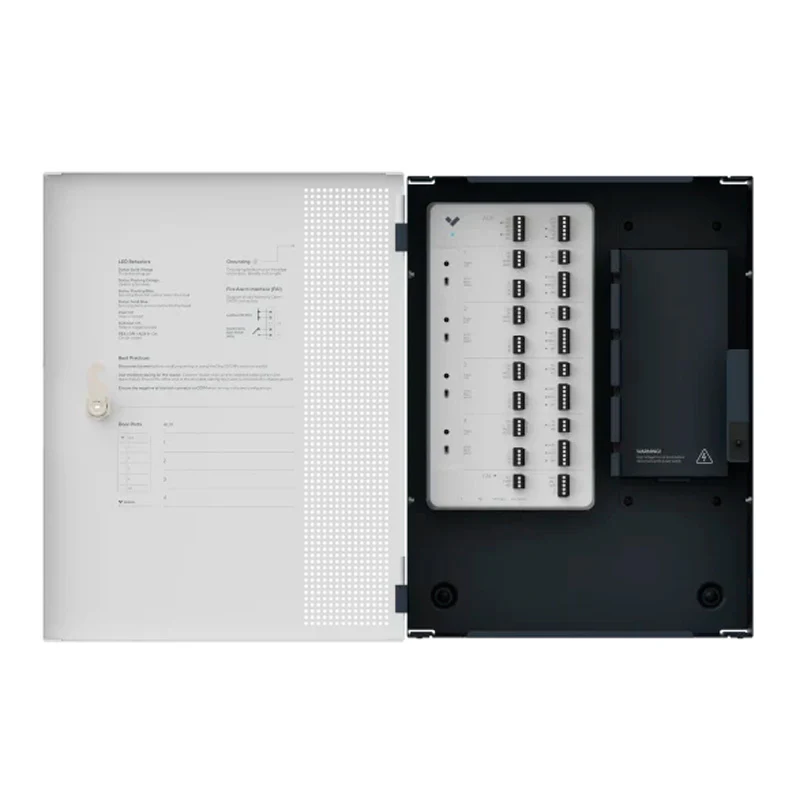
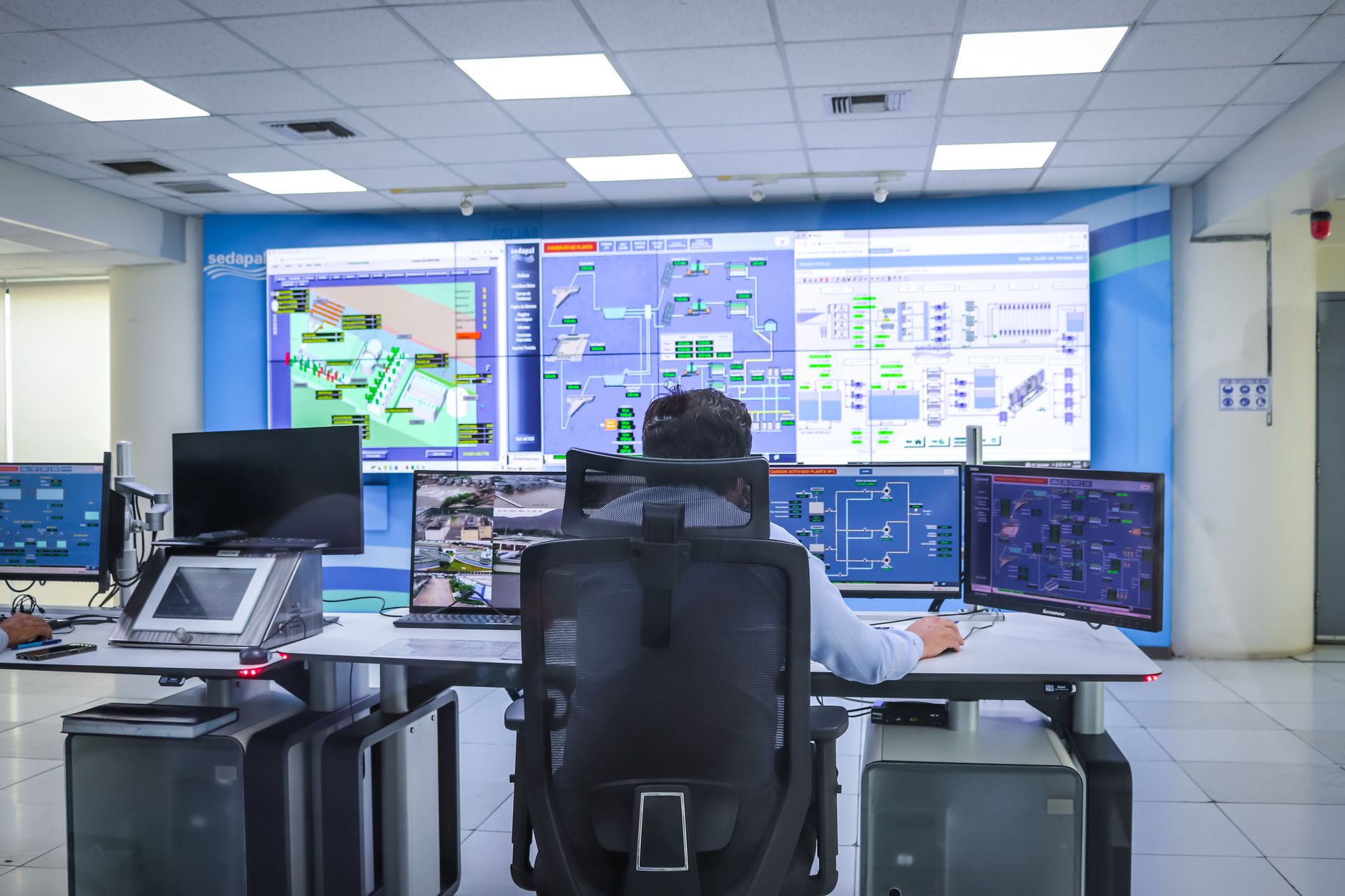
The integrated BMS for 4-5 star hotels operates on a 3-layer architecture: the field device layer (sensors, actuators, controllers), the communication network layer (BACnet/IP, Modbus TCP, LonWorks), and the centralized management software layer (Supervisor). The system enables unified monitoring and control of HVAC, access control, energy metering, and fire alarm from a single interface.
- Step 1 — Field data collection: Temperature/humidity/CO2 sensors (HVAC), card/face readers (Access), smart electricity meters (Energy), smoke/heat detectors (Fire) send data to BACnet/Modbus controllers.
- Step 2 — Local processing and decision making: DDC controllers (Direct Digital Control) process signals within 100-500ms, automatically adjust VAV valves, FCU fan speeds, open/lock doors according to schedules, or activate fire alarms upon detecting risks.
- Step 3 — Integration and synchronization via BACnet/IP: All data from HVAC, Access, Energy, and Fire is integrated onto the BACnet/IP backbone, allowing systems to communicate and coordinate actions (e.g., fire alarm automatically shuts down HVAC and unlocks emergency exits).
- Step 4 — Monitoring and control from Supervisor: Central management software displays realtime dashboards, 365-day data history, abnormal alerts via SMS/email, and allows remote control via web/mobile.
- Step 5 — Analysis and optimization: The system automatically generates weekly/monthly energy reports, suggests maintenance schedules based on runtime, and alerts when HVAC performance drops below 85% threshold.
Specific benefits of implementing BMS for 4-5 star hotels

Implementing an integrated BMS helps 4-5 star hotels reduce energy costs by 25-35%, increase HVAC equipment lifespan by 15-20%, shorten fire protection response time from 5 minutes to under 30 seconds, and create a transparent operational data foundation for green certifications.
Start with a free 60-minute site survey
Our senior technical team will visit your site, assess the current setup, and propose a bundle matched to your business model and budget.