
AI cameras for occupational safety monitoring are a solution that integrates computer vision into existing camera systems, automatically detecting violations such as not wearing a hard hat, intrusion into danger zones, and falls in real time. In Vietnam, according to 2025 statistics from the Ministry of Labour, Invalids and Social Affairs, an average of 7,000-8,000 workplace accidents are recorded each year, with estimated economic losses of 15,000-20,000 billion VND.
The problem of occupational safety in factories and industrial parks in Vietnam

⚠ Ineffective manual monitoring: Security guards or supervisors can only observe 10-15% of the factory area at once, missing 60-70% of PPE violations.
⚠ Slow response to incidents: The average time from a fall to detection is 15-25 minutes, especially dangerous in enclosed storage or chemical areas.
⚠ No data for analysis: 80% of businesses do not record or analyze the root causes of accidents, leading to recurrence.
⚠ Insurance and legal costs: Each serious workplace accident can incur compensation costs of 200-500 million VND, not including administrative fines.
How does the AI camera solution for occupational safety work?
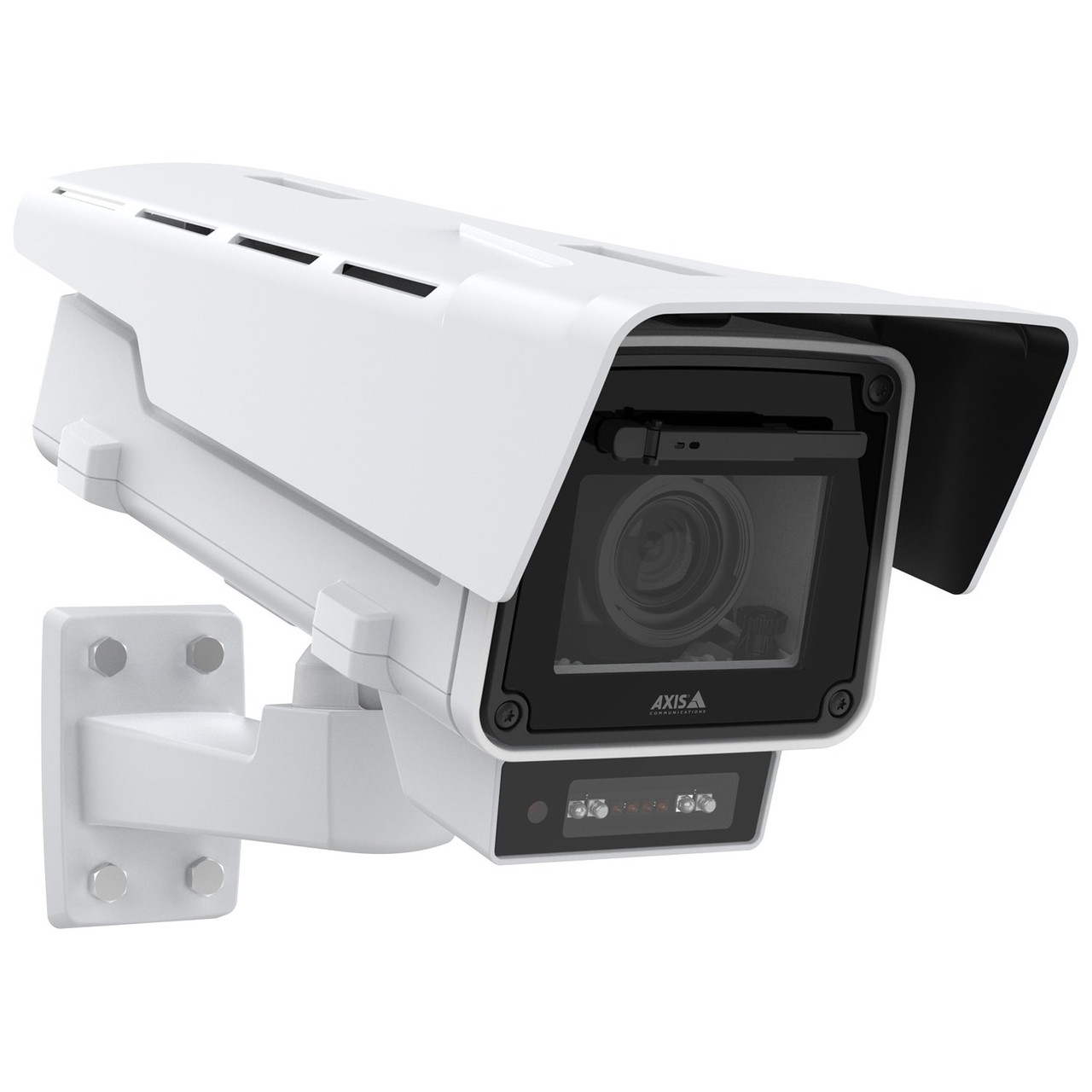


- Step 1 – Install AI cameras: AI cameras 4-8MP (e.g., Hikvision AcuSense DS-2CD2T46G2-ISU/SL or Dahua WizMind IPC-HFW5849T1-ASE-LED) are installed at entrances, production areas, chemical storage, and dangerous machinery areas.
- Step 2 – Train the AI model: The system is trained with 5,000-10,000 sample images of hard hats, reflective vests, restricted zones, and fall postures. Accuracy reaches 95-98% after 2-4 weeks of calibration.
- Step 3 – Real-time detection and alerting: When a violation is detected (no PPE, red zone intrusion, fall), the system sends alerts via a mobile app, on-site loudspeaker announcements, and displays on the central command center screen within 1-3 seconds.
- Step 4 – Data storage and analysis: All events are stored on an NVR (e.g., Dahua DHI-NVR5432-16P-4KS2E) with sufficient capacity for 30-45 days, generating automatic reports on violation frequency by shift/area.
Specific benefits of deploying AI cameras for occupational safety

Applications in heavy industrial manufacturing plants

In steel, cement, and chemical plants, the risk of accidents is 3-5 times higher than in light industries. AI cameras are installed near furnaces, conveyor belts, and chemical storage areas to detect workers not wearing safety glasses or reflective vests. A case study at the Hoa Phat steel plant (Dung Quat industrial park) showed that after 6 months of deployment, PPE violations decreased by 82%, and workplace accidents dropped from 12 per year to 2 per year.
Applications in logistics industrial parks and warehouses

Large warehouses over 5,000m² often have many forklifts and high-stacked pallets, posing risks of falls or collisions. AI cameras detect workers entering areas where forklifts are operating, or lying/sitting in dangerous zones. The system alerts via ceiling-mounted speakers and LED strobe lights within 2-3 seconds. The investment cost for a 3,000m² warehouse is approximately 80-120 million VND (including 6-8 AI cameras + NVR + software license), with a payback period of 8-12 months thanks to reduced accident compensation costs.