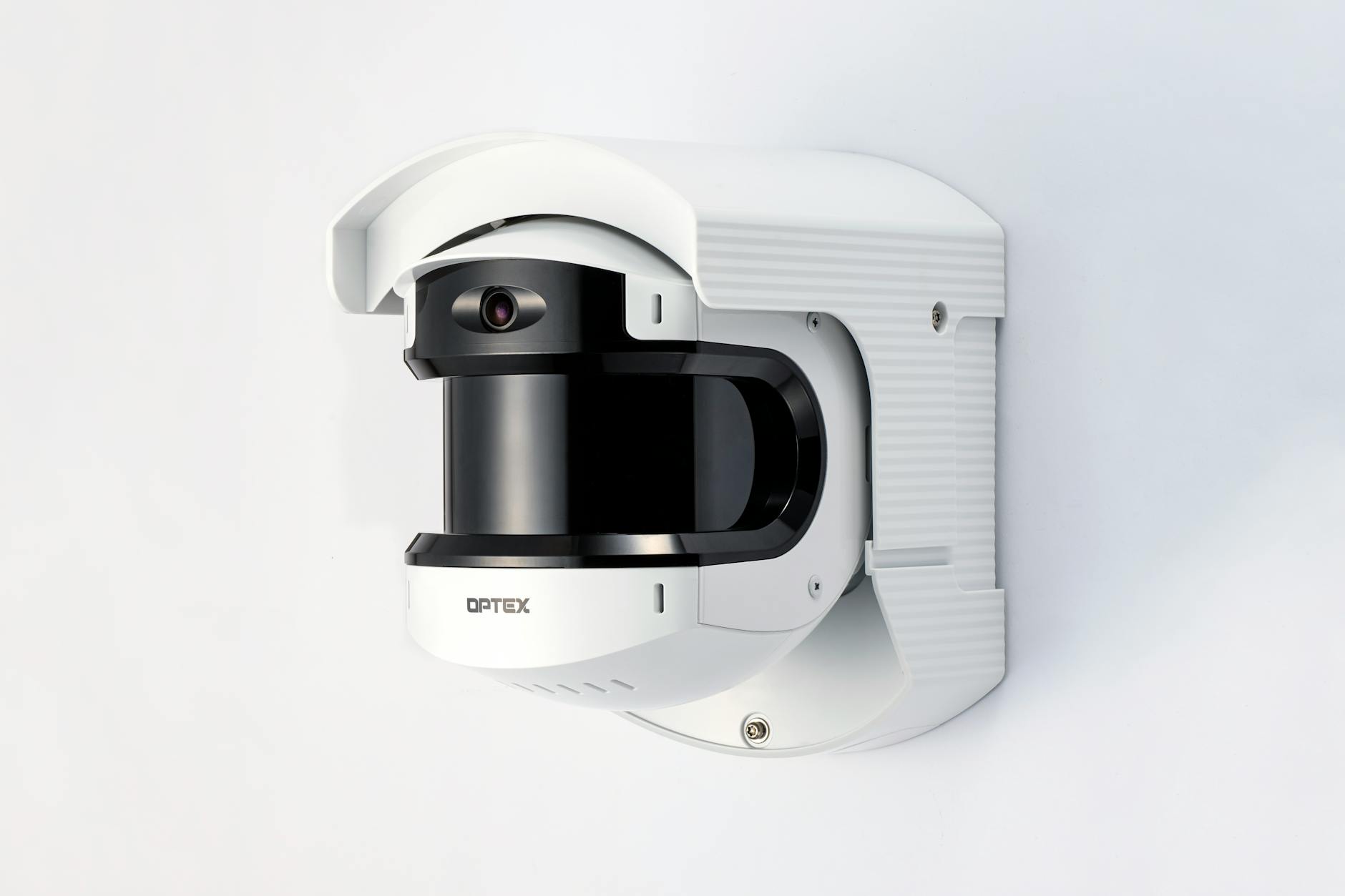
AI supermarket loss-prevention cameras are a solution that integrates computer vision into the surveillance camera system, combined with RFID security gates, automatically detecting theft behavior, POS fraud, and merchandise loss in real time. In Vietnam, mini supermarket chains of 200-800m² are deploying this technology to reduce shrinkage from 2-4% of revenue to below 0.5%, with an investment cost of 45-75 million VND per store and a payback period of under 8 months.
What level is shrinkage at mini supermarkets in Vietnam?
According to a 2025 survey by the Vietnam Retailers Association, average shrinkage at mini supermarket and convenience store chains ranges from 2-4% of revenue, equivalent to 200-400 million VND per year for a store with 10 billion VND in revenue. Of this, customer theft accounts for 45%, employee fraud 30%, process errors 15%, and supplier errors 10%.
With mini supermarket profit margins at only 5-8%, 3% shrinkage means losing 37-60% of potential profit. This is a life-or-death problem, especially when a chain expands from 5 to 30 points of sale, where the level of loss often increases exponentially due to the difficulty of centralized control. Traditional solutions such as security guards and analog cameras that only record for post-review are no longer effective enough.
How do AI supermarket cameras differ from ordinary cameras?
AI supermarket cameras differ from ordinary cameras in their ability to process video in real time at the edge (edge computing) to detect abnormal behavior without the need for human monitoring. While analog cameras only record for later review, AI cameras can automatically alert when they detect concealment of goods, intrusion into restricted areas, or fraud at the checkout counter.
| Feature | Analog Camera | AI Camera (Vision AI) |
|---|---|---|
| Abnormal behavior detection | No | Yes (concealment of goods, loitering, intrusion) |
| Real-time alerts | No | Yes (sent via app/zalo/email within 3-5 seconds) |
| People counting in/out | Manual | Automatic, 95-98% accuracy |
| POS integration for fraud detection | No | Yes (matches scanned items with loose items) |
| Cloud storage | No (DVR/NVR) | Yes (cloud hybrid) |
| Average cost | 8-15 million/camera | 18-35 million/camera |
For mini supermarkets, AI cameras help reduce staff monitoring time by 60-80%, while increasing the theft detection rate from under 10% to 85-90% thanks to intelligent behavior analysis. See also AI people-counting cameras for store chains: Operational optimization 2026 to learn more about people-counting applications in retail.
What components does a comprehensive loss-prevention solution include?
An effective supermarket loss-prevention system combines 4 layers: AI cameras that detect abnormal behavior, RFID security gates that prevent merchandise theft, video analytics software integrated with POS, and a centralized monitoring center. Each component plays its own role but operates in sync to form a comprehensive shield.
AI cameras and intelligent video analytics
AI cameras use deep learning algorithms to recognize behaviors such as: customers concealing goods in bags, unauthorized intrusion into warehouse areas, or employees not scanning items at the POS. Brands such as Hikvision AcuSense and Dahua WizMind provide pre-integrated solutions suitable for Vietnamese supermarkets.
RFID security gates for exits
RFID security gates at the exit detect merchandise that has not been paid for, combined with AI cameras to record images of the violation. An Ninh Số's AI supermarket loss-prevention cameras support integration with Sensormatic and Checkpoint Systems brands.
POS-integrated analytics software
The software matches data from the POS with video recorded at the checkout counter. When it detects an anomaly such as scanned items not matching loose items, the system automatically sends an alert to the manager via app within 3-5 seconds.
Centralized monitoring center
For chains of 5 stores or more, the centralized monitoring center allows managers to monitor all points of sale from a single interface. Data is stored in a cloud hybrid, making it easy to look up and analyze loss trends over time.
Investment cost of AI anti-loss cameras for mini supermarkets
The investment cost for a 200-500m² mini supermarket ranges from 45-75 million VND, including 4-6 AI cameras, 2 RFID gates, analysis software, and installation. The average payback period is 6-8 months based on a 60-80% reduction in shrinkage.
- Basic package (45-55 million): 4 AI cameras, 1 RFID gate, basic software, suitable for supermarkets under 300m².
- Standard package (55-65 million): 5 AI cameras, 2 RFID gates, POS-integrated software, suitable for supermarkets of 300-500m².
- Premium package (65-75 million): 6 AI cameras, 2 premium RFID gates, full-feature software + monitoring center, suitable for supermarkets over 500m².
To better understand the application of AI cameras in retail environments, refer to the article Increasing shopping mall revenue with people-counting data from AI cameras.
Real case study: 80% shrinkage reduction at a mini supermarket chain
A 12-store mini supermarket chain in Ho Chi Minh City had an average shrinkage of 3.2% of revenue, equivalent to 380 million VND/year/store. After 6 months of deploying the AI camera + RFID gate system, shrinkage dropped to 0.6%, saving more than 3.5 billion VND per year for the entire chain.
Detailed results after 6 months:
- Detected 47 theft incidents by customers (down 85% from before).
- Detected 12 employee fraud incidents at POS (down 90%).
- Reduced inventory count process errors from 15% to 3%.
- Payback period: 7.2 months.
- ROI after 12 months: 168%.
The solution uses Hikvision AcuSense AI cameras combined with Sensormatic RFID gates and POS-integrated analysis software, deployed by An Ninh Số.
Factors affecting anti-loss effectiveness
The effectiveness of an AI camera anti-loss system depends on 3 main factors: hardware quality, the accuracy of the AI algorithm, and the supermarket's operating procedures. Even the best system only achieves maximum effectiveness when combined with strict management procedures.
- Camera quality and installation angle: Cameras need a minimum resolution of 4MP, with coverage of all high-risk areas such as checkout counters, exits, and high-value goods areas.
- AI accuracy: The algorithm needs to be trained on real data from Vietnamese supermarkets to accurately recognize concealment behavior and avoid false alerts.
- Response procedure: Staff and managers need to be trained to handle alerts promptly, avoiding the situation where alerts are ignored due to overload.
Frequently Asked Questions
Does the AI loss prevention camera require replacing existing cameras?
Not necessarily. The system can integrate with existing IP cameras if they meet a minimum resolution of 2MP and support the ONVIF/RTSP protocol. However, to achieve optimal performance with behavior detection accuracy above 90%, dedicated AI cameras with a built-in AI processing chip such as Hikvision AcuSense or Dahua WizMind should be used. The upgrade cost is typically 30-40% lower than a full replacement.
Can the system detect fraud at the checkout counter?
Yes. The AI camera integrates with POS software to match the goods customers bring out against the scan data at the counter. The system detects behaviors such as: not scanning items, scanning a low-priced item instead of the actual item, or voiding a transaction after the customer leaves. The POS fraud detection rate reaches 85-95% depending on camera quality and the algorithm.
What is the monthly system maintenance cost?
Maintenance costs range from 2-5 million VND/month for a mini supermarket, including: AI software updates, hardware maintenance, cloud storage (if any) and remote technical support. For a chain of more than 10 stores, maintenance costs can drop to 1.5-3 million VND/store/month thanks to a full-service contract.
Does the system work when the internet is down?
Yes. The AI camera processes video at the edge (edge computing), so it still detects abnormal behavior and stores data locally even when the internet is down. When the connection is restored, data automatically syncs to the cloud. However, real-time alerts via the app will be delayed until the internet is back. The system stores data locally for a minimum of 7 days.
How long does deployment take for a mini supermarket?
Average deployment time is 5-7 working days for a 200-500m² mini supermarket, including: on-site survey (1 day), hardware installation (2-3 days), software and AI configuration (1-2 days), staff training (1 day). For a multi-store chain, it can take 3-4 weeks depending on scale.
Does the AI camera violate customer privacy?
The AI camera only analyzes behavior and movement, and does not store facial recognition data unless specifically requested. The system complies with Decree 13/2023/ND-CP on personal data protection. Cameras are installed in public areas within the supermarket, with clear notice signs. Data is accessed only by senior management and is automatically deleted after 30-90 days depending on configuration.
Reduce supermarket shrinkage from 2-4% to below 0.5% with An Ninh Số's AI loss prevention camera solution. Contact our hotline now at 0796 700 777 for a free survey consultation and a detailed quote for your supermarket.