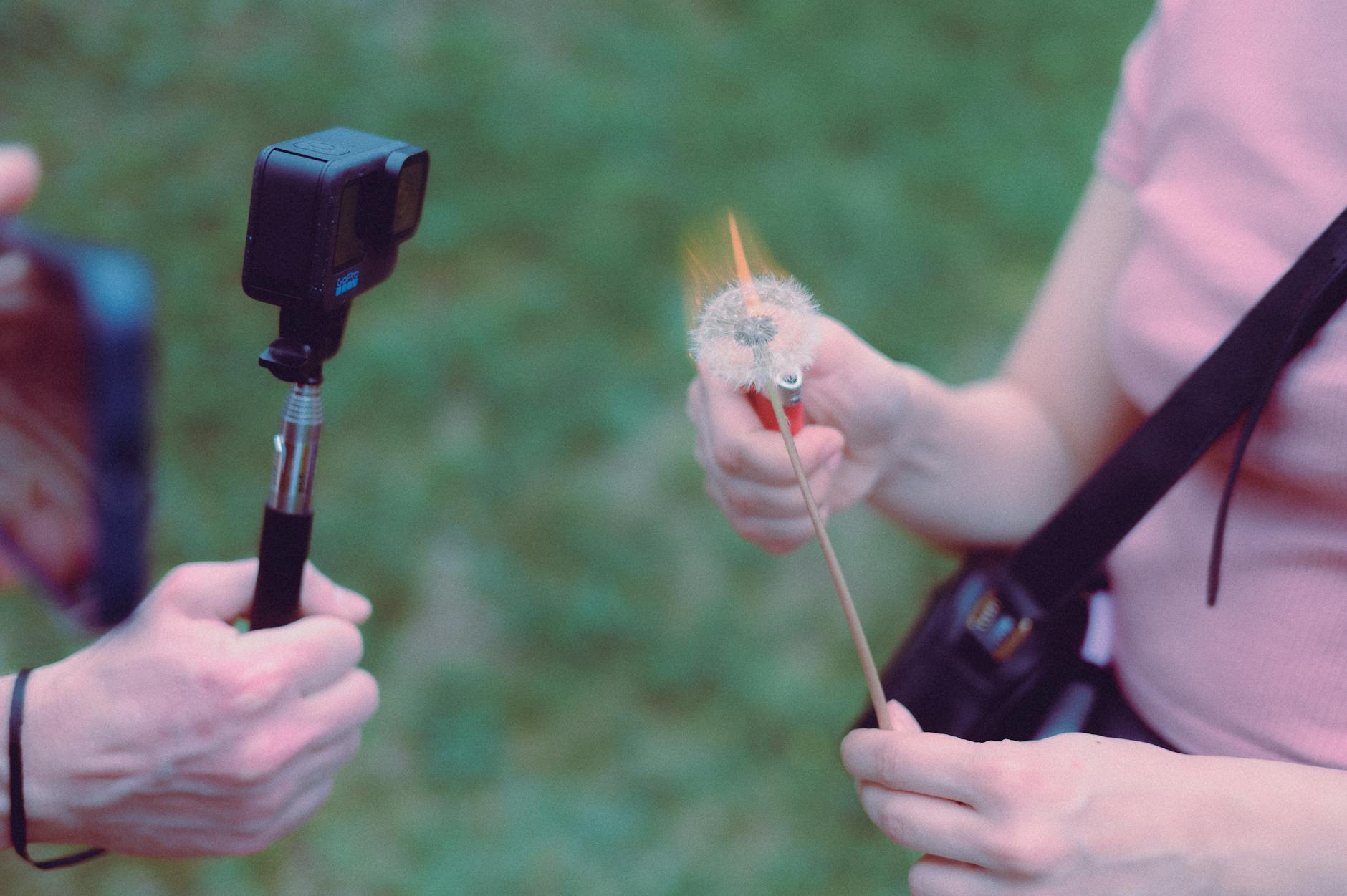
Camera AI smoke test is a testing process for the smoke and fire detection capabilities of smart cameras in a simulated environment, helping businesses evaluate the accuracy of Vision AI algorithms before real-world deployment. In Vietnam, the demand for this testing is rapidly increasing as factories and supermarkets transition from traditional smoke sensors to AI camera systems for early fire risk detection.
What is a Camera AI smoke test?
A Camera AI smoke test is a process to test the smoke and fire detection functions of smart cameras using artificial intelligence, by creating realistic simulated scenarios to evaluate the system's accuracy, response speed, and false alarm rate.
Unlike traditional smoke sensors that only detect when smoke concentration reaches a certain threshold, AI cameras analyze real-time video streams to identify the shape, color, and movement of smoke or fire. The smoke test helps confirm that the AI algorithm operates correctly under various lighting and environmental conditions before official deployment.
Smoke test procedure for AI cameras detecting smoke and fire
A standard smoke test procedure consists of 5 steps: preparing the test environment, creating simulated smoke/fire scenarios, recording system responses, analyzing results, and adjusting AI parameters. Each step has specific evaluation criteria.
- Step 1 - Preparation: Set up the AI camera in the test area, ensuring a comprehensive field of view and stable network connectivity. Check the firmware version and smoke/fire detection algorithm configuration.
- Step 2 - Simulation: Use an industrial smoke machine or safely burn materials (paper, fabric) within the monitored area. Perform 10-15 trials with varying smoke densities.
- Step 3 - Recording: The system records detection time, confidence score, and alert type (smoke/fire). Compare results with those from standard cameras and traditional smoke sensors.
- Step 4 - Analysis: Evaluate the true positive rate, false alarm rate, and average response time. Targets: accuracy ≥ 95%, detection time ≤ 15-30 seconds.
- Step 5 - Optimization: Adjust the sensitivity threshold of the AI algorithm based on test results, repeating the procedure if necessary to achieve optimal performance.
Comparison: AI camera for smoke and fire detection vs. traditional smoke sensors
AI cameras and traditional smoke sensors operate on different principles: AI cameras detect via video imagery, while smoke sensors rely on the concentration of smoke particles in the air. Each type has its own advantages and disadvantages suited to different environments.
| Criterion | AI Camera | Traditional Smoke Sensor |
|---|---|---|
| Detection principle | Real-time video image analysis | Detects smoke particles in the air |
| Detection time | 5-30 seconds (depending on algorithm) | 30-120 seconds (needs to reach concentration threshold) |
| False alarm rate | 3-8% (can be reduced through training) | 10-20% (due to dust, steam, insects) |
| Monitoring range | Wide, covering large areas | Limited to sensor range |
| Initial investment cost | 15-45 million VND/camera (depending on configuration) | 1-5 million VND/sensor |
| Annual maintenance cost | 2-5 million VND/camera | 0.5-2 million VND/sensor |
| Event recording capability | Yes (stores video before/after event) | No |
Applications of smoke tests for Vietnamese businesses
In Vietnam, AI camera smoke tests are particularly useful for manufacturing plants, supermarkets, shopping malls, and office buildings—places with high fire and explosion risks that require early detection to minimize damage.
For example, a 2000m² manufacturing plant in Binh Duong deployed a smoke test for its system AI Camera for 2000m² Factory: Early Smoke and Fire Detection & Production Protection and recorded a 60% reduction in incident detection time compared to old smoke sensors. The deployment cost for 3-5 AI cameras in a production area is around 20-35 million VND, helping save up to 200-500 million VND in potential damages annually.
For mini supermarkets, Reducing 80% Shrinkage in Small Supermarkets with Agentic AI Cameras - A Real Case Study shows that integrating smoke and fire detection into existing security camera systems optimizes investment costs and enhances fire safety.
Frequently Asked Questions
Is a Camera AI smoke test necessary for every business?
How much does it cost to perform a smoke test for an AI camera?
Can AI cameras detect smoke and fire in dusty environments?
Can a smoke test be performed remotely?
Contact us now at 0796 700 777 for consultation on early smoke and fire detection AI camera solutions and to receive free smoke test support for your business. An Ninh Số - Smart security for Vietnamese businesses.