
AI cameras don't just record like regular cameras — they analyze, recognize behavior, and issue real-time violation alerts. In Vietnam, minimart chains are shifting from traditional surveillance cameras to AI cameras to optimize operational costs and reduce shrinkage. This article provides a detailed comparison of AI cameras vs. regular cameras: detection capabilities, 12-month costs, and real ROI for medium-sized retail businesses.
What is a regular camera? Principles and current applications

Regular surveillance cameras (analog or basic IP) only record and store video. When an unusual event occurs, staff must review the footage to detect it — no automatic alerts. This is a popular choice in small supermarkets and Vietnamese grocery stores due to the low price (1-3 million VND/camera) but requires high human monitoring effort.
- Only records video, does not analyze data
- No automatic alerts when unusual motion is detected
- Requires staff to manually review video
- High data storage costs (unlimited NAS/cloud)
- Difficult to detect sophisticated theft (face covering, loose clothing)
What is an AI camera? Automatic behavior detection technology

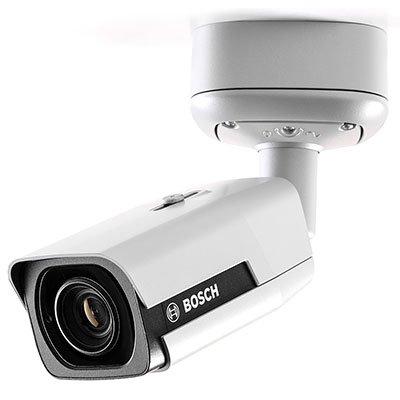
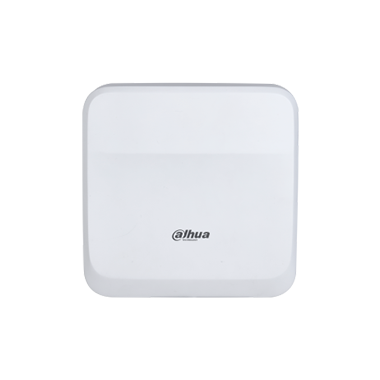


AI cameras integrate image processing on the device (edge computing) or in the cloud, automatically recognizing people, detecting theft behavior, counting customers, and detecting intrusion into restricted areas. When an event occurs, the system sends instant alerts via app/SMS — no need for 24/7 staff monitoring.
- Automatic theft behavior detection (opening cabinets, scooping items, stuffing backpacks)
- Real-time alerts via app/SMS
- Counts customers entering/exiting, customer density heatmap
- Facial recognition (repeat offender blacklist)
- Reduces storage data by 60-70% (only saves event clips)
Detailed comparison: 5 important criteria comparison table

The table below compares AI cameras vs. regular cameras across 5 criteria: detection capability, installation cost, 12-month operating cost, anti-theft effectiveness, and required manpower. Data from deployments at 15-25 Vietnamese minimart branches in 2025.
| Criteria | Regular Camera | AI Camera (Entry) | AI Camera (Premium) | Best for Minimart |
|---|---|---|---|---|
| Theft behavior detection | Manual (reviewing video) | Automatic 70-80% accuracy | Automatic 95%+ accuracy | AI Camera Premium |
| Cost/camera (installed) | 1.5 - 3 million VND | 4.5 - 7 million VND | 8 - 15 million VND | AI Camera Entry (4-7M) |
| 12-month operating cost (10 cameras) | 8-12 million (NAS + electricity + BW) | 6-8 million (cloud + alerts) | 7-10 million (cloud + AI premium) | AI Camera Entry |
| Shrinkage reduction (% vs baseline) | 10-20% (due to deterrent effect) | 50-65% (detection + alerts) | 70-80% (recognition + blacklist) | AI Camera Premium |
| Monitoring staff/shift | 1-2 people watching video | 0.5 people (only handling alerts) | 0.3 people | AI Camera Entry/Premium |
12-month ROI: Cost-benefit analysis for a 15-25 branch chain
Related articles
Camera AI Agentic — a shift from 'recording' to 'detection' for retail chains
8 min readVision Language Model in AI Cameras: The 2024-2026 Leap from Filters to Natural Language Descriptions
12 min readStart with a free 60-minute site survey
Our senior technical team will visit your site, assess the current setup, and propose a bundle matched to your business model and budget.