
3D people counting cameras are a solution that integrates stereo vision technology into surveillance camera systems, automatically counting the number of customers entering and exiting with 98% accuracy by eliminating noise from shadows and dark areas. In Vietnam, this solution is being deployed in shopping malls, retail chains, and train stations to measure real-time customer traffic, optimize operations, and evaluate the effectiveness of leased retail space.
Problems with traditional customer traffic measurement

⚠ Errors due to shadows and human silhouettes: 2D cameras often miscount when shadows are cast by sunlight or ceiling lights, causing data noise.
⚠ Inability to distinguish adults/children/strollers: Simple infrared counting systems cannot classify objects, leading to inaccurate data.
⚠ No heat map data: Unaware of which areas customers concentrate in and at what times, leading to inefficient staff allocation and product displays.
⚠ High labor costs: Using staff for manual counting or standard cameras without integrated analytics takes 15-25 minutes/day to compile data.
How does the 3D people counting camera solution work?
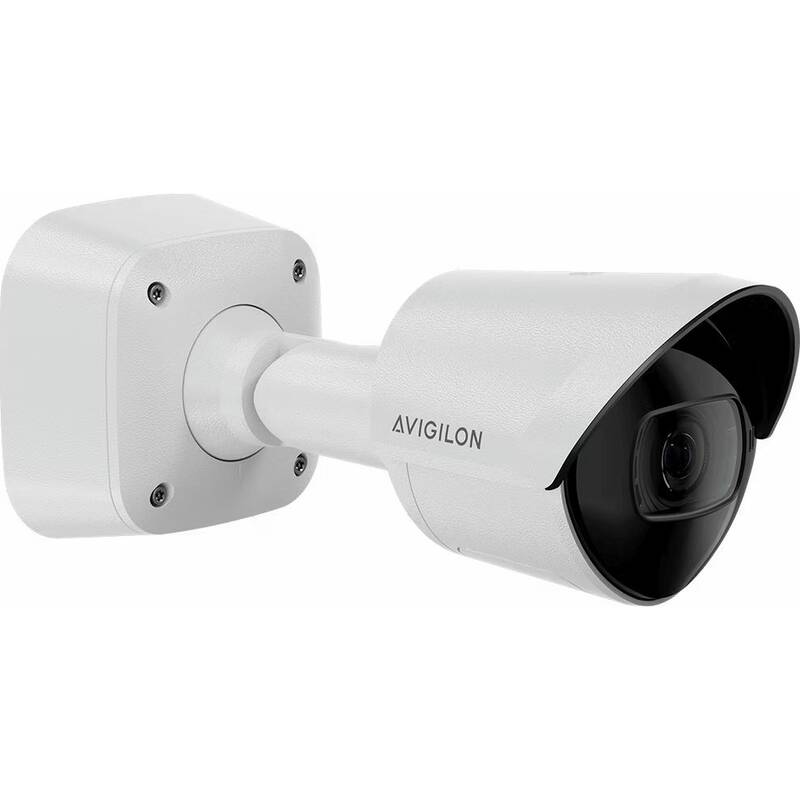


- Step 1: Install 3D overhead cameras at entry/exit points — Stereo vision cameras are mounted on the ceiling with a top-down view, covering a counting area of 2-4m.
- Step 2: Process depth map images — Two lenses capture stereo images, creating a depth map that distinguishes real people from shadows using 3D height data.
- Step 3: AI classifies objects — Computer vision algorithms recognize human head-shoulder shapes, excluding strollers, suitcases, and children under 1m if configured.
- Step 4: Aggregate real-time data — Counting data is transmitted to an NVR or cloud dashboard, displaying entry/exit counts and dwell time.
- Step 5: Analyze heat maps — The dashboard integrates heat maps by hour/day/week, comparing traffic between areas to support operational decisions.
Specific benefits of deploying 3D people counting cameras

Eliminates noise from shadows, dark areas, and reflections — reliable data for reports.
Know customer traffic by time slot, which areas are busiest, and average wait times.
Reduces reception staff costs by 15-25%, optimizes work schedules based on actual data.
Compare traffic before and after advertising campaigns, calculate the conversion rate of visitors to buyers.
Uses existing surveillance camera infrastructure, no need for a separate system investment.
Dashboard exports daily PDF/Excel reports, saving 3-5 hours/month compared to manual methods.
Applications in shopping malls

3D people counting cameras are installed at each main entrance and floor door, measuring customer traffic by the hour. Heat map data helps mall owners identify which food court or fashion areas are busiest, allowing them to adjust rental rates based on performance. A 5-story mall can install 10-15 overhead cameras, costing 20-40 million VND per point, with an ROI in 8-10 months thanks to optimized security and reception staff. Real-time customer counting + heat map: ROI of AI supermarket cameras provides additional detailed comparison data.
Applications in public transportation and train stations

At train stations, bus terminals, and airports, 3D cameras count passengers entering and exiting through doors and measure wait times at ticket counters and waiting areas. Real-time data helps coordinate security staff and open additional counters during peak times. Accuracy remains at 98% even in crowded conditions thanks to the depth map eliminating noise from suitcases and bags. A major bus station in Ho Chi Minh City reduced average wait times by 40% by coordinating based on 3D