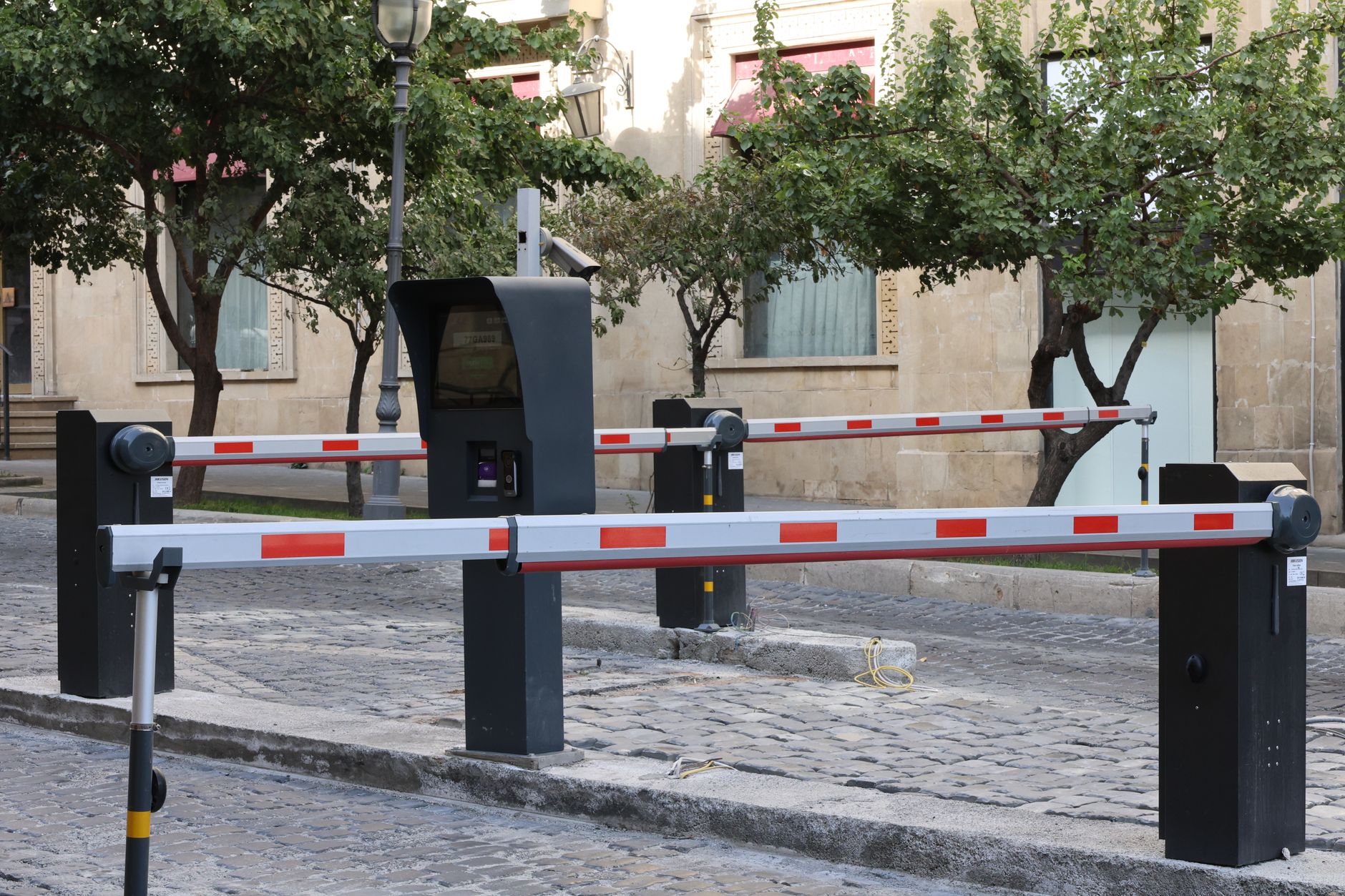
High-speed FAAC barrier is an automatic vehicle control solution using hydraulic or electric motors, allowing the barrier arm to close/open in 0.6-1.5 seconds — 3-4 times faster than standard barriers. In Vietnam, this technology is being deployed at grade A office buildings, high-end urban areas, and factories with high vehicle traffic, helping to reduce congestion and optimize operations.
Customer Problems
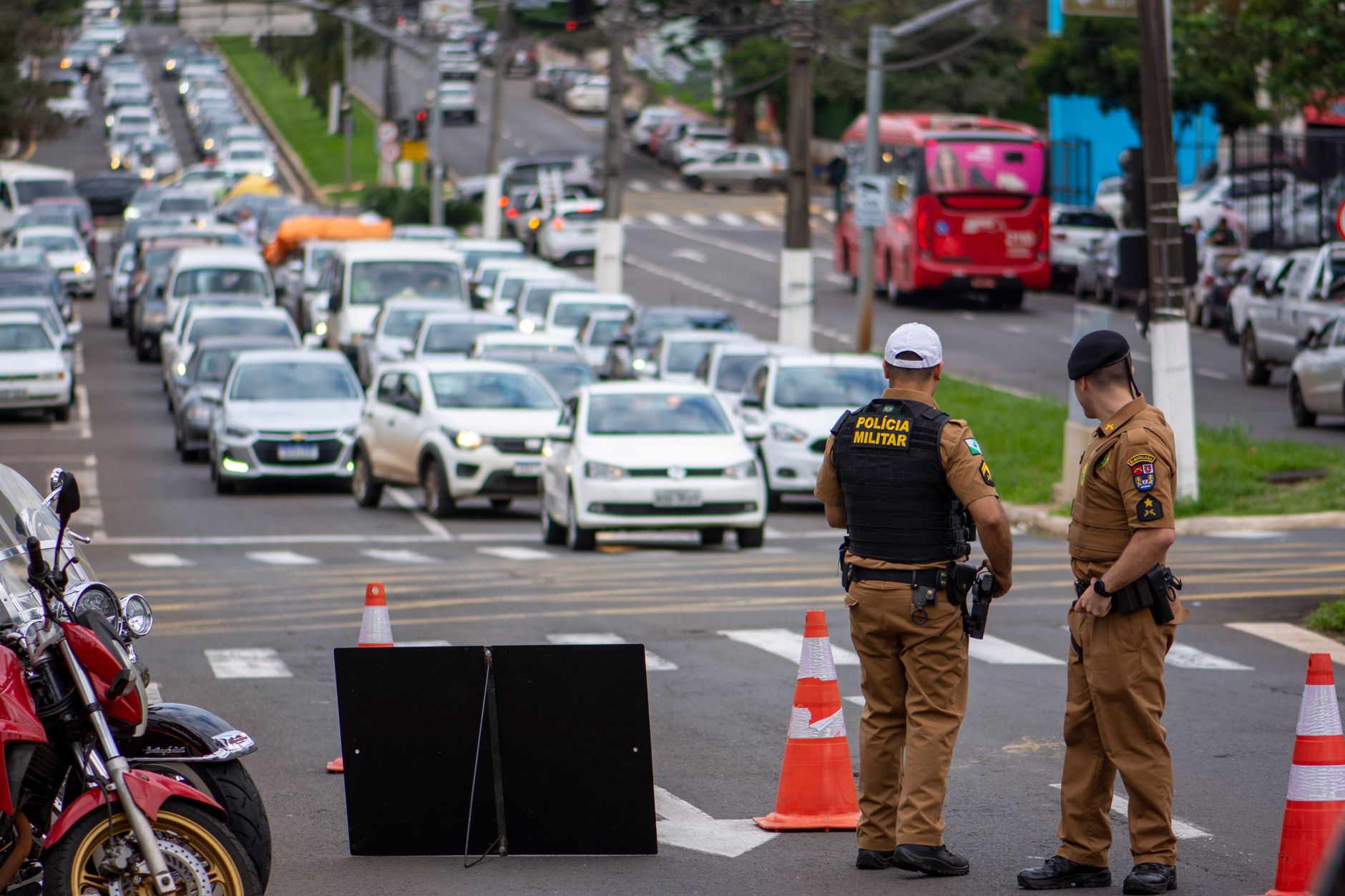
- Peak hour congestion: From 7:30-8:30 AM and 5:00-6:00 PM, long lines of vehicles queued at the old barrier, with an average wait time of 8-12 minutes per vehicle.
- Frequent old barrier breakdowns: The 24V DC electric motor was overloaded by continuous opening/closing, averaging 1-2 incidents per week, causing internal traffic disruptions.
- No LPR integration: The old barrier did not support license plate recognition cameras; security guards had to record manually, adding 15-25 seconds per vehicle.
- High maintenance costs: Repair bills for the old barrier averaged 8-12 million VND/month, not including parts replacement.
Solution Deployed by Việt Đức Trí Group
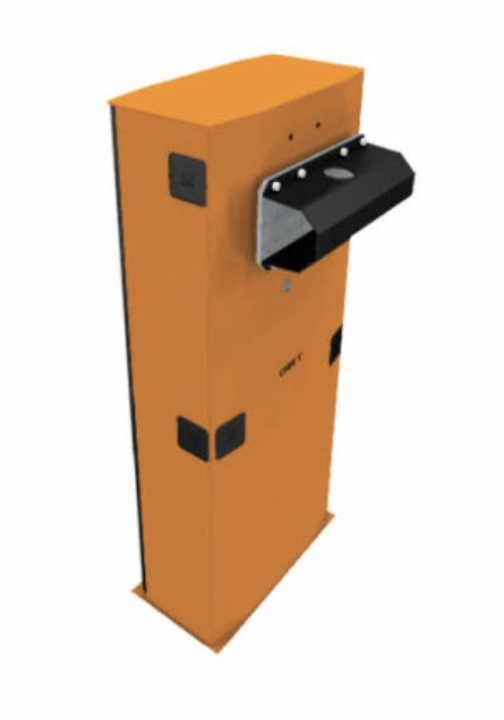
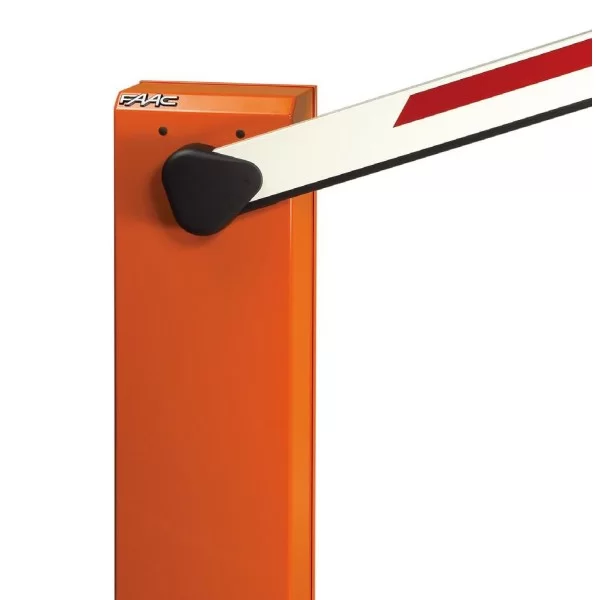
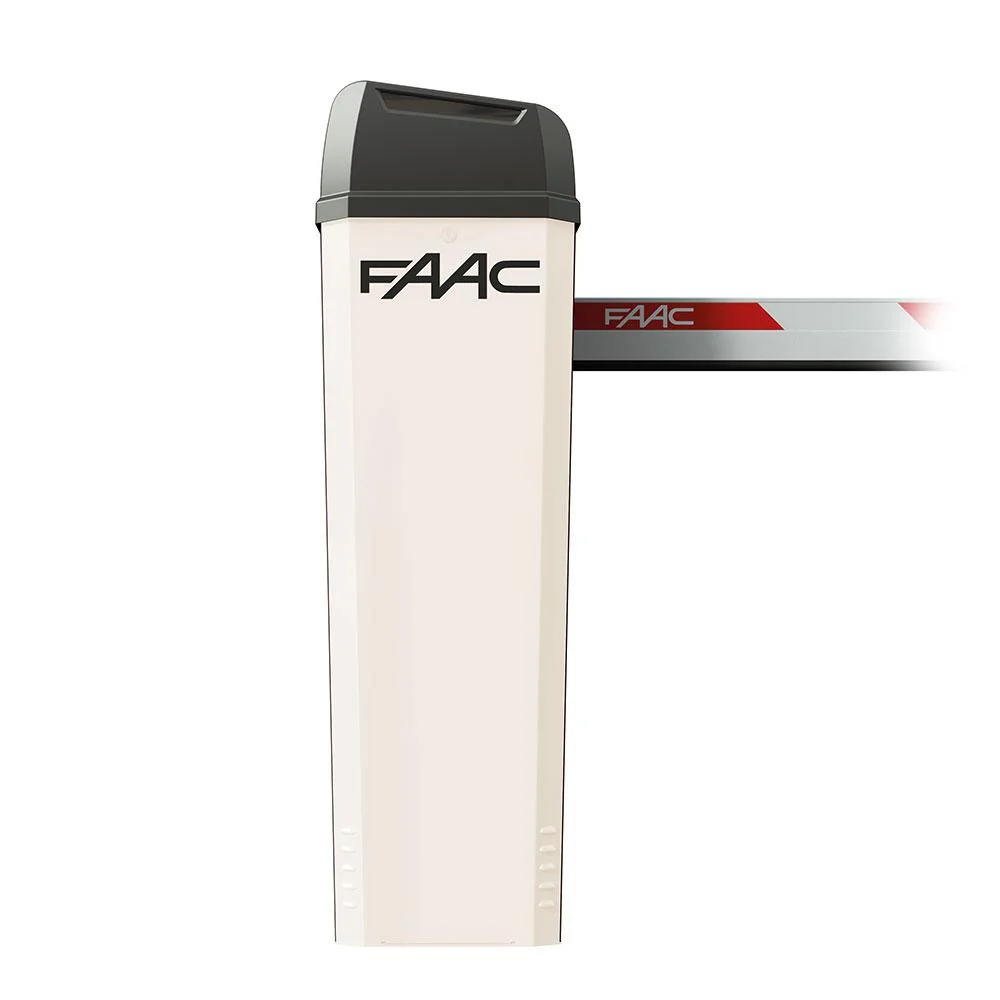
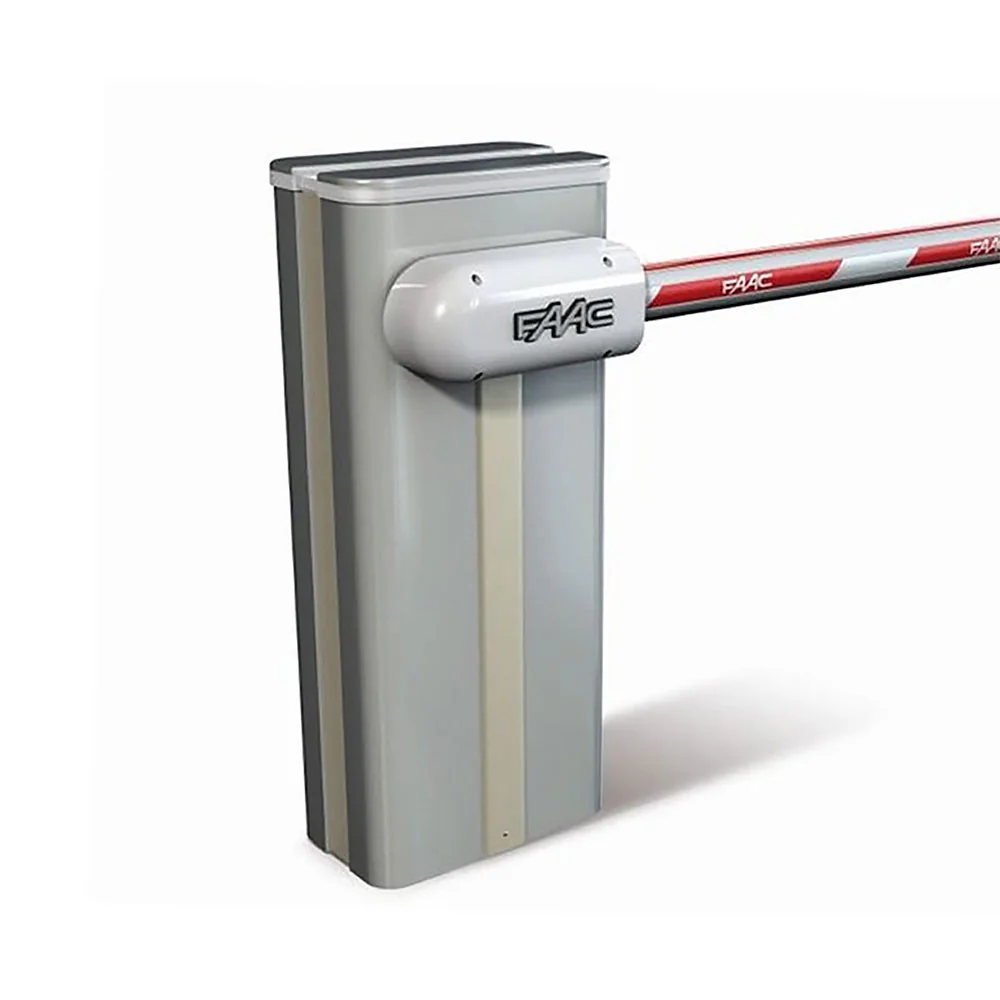
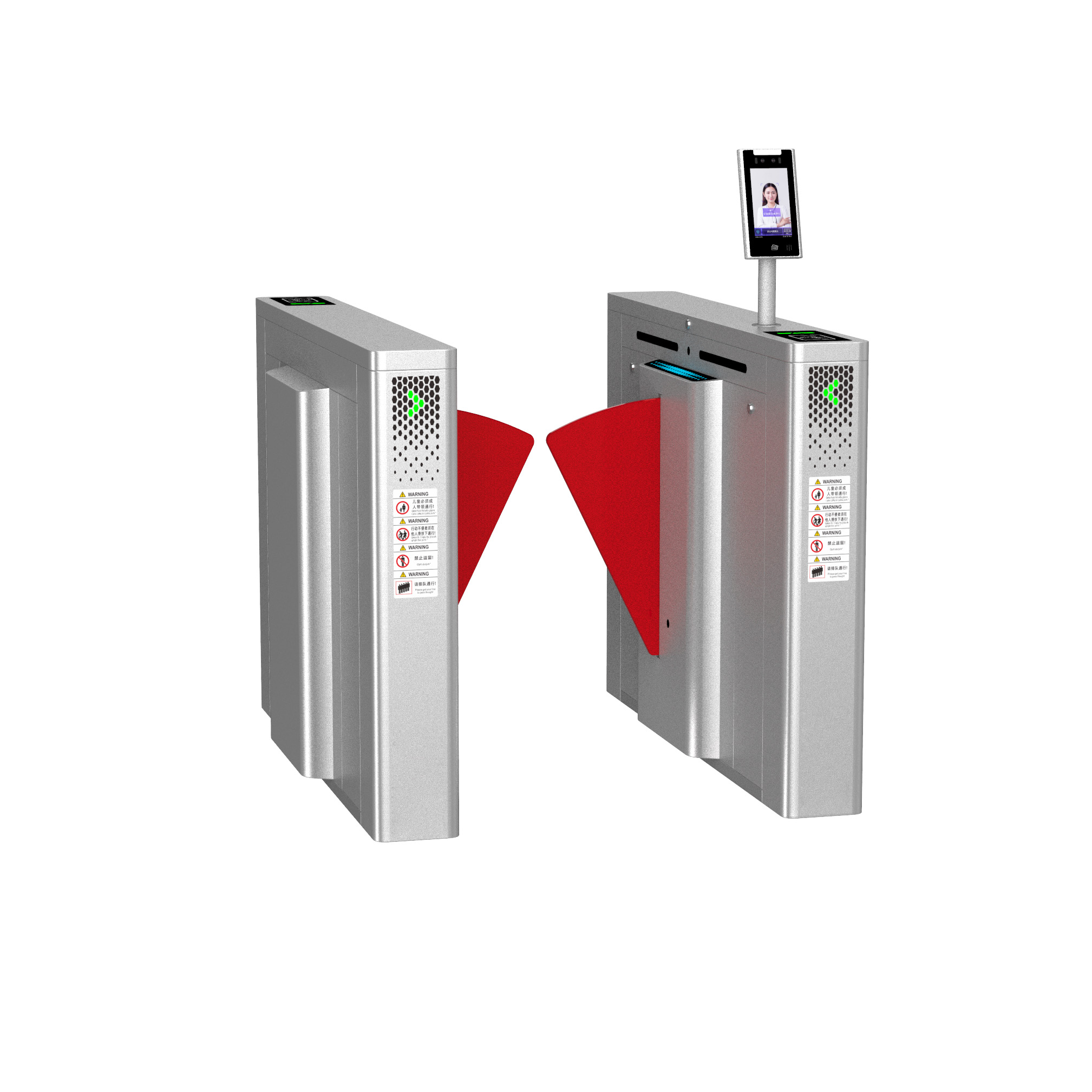
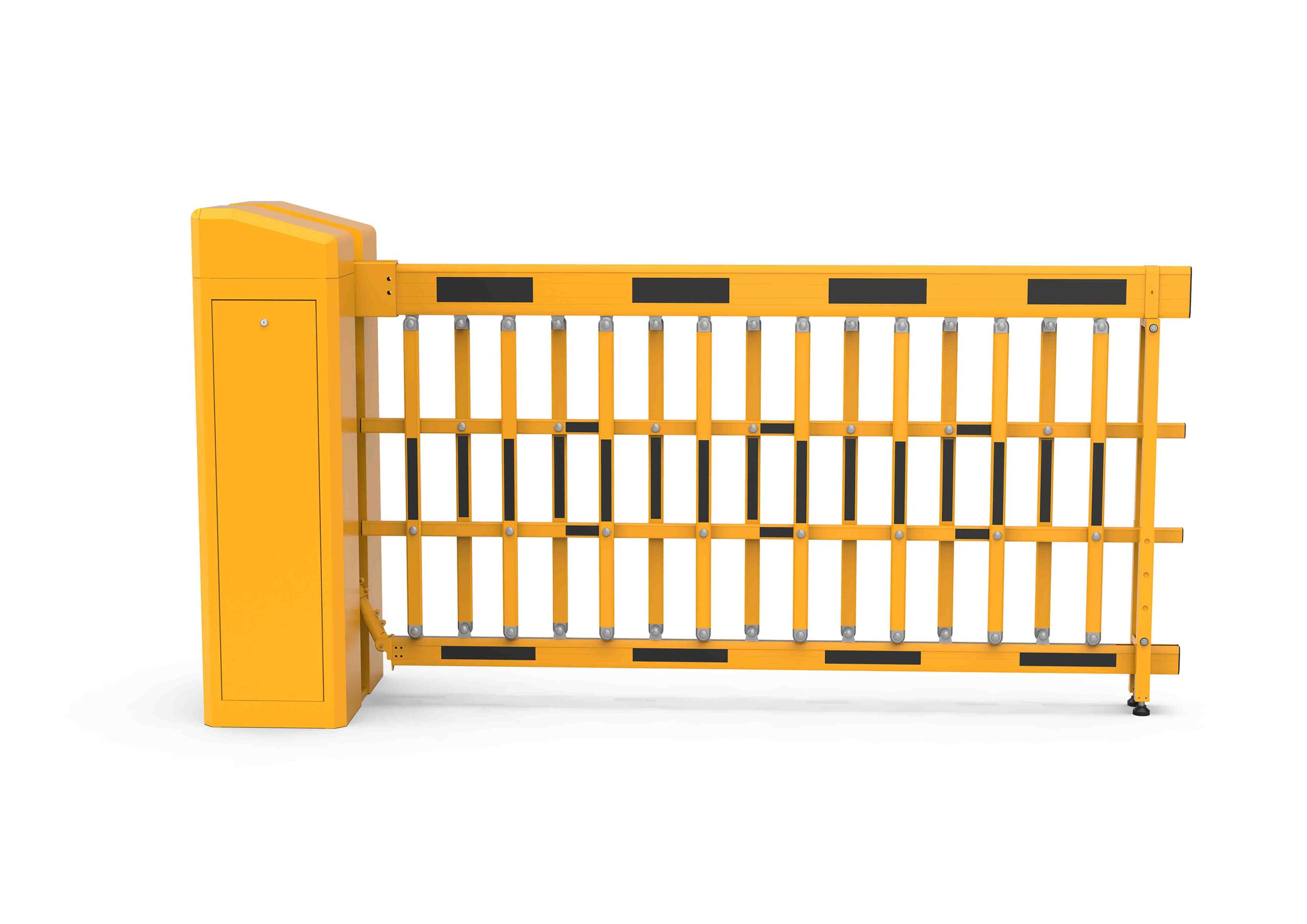
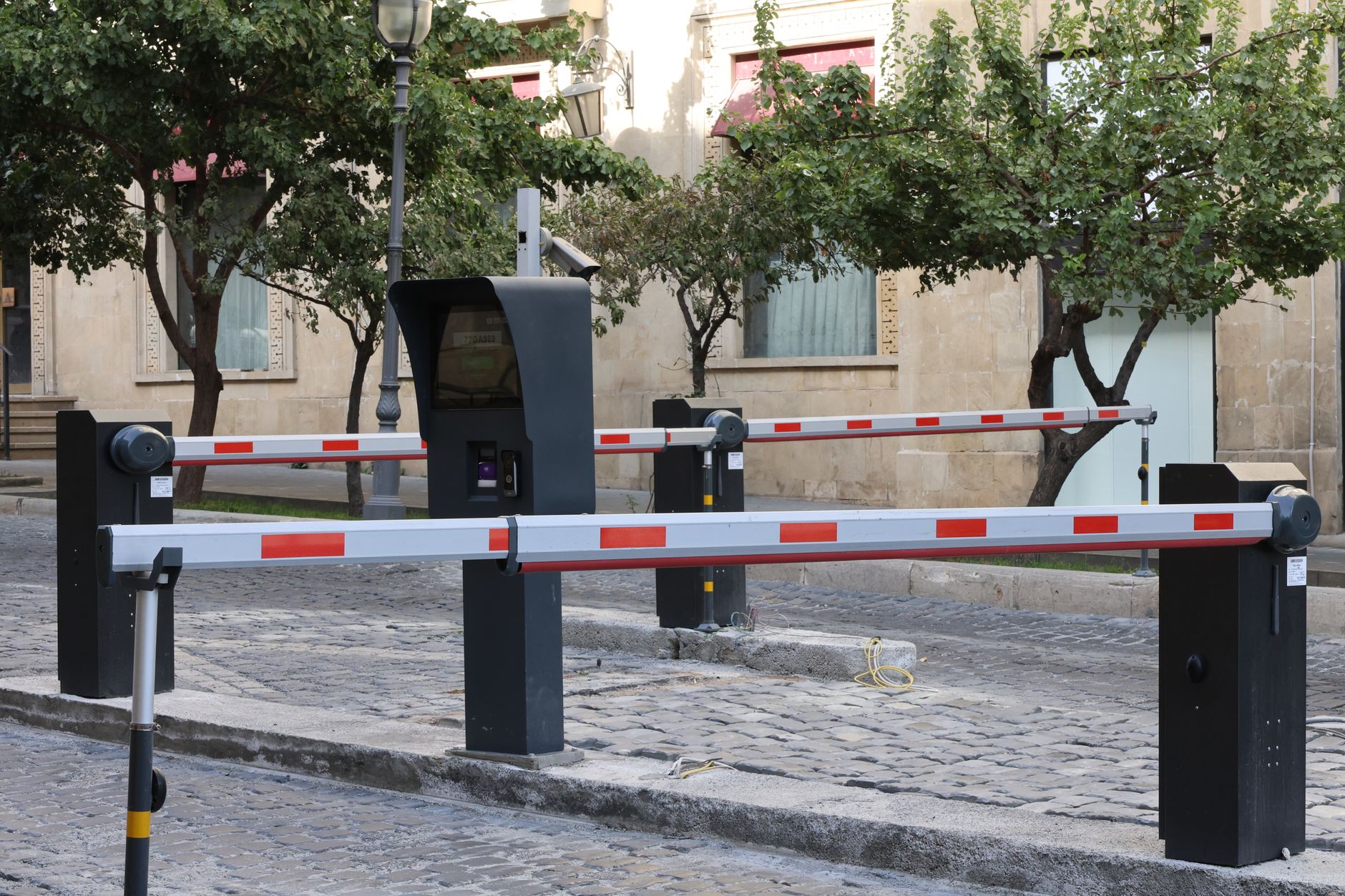
We proposed replacing the old barrier with 2 FAAC B680H high-speed barriers, integrated with LPR cameras and vehicle management software. The deployment process consists of 5 main steps, from survey to operational handover.
- Site survey: Measured peak hour vehicle flow (average 180-220 vehicles/hour/lane), assessed gate infrastructure, checked power supply and old control system.
- Selected FAAC B680H barrier: 230V AC hydraulic motor, 0.8-second opening time, 3-4 meter barrier arm, pre-integrated with LPR and loop detector connection ports.
- Integrated LPR system: Installed license plate recognition cameras at each lane, connected to Vehicle Management Software (VMS) for automatic identification of internal vehicles and visitors.
- Installation and calibration: Completed in 3 days (barrier installation, cabling, configuring open/close speed parameters, arm hold time).
- Test run and handover: 5-day trial run, measured actual wait times, trained security guards, handed over operational documentation.
Achieved Results

- -50% wait time: Reduced from 8-12 minutes to 3-5 minutes during peak hours.
- -30% maintenance costs: Repair costs decreased from 10 million to 7 million VND/month, thanks to the more durable hydraulic motor compared to the DC electric motor.
- +40% guard productivity: Staff no longer needed to record manually, focusing on security monitoring instead of vehicle coordination.
- ROI in 14 months: Total investment cost (barrier + LPR + installation) was recovered through operational and personnel savings.
"Since switching to the FAAC barrier, I no longer receive phone complaints about gate congestion. Vehicles enter and exit automatically; security guards only need to monitor remotely. One-time investment, long-term savings."
— Mr. Minh Tuan, Operations Director, ABC Group
Lessons Learned and Application for Other Businesses
From this case study, businesses can apply 3 main lessons: choose a high-speed barrier suitable for traffic volume, integrate LPR from the start, and invest in operational training. Similar office buildings should consider upgrading if vehicle traffic exceeds 150 vehicles/hour/lane.
- Choose barrier based on traffic