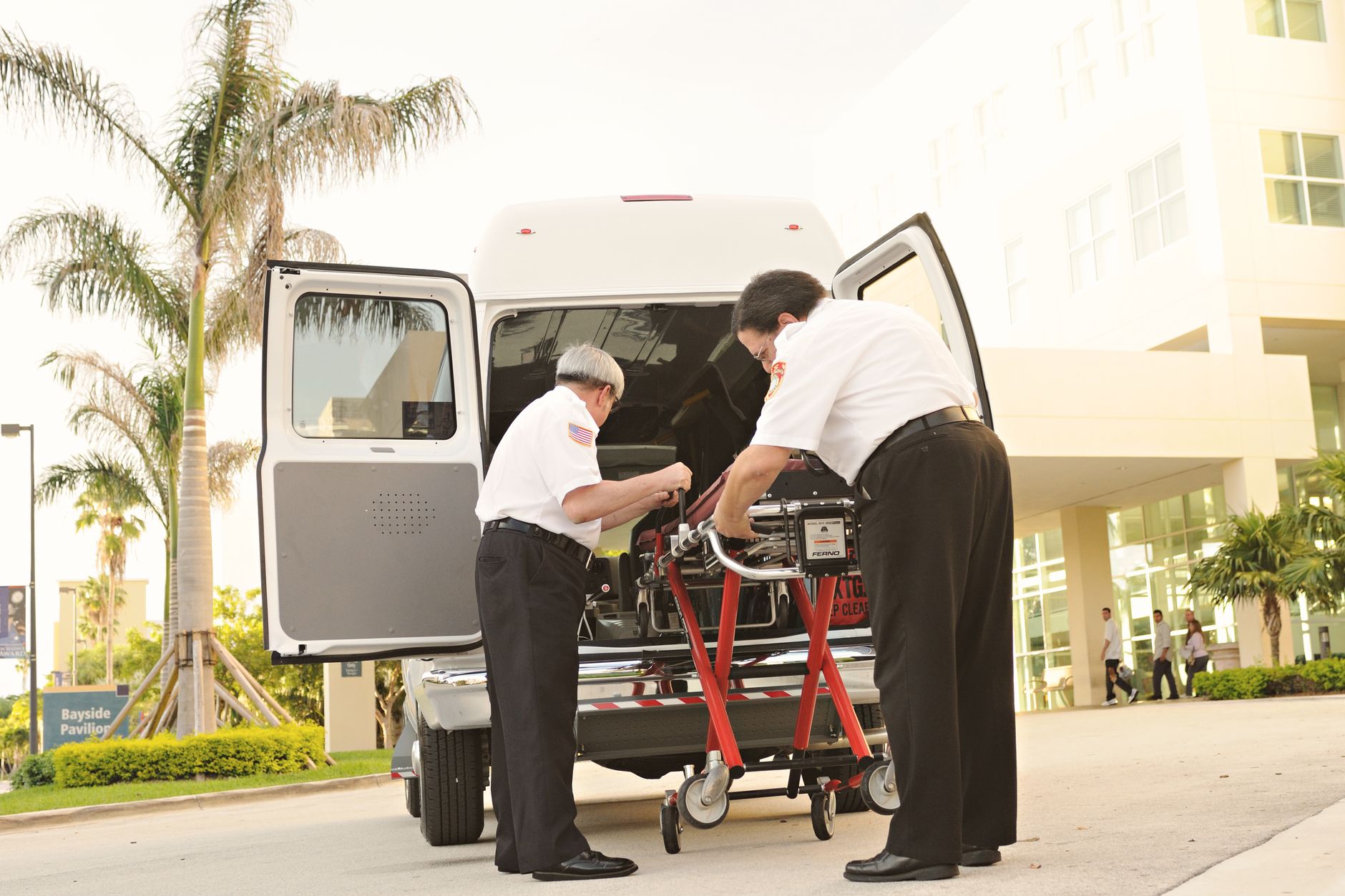
Phuong Dong General Hospital (600-bed scale, Ho Chi Minh City) records an average vehicle traffic of 1,200-1,500 trips/day. Before 2025, the gate operated manually — security guards wrote down license plates by hand, and ambulances often got stuck for 7-10 minutes during peak hours. After deploying the LPR barrier license plate recognition system from Việt Đức Trí Group, gate passage time decreased by 50%, the parking lot operates transparently, and there is no more revenue loss.
Industry: Healthcare (private general hospital)
Scale: 600 beds, 1,200-1,500 vehicle trips/day
Location: District 8, Ho Chi Minh City
Deployment time: March-May 2025
Customer Problems
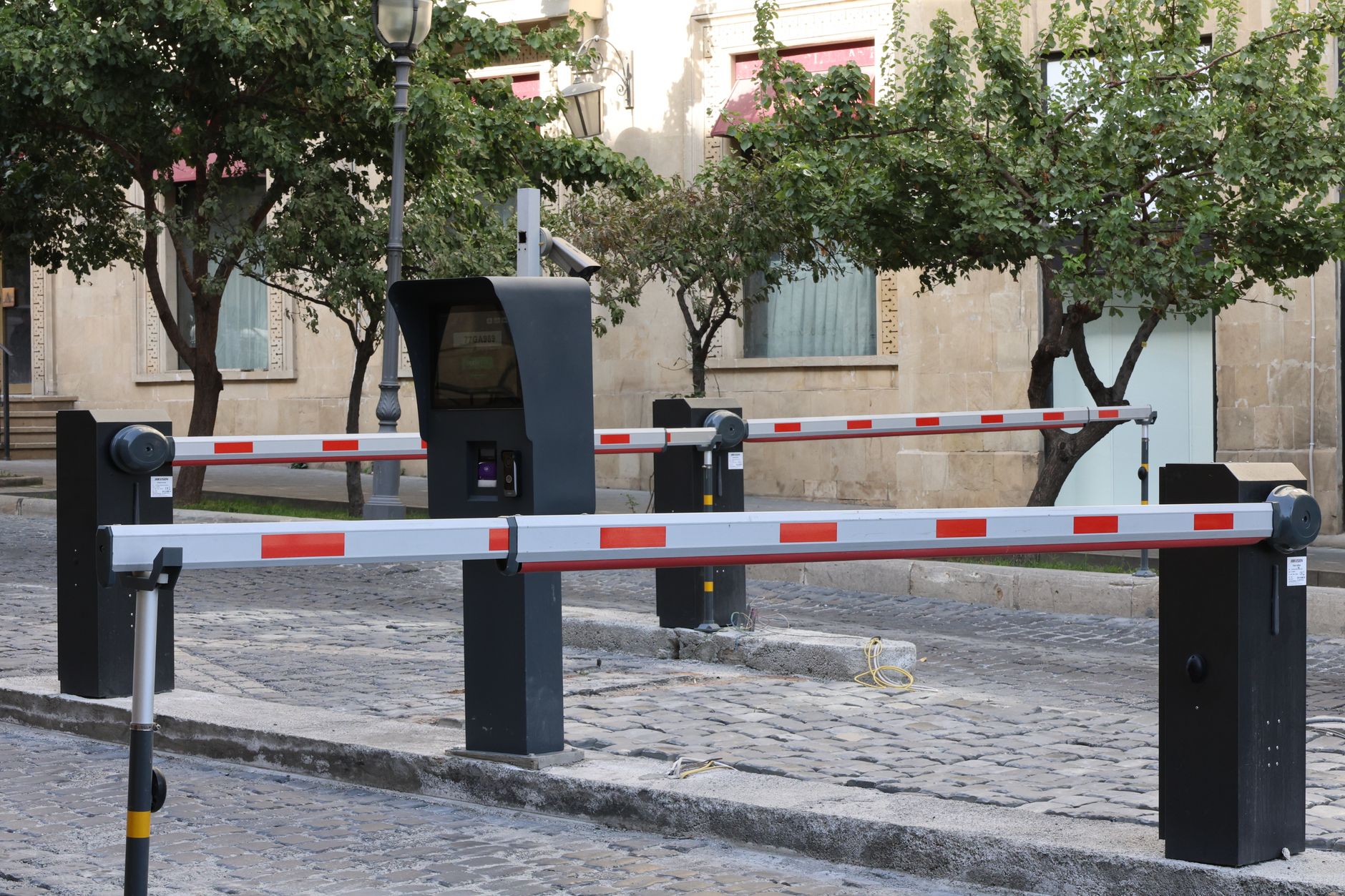
Before deploying the LPR barrier, the hospital operated the vehicle gate using a manual process — security guards wrote down license plates by hand in a logbook and compared paper tickets upon exit. This process revealed 4 main issues:
- Long waiting times: During peak hours (7am-9am, 4pm-6pm), each vehicle took 40-60 seconds to enter the gate. Ambulances sometimes had to wait 7-10 minutes due to congestion.
- Recording errors: Security guards misrecorded license plates an average of 8-12 errors/day, leading to disputes when vehicles exited — taking an additional 5-7 minutes for verification.
- Revenue loss: Paper tickets were counterfeited, and security guards could let familiar vehicles in without collecting fees. Estimated revenue loss of 15-20% from the parking lot.
- No control over internal traffic: Employee vehicles, specialist vehicles, ambulances — all went through a single gate, with no priority lane separation.
Solution Deployed by Việt Đức Trí Group
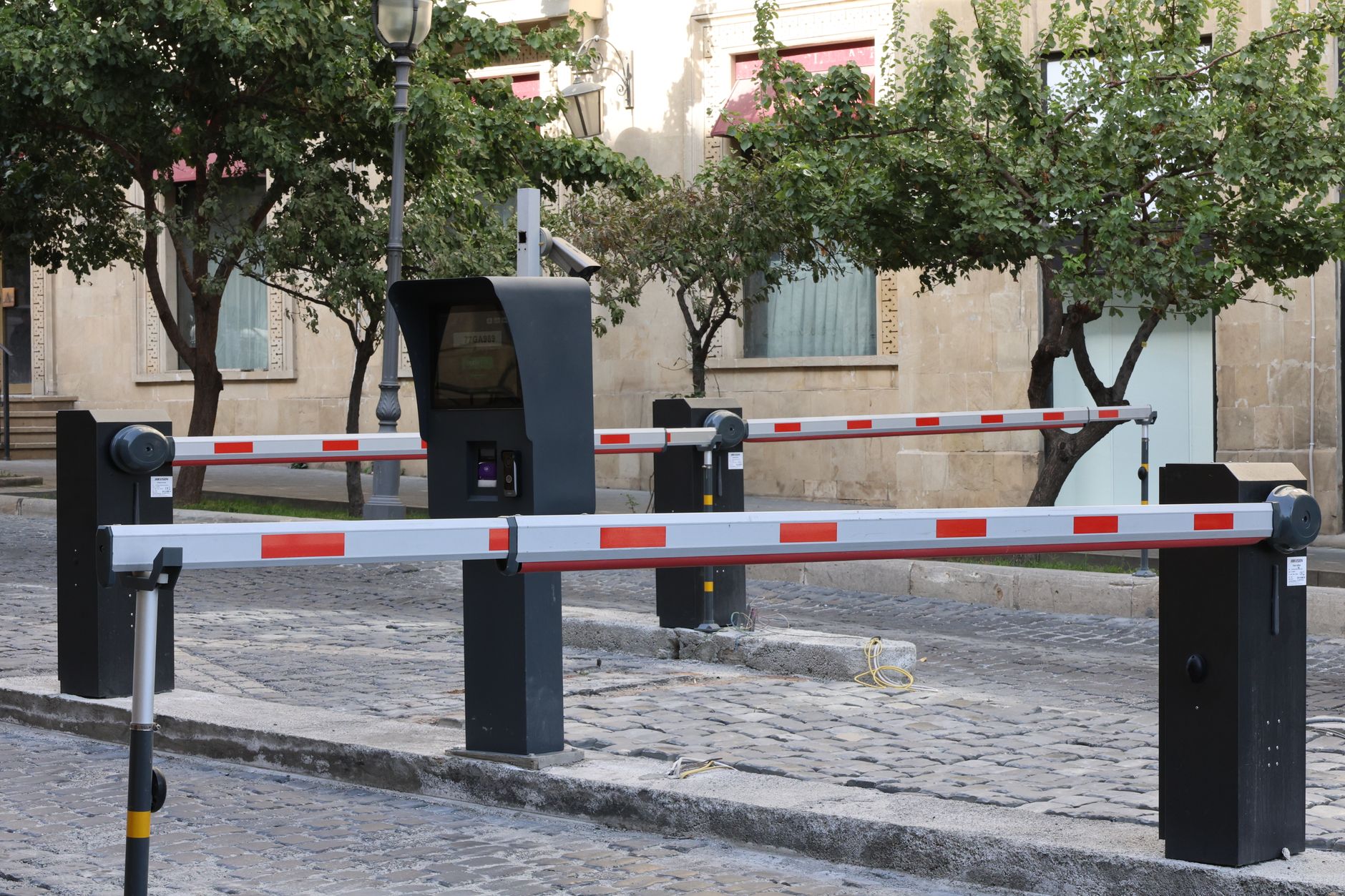
Việt Đức Trí Group deployed an LPR barrier system integrating license plate recognition cameras, parking management software, and priority gates for ambulances. The deployment process consists of 5 main steps.
- Site survey: Measured actual vehicle traffic for 2 weeks, identified 3 peak hours (7am-9am, 11am-1pm, 4pm-6pm) and 2 priority ambulance lanes.
- Install LPR barrier: 2 automatic barriers Kapaisi KPS-DZ-8003 (1 entry lane, 1 exit lane) integrated with LPR Module license plate recognition camera — 98% accuracy in normal lighting conditions.
- Integrate management software: The system automatically records entry-exit times, calculates hourly fees, and generates revenue reports per shift. Internal vehicles (employees, specialists, ambulances) are equipped with RFID tags for priority recognition.
- Priority lane separation: Dedicated lane for ambulances — the barrier opens immediately when the camera recognizes the ambulance license plate (pre-registered). Gate passage time reduced from 7-10 minutes to 10-15 seconds.
- Operational training: Trained 6 security guards over 3 days — procedures for handling cases where the camera fails to recognize (rate <2%), manual backup via tablet.
This LPR barrier system is similar to the apartment gate LPR barrier solution but customized for the hospital environment — prioritizing ambulances, integrating RFID tags for internal vehicles, and providing transparent revenue reports.
Achieved Results
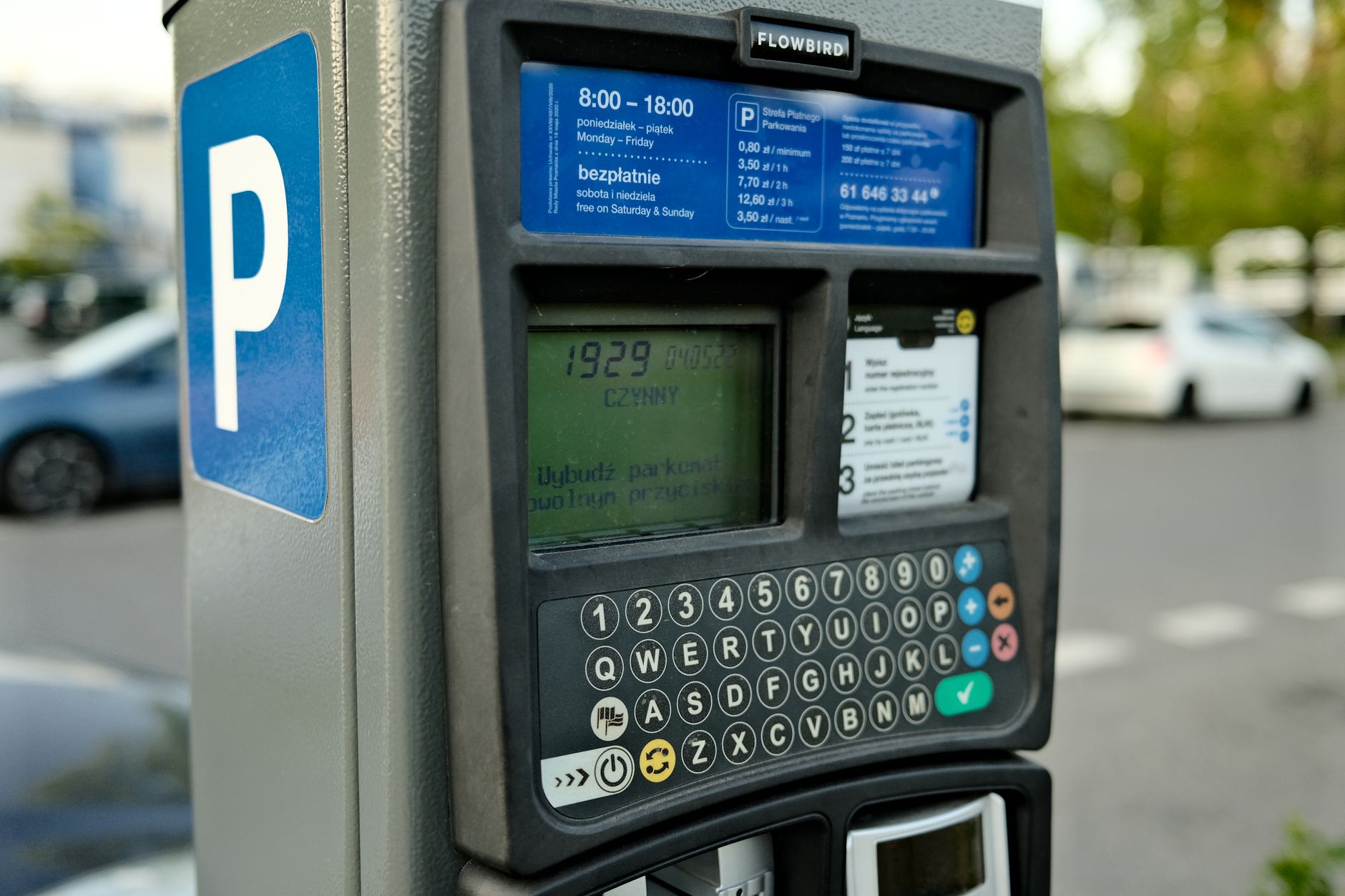
After 3 months of operation, the hospital recorded 4 main improvement indicators: gate passage time reduced by 50%, parking revenue increased by 18%, errors nearly zero, and ambulances received absolute priority.
- 50% — Reduction in gate passage time during peak hours (from 40-60 seconds/vehicle down to 15-25 seconds/vehicle).
- 18% — Increase in parking revenue by eliminating paper ticket losses and strictly controlling vehicle entry-exit.
- 98% — Accurate license plate recognition rate in normal conditions; 95% in rainy or low-light conditions.
- 10-15 seconds — Gate passage time for ambulances, instead of the previous 7-10 minutes.
"Before, every Monday morning was a nightmare — ambulances were stuck in the line of vehicles waiting to enter the gate. Since the LPR barrier, ambulances go straight to the priority lane in 15 seconds. Parking revenue is also much more transparent — no more 'forgetting' to charge familiar vehicles."
Lessons Learned for Other Hospitals

From this case study, there are 4 main lessons for hospitals considering investing in LPR barriers: prioritizing ambulances is a critical factor, integrating RFID tags for internal vehicles ensures smooth operation, transparent revenue reporting is an unexpected secondary benefit, and manual backup procedures are needed when the camera fails.
- Prioritizing ambulances is a critical factor: Hospitals cannot let ambulances wait. A dedicated priority lane + camera recognizing ambulance license plates (pre-registered) is the optimal solution. Other hospitals should request this feature from the start.
- Integrate RFID tags for internal vehicles: Employee vehicles, specialist vehicles, medicine delivery vehicles — all can be fitted with RFID tags for automatic recognition. Reduces the burden on security guards and increases gate speed.
- Transparent revenue reporting: The parking management software generates reports per shift, per day — helping to detect losses immediately. Phuong Dong Hospital estimates recouping the LPR barrier investment in 8-10 months thanks to increased revenue.
- Manual backup procedures: Even though the LPR camera achieves 98% accuracy, a backup procedure (tablet + manual entry) is still needed for cases of heavy rain or hardware failure. Training security guards to handle this situation is mandatory.
This LPR barrier solution has been successfully applied in apartments and hospitals. See more comparison of LPR barrier vs card barrier to understand the differences in cost and effectiveness.
Frequently Asked Questions
Can the hospital LPR barrier recognize motorcycle license plates?
Yes. The Kapaisi LPR Module camera supports recognizing both car and motorcycle license plates. However, accuracy with motorcycles is slightly lower (around 95%) due to smaller plates and potential obstructions. Hospitals can combine RFID tags for internal motorcycles to increase reliability.
What is the approximate investment cost for a hospital LPR barrier?
It depends on the number of lanes and integrated features. For a hospital with 500-800 beds (2 entry-exit lanes + LPR camera + management software), the investment cost ranges from 80-150 million VND. The payback period is typically 8-14 months thanks to increased parking revenue and reduced security personnel.
Start with a free 60-minute site survey
Our senior technical team will visit your site, assess the current setup, and propose a bundle matched to your business model and budget.