
Hanoi building Desigo CC VMS integration is becoming the optimal solution for Grade A office buildings, where BMS and surveillance camera systems often operate independently, creating numerous security gaps. A case study at a 25-story building in Cau Giay district showed that after merging these two systems on the Siemens Desigo CC platform, false fire alarms decreased by 80%, security incidents dropped by 60%, and BMS operating costs were saved by 25% annually.
Customer problems before integration
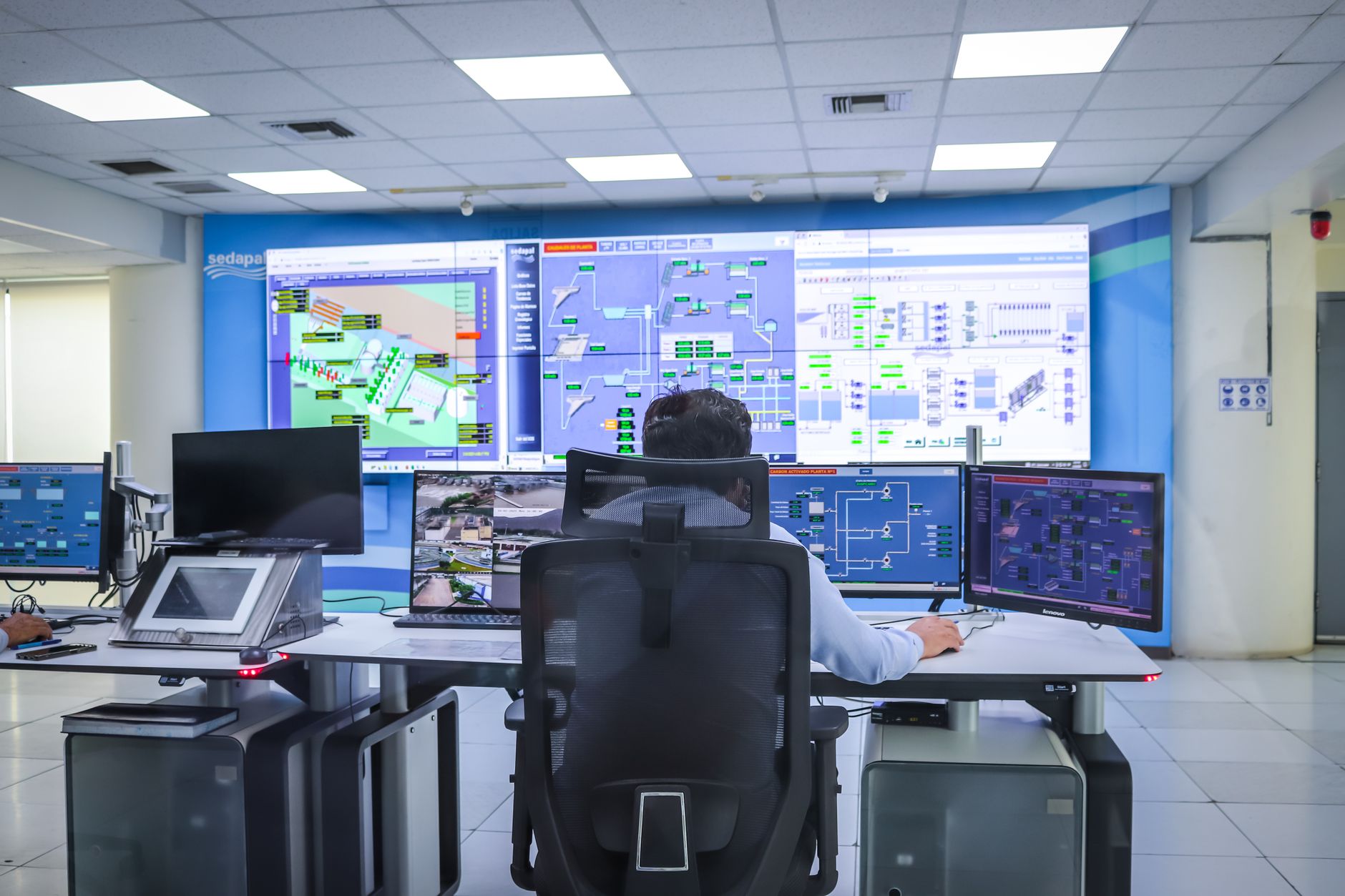
The building operated with 3 separate systems: Siemens Desigo BMS (HVAC, lighting, elevators), an independent fire alarm system, and a 200-channel Hikvision VMS. Key issues:
- 15-20 false fire alarms per month due to dust-sensitive sensors, triggering elevator stops, causing 30-45 minutes of operational disruption each time.
- Unauthorized strangers entering freely — no integration between access control (proximity cards) and cameras, leading to 8-12 minor asset theft incidents per month.
- High on-site staffing costs: 6 staff on 24/7 duty, 2 per shift, total cost 1.2-1.5 billion VND/year.
- No unified dashboard — each system had its own interface, taking 15-25 minutes to investigate an incident.
An Ninh Số's solution for Desigo CC VMS integration
Related products
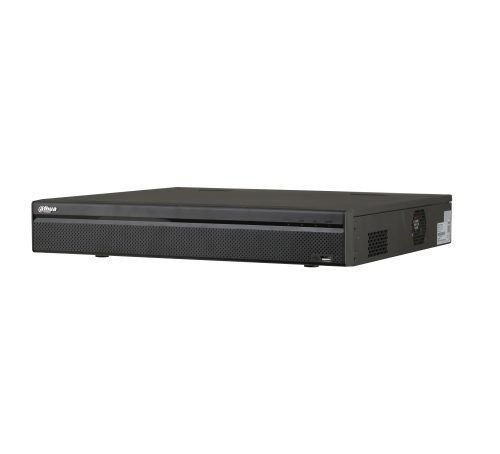
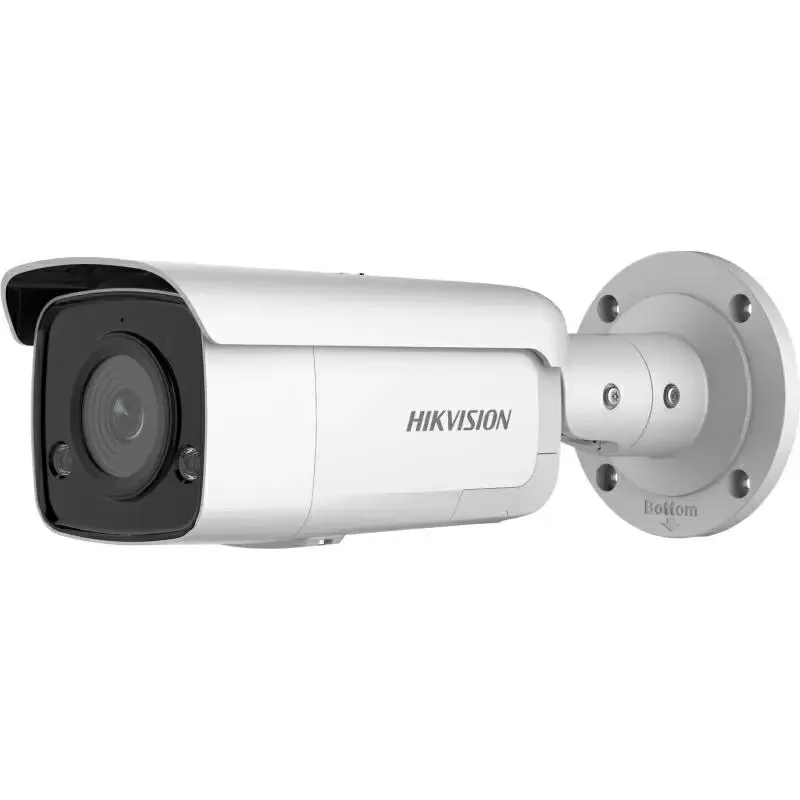

An Ninh Số proposed merging the Desigo CC BMS with the Hikvision VMS via the standard BACnet/IP API, allowing fire alarm alerts, access control, and cameras to be displayed on a single screen. The deployment process consisted of 4 steps over 8 weeks.
- Survey and assess the current system (weeks 1-2): Check compatibility between Siemens Desigo CC PXC/PXM series and Hikvision DS-9600 NVR, identify 120 integration points (fire alarm sensors, card readers, cameras).
- Upgrade VMS software to Milestone XProtect Professional (weeks 3-4): Migrate from Hikvision native NVR to Milestone to support open integration, add 15 AI cameras for restricted area intrusion detection.
- Integrate BACnet/IP between Desigo CC and Milestone (weeks 5-6): Program trigger rules — when a fire alarm sensor on floor 10 activates, the floor 10 camera automatically pops up fullscreen; when a proximity card opens a door after hours, the camera records and sends an alert.
- Build a unified dashboard (weeks 7-8): Design a single-screen interface displaying HVAC status, fire alarms, access control, and cameras on a 3D floorplan.
Results achieved after 6 months
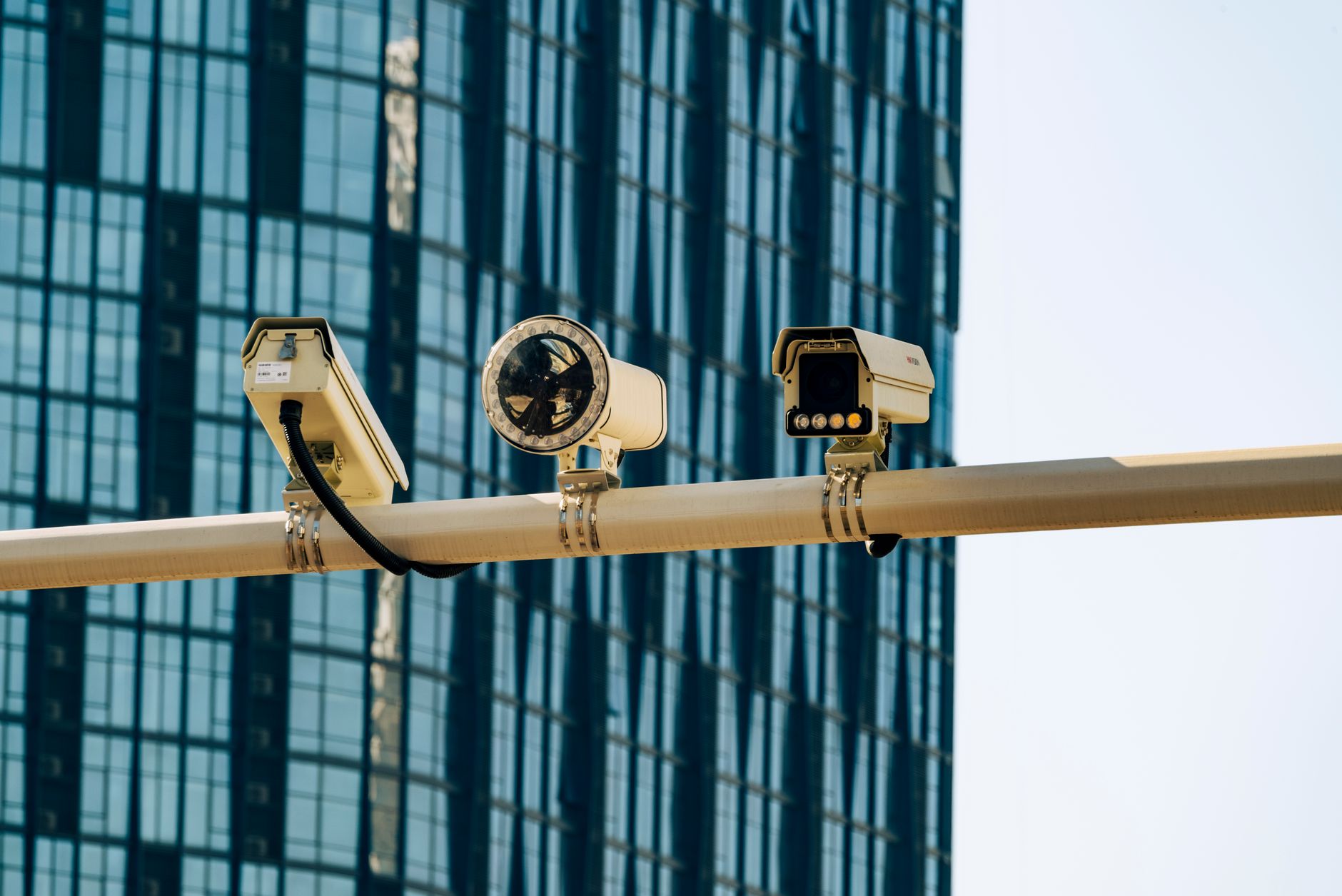
- -60% security incidents: From 12 incidents/month down to 4-5, mainly false alerts due to sensor dust.
- -80% false fire alarms: Thanks to camera verification before triggering elevator stops.
- -30% on-site staff: Reduced from 6 to 4 people, thanks to the unified dashboard allowing one person to monitor the entire system.
- 25% savings on BMS operating costs: Equivalent to 300-400 million VND/year by optimizing HVAC according to schedules and early anomaly detection.
"Before, every false fire alarm caused chaos throughout the building, taking at least 30 minutes to handle. Since integrating Desigo CC with VMS, the camera automatically displays the alert, and I just look at the screen to know immediately if it's a real fire. Operating costs have dropped noticeably, and the security team's work is much easier."
— Mr. Minh Hoang, Head of Technical & Operations Department, Building
Lessons learned for Vietnamese enterprises
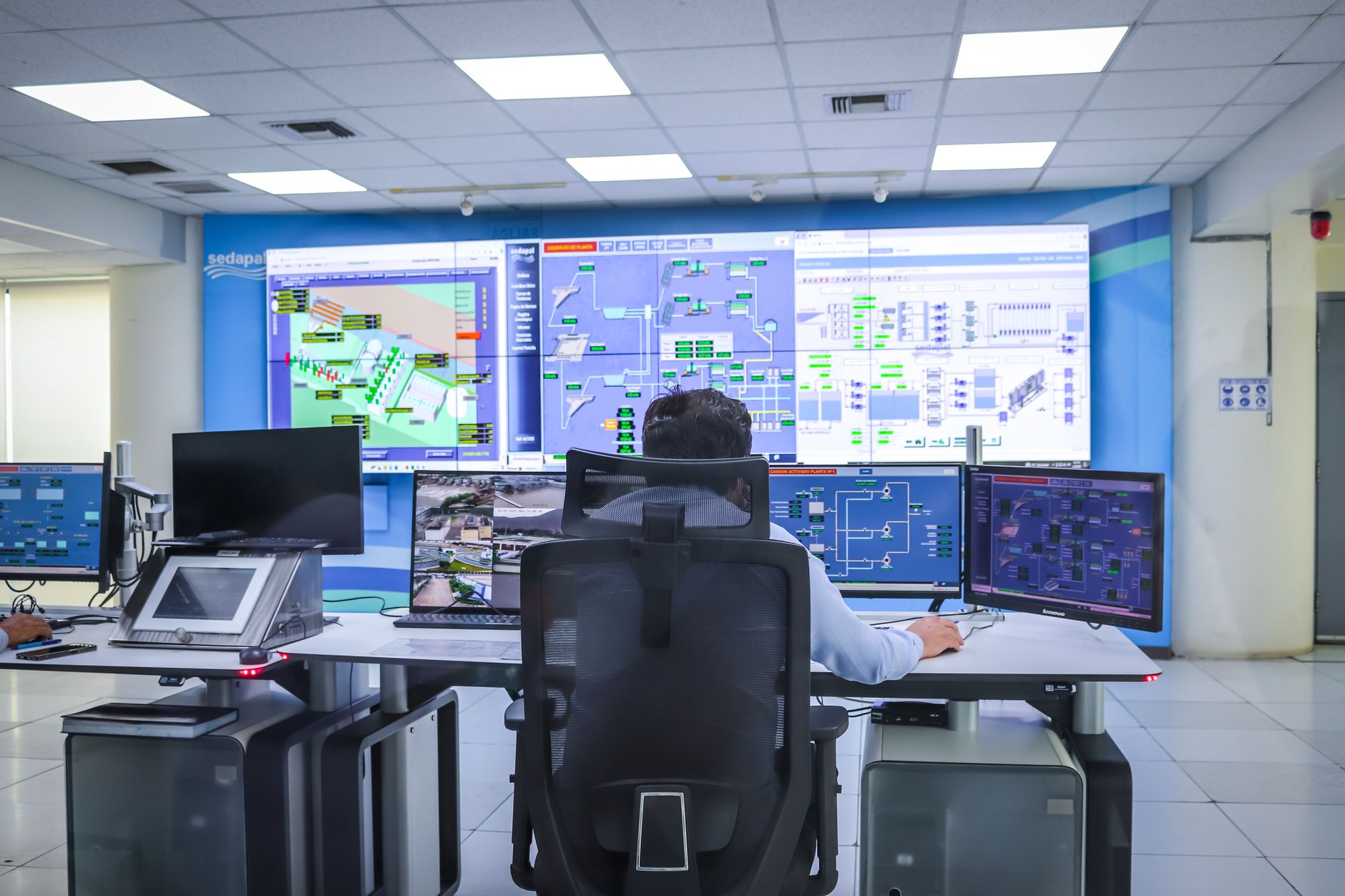
From this case study, there are 4 key lessons for office buildings, shopping centers, and factories looking to integrate BMS with security.
- Choose an open platform: Desigo CC supports BACnet/IP, Modbus, OPC — easy to integrate with third-party VMS (Milestone, Genetec). Avoid closed systems that are difficult to upgrade.
- Invest in a verification process: Integrating cameras for fire alarm verification reduces false alerts by 80%, saving time and manpower.
- Design the dashboard based on actual needs: Don't display all data; prioritize 5-7 key indicators (floor temperature, door status, alerts).
- Calculate long-term ROI: Initial integration cost is 200-300 million VND, but savings of 300-400 million VND/year mean payback in 6-10 months.
Comparison before and after Desigo CC VMS integration
| Criteria | Before integration | After integration |
|---|---|---|
| Number of false fire alarms/month | 15-20 | 3-4 |
| Average incident response time | 25-35 minutes | 8-12 minutes |
| 24/7 on-site staff | 6 people | 4 people |
| Annual BMS operating cost | 1.2-1.5 billion VND | 900 million - 1.1 billion VND |
| Tenant satisfaction level (scale 10) | 6.5 | 8.8 |
Frequently asked questions
Is Hanoi building Desigo CC VMS integration complex?
The process of integrating Desigo CC with VMS is not overly complex if the BMS and camera systems support open standards (BACnet/IP, ONVIF). Average deployment time is 6-8 weeks for a 20-30 story building. An Ninh Số has executed many similar projects in Hanoi and Ho Chi Minh City, ensuring no operational disruption during the upgrade.
How much does Desigo CC VMS integration cost?
Cost depends on scale and number of integration points. For a 25-story building like the case study, the total cost for Desigo CC licenses, VMS upgrade, and integration programming is approximately 200-300 million VND. Payback period is 6-10 months thanks to savings in operating and staffing costs. Contact An Ninh Số for a detailed quote.
Which VMS brands can integrate with Desigo CC?
Desigo CC supports integration with most popular VMS platforms via its open API: Milestone XProtect, Genetec Security Center, Hikvision HikCentral, Dahua DSS. An Ninh Số recommends Milestone for its stability and scalability. In the case study, we upgraded from Hikvision native to Milestone to optimize integration.
Does Desigo CC VMS integration help save energy?
Yes. Desigo CC allows optimizing HVAC according to schedules and occupancy data from people-counting cameras. In the case study, the building saved 25% on BMS operating costs by automatically reducing air conditioning on unoccupied floors and detecting water leaks early via AI cameras.
How do I start Desigo CC VMS integration for my building?
The first step is to survey the current system. An Ninh Số will check the Desigo CC version, controller models, cameras, and NVR to assess compatibility. Then, we create a detailed integration plan, including software upgrades (if needed) and rule programming. The process takes 2-3 days for the survey, followed by 6-8 weeks for deployment.
Want your building to reduce security incidents by 60% and save 25% on operating costs like this case study? Contact An Ninh Số immediately via hotline 0796 700 777 or email [email protected] for a free consultation and survey.