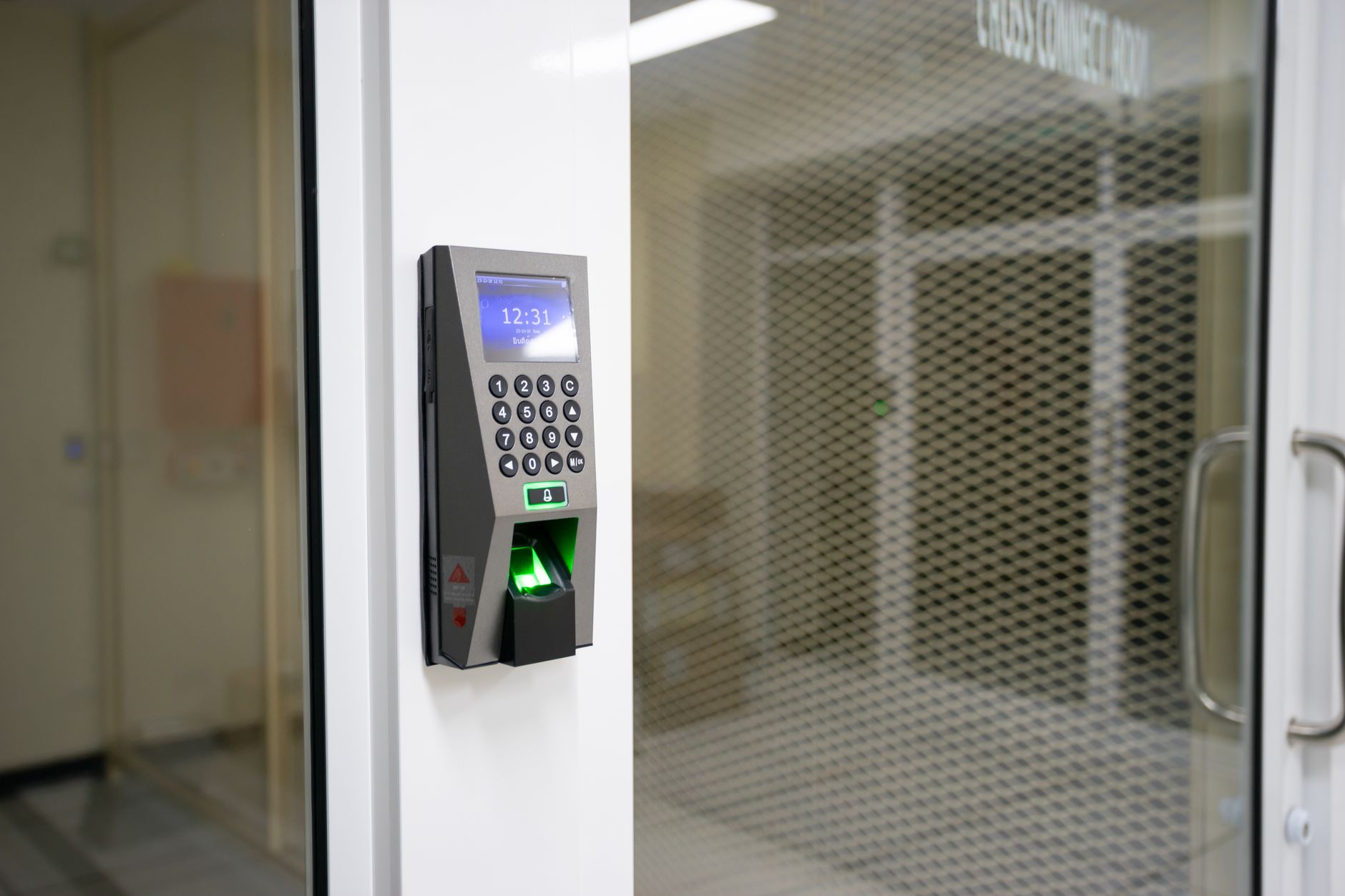
ABC Commercial Joint Stock Bank is one of the medium-sized commercial joint stock banks in Ho Chi Minh City, with 12 branches and 25 transaction offices. At the beginning of 2025, the bank recorded an average of 12-15 security incidents per month related to its magnetic stripe card-based access control (KSRV) system — from former employees abusing cards, illegal card cloning, to vault room access fraud. This article recounts the bank's journey of transitioning to Face ID KSRV, reducing incidents by 90% and optimizing security operating costs.
Customer: ABC Commercial Joint Stock Bank (real name changed per security request)
Industry: Finance - Banking
Scale: 12 branches, 25 transaction offices, 850 employees (headquarters: 320 employees)
Location: Ho Chi Minh City (headquarters and 4 central branches)
Implementation time: March-May 2025 (pilot phase at headquarters)
Customer Problems

- RFID magnetic stripe cards easily cloned: In the last 6 months of 2024, the bank discovered 7 cases where IT employees' magnetic stripe cards were cloned, used by perpetrators to access the server room at night. Hiring a security audit firm cost 40-60 million VND per incident.
- Former employees abusing access rights: 3 cases of former employees who kept their cards after resignation, entering the building to retrieve internal documents. The old system had no mechanism for quick remote card deactivation.
- Ineffective vault room control: The main vault room had only 1 layer of magnetic stripe card + PIN. Audit logs recorded 4 unauthorized access attempts in Q4/2024, with specific identities unidentifiable due to shared card usage.
- Time-consuming manual audit logs: Each time checking who entered sensitive areas, the security team spent 6-8 hours searching logs from old card readers, with data unsynchronized across branches.
Solution Implemented by Việt Đức Trí Group
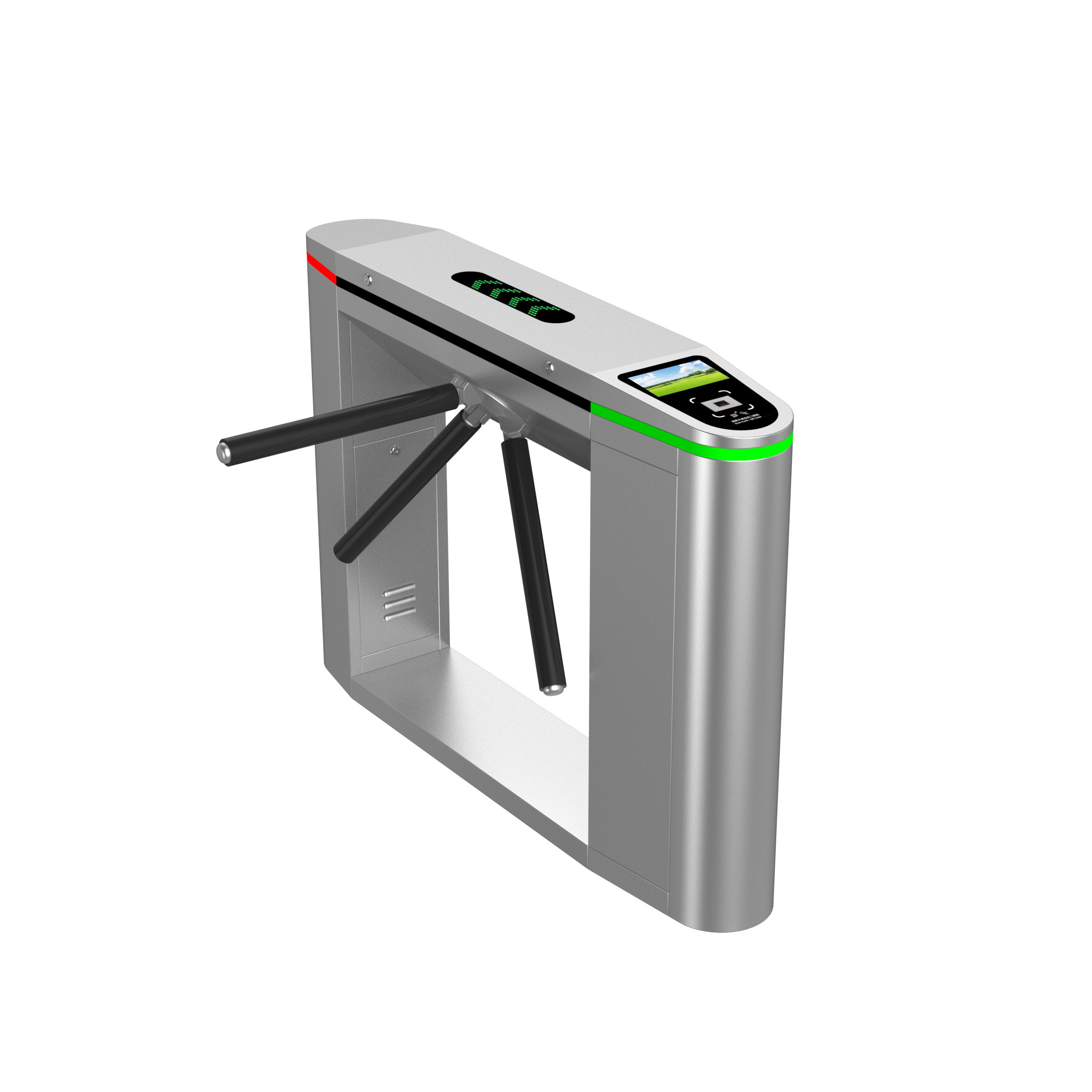
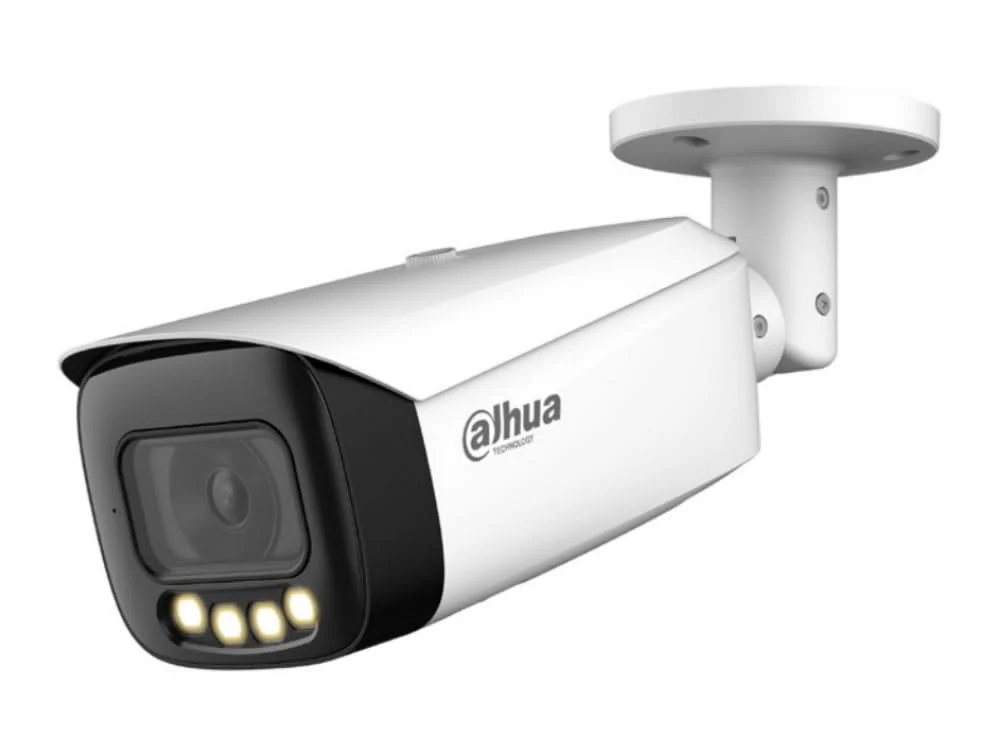
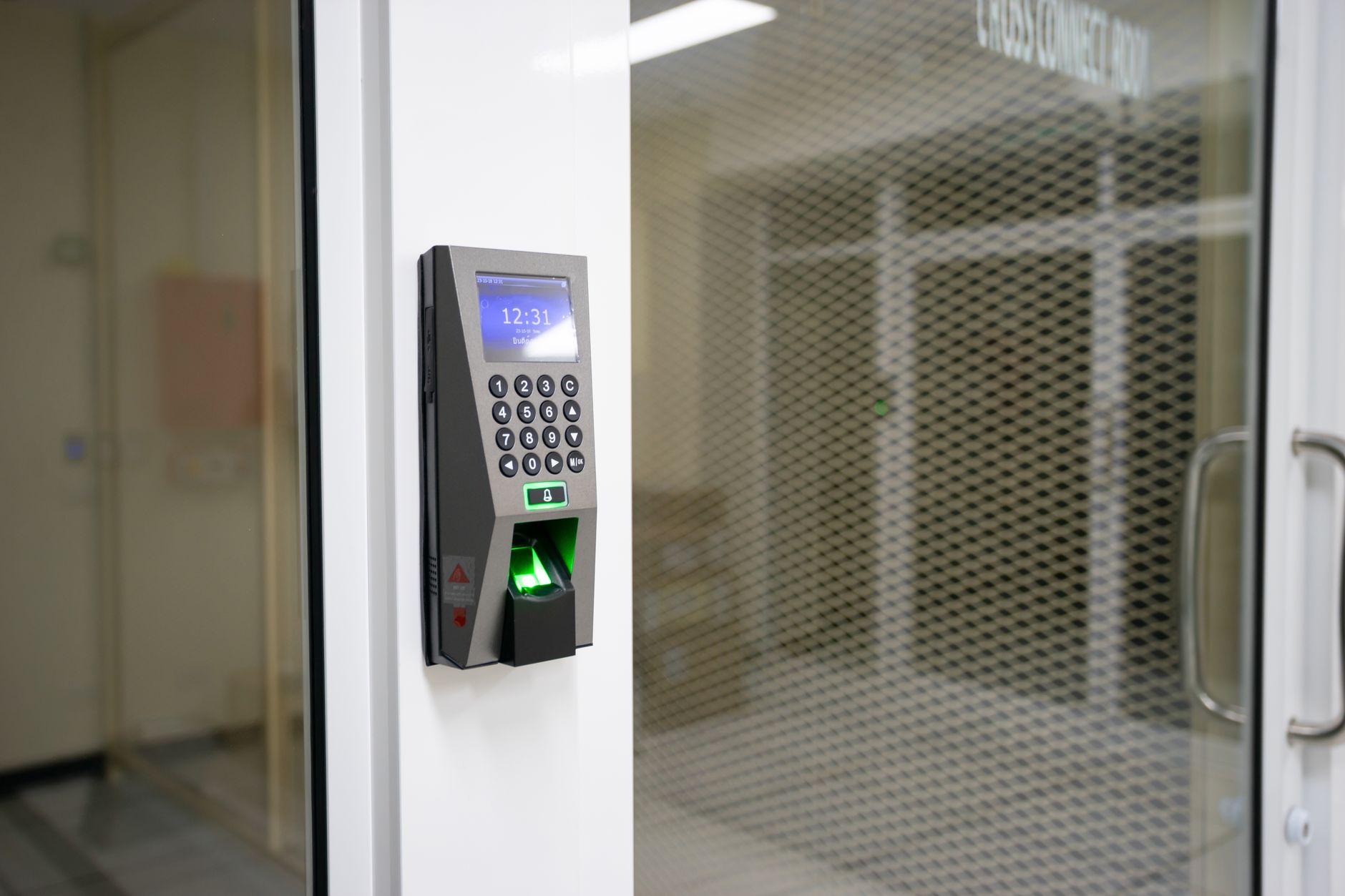
After 2 weeks of site survey, Việt Đức Trí Group proposed a Face ID KSRV solution with 3 security layers: Face Recognition + MFA + Anti-passback, fully integrated with the bank's existing HR management system. The implementation process was carried out in the following 5 steps.
- Survey and Risk Assessment (2 weeks): The technical team surveyed 18 door points at the headquarters, including 2 vault room doors, 4 server room doors, 6 sensitive administrative area doors, and 6 building entrance doors. Priority levels and traffic flow were determined (150-200 visits/day at the main entrance).
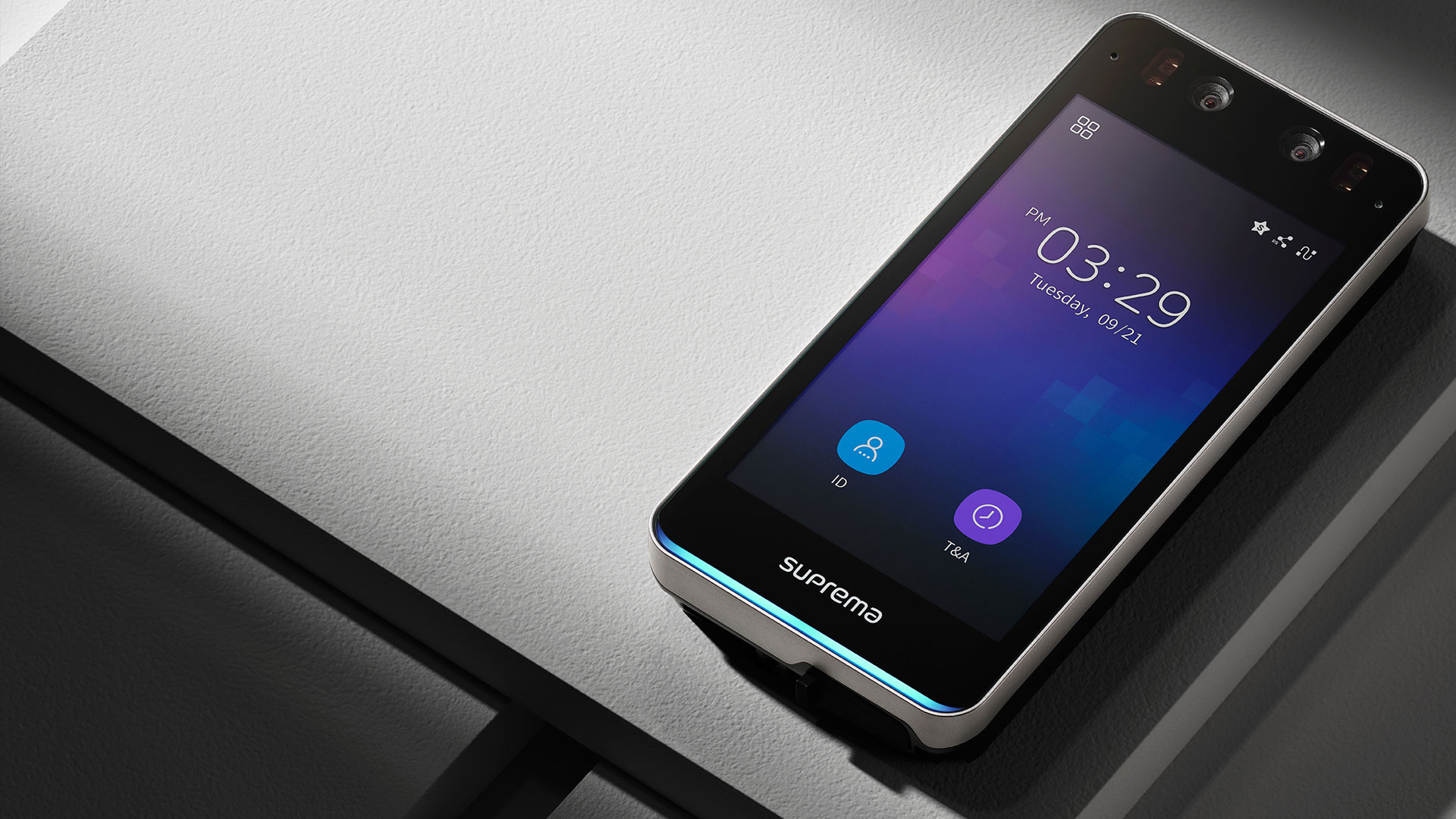
- Installation of Face ID Devices (Suprema FaceLite): 18 Suprema FaceLite facial recognition readers were installed at the identified locations. The devices support 3D facial recognition with anti-spoofing, integrate a backup RFID card reader, and a temperature sensor.
- MFA & Anti-passback Integration: The vault room area requires 2-factor authentication (Face ID + OTP code from the banking app). The entire system was configured with Anti-passback — employees must scan out before scanning in, completely eliminating the "passback" (card sharing) situation.
- Data Synchronization with HRM: The KSRV system was connected via API to the bank's HRM software. When an employee resigns, access rights are automatically deactivated within 5 minutes without manual intervention.
- Training and Trial Operation (1 week): 320 headquarters employees registered their faces and received usage instructions. The system ran in parallel with the old KSRV for 1 week to ensure a smooth transition.
Image: Layout diagram of 18 Face ID readers at ABC Bank headquarters (illustrative image).
Achieved Results

- 90% — Reduction in security incidents in the first 6 months (from 12-15 incidents/month down to 1-2 incidents/month, mainly false alarms due to weather)
- 45% — Savings in security operating costs (reduced 2 night-shift staff, eliminated costs of hiring firms to investigate card cloning incidents)
- 30 minutes — Time to check audit logs for one incident (reduced from 6-8 hours to 30 minutes thanks to a search interface by face and time)
- 100% — Rate of deactivating access rights for resigned employees within 5 minutes (compared to 2-3 days previously)
"Before, every time there was a card incident, I spent the whole day checking logs and meeting with the security team. Now, I just open the Face ID dashboard, type a name or select a face, and the system returns the entire access history in 30 seconds. The 90% incident reduction isn't just a number — it's absolute peace of mind for the leadership."
— Mr. Nguyen Van Hung, Head of Security Department, ABC Commercial Joint Stock Bank
Lessons Learned and Application for Other Businesses

This case study shows that Face ID KSRV is not only a security solution but also an operational optimization tool. Below are 3 lessons applicable to other banks and financial institutions.
- Face ID completely eliminates the risk of cloned magnetic stripe cards. With 3D facial recognition technology (anti-spoofing using photos/videos), each employee is a "living" card that cannot be cloned. The initial investment cost (approximately 12-18 million V