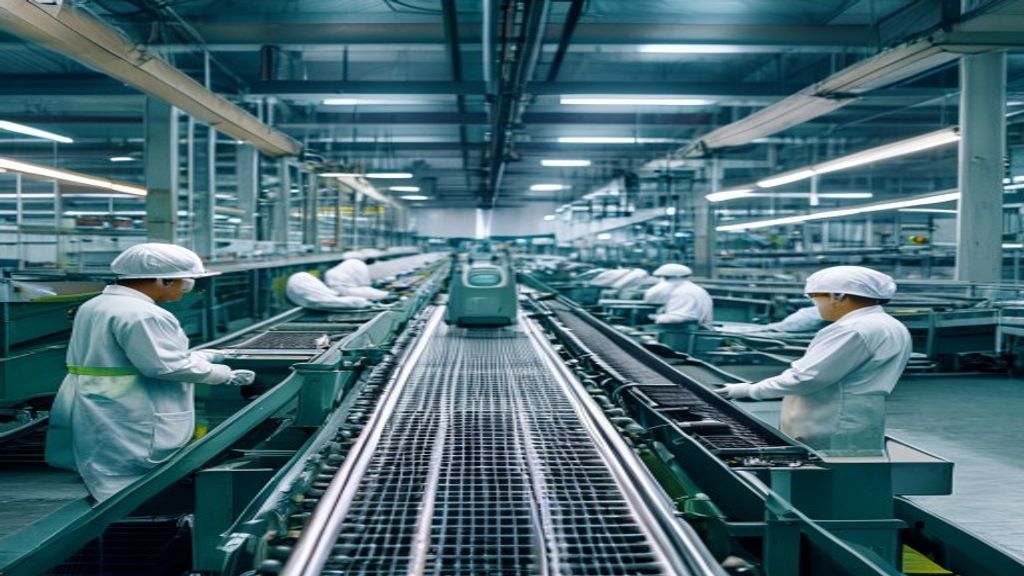
A food contaminant inspection machine (X-ray inspection) is a system that uses X-rays to detect foreign objects such as metal, bone, glass, stone, and hard plastic in products on the packaging line. In Vietnam, seafood processing and frozen food factories are applying this technology to reduce product recall rates and meet stringent export standards.
Industry: Frozen seafood processing (pangasius, shrimp, surimi)
Scale: 8,000 m² factory, capacity 120 tons/day
Location: My Tho Industrial Park, Tien Giang
Implementation time: Q1/2025
Customer Problem: Product recall rate up to 12%
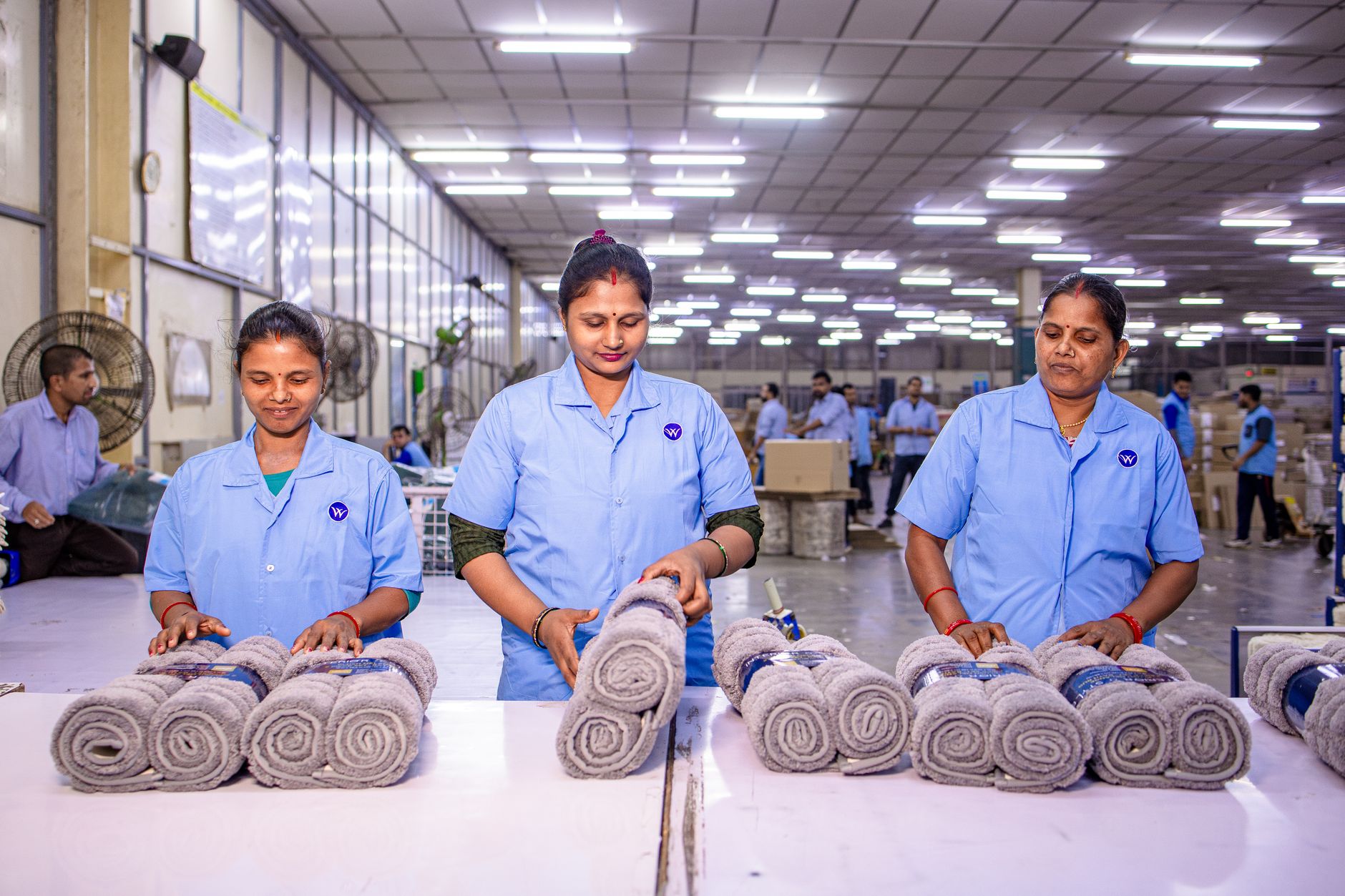
Before implementing the solution, Cat Tuong factory faced three main problems: a high product recall rate due to contaminants, compensation costs for export partners exceeding budget, and low manual inspection productivity. Specifically:
- Pain 1: Average monthly product recall rate of 12%, equivalent to 14.4 tons of raw material being discarded or compensated. The main causes were residual fish bones (65%) and metal fragments from fishing nets (25%).
- Pain 2: Compensation costs for Japanese and EU customers reached VND 4.8 billion/year, including return shipping fees and contract violation penalties.
- Pain 3: Manual inspection process using hands and simple metal detectors achieved only 70% accuracy, missing non-metallic contaminants like bone and hard plastic.
- Pain 4: Inspection productivity was only 35-40 products/hour/worker, causing bottlenecks in the packaging line and increasing labor costs.
Solution Deployed by Viet Duc Tri Group: Integrated X-ray Inspection System on the Production Line
Related Products

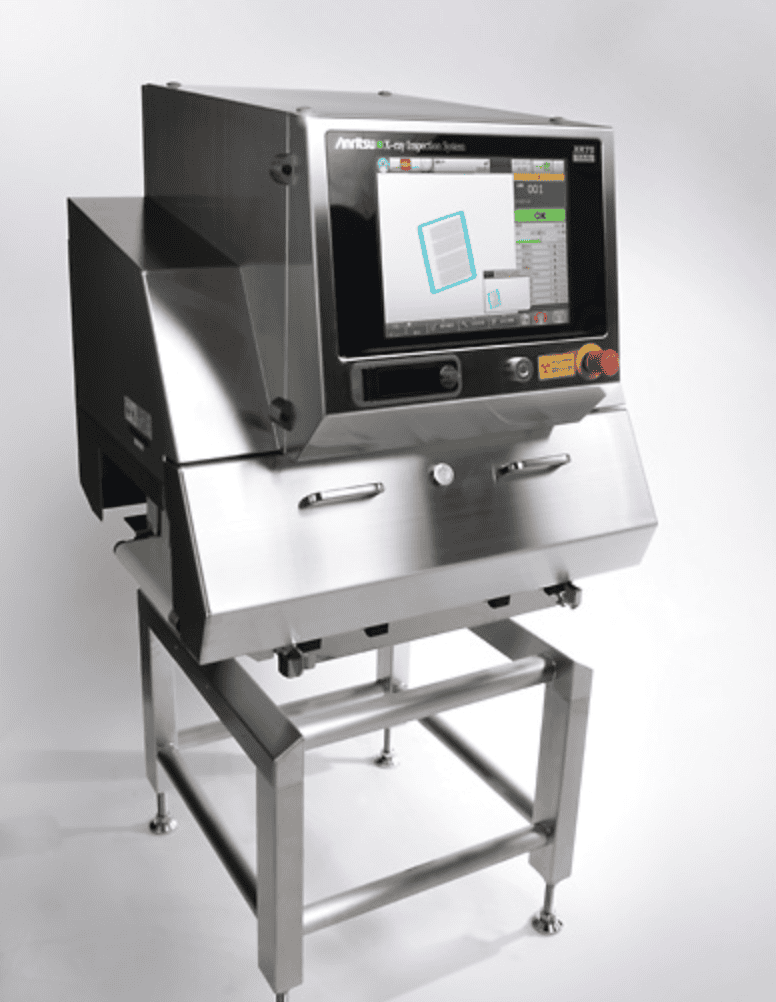

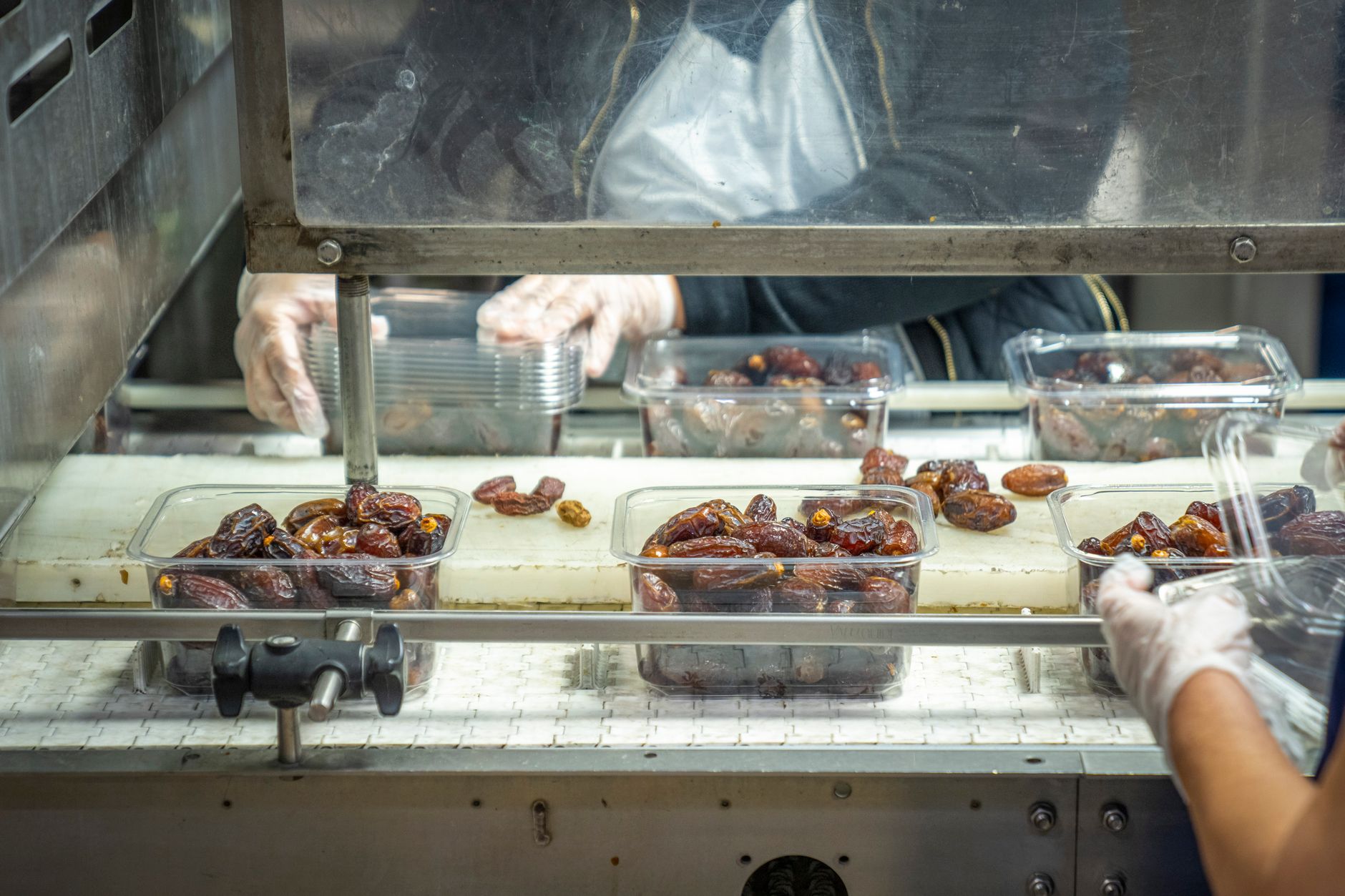
Viet Duc Tri Group proposed an integrated solution using the Mettler Toledo X37 X-ray contaminant inspection machine on the packaging line, combined with quality management software. The implementation process consisted of 5 steps:
- Survey the current line: Measure conveyor speed (12-15 m/min), product size (500g-2kg packs), and optimal installation position between the packaging machine and metal detector.
- Customize X-ray parameters: Set 3 separate detection modes for fish bone (density 1.2-1.5 g/cm³), metal (ferrous, stainless steel), and hard plastic (PVC, PET). Minimum detection threshold: 0.5mm for metal, 1.0mm for bone.
- Integrate automatic rejection software: Install a robotic arm to remove defective products (reject rate 99.8%) and log inspection records by production batch.
- Operator training: 2 days onsite for 5 technicians, including machine cleaning per IP65 standards and handling false positives.
- Periodic maintenance: 12-month maintenance contract, calibration checks every 3 months, 24/7 technical support.
The Mettler Toledo X37 X-ray system was chosen for its ability to detect non-metallic contaminants (bone, plastic) that conventional metal detectors cannot. See more Mettler Toledo X37 genuine price list 2026 for investment cost reference.
Achieved Results: 80% reduction in product defects, saving VND 4.2 billion/year
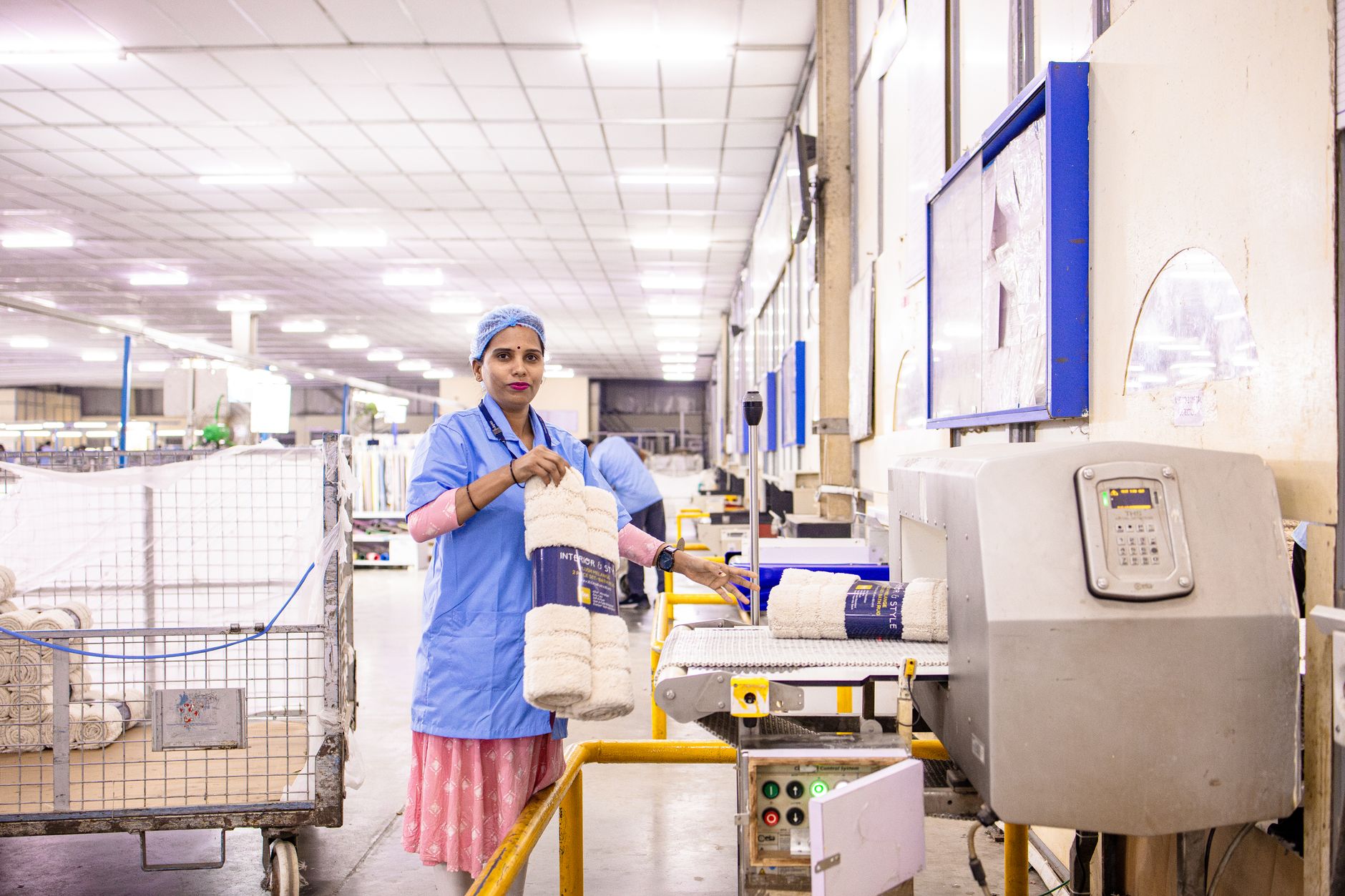
After 6 months of operation, Cat Tuong factory recorded results exceeding expectations. Below are the specific figures:
- 80% reduction in product defect rate: From 12% down to 2.4% per month. The number of rejected shipments at Japanese ports decreased from 5-7 shipments/month to 0-1 shipment.
- Saving VND 4.2 billion/year: Compensation and recall costs reduced from VND 4.8 billion to VND 600 million/year. ROI reached 2.8 times in the first year.
- 40% increase in inspection productivity: From 35-40 products/hour/worker to 60-80 products/hour thanks to automation. Reduced manual inspection staff by 3.
- Met export standards: Achieved BRC Food and IFS Food certification for 100% of shipments exported to the EU and Japan.
"Before, every time I received a complaint email from a Japanese partner, I couldn't sleep. Since having the X-ray machine, the defect rate has dropped significantly. Just compensation costs alone decreased by nearly VND 4 billion in the first year. Investing VND 1.5 billion in the X-ray system was the best decision I've made in 5 years."
— Mr. Tran Van Loc, Production Director, Cat Tuong Seafood Processing Co., Ltd.
Cost Comparison: X-ray Contaminant Inspection Machine vs. Traditional Metal Detector
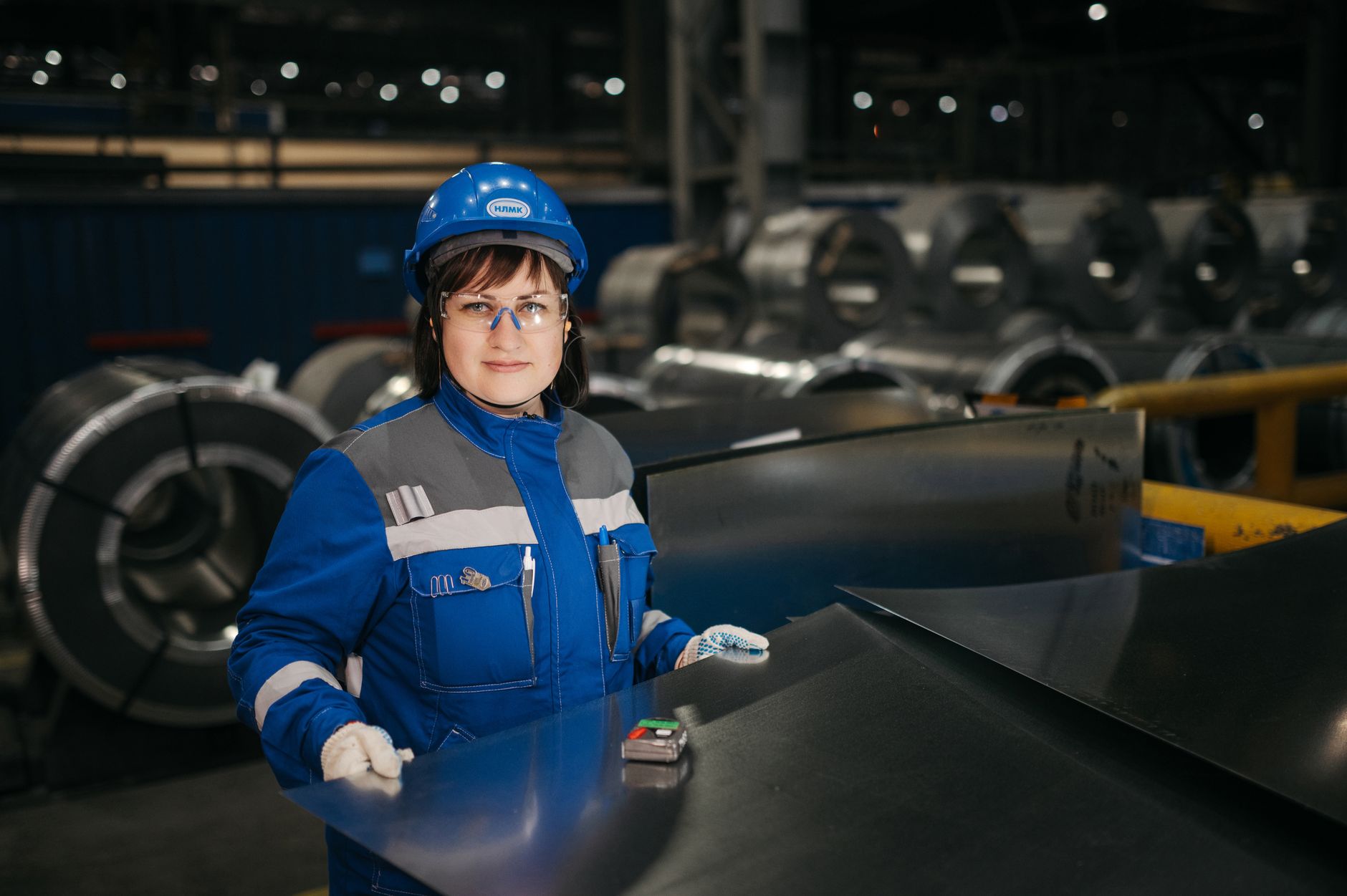
The table below compares the investment cost and effectiveness between the two popular solutions for food factories. Data is based on the Vietnamese market in 2026.
| Criteria | Metal Detector | X-ray Inspection Machine |
|---|---|---|
| Initial investment cost | VND 150-350 million | VND 1.2-2.5 billion |
| Contaminant detection capability | Metal only (ferrous, stainless steel, aluminum) | Metal, bone, glass, stone, hard plastic |
| Detection accuracy | 85-92% (depending on metal type) | 98-99.5% (all contaminants) |
| Annual maintenance cost | VND 20-40 million | VND 50-80 million |
| Payback period (ROI) | 8-14 months | 4-8 months (with high recall rate) |
| Suitable factory | SME, low risk | Export, high risk |
For factories with a recall rate above 5% and exporting to demanding markets, the X-ray inspection machine offers superior ROI. See more Mettler Toledo vs. competitors X-ray inspection machine comparison to choose the right solution.
Lessons Learned and Application for Other Food Businesses
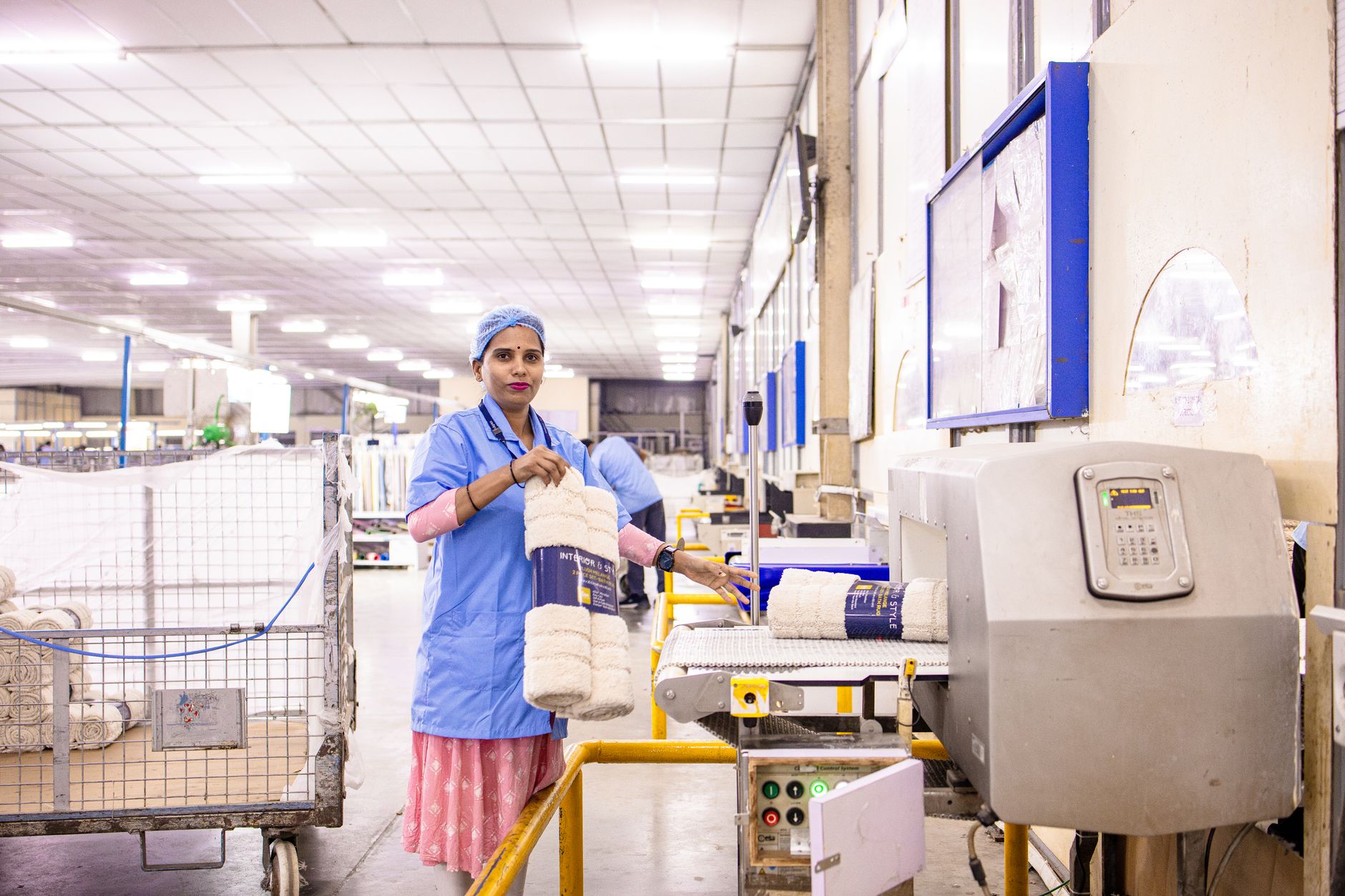
From the Cat Tuong case study, there are 4 important lessons for Vietnamese food factories considering investing in a contaminant inspection machine:
- Invest in X-ray as soon as the recall rate exceeds 5%: An investment cost of VND 1.2-2.5 billion can be recovered in 4-8 months if the current defect rate is high. Waiting only increases losses.
- Integrate into the existing line, do not buy standalone: The X-ray system needs to be synchronized with the packaging machine and quality management software. Buying a standalone inspection machine can easily cause production disruptions.
- Operator training is a key factor: Cat Tuong factory took 2 weeks to optimize detection thresholds, reducing false positives from 8% to 1.5%. Without training, effectiveness drops by 30-40%.
- Choose a vendor with technical support in Vietnam: Viet Duc Tri Group has a technical team in Ho Chi Minh City, ensuring issue resolution within 4-6 hours. Foreign vendors without a local office pose a risk of prolonged downtime.
For successful implementation, businesses should refer to the guide to choosing a reputable Mettler Toledo dealer in Vietnam with 5 golden criteria.
Frequently Asked Questions about Food Contaminant Inspection Machines
How much does a food contaminant inspection machine cost?
The price of an X-ray contaminant inspection machine for food ranges from VND 1.2 billion to VND 2.5 billion for the popular Mettler Toledo X37 model. Simple metal detectors cost VND 150-350 million. Installation and line integration costs add 10-15% of the total value. Detailed pricing by model is available at the Mettler Toledo X37 2026 price list.
Can an X-ray contaminant inspection machine detect fish bones?
Yes. An X-ray inspection machine detects fish bones with a minimum size of 1.0mm thanks to the density difference between bone (1.2-1.5 g/cm³) and fish meat (1.0-1.1 g/cm³). Metal detectors cannot do this. This is the main reason seafood factories switch to X-ray.
What does the installation cost of a food inspection machine include?
Installation costs include: line survey (free), conveyor and robotic arm integration (VND 200-400 million), operator training (VND 50-80 million), and first-year maintenance (free with a comprehensive package). Total installation cost typically accounts for 10-15% of the machine price.
How long is the payback period when investing in a contaminant inspection machine?
For factories with a product recall rate above 5% (like Cat Tuong at 12%), the payback period is 4-8 months. For factories with a lower defect rate (2-3%), the payback period extends to 12-18 months. ROI formula: (annual recall cost - investment cost) / investment cost.
Is an X-ray contaminant inspection machine safe for food?
Yes. The X-ray system uses very low radiation doses, does not affect food quality. The machine meets FDA 21 CFR 1020.40 and CE certifications, ensuring operator safety. Food after inspection still meets export standards.
How to choose the right contaminant inspection machine for the production line?
You need to determine: the type of contaminants to detect (metal, bone, plastic), product size, conveyor speed, and export standards. Viet Duc Tri Group offers free surveys and consultation on suitable models.
How is periodic maintenance of the contaminant inspection machine performed?
Periodic maintenance includes: calibration checks every 3 months, weekly cleaning of the inspection chamber and conveyor, replacement of the X-ray tube after 20,000 operating hours (approximately 2-3 years). Viet Duc Tri Group provides a 12-month maintenance package at a cost of VND 50-80 million/year.
Should a small factory invest in an X-ray inspection machine?
If the factory has a capacity under 5 tons/day and a recall rate below 3%, a metal detector (VND 150-350 million) is sufficient. For factories with larger capacity or for export, X-ray is the optimal choice due to high ROI and reduced legal risk.