
According to statistics from the Ministry of Agriculture and Rural Development, in 2025, Vietnam's seafood industry exported over USD 10 billion, but metal contamination incidents in processing (fishhook fragments, screws from machinery) remain the primary cause for 12-15% of shipments being returned. The case study below recounts the journey of the Xuân Hải seafood factory (Sóc Trăng) from losses due to defective products to successfully cutting metal contamination by 95% after deploying an AI-integrated conveyor metal detector system from Việt Đức Trí Group.
Industry: Export seafood processing (pangasius, tiger prawns, squid)
Scale: 200 employees, 3 production lines, capacity 50 tons/day
Location: An Nghiệp Industrial Park, Sóc Trăng
Deployment Time: Q1/2025 – stable operation to date
Customer Problem: 15-20 tons/month of metal-contaminated products
Before partnering with Việt Đức Trí Group, the Xuân Hải factory faced three core issues: a high metal contamination rate due to outdated detectors, reprocessing costs ballooning to VND 1.2 billion per year, and loss of credibility with EU export partners due to failing HACCP standards.
- Old 2018-generation metal detectors: Sensitivity only reached 2.5mm for ferrous metals, 3.0mm for stainless steel – unable to detect small fishhook fragments (1.0-1.5mm) commonly found in pangasius. Result: 15-20 tons of products were returned or had to be reprocessed each month.
- High reprocessing costs: Each reprocessing cycle (thawing, manual inspection, re-freezing) cost VND 12-15 million/ton, totaling VND 1.2 billion annually – equivalent to 3-4% of revenue.
- Lost export orders: In 2024, the factory lost 2 export contracts to Germany due to failing to meet BRC (British Retail Consortium) standards for metal foreign body control. The partner required detector sensitivity to be ≤1.0mm for ferrous metals.
- Prolonged manual inspection time: QC staff had to manually inspect each batch using handheld detectors, taking 30-40 minutes per batch, causing line congestion during peak hours.
Solution Deployed by Việt Đức Trí Group: AI-Integrated Conveyor Metal Detector System
Related Products

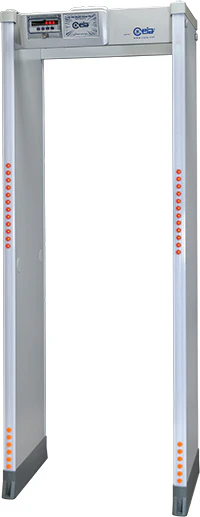
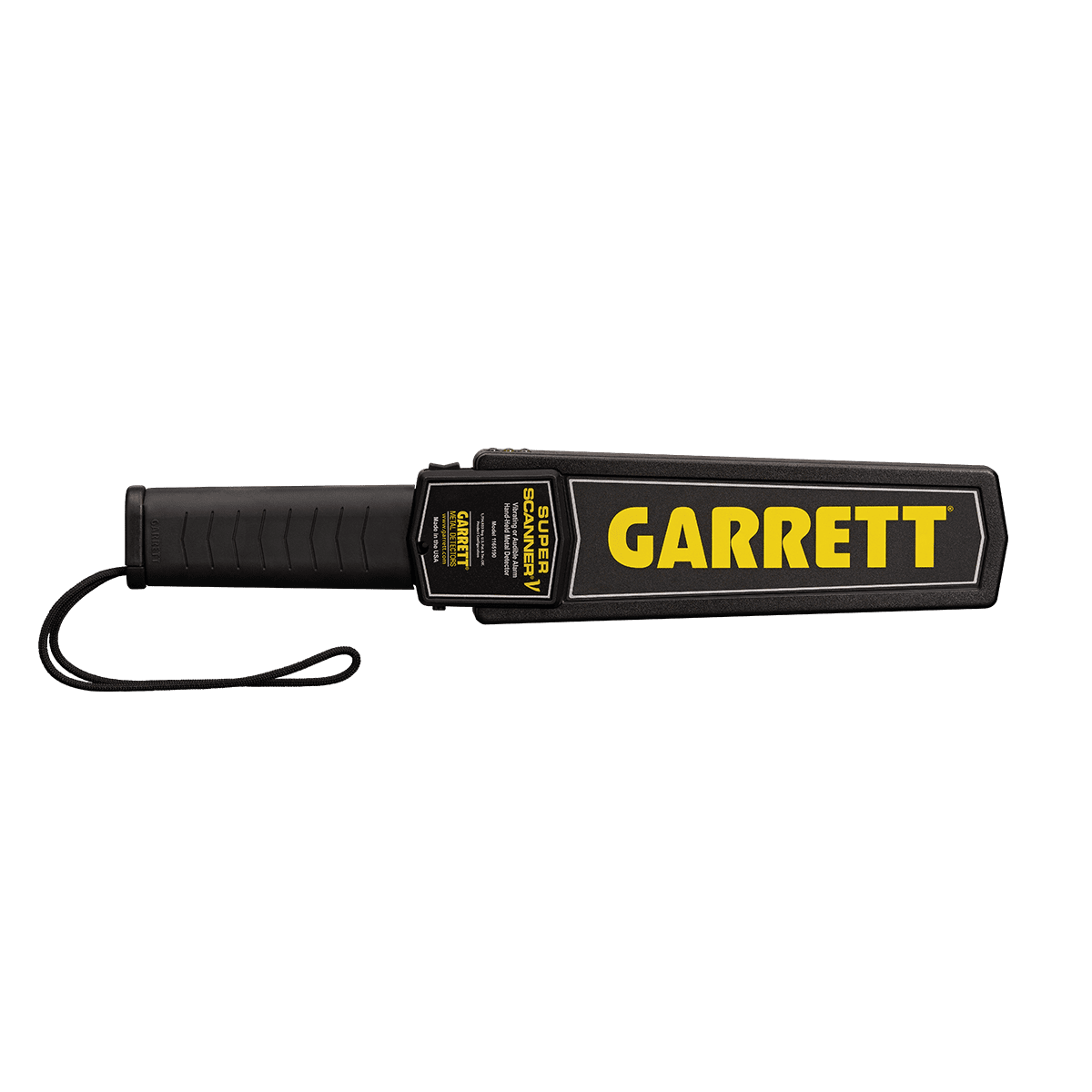


Việt Đức Trí Group proposed an integrated solution using the Mettler Toledo Safeline conveyor metal detector (Profile Compact series) with the ability to detect ferrous metals and stainless steel at sizes ≥0.8mm, combined with real-time production data management software.
- Survey and current state assessment (2 weeks): Việt Đức Trí Group technicians measured conveyor dimensions (600mm wide, speed 40m/min), analyzed product flow (frozen fish fillets, shrimp blocks), and determined the optimal installation location between the freezing and packaging stages.
- Installation of Mettler Toledo Safeline conveyor metal detector (2 days): Installed 2 Profile Compact detectors (aperture size 400mm x 200mm) on 2 main production lines. Integrated an automatic reject arm to push defective products off the line without stopping the machine.
- Data management software configuration (1 day): Installed Mettler Toledo ProdX software, enabling real-time monitoring of defect rates, storing 90-day inspection logs, and sending email alerts when thresholds are exceeded.
- Operations and maintenance training (2 days): Trained 5 QC staff and 3 technicians on sensitivity calibration, belt replacement, and common error handling. Provided instruction manuals in Vietnamese.
- HACCP certification audit (1 month): Coordinated with the certification body to integrate data from the detector into the HACCP system, ensuring compliance with traceability and foreign body control requirements.
Achieved Results: 95% reduction in metal contamination, 40% savings in reprocessing costs

After 3 months of operation, the Xuân Hải factory recorded results exceeding expectations: the metal contamination rate dropped from 12% to 0.6%, reprocessing costs decreased by 40%, and inspection time per batch was reduced from 35 minutes to 5 minutes.
- 95% — Reduction in metal contamination rate (from 12% to 0.6%)
- 40% — Reduction in annual reprocessing costs (from VND 1.2 billion to VND 720 million)
- 85% — Reduction in inspection time per batch (from 35 minutes to 5 minutes)
- 6 months — Investment payback period (ROI reached 18%/month in the first 12 months)
"Previously, we spent 3-4 hours every day manually inspecting metal-contaminated products. Since having the conveyor metal detector system from Việt Đức Trí Group, everything is fully automated. We not only reduced defects by 95% but also regained the export contract to Germany thanks to achieving HACCP certification. The VND 800 million investment paid for itself in just 6 months."
— Mr. Nguyễn Văn Hải, Production Director, Xuân Hải Seafood Factory
Lessons Learned and Application for Other Seafood Businesses

This case study highlights three key factors for successfully deploying a metal detector system in a seafood factory: choosing the right equipment with appropriate sensitivity, integrating data management software, and providing thorough operational training.
- Choose a metal detector with appropriate sensitivity: For seafood, metal fragments are often small (0.8-1.5mm), requiring a detector with sensitivity ≤1.0mm for ferrous metals and stainless steel. The Mettler Toledo Safeline Profile Compact detector meets this requirement with detection capability ≥0.8mm.
- Integrate data management software: Data from the detector needs to be stored and analyzed for traceability, supporting HACCP/BRC certification. ProdX software helps reduce reporting time by 90% compared to manual methods.
- Regular operations and maintenance training: 70% of detector errors stem from incorrect operation (wrong calibration, failure to clean the conveyor belt). 2-day training and quarterly maintenance help maintain optimal performance.
- Applicable to businesses of similar scale: For seafood factories with a capacity of 20-50 tons/day, an investment in 2 detectors (approximately VND 800 million) can pay for itself in 6-9 months through reduced reprocessing costs and increased revenue from export orders.
Frequently Asked Questions
Can the Mettler Toledo Safeline conveyor metal detector detect stainless steel?
Yes. The Mettler Toledo Safeline Profile Compact series detects all three types of metal: ferrous (iron), non-ferrous (copper, aluminum), and stainless steel (304, 316). Sensitivity reaches ≥0.8mm for ferrous metals, ≥1.0mm for stainless steel – meeting BRC and HACCP standards for the export seafood industry. The detector uses Multi-Spectrum technology to automatically adjust the detection frequency for each product type, reducing interference from salt and moisture in seafood.
What is the cost of installing a metal detector for a seafood factory?
The cost of installing a conveyor metal detector for a seafood factory depends on the number of lines, conveyor size, and sensitivity requirements. For a factory with a capacity of 50 tons/day (2 lines), a turnkey solution package from Việt Đức Trí Group ranges from VND 700 million to VND 1.2 billion, including the detector, automatic reject conveyor, data management software, and operational training. The average payback period is 6-9 months thanks to reduced reprocessing costs.
How long does the process of integrating a conveyor metal detector into a seafood production line take?
The process of integrating a conveyor metal detector into a seafood production line typically takes 5-7 working days, including: site survey (2 days), equipment installation (2 days), software configuration (1 day), and operational training (2 days). Việt Đức Trí Group commits to completion within 7 working days from contract signing, with minimal machine downtime (only 1 day for physical installation).
Does the metal detector work well with frozen seafood products?
Yes. The Mettler Toledo Safeline metal detector is specifically designed to handle interference from frozen products, thanks to Multi-Spectrum technology that automatically adjusts the detection frequency based on product temperature and moisture. With frozen seafood (fish fillets, shrimp blocks), the detector maintains sensitivity ≥0.8mm for ferrous metals and ≥1.2mm for stainless steel, unaffected by ice or frost layers.
How is the metal detector maintained after installation?
Việt Đức Trí Group provides a quarterly maintenance package (every 3 months), including: sensitivity check using standard test cards, cleaning the conveyor belt and detector coil, frequency recalibration if needed, and software updates. Maintenance costs are approximately VND 15-20 million/year/machine. Additionally, customers receive 24/7 remote technical support via hotline 0935 295 337, with a response time of under 2 hours.
How to ensure the metal detector meets HACCP standards for export seafood?
To ensure the metal detector meets HACCP standards, you need to: (1) choose a detector with sensitivity ≤1.0mm for ferrous metals and ≤1.5mm for stainless steel – such as Mettler Toledo Safeline; (2) integrate data management software (ProdX) to store 90-day inspection logs; (3) perform daily sensitivity checks using standard test cards and record them in the HACCP logbook; (4) train QC staff on foreign body control procedures. Việt Đức Trí Group supports customers in completing HACCP documentation within 1 month after installation.