The LPR barrier system (License Plate Recognition) integrated with automatic license plate recognition cameras is helping grade A office buildings significantly reduce visitor check-in time. The case study below analyzes the deployment process at a grade A office building in Ho Chi Minh City, where check-in time decreased by 60% and tenant satisfaction levels soared.
Customer: Grade A office building (name withheld upon request) | Industry: Commercial real estate (office leasing) | Scale: 25 floors, 150+ tenant businesses, 3,200 employees & visitors/day | Location: Ho Chi Minh City central area (District 1)
Customer Challenges
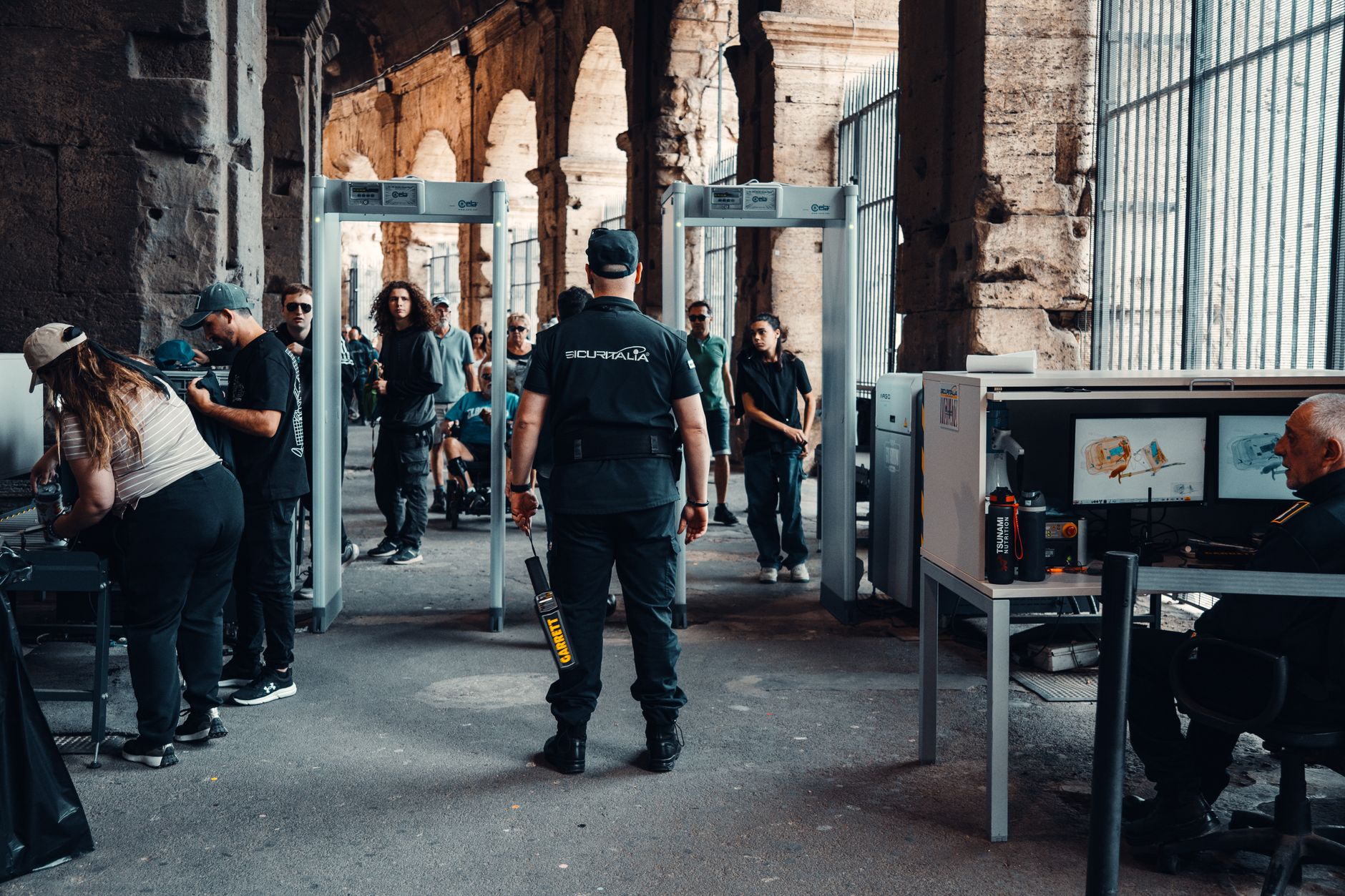
Before deploying the LPR barrier, the building used a manual check-in process: visitors registered with security, received a temporary card, and license plates were recorded in a paper logbook. This process caused several serious issues.
- Check-in time took 8-12 minutes per visitor during peak hours (7:30-9:00 AM), causing long queues of 20-30 vehicles at the gate.
- License plate errors due to manual recording by security (estimated 12-15% of slips), leading to time-consuming reconciliation when visitors exited.
- High personnel costs: required at least 3-4 security guards at the gate during peak hours, each shift lasting 2-3 hours.
- Tenant complaints about poor professional experience, with satisfaction scores in internal surveys reaching only 7.2/10.
Solution Deployed by Việt Đức Trí Group
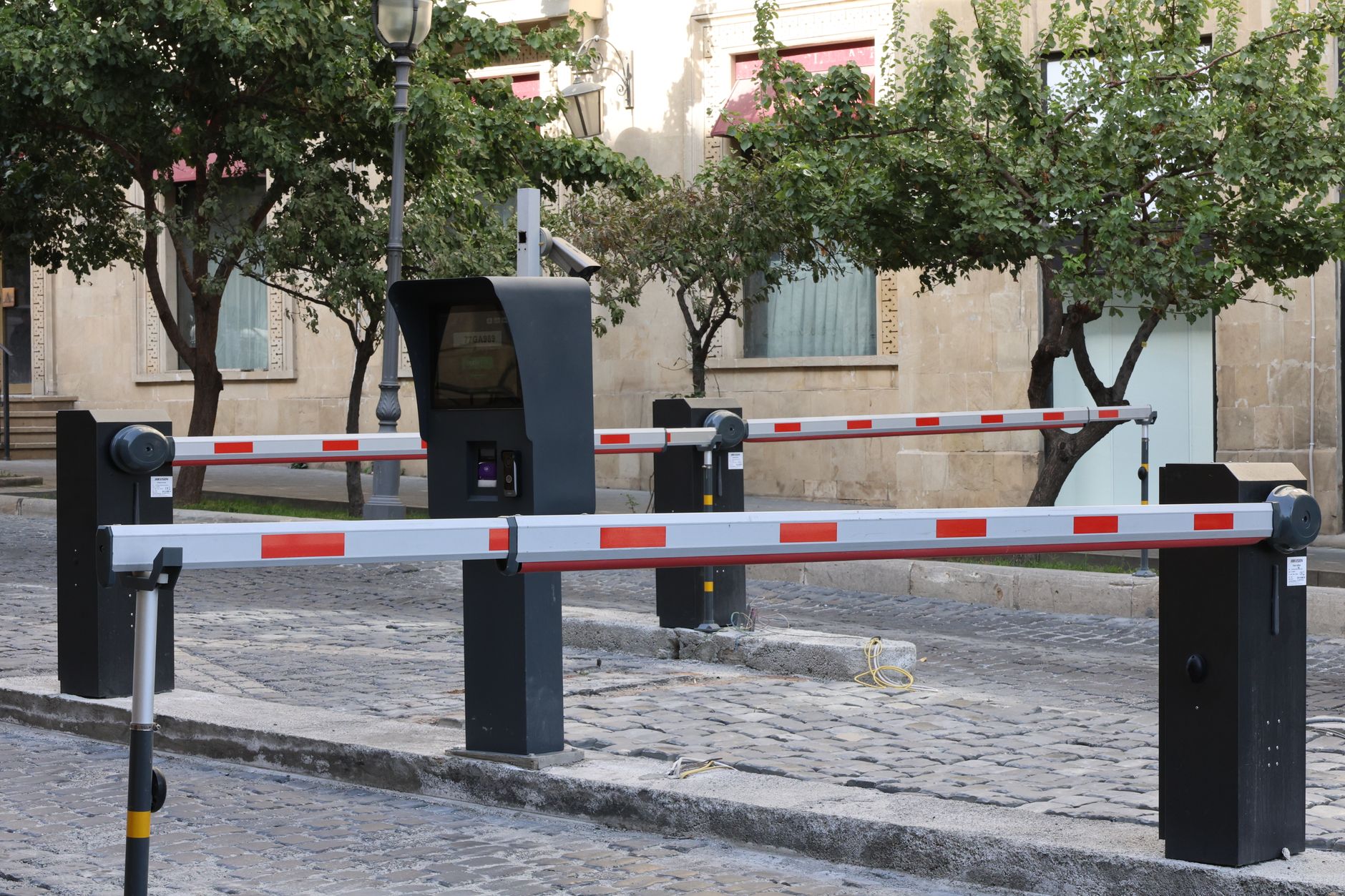
Việt Đức Trí Group deployed an integrated LPR barrier solution for the building, including Kapaisi automatic barriers, LPR license plate recognition cameras, and visitor management software. The deployment process was carried out in 5 steps.
- Survey & system design: Measured traffic flow, analyzed peak hour data, designed a layout with 2 lanes (in + out) using Kapaisi KPS-DZ-8003 folding arm barriers.
- Barrier & LPR camera installation: Kapaisi barriers were installed at the main gate, Kapaisi LPR Module cameras mounted at a height of 2.5m, with an optimal scanning angle to recognize license plates within 0.3-0.5 seconds.
- Integration with BMS: Connected barrier data to the Building Management System, allowing automatic updates of visitor lists from the reception department.
- Staff training: Instructed security and reception staff on system operation, configured whitelists for employee and frequent tenant vehicles.
- Testing & optimization: Ran parallel operations for 2 weeks, measured check-in time, adjusted camera sensitivity and exception handling procedures.
Achieved Results

After 2 months of official operation, the building recorded outstanding improvements in time, cost, and user experience. The figures were measured from the system and internal surveys.
- Check-in time reduced by 60%: from 8-12 minutes down to 2-4 minutes per visitor.
- No more congestion: peak hours cleared in 3-5 minutes, instead of the previous 20-30 minutes.
- Personnel costs reduced by 40%: only 1-2 security guards needed at the gate instead of 3-4 people.
- Satisfaction score increased to 9.1/10: tenant surveys recorded a more professional experience.
"Since the LPR barrier was installed, our clients and partners no longer have to wait long. The check-in time has noticeably shortened, and the professional feel has increased. This is a worthwhile investment for a grade A building."
— Mr. Minh Hoang, Building Operations Director
Lessons Learned & Application for Other Businesses
This case study shows that the LPR barrier is not just an access control solution but also a tool to elevate the experience. The following lessons can be applied to office buildings, shopping centers, or urban areas.
- Invest in system integration: The LPR barrier achieves maximum efficiency when connected to BMS or visitor management software. See more Hotel LPR barrier principle: How it works for valet 2026 to understand the mechanism.
- Run parallel tests for 2-4 weeks: Helps detect exceptions (foreign vehicles, old plates) and fine-tune procedures.
- Leverage system data: Entry/exit history can be used for traffic reports, supporting smart building operations.
- Choose a barrier suitable for usage frequency: For grade A office buildings, the Kapaisi KPS-DZ-8003 folding arm barrier or premium stainless steel barrier for vehicle lanes is the optimal choice. Refer to Hotel gate barrier: 5 reasons to choose LPR for valet 2026 for additional perspectives.
Frequently Asked Questions
Can the LPR barrier system recognize motorcycle license plates?
Yes, the Kapaisi LPR camera supports recognizing both motorcycle and car license plates. However, for office buildings, a separate lane for motorcycles or adjusting the camera scanning angle is needed to avoid confusion.
What is the cost of deploying an LPR barrier for an office building?
The cost depends on the number of lanes, barrier type (folding arm, boom barrier, stainless steel), and integration requirements. For a grade A building with a 2-lane scale, equipment + installation costs range from 150-300 million VND, excluding management software.
Can the system handle cases where a guest has no license plate (newly purchased vehicle)?
Yes. The system allows security to manually enter the plate via a touchscreen or app, while also taking a photo of the vehicle for later reconciliation. This process only takes an additional 30-60 seconds.
Is LPR barrier maintenance complicated?
Kapaisi barriers have a modular design, making component replacement easy. Việt Đức Trí Group offers periodic maintenance packages (every 6 months) at a cost of 8-15 million VND/year, including camera cleaning, motor inspection, and firmware updates.
Can the system integrate with existing security cameras?
Yes, the Kapaisi LPR camera can operate independently or integrate with existing camera systems via the ONVIF/RTSP protocol. However, management software compatibility needs to be checked.
If you want to deploy an LPR barrier for your office building, contact Việt Đức Trí Group via hotline 0935 295 337 or email [email protected] for a suitable solution consultation.