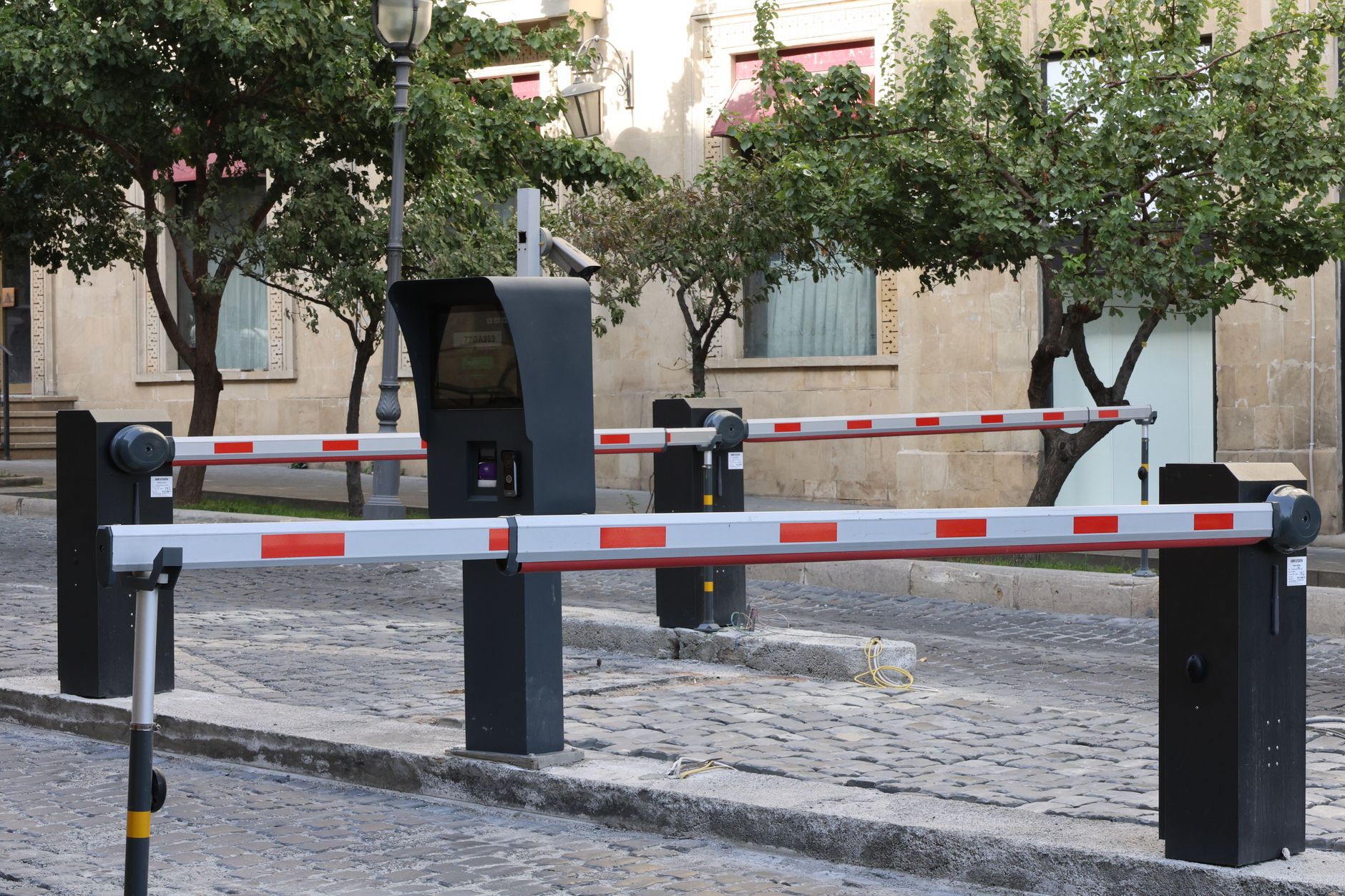
Barrier LPR (License Plate Recognition) is an automatic gate system integrated with license plate recognition cameras, allowing vehicles to enter and exit without stopping or presenting a card. In Vietnam, this technology is being deployed by international schools and large educational institutions to solve peak-hour congestion. The case study below details how Asia International School (Ho Chi Minh City) reduced waiting time by 50% thanks to barrier LPR.
Customer's Problem
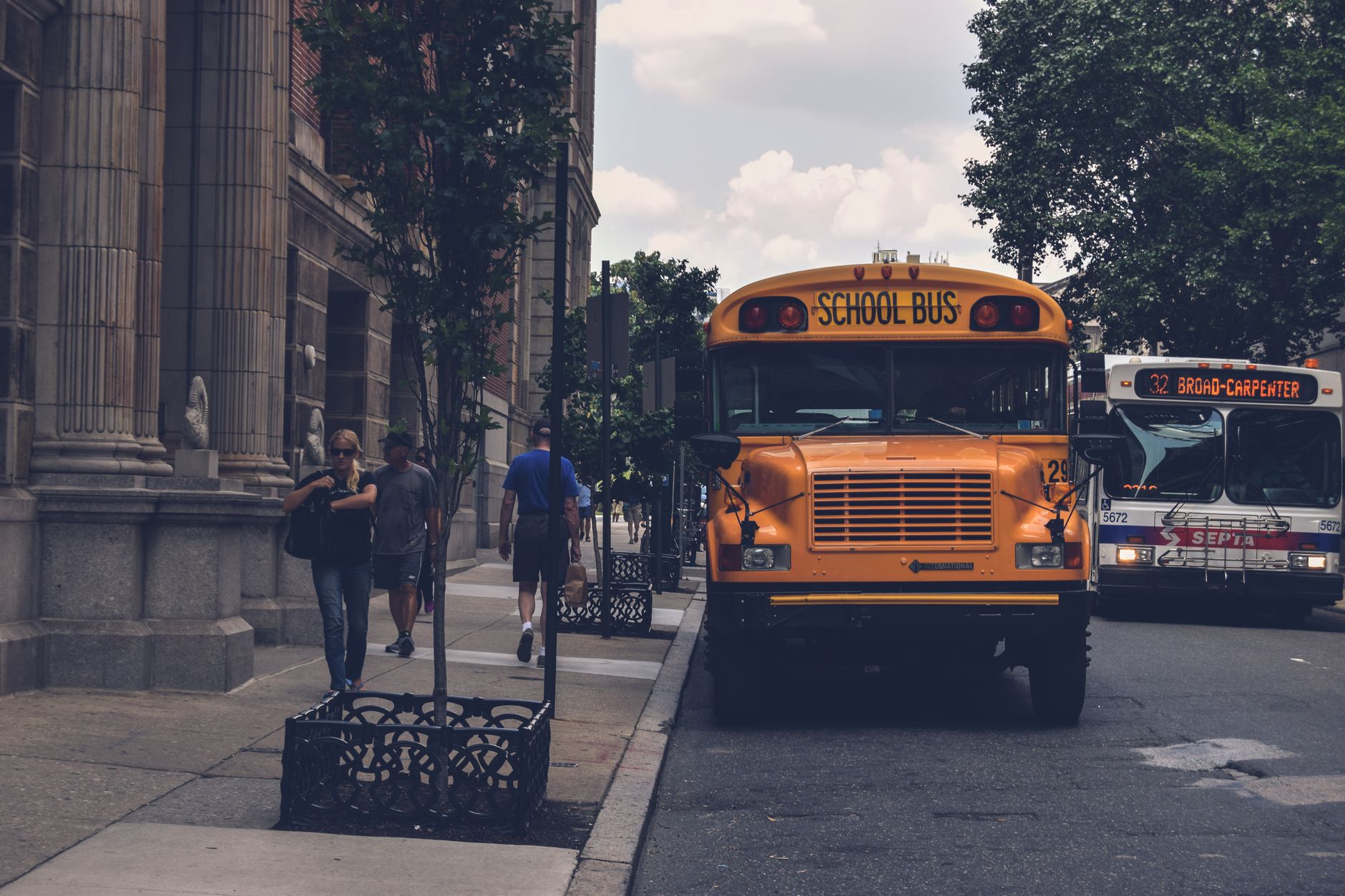
Asia International School has over 1,200 students, with approximately 200 shuttle vehicles and 400-500 parent vehicle trips per day. During peak morning (6:45-7:30) and afternoon (16:00-17:00) hours, the school gate frequently experiences congestion, causing security issues and affecting class schedules.
- Average waiting time: 25-40 minutes per trip during peak hours, sometimes extending to 50 minutes.
- Operating costs: Requires 3-4 security guards at the gate, 2 per shift, total personnel cost ~18-22 million VND/month.
- Security risks: Vehicles not strictly controlled, with cases of unknown vehicles entering the school campus.
- Parent complaints: 68% of parents gave negative feedback about traffic congestion, with some requesting to transfer schools.
Solution Deployed by Việt Đức Trí Group
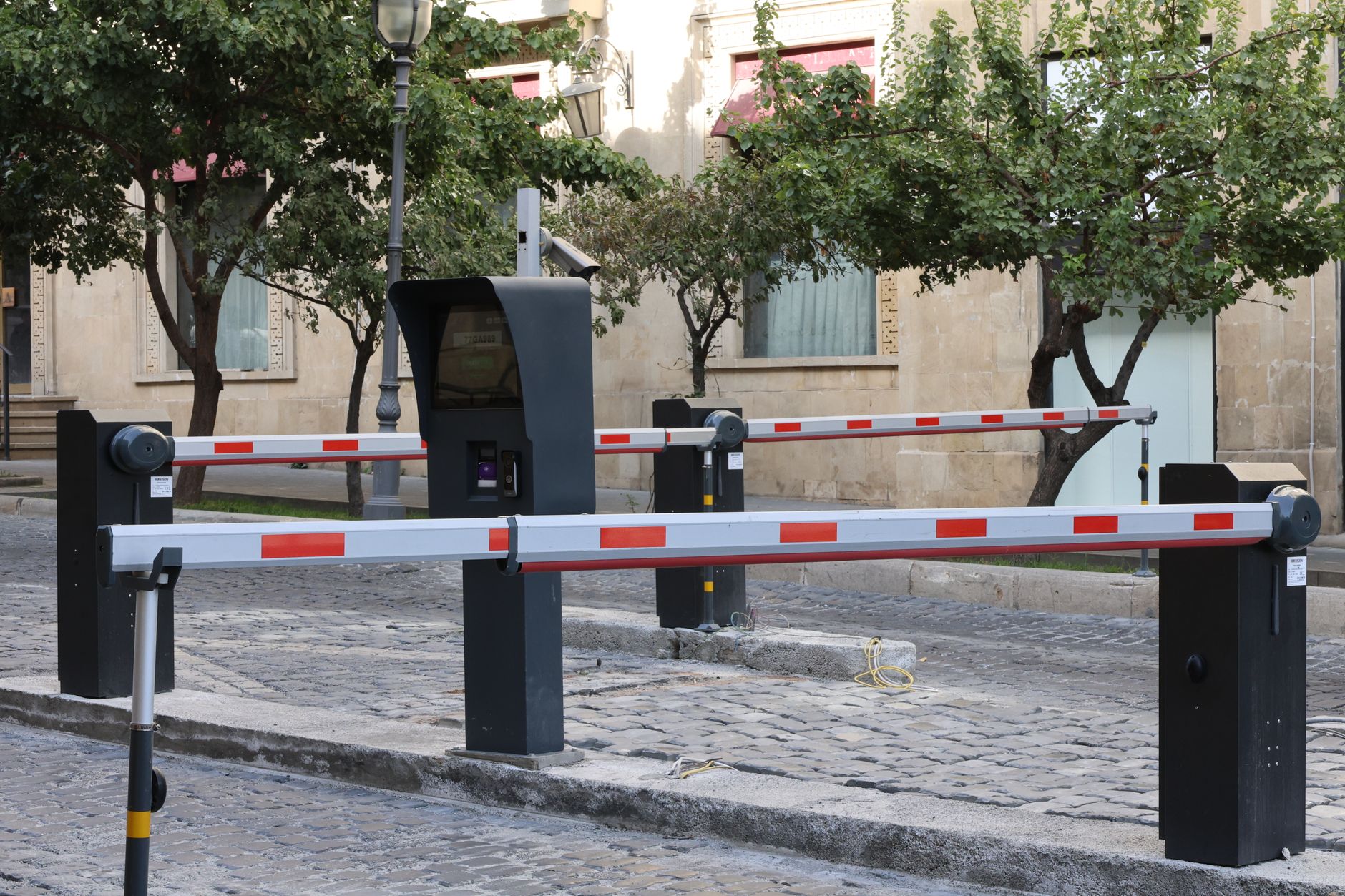
After 2 weeks of surveying, Việt Đức Trí Group proposed a barrier LPR solution integrated with license plate recognition cameras and vehicle entry/exit management software. The deployment process consisted of 4 main steps.
- Site survey: Measured actual vehicle traffic, identified 2 main peak hours and 2 lanes (entry + exit) requiring barrier installation.
- Barrier LPR installation: Used Kapaisi barrier LPR with IP66 license plate recognition cameras, integrated with magnetic sensors and LED warning lights.
- Management software integration: Software records license plates, entry/exit times, automatically finalizes the shuttle vehicle list, and sends notifications to parents via SMS/Zalo.
- Trial operation: Ran parallel with the old system for 2 weeks, adjusted recognition thresholds and error alerts.
The barrier LPR system allows pre-registered parent vehicles to enter automatically within 2-3 seconds, without stopping. Unknown vehicles are blocked and required to verify via intercom. Compared to traditional card-based barrier solutions, LPR minimizes the risk of lost cards and card handover time.
Achieved Results
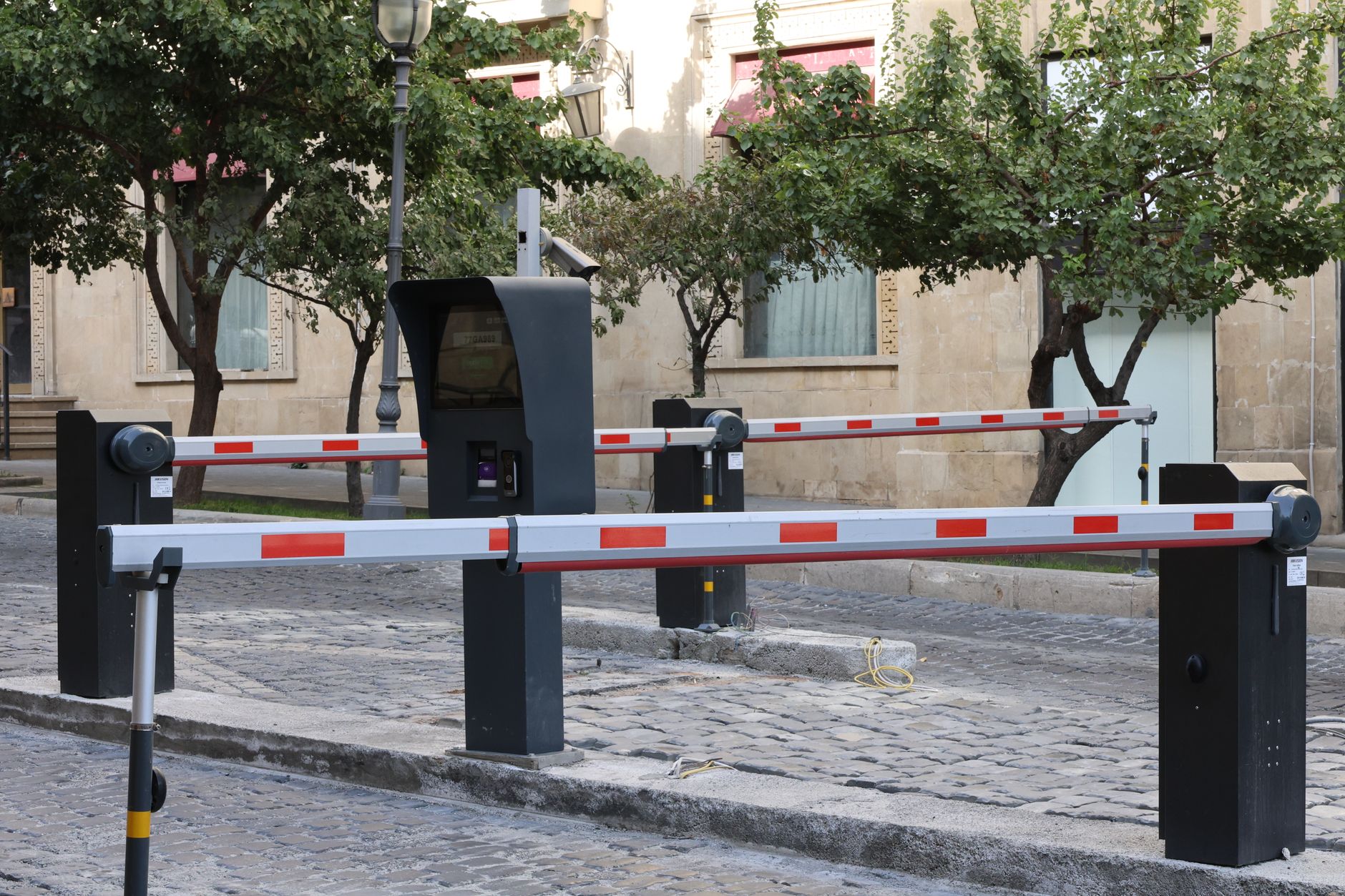
After 3 months of operation, the barrier LPR system delivered results exceeding expectations. Waiting time decreased by 50%, operating costs dropped significantly, and parents were more satisfied.
- Waiting time reduced by 50%: From 25-40 minutes down to 8-12 minutes during peak hours.
- Operating costs reduced by 45%: Decreased from 18-22 million VND/month to 10-12 million VND/month (reduced by 2 security guards).
- Successful recognition rate: 97.5% of license plates recognized accurately, only 2.5% requiring manual intervention.
- Parent satisfaction: 92% of parents rated the improvement in school gate traffic positively.
“Since the barrier LPR was installed, I no longer have to wake up 20 minutes early to queue up to enter the school. The car is automatically recognized and the gate opens in seconds. My child's safety is also better ensured because unknown vehicles cannot enter arbitrarily.”
Lessons Learned and Application for Other Businesses

From this case study, there are 3 main lessons for schools and businesses wanting to deploy barrier LPR: data preparation, personnel training, and management system integration.
- Prepare license plate data in advance: Collect the list of parent and shuttle vehicle license plates at least 1 month before deployment. In this case, the school took 3 weeks to complete the database of 800 license plates.
- Train security guards: Transition from manual recording guards to system monitoring guards. Requires 2-3 days of training for guards to become familiar with the management software.
- Integrate with student management software: The barrier LPR system should connect with attendance software to send notifications to parents when vehicles enter/leave the school.
For other schools, the barrier LPR solution is most suitable for schools with over 500 students and a shuttle vehicle volume of >100 vehicles/day. The initial investment cost can range from 40-80 million VND for one barrier lane, but the average payback period is 8-12 months thanks to personnel savings. Refer to the barrier LPR price list 2026 for detailed information.
Frequently Asked Questions
Below are common questions from schools interested in the barrier LPR solution.
Does barrier LPR work well in rainy or stormy conditions?
Modern LPR cameras have IP66 water resistance and infrared lights to help recognize license plates in low-light or light rain conditions. The recognition rate drops by about 3-5% during heavy rain but still remains above 92%.
What is the annual maintenance cost for a barrier LPR system?
The average maintenance cost is about 8-12 million VND/year for one barrier lane, including camera cleaning, sensor checks, and software updates. Compared to the cost of hiring 2 security guards (~120 million VND/year), this figure is over 10 times more economical.
Can the barrier LPR system integrate with existing security cameras?
Yes. The barrier LPR system from Việt Đức Trí Group is compatible with camera brands such as Hikvision, Dahua, Axis via the ONVIF protocol. However, it is recommended to use dedicated LPR cameras to ensure recognition accuracy.
How to handle guest vehicles or delivery vehicles with unregistered license plates?
The system allows creating temporary QR codes or manually entering license plates via the management app. Security guards can grant one-time access remotely via smartphone.
How long does it take to deploy barrier LPR for a school?
On average, 2-4 weeks for a school with 1-2 barrier lanes, including survey, installation, software integration, and trial run. More complex cases (multiple lanes, deep integration) may take 6-8 weeks.
Want to deploy barrier LPR for your school? Contact Việt Đức Trí Group immediately via hotline 0935 295 337 or email [email protected] for solution consultation and a detailed quote.