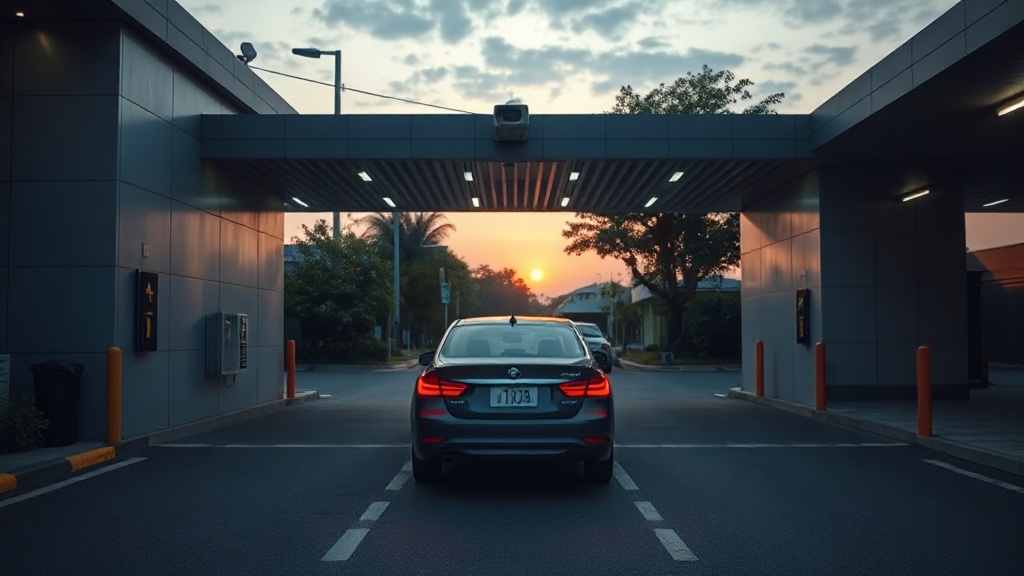
On November 15, 2024, the Ministry of Public Security issued Circular 81/2024/TT-BCA along with the National Technical Regulation on License Plates (QCVN 84:2024/BCA), effective from January 1, 2025. This regulation changes the structure, dimensions, font, and reflectivity requirements of license plates — directly impacting the accuracy of ANPR (Automatic Number Plate Recognition) camera systems currently operating in thousands of parking lots, buildings, and toll stations nationwide.
Overview of the New License Plate Regulation QCVN 84:2024/BCA

QCVN 84:2024/BCA stipulates that license plates are manufactured from aluminum alloy, with a reflective film, reflective ink (or paint), and embedded security markings of the Police insignia. The biggest change is the font switching from the traditional uppercase style to a narrower font, with the width of numeric and alphabetic characters reduced by 15-20%, along with a minimum 40% increase in reflectivity compared to the old standard.
Compared to the old license plate (according to QCVN 08:2015/BCA), the new plate has three main changes:
- Font: Switched from a uniform uppercase font (similar to Arial Narrow) to a custom-designed font with character spacing reduced by 2-3mm, to increase the number of characters in the same area.
- Car plate dimensions: Remain at 470×110mm for short plates and 520×110mm for long plates, but the left/right margins are reduced from 15mm to 10mm.
- Reflectivity standard: Requires a minimum reflectivity intensity meeting Level 3 according to ISO 7591, equivalent to highway traffic signs.
How Does the New License Plate Font Affect ANPR Cameras?
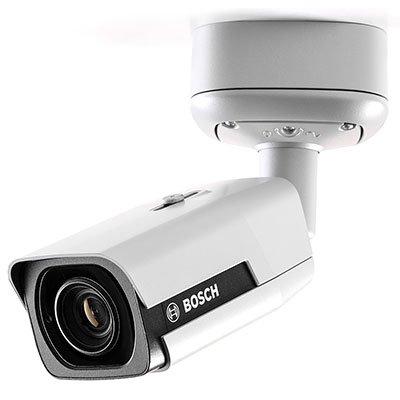
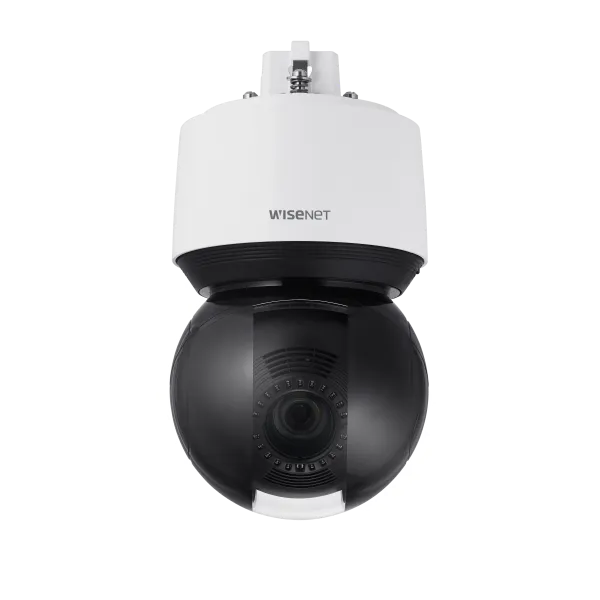

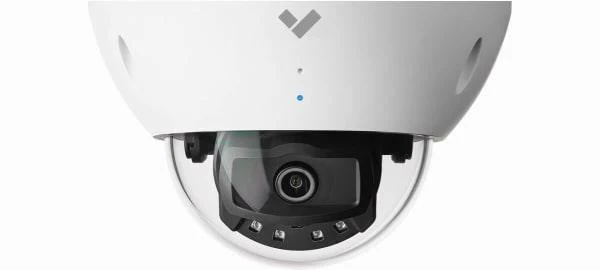
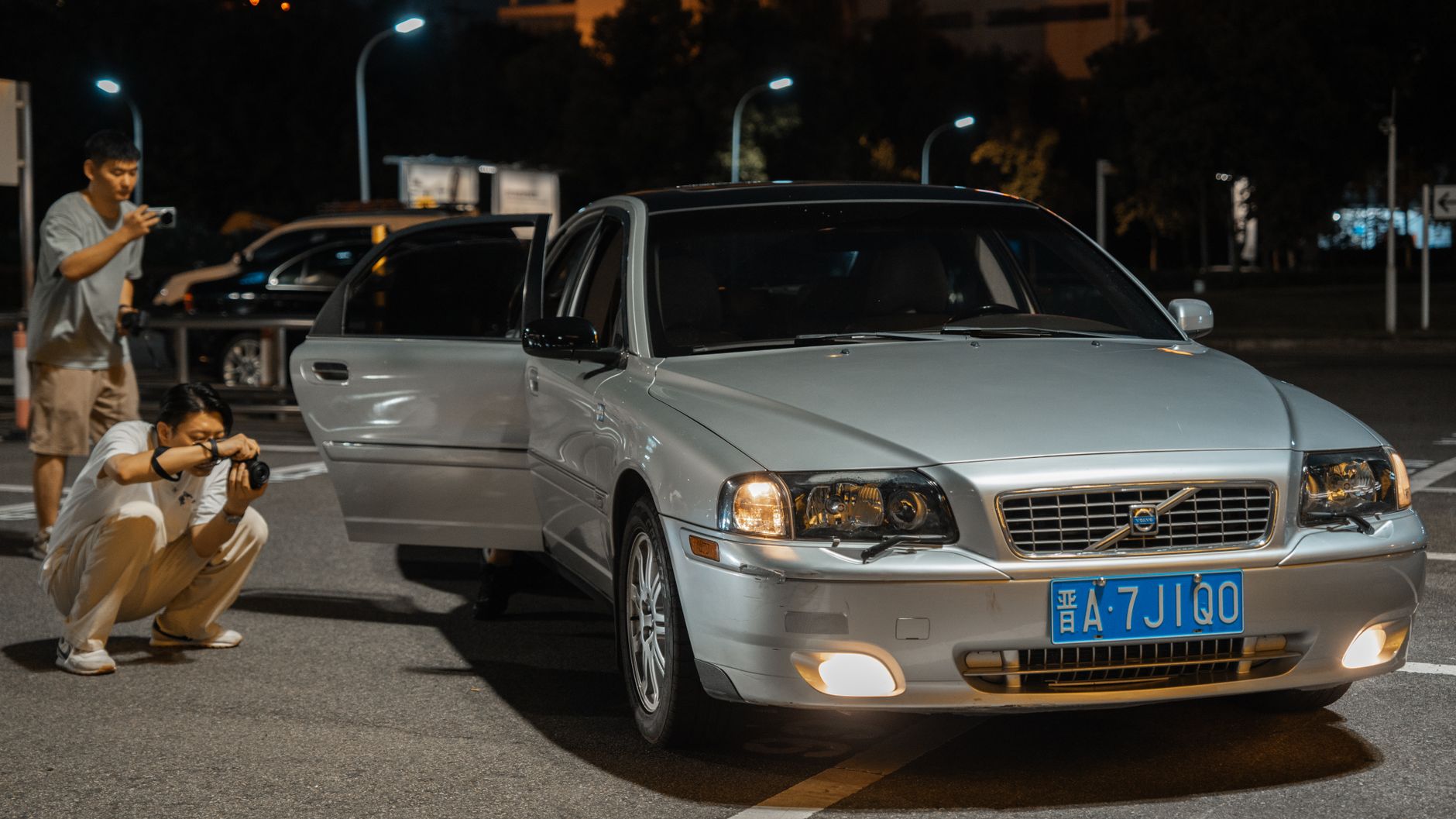
The narrower font with a 15-20% reduction in character spacing causes older ANPR cameras — which were trained on wider fonts — to easily confuse characters like '0' and 'O', '1' and 'I', '8' and 'B'. The misidentification rate can increase from 2-5% to 8-12% if the OCR algorithm is not recalibrated.
Specifically, ANPR cameras operate based on three steps: license plate area detection → geometric alignment → character recognition (OCR). With the new font:
- Step 1 — Detection: The new plate has a 1mm thinner border, but the stronger reflective film helps infrared (IR) cameras detect the area more easily in low-light conditions.
- Step 2 — Alignment: The reduced character spacing requires a more precise segmentation algorithm; if the camera has a resolution below 2MP, closely spaced characters can easily merge into a single block.
- Step 3 — OCR: Characters like '8' and 'B', '5' and 'S' have more similar shapes in the new font, requiring retraining of the AI model with at least 10,000-15,000 samples of the new plates.
Technical Requirements for ANPR Cameras for New License Plates
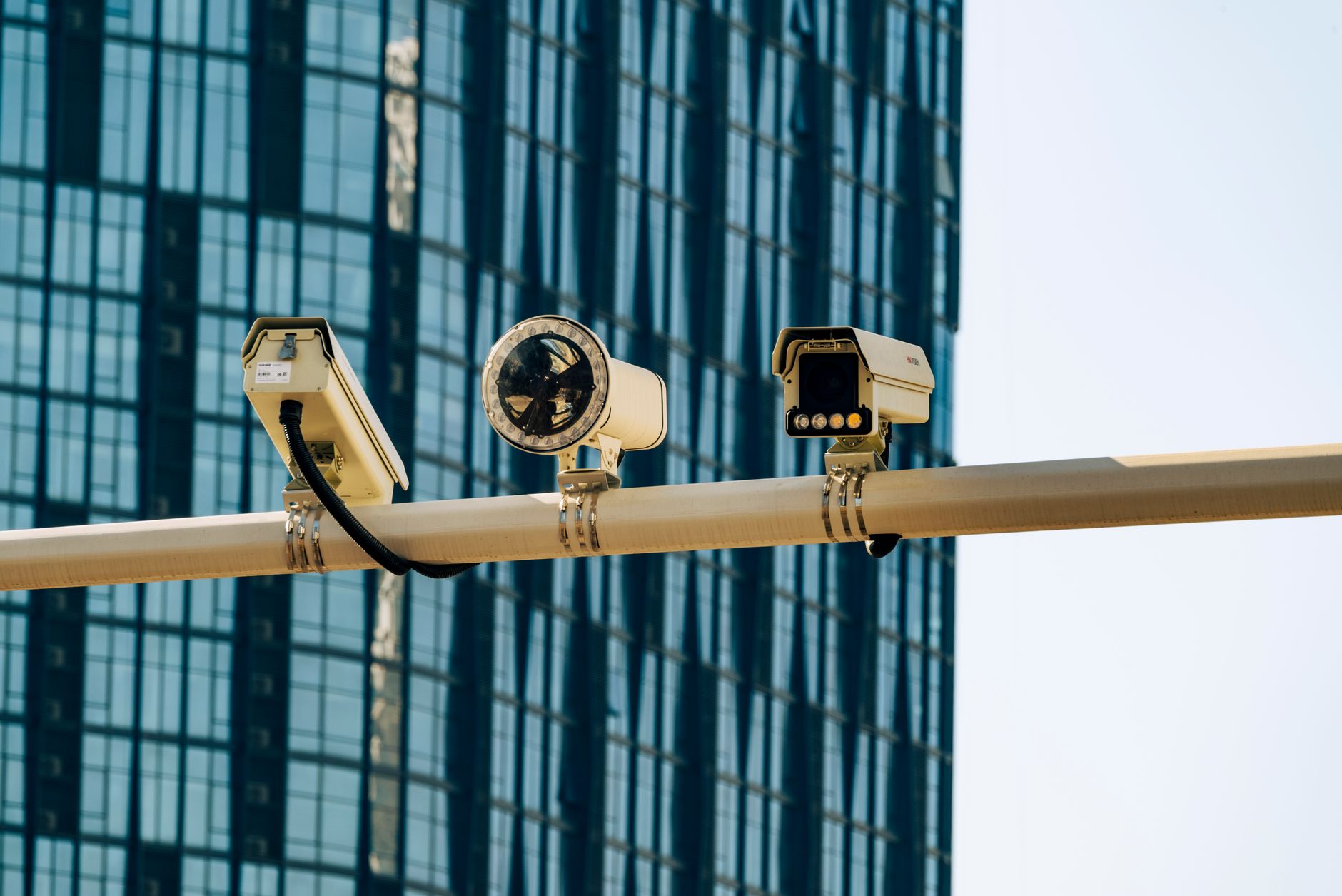
ANPR cameras compatible with the new plates must meet: a minimum 5MP sensor (8MP preferred) to read narrow character details; a 2.8-12mm varifocal lens for a 3-15 meter reading range; an 850nm IR LED with power ≥ 4W to penetrate Level 3 reflective film; and an AI chipset supporting deep learning to update the new font via firmware.
The table below compares suitable ANPR camera lines for Vietnamese parking lots after 2026:
| Specification | Dahua IPC-HFW5849T1-ASE-LED | Hikvision DS-2CD2T46G2-ISU/SL | ZKTeco ProFace X TD (integrated ANPR) |
|---|---|---|---|
| Resolution | 8MP (3840×2160) | 4MP (2688×1520 Ready to deploy in 7–14 days Start with a free 60-minute site surveyOur senior technical team will visit your site, assess the current setup, and propose a bundle matched to your business model and budget. |