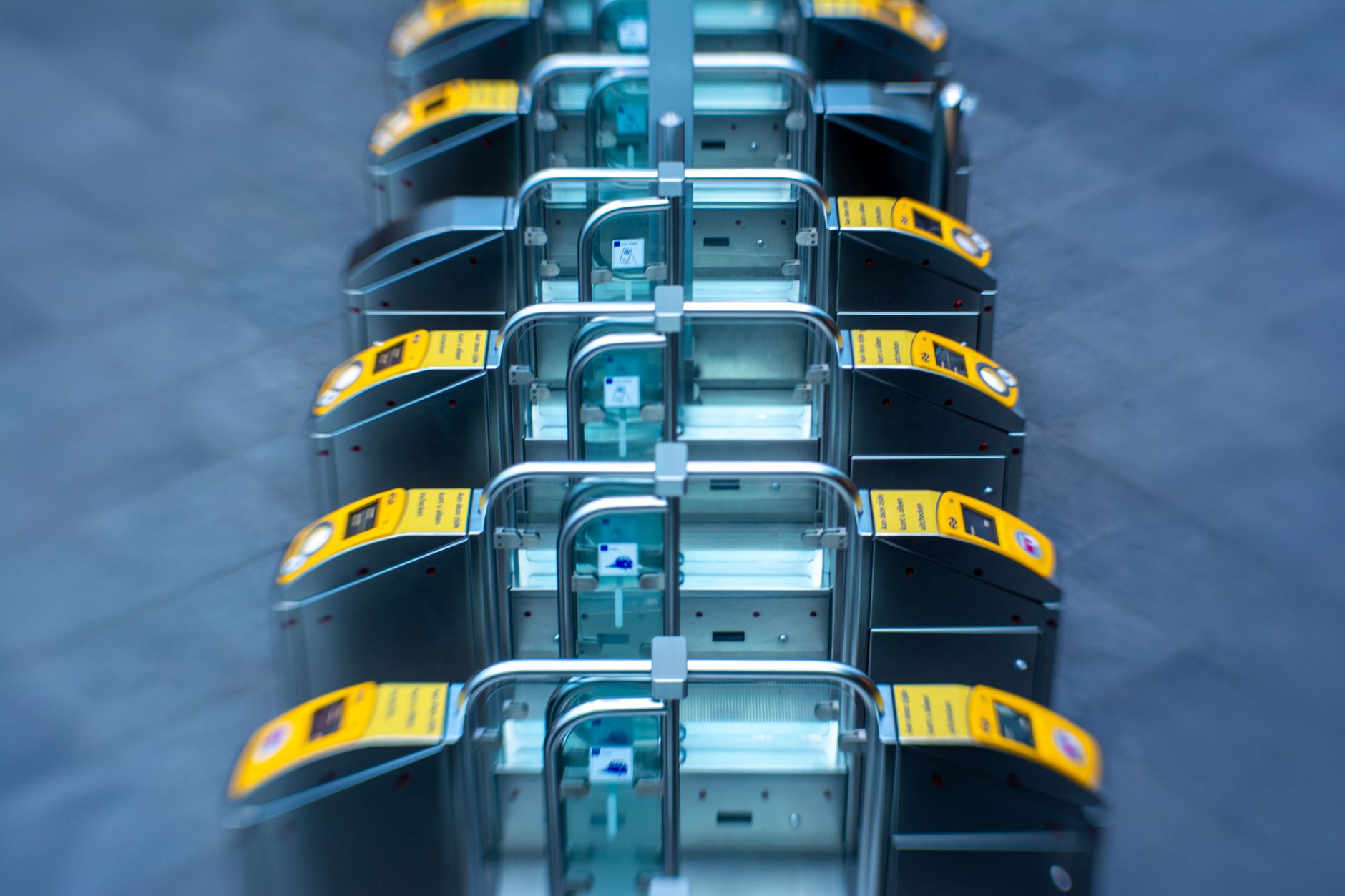
The apartment building face recognition turnstile is an access control system integrating AI cameras, infrared sensors, and 3D facial recognition algorithms, enabling resident identity verification in just 0.3-0.5 seconds. In smart urban areas in Vietnam, this technology is gradually replacing card and fingerprint systems due to its high security and touchless experience.
1. What is an apartment building face recognition turnstile?
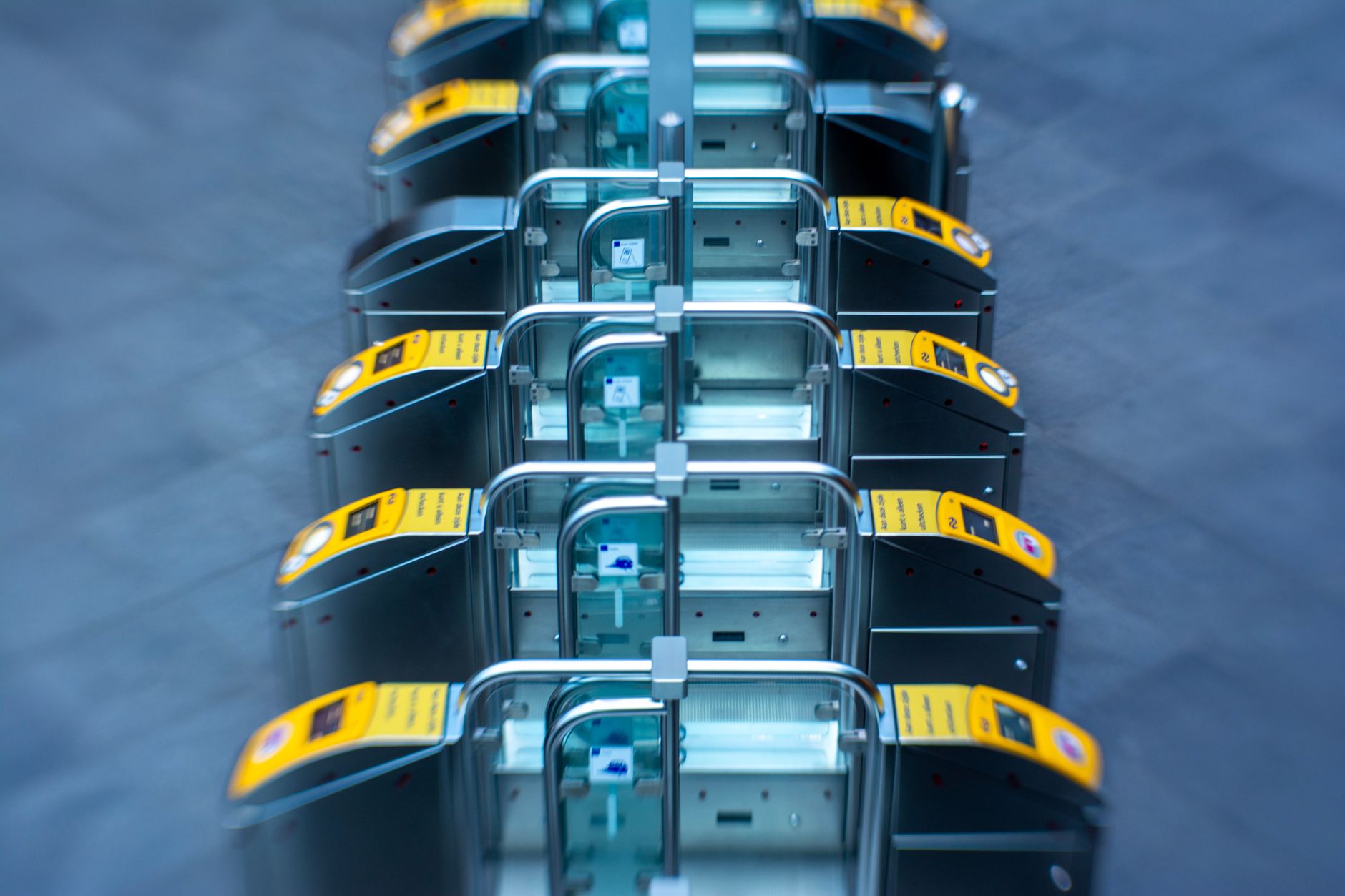
A face recognition turnstile (Face ID turnstile) is an access control device integrating an AI camera and infrared sensor, which automatically recognizes residents' faces and opens the gate without requiring cards or fingerprints. The system operates based on deep learning algorithms, storing 3D facial features for real-time matching.
Unlike traditional card-based turnstiles or standalone apartment Face ID time clocks, the apartment building face recognition turnstile is directly integrated into swing barrier or flap barrier gates. Each time a resident walks through, the AI camera scans their face, the system compares it with the registered database, and commands the gate to open. This process takes 0.3-0.5 seconds, 3-4 times faster than swiping a card.
2. Detailed operating principle

The operating principle of the apartment building face recognition turnstile consists of 4 steps: face detection via infrared sensor, 3D feature extraction using AI, matching against the database, and making the decision to open the gate. The infrared sensor works well in low-light conditions, ensuring accurate 24/7 recognition.
- Step 1 – Face Detection: The infrared (IR) sensor activates when a person approaches the gate within a range of 0.5-1.5 meters. The AI camera begins scanning the face at 30-60 frames per second.
- Step 2 – 3D Feature Extraction: The deep learning algorithm (typically using a CNN network) analyzes over 100 facial feature points: distance between eyes, nose length, jawline contour, etc. This data is converted into a 128-256 dimensional numerical vector.
- Step 3 – Data Matching: The face vector is compared against the pre-registered database (up to 10,000-50,000 faces depending on the device). The similarity threshold is usually set at 85-95% to ensure security.
- Step 4 – Decision Making: If the similarity meets the threshold, the system sends a signal to open the swing barrier or flap barrier. If not, the gate remains locked and the stranger's image is recorded in the event log.
3. Sensor and AI technologies used
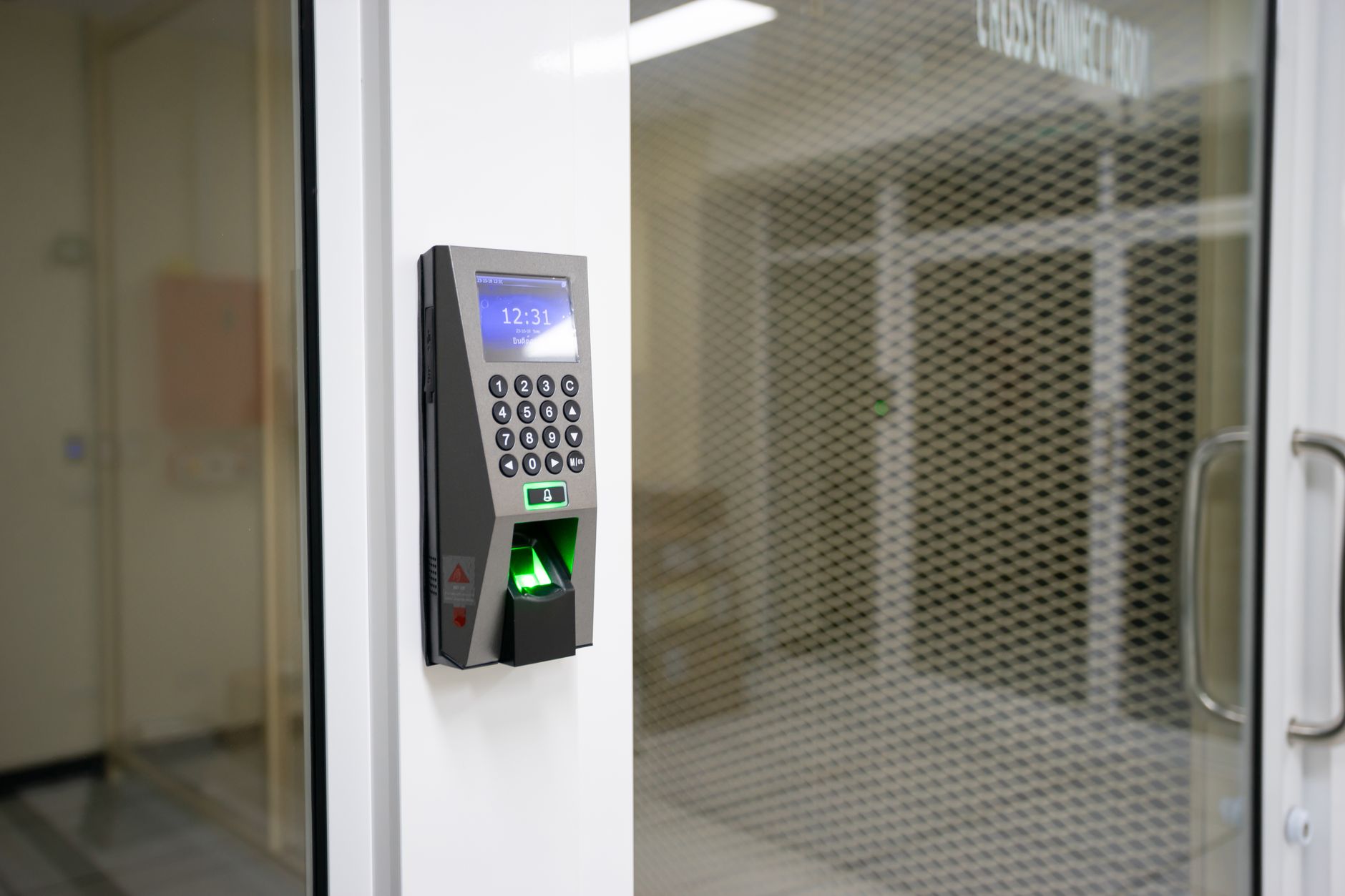
The apartment building face recognition turnstile uses a combination of infrared (IR) sensors and RGB cameras to operate stably in all lighting conditions. The 3D face recognition AI prevents spoofing using photos or videos, ensuring only real residents are authenticated.
- Infrared (IR) Sensor: Detects movement and measures distance, activating the AI camera when someone approaches. Works well in complete darkness thanks to 850nm-940nm wavelength IR LED lights.
- RGB Camera: Captures color facial images for detailed analysis. Resolution typically ranges from 2MP to 8MP, combined with a 120°-180° wide-angle lens to cover the entire gate area.
- Liveness Detection Algorithm: Analyzes face depth, micro-movements (like blinking, lip movement), and skin light reflection to distinguish a real face from printed photos, recorded videos, or 3D masks.
4. Comparison with other access control technologies
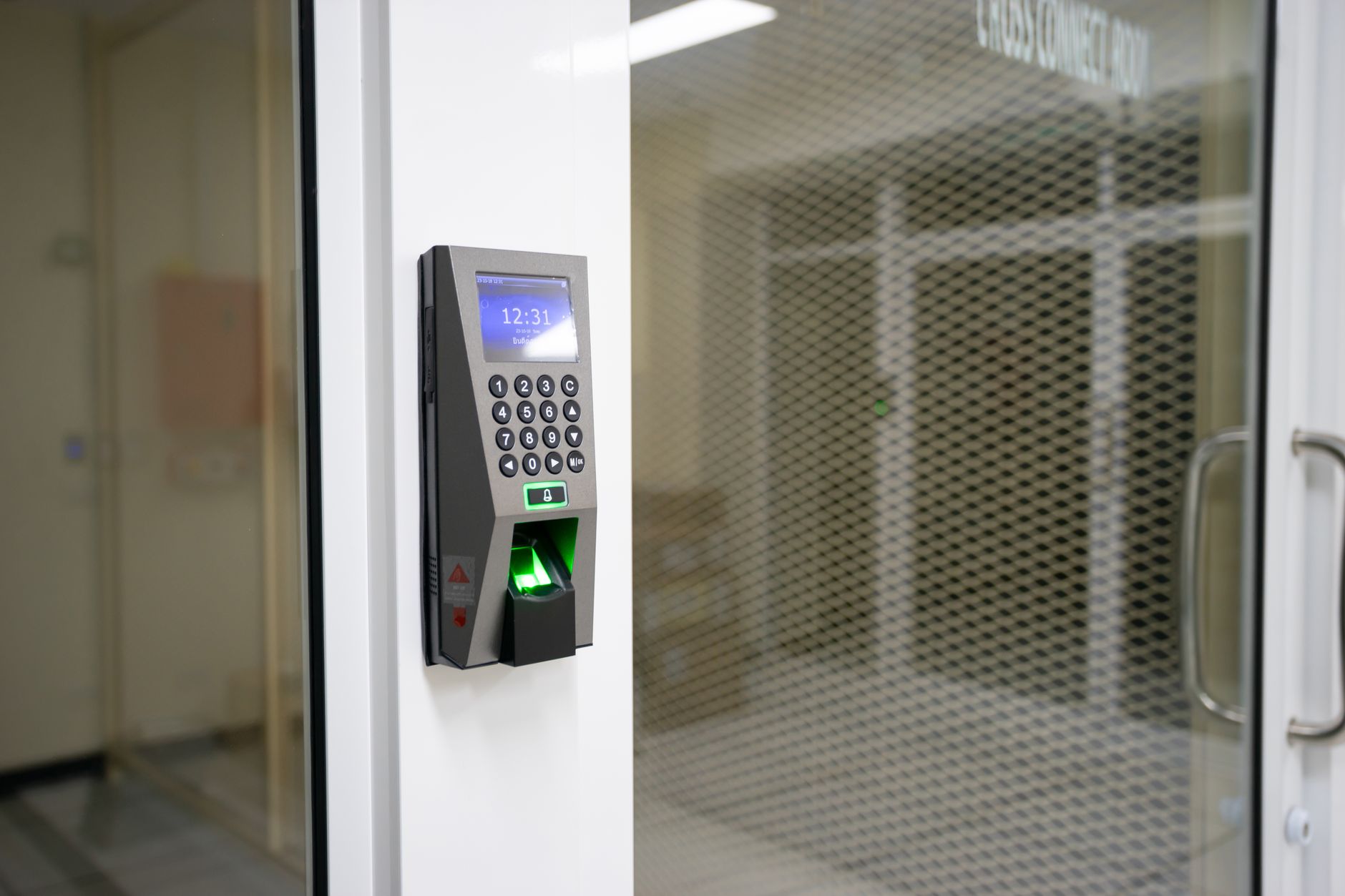
Compared to cards, fingerprints, and PIN codes, the apartment building face recognition turnstile is 3-5 times faster, offers higher security due to spoof prevention, and requires no physical item to carry. However, the initial investment cost is 30-50% higher than card-based solutions.
| Criteria | Face Recognition | Card | Fingerprint | PIN Code |
|---|---|---|---|---|
| Authentication Speed | 0.3-0.5 seconds | 1-2 seconds | 0.5-1 second | 2-4 seconds |
| Touchless | Yes | Yes | No | Yes |
| Spoof Resistance | High (3D + liveness) | Low (easily copied) | Medium (optical sensor) | Low (easily observed) |
| Investment Cost | High | Low | Medium | Low |
| Maintenance | Medium (camera cleaning needed) | Low | High (sensor wear) | Very Low |
5. Technical terminology summary table

The table below explains important terms related to the apartment building face recognition turnstile, helping you understand better before discussing with suppliers.
| Term | Definition | Real-world Example |
|---|---|---|
| Face ID / Face Recognition | AI-based facial recognition, matching 3D features | A resident walks through the gate, the system recognizes them and opens in 0.4 seconds |
| Infrared Sensor (IR) | Sensor detecting heat and movement, works in the dark | Activates the camera when someone approaches the gate at 2 AM |
| Liveness Detection | Spoof prevention algorithm, distinguishing real faces from photos/videos | Denies gate opening when an intruder uses a printed photo taken from a distance |
| Deep Learning CNN | Convolutional neural network, trained on millions of faces | Accurate recognition even if the resident wears glasses or changes hairstyle |
| Swing Barrier / Flap Barrier | Gates that open horizontally or with flaps, integrated anti-pinch sensors | Gate opens automatically after authentication, closes after 3-5 seconds |
6. Common mistakes during deployment
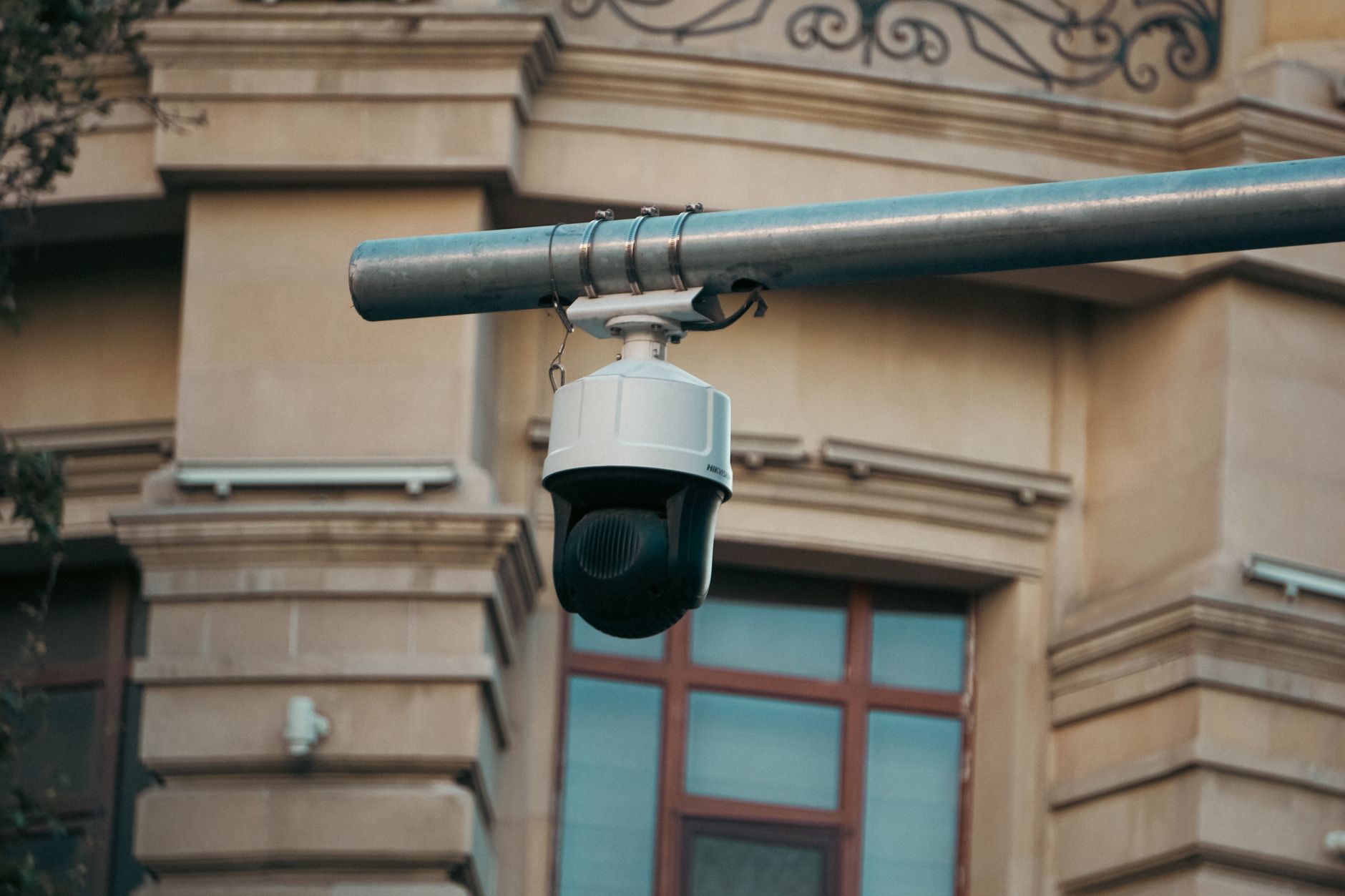
When installing an apartment building face recognition turnstile, many management boards make mistakes such as choosing a narrow-angle camera, not updating the AI software regularly, or overlooking weatherproofing for outdoor equipment.
- Choosing a narrow-angle camera: A 60°-90° camera cannot cover a wide gate area, leading to missed faces when multiple people are present. Choose a 120°-180° lens for the main entrance.
- Not updating AI software: Outdated recognition algorithms are easily fooled by printed photos or videos. Firmware needs updating every 3-6 months to patch security vulnerabilities.
- Installing outdoors without waterproofing: Devices not meeting IP65/IP66 standards will quickly fail under sun and rain. Choose products with 304 stainless steel or tempered aluminum-glass housing.
- No power backup: The