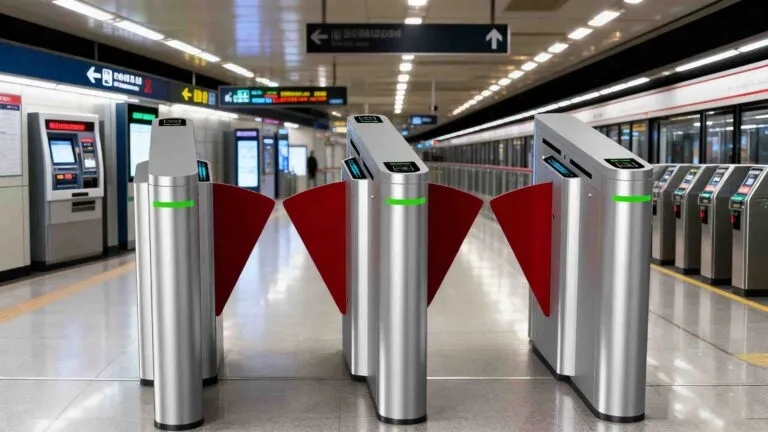
Subway turnstiles are specialized access control devices integrated with Automatic Fare Collection (AFC) systems to manage passengers at metro stations. With a daily throughput of 50,000-80,000 passengers at central stations, turnstiles must ensure high throughput, prevent fare evasion, withstand humid and dusty environments, and operate 18-20 hours per day. This article compares 5 popular types of turnstiles — tripod, full-height, swing gate, sliding gate, and flat barrier — based on real-world technical criteria from metro projects in Vietnam and internationally.
What makes flat barrier turnstiles different for subways?
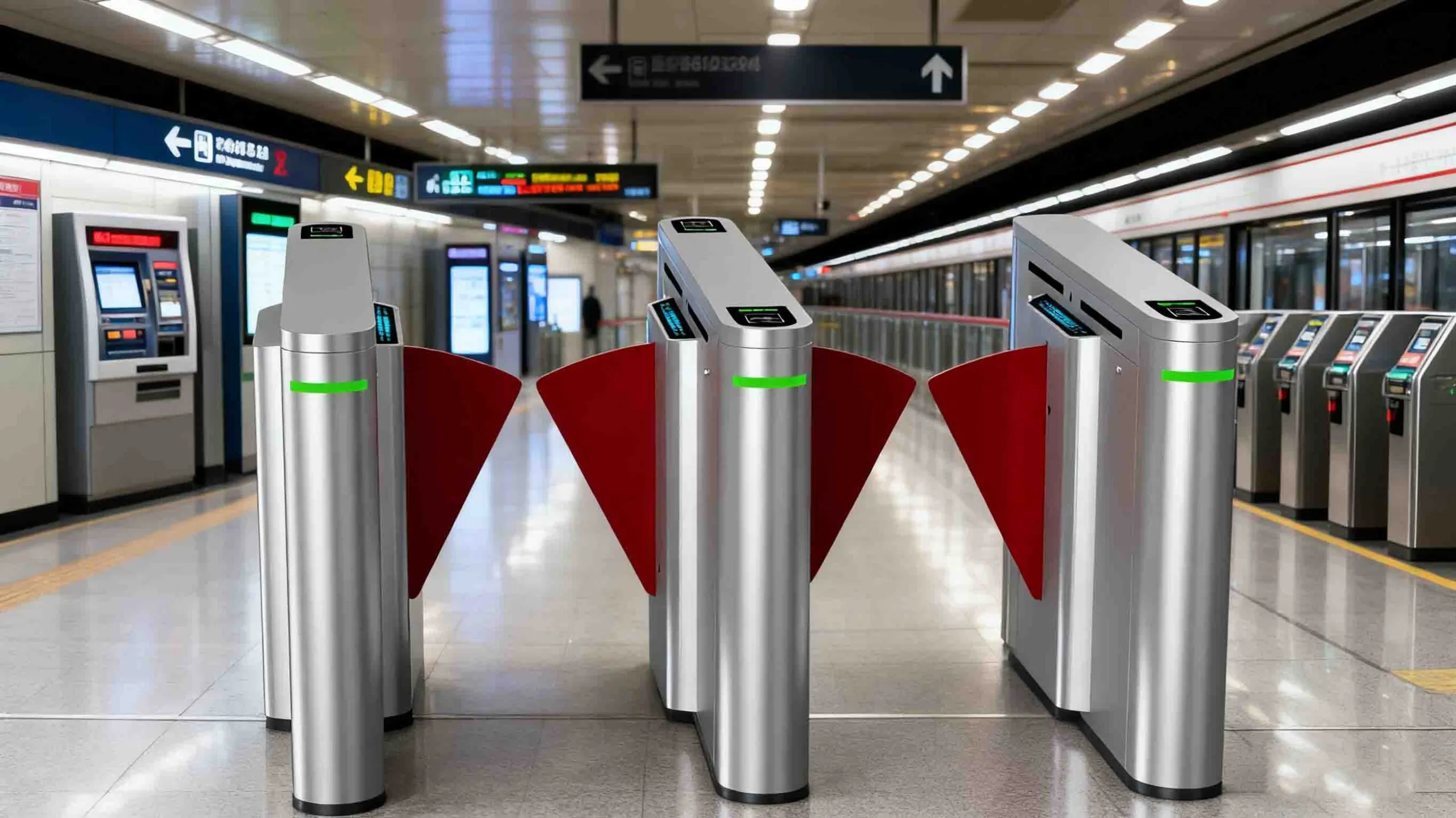
Flat barrier turnstiles use a flat panel (typically tempered glass or acrylic) that opens/closes vertically or slides horizontally, allowing passengers to pass through quickly without contact. Throughput speed reaches 40-60 people per minute, 30-50% higher than tripod turnstiles. This is the top choice for modern metro lines due to their ability to integrate RFID, QR code, and biometrics.
Flat barrier turnstiles have a distinct operating mechanism: the flat panel lifts/lowers or slides horizontally when a valid ticket is presented, allowing passengers to pass through continuously without stopping. At subway stations, where passenger flow surges during peak hours (6:30-8:30 AM and 17:00-19:00 PM), flat barrier turnstiles reduce average waiting time from 3-5 seconds to 1-2 seconds per passenger. Products like Kapaisi KPS-TD-3801 Speed Gate Optical Turnstile and KPS-TD-3802 Speed Gate Turnstile both support TCP/IP communication with AFC systems, enabling real-time ticket data synchronization.
Comparison of 5 types of subway turnstiles: Technical specifications and costs
Each type of turnstile has its own advantages and disadvantages regarding throughput, security, investment costs, and maintenance. The comparison table below summarizes key parameters based on metro operating standards and data from real-world projects in Vietnam and Asia.
| Turnstile Type | Throughput (people/min) | Fare Evasion Prevention | Investment Cost (million VND/lane) | Maintenance (million VND/year) | Suitable Station |
|---|---|---|---|---|---|
| Tripod turnstile | 20-30 | Medium | 15-25 | 3-5 | Small stations, low traffic |
| Full-height turnstile | 15-25 | High | 40-70 | 5-8 | Staff entrances/restricted areas |
| Swing gate (optical turnstile) | 30-40 | Medium | 35-60 | 4-7 | Priority lanes (wheelchairs, luggage) |
| Sliding gate turnstile | 40-55 | Good | 50-90 | 6-10 | Central stations, high traffic |
| Flat barrier turnstile | 40-60 | Good | 45-80 | 5-9 | Main stations, modern metro lines |
The above costs do not include the central control system and AFC integration. For a metro station with 10-20 lanes, the total investment for flat barrier turnstiles ranges from 500 million to 1.6 billion VND. The payback period is typically 3-5 years due to reduced ticket inspection labor and prevention of revenue loss. According to reports from metro projects in Kuala Lumpur and Bangkok, flat barrier turnstiles reduce operating costs by 15-25% compared to tripod turnstiles due to fewer mechanical failures.
Why are tripod turnstiles unsuitable for large subway stations?
Tripod turnstiles have 3 rotating arms, allowing only one person to pass at a time, with a maximum speed of 25-30 people per minute. For a metro station with a daily throughput of 50,000-80,000 passengers, tripod turnstiles cause severe congestion during peak hours. Waiting times can extend to 5-10 minutes, affecting passenger experience and station safety.
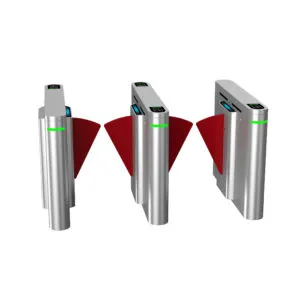
Besides low throughput, tripod turnstiles are also prone to fare evasion by crawling under or jumping over the arms. At metro stations in Hanoi and Ho Chi Minh City, the fare evasion rate can reach 5-8% if only tripod turnstiles are used. In contrast, flat barrier turnstiles with panels 90-120 cm high and infrared sensors reduce evasion to below 1%. Tripod turnstiles remain suitable for small stations (under 5,000 passengers/day) or staff entrances, but should not be used as main gates for subways.
How to integrate turnstiles with Automatic Fare Collection (AFC) systems?
The AFC (Automatic Fare Collection) system connects turnstiles with ticket vending machines, magnetic cards, QR codes, and the data center. Flat barrier and swing gate turnstiles support TCP/IP, RS485, and Wiegand protocols, enabling real-time ticket data synchronization. Successful integration reduces ticket inspection labor costs by 30-40%.
The standard integration process includes 4 steps: (1) Connect the turnstile to the lane controller via RS485 or TCP/IP interface; (2) Configure AFC software to recognize ticket types (magnetic cards, QR codes, NFC); (3) Set up control logic: open the gate when a valid ticket is presented, alert when a ticket is expired or fraudulent; (4) Synchronize data with the central system via API. Kapaisi flat barrier turnstile models (KPS-TD-3801, KPS-TD-3802) come pre-integrated with popular AFC systems in Asia, reducing deployment time to 2-4 weeks for an average station.
What technical standards must subway turnstiles meet?
Metro turnstiles must meet IP54 standards or higher (dust and splash water resistant), operate in temperatures from -10°C to 50°C, and have a minimum mechanical lifespan of 5 million cycles. For underground stations, corrosion resistance and high humidity tolerance (85% RH) are mandatory. Products meeting CE, FCC, and ISO 9001 standards are typically preferred.
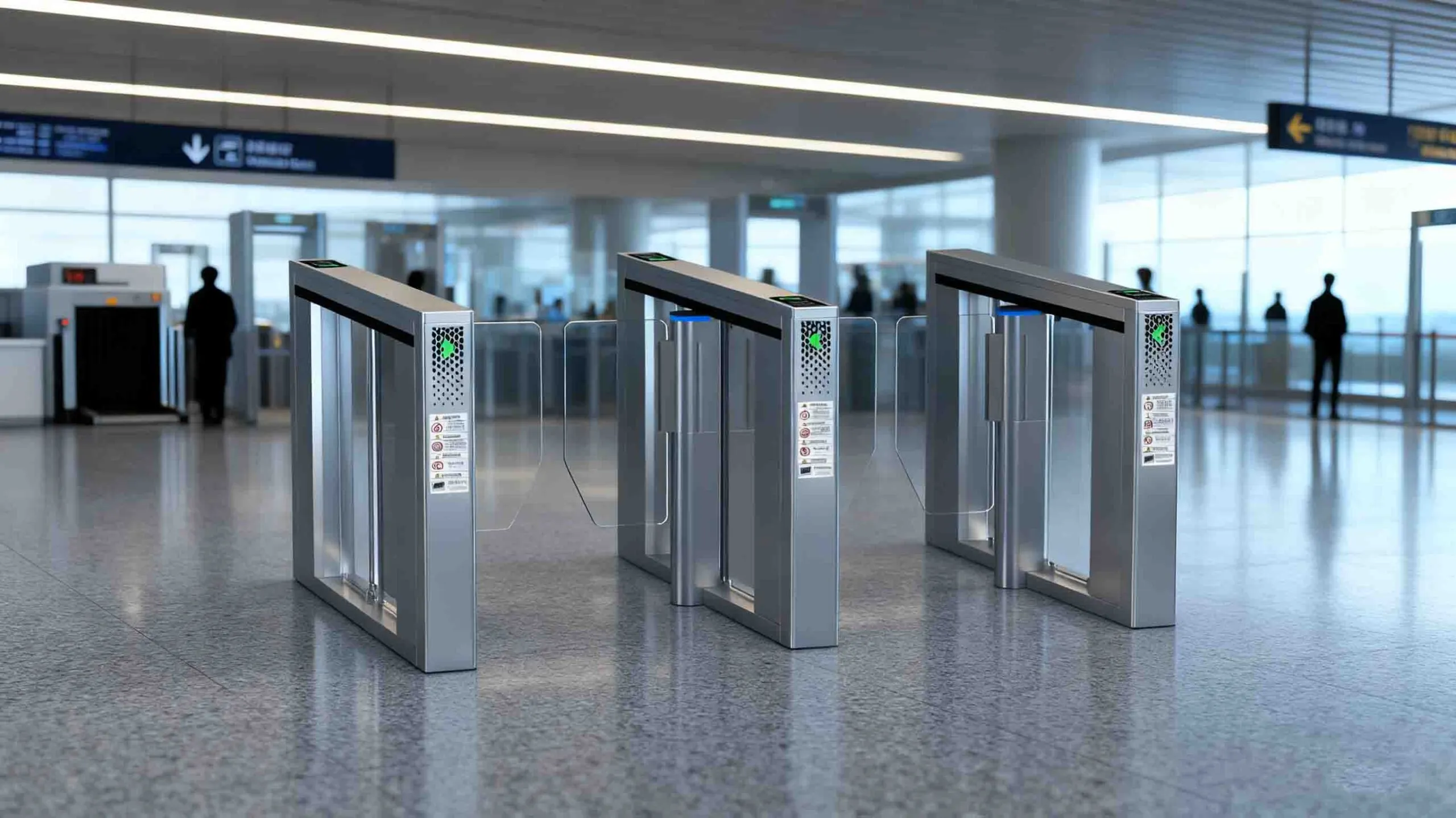
Additionally, subway turnstiles must meet specific requirements: (1) Ability to operate continuously for 18-20 hours/day, 365 days/year; (2) Integration of safety sensors (infrared, laser) to prevent passenger entrapment; (3) Emergency mode: open all gates during incidents (fire, power outage) for rapid evacuation; (4) Electromagnetic compatibility (EMC) in underground station environments with numerous electrical devices. Flat barrier turnstile models like Kapaisi KPS-TD-3801 Speed Gate Optical Turnstile and KPS-TD-3804 Swing Speed Gate Turnstile all meet these standards, with emergency opening times under 1 second.
Frequently asked questions about subway turnstiles
Are flat barrier turnstiles waterproof for underground stations?
Flat barrier turnstiles typically meet IP54-IP65 standards, resistant to dust and water splashes from all directions. For high-humidity underground stations, choose models with anti-corrosion coating (304 or 316 stainless steel) and electronic circuits protected by conformal coating. Kapaisi KPS-TD-3801 and KPS-TD-3802 models both use 304 stainless steel and components rated for 85% RH humidity resistance.
What is the maintenance cost for subway turnstiles?
The average maintenance cost for flat barrier turnstiles is about 5-9 million VND/lane/year, including sensor replacement (every 12-18 months), mechanism lubrication (quarterly), and software checks (monthly). For a station with 20 lanes, the total annual maintenance cost is approximately 100-180 million VND. Compared to tripod turnstiles (3-5 million/lane/year), flat barrier turnstiles cost 40-60% more but significantly reduce downtime due to their modular, easily replaceable design.
Are swing gate turnstiles suitable for people with disabilities?
Yes, swing gate turnstiles with lane widths of 90-120 cm allow wheelchairs, strollers, and large luggage to pass through easily. Models like Kapaisi KPS-TD-3301 Smart Swing Barrier Stainless Steel and KPS-TD-3804 Swing Speed Gate Turnstile both have wide lane modes and safety sensors to prevent collisions. At metro stations, swing gates are typically arranged as 1-2 priority lanes alongside main flat barrier lanes.
How to choose turnstiles for upgrading an old subway station?
When upgrading an old station, measure the current passage dimensions (typically 55-65 cm for tripod, 70-90 cm for flat barrier), check the electrical infrastructure (available 24V DC or 220V AC power) and connection protocols with the existing AFC system (RS485, TCP/IP, or Wiegand). Choose turnstiles with backward compatibility to minimize infrastructure modification costs. Kapaisi flat barrier turnstile models support multiple protocols, enabling easy integration with existing AFC systems without full replacement.
Should full-height turnstiles be used for subways?
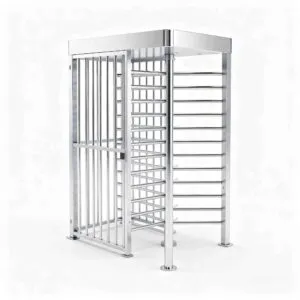
Full-height turnstiles (cage-type) offer the highest security, with absolute fare evasion prevention, but have low throughput (15-25 people/minute) and occupy significant space. They are suitable for staff entrances, maintenance areas, or cash rooms, but should not be used for main passenger gates. At metro stations, full-height turnstiles account for only 2-5% of total lanes, mainly at service entrances.
Need advice on choosing turnstiles for your subway project? Contact An Ninh Số via hotline 0796 700 777 or email [email protected] for a free survey and detailed quotation for flat barrier turnstile and swing gate turnstile solutions suitable for your metro station.