
EAS (Electronic Article Surveillance) tags are divided into two main types: hard tags (reusable rigid plastic heads) and soft tags (single-use adhesive labels). This article compares hard tags vs soft tags across 8 criteria — cost, durability, suitable SKU types, and operation speed — to help retail, pharmaceutical, and fashion chain owners choose the right type for each item, optimizing loss prevention effectiveness and operational costs.
What is an EAS Hard Tag? Features and Main Applications
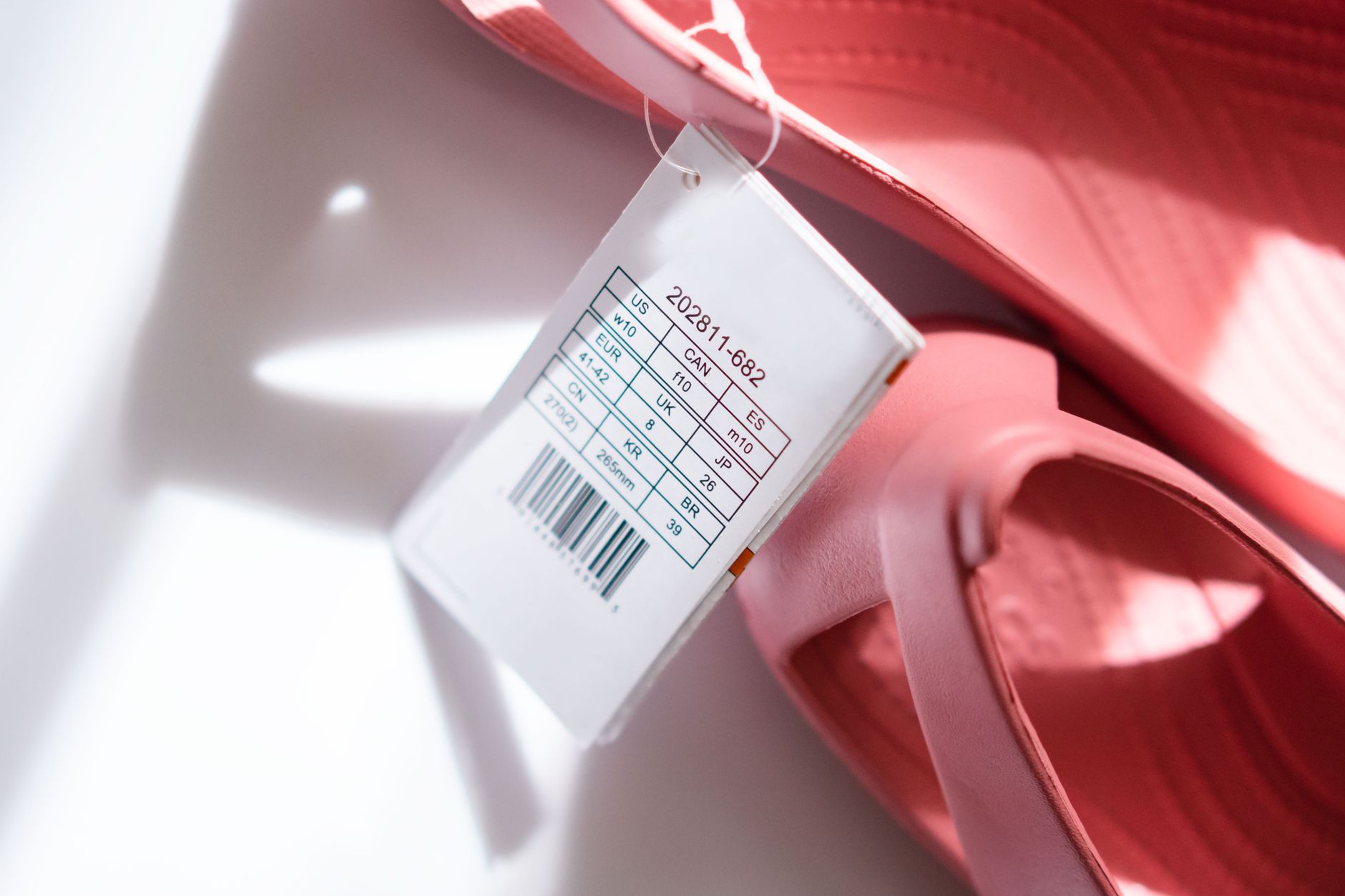
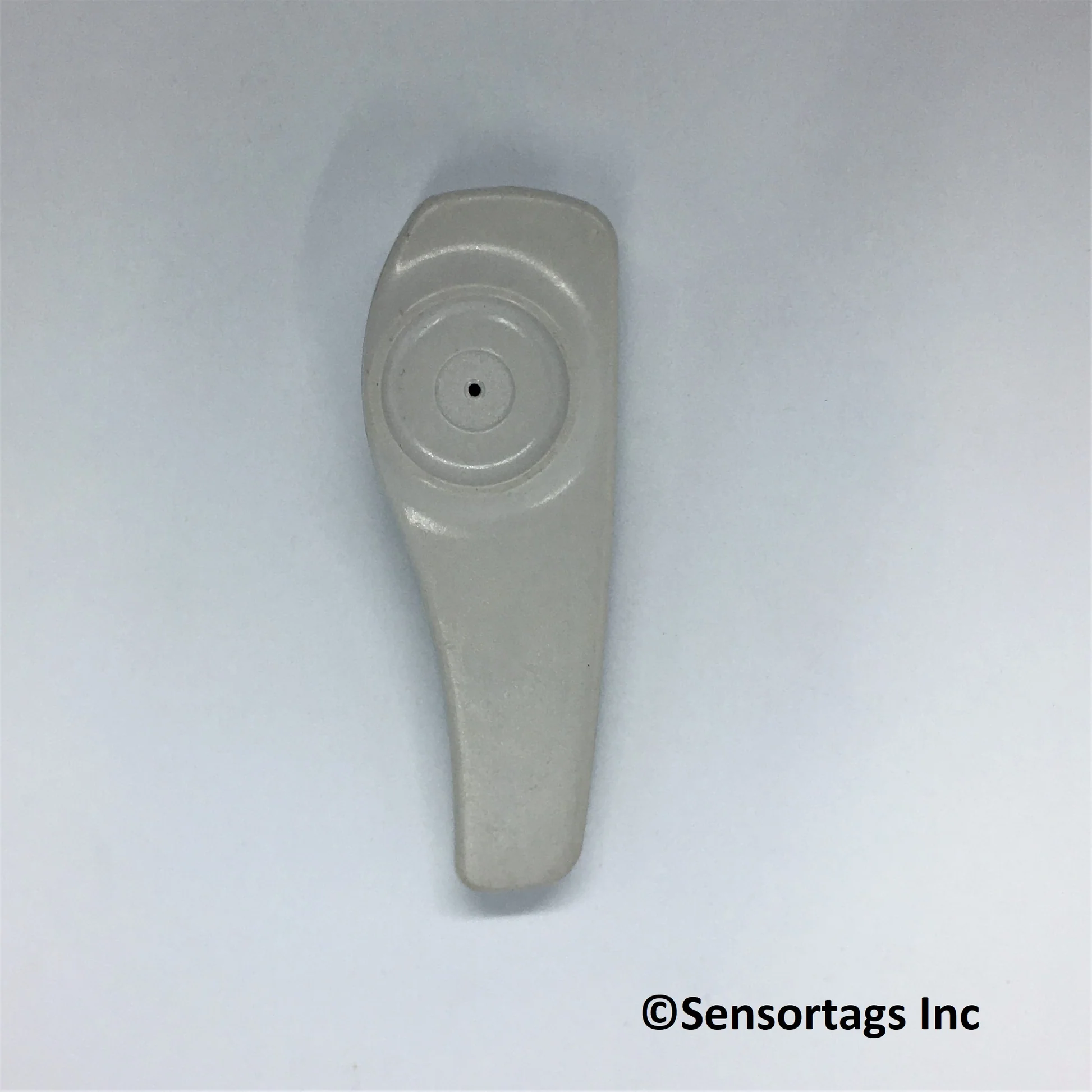
An EAS hard tag is a type of security tag with a rigid plastic shell containing internal electronic components, typically attached through the product using a pin or special lock. Hard tags can be removed using a detacher at the checkout counter and are reusable many times — with an average lifespan of 3-5 years. This type works well with both RF (8.2 MHz) and AM (58 kHz) systems.
Hard tags are commonly used for high-value products that are easily removed or require physical protection. A standout feature of hard tags is their tamper resistance — it is difficult for thieves to remove the tag without specialized tools. Common variants include pin-through tags, adhesive hard tags, and ink tags with tilt sensors.
Suitable segment: fashion stores, footwear, handbags, expensive electronics, imported liquor — items with a unit value over 500,000 VND that can be tagged directly on the product or rigid packaging.
What is an EAS Soft Tag? When to Use Soft Adhesive Labels
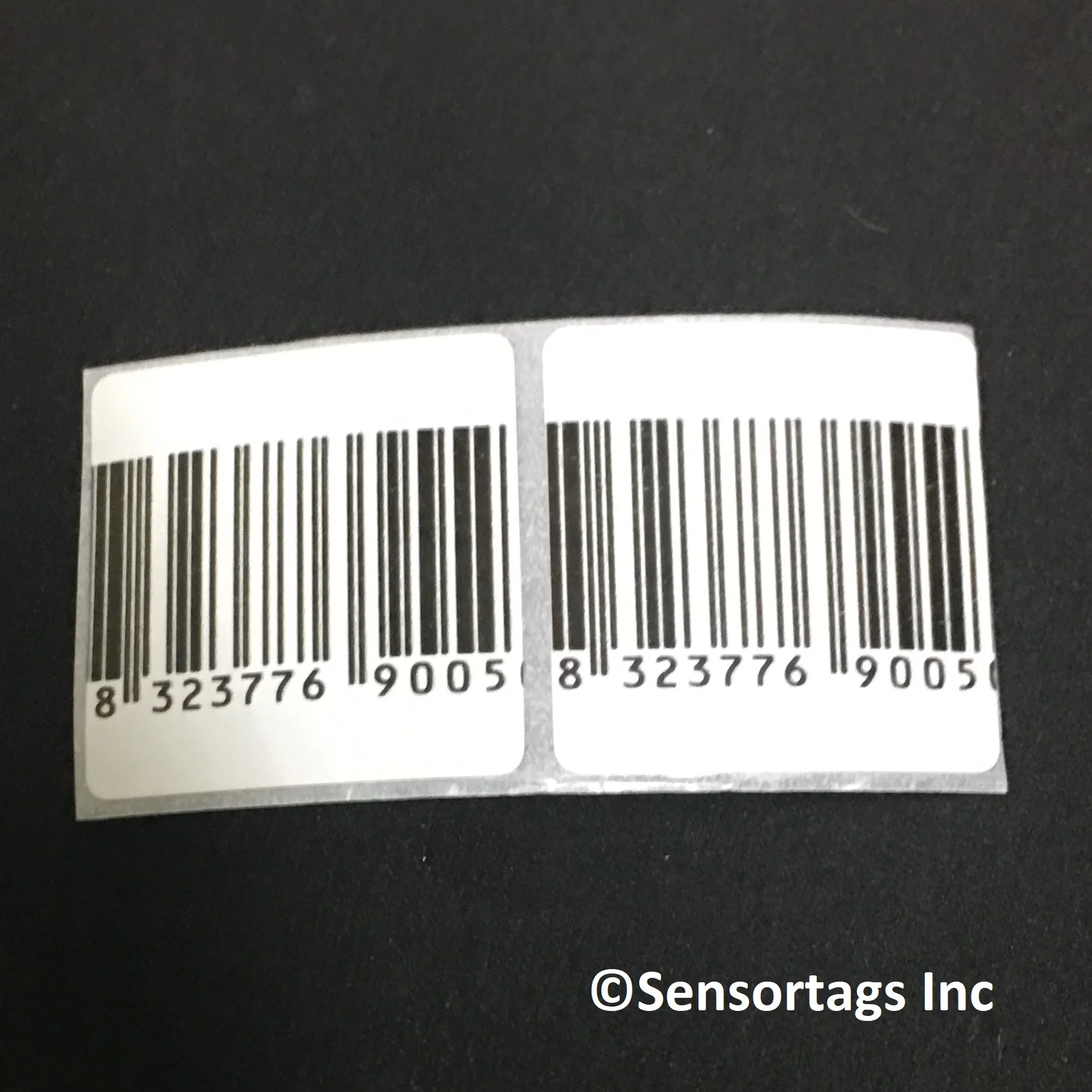


An EAS soft tag (or soft security label) is a thin adhesive label containing EAS components, typically 20-40mm in size, single-use, and deactivated at the checkout counter. Soft tags primarily operate on AM (58 kHz) or RF (8.2 MHz) systems, cost 5-10 times less than hard tags but are not reusable. Deactivation time is fast — 0.3-0.5 seconds per label.
Soft tags are suitable for products with soft packaging that cannot be pinned or require large-volume protection at low cost. Soft labels are easy to apply on flat surfaces and leave no trace if removed correctly (using specialized tools). Some soft tag types can be reused 2-3 times if attached to a rigid hang tag — saving 30-50% on costs.
Suitable segment: pharmaceuticals, cosmetics, packaged food, stationery, small toys — items valued at 50,000-500,000 VND, with a large number of SKUs, where attaching hard tags is difficult.
Detailed Comparison: Hard Tag vs Soft Tag — 8 Decisive Criteria
The comparison table below evaluates hard tags and soft tags across 8 main criteria: unit cost, durability, reusability, operation speed, level of protection, suitable SKU type, monthly operational cost, and system compatibility. Results are based on a survey of 15 Vietnamese retail chains with 10-50 stores.
| Criteria | Hard Tag | Soft Tag | Notes |
|---|---|---|---|
| Unit Cost | 8,000-25,000 VND/tag | Best: 500-2,000 VND/label | Soft tag is 5-10 times cheaper |
| Lifespan | Best: 3-5 years (500-1000 uses) | 1 use (can be reapplied 2-3 times) | Hard tag is reusable for years |
| Reusability | Best: Yes, 100% | No (or very limited) | Hard tag optimal for fast-moving SKUs |
| Operation Speed | 3-5 seconds per attach + detach | Best: 1-2 seconds per apply + deactivate | Soft tag is faster at the counter |
| Protection Level | Best: High (physical tamper resistance) | Medium (easily torn) | Hard tag offers better removal resistance |
| Suitable SKU Type | Hard goods, high value | Best: Soft goods, small packaging | Depends on product material |
| Monthly Operating Cost (1000 SKUs) | 15-25 million VND (one-time purchase) | Best: 8-15 million VND | Soft tag cost is 40-50% lower |
| System Compatibility | RF + AM | RF + AM | Both are widely compatible |
Choosing Security Tags by SKU Type — A Practical Guide
Choosing the right type of security tag for each SKU group can increase loss prevention effectiveness by 30-40% and reduce operational costs by 20-30%. Below is a selection guide for 5 common product groups in Vietnamese retail, based on real-world implementation experience at fashion, pharmaceutical, and mini-supermarket chains.
Fashion (clothing, footwear, handbags)
Recommendation: Pin-through hard tag — 90