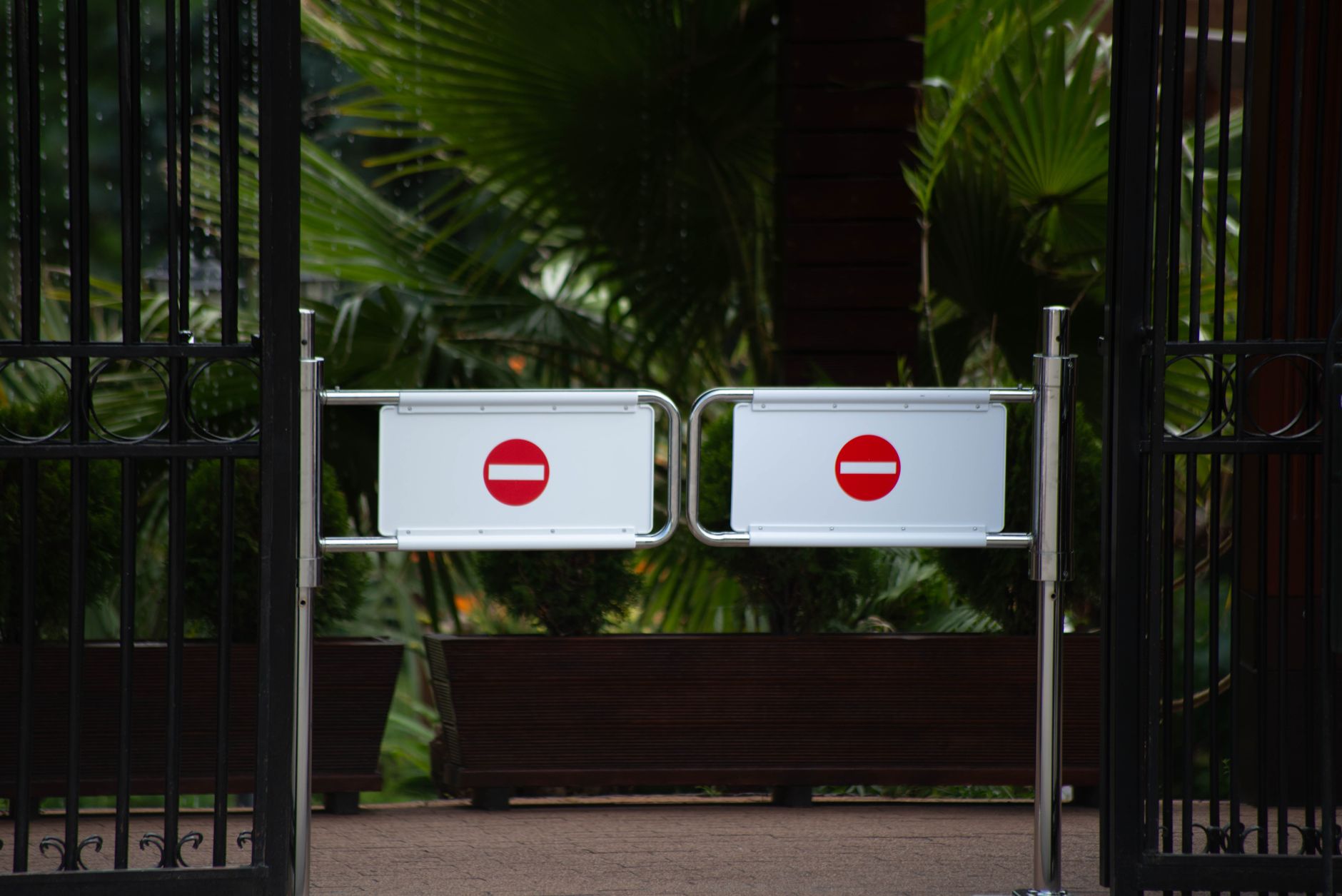
Every day, central-level hospitals in Ho Chi Minh City and Hanoi handle 5,000–8,000 vehicle entries and exits, of which ambulances and priority vehicles account for 15–20%. Manual vehicle holding with paper tickets not only causes gate congestion during peak hours but also leads to revenue loss and makes security control difficult. The LPR (License Plate Recognition) barrier solution integrated with smart parking management software is being deployed by major hospitals to automate the process, reducing waiting time by 40–50% and increasing control accuracy to 99%.
Problems hospitals are facing with vehicle entry and exit control
- ⚠ Peak-hour gate congestion: From 6:30–8:00 in the morning and 16:00–18:00 in the afternoon, vehicle flows converge on the hospital gate, and each vehicle takes 30–60 seconds for security staff to write a ticket by hand, resulting in queues stretching 100–200 meters.
- ⚠ Loss of parking tickets and revenue: Paper tickets are easily lost or forged, or parking staff collect fees without remitting them to the fund, causing an estimated loss of 10–15% of parking revenue.
- ⚠ Difficulty controlling priority vehicles: Ambulances and vehicles carrying critically ill patients often get stuck in the waiting line, with no dedicated priority lane, affecting the golden hour of emergency care.
- ⚠ Unfamiliar vehicles entering internal areas: There is no system to distinguish between patient vehicles, staff vehicles and visiting vehicles, leading to strangers intruding into restricted areas such as the pharmacy department and operating rooms.
- ⚠ Lack of statistical data: The board of directors has no data on vehicle traffic by hour, day or month to plan parking lot expansion or adjust gate duty staffing.
How does the LPR barrier + smart parking management solution work?
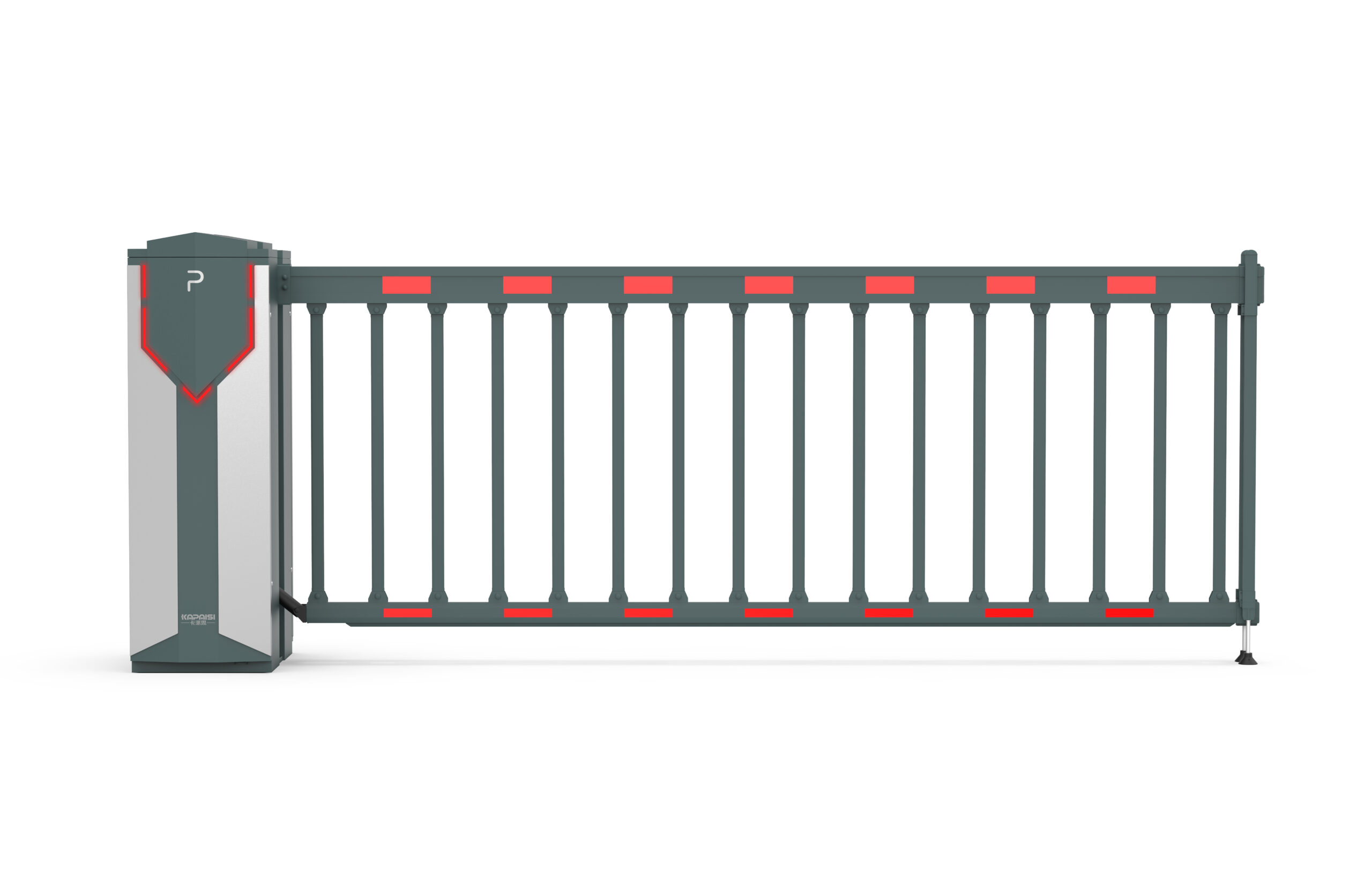
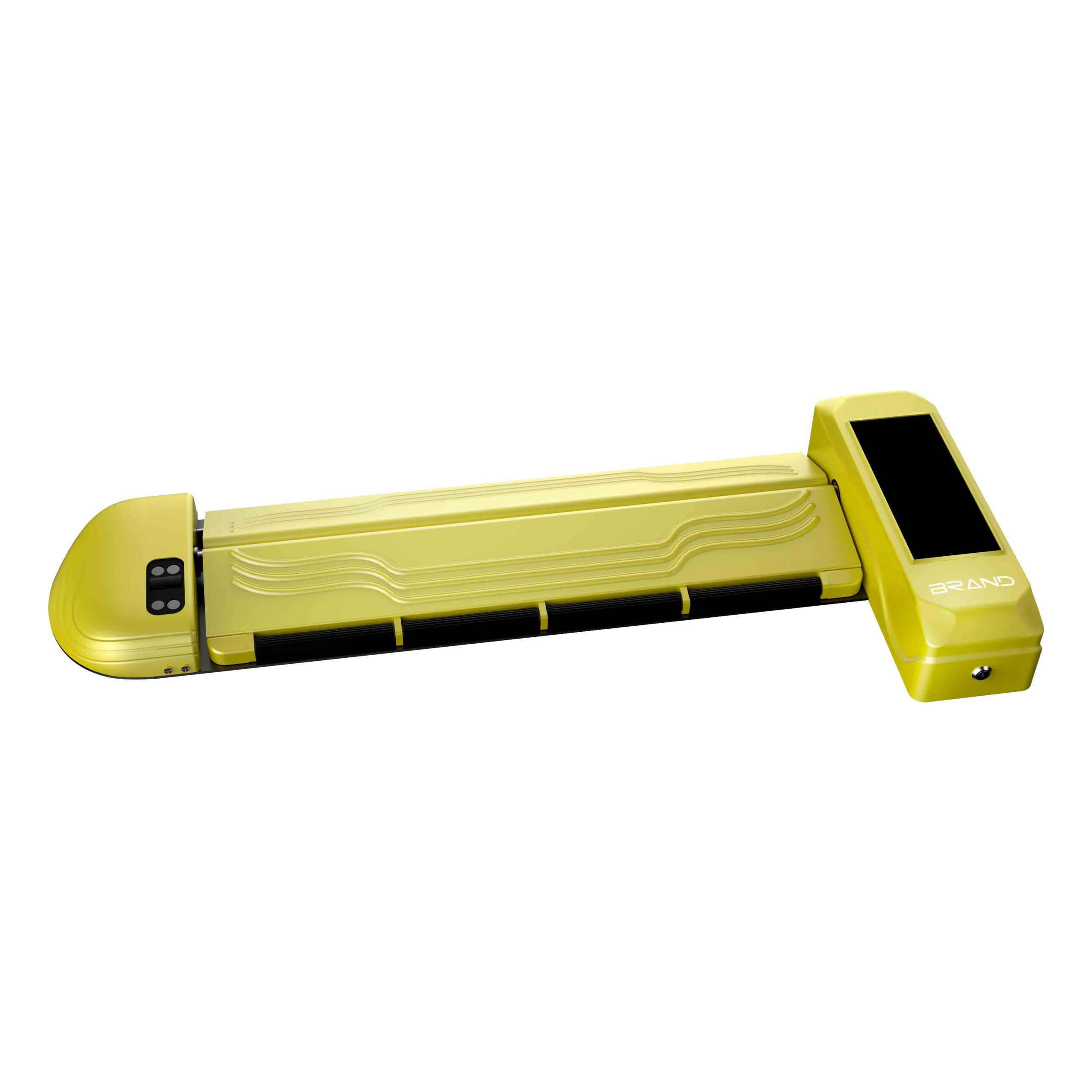
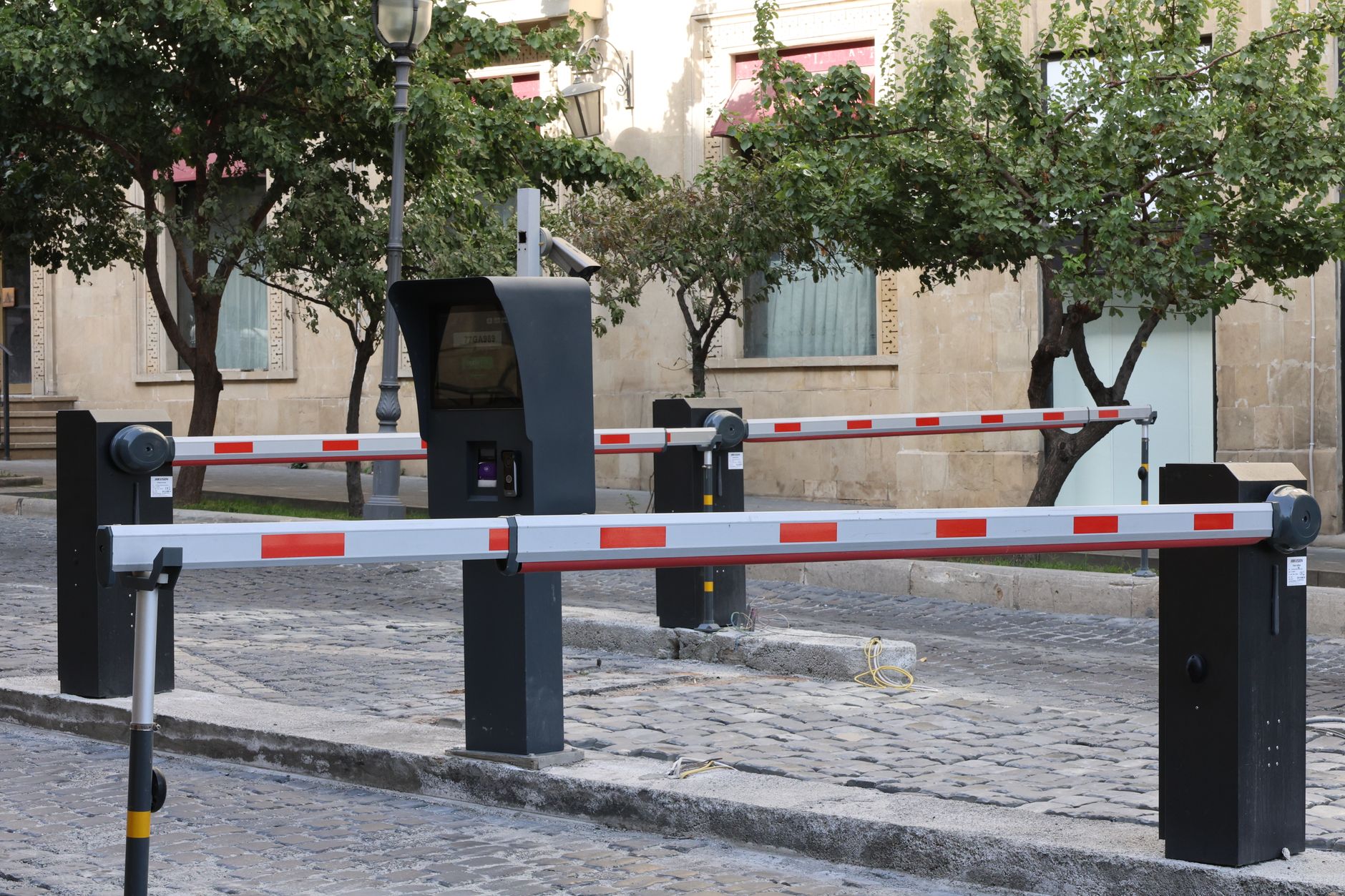
- Automatic license plate recognition: An LPR camera at the entry lane captures an image of the license plate as soon as the vehicle stops in front of the barrier. The software system performs character recognition and checks against the whitelist (priority vehicles, staff vehicles) or the blacklist (vehicles reported stolen, vehicles of interest).
- Smart lane routing: Ambulance/priority vehicles are recognized and the barrier opens immediately without requiring a stop. Regular vehicles: the barrier opens after a successful image capture (2–3 seconds). Vehicles with a plate on the blacklist: the barrier stays closed and an alarm is sent to security.
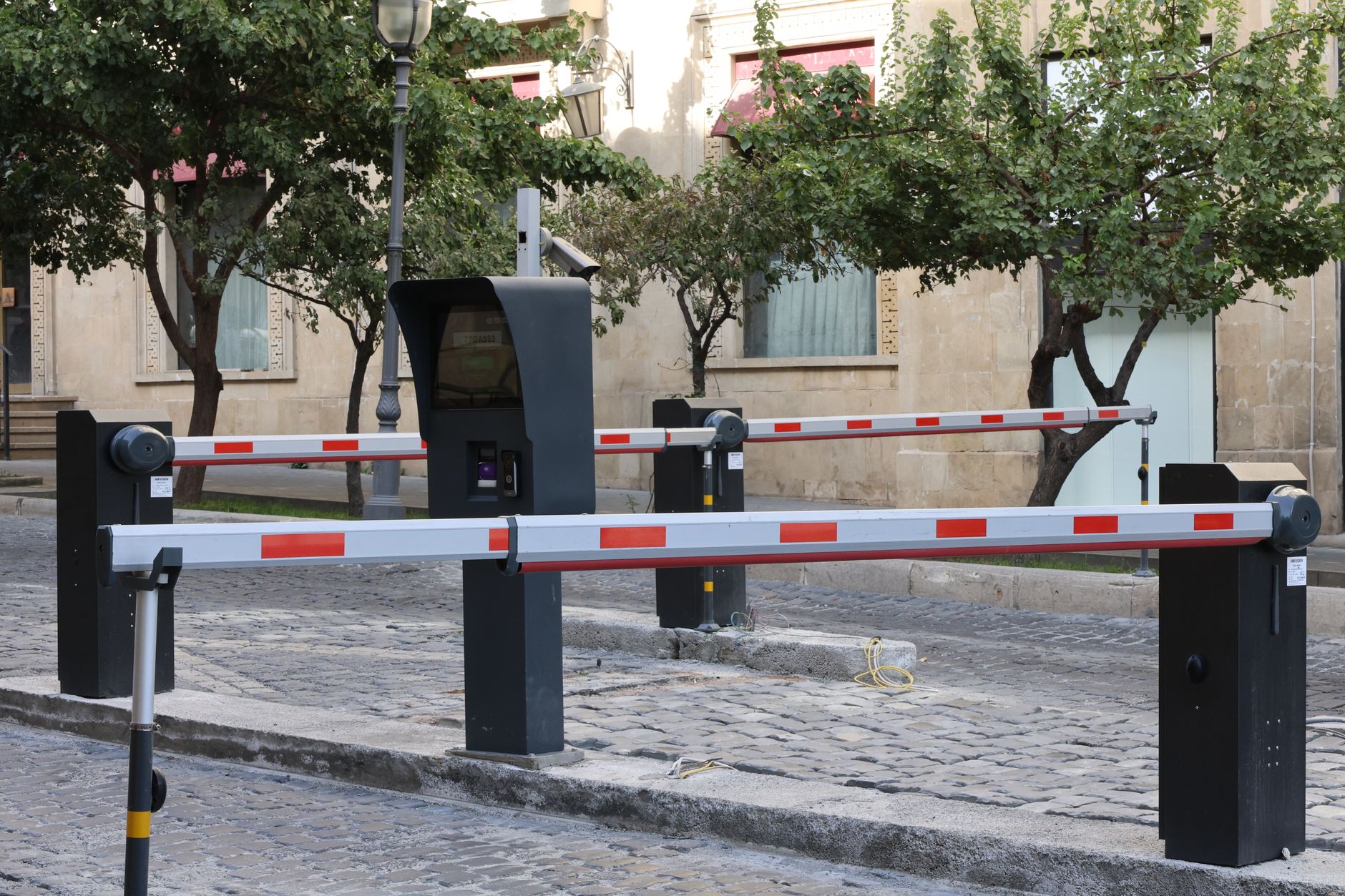
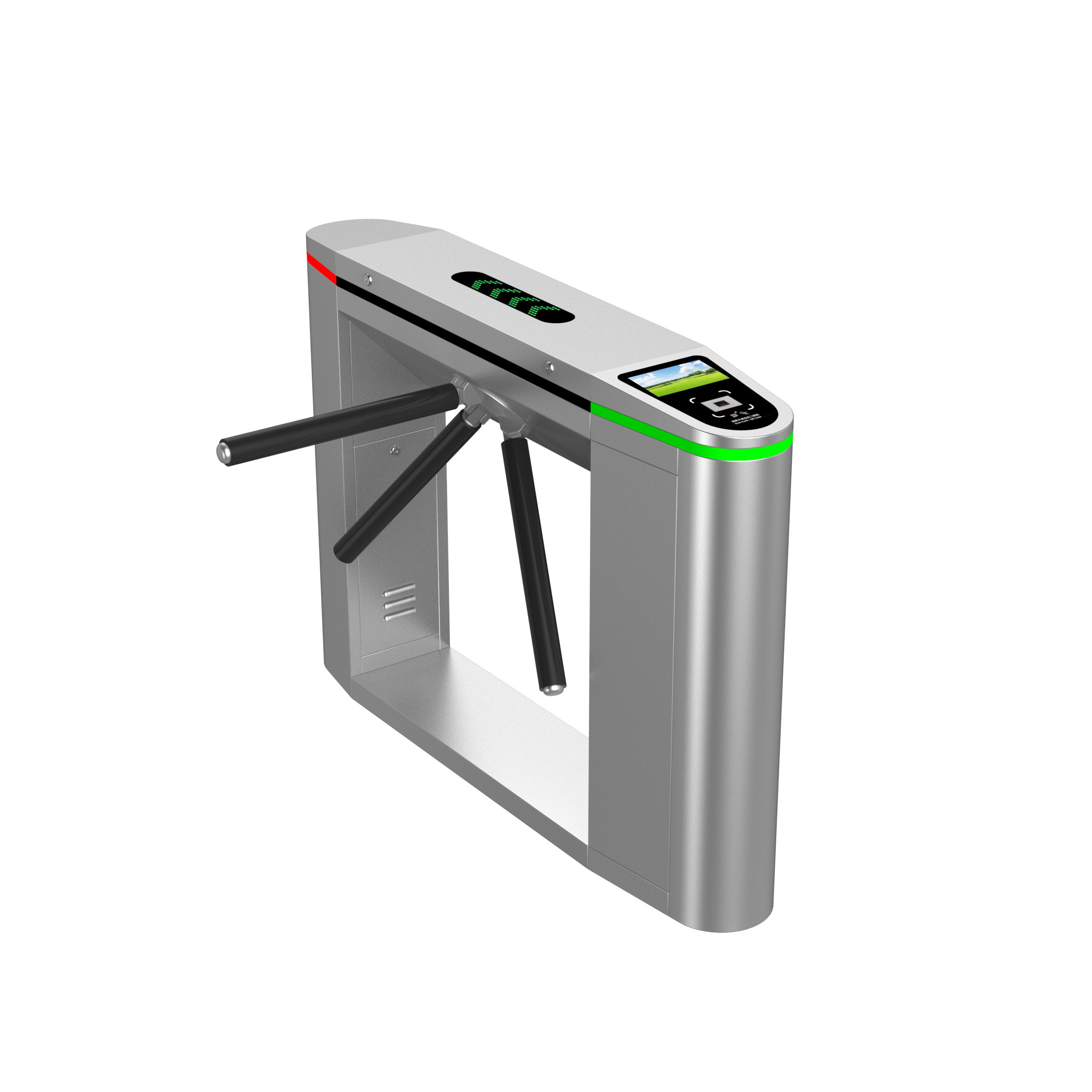
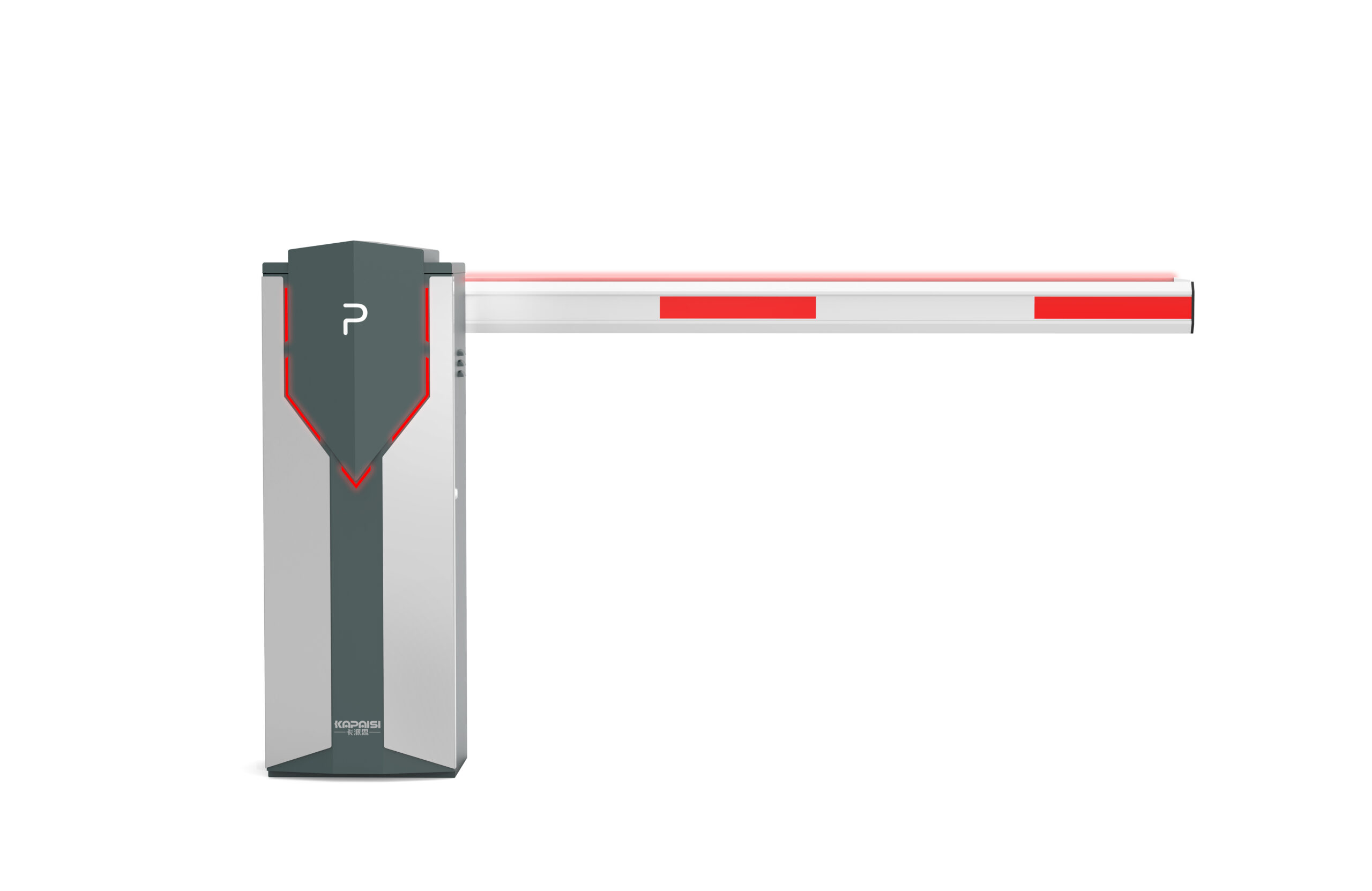
- Access authorization and time logging: The system records the entry time and vehicle type (car, motorcycle). For motorcycles, the folding-arm barrier opens quickly. For cars, the 3–6 meter boom barrier opens automatically.
- Automatic fee calculation on exit: The LPR camera at the exit lane recognizes the license plate, the system looks up the entry time and calculates the fee according to the tariff (first hour, subsequent hours, free for priority vehicles). The toll staff only confirm the amount on the screen, with no manual data entry required.
- Statistics and alerts: The parking management software compiles reports on traffic volume by hour, revenue, and the proportion of priority vehicles. Real-time alerts are triggered when an unknown vehicle is detected entering internal areas or when a barrier is deliberately tampered with.
Specific benefits of deploying LPR barriers at hospitals
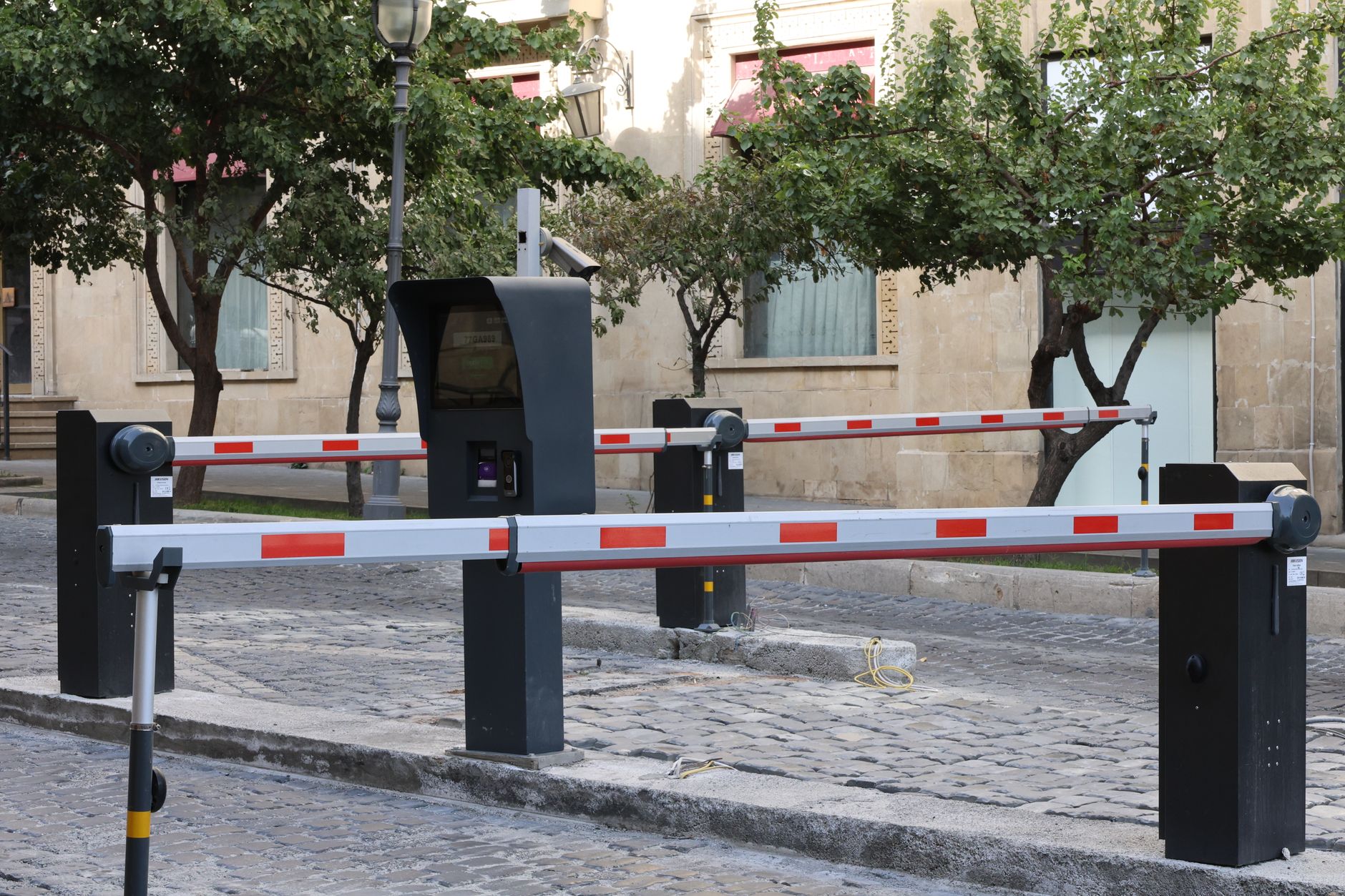
50% reduction in wait time
Processing time per vehicle drops from 30–60 seconds to 2–4 seconds, relieving gate congestion during peak hours.
Prevention of revenue leakage
Eliminates paper tickets, automates fee calculation and reconciliation, reducing leakage by 10–15% compared with manual methods.
Ambulance priority
Ambulances are recognized and the barrier opens in 1–2 seconds with no waiting, shortening emergency response access time.
Internal area security
Access rights by license plate: staff vehicles enter dedicated areas, unknown vehicles are blocked or flagged.
Operational data
Reports on traffic volume, peak hours, and revenue by day/week/month — supporting decisions on parking lot expansion.
Reduced staffing costs
One security guard can monitor 2–3 lanes simultaneously via a central screen, reducing gate staffing by 30–40%.
Practical application at general hospitals
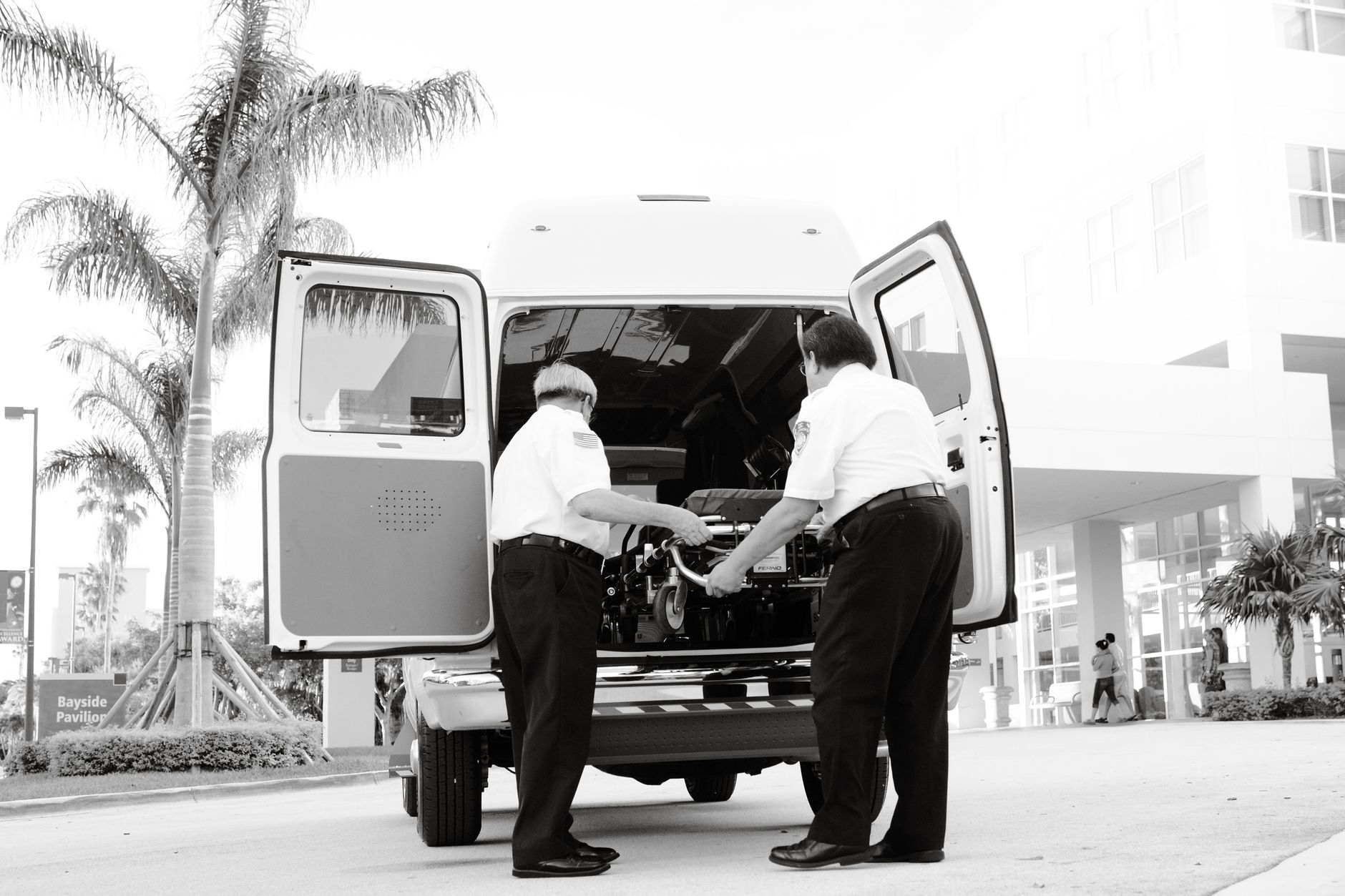
Provincial General Hospital (300–500 beds)
At provincial-level general hospitals, motorbike traffic accounts for 70–80% of total vehicles, of which ambulances and vehicles carrying critically ill patients account for 10–15%. The LPR barrier solution combines folding-arm barriers for motorbikes and boom barriers for cars to separate traffic flows. LPR cameras are installed at the main entry lane, recognize license plates and open the barrier automatically. The software records time and vehicle type and calculates fees on exit. The system also allows configuring a whitelist for ambulances and on-duty doctors' vehicles. Results: 45% reduction in gate wait time, and no more prolonged congestion spilling onto the national highway.
Specialty Hospital (100–200 beds)
Specialty hospitals such as obstetrics-pediatrics and cardiology have a distinct pattern: vehicle volume follows appointment schedules, concentrated in the 7 a.m.–9 a.m. window. The LPR solution integrates a pre-booking feature: patients register for examinations online, the system records the license plate and automatically reserves a space. When the vehicle arrives, the camera recognizes it and the barrier opens, directing it to the reserved parking area. Vehicles without a reservation are redirected to an auxiliary lot. This model reduces space-search time by 60% and increases the effective capacity of the parking lot by 25%.
Need advice on an LPR barrier solution for your hospital? Contact Viet Duc Tri Group for a free site survey and detailed quotation. Hotline: 0935 295 337 — Email: [email protected]
Related equipment products
Related articles
- LPR apartment vehicle gate barrier: Automatic license plate recognition solution 2026
- How LPR works in apartments: License plate recognition camera in the vehicle gate barrier
- LPR barrier vs magnetic card barrier: Choosing for apartments 2026
- 5 problems with vehicle gate barriers in urban areas – LPR solution 2026
- Case Study: Sun City apartment reduces wait time by 70% thanks to LPR barrier
Frequently Asked Questions
What is the cost of deploying an LPR barrier for a 200-bed hospital?
The cost depends on the number of lanes (2–4 lanes), the barrier type (boom barrier/folding arm), the LPR camera and the management software. For a 200-bed hospital, 2 entry lanes + 2 exit lanes, the basic package ranges from 150–300 million VND, including equipment, installation and software. Contact Viet Duc Tri Group for a detailed quote: 0935 295 337.
Can the system recognize motorcycle and car license plates at the same time?
Yes. Modern LPR cameras such as the Kapaisi KPS-CP-6002 support simultaneous recognition of motorcycle plates (white background, black characters) and car plates (blue, white and yellow backgrounds). The system automatically classifies vehicles based on plate size and position, and adjusts the barrier accordingly (folding arm for motorcycles, boom barrier for cars).
How long does deployment take from contract signing to operation?
Average deployment time is 7–15 working days, depending on scale. Process: site survey (1–2 days), solution design and quotation (1–2 days), hardware installation (3–5 days), software configuration and trial run (2–3 days), acceptance and handover (1 day).
Can the system integrate with the existing hospital management software?
Yes. The Kapaisi parking management software supports an open API, allowing integration with HIS (Hospital Information System), appointment booking software and the existing access control system. Integration enables synchronization of patient data and automatic exemption for inpatients or emergency vehicles in accordance with regulations.
What about warranty and technical support after deployment?
Viet Duc Tri Group provides a 12–24 month warranty for hardware (barrier, LPR camera) and 24/7 remote technical support. The periodic maintenance package (every 6 months) includes camera cleaning, barrier sensor checks and software updates. Emergency support hotline: 0935 295 337.
Comparing LPR barriers with magnetic card barriers, which solution is better for hospitals?
LPR barriers outperform magnetic card barriers in 3 points: (1) No card needed — the vehicle only needs to stop in front of the barrier, the camera recognizes it automatically, reducing waiting time by 50%; (2) Anti-counterfeiting — the license plate is unique and cannot be copied like a magnetic card; (3) Traffic data — the system automatically compiles statistics, with no manual data entry required. Magnetic card barriers are suitable for small hospitals under 50 beds with limited budgets (cost 50–100 million). See more detailed comparison here.
How does the system handle a power outage?
The LPR barrier is equipped with a backup battery or UPS, allowing 2–4 hours of operation during a power outage. The LPR camera uses PoE (Power over Ethernet) power from a switch with UPS. In the event of an extended power outage, the barrier can be operated manually with a hand crank or remote, ensuring no impact on emergency vehicle traffic.
How do I register for a free survey for my hospital?
Call the hotline 0935 295 337 or email [email protected], providing the following information: hospital name, bed count, expected number of vehicle lanes. Viet Duc Tri Group will send a technician to survey the site within 48 working hours, and provide a free consultation and quotation.
Contact Viet Duc Tri Group for a comprehensive consultation on vehicle access control solutions for hospitals. Hotline: 0935 295 337 — Email: [email protected]