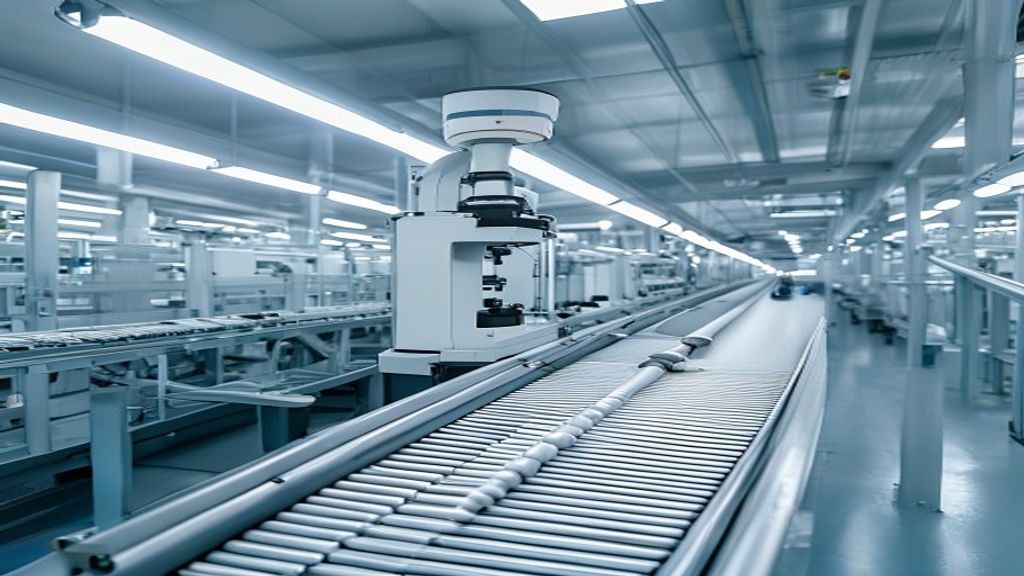
The pharmaceutical tablet X-Ray inspection machine is a non-destructive testing system that uses X-ray technology to detect metal (iron, stainless steel, aluminum) and non-metal (glass, stone, vulcanized rubber, bone) contaminants in tablet-form products. In Vietnam, pharmaceutical factories are applying this technology to meet GMP-WHO standards and reduce the rate of batch recalls due to foreign matter.
Problems Facing the Tablet Production Industry
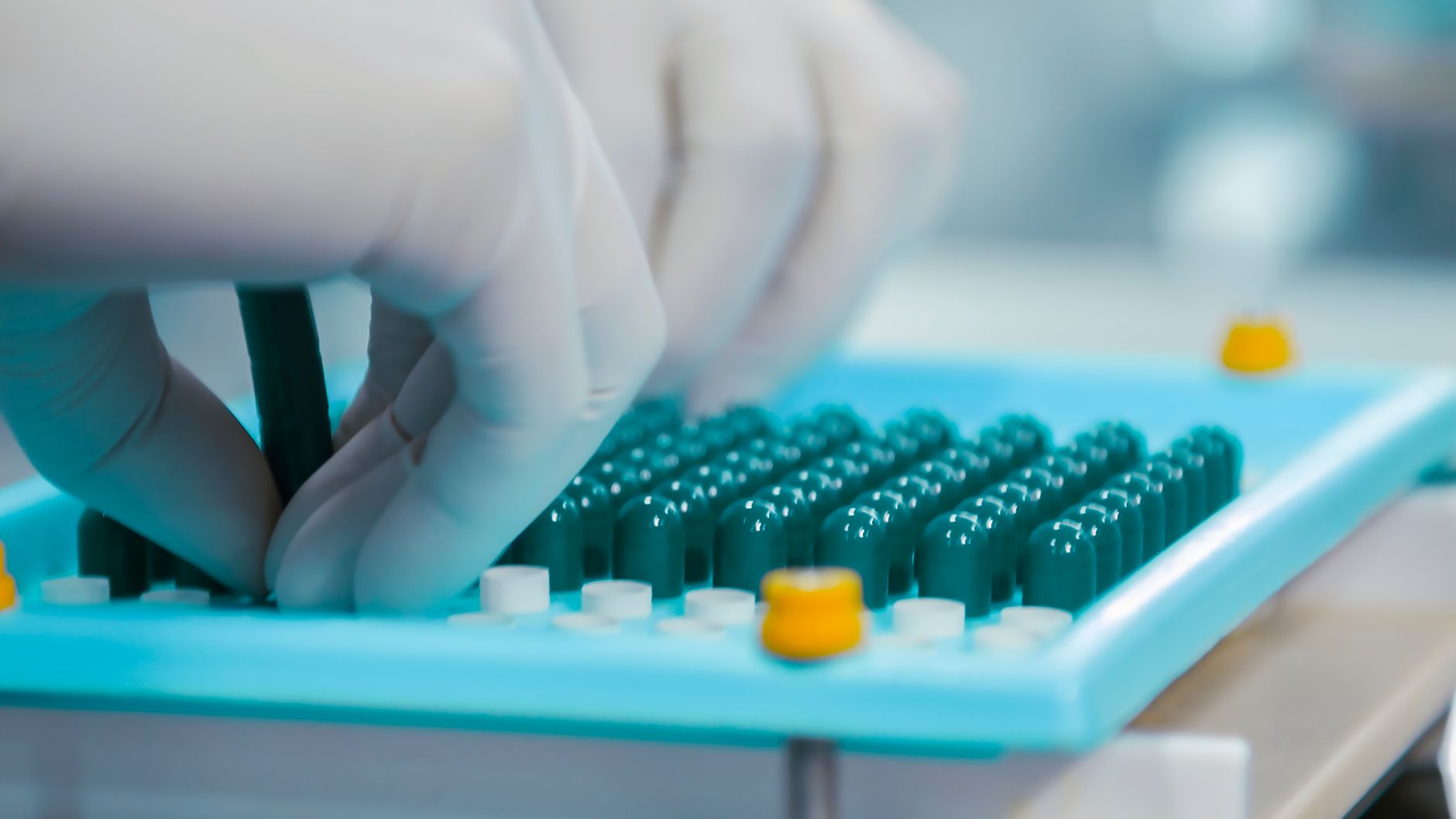
⚠ Contamination from die fragments: Tablet dies wear out after 500,000-1 million compressions, creating steel or stainless steel fragments 0.3-2 mm in size that mix into the product.
⚠ Contaminants from raw materials: Medicinal powders and excipients may contain stone or glass fragments from substandard milling and sieving processes.
⚠ Vulcanized rubber from machine gaskets: Rubber gaskets in tablet presses and mixers deteriorate over time, creating black rubber fragments that mix into the tablets.
⚠ Limitations of traditional metal detectors: They can only detect metal contaminants, missing glass, stone, and rubber — the primary causes of product recalls.
⚠ Regulatory compliance pressure: The Drug Administration of Vietnam requires 100% inspection of oral tablet batches per Circular 11/2021; violations can lead to production suspension.
How the X-Ray Solution Works on a Tablet Production Line
Related Products


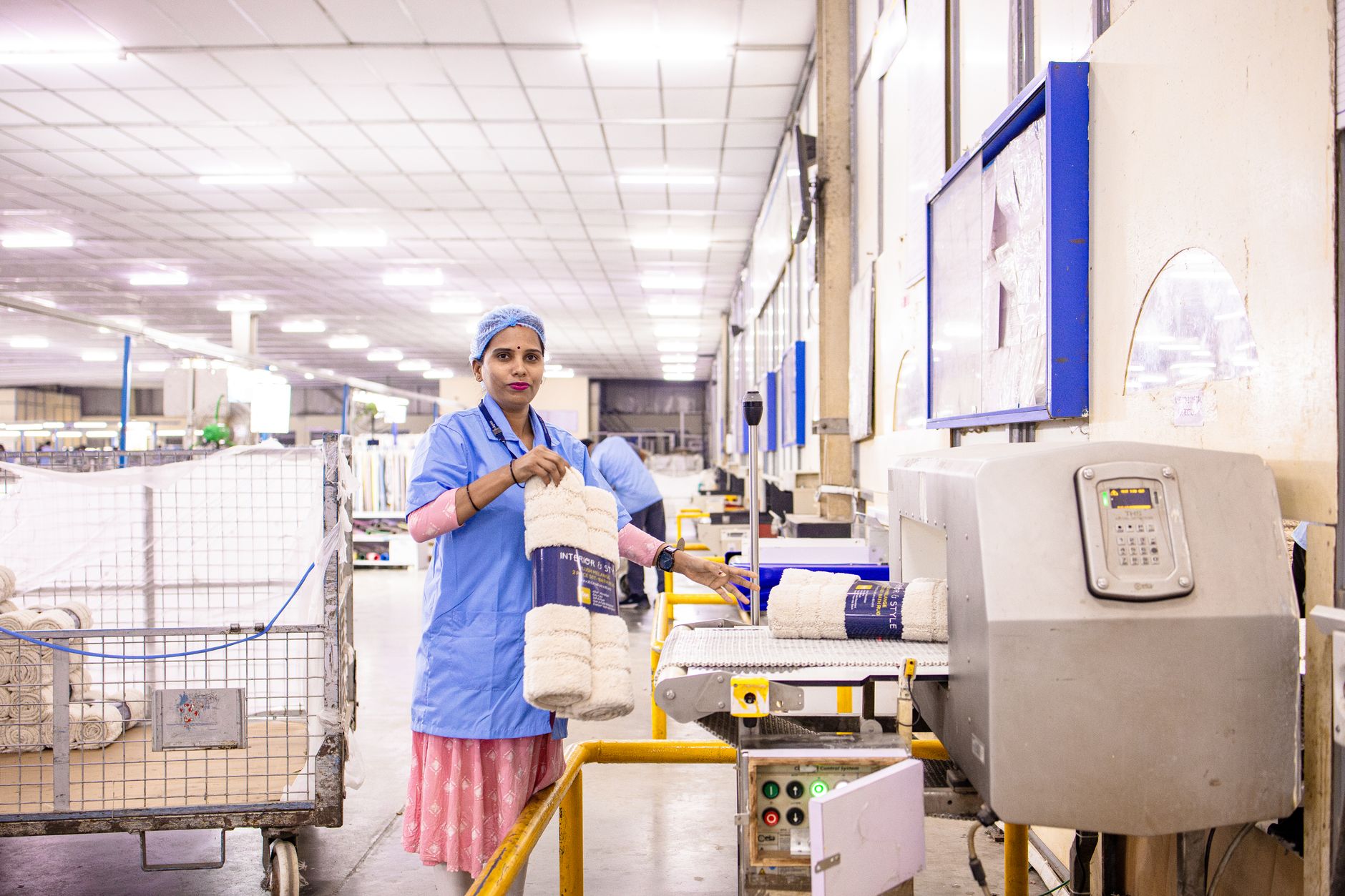
- Step 1 — Product Loading: Tablets from the press are conveyed through the X-Ray system at 60-120 m/min, without stopping or interruption.
- Step 2 — X-Ray Exposure: A low-energy X-ray beam (40-80 kV) penetrates the tablets; sensors capture images at 0.2-0.4 mm/pixel resolution.
- Step 3 — AI Image Processing: Software analyzes density, detecting areas with abnormal X-ray absorption (contaminants) compared to the uniform tablet background.
- Step 4 — Automatic Rejection: A pneumatic air jet or flap diverts contaminated tablets into a separate container, maintaining stable production speed.
Specific Benefits of Implementing X-Ray for Tablets
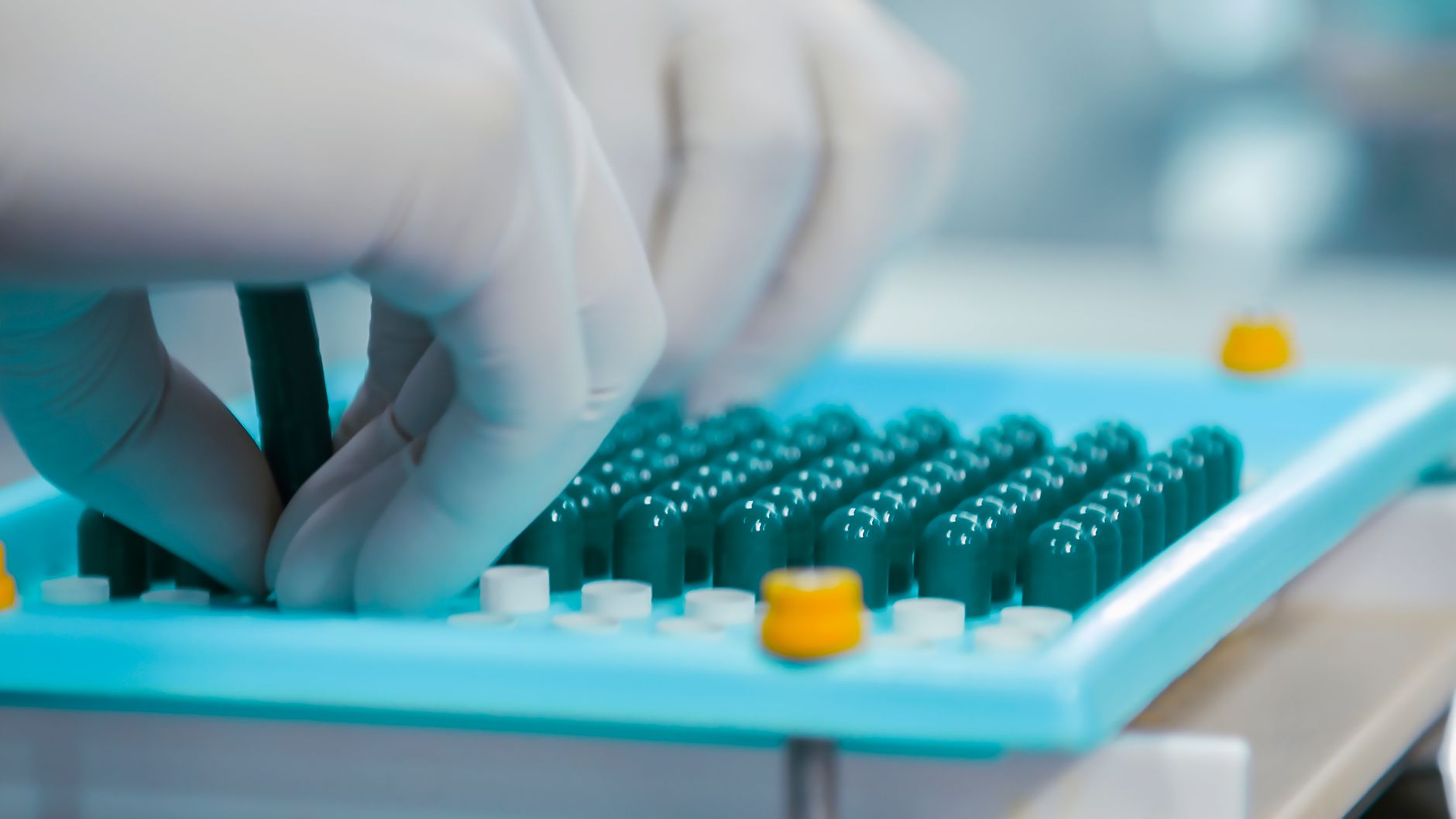
Simultaneously identifies metals (iron, stainless steel, aluminum) and non-metals (glass, stone, rubber, bone) in a single inspection.
Installed directly after the tablet press or film coater, requiring no factory layout changes, with a deployment time of 3-5 days.
According to a Việt Đức Trí Group case study at a Dong Nai pharmaceutical plant, the batch recall rate dropped from 2.3% to 0.12% after 6 months.
The system meets GMP-WHO, FDA 21 CFR Part 11, and supports automatic inspection report generation for regulatory authorities.
No random sampling — every tablet is scanned, ensuring no contaminated batch reaches the market.
Investment cost of 350-800 million VND, with savings from reduced recalls, compensation, and increased inspection throughput.
X-Ray Application for Oral Tablets
Oral tablets are the most common dosage form, accounting for 65% of Vietnam's pharmaceutical output. The X-Ray system detects contaminants in uncoated tablets, film-coated tablets, and effervescent tablets with a sensitivity of 0.3 mm for metals and 0.5 mm for glass. At the Hau Giang Pharmaceutical factory, a Mettler Toledo X37 system detected 12 stainless steel fragments from the die in its first month of operation, preventing a recall of a 50,000-tablet batch.
X-Ray Application for Hard and Soft Capsules
Hard capsules contain powder or micro-emulsions; soft capsules contain oil/solutions — both risk contamination from the capsule shell (gelatin) or excipients. The X-Ray system can distinguish broken capsule shell fragments (organic, low density) from dangerous contaminants (metal, glass). A case study at a Binh Duong pharmaceutical factory showed X-Ray reduced foreign matter complaints in vitamin E soft capsules by 80%.
X-Ray Application for Powders and Granules for Suspension
Medicinal powders and granules for suspension often contain contaminants from milling and sieving processes. The X-Ray system inspects powder on a conveyor with a maximum powder bed thickness of 30 mm, detecting glass fragments from ball mills or rubber fragments from silo gaskets. This solution is particularly useful for factories producing antibiotics and multivitamins where raw material purity is lower.
Comparison: X-Ray vs. Traditional Metal Detectors
| Criteria | Metal Detector | X-Ray |
|---|---|---|
| Glass detection | No | Yes (≥0.5 mm) |
| Stone detection | No | Yes (≥0.7 mm) |
| Rubber detection | No | Yes (≥1 mm) |
| Stainless steel 316 detection | Limited | Yes (≥0.3 mm) |
| Integrity check (cracks, holes) | No | Yes |
| Investment cost | 150-300 million VND | 350-800 million VND |
| Maintenance requirements | Low | Medium (X-ray tube replacement every 3-5 years) |
Related Products/Equipment
Need consultation on an X-Ray solution for your tablet line? Contact Việt Đức Trí Group for a free survey and detailed quote within 24 hours.
Hotline: 0935 295 337 | Email: [email protected]
Reference Pricing for X-Ray Systems for Tablets
The investment cost for an X-Ray inspection machine for a tablet line ranges from 350 to 800 million VND depending on configuration and brand. The entry-level Mettler Toledo X37 costs 380-450 million VND, while the high-end X37C with AI integration costs 650-800 million VND. Annual maintenance costs are approximately 15-25 million VND, including X-ray tube replacement after 3-5 years (80-120 million VND). Việt Đức Trí Group offers 0% interest installment plans over 6 months for contracts over 500 million VND.
Frequently Asked Questions
The FAQ below addresses common questions about pharmaceutical tablet X-Ray inspection machines, covering cost, integration, and regulatory compliance.
Can the pharmaceutical tablet X-Ray machine detect non-metal contaminants?
Yes. The X-Ray machine can detect non-metal contaminants such as glass (size ≥0.5 mm), stone (≥0.7 mm), vulcanized rubber (≥1 mm), and bone (≥0.8 mm). This is a significant advantage over metal detectors, which can only detect metal contaminants. X-Ray technology is based on X-ray absorption density, allowing it to distinguish contaminants from the uniform tablet matrix.
What is the investment cost for an X-Ray system for a tablet line?
The investment cost ranges from 350 million to 800 million VND depending on the brand and configuration. The entry-level Mettler Toledo X37 costs 380-450 million VND, while the high-end X37C with AI integration costs 650-800 million VND. Annual maintenance costs are 15-25 million VND, with X-ray tube replacement after 3-5 years (80-120 million VND). Việt Đức Trí Group offers 0% interest installment plans over 6 months.
Does the X-Ray system disrupt the tablet production line?
No. The X-Ray system is designed for inline integration, installed directly after the tablet press or film coater, operating at speeds of 60-120 m/min. The inspection process is automatic, without stopping the conveyor, and does not affect throughput. Installation and deployment take only 3-5 days, with no need for factory layout changes.
Does the X-Ray machine meet GMP and FDA standards?
Yes. Mettler Toledo X-Ray systems meet GMP-WHO, FDA 21 CFR Part 11 (electronic data management), and HACCP standards. The system automatically generates inspection reports in PDF/CSV format, supporting regulatory audits. Việt Đức Trí Group provides IQ/OQ/PQ certification for each system.
What advantages does X-Ray have over metal detectors for tablets?
X-Ray detects both metal and non-metal contaminants (glass, stone, rubber) — metal detectors can only detect metals. X-Ray also checks tablet integrity (cracks, holes, missing mass) and has higher sensitivity to stainless steel 316. However, the investment cost for X-Ray is 2-3 times higher than for metal detectors.
What is the warranty and maintenance period for the X-Ray system?
Việt Đức Trí Group provides a 12-month warranty for the entire X-Ray system, including the X-ray tube and sensors. An annual maintenance contract (15-25 million VND) includes calibration checks, sensor cleaning, and software updates. X-ray tube replacement is required after 3-5 years of operation, costing 80-120 million VND. Remote technical support is available 24/7.
Can the X-Ray system be integrated with the factory's quality management system?
Yes. The X-Ray system supports communication via OPC UA, Modbus TCP/IP, and Ethernet/IP, making it easy to integrate with MES, SCADA, and ERP systems. Inspection data (number of rejected tablets, contaminant type, time) is automatically synchronized for traceability and production reporting. Việt Đức Trí Group provides custom APIs upon request.
How do I choose the right X-ray tube power for tablets?
For oral tablets (thickness 5-15 mm), a 40-60 kV X-ray tube is sufficient. For soft capsules containing oil or thick film-coated tablets, 60-80 kV is needed for penetration. Việt Đức Trí Group offers a free survey and recommends the optimal configuration based on tablet size, density, and line speed.