
A parking lot control app is a software solution that automates the vehicle entry/exit management process, often integrating with LPR cameras, barrier gates, and payment systems. In Vietnam, the demand for free apps for apartments and office buildings is increasing by 35-40% each year due to operational cost pressures.
What is a free parking lot control app?
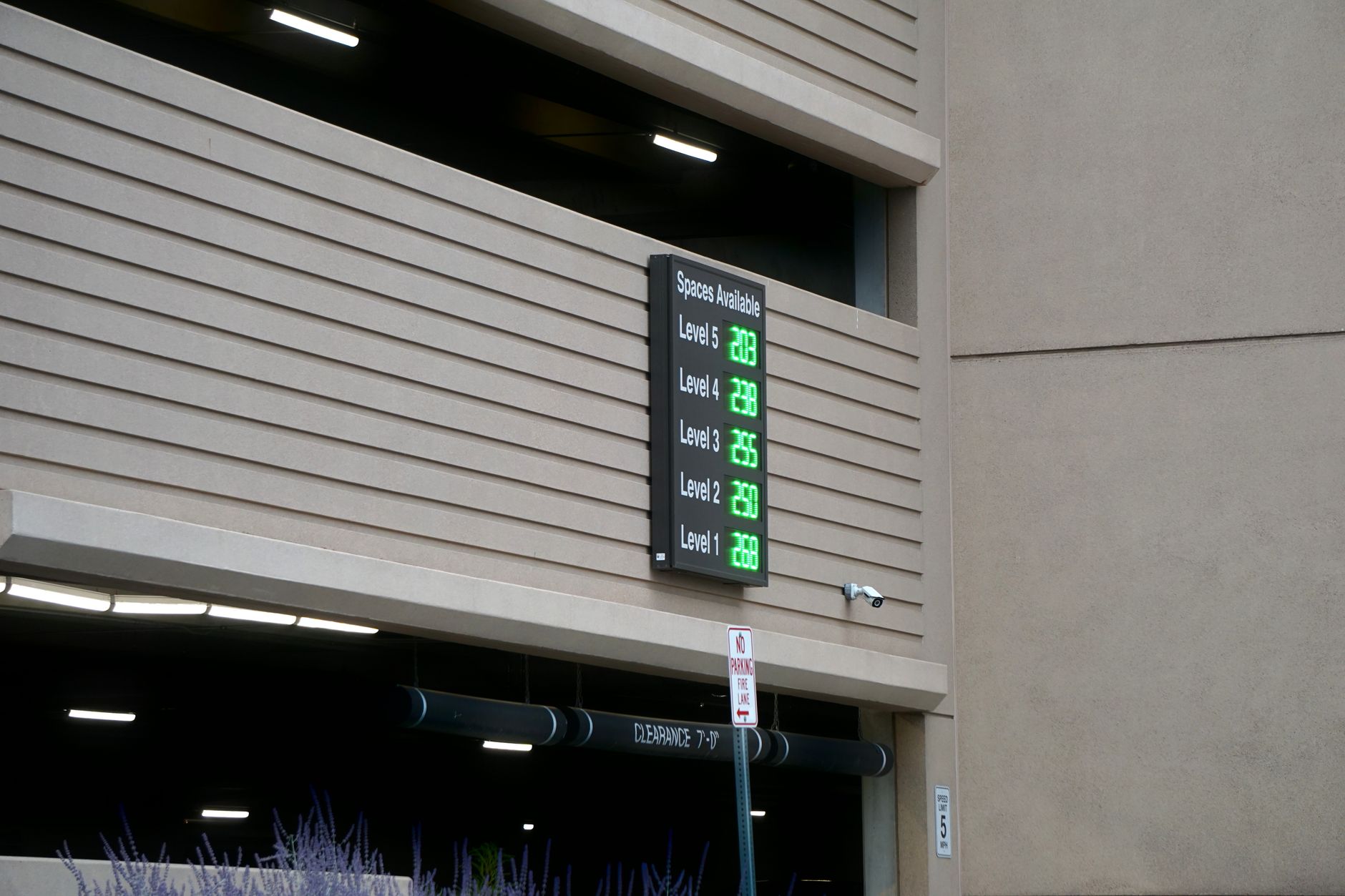
A free parking lot control app is parking lot management software that does not charge an initial license fee, typically operating on a freemium model: it provides basic features for free (recording vehicle entry/exit, basic monthly pass management) and charges fees for expanding advanced features (LPR, reporting, hardware integration).
Unlike paid software with license costs ranging from 10-50 million VND/year, free apps allow small businesses and medium-sized apartments to deploy parking lot control at nearly zero cost. However, it is important to distinguish: free license does not mean entirely free. You still need to invest in hardware (cameras, barriers, computers) and may have to pay for advanced features.
Criteria for evaluating free parking lot control apps
Related Products


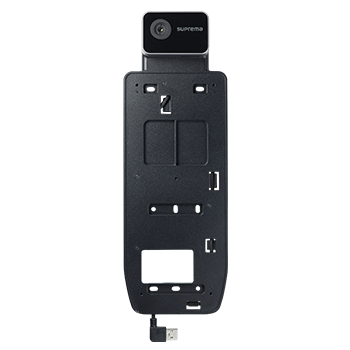
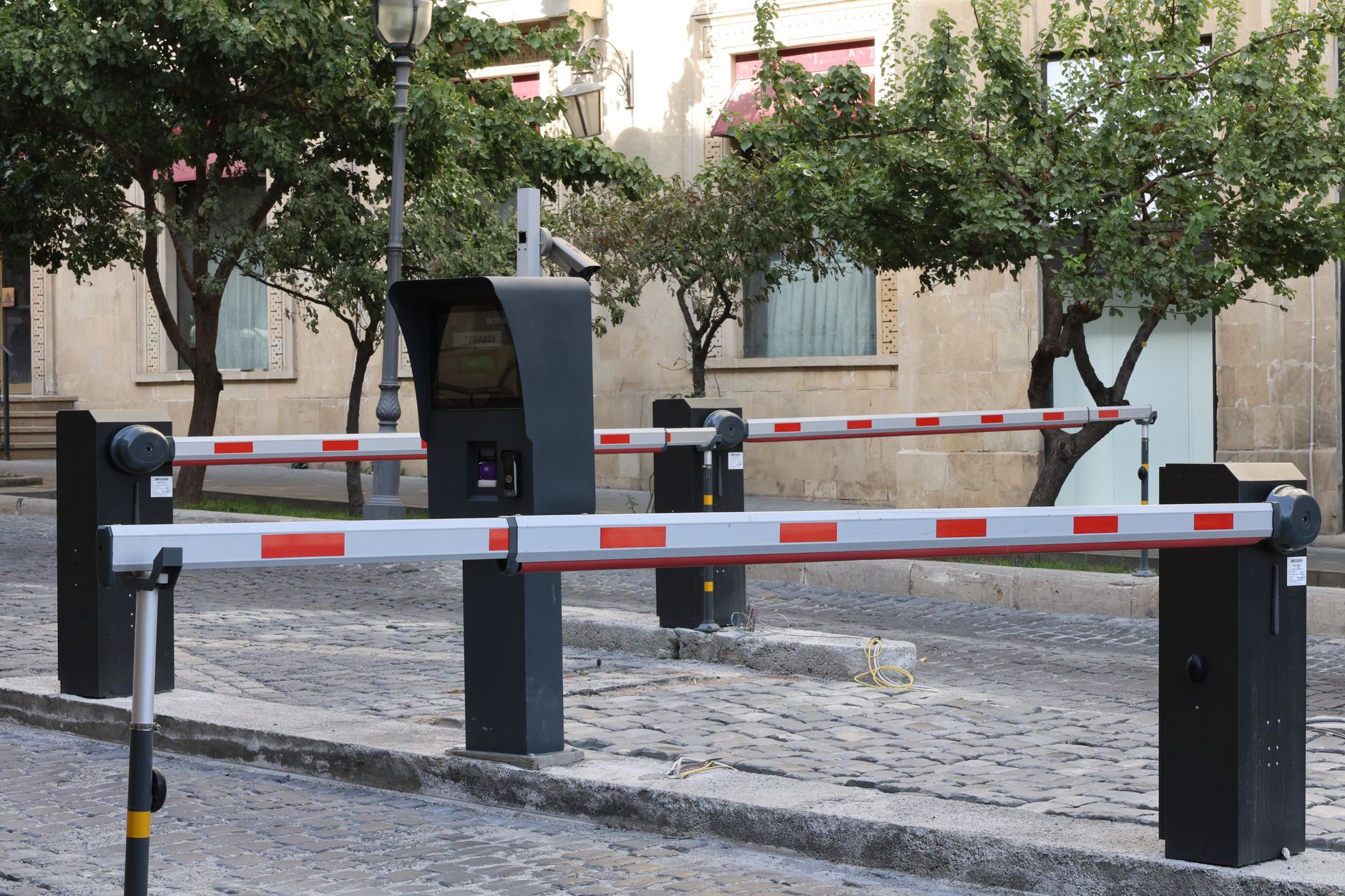
When choosing a free parking lot control app for an apartment or office building, you need to evaluate based on 7 main criteria: LPR feature, monthly pass management, multi-platform integration, scalability, data security, technical support, and hidden costs.
1. License Plate Recognition (LPR) Feature
This is the core feature of any modern parking lot control app. Free apps typically support basic LPR with 85-92% accuracy in good lighting conditions. Check if the app supports Vietnamese license plate recognition (both single-line and double-line plates). Some apps only recognize standard international plates.
2. Monthly Pass and Per-Visit Pass Management
Apartments and office buildings usually have 2 types of users: residents/employees (monthly pass) and visitors (per-visit pass). A free app needs to support both forms, allowing manual entry of monthly vehicle lists, setting expiration dates, and automatically rejecting expired vehicles. Some apps allow managing up to 200-500 monthly vehicles on the free plan.
3. Multi-Platform Integration (Android/iOS/Web)
A free parking lot control app should have a Web interface for administrators and a mobile app for security guards. Guards need to operate quickly on their phones: take license plate photos, confirm vehicle entry/exit, and look up information. Administrators need a web dashboard to view reports, manage lists, and configure settings.
4. Scalability and Hardware Integration
Free apps often limit hardware integration. Check if the app supports connections with common IP cameras (Hikvision, Dahua), barrier gates, and ticket printers. If you already have existing hardware, choose a compatible app to avoid replacements. Some free apps operate independently on mobile and cannot connect to peripheral devices.
5. Data Security and Storage
Vehicle entry/exit data is sensitive information. Free apps typically store data on the provider's cloud. You need to check the security policy: is the data encrypted? Is it shared with third parties? Some free apps collect data to sell for advertising or market analysis.
6. Technical Support
Free apps usually have limited support: only via email or forums, no 24/7 hotline. Evaluate the quality of documentation, video tutorials, and the user community. If the app has a Facebook/Zalo user group with over 1,000 active members, that is a good sign.
7. Hidden Costs and Limitations
Read the terms of service carefully. Free apps often have limits on the number of vehicles managed (e.g., max 100 vehicles/day), number of connected cameras (max 2 cameras), and image storage capacity (7-30 days). If you exceed these limits, you will have to pay or upgrade your plan.
Comparison Table: Free App vs. Paid App

The table below provides a detailed comparison between free and paid parking lot control apps based on 8 important criteria, helping you make a decision suitable for your scale and budget.
| Criteria | Free App | Paid App |
|---|---|---|
| License Cost | 0 VND | 10-50 million VND/year |
| LPR Accuracy | 85-92% | 97-99% |
| Maximum Vehicles | 100-500 vehicles/day | Unlimited |
| Hardware Integration | Limited (1-2 types) | Diverse (cameras, barriers, printers) |
| Statistical Reports | Basic (vehicle count) | Detailed (by hour, day, month, vehicle) |
| Technical Support | Email/Forum | 24/7 Hotline, onsite |
| Data Security | Basic Cloud | Encrypted Cloud, on-premise |
| Deployment Time | 1-2 days | 3-7 days |
Deployment Process for a Free Parking Lot Control App
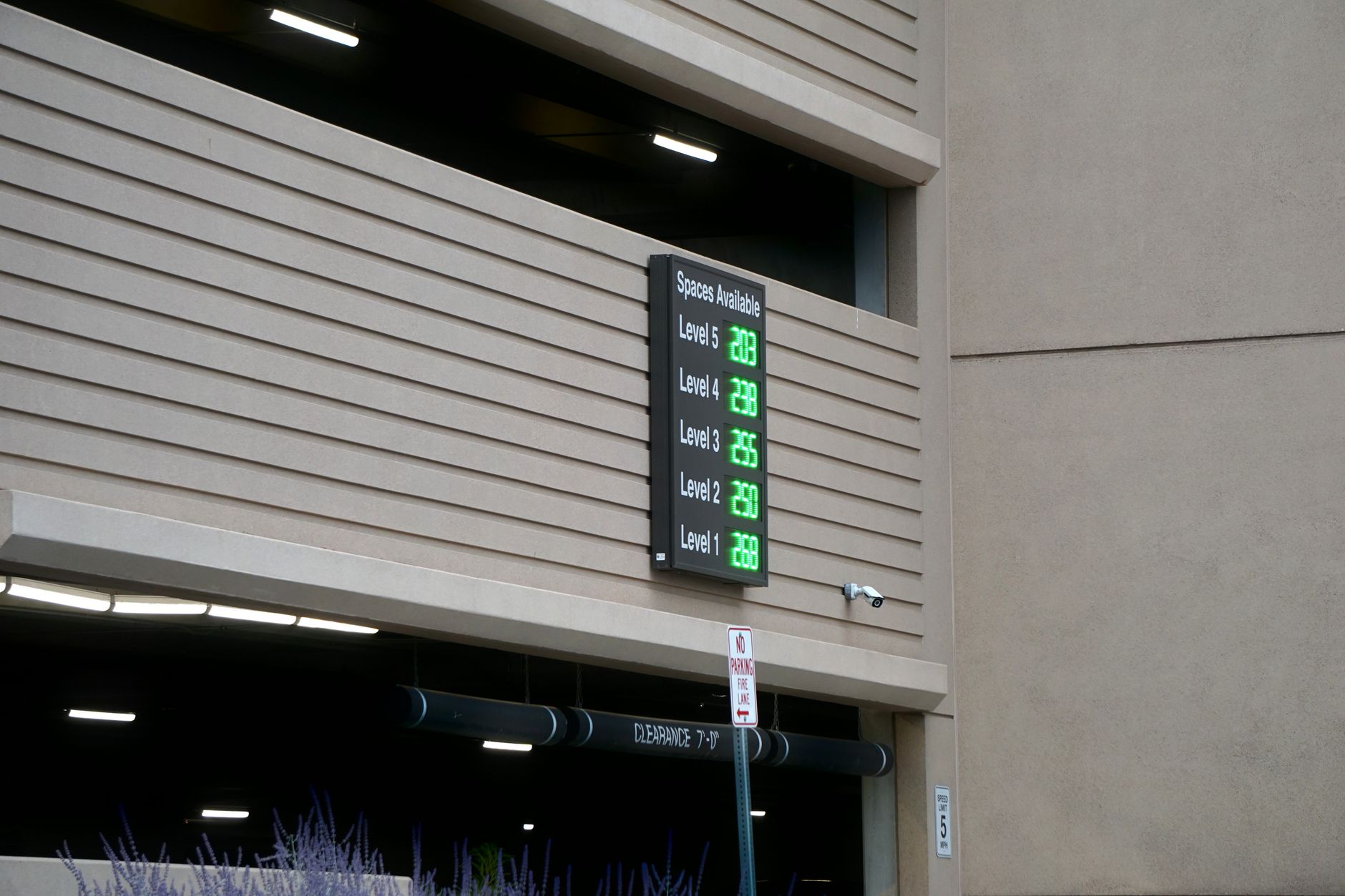
Deploying a free parking lot control app for an apartment or office building can be completed in 1-3 days with 5 basic steps: survey, choose app, install, configure, and trial operation.
- Step 1: Survey Current Status — Determine the average number of vehicles entering/exiting per day (typically 50-300 vehicles for a medium-sized apartment), common vehicle types (cars, motorbikes), and existing hardware (cameras, barriers, computers).
- Step 2: Choose a Suitable App — Based on the 7-criteria checklist above, select 2-3 free apps to try. Prioritize apps with a 14-30 day trial with no feature limitations.
- Step 3: Install and Configure — Download the app to your computer/mobile, create an admin account, enter the resident/employee list (name, license plate, pass type, expiration date). Connect the LPR camera if available.
- Step 4: Train Staff — Instruct security guards on how to use the app: take license plate photos, confirm vehicle entry/exit, handle exceptions (blurry plates, unknown vehicles). Training time is typically 1-2 hours.
- Step 5: Trial Operation and Optimization — Run a trial for 3-5 days, record any issues, adjust configurations. Evaluate LPR accuracy, processing speed, and feedback from guards and residents.
Common Mistakes When Choosing a Free Parking Lot Control App
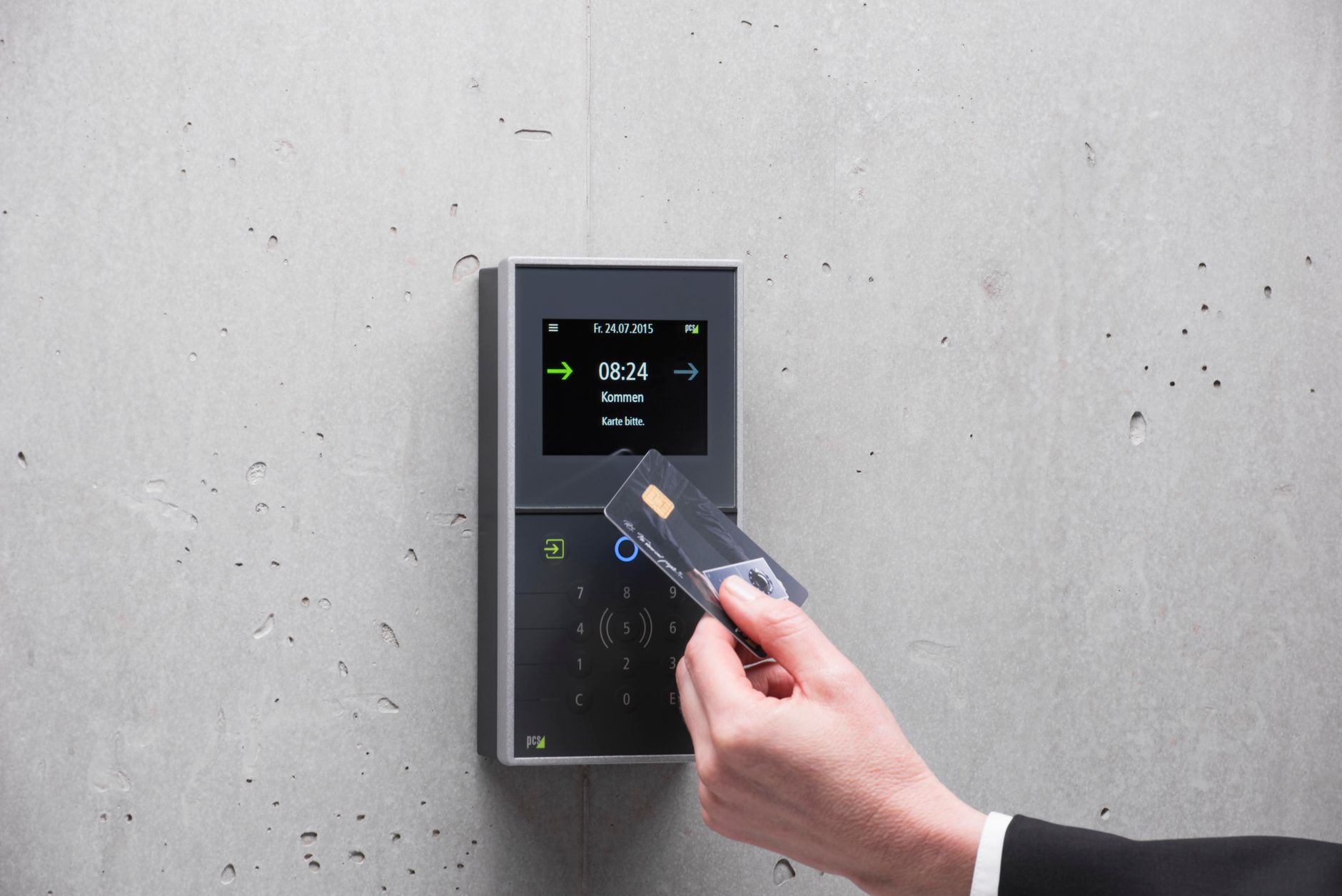
Many apartment and office building owners make 5 common mistakes when choosing a free parking lot control app, leading to having to switch apps after 2-3 months of use, wasting time and effort.
- Not checking compatibility with existing hardware — Many free apps only work on phones and cannot connect to already installed cameras and barriers. Result: guards have to perform double manual operations, wasting time.
- Choosing an app that does not support Vietnamese double-line license plates — Motorbikes and some older cars have double-line plates. An app that cannot recognize them will report errors constantly, causing congestion during peak hours.
- Not reading hidden limitations — Apps advertised as "free" but limited to only 50 vehicles/day or 7 days of image storage. When exceeded, they automatically charge fees or stop working.
- Ignoring data security — Some free apps collect license plate and entry/exit time data to sell to third parties. This violates resident privacy.
- Not trying before official deployment — Trial for at least 7 days to evaluate real-world performance: LPR accuracy in rain and darkness, processing speed when 5-10 vehicles arrive simultaneously.
Case Study: 200-Unit Apartment Switching from Manual to Free App
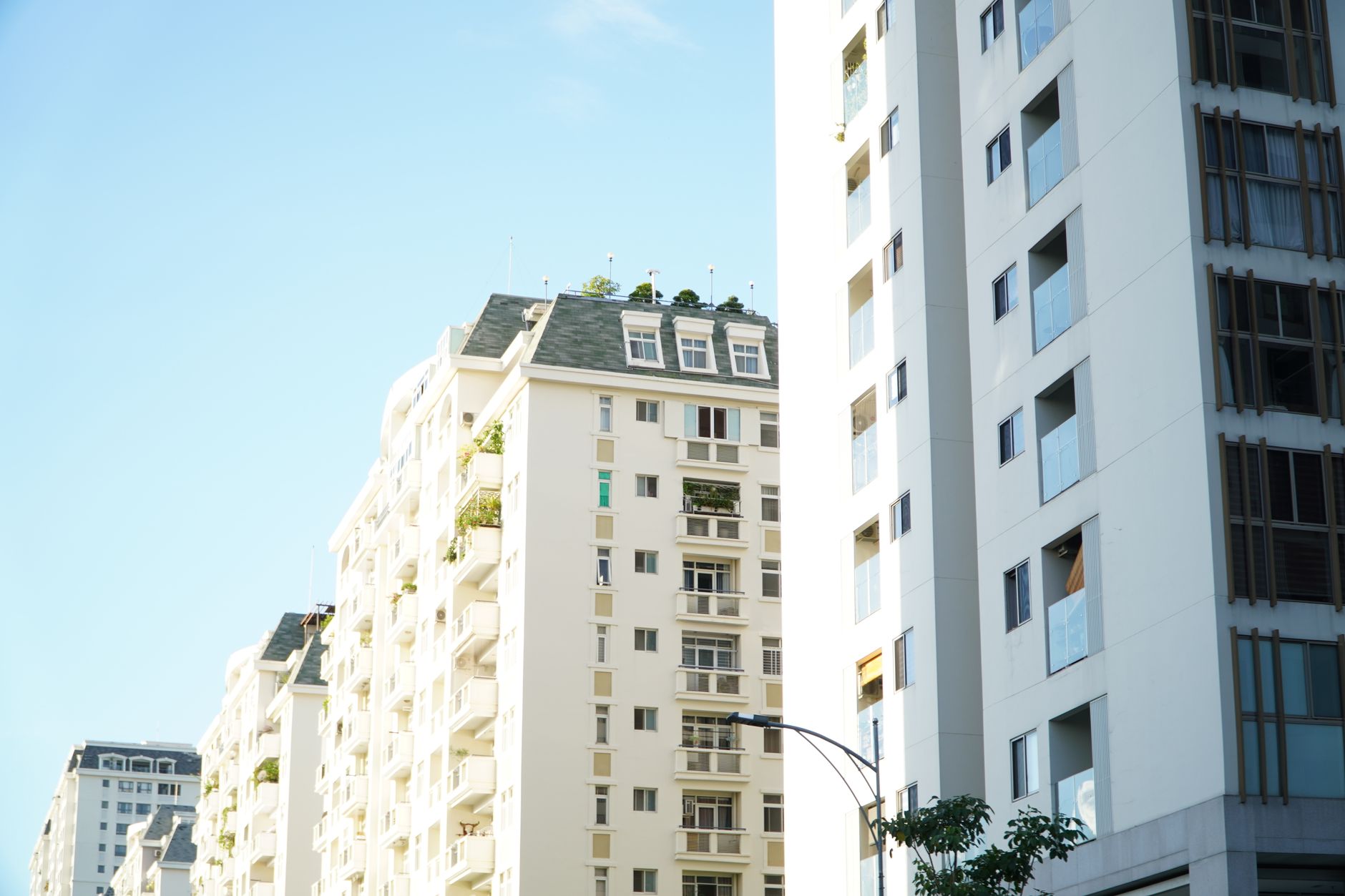
Binh Minh Apartment (District 7, Ho Chi Minh City) with 200 units