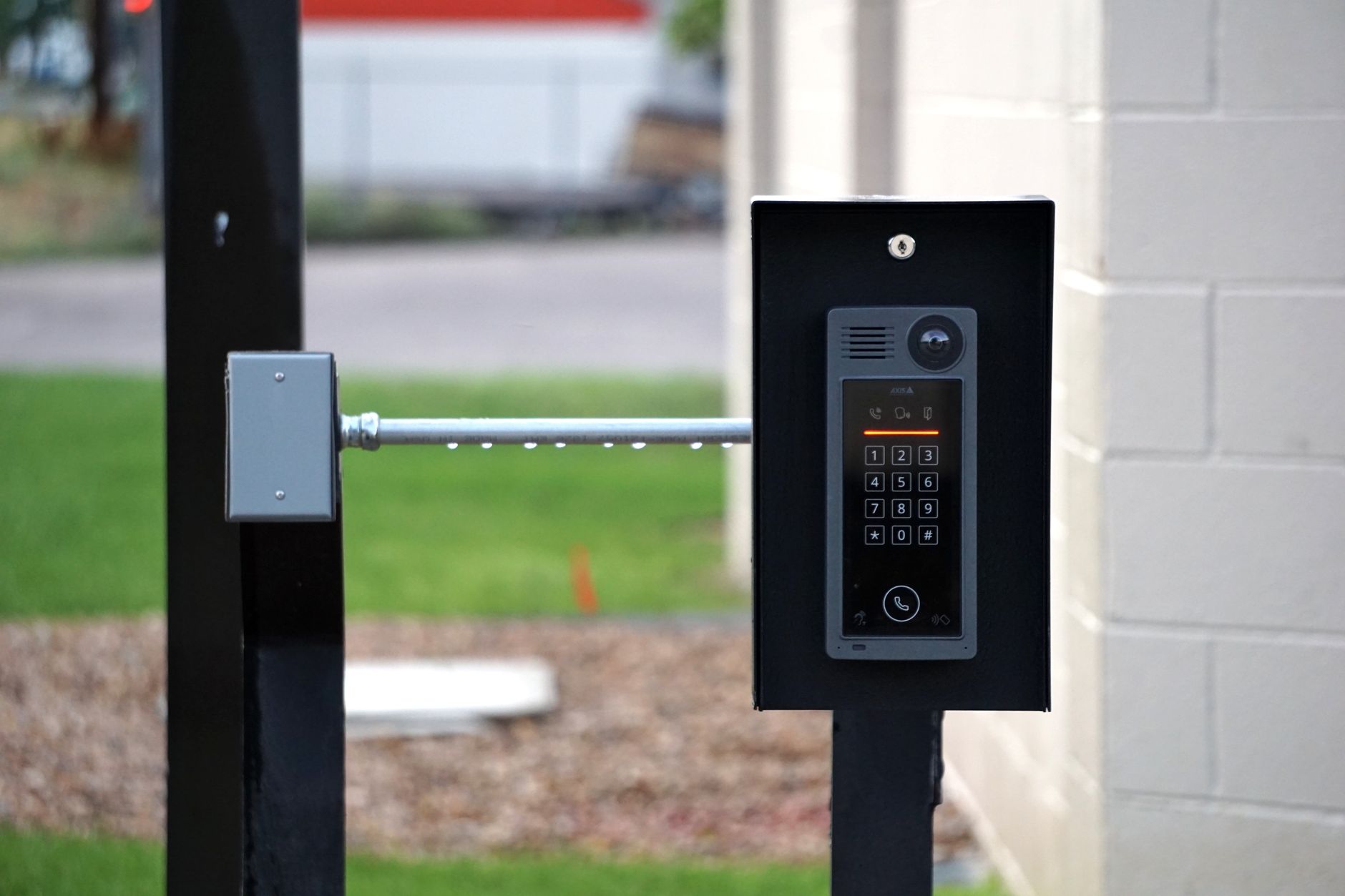
Deploying LPR (License Plate Recognition) barriers for office buildings is an automated vehicle access control solution that reduces wait times, enhances security, and optimizes operations. This article provides a specific 5-step process, from site survey to practical operation, making it easy for business owners to apply.
Problems office buildings face with vehicle access control
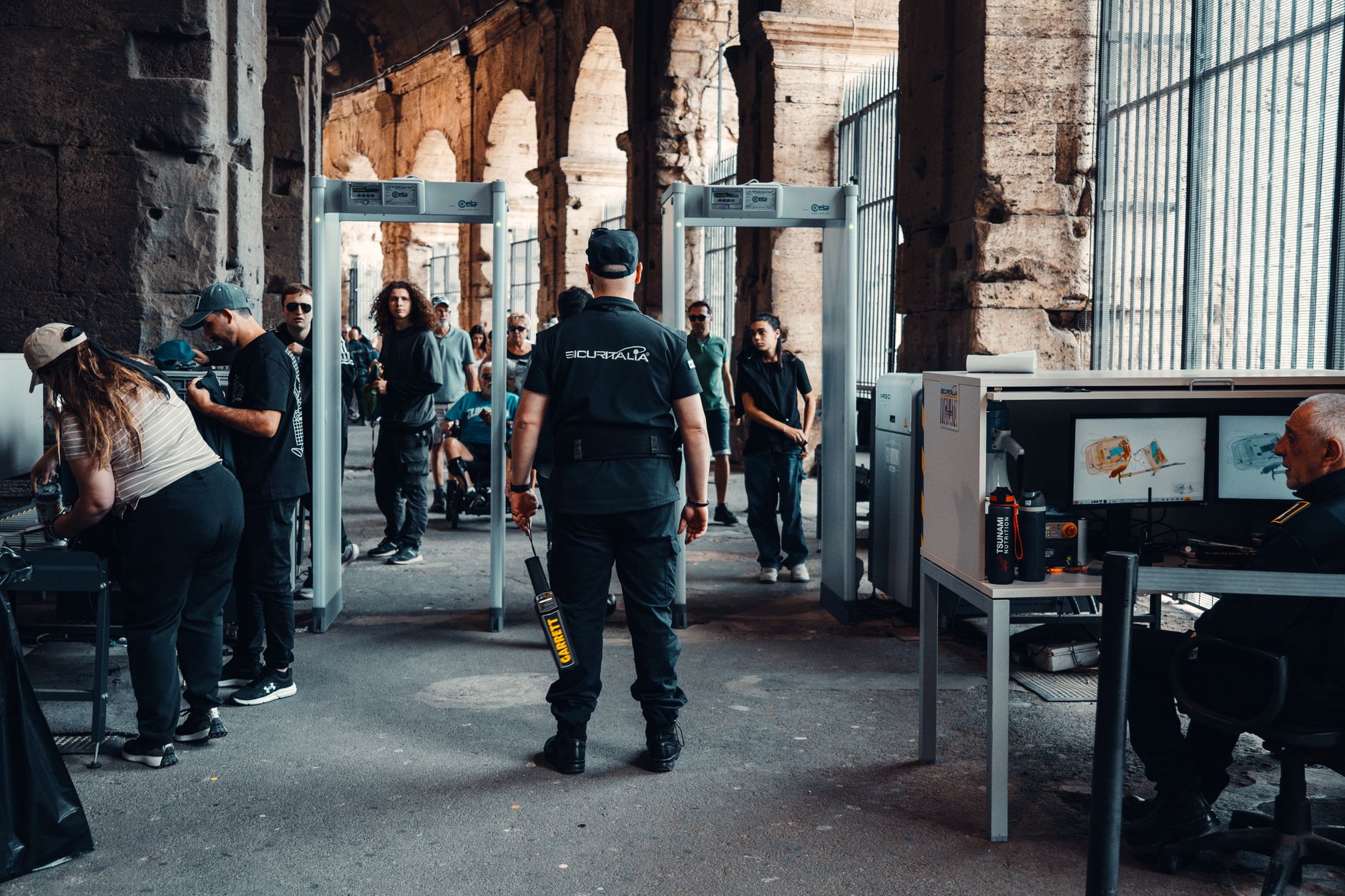
⚠ Gate congestion during peak hours: Vehicles queue up waiting for security to manually record information, wasting time for employees and guests.
⚠ Security risks: Strangers can exploit loopholes to enter the building undetected.
⚠ High personnel costs: Requires at least 2-3 security guards per shift at the gate, especially in buildings with multiple basement levels.
⚠ Difficulty controlling vehicle access: Manual data is prone to errors and difficult to retrieve when incidents occur.
How does the LPR barrier solution work?
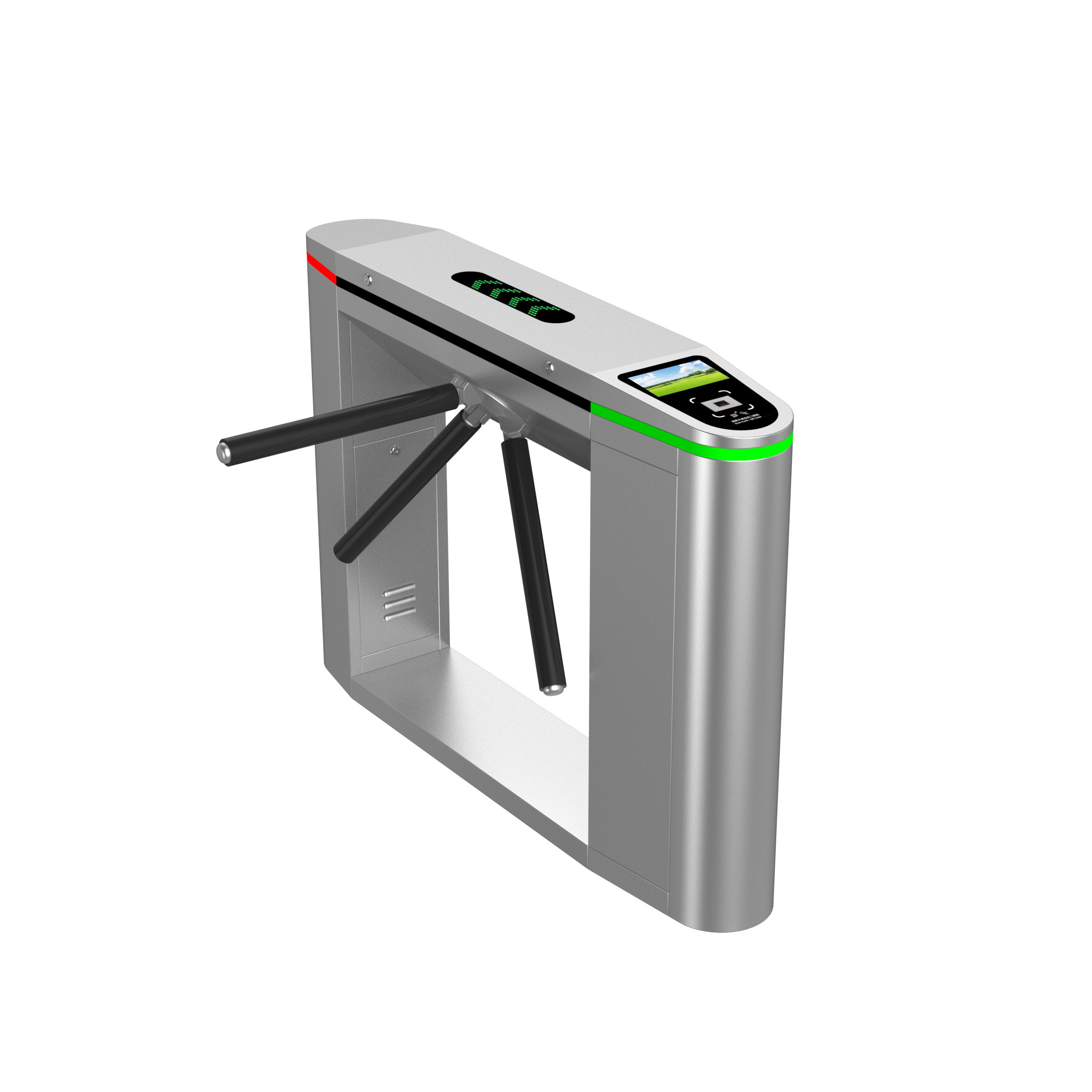
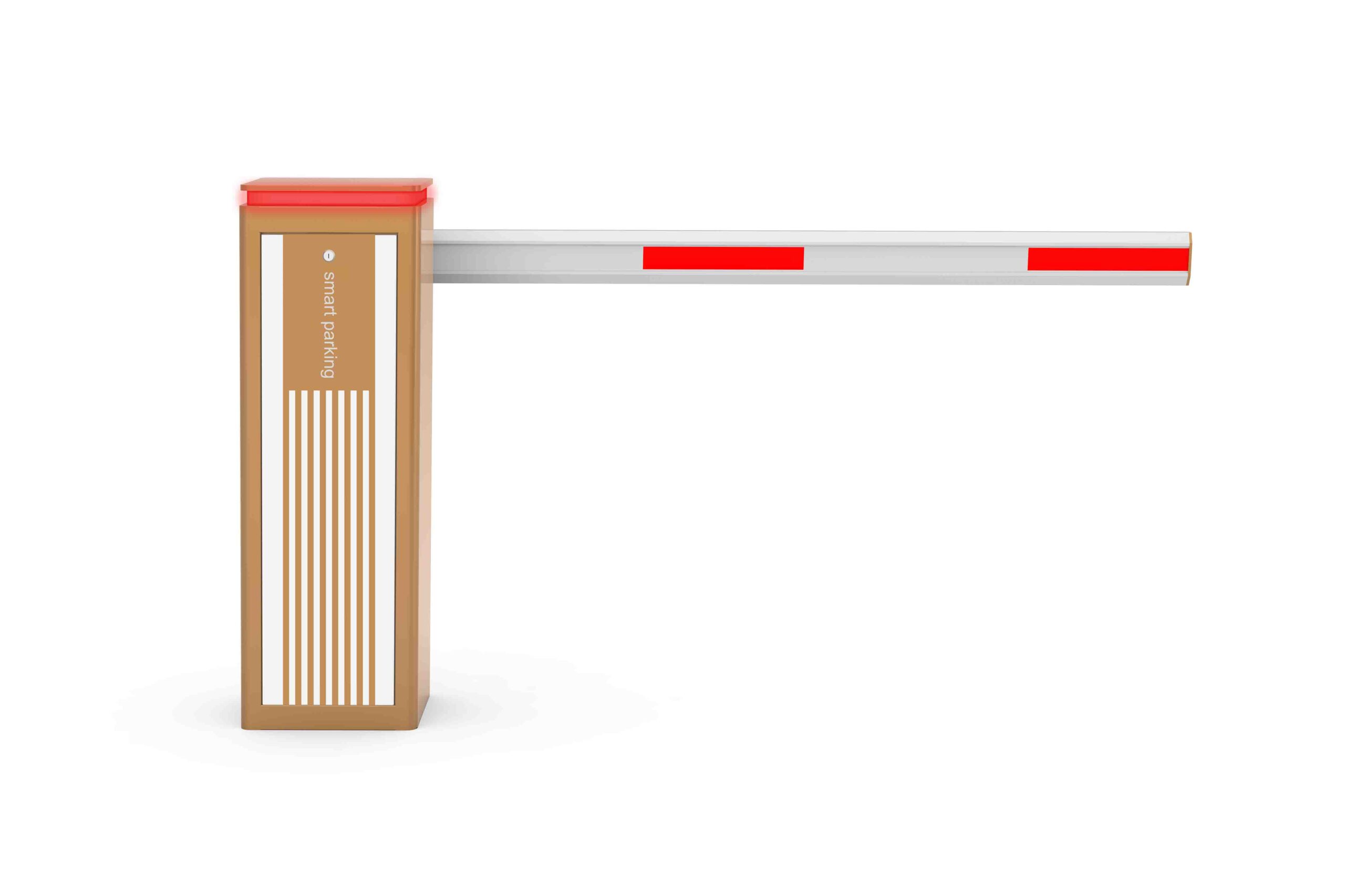
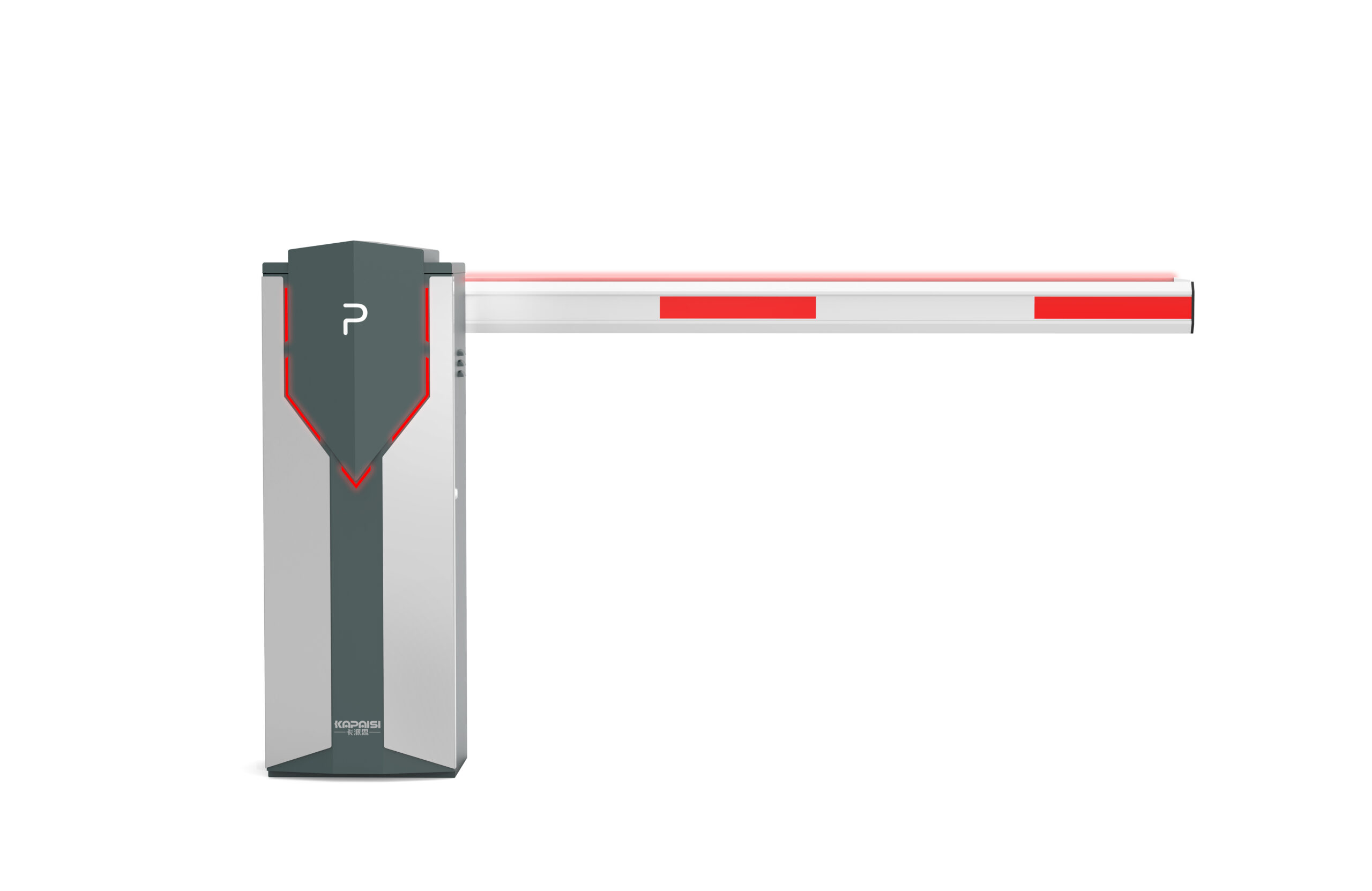
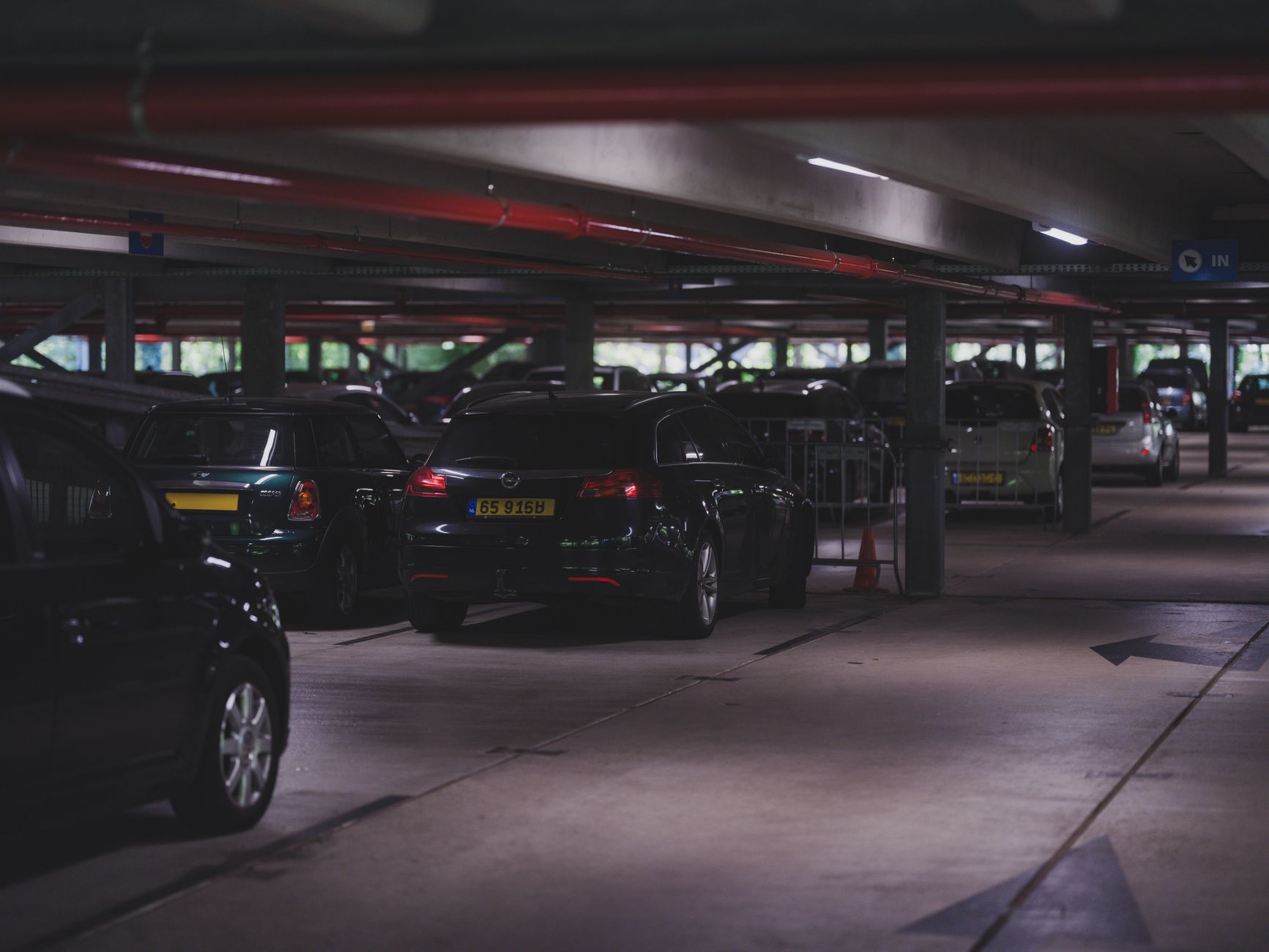
- LPR camera recognizes license plates: When a vehicle arrives at the gate, the AI camera captures an image and recognizes the license plate within 0.3-0.5 seconds.
- Software cross-references data: The system compares the license plate against a list of registered vehicles (employees, VIP guests) or processes unknown vehicles.
- Barrier opens automatically: If valid, the barrier lifts to allow the vehicle in, with an opening time 50% faster than proximity cards.
- Real-time recording: The system logs entry/exit data for revenue reconciliation and security reports.
- Remote management: Management can monitor vehicle flow via app or web and grant remote access.
Specific benefits of deploying LPR barriers
5 steps to deploy LPR barriers for office buildings
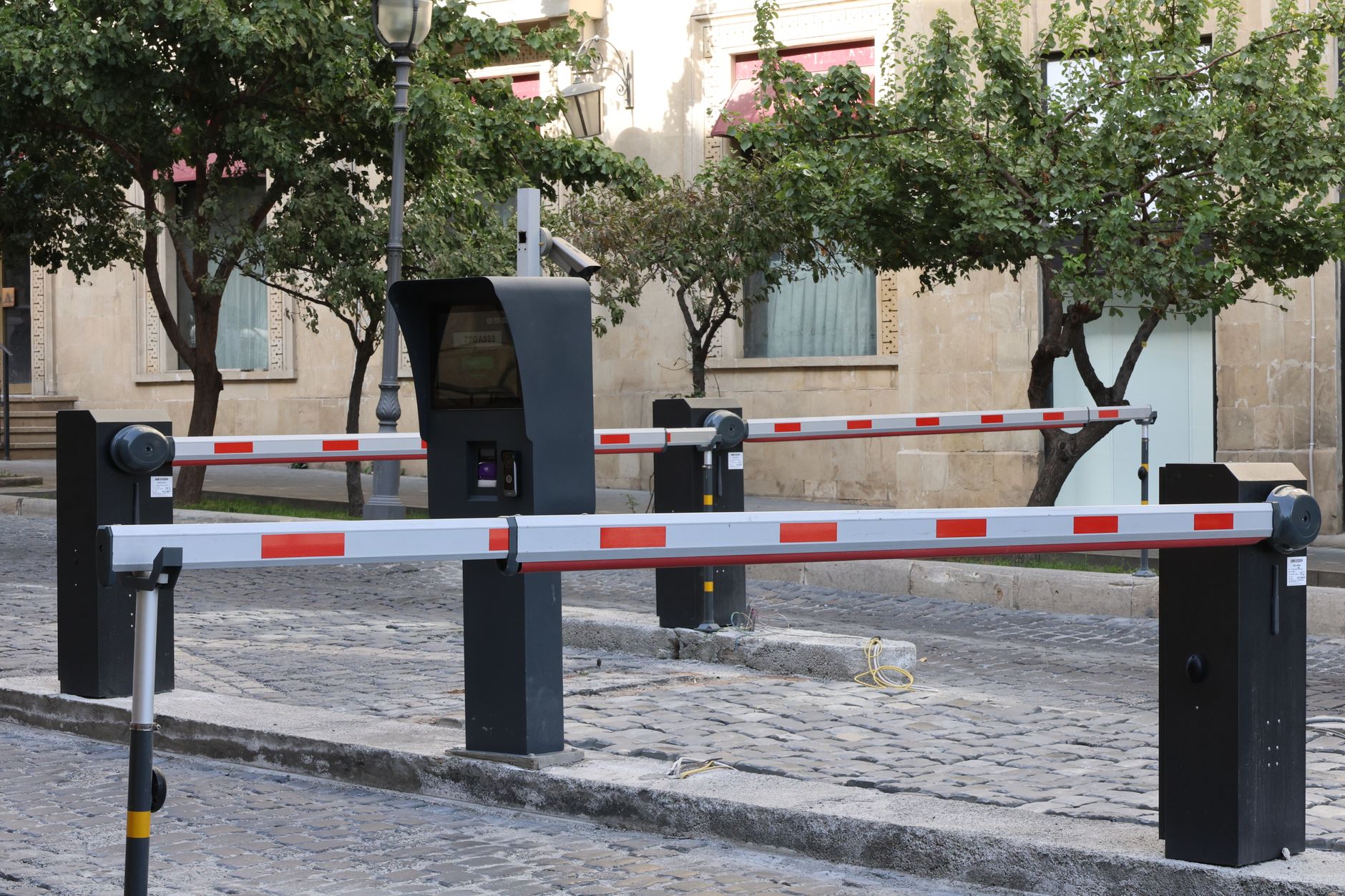
Step 1: Survey current conditions and vehicle traffic
Survey the number of vehicles entering and exiting daily (typically 200-500 vehicles for a Grade B office building), vehicle types (cars, delivery trucks), and peak hours. Measure gate dimensions, distance from gate to barrier, and LPR camera installation positions.
Step 2: Select suitable equipment
Choose an automatic barrier with a lift/lower speed of < 2 seconds (such as Kapaisi KPS-DZ-8003), an LPR camera with a minimum resolution of 2MP, integrated with infrared lights for nighttime. The management software should support whitelists, blacklists, and Excel report exports.
Step 3: Integrate software and database
Connect the LPR camera to the parking management software, synchronize the employee list from the timekeeping system. Set rules: employee vehicles enter automatically, guest vehicles require reception confirmation.
Step 4: System testing
Run a trial for 3-5 days with 100-200 sample vehicles, check recognition accuracy (requirement >95%), barrier opening speed, and error handling (blurry plates, vehicles turning around).
Step 5: Operation and maintenance
Train security guards on basic troubleshooting, schedule periodic maintenance every 3-6 months. Update software and vehicle lists regularly.
Comparison of LPR barriers and proximity card barriers for offices
| Criteria | LPR Barrier | Proximity Card Barrier |
|---|---|---|
| Entry speed | 2-3 seconds | 10-15 seconds |
| Accuracy | 99% | 95% (damaged cards) |
| Personnel cost | Reduces 1-2 people/shift | Requires security guard on duty |
| Maintenance | Once per quarter | Once per month |
Case study: Grade B office building reduces wait time by 70%
An office building in District 1, Ho Chi Minh City, with 400 vehicles entering and exiting daily, frequently experienced peak-hour congestion. After deploying LPR barriers from Việt Đức Trí Group, wait times dropped from 15-20 minutes to 3-5 minutes. Security costs decreased by 40% by cutting 2 personnel per shift.
Related products
Frequently asked questions
How much does it cost to deploy LPR barriers for an office?
Cost depends on the number of lanes (1-3 lanes), barrier and camera type. Average is 40-80 million VND/lane, including equipment, installation, and software. Contact 0935 295 337 for a detailed quote.
Can the system integrate with employee timekeeping?
Yes, the LPR barrier software can synchronize data with the timekeeping system via API, helping manage employee entry/exit times automatically.
What is the warranty period for LPR barriers?
Barrier and camera equipment are warranted for 12-24 months depending on the brand. Software includes free updates for the first 12 months.
How to handle it when the camera cannot recognize the license plate?
The system has a manual override mode: security can manually enter