
FDA 21 CFR Part 11 is a set of regulations on electronic records and electronic signatures issued by the U.S. Food and Drug Administration (FDA). For Vietnamese pharmaceutical plants using X-Ray machines to inspect contaminants, compliance with Part 11 is mandatory if inspection data is used as legal records. This article provides a detailed guide on technical requirements and validation procedures for pharmaceutical X-Ray inspection systems, helping enterprises avoid the risk of FDA warnings.
What is FDA 21 CFR Part 11 and why does it apply to pharmaceutical X-Ray machines?
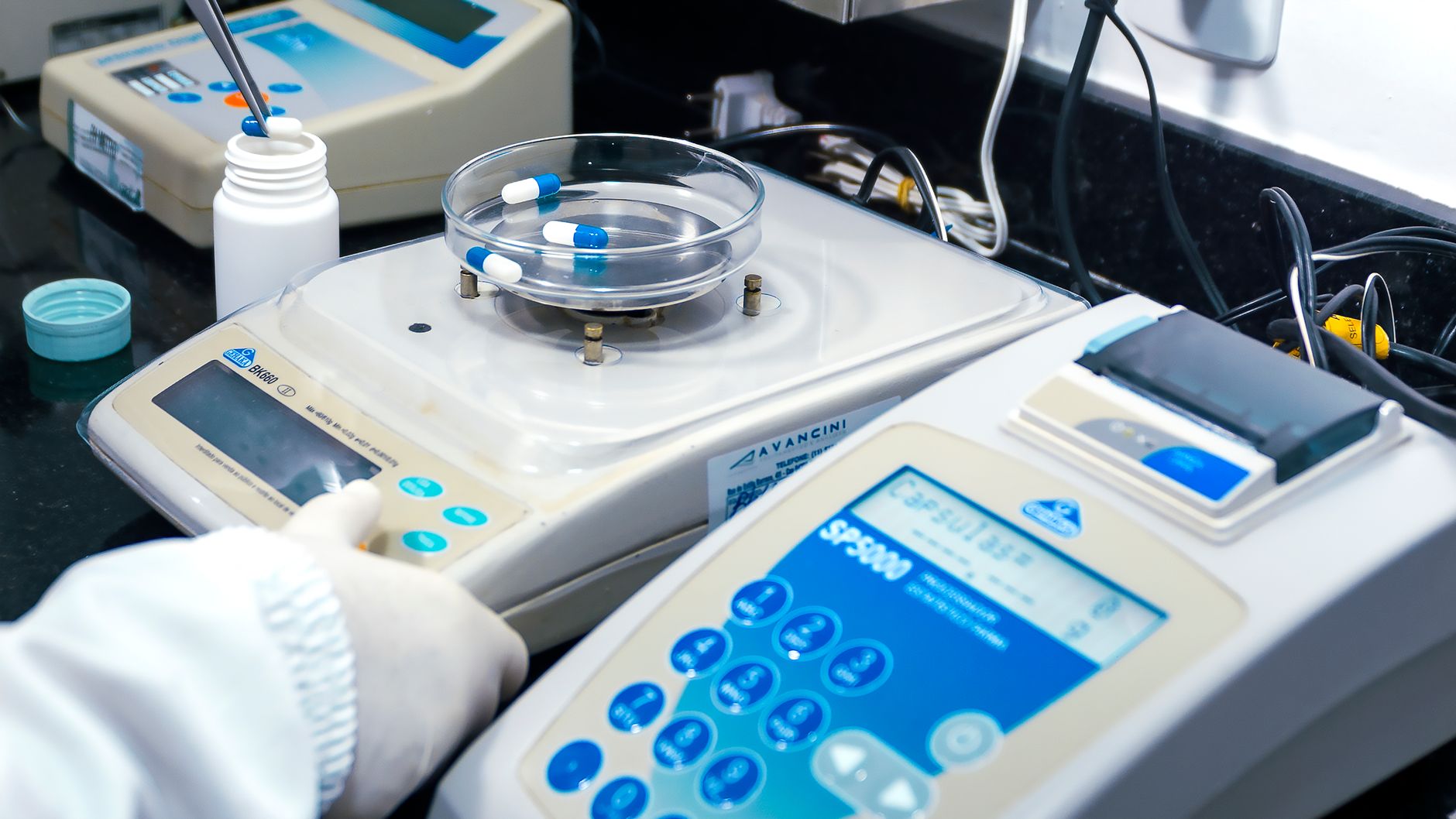
FDA 21 CFR Part 11 is a regulation that establishes standards for electronic records and electronic signatures, giving them legal validity equivalent to handwritten signatures. For pharmaceutical X-Ray machines, Part 11 requires the system to ensure the integrity, security, and traceability of inspection data.
In 2023, the FDA issued 12 Warning Letters related to Part 11 violations at Asian pharmaceutical plants, including 3 cases involving inspection systems that did not meet audit trail requirements. For Vietnamese enterprises exporting pharmaceuticals to the US, Part 11 compliance is not only a legal requirement but also a prerequisite for maintaining product marketing authorization.
Electronic signature requirements for pharmaceutical X-Ray inspection systems
Related Products

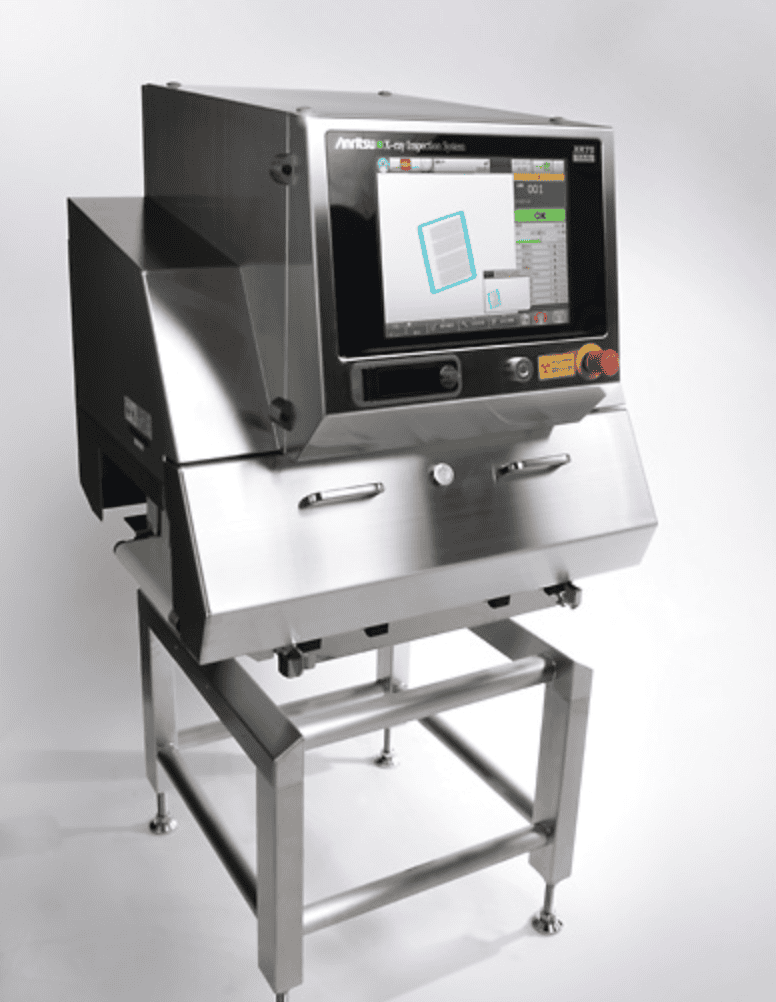

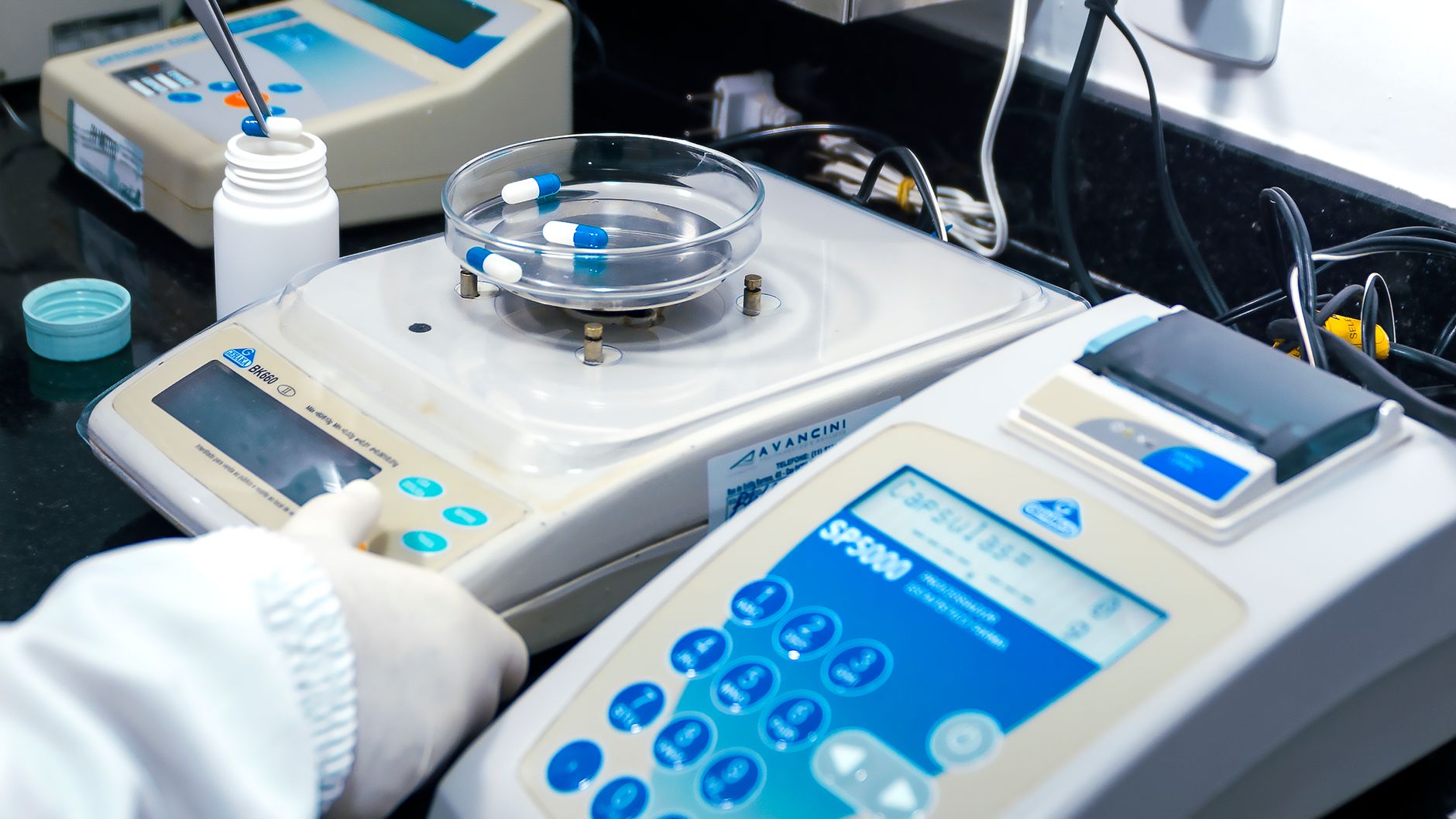
Electronic signatures under Part 11 must be linked to a specific user, cannot be copied, and must include at least two distinct identification components (e.g., user ID + password or biometrics). The X-Ray system must record this signature each time an inspection configuration is changed.
Specific requirements:
- Each signature must contain information about the signer, the time of signing, and the meaning of the signature (e.g., batch approval, detection threshold change).
- The system must allow users to review the signed content before confirmation.
- Signing on behalf of others or batch signing without step-by-step confirmation is not permitted.
- Passwords must be changed periodically (at least every 90 days) and must not be displayed in plain text.
Audit trail: Recording every change on the X-Ray machine

An audit trail is an automatic, non-editable record that logs all actions of creating, modifying, or deleting data on the X-Ray system. This is a core requirement of Part 11 to ensure data integrity.
According to FDA guidance, the audit trail for pharmaceutical X-Ray machines must include:
- The time and date of the change (timestamp accurate to the second).
- The identifier of the user who made the change.
- The old value and new value of the changed parameter (e.g., changing the detection threshold from 0.5mm to 0.8mm).
- The reason for the change (if the system allows input).
- The original inspection data must remain unaffected by the change.
Example: When a technician changes the sensitivity setting of the X-Ray machine for a batch of tablet pharmaceuticals, the audit trail must record who made the change, from which value to which value, and at what time. Inspection data before the change must remain intact.
Validation (IQ/OQ/PQ) for pharmaceutical X-Ray systems
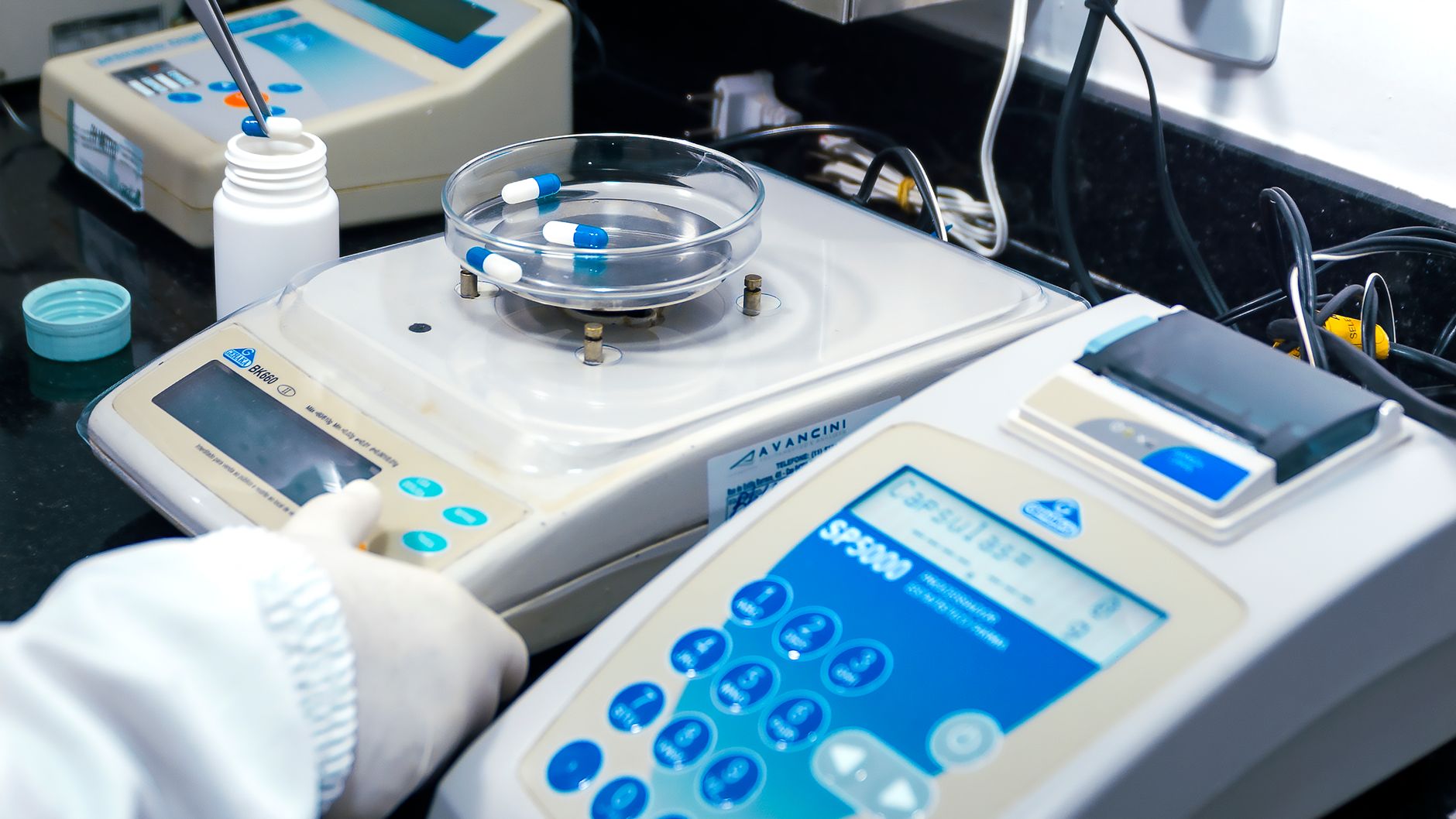
Validation is the process of testing and confirming that the X-Ray inspection system operates according to technical requirements and meets Part 11 standards. This process consists of three stages: Installation Qualification (IQ), Operational Qualification (OQ), and Performance Qualification (PQ).
Specific steps:
- IQ (Installation Qualification): Confirms that the X-Ray machine is installed according to the manufacturer's specifications, including checks on power supply, network connections, and control software.
- OQ (Operational Qualification): Tests operational functions such as conveyor speed, image resolution, and the ability to detect contaminants at different sizes (0.3mm, 0.5mm, 1.0mm).
- PQ (Performance Qualification): Runs tests with actual product samples (tablets, syringes, vials) to confirm the system correctly detects contaminants and does not generate excessive false alarms.
Each stage must have a results report, electronically signed, and stored in the document management system.
Summary table of Part 11 requirements for pharmaceutical X-Ray machines
| Term | Definition | Example applied to X-Ray |
|---|---|---|
| Electronic signature | A combination of electronic data confirming the identity and consent of the user | Technician electronically signs when approving batch inspection results |
| Audit trail | An automatic, non-editable record logging all data changes | Records the change of detection threshold from 0.5mm to 0.8mm |
| Validation (IQ/OQ/PQ) | The process of testing and confirming the system operates as required | Running the X-Ray machine with tablet samples containing metal contaminants |
| Data security | Ensuring data is not accessed, modified, or deleted without authorization | User permissions: operator can only view, supervisor can modify configuration |
| Data integrity | Data must be accurate, complete, and unchanged throughout its lifecycle | X-Ray images of a drug batch must be stored in original format, without lossy compression |
Common mistakes when implementing Part 11 for X-Ray machines

- No audit trail for inspection parameters: Many plants only log audit trails for result data, neglecting to record machine configuration changes (detection threshold, conveyor speed).
- Shared accounts: Multiple operators using a single login account violates the requirement that electronic signatures must be linked to a specific user.
- Not reviewing the audit trail periodically: The audit trail exists but is not reviewed regularly, leading to failure in detecting unauthorized changes in a timely manner.
- Omitting software validation: Only validating the X-Ray machine hardware without validating the data management and audit trail software.
- Improper data backup: Backups do not include the audit trail and electronic signatures, causing loss of audit trail when restored.
Frequently asked questions about FDA 21 CFR Part 11 for pharmaceutical X-Ray machines
Which X-Ray machines need to comply with Part 11?
All X-Ray machines used in pharmaceutical quality control, if the inspection data is used as legal records for the FDA, must comply with Part 11. This includes X-Ray machines inspecting tablets, syringes, vials, and other dosage forms.
How to know if the current X-Ray machine already meets Part 11?
Check the manufacturer's technical documentation to see if the machine supports audit trails, electronic signatures, and user permissions. If not, you need to upgrade the software or add an intermediary data management system that meets Part 11.
What is the cost of validation for a pharmaceutical X-Ray machine?
The cost of validation (IQ/OQ/PQ) for a pharmaceutical X-Ray inspection system typically ranges from $5,000 to $15,000 USD, depending on the system's complexity and the plant's requirements. This cost includes documentation, test runs, and reports.
Does the FDA check Part 11 during plant inspections?
Yes. The FDA typically checks Part 11 during routine or unannounced inspections. They will request to see the audit trail, electronic signatures, and validation reports. If violations are found, the FDA may issue a Warning Letter or suspend export licenses.
Does the X-Ray machine software need separate validation?
Yes. The data management, audit trail, and electronic signature software must be validated separately, independent of hardware validation. The FDA requires software validation according to IEEE or ISO 13485 standards.
How to handle an audit trail failure?
When an audit trail fails, immediately stop using the system for inspection, record the incident in the operation log, and perform corrective actions. Data during the failure period must be flagged and reviewed for integrity before being used as legal records.