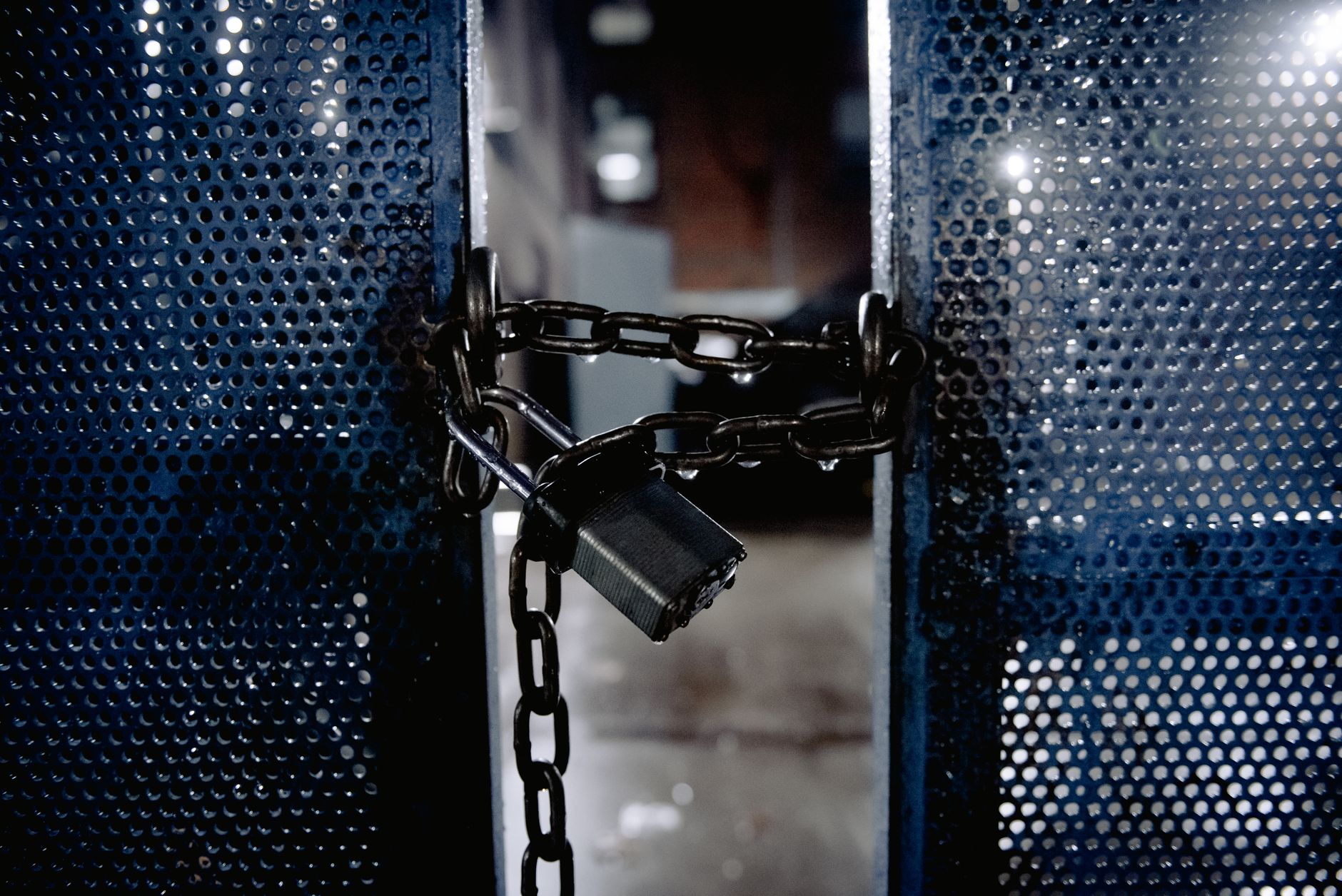
Industrial park (IP) barrier gates play a key role in controlling trucks, worker vehicles, and goods entering and exiting. However, traditional card-based barrier systems frequently encounter issues such as boom arm jams, lost cards, data errors, causing congestion and losses. The LPR (License Plate Recognition) solution using AI cameras for automatic license plate recognition is becoming the optimal replacement trend, thoroughly overcoming these problems.
Common problems with traditional IP barrier gates

Factories in Thang Long IP, Bac Ninh IP are facing 5 common errors: boom arm jams due to overload, lost RFID cards, incorrect registered vehicle data, loss of control over unknown vehicles entering/exiting, and high maintenance costs. These errors not only cause peak-hour congestion but also pose security risks and revenue losses.
- ⚠️ Barrier boom arm jam due to overload — Heavy trucks frequently exceed the designed load capacity, breaking or jamming the barrier arm, causing gate traffic disruption for 15-30 minutes each time.
- ⚠️ Lost RFID cards — Drivers frequently lose or damage cards, leading to 10-15 minutes of manual verification, affecting delivery schedules.
- ⚠️ Incorrect registered vehicle data — Vehicle data in the card system is not synchronized with reality (license plate, type), causing disputes between security guards and drivers.
- ⚠️ Loss of control over unknown vehicles — The card system cannot authenticate driver identity, making it easy for unauthorized vehicles to enter/exit.
- ⚠️ High maintenance costs — Card barriers require periodic maintenance of sensors, motors, and card readers, averaging 15-25 million VND/year/station.
How does the LPR (License Plate Recognition) solution work?
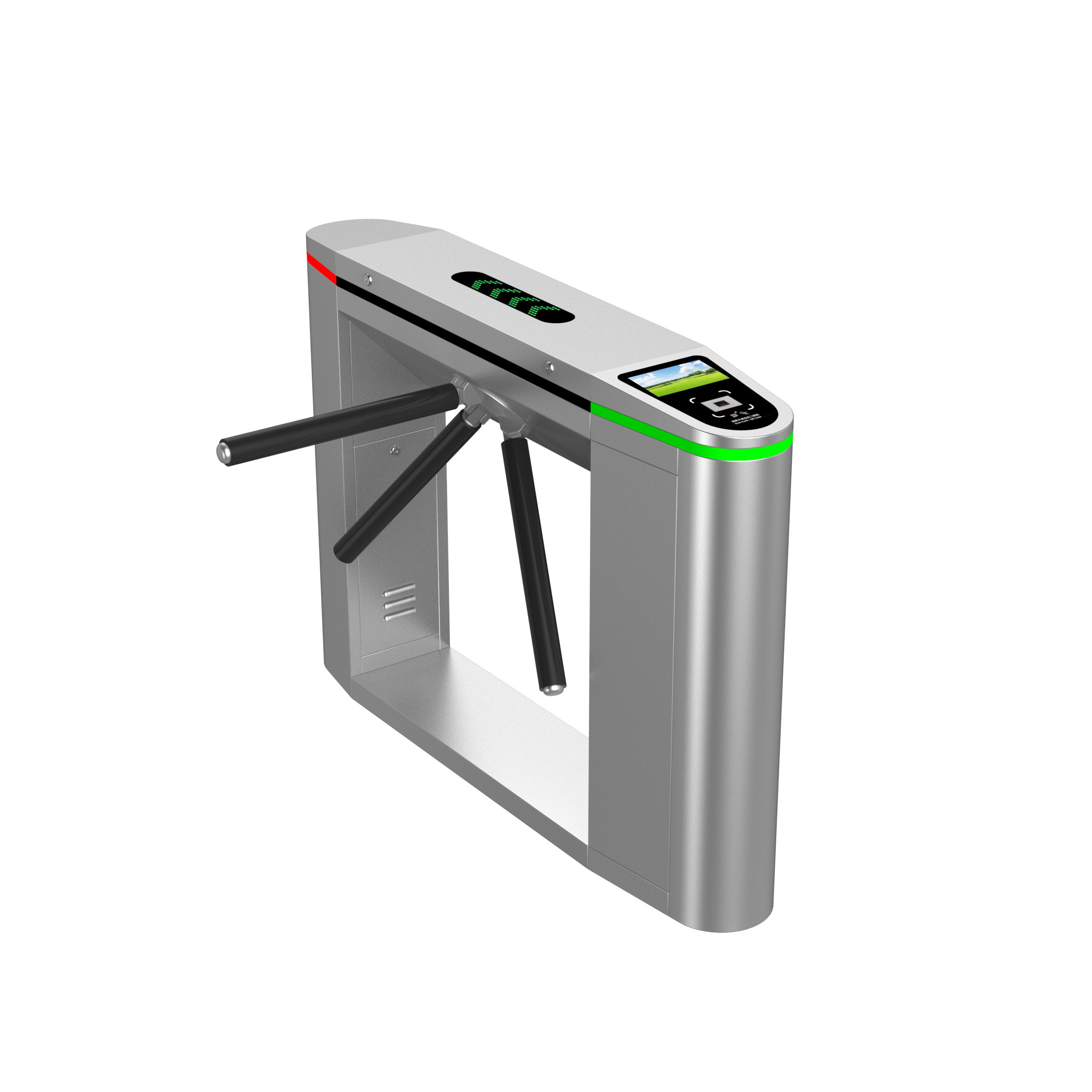
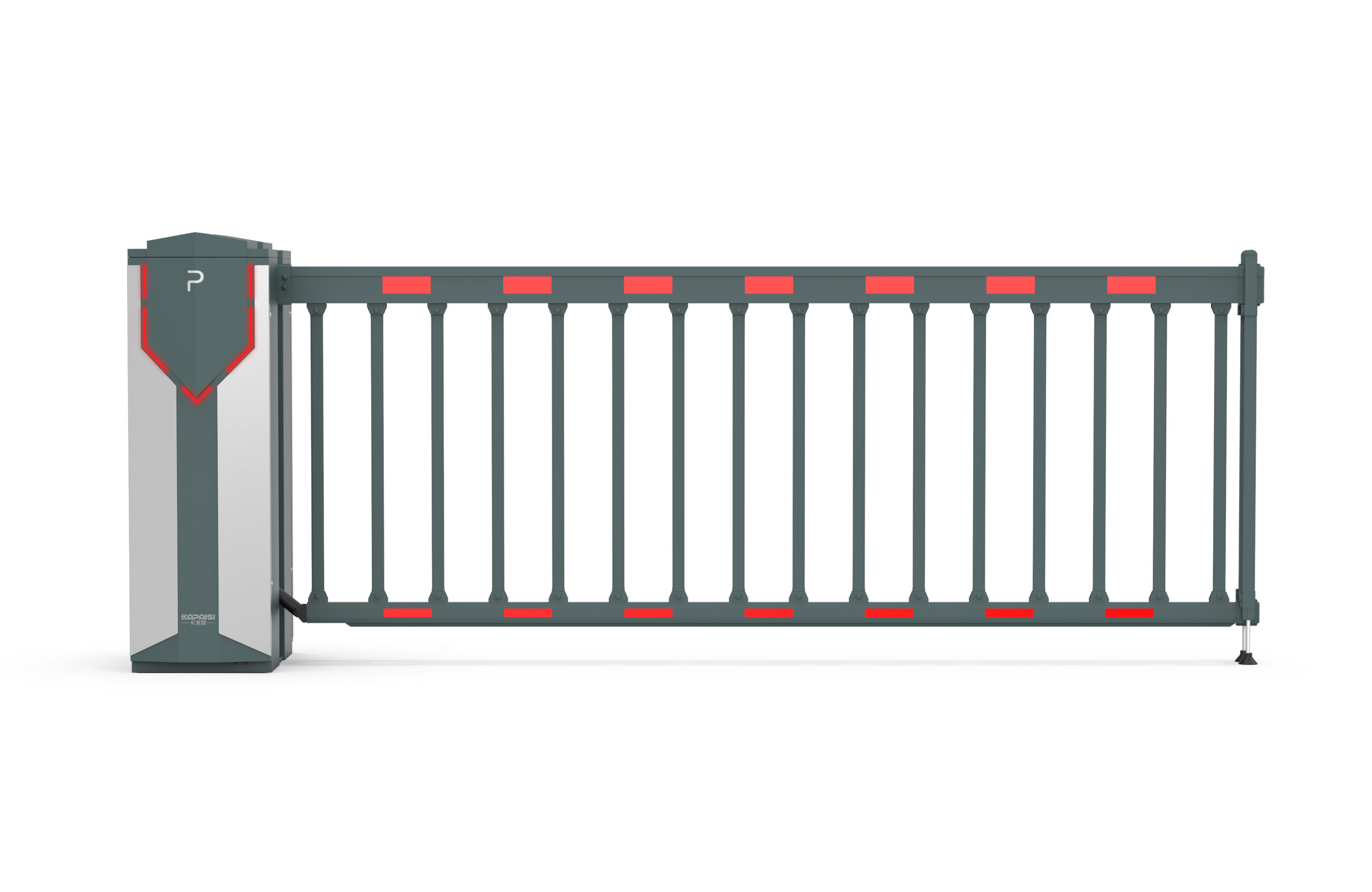
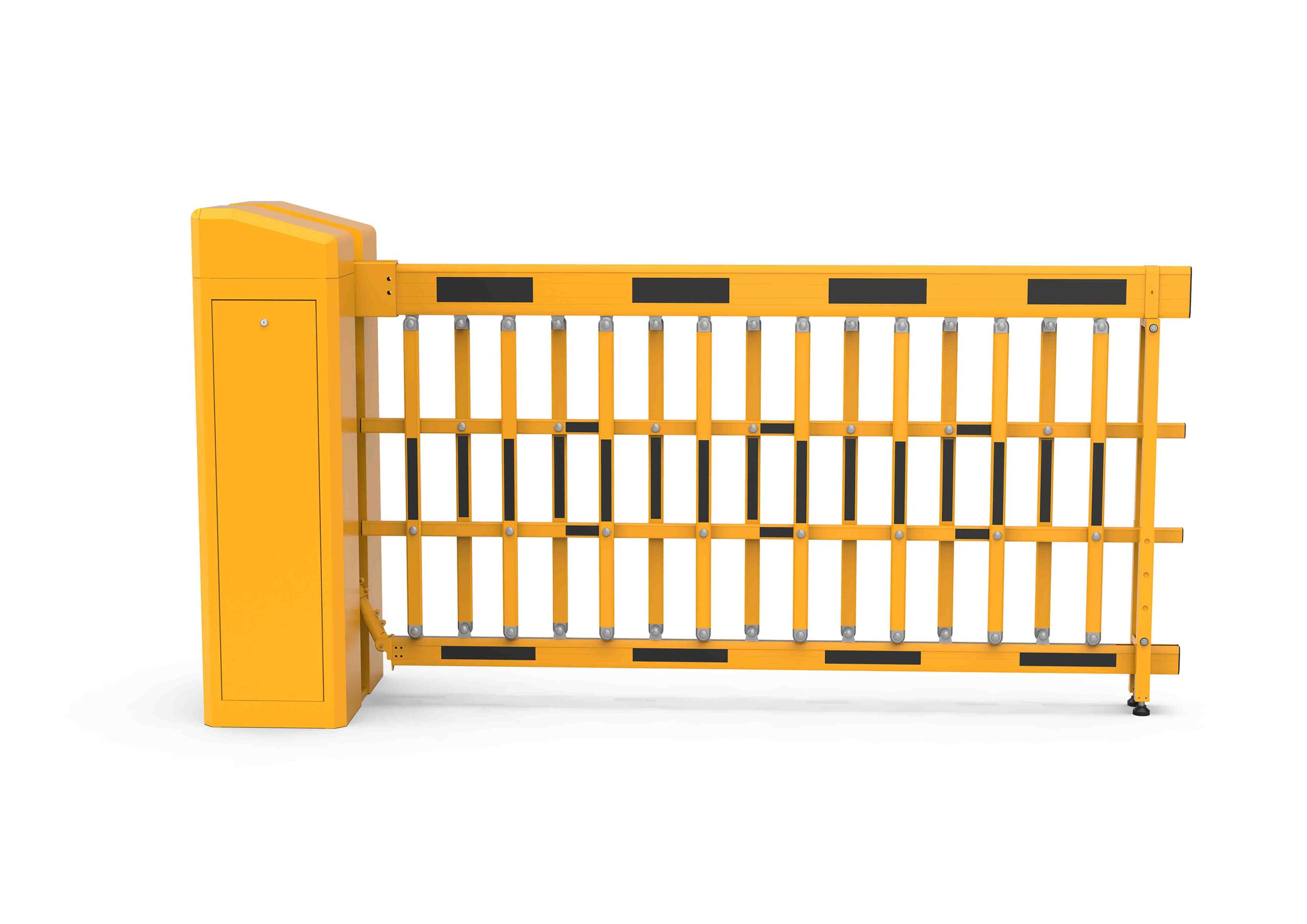
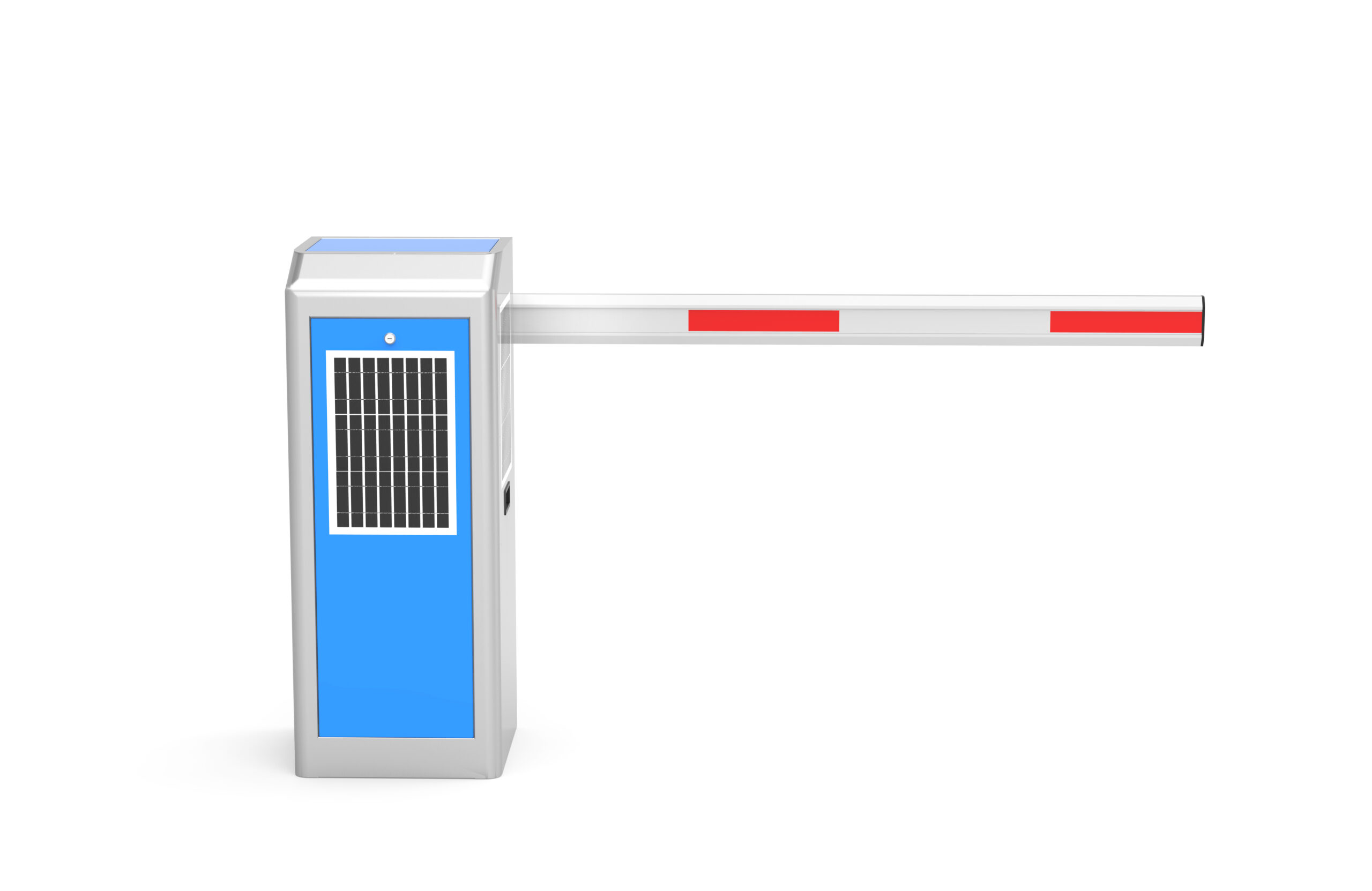
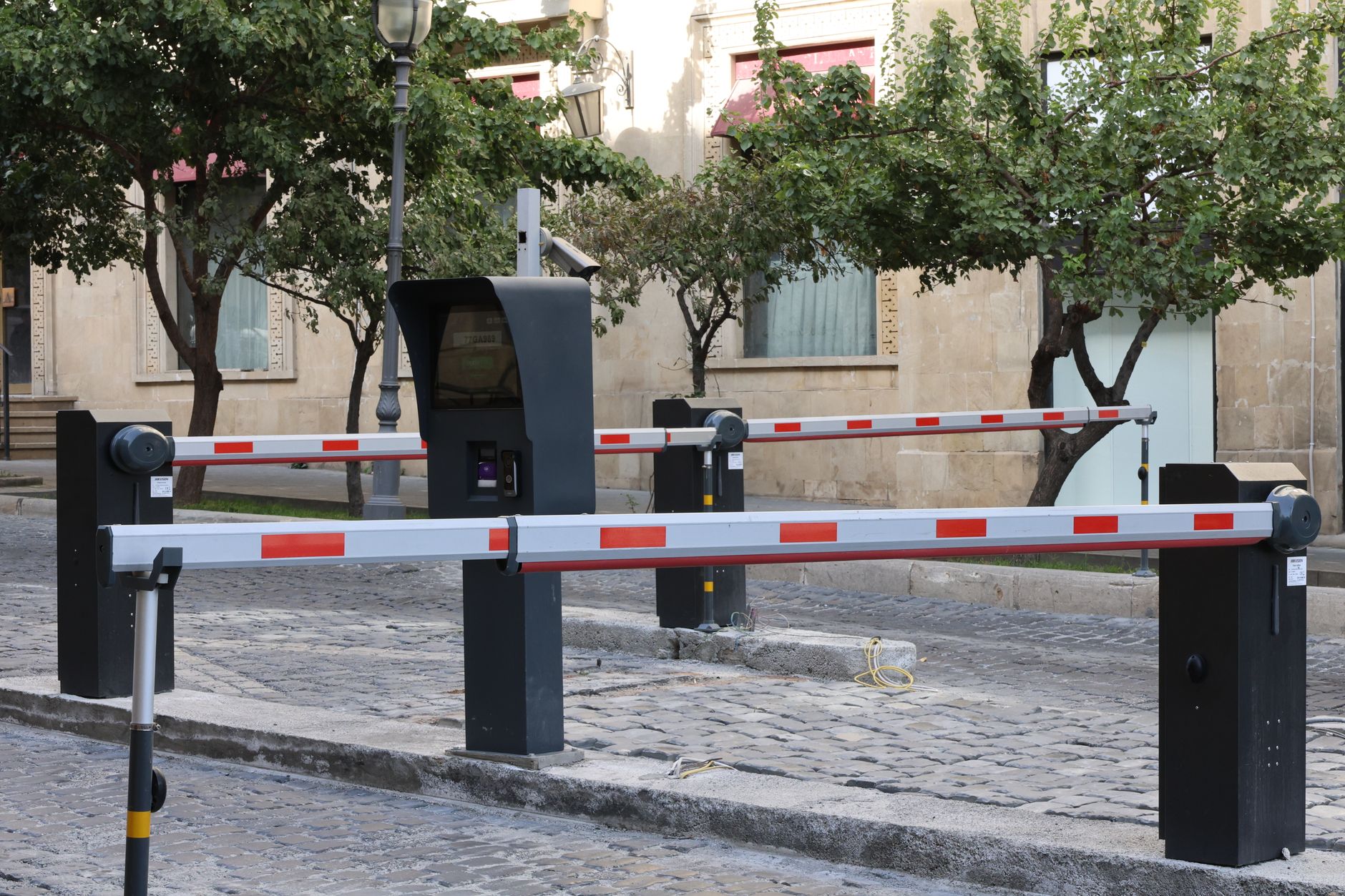
The LPR system uses high-resolution AI cameras (2-8MP) placed at the gate, combined with Vietnamese license plate recognition software. When a vehicle arrives, the camera captures the license plate image, the software processes and matches it against the registered vehicle database, then sends a signal to open the barrier automatically without requiring a card or manual interaction.
- Step 1 — Detect arriving vehicle: A loop detector sensor or radar detects the vehicle stopping at the gate, activating the LPR camera.
- Step 2 — Capture license plate image: The AI camera captures the front and rear license plate images at 25-30 frames per second, ensuring 99% accuracy in all lighting conditions.
- Step 3 — Recognize and match: The software processes the image, extracts license plate characters (including new 5-digit plates), and compares them against the list of authorized vehicles.
- Step 4 — Open barrier automatically: If matched, the barrier opens within 2-3 seconds; if not, the system alerts security for manual inspection.
- Step 5 — Record log: All entry/exit data (time, license plate, captured images) is stored on the cloud or internal server for lookup and reporting.
Specific benefits of switching to LPR barriers
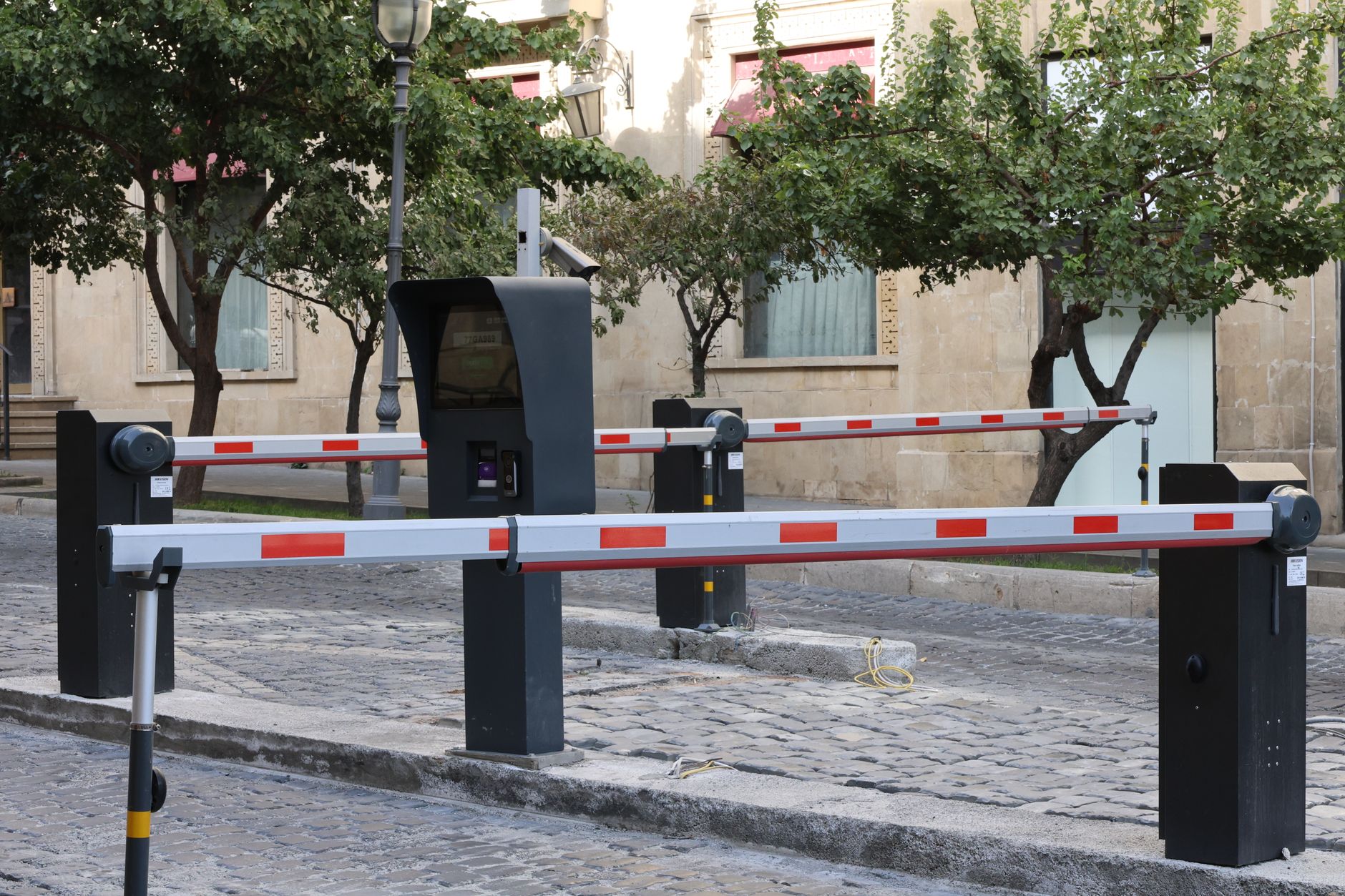
Applying LPR to IP gates brings clear benefits: reduces operational errors by 70-80%, saves 40% on security personnel costs, increases peak-hour traffic flow by 50%, and completely eliminates card printing costs. Below are the detailed benefits.
Reduces waiting time by 50%
Vehicles pass through the gate in just 5-8 seconds instead of 15-25 seconds with cards, reducing peak-hour congestion.
Saves 40% on personnel costs
Reduces 2-3 security guards/station/shift, thanks to fully automated access control processes.
Absolute security
Accurately identifies each vehicle, blocks unknown vehicles, and stores captured images as evidence when needed.
Reduces maintenance costs by 60%
No need to maintain card readers; barrier motor lasts longer due to fewer incorrect open/close cycles.
Comparison of card barriers and LPR barriers for IPs
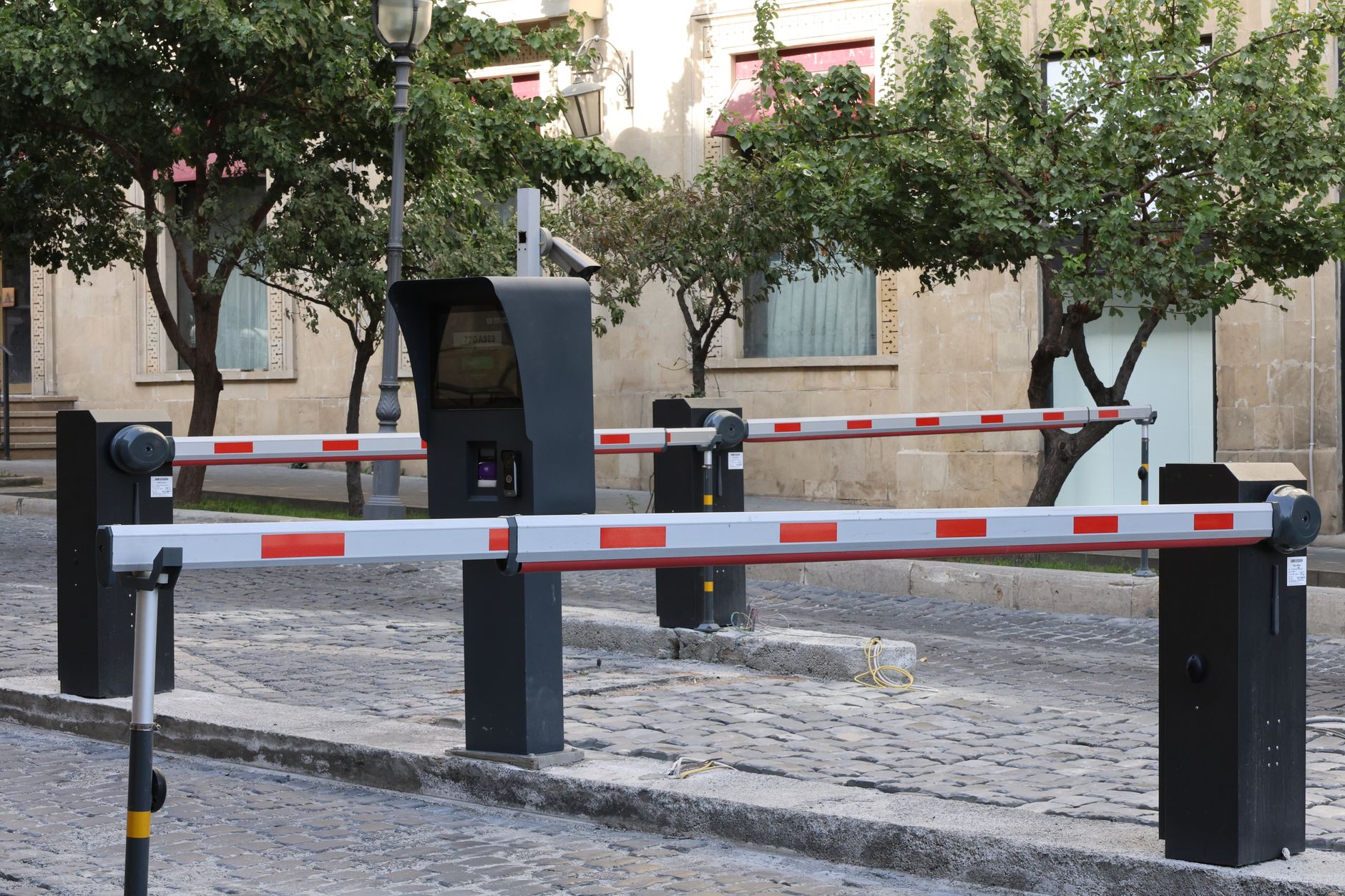
The comparison table below helps businesses easily evaluate the differences in cost, performance, and reliability between the two solutions, thereby making appropriate investment decisions.