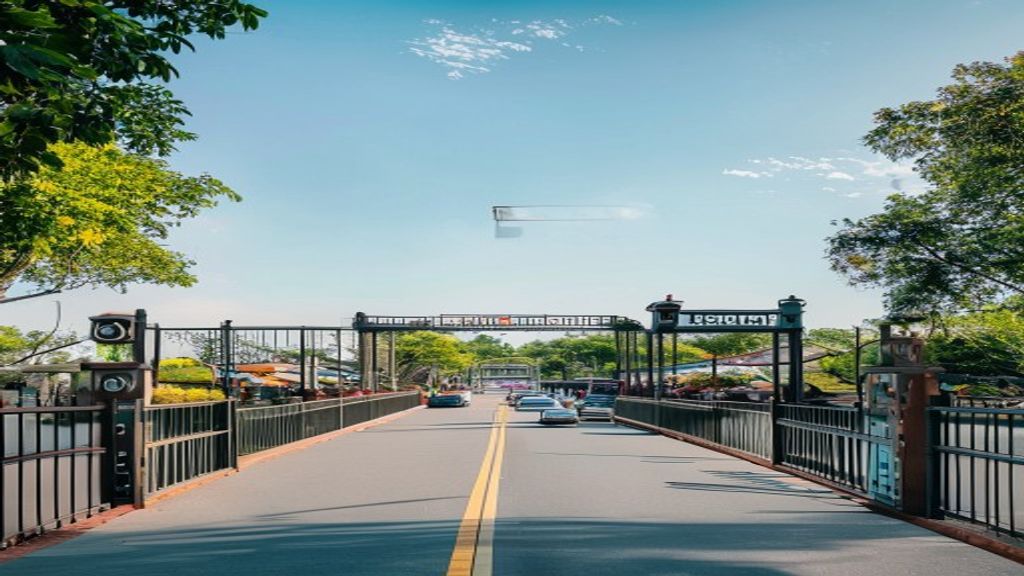
Controlling vehicle access to entertainment venues is a typical operational challenge: traffic surges on weekends and holidays, requiring quick ticket checks to avoid gate congestion. From basic barriers to AI license plate recognition, solutions have evolved through various levels of automation. This article provides a detailed comparison to help business owners choose the right direction.
What is Vehicle Control for Entertainment Venues? Solution Levels
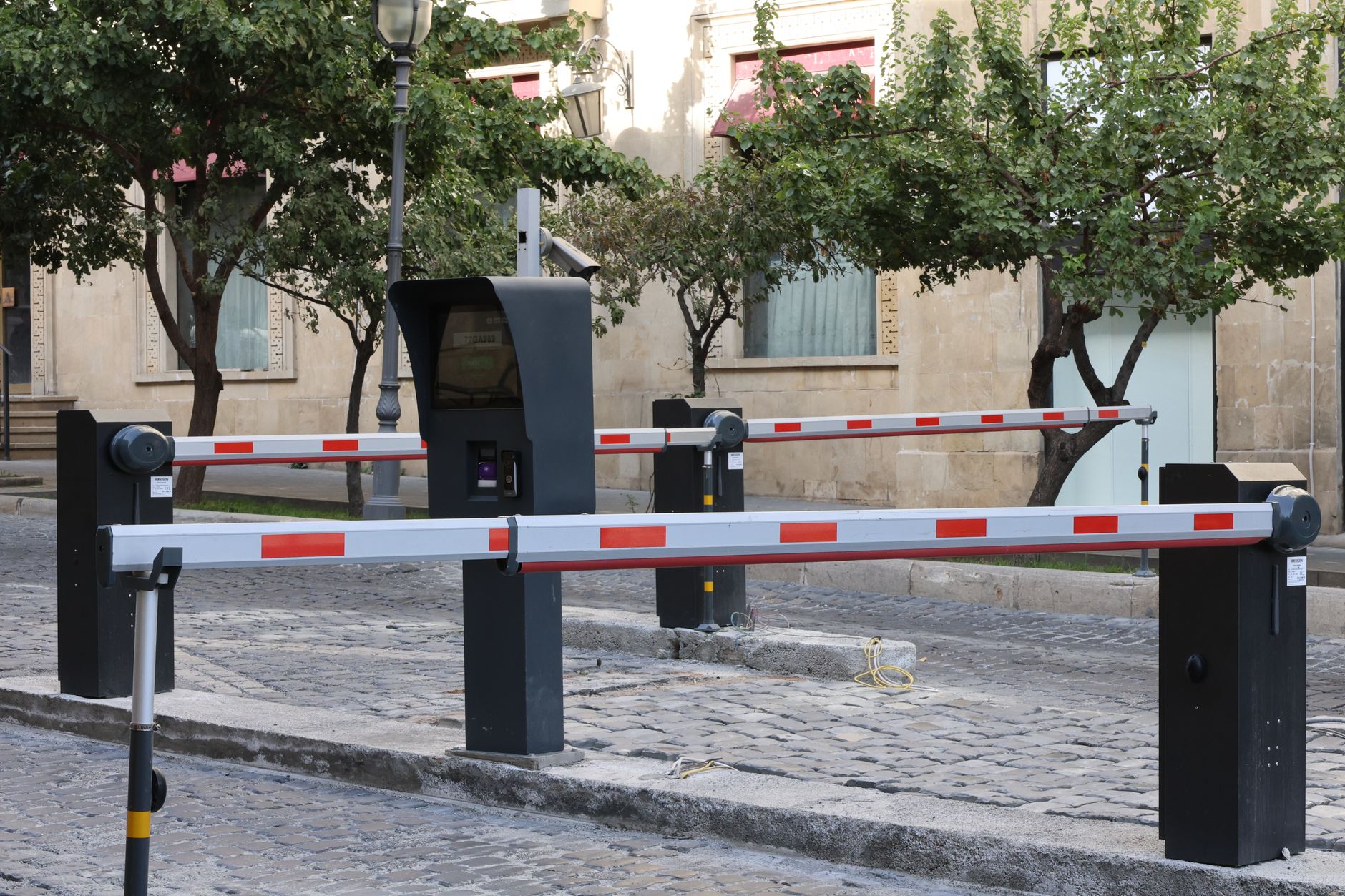
Vehicle control for entertainment venues is a system that manages vehicle flow in and out of parking lots, including barriers, license plate recognition (LPR) cameras, and ticketing software. The system is divided into 4 levels: manual (paper tickets + staff), semi-automatic (barrier + tickets), automatic with LPR, and fully integrated AI.
Each level suits different scales. Small entertainment venues with under 50 parking spaces can use basic barriers. Amusement parks with 200-500 spaces require LPR to reduce waiting times. Large tourist areas with over 1000 spaces should integrate AI for real-time traffic analysis.
Basic Barrier Solutions: When Are They Sufficient?
Related products
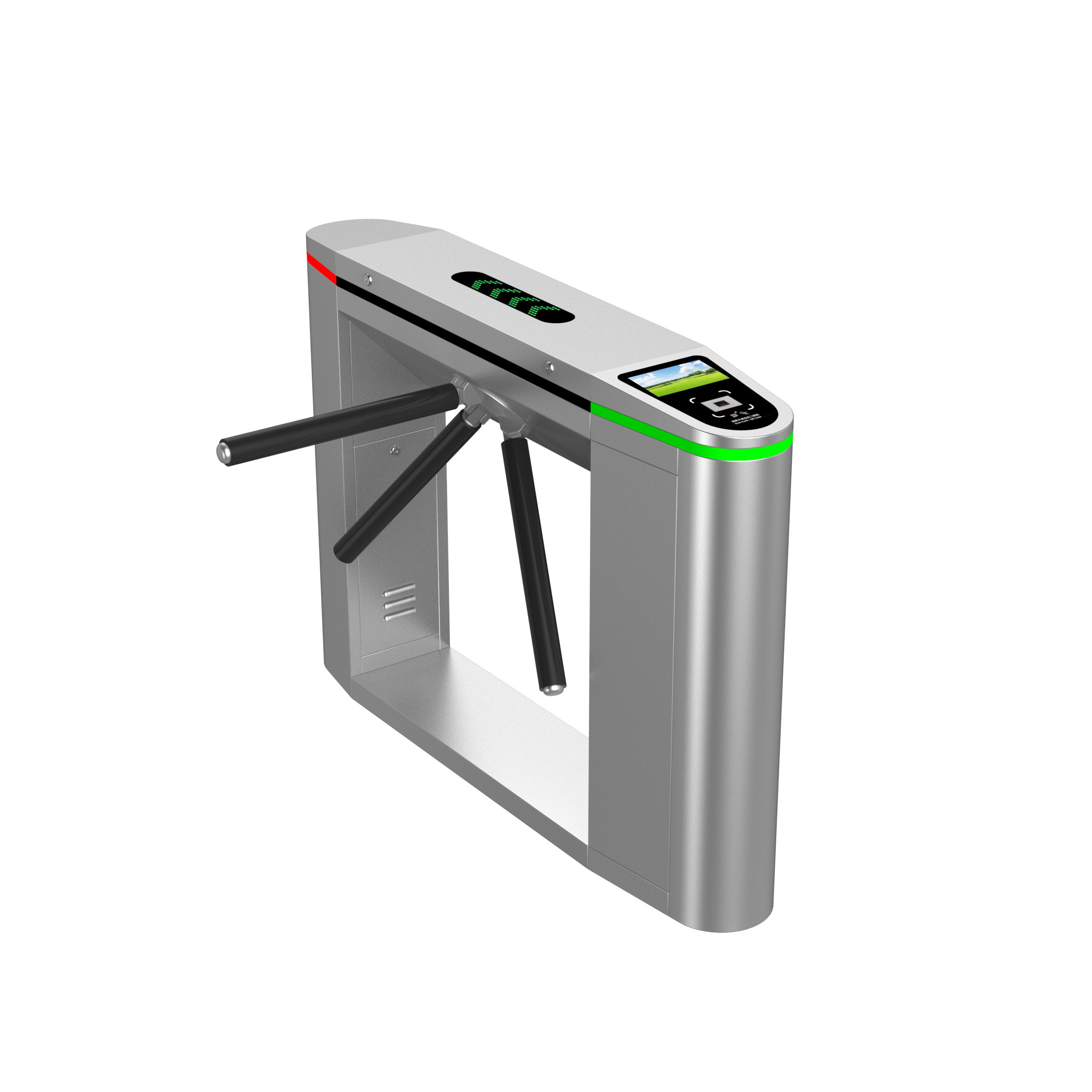

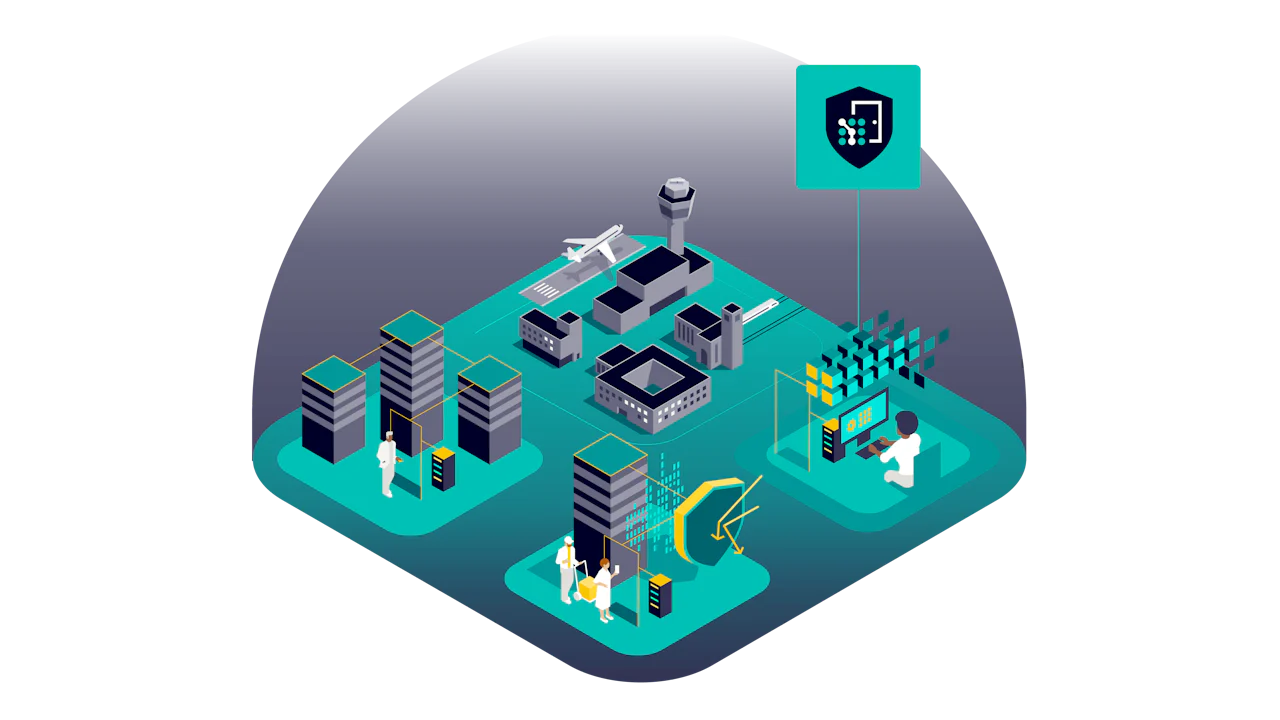
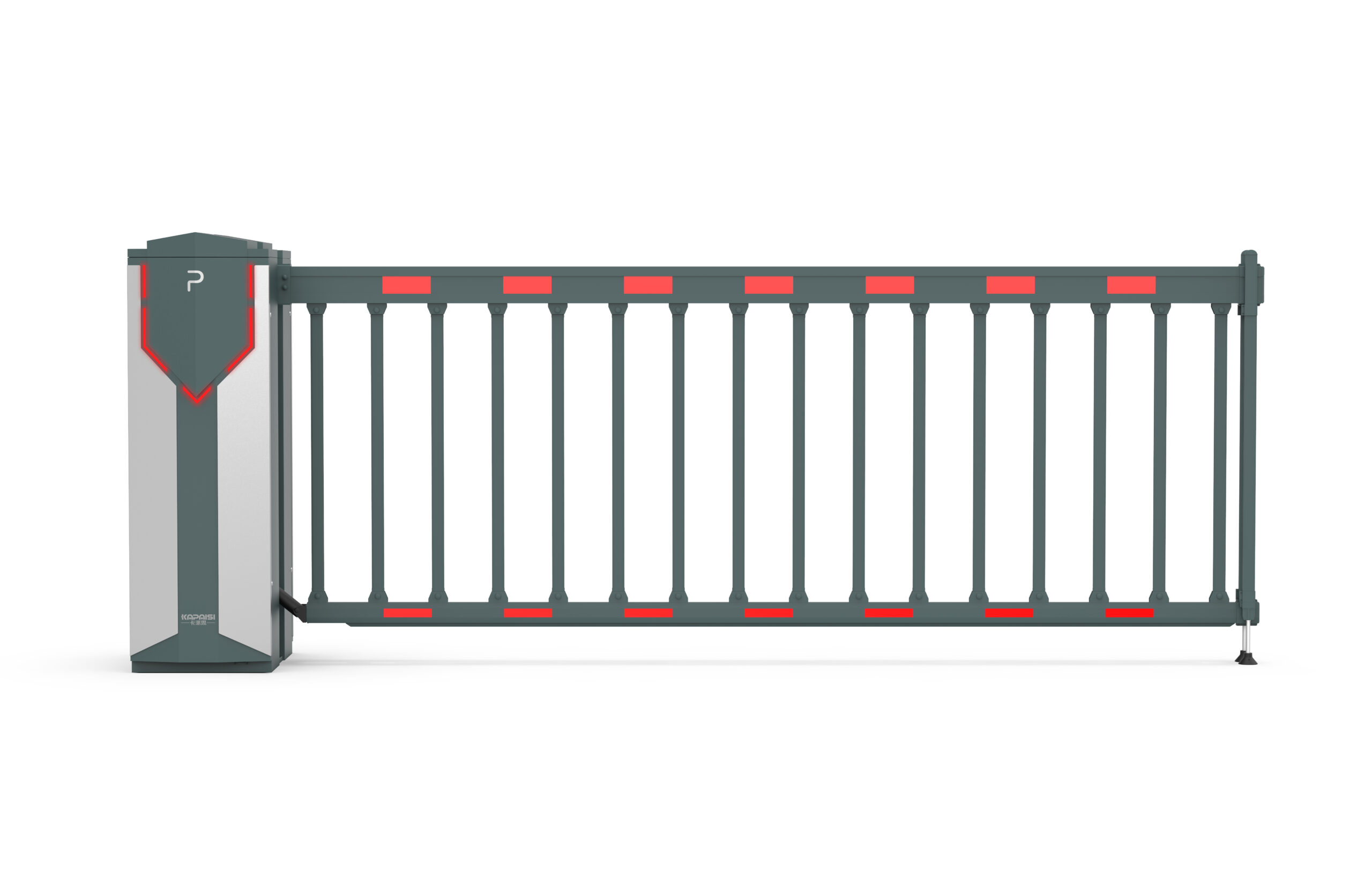
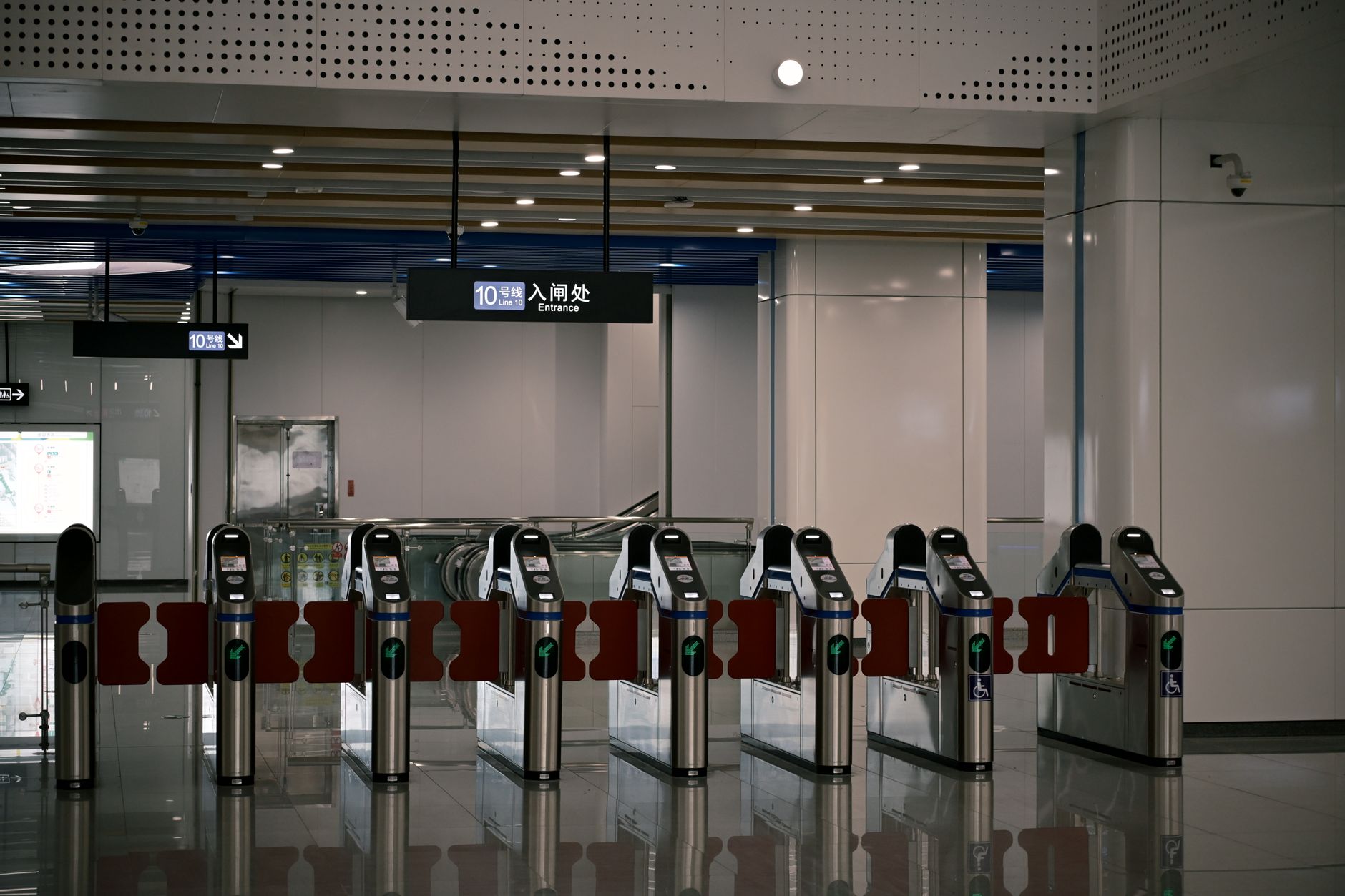
Basic barriers use an automatic boom arm combined with manual ticket checking staff. They are suitable for entertainment venues with traffic under 100 vehicles/day and limited budgets. Investment costs are low, but they require more personnel and are prone to errors.
- Advantages: Barrier costs from 15-30 million VND, easy to install, no network infrastructure required.
- Disadvantages: Congestion during peak hours, difficulty controlling fake tickets, no traffic data.
- Suitable for: Small urban entertainment venues, temporary parking lots.
LPR System (License Plate Recognition): Intermediate Level
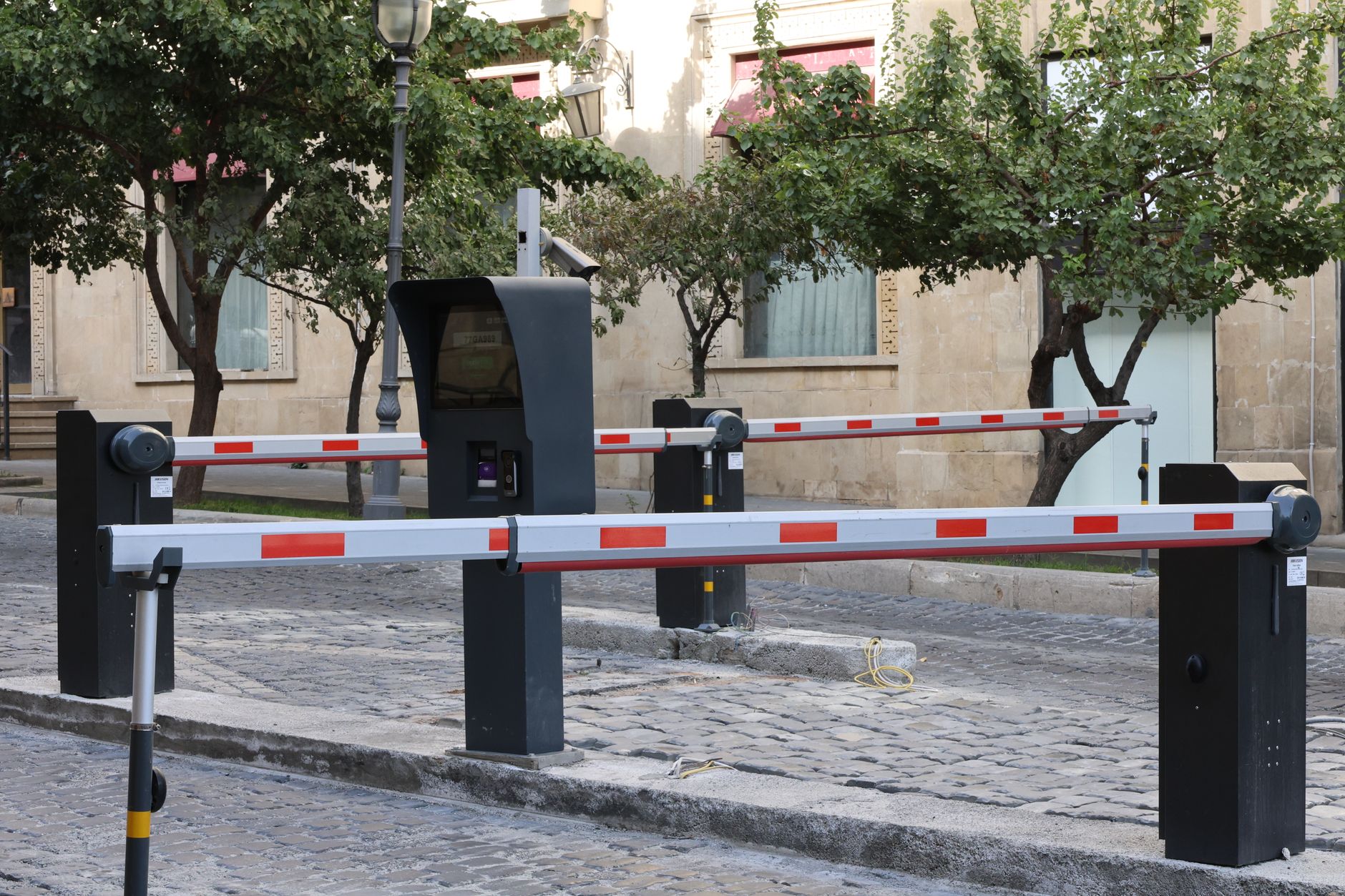
LPR cameras automatically recognize vehicle license plates upon entry/exit, combined with automatic barrier opening. Registered vehicles (monthly passes, VIP) receive priority. The system records parking duration, supporting hourly fee calculation.
An entertainment venue in Dong Nai implemented an LPR solution for its 300-space parking lot, reducing waiting times from 5-7 minutes to 30-45 seconds per vehicle. Investment costs are approximately 80-150 million VND for entry+exit gates, excluding network infrastructure and servers. Free AI Vehicle Control Software: LPR + Parking Lot Management can be integrated to reduce software costs.
Smart AI: From Recognition to Behavior Analysis
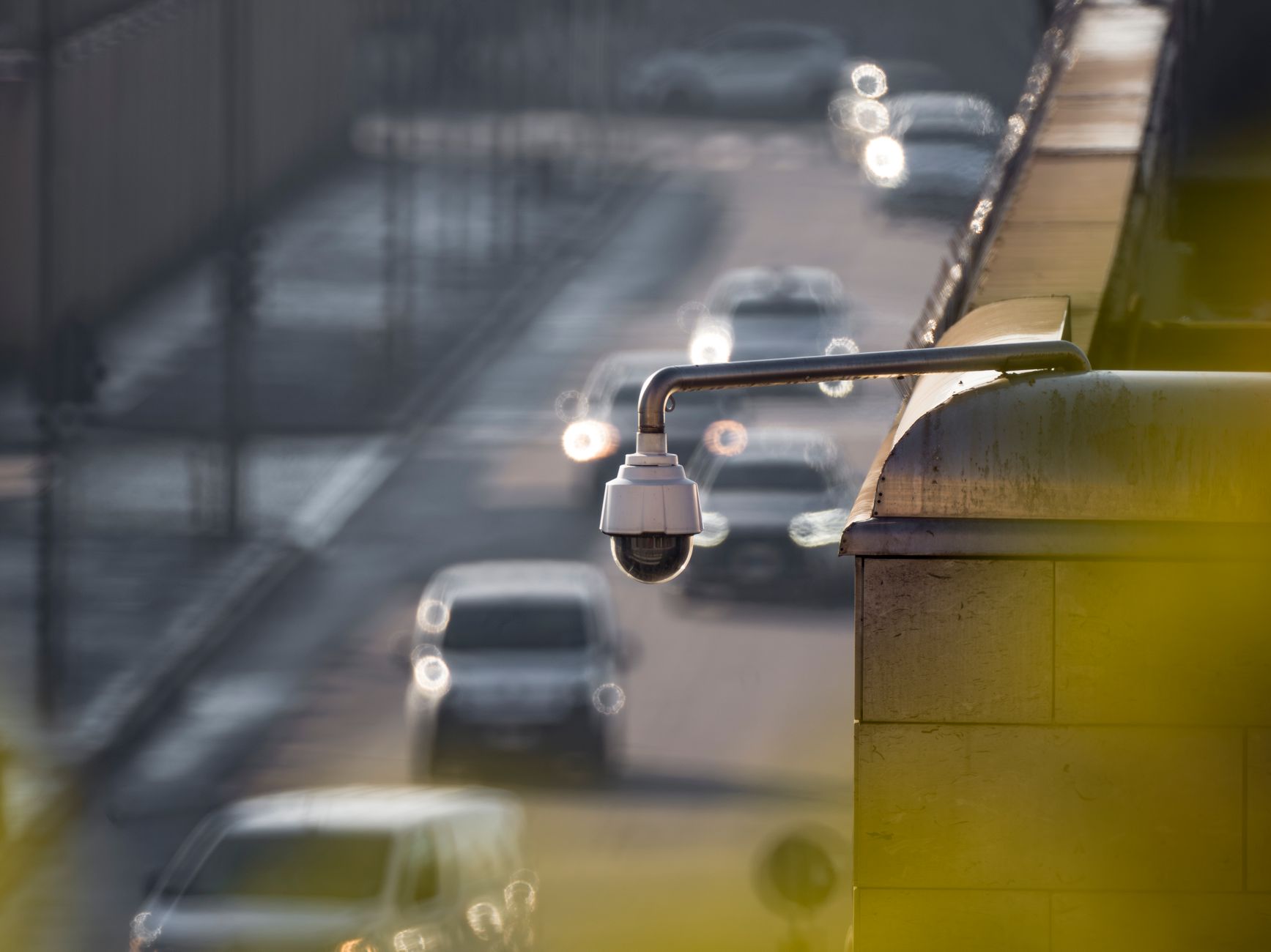
AI upgrades LPR by analyzing real-time vehicle flow, predicting peak times, and detecting unfamiliar vehicles parked for too long. The system can automatically adjust barriers to prioritize exit lanes when congestion is detected.
An eco-tourism area in Binh Duong integrated AI into its vehicle control system. AI cameras detect vehicles waiting at the barrier for over 3 minutes → automatically opening the barrier for priority. Results: 60% reduction in average waiting time, 15% increase in parking capacity. Free LPR Solution for Hospital Parking Lots: 50% Reduction in Waiting Time also applies similar logic for entertainment venues.
Cost and Benefit Comparison Among Solutions
The table below compares 4 levels of vehicle control based on investment costs, operational expenses, and specific benefits. Data is based on the Vietnamese market in 2026.
| Solution | Investment Cost (VND) | Annual Operating Cost | Avg. Waiting Time (seconds) | Suitable Scale |
|---|---|---|---|---|
| Basic Barrier + Staff | 15-35 triệu | 80-120 triệu | 120-180 | < 50 spaces |
| Barrier + Remote Ticketing (RFID) | 50-80 triệu | 40-60 triệu | 60-90 | 50-150 spaces |
| LPR + Automatic Barrier | 80-150 triệu | 15-25 triệu | 30-45 | 150-500 spaces |
| Full AI (LPR + Analysis) | 200-400 triệu | 10-20 triệu | 15-25 | > 500 spaces |
Transition Roadmap: From Barriers to AI

Business owners do not need to invest in AI from the start. The roadmap has 3 steps: (1) basic barrier + paper tickets → (2) add LPR cameras for license plate recognition → (3) upgrade to AI for traffic analysis. Each step is spaced 6-12 months apart, depending on budget.
- Phase 1 (0-6 months): Install automatic barriers + ticket checking staff. Manually record data to estimate traffic volume.
- Phase 2 (6-18 months): Add LPR cameras at the entrance. Parking management software records license plates, entry/exit times. Comparing Free vs. Paid Parking Management Software: Which to Choose in 2026? helps select suitable software.
- Phase 3 (18-36 months): Upgrade AI for real-time analysis, peak hour prediction, and integrated automatic payments.
Common Mistakes When Implementing Vehicle Control for Entertainment Venues
Many investors choose the wrong solution due to inaccurate assessment of actual traffic volume or neglecting network infrastructure. Below are 5 common mistakes.
- Choosing the cheapest barrier: Inexpensive barriers are prone to failure and cannot withstand 500-1000 open/close cycles per day. Commercial-grade barriers (Kapaisi or equivalent) with a 400W motor should be chosen.
- Neglecting network infrastructure: LPR cameras require a stable network. Many suburban entertainment venues lack fiber optic cables → use 4G/5G or mesh WiFi.
- Not integrating ticketing software: Barrier + LPR without ticket management software still requires manual staff checking. Software helps automate hourly fee calculation.
- No power backup: Power outage → barrier malfunction. UPS or backup batteries are needed for barriers and cameras.
- Skipping staff training: Complex AI systems require operators to understand how to handle exceptions (e.g., unreadable license plates).
Frequently Asked Questions
What equipment is needed for vehicle control at entertainment venues?
A basic system includes: automatic barriers (1-2 gates), LPR cameras (1-2 cameras per gate), RFID card readers (if using monthly passes), parking management software, and a host computer. Advanced systems add an AI server for traffic analysis.
What is the cost to install a vehicle control system for a 200-space entertainment venue?
For a 200-space venue, an LPR + automatic barrier solution costs approximately 100-180 million VND (including 2 entry/exit gates, 4 LPR cameras, software, and installation). This excludes network infrastructure and UPS.
Can AI vehicle control detect fraudulent vehicles?
Yes. AI can detect unfamiliar vehicles parked beyond the allowed time, unregistered vehicles on a blacklist, or vehicles with duplicate license plates. The system sends real-time alerts to security personnel.
Can a basic barrier be upgraded to LPR later?
Absolutely. A basic barrier can be retained; only LPR cameras and software need to be added. However, the barrier must have a connection port (RS485 or TCP/IP) to receive opening signals from the software. Purely mechanical barriers do not support this.
Do small entertainment venues with under 50 spaces need AI?
Not necessarily. A basic barrier + ticket checking staff is sufficient if traffic is under 100 vehicles/day. For automation, a barrier + RFID card reader solution costing 15-30 million VND can be used.
Can the vehicle control system integrate with ticketing software?
Yes. The LPR system and parking management software have APIs that integrate with ticketing software. When customers purchase tickets online, their license plates are added to a whitelist, and the barrier automatically opens upon their arrival.
Is vehicle control system maintenance expensive?
Annual maintenance costs are approximately 5-10% of the investment value. Barriers require motor maintenance every 6 months. LPR cameras need lens cleaning and firmware updates. Software requires weekly data backups.
How to choose a reputable installation provider?
Choose a provider experienced in deploying parking solutions for entertainment venues, capable of supplying both hardware (barriers, cameras) and software. Request references for at least 3 similar projects. Việt Đức Trí Group provides comprehensive solutions from Kapaisi barriers to LPR cameras.