
The Siemens Desigo CC architecture is an open, modular building management system (BMS) platform that enables simultaneous integration of HVAC, lighting, security, and energy management systems on a single interface. Developed by Siemens, Desigo CC targets medium to large commercial and industrial buildings, addressing the fragmented operations challenge commonly seen in Vietnam.
What is Siemens Desigo CC Architecture? The Next-Generation BMS Platform

The Siemens Desigo CC architecture is a building management system (BMS) based on an open software platform, using a modular architecture and communicating via standard protocols such as BACnet, OPC UA, and Modbus. It enables seamless integration of subsystems (HVAC, security, lighting, energy) into a centralized management interface.
Unlike traditional BMS systems that are often locked into a single hardware manufacturer, Siemens Desigo CC is designed with an "open" mindset. This means building owners can select equipment from various brands (Honeywell, Bosch, Hikvision, Dahua) and still ensure they operate synchronously under a single system. According to Siemens, Desigo CC supports over 50 different communication protocols, helping to minimize technology lock-in risks.
5 Core Modules in the Siemens Desigo CC Architecture
Related Products
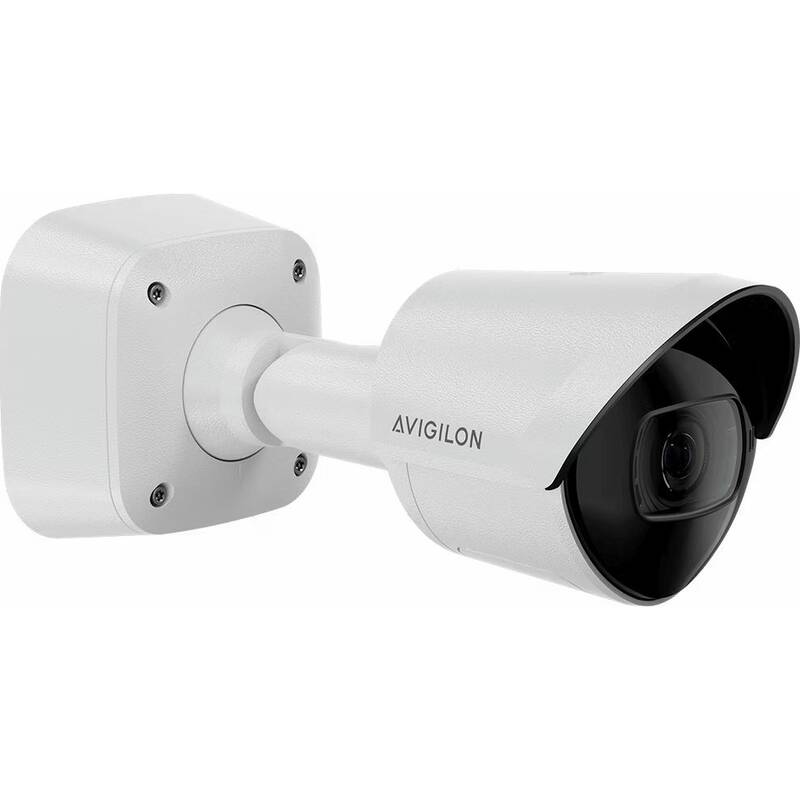
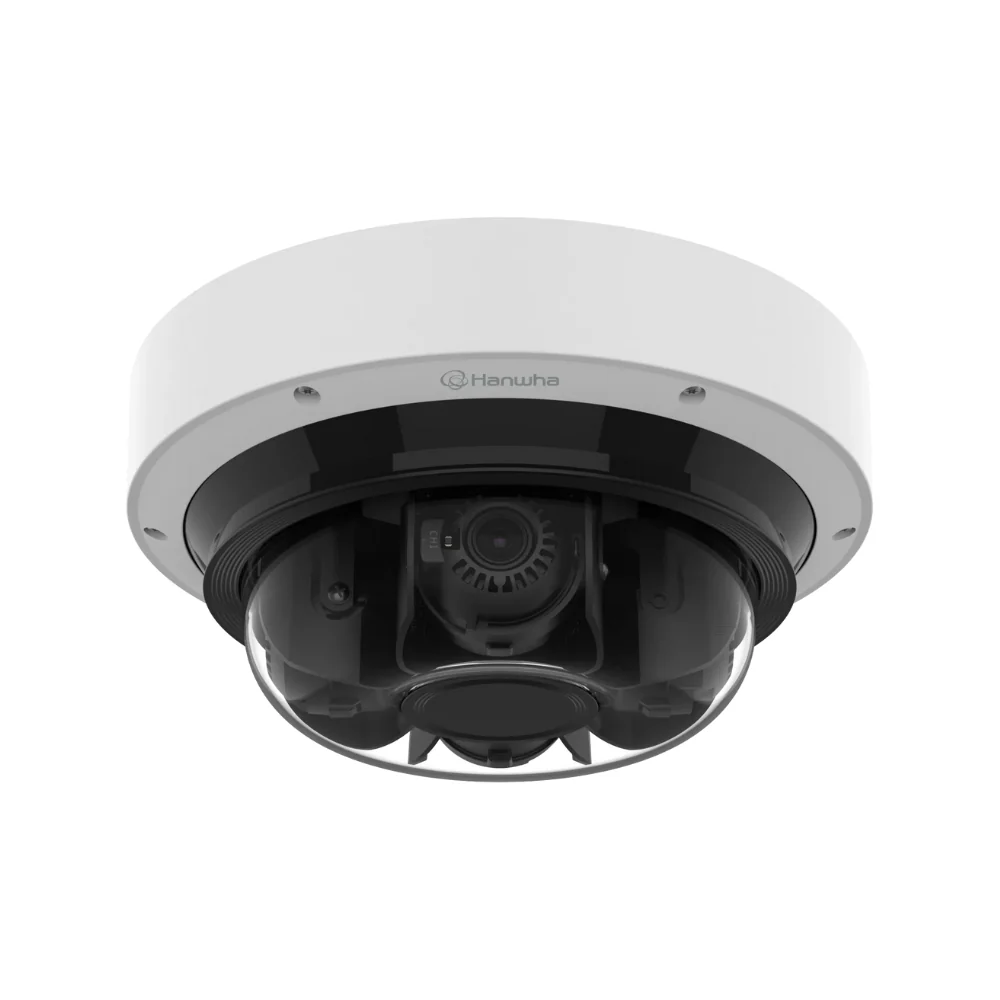

The Desigo CC architecture is built from independent functional modules, allowing enterprises to deploy incrementally and expand gradually. The five main modules include: Energy Management, HVAC, Lighting, Security (integrating cameras and access control), and Fire Safety.
Energy Management Module
This module collects data from electricity, water, gas meters, and other energy-consuming devices. Desigo CC analyzes real-time data and issues alerts when consumption exceeds thresholds. According to Siemens data, buildings applying this module can reduce energy costs by 15-30% in the first year.
HVAC Module (Heating, Ventilation, Air Conditioning)
Centralized control of the entire air conditioning, ventilation, and heating system. Desigo CC automatically adjusts temperature, humidity, and airflow based on usage schedules or CO2 sensors. This helps maintain a comfortable working environment while optimizing energy.
Lighting Control Module
Integrates with DALI or 0-10V lighting systems, enabling on/off and brightness adjustment per zone. Desigo CC can combine with occupancy sensors to automatically turn off lights when no one is present, reducing lighting electricity by 20-40%.
Security Integration Module
This is a major differentiator of Desigo CC compared to conventional BMS. The security module allows direct integration of surveillance cameras (via ONVIF/RTSP), access control readers (fingerprint, card, facial recognition), and alarm sensors. When an event occurs (e.g., unauthorized door opening), Desigo CC automatically displays the corresponding camera on the control screen and sends an alert to security personnel.
Fire Safety Module
Integrating with local fire alarm systems, Desigo CC can activate emergency scenarios: open emergency exits, shut down HVAC to prevent smoke spread, and display building floor plans with fire location.
Benefits of the Desigo CC Modular Architecture for Vietnamese Enterprises

The modular architecture of Desigo CC delivers three main benefits: reduced initial investment costs through phased deployment, increased flexibility when expanding the system, and reduced downtime through automation of complex scenarios.
- Reduced CAPEX: Enterprises can start with the HVAC or energy module, then add security and lighting modules as budget allows. Each module operates independently but still shares data with others.
- Centralized Operations: A single operator can monitor the entire building from one screen, instead of switching between 3-4 different software applications. This reduces incident response time by 30-50%.
- Energy Optimization: Data from the security module (e.g., number of people in a room) is passed to the HVAC module to adjust temperature accordingly. The result is a 10-20% reduction in energy consumption compared to manual operation.
Comparison Table: Desigo CC vs. Traditional BMS

| Criteria | Desigo CC (Next-Gen BMS) | Traditional BMS |
|---|---|---|
| Architecture | Modular, open, based on standard protocols | Monolithic, closed, vendor-dependent |
| Security Integration | Built-in (cameras, access control, alarms) | Often requires separate gateway |
| Scalability | Easy (add new modules) | Difficult (requires full upgrade) |
| Deployment Cost | 20-40% lower due to phased deployment | High, requires one-time investment |
| Maintenance | Easy (remote software updates) | Complex, requires specialized technicians |
Desigo CC Deployment Roadmap for Office Buildings in Vietnam

Desigo CC deployment typically takes 3-6 months, including steps: site survey, system design, hardware installation, software configuration, and operations training. For buildings with existing HVAC and security systems, integration time can be shortened to 2-4 months.
- Survey and Assessment: Inspect existing systems (cameras, HVAC, electrical panels), identify connection protocols (BACnet, Modbus, ONVIF).
- Architecture Design: Select modules to deploy, draw network connection diagrams, and define user permissions.
- Hardware Deployment: Install Desigo CC gateways (if needed), connect to PLCs, NVRs, and access control readers.
- Software Configuration: Create dashboards, set up alerts, build automation scenarios (e.g., turn off lights when no one is present after 6 PM).
- Testing and Handover: Run a 2-4 week trial, train operations staff, hand over technical documentation.
Common Mistakes When Integrating Security into Desigo CC

- Not checking ONVIF compatibility: Cameras that do not support ONVIF Profile S or G will not be able to integrate full functionality (PTZ, audio). Choose cameras from brands like Hikvision, Dahua, Axis with clear ONVIF certification.
- Ignoring user permissions: Desigo CC allows detailed permission settings (operator can only view cameras, manager can change HVAC schedules). If not configured correctly, staff may inadvertently change critical settings.
- Not provisioning network bandwidth: When integrating multiple 4K cameras simultaneously, the network system must ensure a minimum bandwidth of 100 Mbps for every 10 cameras. Otherwise, image latency can reach 3-5 seconds.
- Overlooking emergency scenarios: When a fire alarm occurs, Desigo CC needs to automatically open emergency exits and shut down HVAC. If this scenario is not set up, the security and HVAC systems may operate in conflict, creating danger.
Frequently Asked Questions
Can Desigo CC integrate with Hikvision cameras?
Yes. Desigo CC supports the standard ONVIF protocol, so Hikvision, Dahua, Axis, and Bosch cameras with ONVIF certification can all be integrated. However, you need to check the ONVIF version (Profile S for video streaming, Profile G for recording) to ensure full compatibility.
What is the cost of deploying Desigo CC for a 10,000 m² building?
The cost depends on the number of modules and existing equipment. For a 10,000 m² building, software license and gateway costs range from 400 to 800 million VND, excluding hardware (cameras, sensors, PLCs). Total turnkey cost (hardware + software + installation) typically ranges from 1.5 to 3 billion VND.
Does Desigo CC support Vietnamese language?
Desigo CC version 7 and above supports Vietnamese language interface for basic modules (dashboard, alerts). However, technical documentation and advanced configuration menus remain in English. For Vietnamese enterprises, it is recommended to request the integrator (such as An Ninh Số) to provide accompanying Vietnamese guidance documents.
How to integrate an access control system with Desigo CC?
Desigo CC integrates access control via BACnet or OPC UA protocols. Fingerprint/facial recognition readers from ZKTeco, Suprema, HID Global can connect through a BACnet gateway. When an employee successfully swipes a card, Desigo CC can automatically turn on lights, adjust room temperature, and record the time in the attendance system.
Can Desigo CC manage multiple buildings simultaneously?
Yes. Desigo CC supports a multi-site architecture, allowing management of up to 100 buildings from a single interface. Each building can have its own configuration (time zone, schedules, users). Data from all buildings is aggregated into one dashboard, enabling building owners to compare energy and security performance across locations.
Is Desigo CC maintenance complex?
Desigo CC maintenance primarily involves software updates and network connection checks. Siemens releases security patches quarterly. For Vietnamese enterprises, it is advisable to sign a maintenance contract with an integration partner (such as An Ninh Số) to receive remote support or on-site technical dispatch when needed.