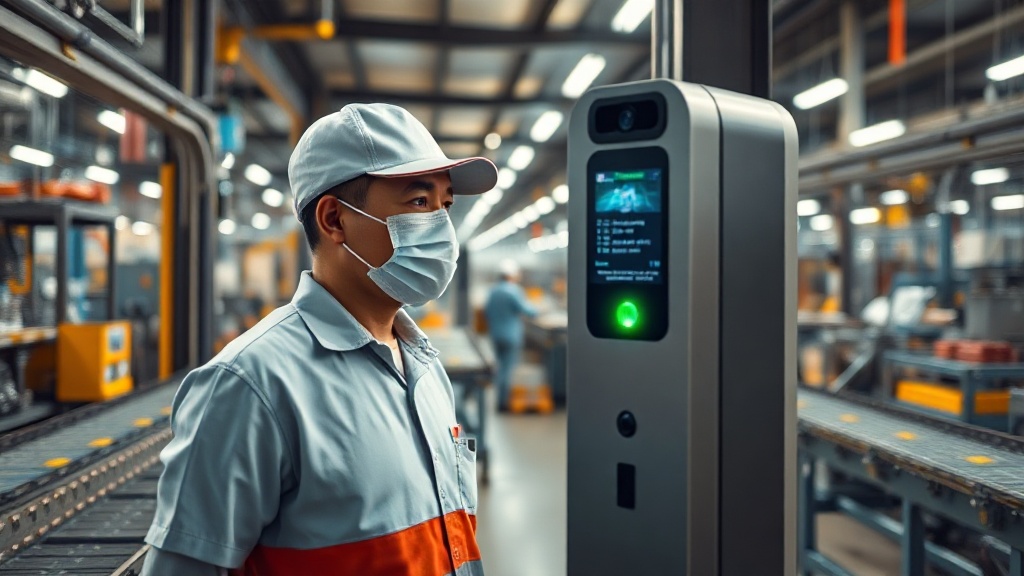
Access control systems (ACS) with face recognition are increasingly common at factories and offices in Vietnam. However, a major question arises: when workers are required to wear masks under occupational safety regulations, can AI cameras still recognize them accurately? This article analyzes the 2026 real-world standard and compares the accuracy of face recognition ACS with and without masks, helping operations managers make the right investment decision.
What is Face Recognition ACS? Basic operating principles
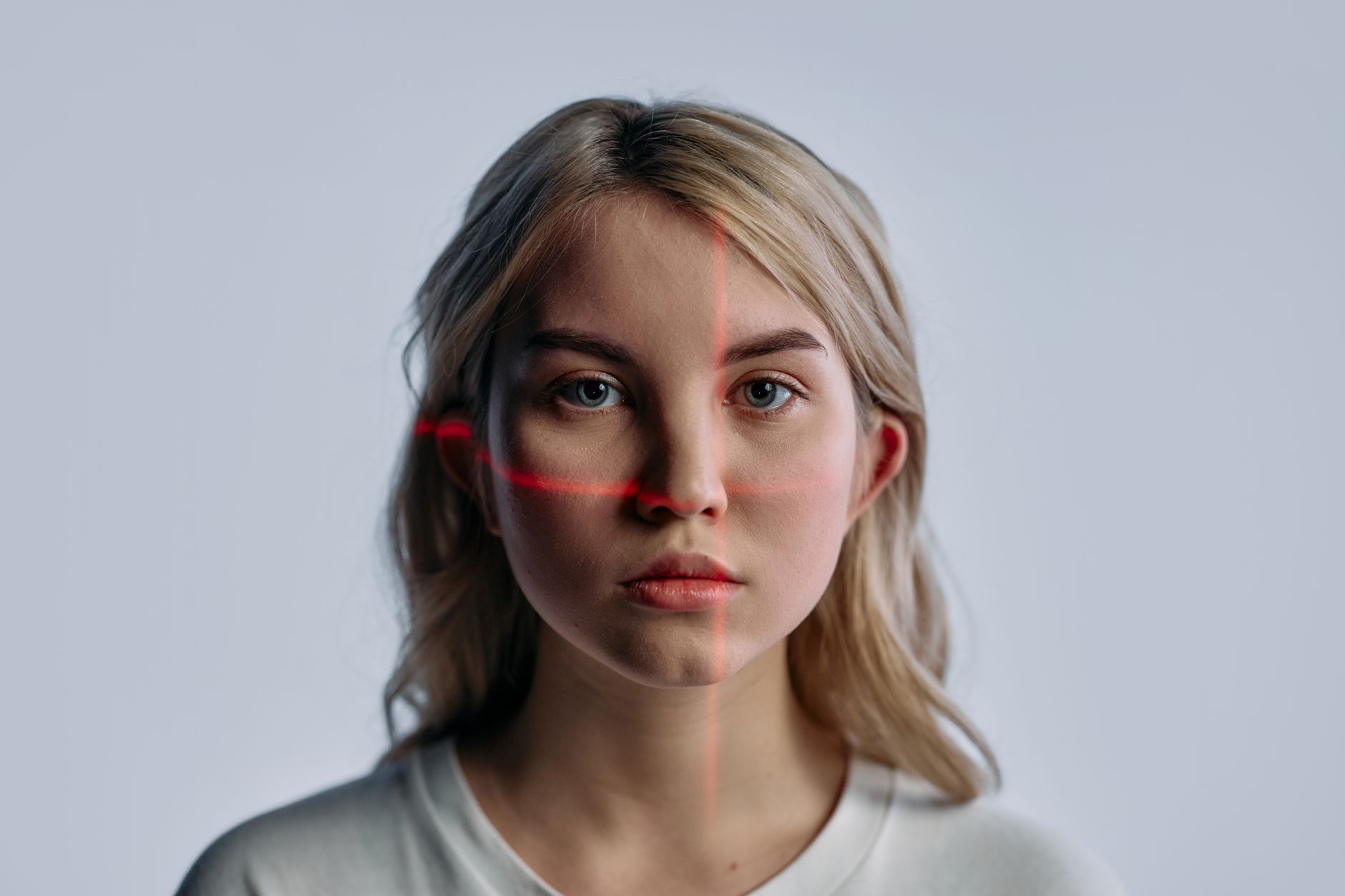
Face recognition ACS is a system that uses AI cameras and deep learning algorithms to verify user identity based on facial features. When no mask is worn, the system analyzes the entire face (eyes, nose, mouth, chin, cheekbones) with high accuracy. When a mask is worn, the system can only rely on the eye area, eyebrows, forehead and part of the nose bridge.
The operating principle of face recognition ACS is based on a convolutional neural network (CNN) that extracts facial features into a mathematical vector (face embedding). The system compares this vector with a registered database to verify identity. With a mask, the algorithm loses about 40-60% of facial features, requiring more advanced AI solutions to compensate.
Accuracy without a mask: The 2026 gold standard
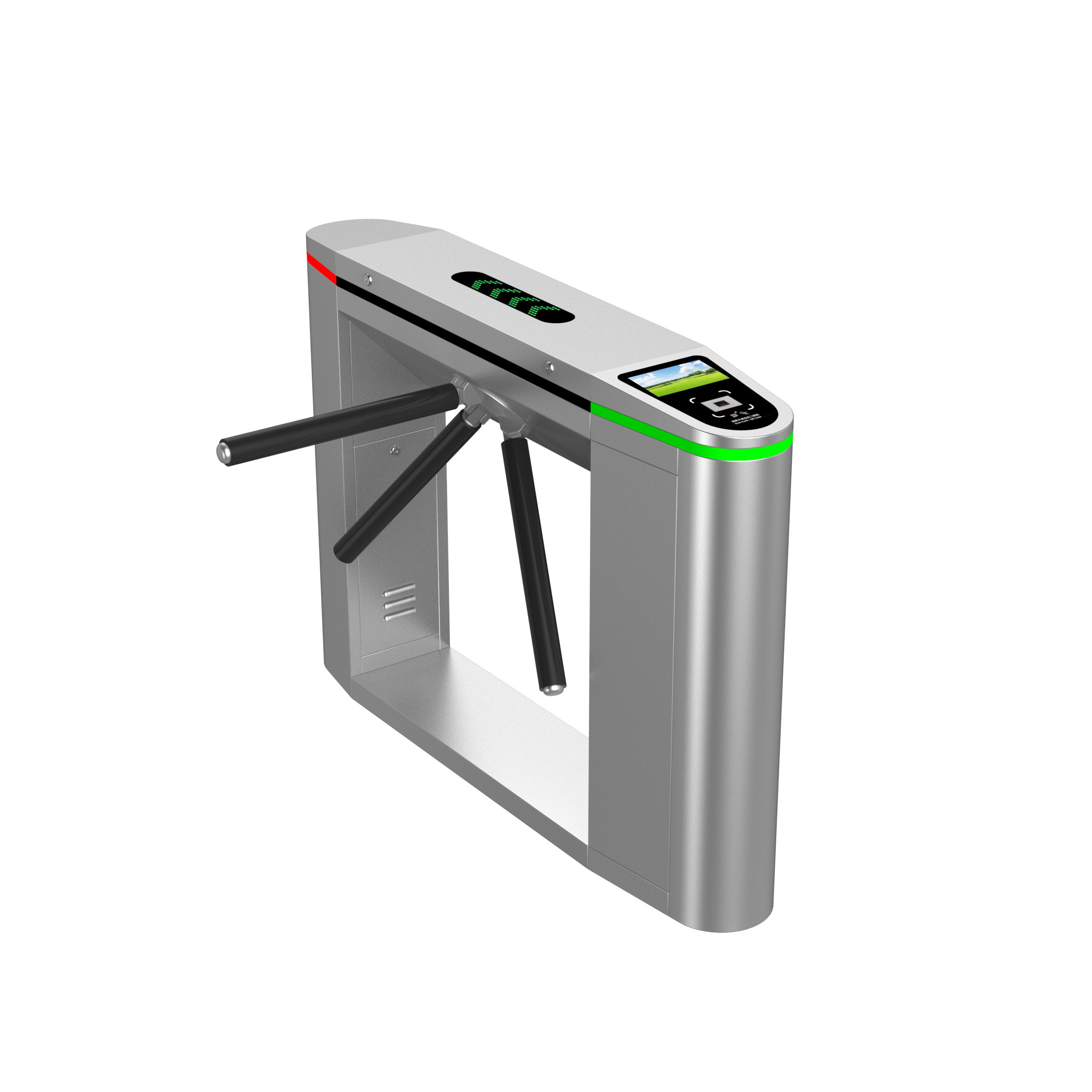
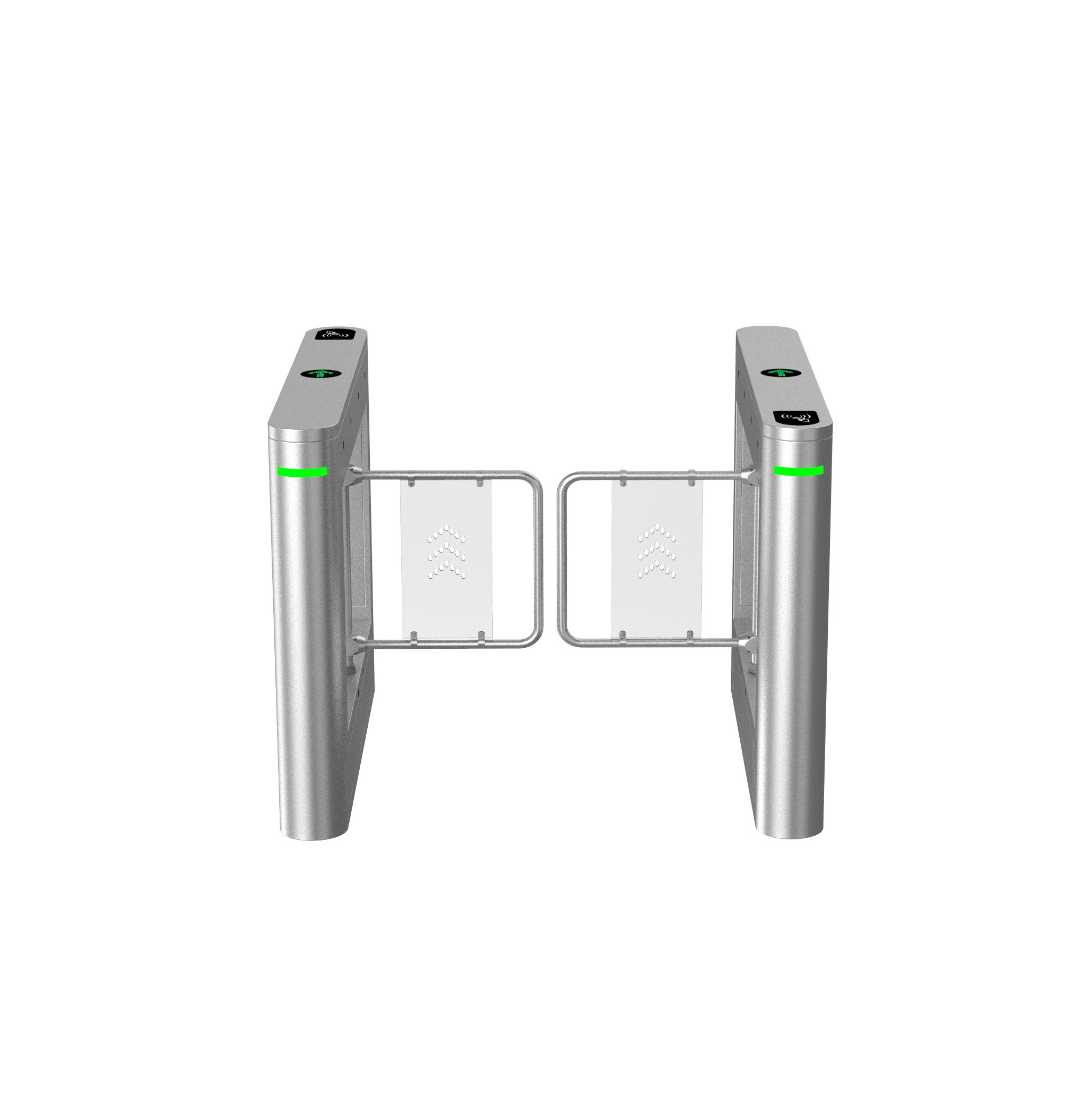
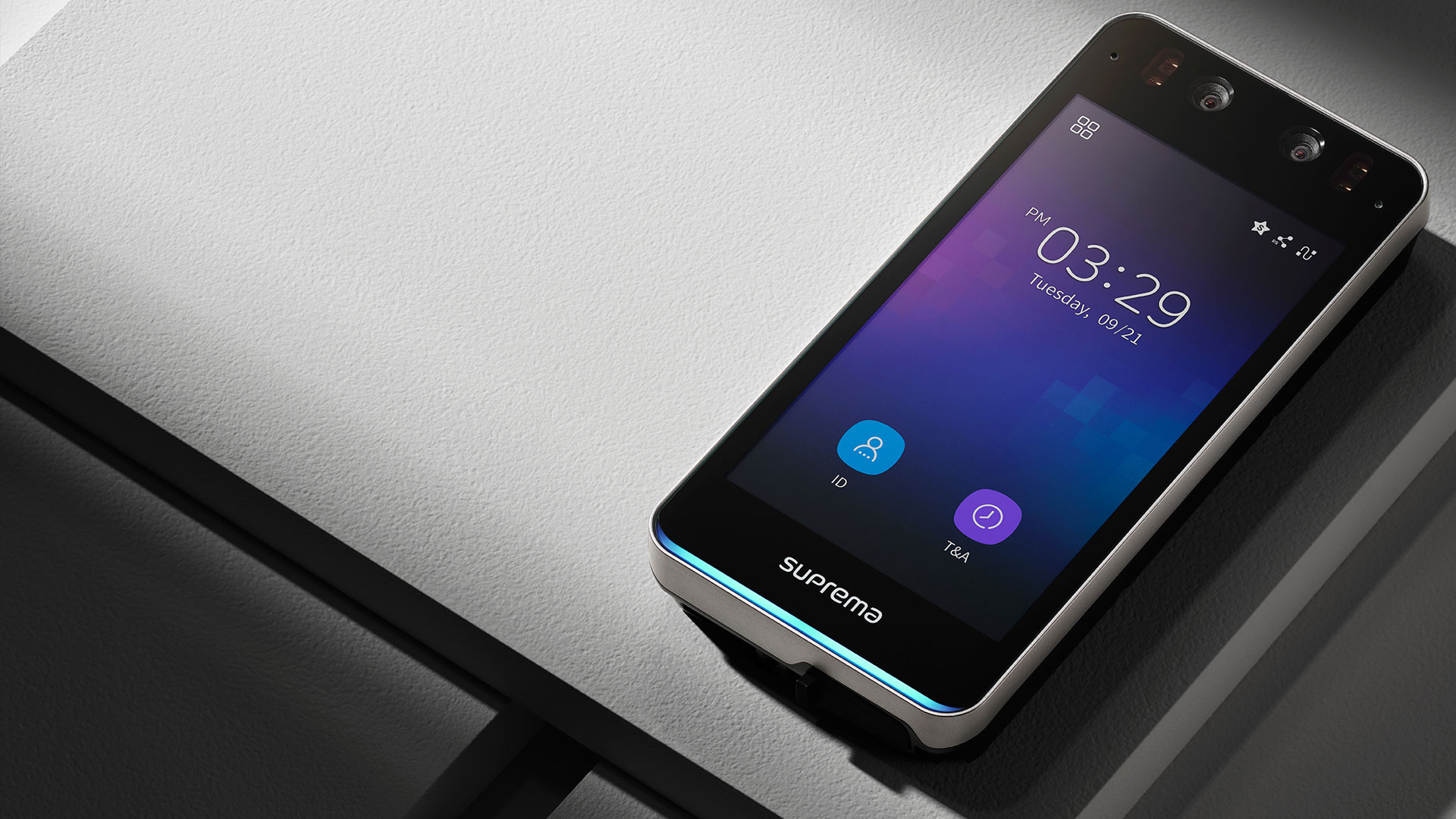
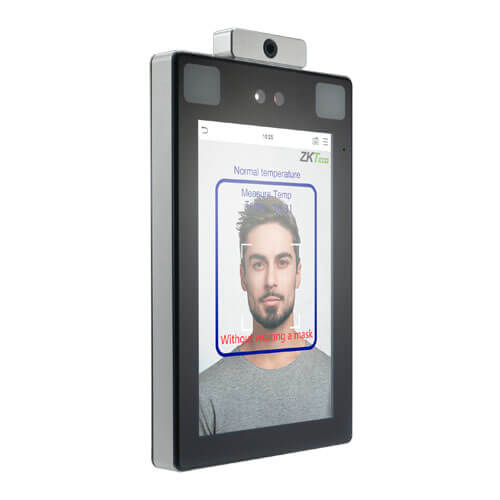
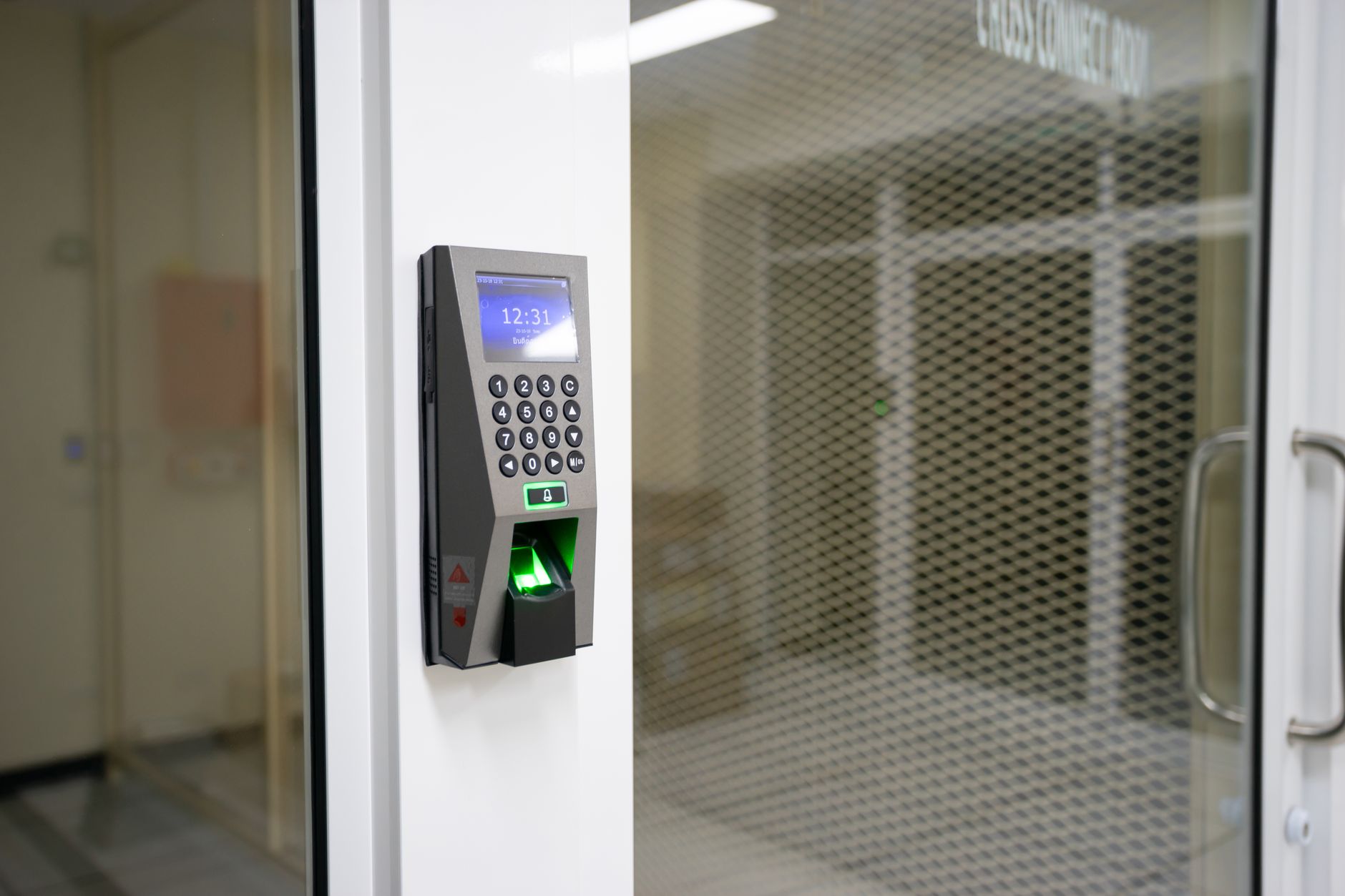
When users do not wear a mask, the face recognition ACS achieves its highest accuracy. According to real-world tests in Vietnam, high-end devices such as the Suprema BioStation 3 or ZKTeco SpeedFace-V5L achieve a successful recognition rate of up to 99.7-99.9% under standard lighting conditions (300-500 lux).
- FAR (False Acceptance Rate): 0.001% - extremely low, ensuring absolute security.
- FRR (False Rejection Rate): 0.1-0.3% - a very low false rejection rate, reducing gate congestion.
- Processing speed: 0.3-0.5 seconds per recognition, suitable for high traffic flow.
- Influencing factors: Head tilt angle under 30°, normal facial expressions, no sunglasses.
This is the "gold" standard for areas requiring high security such as server rooms, laboratories and high-value warehouses. The system is not affected by beards, bangs or ordinary prescription glasses.
Accuracy when wearing a mask: Challenges and solutions
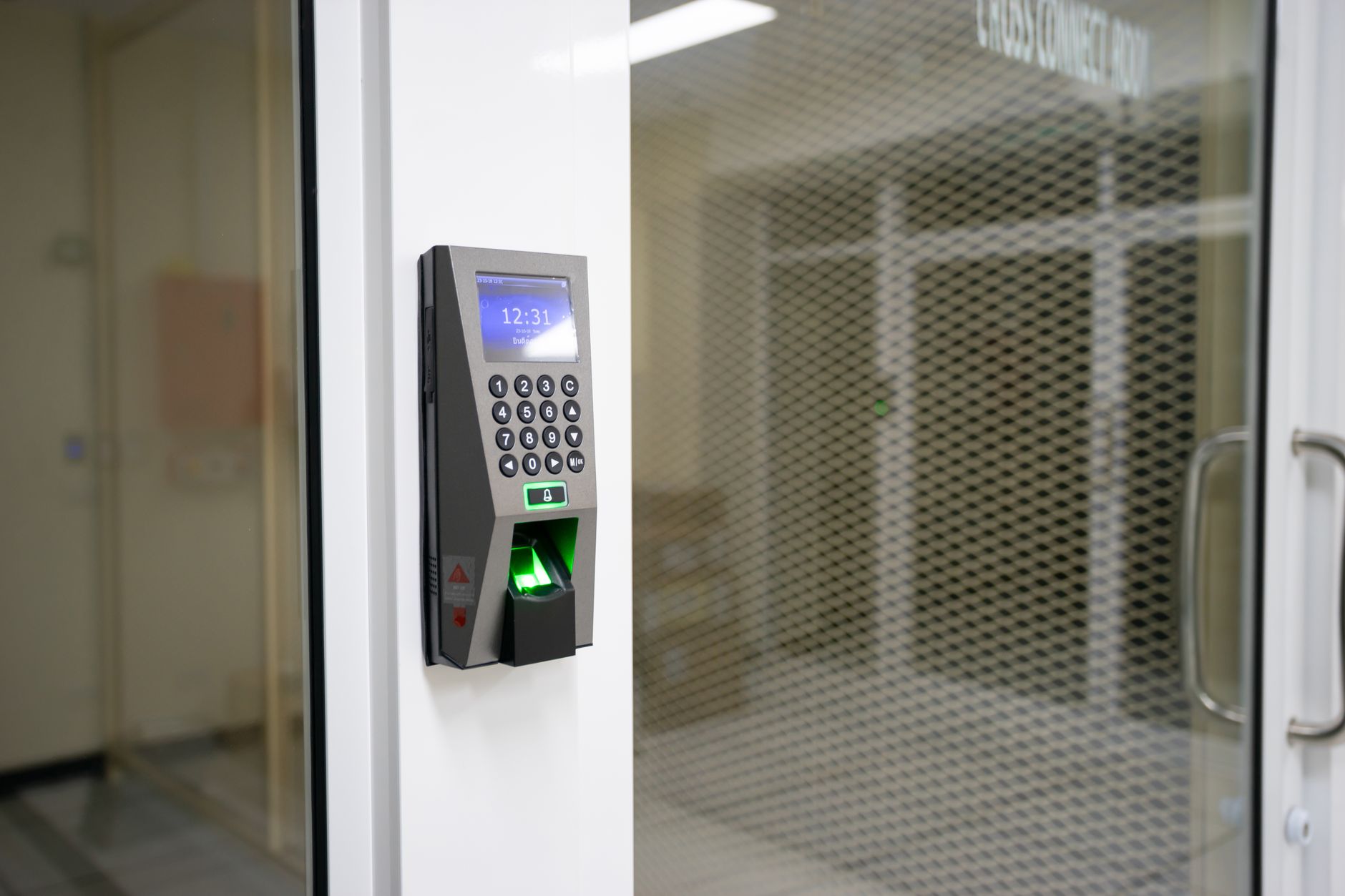
When users wear a mask, the accuracy of KSRV face recognition drops significantly, ranging from 85-95% depending on camera quality, AI algorithm, and mask type. Older devices (2019-2022) typically reach only 70-80%, causing inconvenience for users.
Main influencing factors:
- Mask type: Medical masks (thin, close-fitting) yield higher accuracy than N95 masks (thick, covering a larger area) and cloth masks (many patterns, inconsistent).
- Lighting: The eye region needs sufficient light (minimum 200 lux) for the algorithm to extract features accurately. Insufficient light increases FRR by 10-15%.
- Viewing angle: The camera should be placed at eye level, with a tilt angle of no more than 15° to capture the eye region most clearly.
- Camera quality: Cameras with a minimum resolution of 2MP (1080p) and an infrared (IR) sensor help with recognition in low-light conditions.
Solutions from vendors such as Suprema FaceLite or ZKTeco ProFace X TD use AI algorithms specialized for masks, analyzing the eye region and the remaining facial bone structure to increase accuracy to 95-97%.
Performance comparison table: With mask vs Without mask

The table below summarizes the performance of KSRV face recognition in the two cases, based on devices commonly used in Vietnam in 2026.
| Criterion | Without mask | With mask (medical) | With mask (N95/cloth) |
|---|---|---|---|
| Accuracy | 99.7-99.9% | 92-97% | 85-92% |
| False rejection rate (FRR) | 0.1-0.3% | 3-8% | 8-15% |
| Recognition speed | 0.3-0.5 seconds | 0.5-1.0 seconds | 0.8-1.5 seconds |
| Impact of low light | Low | Medium | High |
| Anti-spoofing | High (3D, IR) | Medium | Low |
| Suitable applications | High security, cleanrooms | Factories, offices | Construction sites, dusty environments |
Factors affecting accuracy: Lighting, viewing angle, camera quality
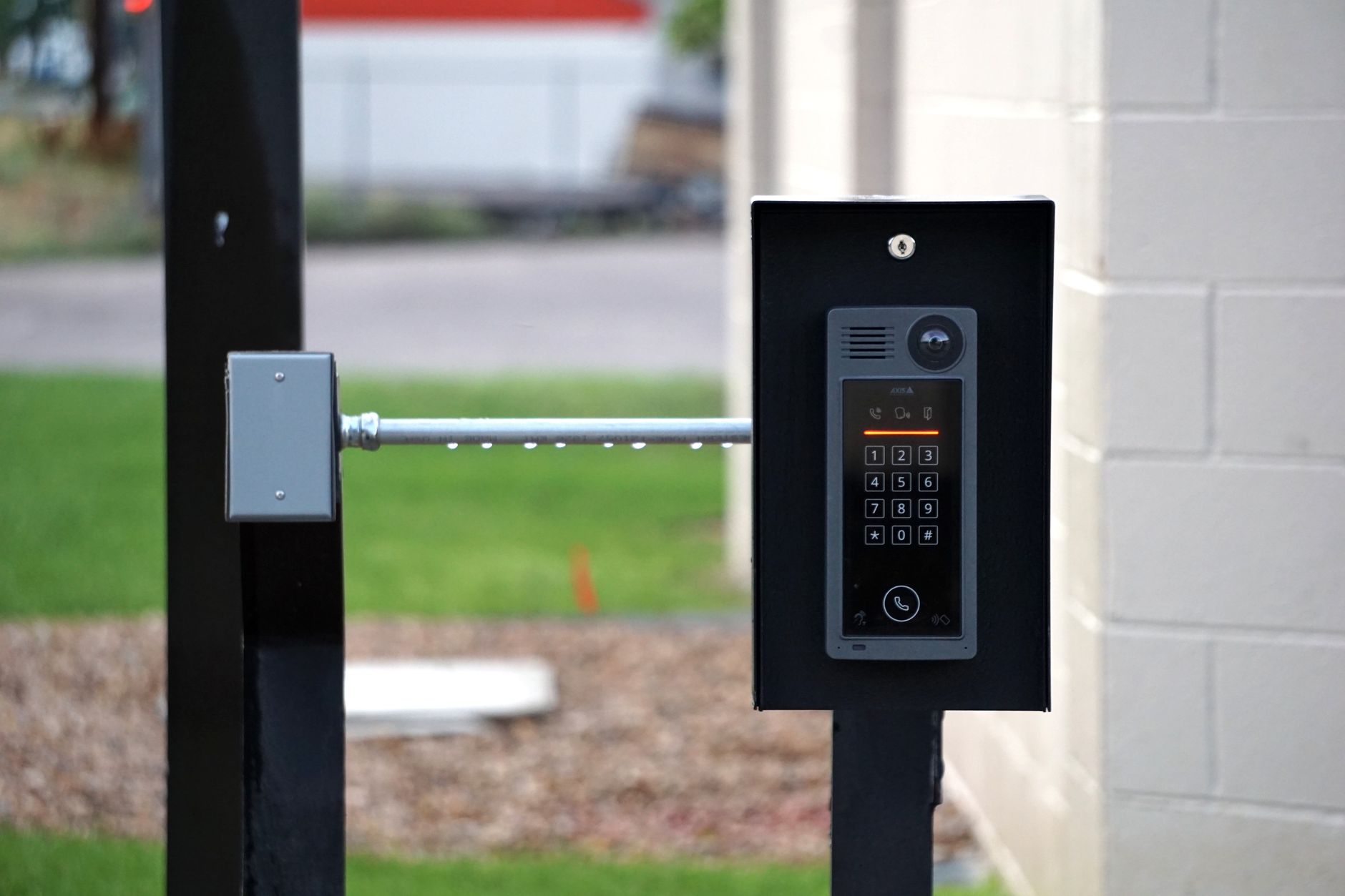
Whether or not a mask is worn, these three factors directly determine the performance of KSRV face recognition. In actual factory operations, managers need to tightly control these conditions to ensure the system operates stably.
Lighting: The ideal light intensity is 300-500 lux. Below 100 lux, a mask-enabled system may see FRR increase by 20%. Solution: install infrared LED lights or supplementary lighting at the KSRV gate.
Viewing angle: The camera should be placed at a height of 1.5-1.7 meters, facing directly toward the user's face. A tilt angle of more than 30° reduces accuracy by 10-15% due to loss of eye-region features. With a mask, the maximum tilt angle should be only 15°.
Camera quality: A camera with an infrared (IR) sensor and a minimum resolution of 2MP is required for mask recognition. 5MP or 8MP cameras (such as Hikvision DS-2CD2387G2-LSU/SL) deliver results 5-8% better in low-light conditions.
Anti-spoofing technology when wearing a mask
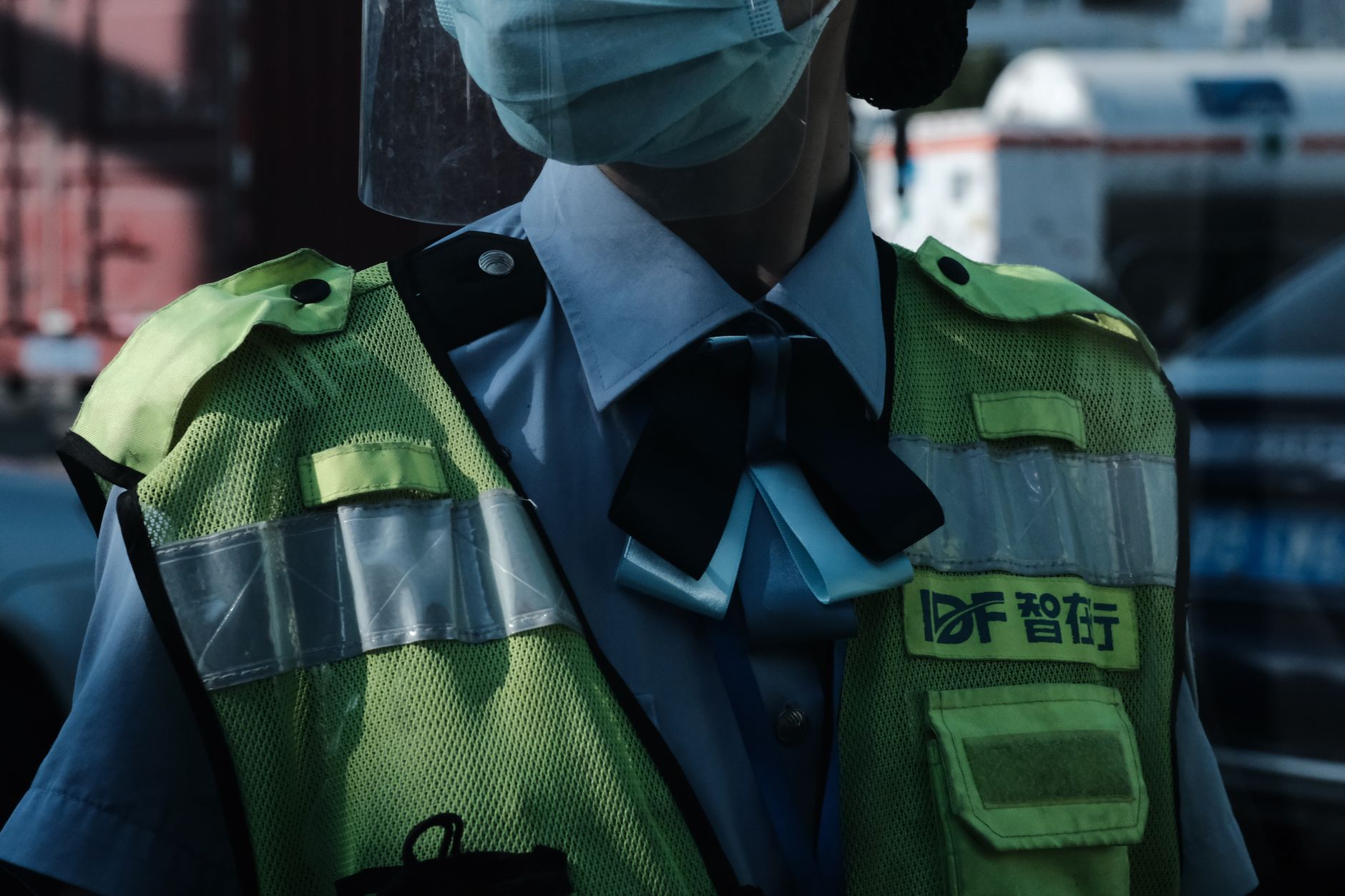
When wearing a mask, the risk of spoofing with a photo or video increases because the system only analyzes the eye region. Modern devices integrate 3D infrared or ToF (Time-of-Flight) sensors to detect facial depth, countering attacks using printed photos or phone screens.
For example, the ZKTeco ProFace X TD uses 3D binocular stereo vision technology to create a facial depth map, even when a mask is worn. Meanwhile, devices that use only conventional 2D cameras are easily fooled by static photos or pre-recorded video. Therefore, if the factory requires high security, it should invest in devices with 3D anti-spoofing.
Choosing the right KSRV device for the factory in 2026
Based on actual needs, operations management can choose one of three tiers of KSRV face recognition devices: entry-level, mid-range, high-end. Each tier suits a different level of security requirements and budget.
- Entry-level (5-10 million): 2D camera + basic algorithm. Accuracy with a mask 85-90%. Suitable for secondary gates, small offices. Example: ZKTeco SpeedFace-V5L.
- Mid-range (15-25 million): 2MP IR camera + AI mask-aware algorithm. Accuracy with a mask 92-95%. Suitable for main factory gates, large offices. Example: Suprema FaceLite.
- High-end (30-50 million): 3D camera + ToF sensor + advanced AI. Accuracy with a mask 95-97%. Suitable for high-security areas, clean rooms. Example: Suprema BioStation 3.
Common mistakes when deploying KSRV face recognition for the factory
Many Vietnamese factories make common mistakes when deploying KSRV face recognition, leading to poor performance and wasted budget. Below are the 4 main mistakes and how to fix them.
- Not checking actual lighting conditions: Many businesses install cameras in poorly lit positions (below 100 lux), causing the system to repeatedly reject valid users. Solution: measure with a lux meter at the installation position and add lighting if needed.
- Using the same facial database for both modes: Enrolling faces without a mask but requiring recognition while wearing a mask reduces accuracy. Solution: enroll separate photos with and without a mask for each user.
- Skipping anti-spoofing: Choosing cheap devices without 3D sensors, easily fooled by printed photos. Solution: invest in devices with IR or 3D if the area requires security.
- Not updating firmware and algorithms: Old AI algorithms do not support mask-aware. Solution: choose devices from vendors with frequent updates such as ZKTeco, Suprema.
Frequently Asked Questions (FAQ)
Does KSRV face recognition work well with N95 masks?
Not entirely. N95 masks cover a larger area and have a thicker structure, reducing the remaining facial features. Accuracy typically drops 5-10% compared to medical masks. High-end devices such as Suprema BioStation 3 can reach 90-93% with N95, but still lower than without a mask.
Is recognition speed slower when wearing a mask?
Yes, typically 0.2-0.5 seconds slower because the algorithm needs additional processing to compensate for the missing feature areas. With entry-level devices, speed may increase from 0.5 seconds to 1-1.5 seconds. However, mid-range and high-end devices have been optimized to keep speed under 1 second even with a mask.
Do I need to register a separate face image when wearing a mask?
Yes, you should register separate images with and without a mask for each user. This helps the system learn the eye-area features and bone structure when a mask is present, increasing accuracy by 3-5% compared to using only images without a mask. Most modern devices allow storing multiple images for one user.
How can the false rejection rate (FRR) be reduced when wearing a mask?
To reduce FRR, you can: (1) Increase lighting at the KSRV gate to 300-500 lux; (2) Place the camera at a height of 1.5-1.7m, facing the face directly; (3) Use devices with IR sensors for recognition in low-light conditions; (4) Register high-quality face images with a mask; (5) Update the latest firmware from the manufacturer.
What is the investment cost of KSRV face recognition for a factory with 200 workers?
Depending on the device tier: Entry-level (ZKTeco SpeedFace-V5L) approximately 15-25 million VND for 2-3 gates; Mid-range (Suprema FaceLite) approximately 30-50 million VND for 2-3 gates; High-end (Suprema BioStation 3) approximately 60-100 million VND for 2-3 gates. Costs include devices, installation, and software configuration. An Ninh Số provides turnkey solutions with a 24-month warranty.
Can KSRV face recognition be integrated with the existing timekeeping system?
Yes, most modern KSRV face recognition devices support integration with timekeeping software via API, SDK, or standard protocols such as HTTP, TCP/IP. Vendors such as ZKTeco and Suprema provide built-in personnel management software, or can connect to popular ERP and HRM systems in Vietnam.
For detailed consultation on a KSRV face recognition solution suited to your factory, contact An Ninh Số now via hotline 0796 700 777 or email [email protected]. We provide genuine devices from ZKTeco, Suprema, Hikvision with a 24-month warranty and 24/7 technical support.