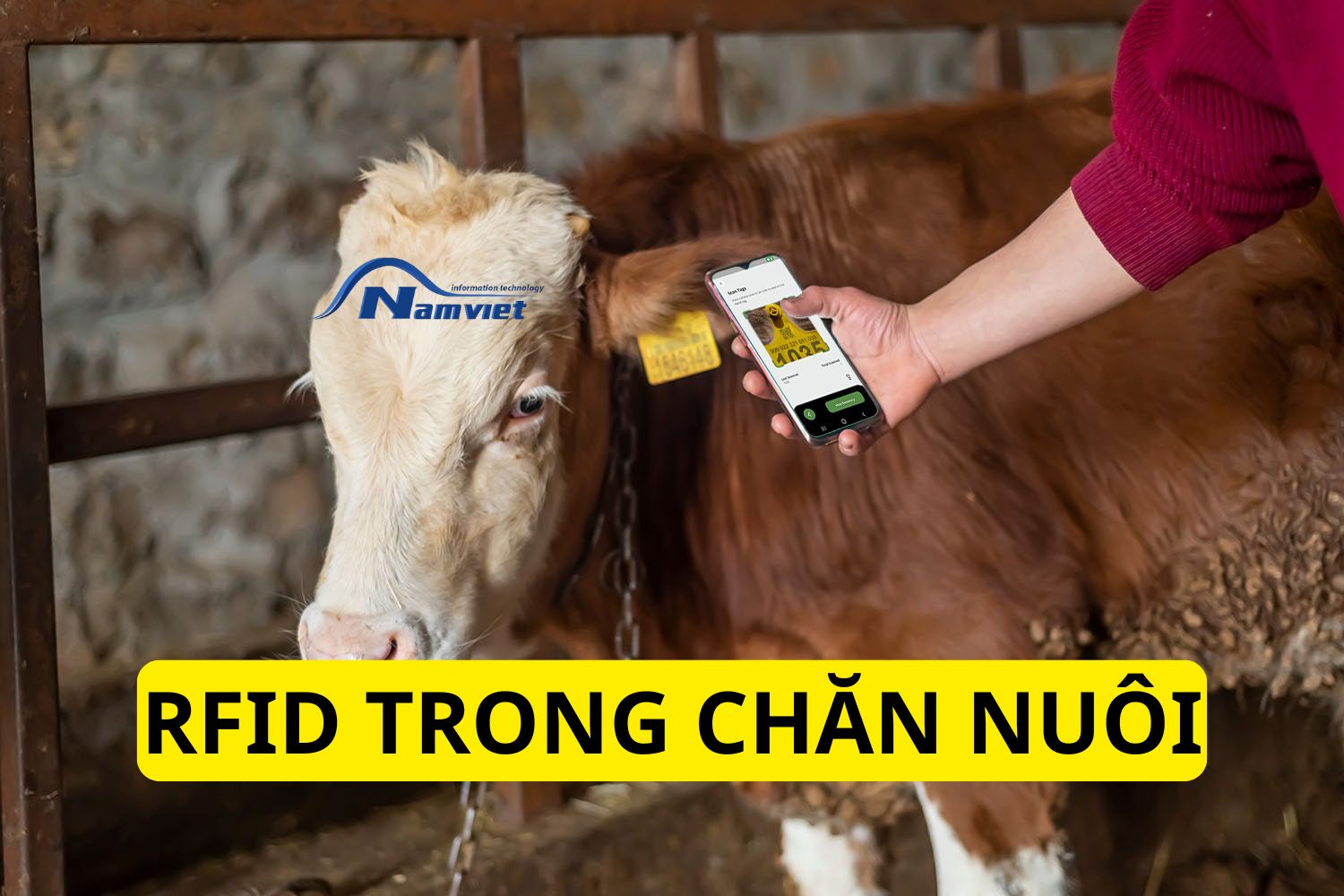
Digital transformation of livestock farms is the process of applying IoT, AI, and RFID technologies to automate animal health monitoring, barn environment control, and feed cost optimization. According to a 2025 report from the Ministry of Agriculture and Rural Development, farms adopting digital transformation achieve 20-30% higher productivity compared to traditional methods.
Step 1: Survey the current farm status and define objectives
Before investing in technology, farm owners need to assess all current processes: number of livestock, barn area, water/feed systems, and manual recording methods. Specific goals include reducing mortality rates by 10-15% and increasing slaughter weight by 8-12%.
The survey should also cover network and electrical infrastructure. A livestock farm with 500-2000 pigs in Dong Nai typically spans 2-5 hectares, requiring at least 3-5 temperature/humidity sensor installation points and 1-2 AI cameras for herd monitoring. The average survey cost is 5-10 million VND, conducted by a consulting unit or solution provider.
Step 2: Select suitable RFID equipment and AI cameras
Core equipment includes animal ear tag RFID tags (125kHz or 860-960MHz UHF frequency), fixed RFID readers at weighing/injection areas, and AI cameras for detecting abnormal behavior. Brands such as Hikvision, Dahua, and ZKTeco provide integrated solutions for Vietnamese farms.
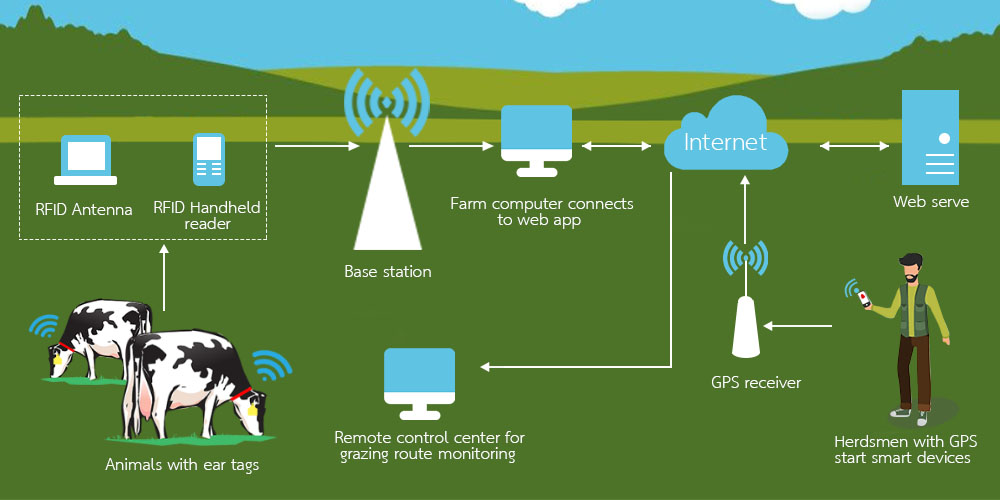
UHF RFID tags (Impini Monza 4D) can be read from a distance of 3-8 meters, storing individual ID, birth date, and vaccination history. AI cameras support detecting abnormal lying pigs (disease alerts) with 85-92% accuracy. The initial investment cost for a system of 500 tags + 2 readers + 1 AI camera ranges from 35-55 million VND, excluding software.
Step 3: Integrate farm management software
Farm Management Software connects data from RFID, AI cameras, and environmental sensors. Key features include tracking individual growth, automatic disease outbreak alerts, and generating reports on 7-30 day cycles.
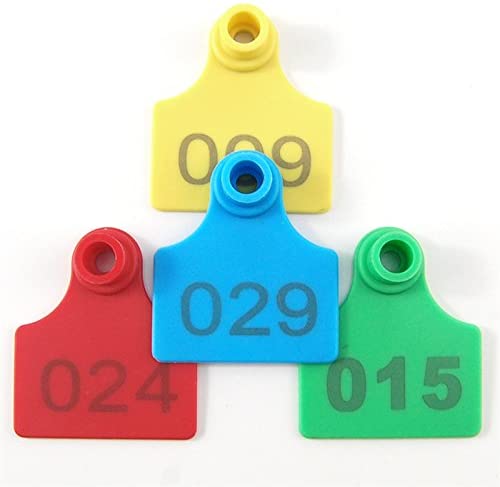
For example, the system can record that pig number 1023 has not eaten for 12-18 hours, combined with barn temperature data increasing by 2-3°C, and automatically send an alert via Zalo/SMS. The average integration time is 2-4 weeks, depending on scale. Some popular platforms in Vietnam cost 3-8 million VND/month for farms with 500-2000 animals.
Step 4: Train personnel and conduct trial operations
Digital transformation often fails due to personnel not being proficient in using the technology. 2-3 training sessions (4-6 hours each) are needed for technicians and farm managers on how to attach RFID tags, read data from readers, and handle alerts from AI cameras.
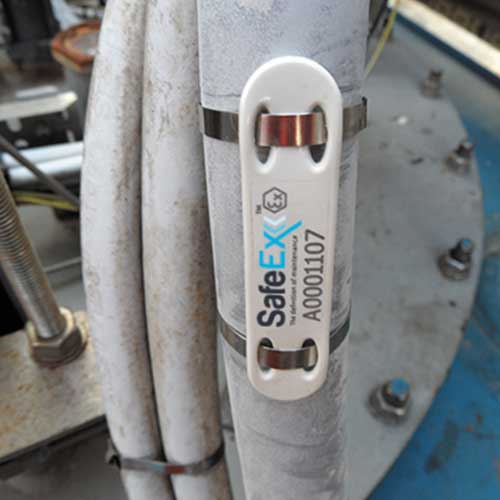
A parallel run phase (2-4 weeks) helps compare manual and automated data. For instance, staff manually record feed consumption and compare it with data from the RFID system. A deviation of less than 5% is considered acceptable. Training costs are approximately 10-15 million VND per farm, including instructional materials and 3 months of remote support.
Step 5: Measure KPIs and continuously optimize
After 3-6 months of operation, farm owners need to measure indicators: survival rate, average slaughter weight, feed cost per kg, and reduced labor hours. Target KPIs: reduce feed costs by 15-25%, increase survival rate by 10-18%.
System data allows analyzing the correlation between barn temperature (25-30°C) and weight gain rate. If slow-growing pigs are detected in areas with humidity >85%, ventilation can be adjusted or stocking density reduced. Quarterly summary reports help decide on investing in additional AI cameras for farrowing areas or upgrading RFID readers.
Case study: 2000-pig farm in Binh Duong
Tan Phat farm (Binh Duong) deployed an RFID + AI camera system in June 2025. After 8 months, the pig mortality rate dropped from 12% to 7%, feed costs decreased by 18%, and labor productivity increased by 30% due to reduced manual recording time.
The system includes 2000 UHF RFID tags (Impini Monza 4D), 4 fixed readers at weighing and injection areas, and 6 Hikvision AcuSense AI cameras. Total investment was 120 million VND, with a payback period of 14 months. The farm is currently expanding with an access control system for the quarantine area.
Frequently Asked Questions
What is the cost of digital transformation for a 500-pig farm?
The initial investment for a 500-pig farm is approximately 50-80 million VND, including RFID tags (500 pieces, 15-25 million), fixed readers (1-2 units, 10-20 million), AI cameras (1-2 units, 15-25 million), and management software (5-10 million/month). The expected payback period is 12-18 months.
Does RFID technology affect animal health?
Livestock RFID tags are specially designed with small dimensions (15-30mm diameter), weighing under 10 grams, and attached to the animal's ear. They cause no pain or health effects. The chips operate at low or UHF frequencies, safe for livestock. Over 95% of large farms in Europe and the US use this technology.
How accurate are AI cameras in detecting pig diseases?
Current AI cameras have an accuracy of 85-92% in detecting abnormal lying pigs (disease signs), depending on lighting conditions and installation angles. Combined with temperature data from sensors, accuracy increases to 90-95%. Early detection is 12-24 hours faster than manual observation, helping reduce mortality rates by 10-15%.
What infrastructure do I need to prepare before deployment?
Ensure a stable electrical system (can use UPS or backup generator), WiFi/4G network covering the entire farm (at least 2-3 access points), and waterproof/dustproof installation areas (IP65 or higher). For farms in remote areas, use solar-powered devices for sensors.
How can staff get accustomed to new technology?
The training process should be divided into 2 phases: 1 theoretical session (3-4 hours) and 2-3 practical sessions (2-3 hours each). Use short instructional videos (2-3 minutes) for each task such as tag attachment and data reading. On-site technical support staff should be available for the first 2-4 weeks.
Contact An Ninh Số via hotline 0796 700 777 or email [email protected] for consultation on digital transformation solutions for livestock farms tailored to your scale and budget.