
The Mettler Toledo Safeline food metal detector is a quality inspection equipment line developed by the Mettler Toledo group, using multi-frequency alternating magnetic field technology to detect metal contaminants (ferrous, non-ferrous, stainless steel) in food products. In Vietnam, the Safeline range is widely deployed in seafood, meat, confectionery, and beverage processing plants to meet HACCP and ISO 22000 standards.
What is the Mettler Toledo Safeline Food Metal Detector?

The Mettler Toledo Safeline food metal detector is a specialized quality inspection device that uses alternating magnetic field technology to detect metal contaminants in bulk, packaged, or liquid food products. This product line is specifically designed to resist product effect interference and meet international food safety standards.
Unlike conventional metal detectors that operate at a single fixed frequency, the Safeline range uses Multi-Simultaneous Frequency (MSF) technology to analyze and eliminate product effect interference. This is particularly important when inspecting products with high moisture content, high salt content, or metallized packaging. The detector can detect metal particles ranging from 0.3mm to 2.0mm depending on the product type and probe configuration.
Operating Principle of the Balanced Coil Detector
Related Products

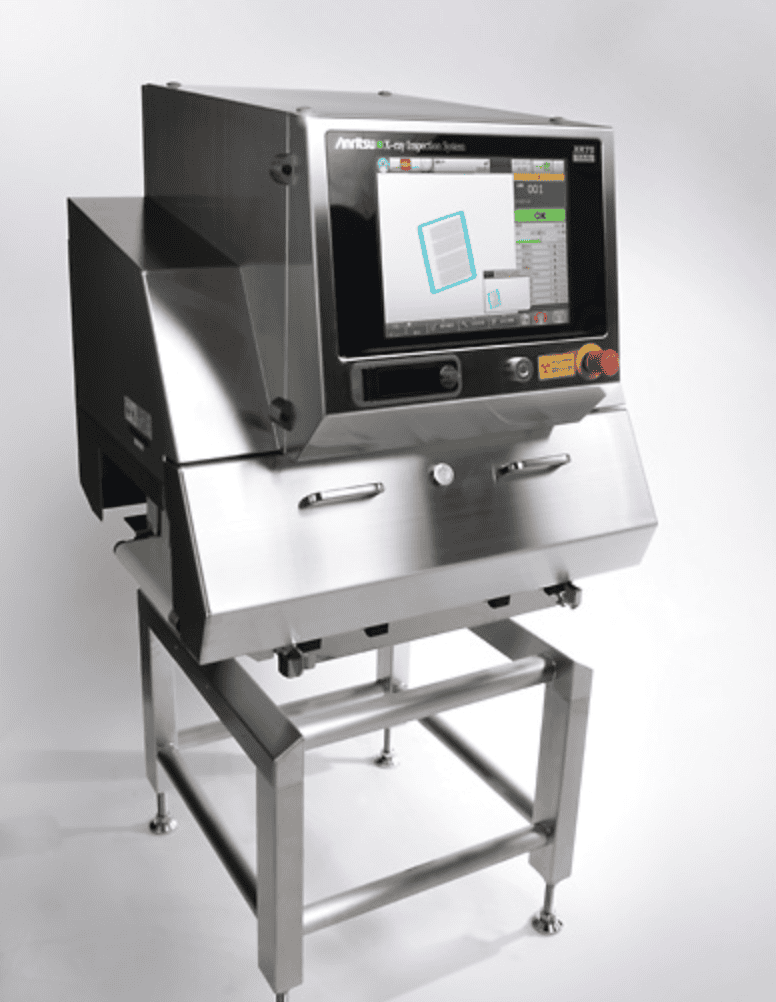


The balanced coil detector is the heart of the Mettler Toledo Safeline metal detector. It consists of three coaxial coils: one transmitter coil in the center and two symmetrically placed receiver coils on either side. When no metal is present, the magnetic field between the two receiver coils is balanced, resulting in zero output signal. When a product containing metal passes through, the magnetic field is disrupted, creating an imbalance signal that is processed and triggers an alarm.
The Balanced Coil technology operates based on the principle of electromagnetic induction. The transmitter coil generates an alternating magnetic field at a frequency of 50 kHz to 1 MHz, depending on the product configuration. When a metal particle passes through, it changes the inductance of the receiver coils, generating a small voltage signal (microvolt). The Digital Signal Processor (DSP) of the Mettler Toledo Safeline analyzes the amplitude and phase of this signal to distinguish between real metal and product effect interference.
Detailed operating process:
- Magnetic field generation: The transmitter coil creates a stable alternating magnetic field at the selected frequency.
- Product conveyance: The product passes through the detector on a conveyor belt at a speed of 0.5-2 m/s.
- Imbalance detection: Metal alters the magnetic field, creating a differential signal between the two receiver coils.
- Signal processing: The DSP analyzes the signal, removes background noise, and determines the metal type.
- Alarm activation: If the signal exceeds the threshold, the machine activates an audible, visual alarm or product rejection.
How Does the Multi-Simultaneous Frequency (MSF) Anti-Interference Technology Work?
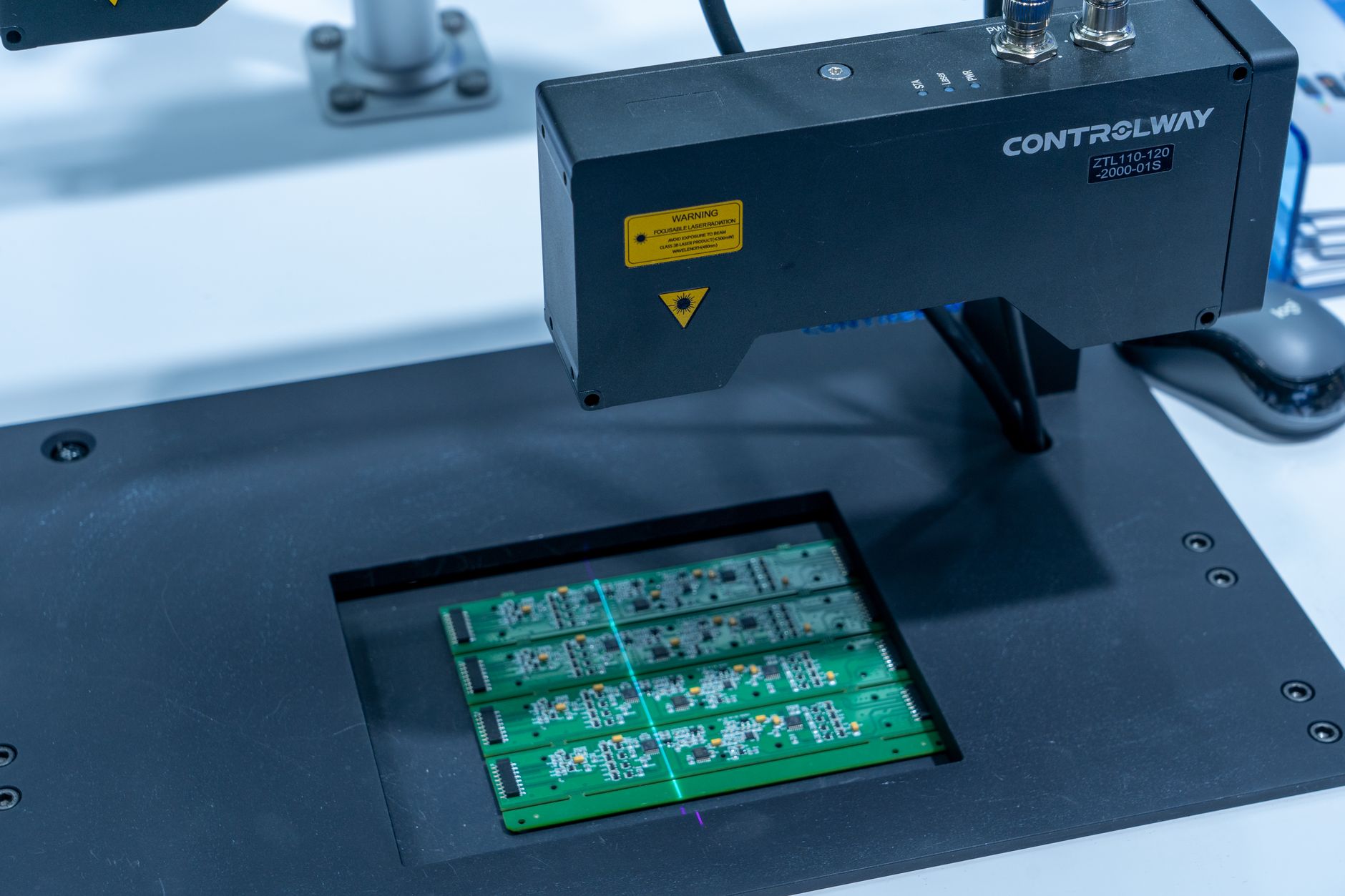
MSF (Multi-Simultaneous Frequency) technology allows the Mettler Toledo Safeline metal detector to transmit and analyze multiple magnetic field frequencies (typically 3-5 different frequencies) simultaneously in a single scan. This enables the machine to accurately distinguish between signals from metal and interference signals from the product (product effect), significantly reducing the false alarm rate.
Product effect is the phenomenon where product components (moisture, salt, acid, fat) generate false signals similar to metal. Products with high electrical conductivity such as fresh meat, cheese, sauces, or frozen foods often cause strong interference. MSF technology addresses this problem by:
- Frequency spectrum analysis: Each metal type has a different spectral signature at different frequencies. MSF records this signature and compares it with a database.
- Background noise removal: An adaptive digital filter automatically adjusts the detection threshold based on product characteristics.
- Metal discrimination: The system can distinguish between ferrous, non-ferrous, and stainless steel 316 based on phase shift and amplitude.
Actual results at Vietnamese plants show that MSF technology reduces false alarm rates by 30-50% compared to single-frequency detectors, particularly effective with frozen seafood products and high-sugar confectionery.
Comparison of Mettler Toledo Safeline Metal Detector Lines

The Mettler Toledo Safeline range includes three main product lines: Profile Advantage (high-end), X37 (mid-range), and Standard Series (basic). Each line has different anti-interference capabilities, sensitivity, and price levels, suitable for different production scales and quality control requirements.
| Feature | Profile Advantage | X37 | Standard Series |
|---|---|---|---|
| MSF Technology | Yes (5 simultaneous frequencies) | Yes (3 simultaneous frequencies) | No (single frequency) |
| Maximum Sensitivity (Fe) | 0.3 mm | 0.5 mm | 0.8 mm |
| Product Effect Rejection | Excellent (auto-calibration) | Good (semi-automatic calibration) | Average (requires manual setup) |
| Conveyor Speed | 0.5-2.5 m/s | 0.5-2.0 m/s | 0.5-1.5 m/s |
| Standards Compliance | HACCP, ISO 22000, BRC, IFS | HACCP, ISO 22000 | HACCP (basic) |
| Reference Price (VND) | 350-600 million | 200-350 million | 100-200 million |
The Profile Advantage line is suitable for seafood, meat, dairy, and frozen food processing plants with high quality control requirements. The X37 line is an optimal choice for confectionery, beverage, and dry food plants. The Standard Series is suitable for small and medium enterprises just starting to implement HACCP systems.
HACCP and ISO 22000 Standards Met by Mettler Toledo Safeline

The Mettler Toledo Safeline metal detector is designed to meet the stringent requirements of HACCP (Hazard Analysis and Critical Control Points) and ISO 22000 (Food Safety Management System) standards. Specifically, the Profile Advantage and X37 lines meet CCP (Critical Control Point) control requirements with capabilities for inspection logging, automatic calibration, and error alerts.
According to HACCP standards, the metal detector must be placed at a CCP in the production process. Mettler Toledo Safeline provides features that meet this requirement:
- Automatic calibration: The machine automatically calibrates every 15-30 minutes using a test piece of standard size, ensuring continuous accuracy.
- Inspection logging: The system stores calibration history, alarms, and product rejections for 90 days, serving HACCP audits.
- Error alerts: The machine issues an alert when sensitivity drops below the allowable threshold or when a hardware fault occurs.
- Automatic product rejection: The integrated conveyor system includes a reject mechanism that automatically pushes contaminated products off the line.
For ISO 22000, the Safeline range meets requirements for traceability and document control. The machine can connect to a Quality Management System (QMS) via OPC-UA or Modbus TCP/IP protocols.
Technical Glossary Summary Table

| Term | Definition | Practical Example |
|---|---|---|
| Product Effect | Interference from the product caused by moisture, salt, fat, or metallized packaging generating false signals. | Fresh meat with 75% moisture creates strong interference at 100 kHz frequency. |
| Balanced Coil | A structure of three coaxial coils that detects magnetic field imbalance when metal is present. | 300 mm probe used for packaged products. |
| MSF (Multi-Simultaneous Frequency) | Technology that transmits and analyzes multiple frequencies simultaneously to eliminate interference. | Profile Advantage uses 5 frequencies (50-800 kHz) to detect SS 316. |
| CCP (Critical Control Point) | A critical control point in the production process where metal detection is applied. | Placed after the packaging stage to ensure final product safety. |