
Metal detectors and X-ray machines are the two most common contaminant inspection technologies in Vietnamese F&B factories. Metal detectors only detect metal contaminants (iron, stainless steel, aluminum) while X-ray can additionally detect glass, stone, bone, and hard plastic. This article compares metal detector vs X-ray based on specific product types — you will know which equipment to choose for your production line after reading.
Comparison of Operating Principles: How are Metal Detectors and X-ray Different?

A metal detector operates based on electromagnetic induction, detecting metal objects as they pass through a magnetic field. X-ray uses X-rays to create a density image of the product, detecting any object with a density different from the product background — including metal, glass, stone, bone, and some types of hard plastic.
The physical principle determines the detection capability of each technology. A metal detector generates a high-frequency electromagnetic field — when a metal particle passes through, it disturbs this field and triggers a rejection signal. X-ray projects a beam through the product, and the receiver records the attenuated beam intensity — objects with higher density than the product will appear as dark areas on the image.
Technically, metal detectors have the advantage of being 3-5 times cheaper than X-ray, and are easier to install and maintain. X-ray offers broader detection capabilities but requires higher initial investment and specialized operating personnel. According to a 2025 survey by the Directorate for Standards, Metrology and Quality of Vietnam, 72% of F&B factories in Vietnam use metal detectors, while the remaining 28% use X-ray or a combination of both.
Contaminant Detection Capability: What Can a Metal Detector Detect?
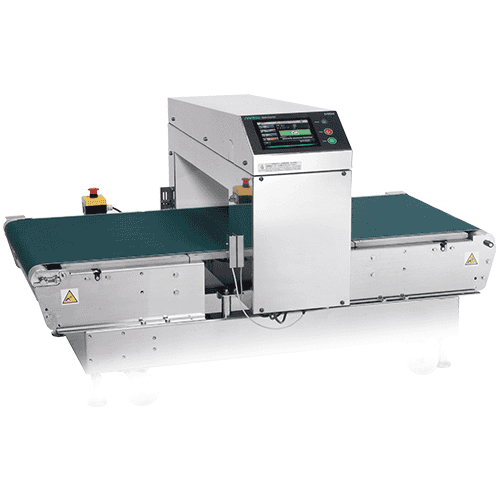

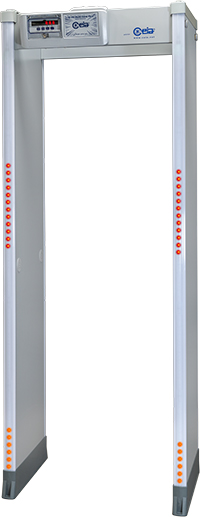
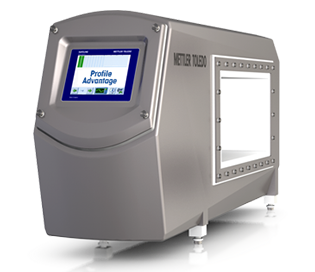

A metal detector detects three main groups of metals: iron (Fe), stainless steel (SS), and aluminum (Al). Sensitivity depends on the metal type and product — with dry products, a metal detector can detect iron particles of 0.5-1.0 mm diameter, stainless steel 0.8-1.5 mm, and aluminum 1.0-2.0 mm.
The detection performance of a metal detector is strongly affected by product characteristics: high moisture, high salt content, or conductive products (fresh meat, salted fish) significantly reduce sensitivity. Products packaged in aluminum film (stand-up pouches, coffee bags) cause complete interference with the metal detector signal — this is why coffee and spice packaging factories often have to choose X-ray.
With frozen products (-18°C to -25°C), metal detectors perform poorly due to the changing conductivity of ice. Seafood processing factories for export often face difficulties using metal detectors for IQF frozen shrimp or frozen fish fillets — the false reject rate can be as high as 15-25% if the frequency is not properly calibrated.
Can X-ray Detect Non-Metallic Contaminants?
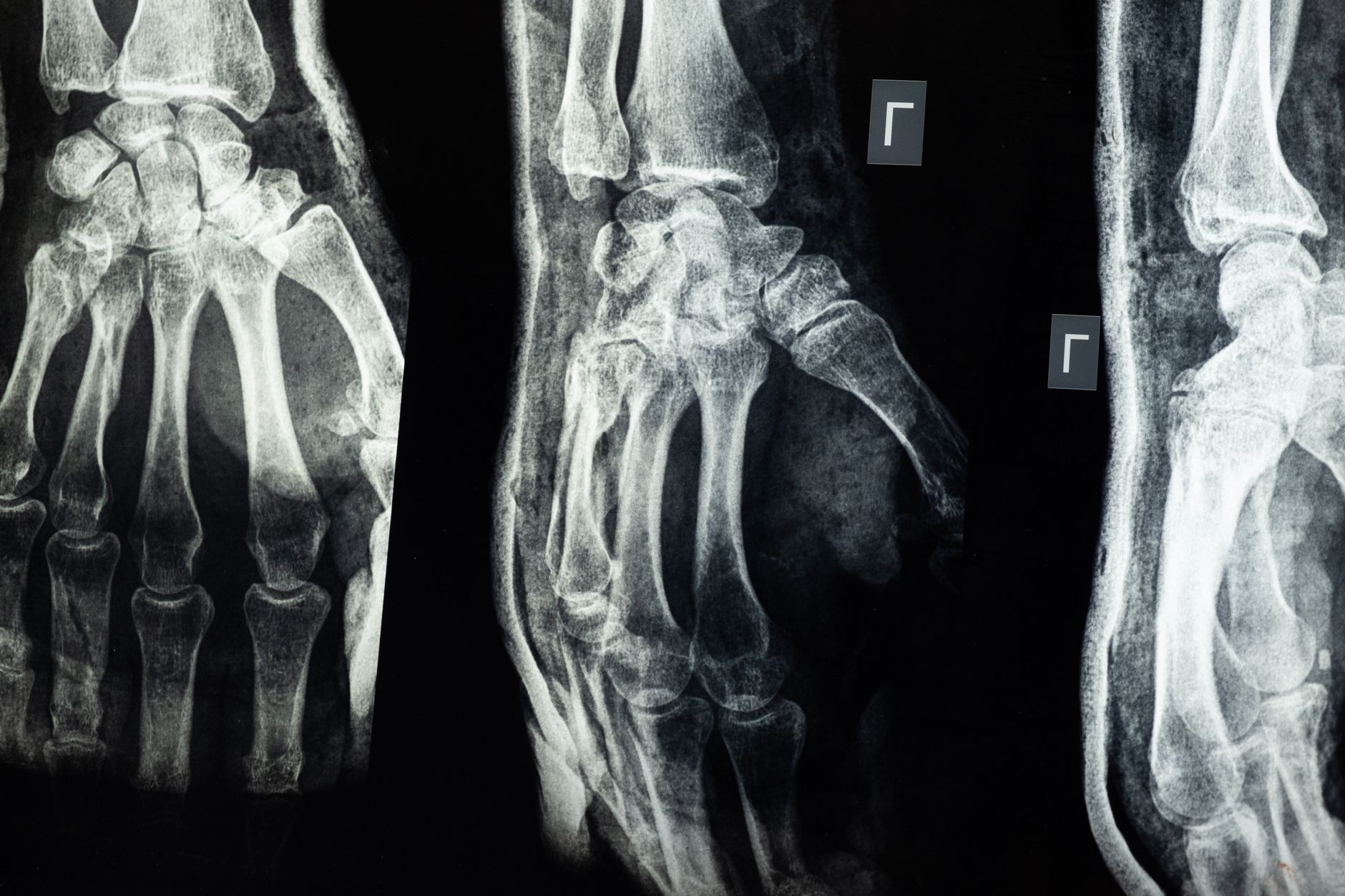
Yes. X-ray detects glass, stone, bone, ceramics, hard plastic (PVC, nylon), and some types of rubber — as long as these objects have a sufficient density difference compared to the product background. Detection capability depends on the thickness and density of the contaminant as well as the product.
X-ray creates a 16-bit or 24-bit grayscale image, where each pixel represents the material density at that point. Objects with higher density than the product background (e.g., a glass shard in a cookie) appear as dark areas. Objects with lower density (air bubbles, cracks) appear as bright areas. Integrated AI image processing software automatically identifies and alerts on these areas.
According to HACCP Codex Alimentarius standards, X-ray is a mandatory solution for products with a high risk of glass contamination (food in glass jars, ground spices) or bone (poultry, fish fillets). In Vietnam, seafood processing factories exporting to the EU and Japan have all required X-ray on IQF frozen lines since 2023.
Detailed Comparison Table: Metal Detector vs X-ray for F&B Factories

| Criteria | Metal Detector | X-ray (Contaminant Inspection Machine) |
|---|---|---|
| Detection of ferrous metal (Fe) | Best — 0.3-0.5 mm | Good — 0.5-1.0 mm |
| Detection of stainless steel (SS316) | 0.8-1.5 mm | Best — 0.5-1.0 mm |
| Detection of glass/stone/bone | Cannot detect | Best — 1.0-3.0 mm |
| Detection of hard plastic/wood | Cannot detect | Best — depends on density |
| Investment cost (400mm line) | Best — 150-400 million VND | 500 million - 1.5 billion VND |
| Annual maintenance cost | Best — 15-30 million VND | 50-150 million VND |
| Effect of moist/salty products | Sensitivity reduced by 30-50% Ready to deploy in 7–14 days Start with a free 60-minute site surveyOur senior technical team will visit your site, assess the current setup, and propose a bundle matched to your business model and budget. |