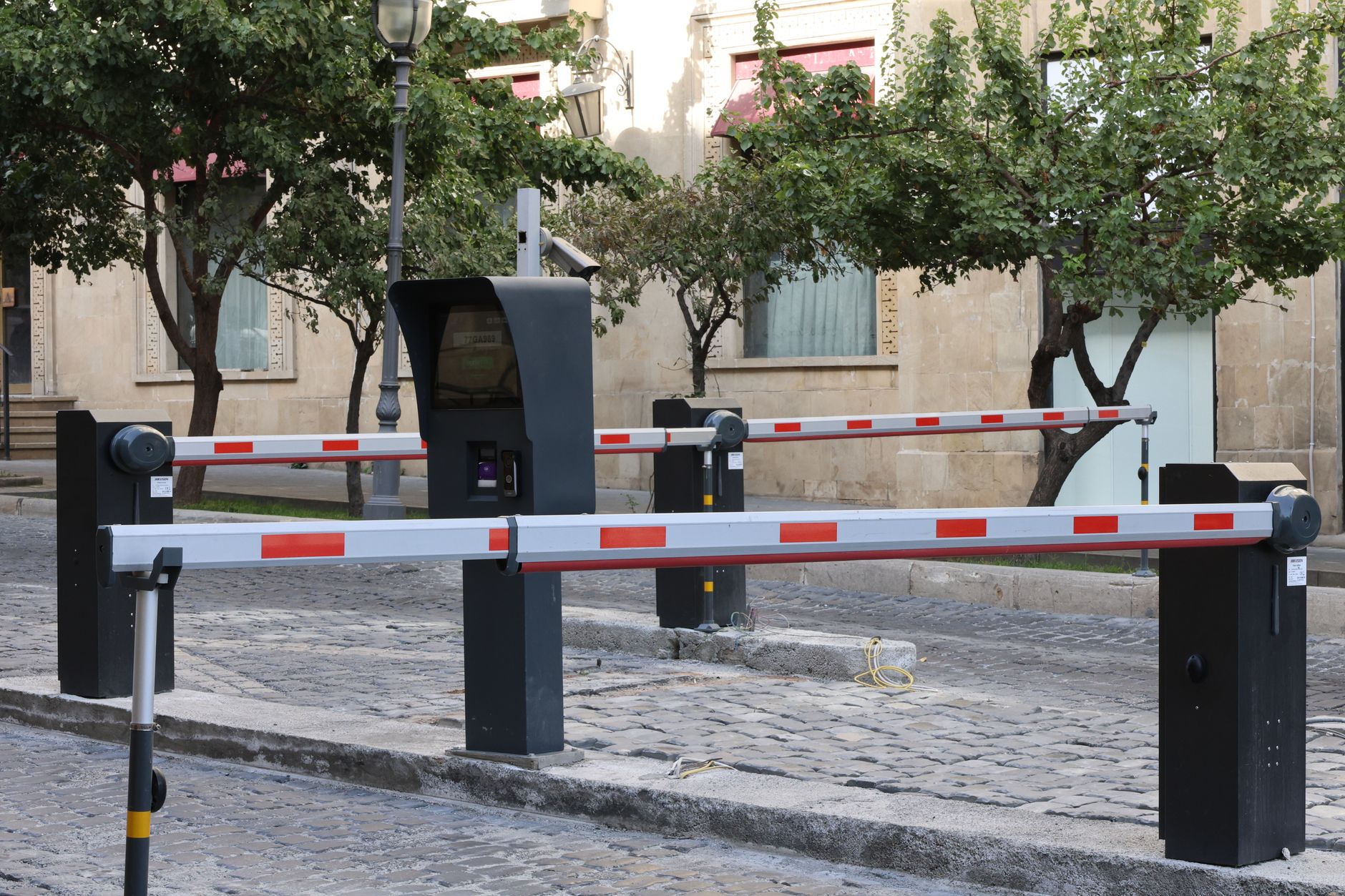
Barrier LPR (License Plate Recognition) is a solution that integrates a license plate recognition camera into an automated barrier system, allowing vehicles to enter and exit the hotel without the need for access cards or on-duty staff. At 4-5 star hotels in Vietnam, this technology is gradually replacing manual valet service thanks to its ability to process 3-5 seconds/vehicle and store data automatically.
What is a hotel LPR barrier?
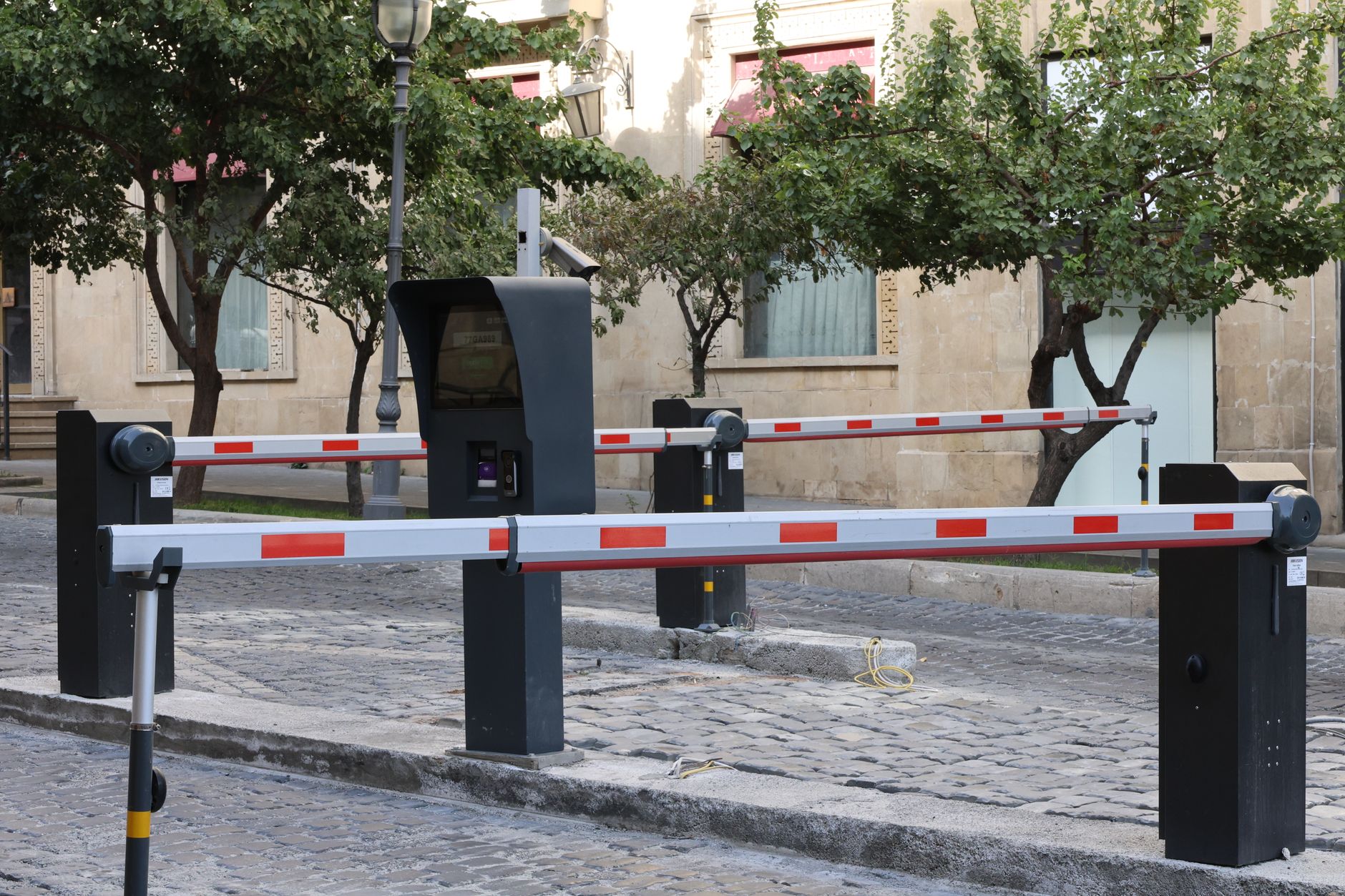
A barrier LPR is an automated gate system combined with a license plate recognition camera (License Plate Recognition), allowing vehicles to enter and exit without the need for access cards or on-duty staff. The system consists of an LPR camera, an automated barrier, and management software.
This system operates on the following mechanism: when a vehicle arrives at the gate, the camera captures the license plate, the software processes the image using OCR (Optical Character Recognition) to extract the characters, compares it with a whitelist (guests with reservations, VIPs, staff) or a blacklist, and then sends a signal to open the barrier. The entire process takes place within 2-5 seconds.
How the LPR barrier works for hotel valet
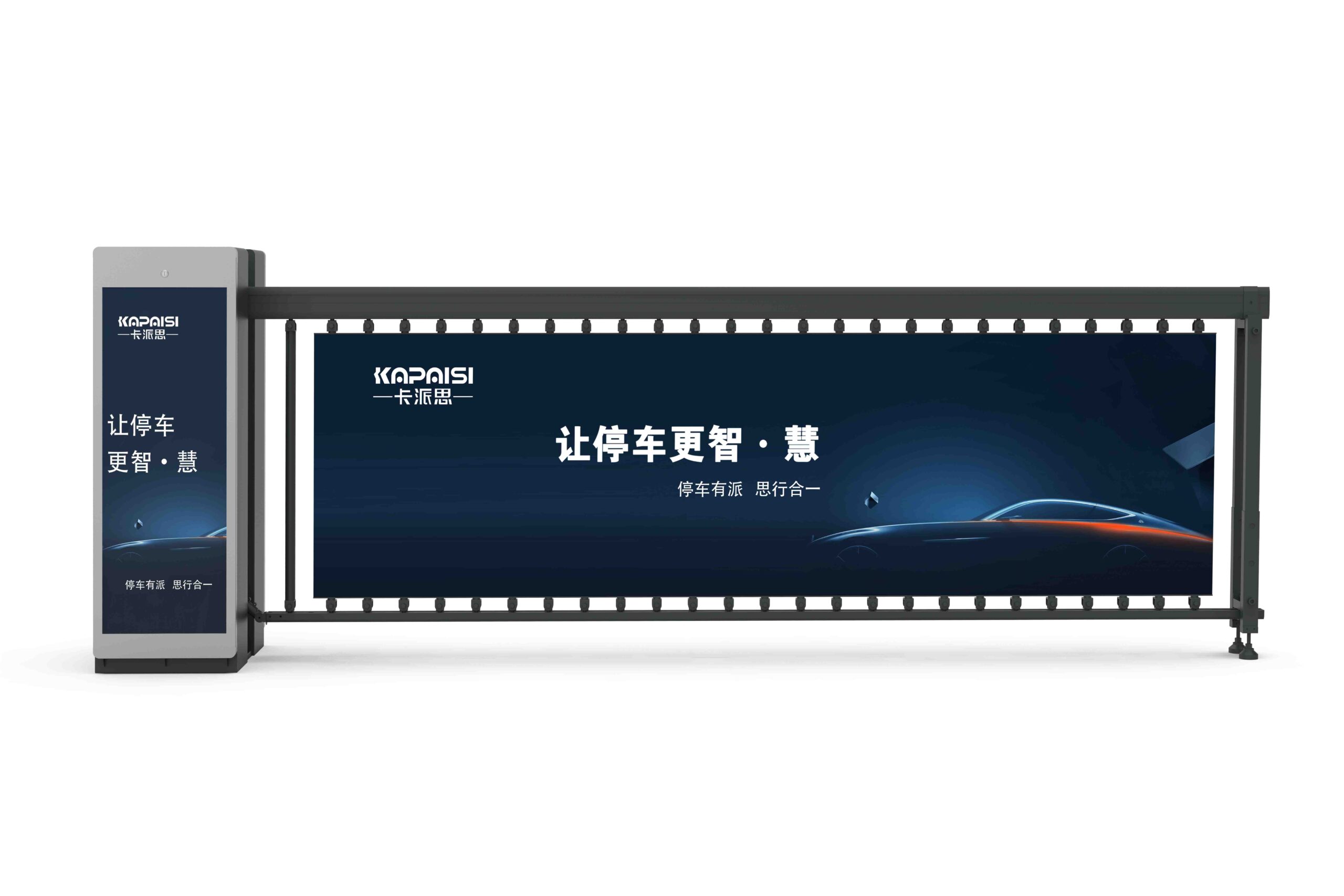
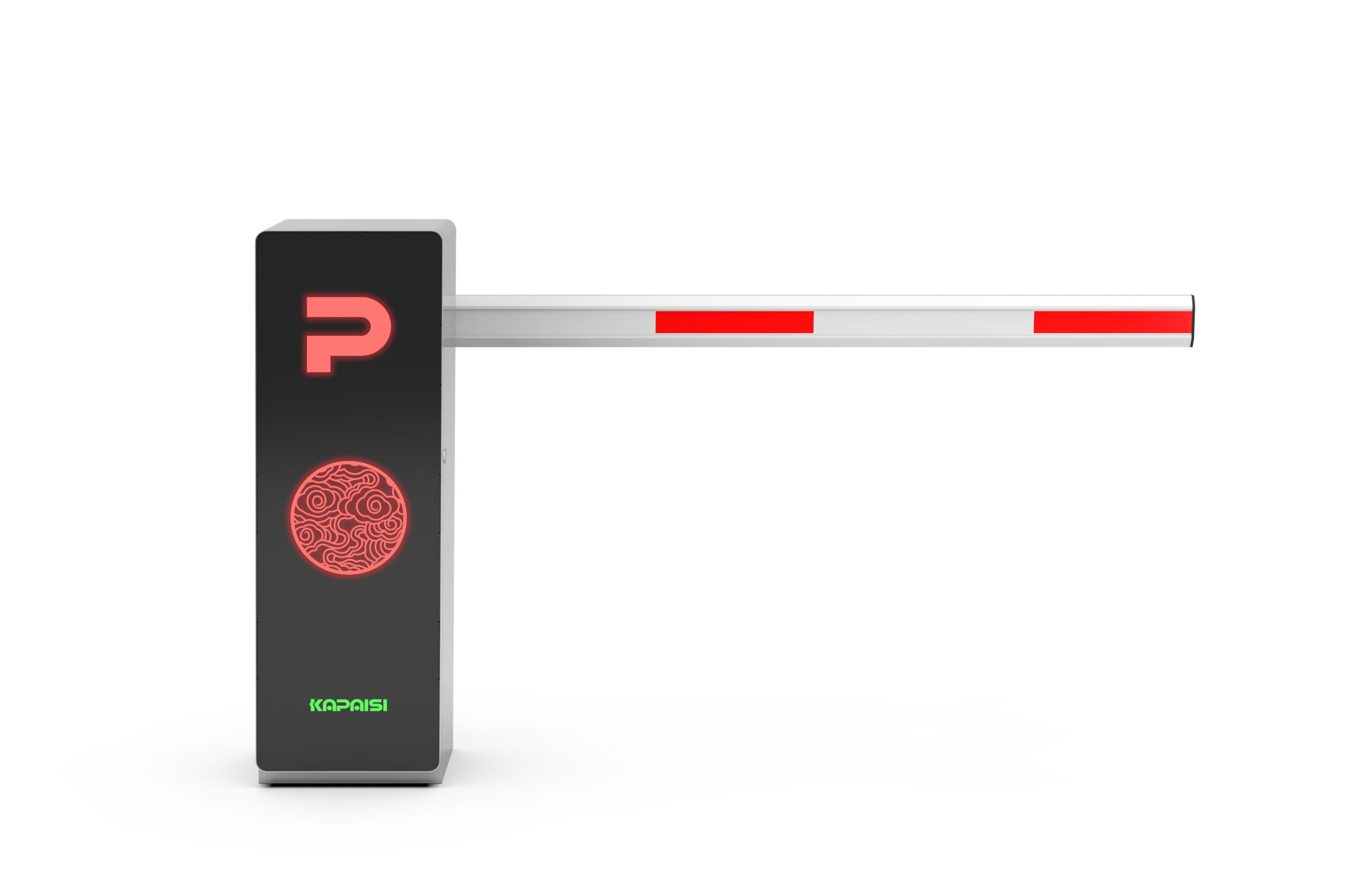
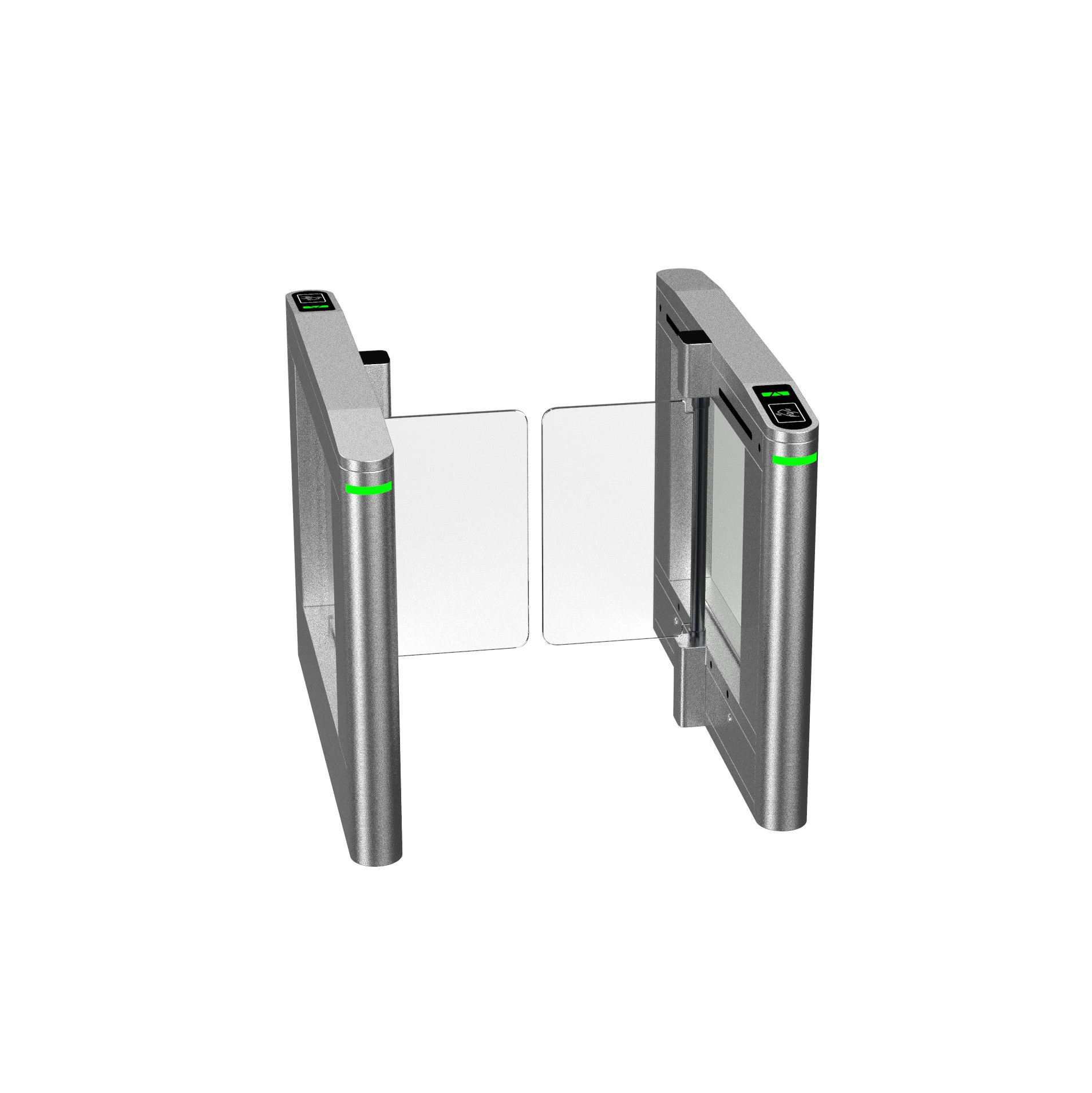
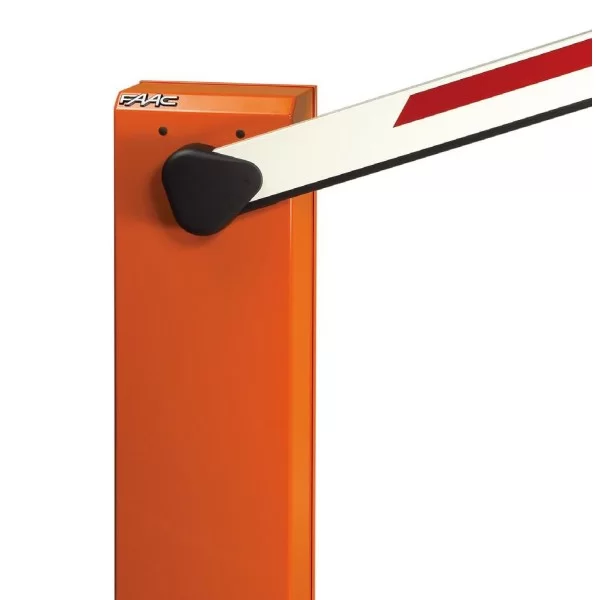
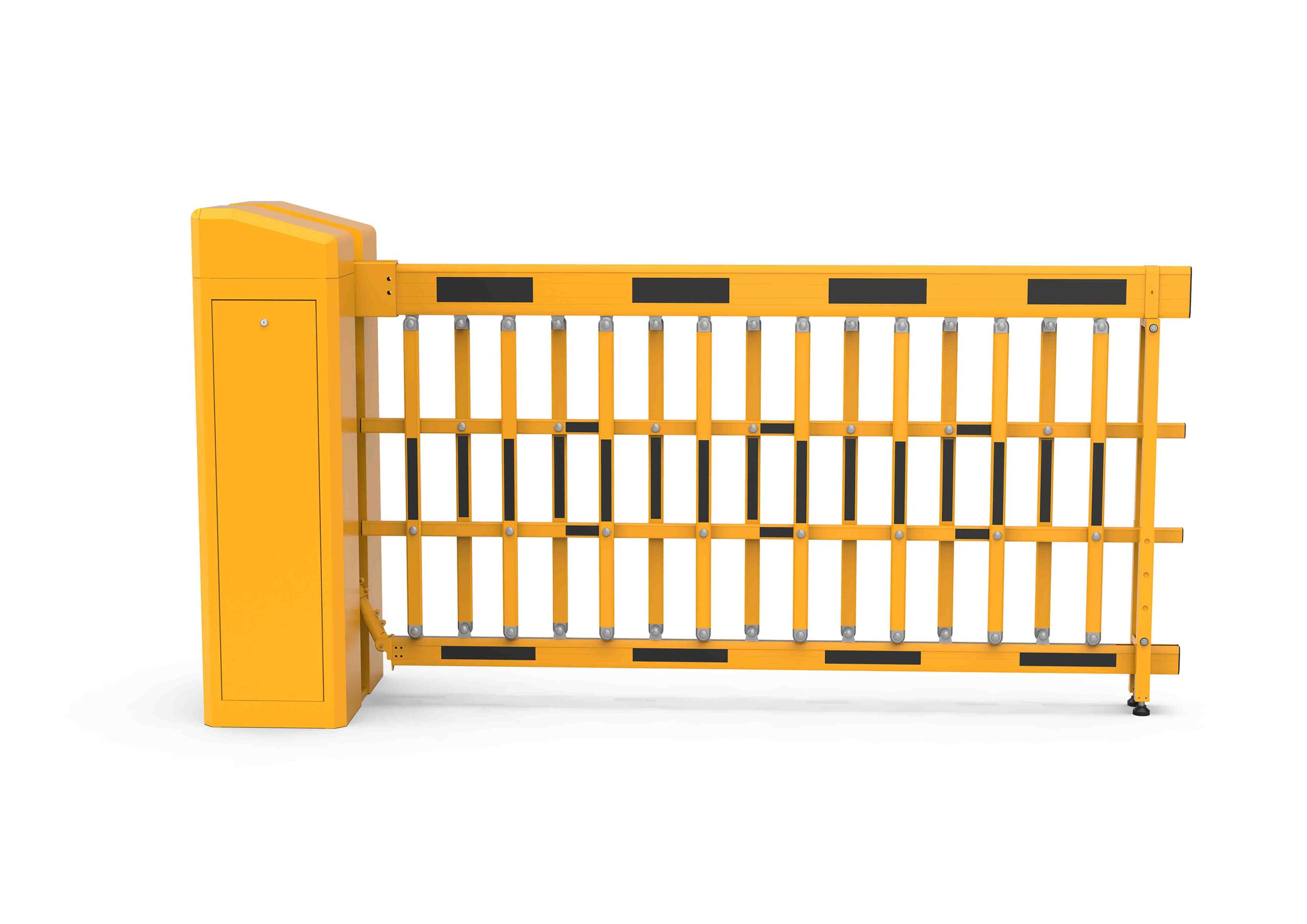
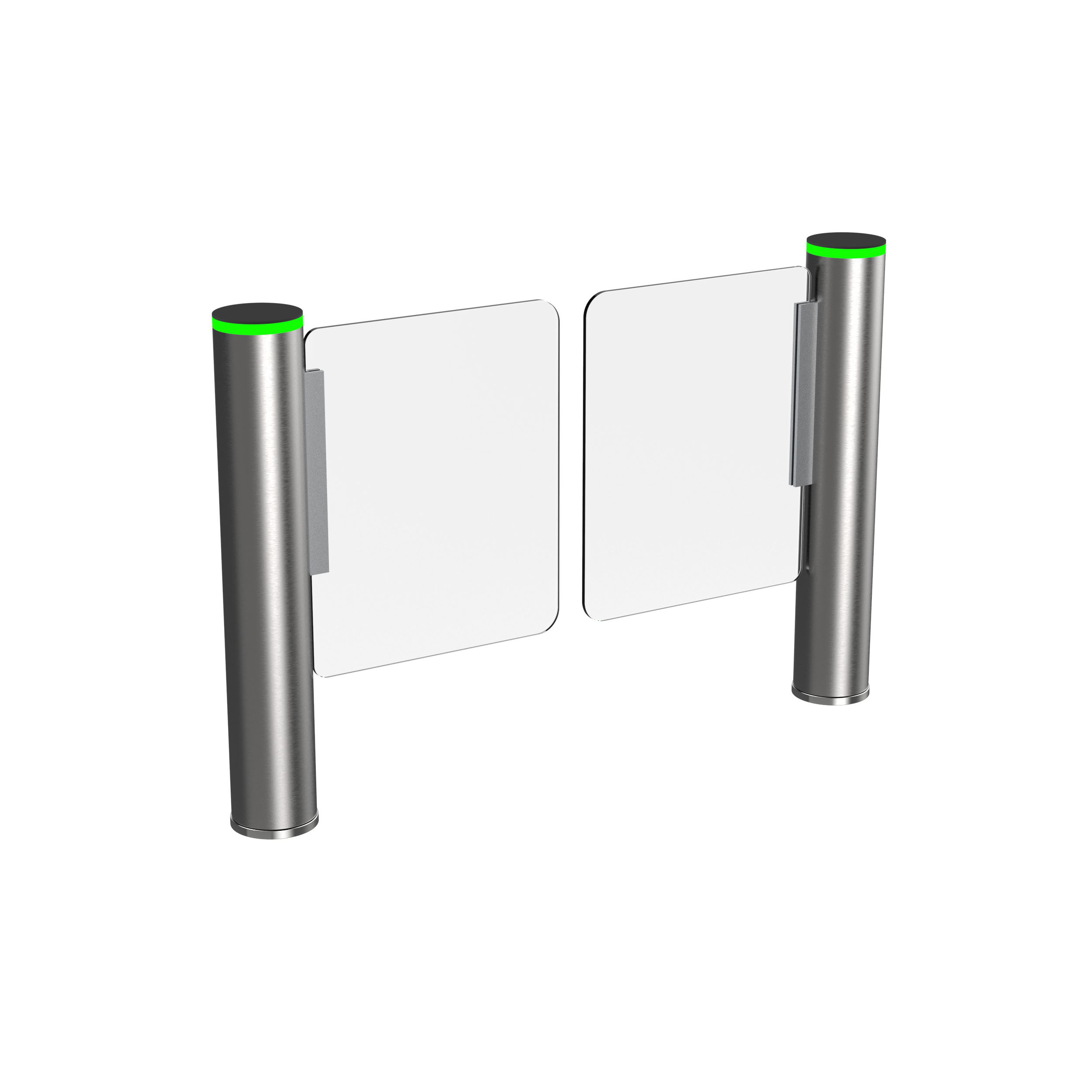
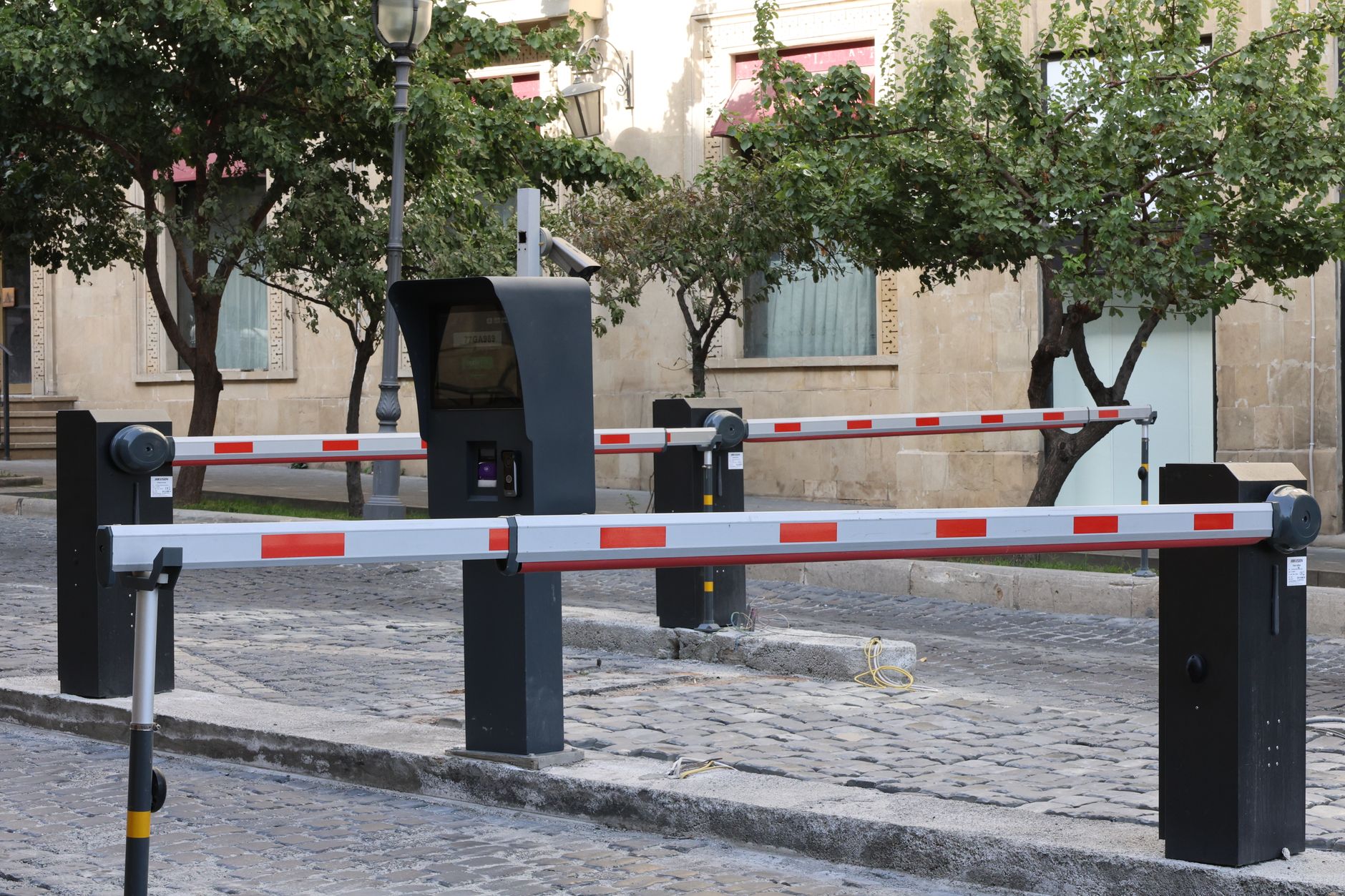
The operating principle consists of 3 core steps: (1) The LPR camera captures and recognizes the license plate, (2) The software processes and compares the data, (3) The barrier opens automatically. For valet, the system stores the license plate image when the vehicle is received and looks it up when the vehicle is returned.
Step 1: The LPR camera captures and recognizes the license plate
The LPR camera is installed at the entrance gate, usually at a height of 2-2.5m, with a tilt angle of 15-30 degrees relative to the road surface. The camera uses a 2-5MP CMOS sensor, combined with infrared (IR) lighting to capture the license plate clearly in low-light conditions. When the vehicle stops in front of the gate (detected by a loop sensor or radar), the camera captures 2-3 consecutive frames to ensure accuracy.
Step 2: The software performs OCR processing and data comparison
The LPR software receives images from the camera and performs:
- Preprocessing: brightness equalization, noise filtering, image rotation if the license plate is tilted.
- License plate region detection: using computer vision algorithms (YOLO, CNN) to determine the region containing the plate within the frame.
- OCR (Optical Character Recognition): recognizing each character on the plate, supporting Vietnamese license plates (1 or 2 lines).
- Comparison with the database: checking whether the license plate is on the whitelist (guests with reservations, VIPs, staff) or the blacklist (vehicles reported stolen, vehicles of interest).
Step 3: The barrier opens automatically and the event is recorded
If the license plate matches the whitelist, the software sends a signal to open the barrier. The automatic barrier (using a 24V-36V DC motor, with a raise/lower time of 1-3 seconds) raises the boom to let the vehicle in. The system records the time, license plate, and captured image in the log. If there is no match, the barrier does not open, and a notification is displayed on the screen or app for the receptionist to handle.
Automated valet process with LPR barrier
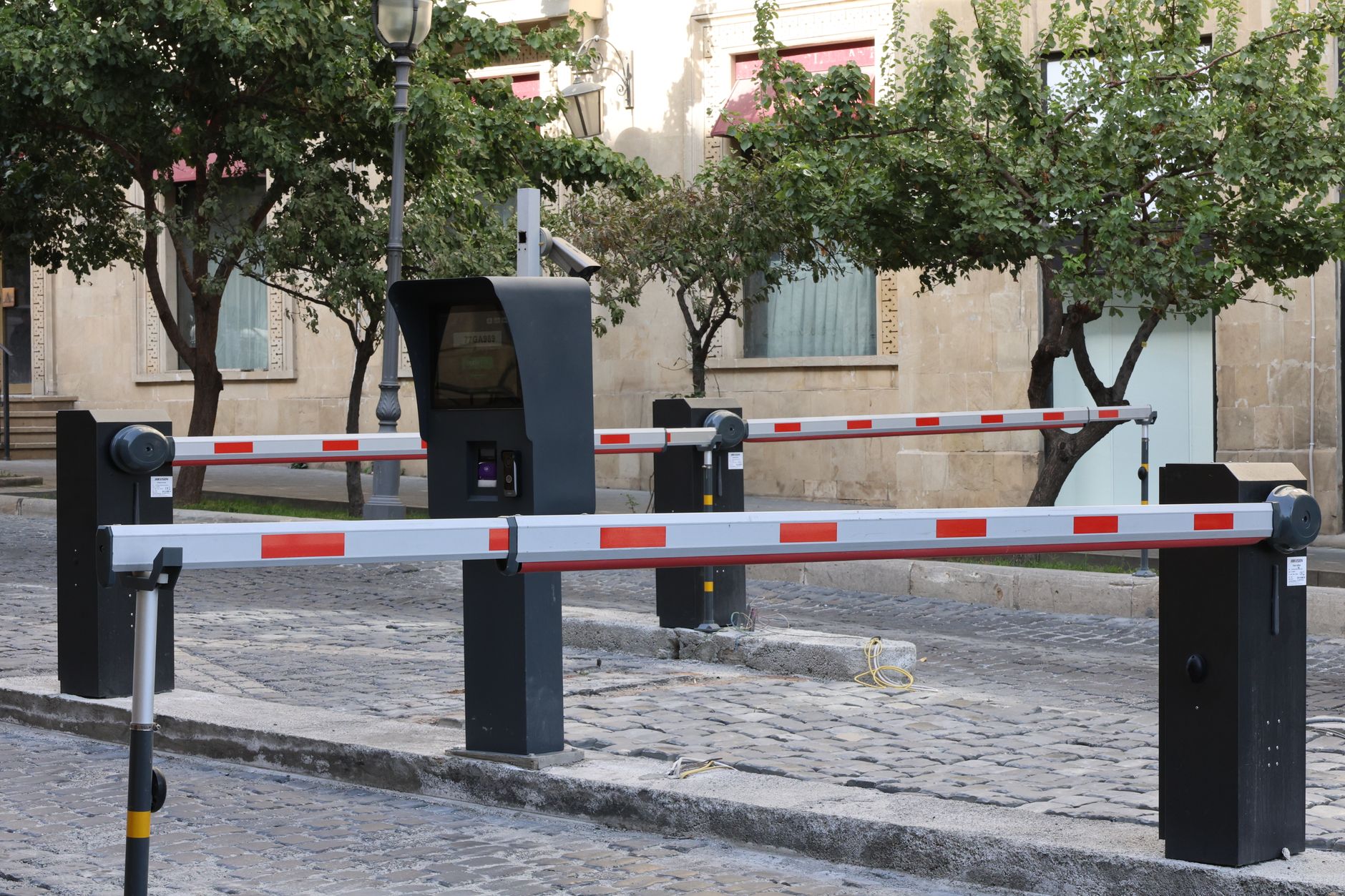
For hotels with valet service, the LPR barrier operates differently: when a guest drops off the vehicle, the valet staff enters the license plate into the system; when the guest picks up the vehicle, the barrier opens simply by looking up the license plate.
- Vehicle drop-off: The guest arrives at the lobby, the valet staff receives the keys and enters the license plate into the valet management software (integrated with the PMS - Property Management System). The system stores the license plate image and parking location.
- Parking: The staff drives the vehicle into the lot, and the inner gate barrier opens automatically thanks to recognition of the registered license plate.
- Vehicle return: The guest requests the vehicle, the front desk looks up the license plate in the system and sends a signal to open the barrier. The vehicle is brought to the lobby without the need for an access card.
Summary table of hotel LPR barrier system components
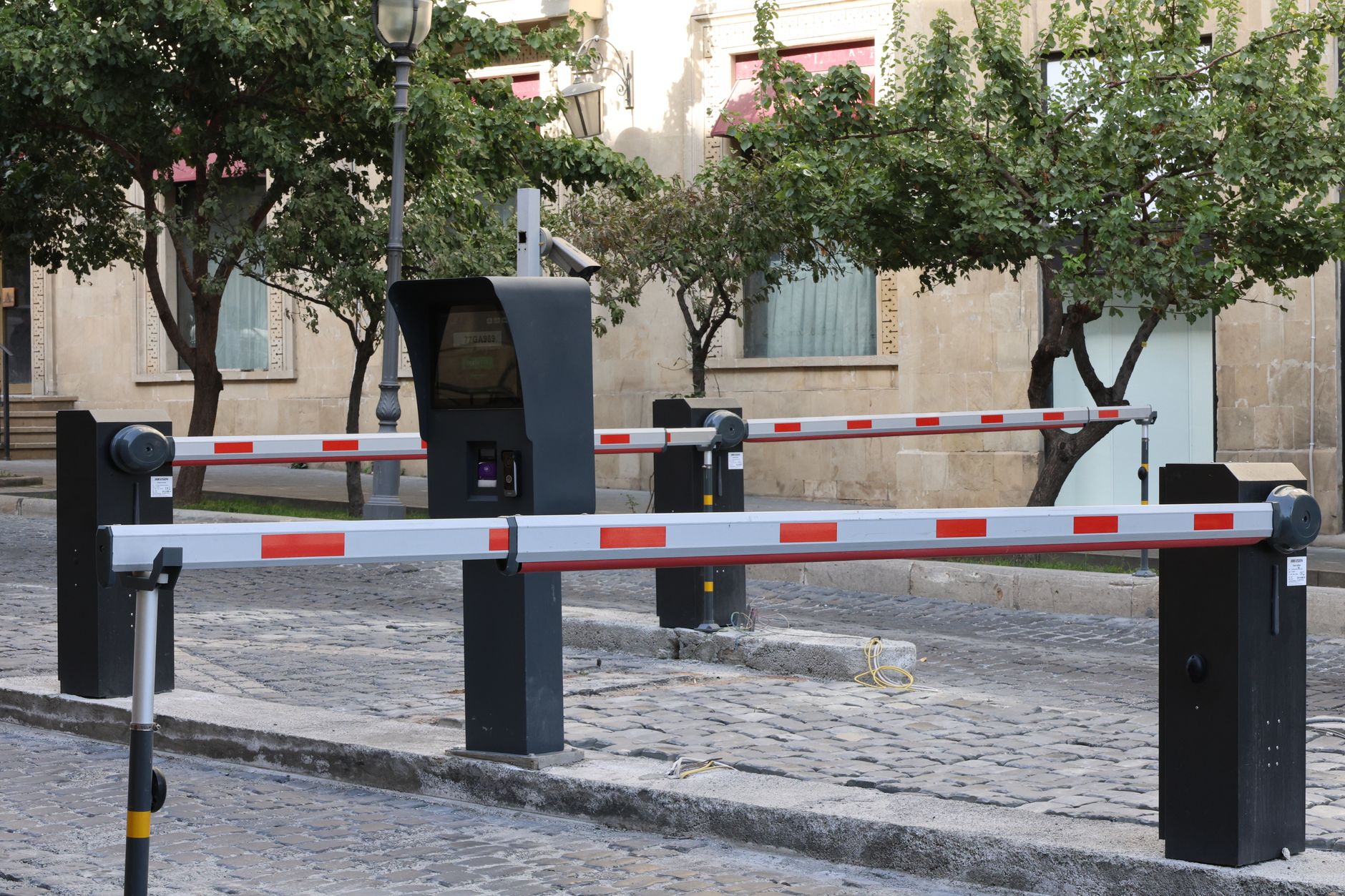
| Component | Function | Reference specifications |
|---|---|---|
| LPR camera | Captures and recognizes license plates | Resolution 2-5MP, IR, capture angle 15-30° |
| Automatic barrier | Controls opening/closing of the boom | DC motor 24-36V, raise time 1-3 seconds |
| LPR software | OCR processing, database comparison | Accuracy 95-99%, supports Vietnamese license plates |
| Loop detector | Detects vehicles at the gate | Triggers the camera when a vehicle arrives |
| Valet management software | Manages vehicle drop-off/return, PMS integration | Stores logs, statistics, alerts |
Common mistakes when deploying LPR barriers for hotels
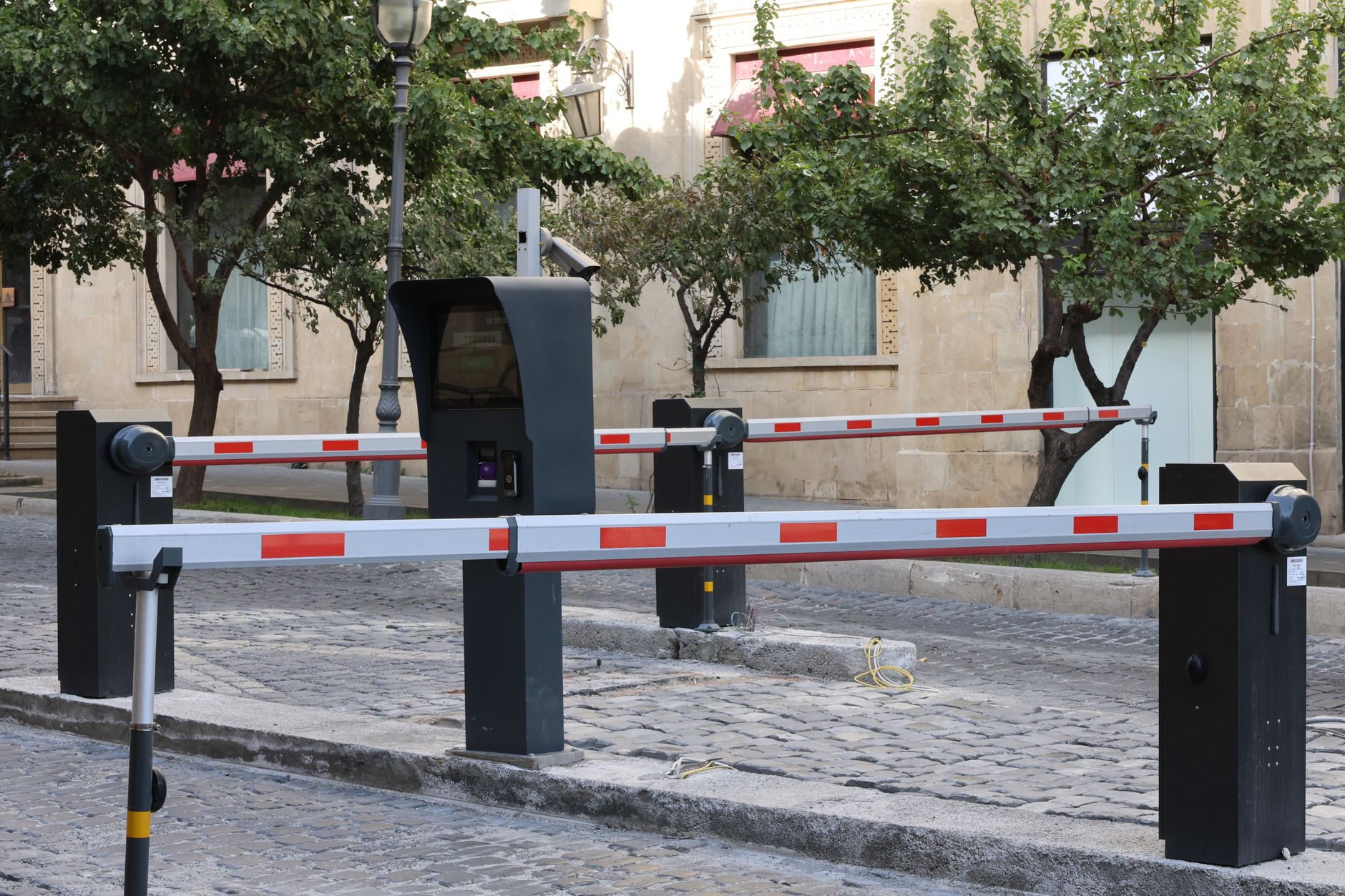
- Choosing an LPR camera not suited to Vietnamese license plates: Many imported cameras only support European license plates (black characters on a white background) and cannot recognize two-line plates or Vietnamese blue plates. Choose a camera with firmware that supports Vietnamese OCR.
- Installing the camera at the wrong angle: A capture angle that is too high or too low distorts the license plate and reduces accuracy. The ideal angle is 15-30° relative to the road surface, with the camera 3-5m from the barrier.
- No integration with the PMS: The LPR barrier operates independently and is not connected to the booking software, forcing staff to enter guest information manually, which wastes time.
- Overlooking night lighting: A camera without an IR illuminator or with a weak illuminator fails to recognize license plates at night. Use a camera with a 10-20m IR illuminator.
- No power backup: A power outage stops the system and causes congestion. Equip the barrier and camera with a UPS or backup battery.
Benefits of applying LPR barriers for hotels
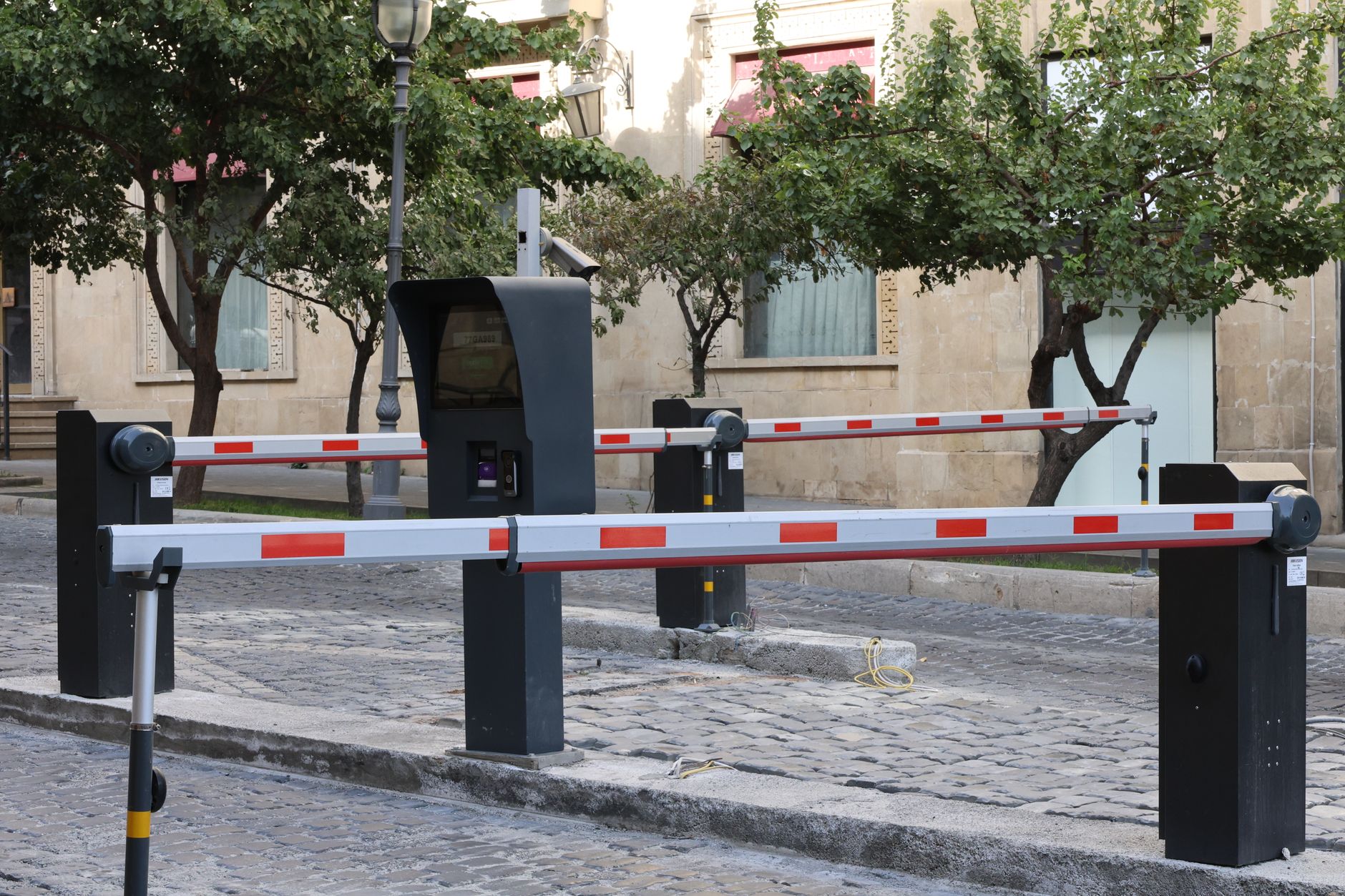
The LPR barrier delivers 3 main benefits: reduced waiting time for guests (from 30-60 seconds down to 3-5 seconds), increased security (only vehicles on the whitelist can enter), and staff savings (1-2 fewer gate staff per shift).
According to a survey of 4-star hotels in Ho Chi Minh City that have deployed it, the LPR barrier system helps reduce waiting time at the entrance by 50-70% during peak hours (check-in 14-16h). At the same time, vehicle entry and exit data is stored automatically, supporting lookups in the event of a dispute or vehicle loss.
Frequently asked questions
Can an LPR barrier recognize motorcycle license plates?
Yes, if the LPR camera is configured correctly. The camera needs a minimum resolution of 2MP and a flexible shooting angle to capture motorcycle license plates (which are usually smaller and lower than car license plates). Some systems allow selecting a separate recognition mode for motorcycles and cars.
How much does it cost to install an LPR barrier for a hotel?
The cost depends on the number of lanes, equipment brand, and software. On average, a basic LPR barrier lane (including barrier, camera, software) costs from 25-45 million VND. An integrated valet and PMS system can reach 80-120 million VND for 2 lanes.
Does the system work during a power outage?
Yes, if equipped with a UPS (Uninterruptible Power Supply). The UPS keeps the barrier and camera running for 30-60 minutes during a power outage. Some barriers have a built-in backup battery or emergency hand crank.
How do I integrate an LPR barrier with the hotel's property management system (PMS)?
The LPR software needs an open API to connect with the PMS. When a guest books a room, the license plate is automatically added to the whitelist. When the guest arrives, the LPR system recognizes it and opens the barrier, and at the same time sends a notification to the front desk. The integration is usually carried out by the solution provider.
How many vehicles can an LPR barrier manage at the same time?
Depending on the software, the system can manage from a few hundred to a few thousand vehicles in the database. For a 200-300 room hotel, a basic system meets the requirements well. Data is stored for a minimum of 30 days and reports can be exported on request.
Contact Viet Duc Tri Group via hotline 0935 295 337 or email [email protected] for advice on an LPR barrier solution suitable for your hotel.