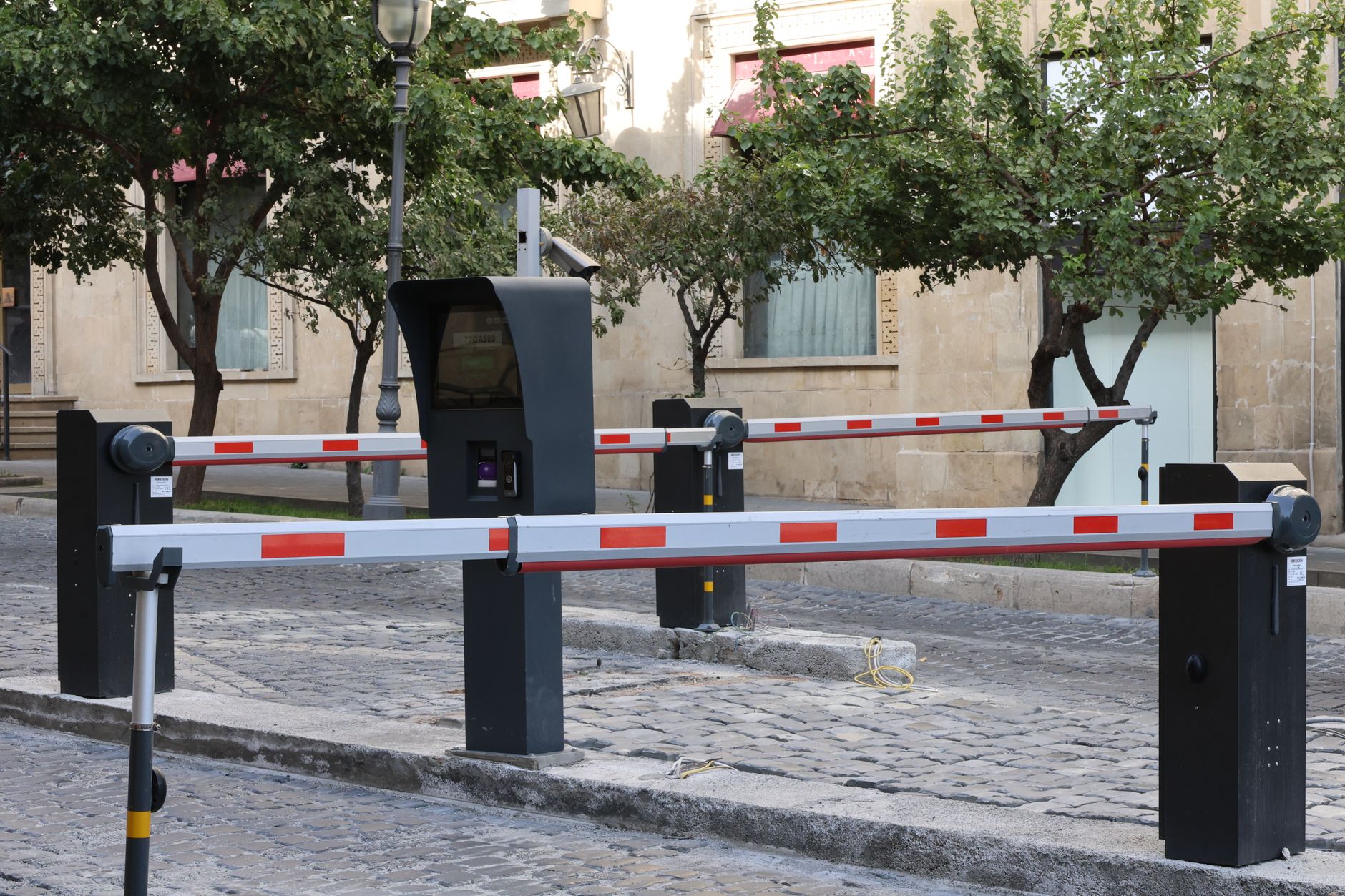
License Plate Recognition (LPR) cameras are a solution that integrates computer vision and OCR into vehicle gate barrier systems, automatically reading license plates and controlling the barrier to open within 0.5-1.5 seconds. In Vietnamese apartment buildings and urban areas, this technology is gradually replacing access cards and manual security guards, helping to reduce gate congestion and increase security.
What is LPR for apartments? What components make up the system structure?
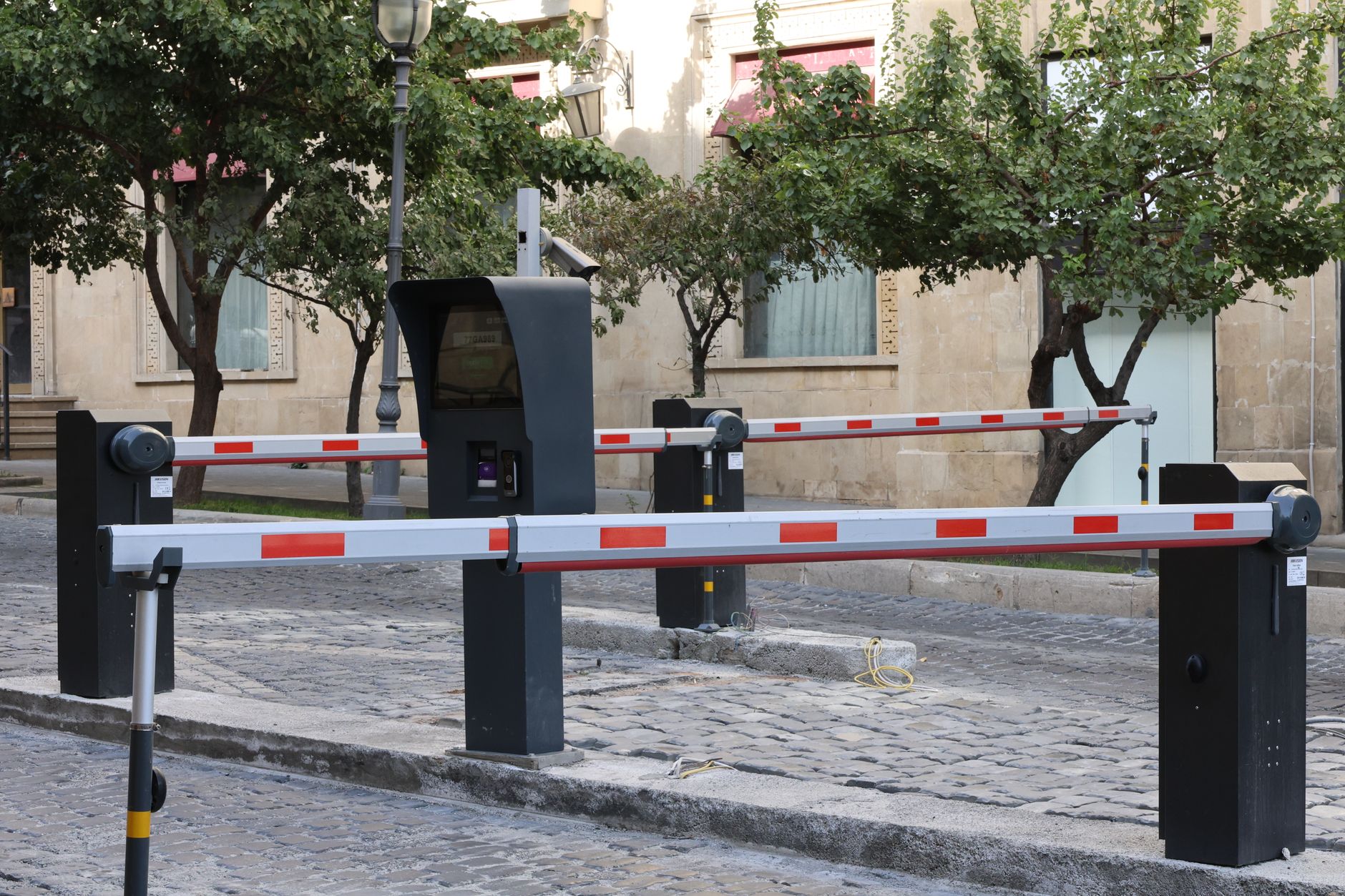
LPR (License Plate Recognition) is an automatic license plate recognition system, consisting of a specialized camera, AI processing module, management software, and a barrier. The system captures license plate images, extracts characters using OCR, and compares them against a database to decide whether to open the barrier.
A complete apartment LPR system includes 4 main blocks:
- Specialized LPR Camera: 2-5 MP CMOS sensor, 6-12 mm telephoto lens, 850 nm LED infrared light. The camera is placed at a height of 2-2.5 m, with a tilt angle of 15-30 degrees relative to the road surface.
- AI Processing Module (edge or server): AI chip (GPU or NPU) executing license plate detection algorithms (YOLO or Faster R-CNN) and character recognition (OCR). The module can be integrated into the camera (edge) or use a central server.
- Management Software: Stores the resident license plate database, entry/exit history, and integrates with billing and alert systems.
- Vehicle Gate Barrier: Receives the open signal from the LPR module via relay or API, requiring a response time of under 1 second to avoid jerky movements.
How does an LPR camera operate in 3 steps?
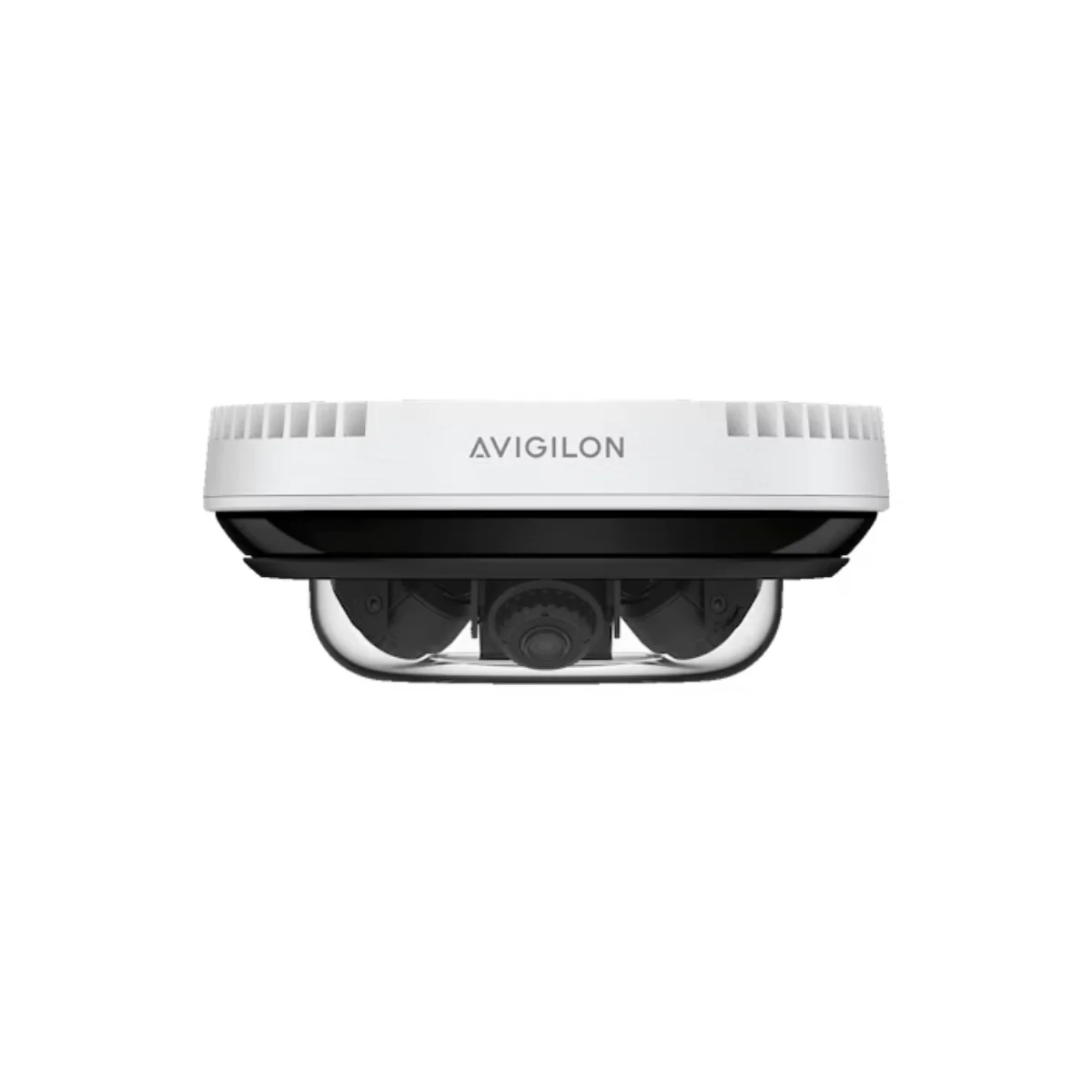
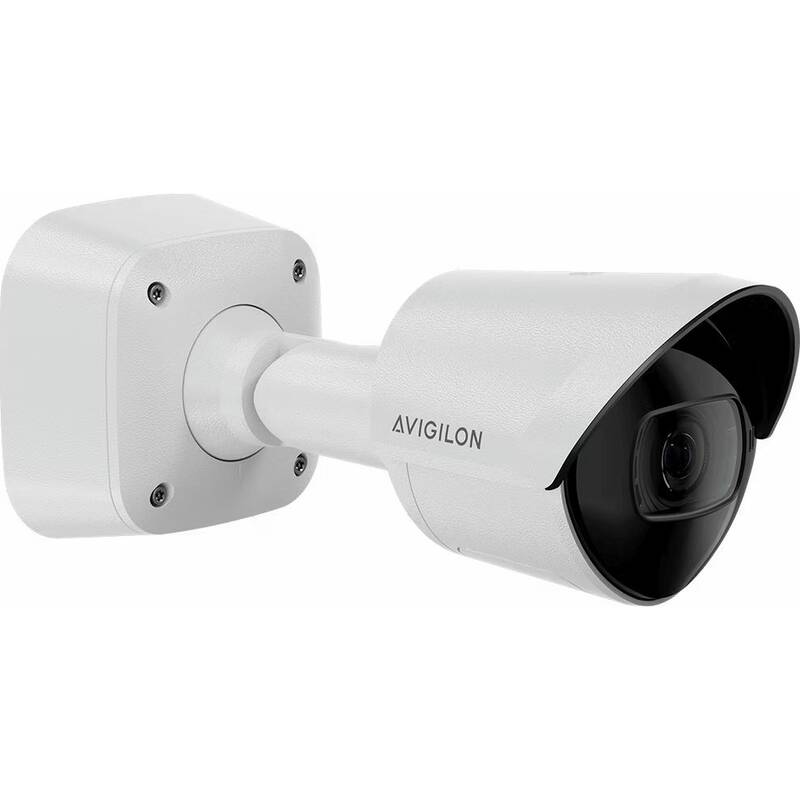
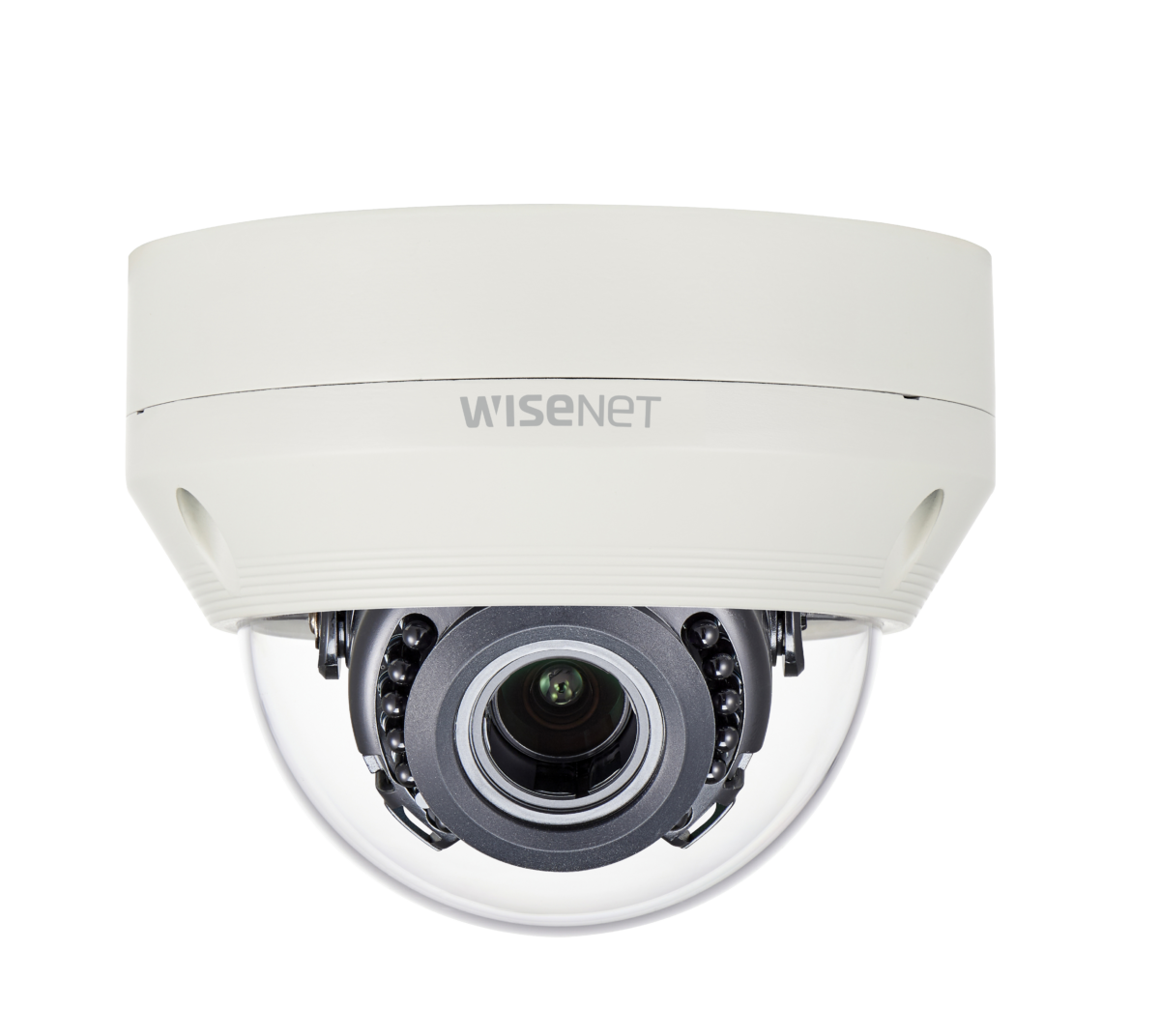
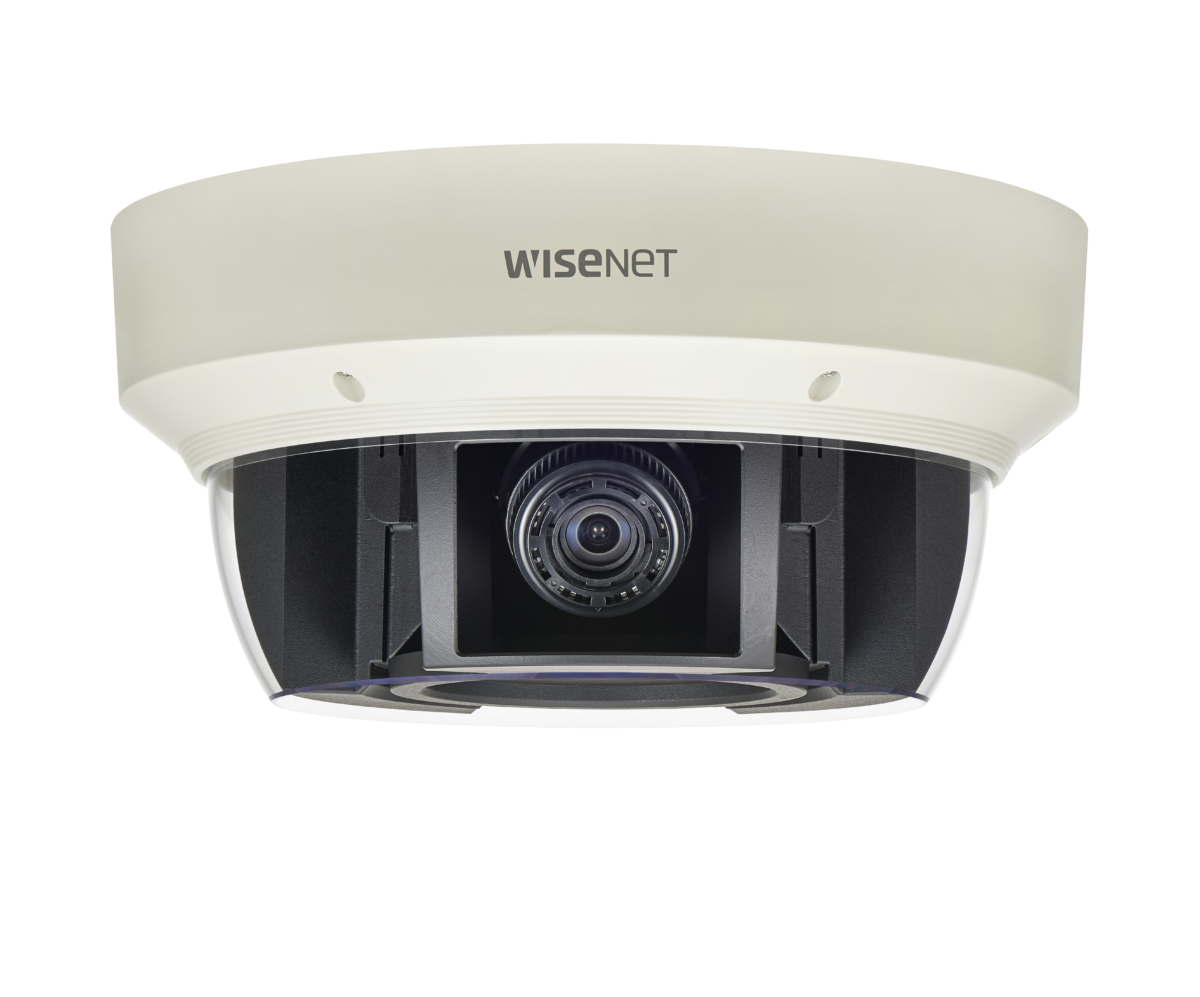
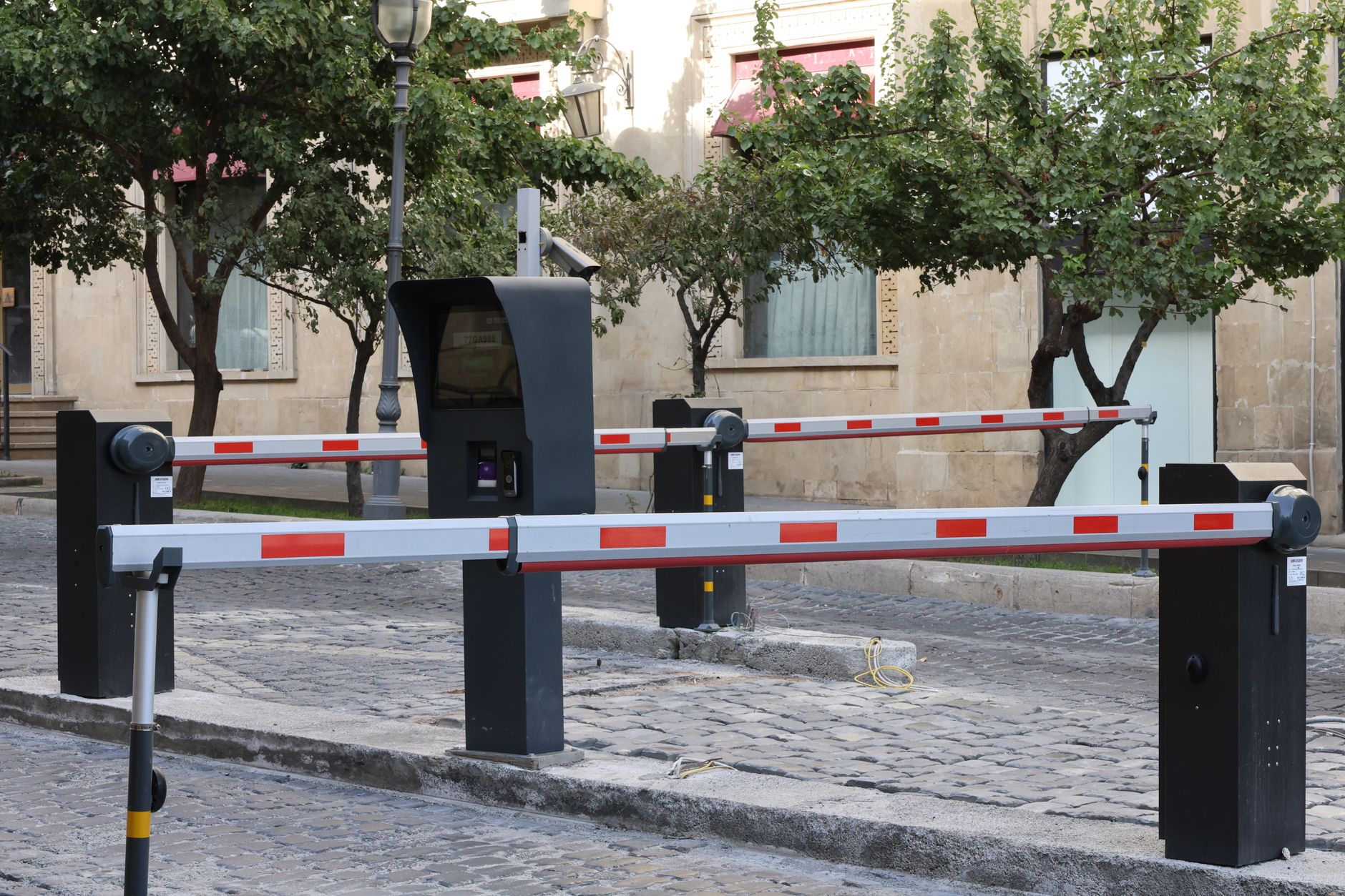
The LPR system operates in 3 sequential steps: image capture, AI processing for license plate extraction, and database comparison to control the barrier. Each step takes 100-300 ms, with the total time from vehicle entry into the scan range to barrier opening being 0.5-1.5 seconds.
- Step 1: License Plate Image Capture
The LPR camera is triggered by a loop sensor or vehicle detection radar. In continuous mode, the camera records at 25-30 fps, but only saves 3-5 frames when a vehicle appears. Images are captured at 2-5 MP resolution, with the infrared light automatically turning on in low light. Ideal conditions: vehicle speed under 30 km/h, distance 3-8 m, tilt angle under 30 degrees. - Step 2: AI Processing – License Plate Detection and Recognition
The license plate detection algorithm (object detection) identifies the plate's location within the frame. Then, the OCR (Optical Character Recognition) module analyzes each character, handling perspective distortion and noise. AI also automatically recognizes white-background plates (motorcycles), blue-background plates (cars), or new 5-character plates. Accuracy reaches 95-99% depending on camera quality and lighting conditions. - Step 3: Database Comparison and Barrier Control
The license plate characters are compared against the whitelist (residents) in the database. If matched, the module sends an open signal to the barrier via a dry contact relay or TCP/IP API. If unmatched, the system captures and saves an image and sends an alert to security. The time from recognition to barrier opening is under 1 second.
AI and OCR Technology in LPR: From Detection to Character Recognition
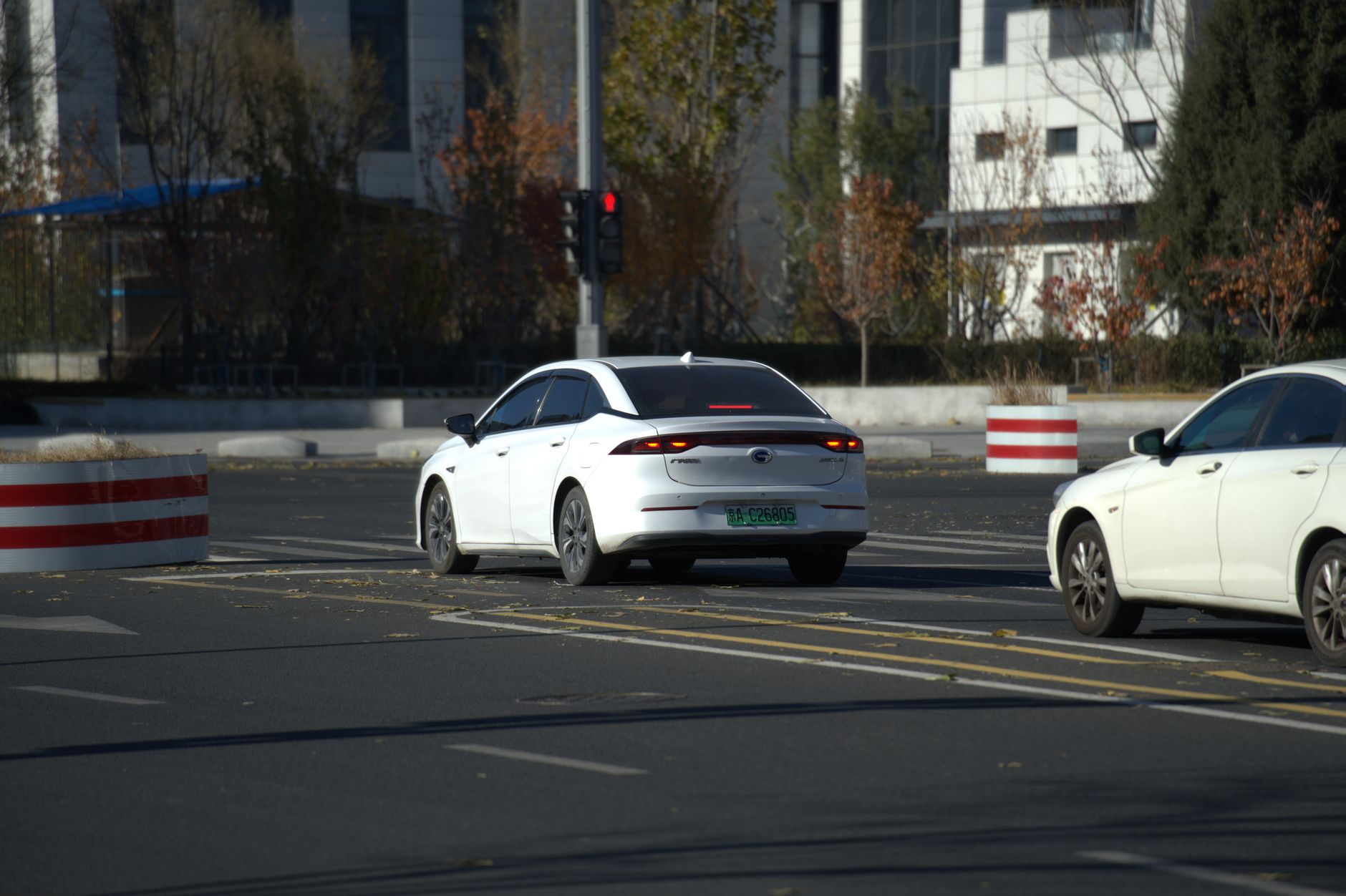
AI in LPR uses Convolutional Neural Networks (CNN) to detect license plate regions and recognize characters. OCR processes the normalized image, applying character segmentation algorithms and matching against Vietnamese license plate fonts.
Specific AI processing steps:
- License Plate Region Detection: YOLOv5 or v8 models trained on 10,000-50,000 Vietnamese license plate images. The model detects the plate region in 15-30 ms, even when the plate is 20-30% obscured.
- Image Pre-processing: Converts color images to grayscale, applies histogram equalization to reduce noise, and deskews the image to a standard angle.
- Character Segmentation: Algorithm separates individual characters based on spacing and size. 4-5 character plates are segmented accurately in 5-10 ms.
- Character Recognition (OCR): LSTM or Transformer network reads each character, matching against a 36-character code table (A-Z, 0-9). Single character accuracy