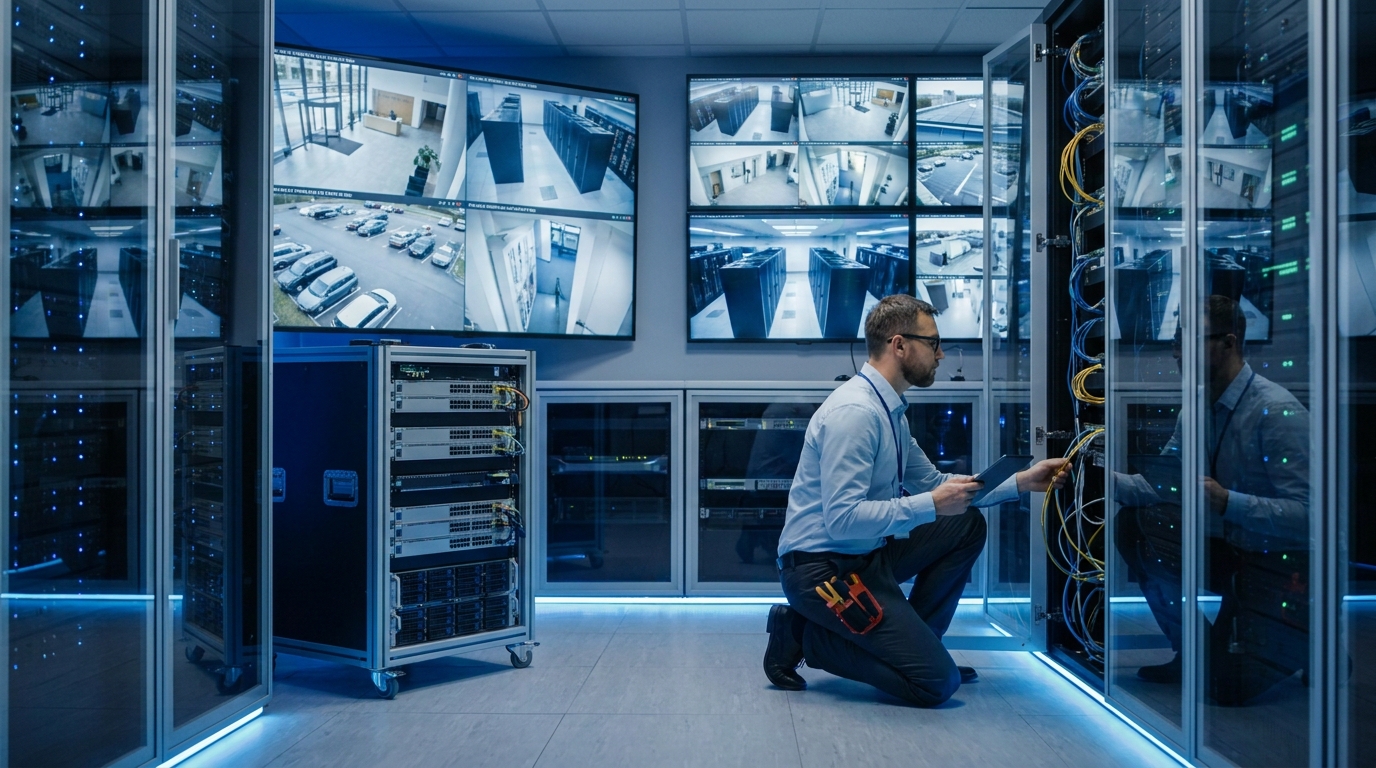
NVR, DVR, and Cloud Storage are three popular surveillance camera storage technologies today, each with its own pros and cons regarding cost, performance, security, and scalability. This article provides a detailed comparison of these three solutions to help you choose the most suitable technology for your building or business needs in 2026.
What is DVR and who should use it?
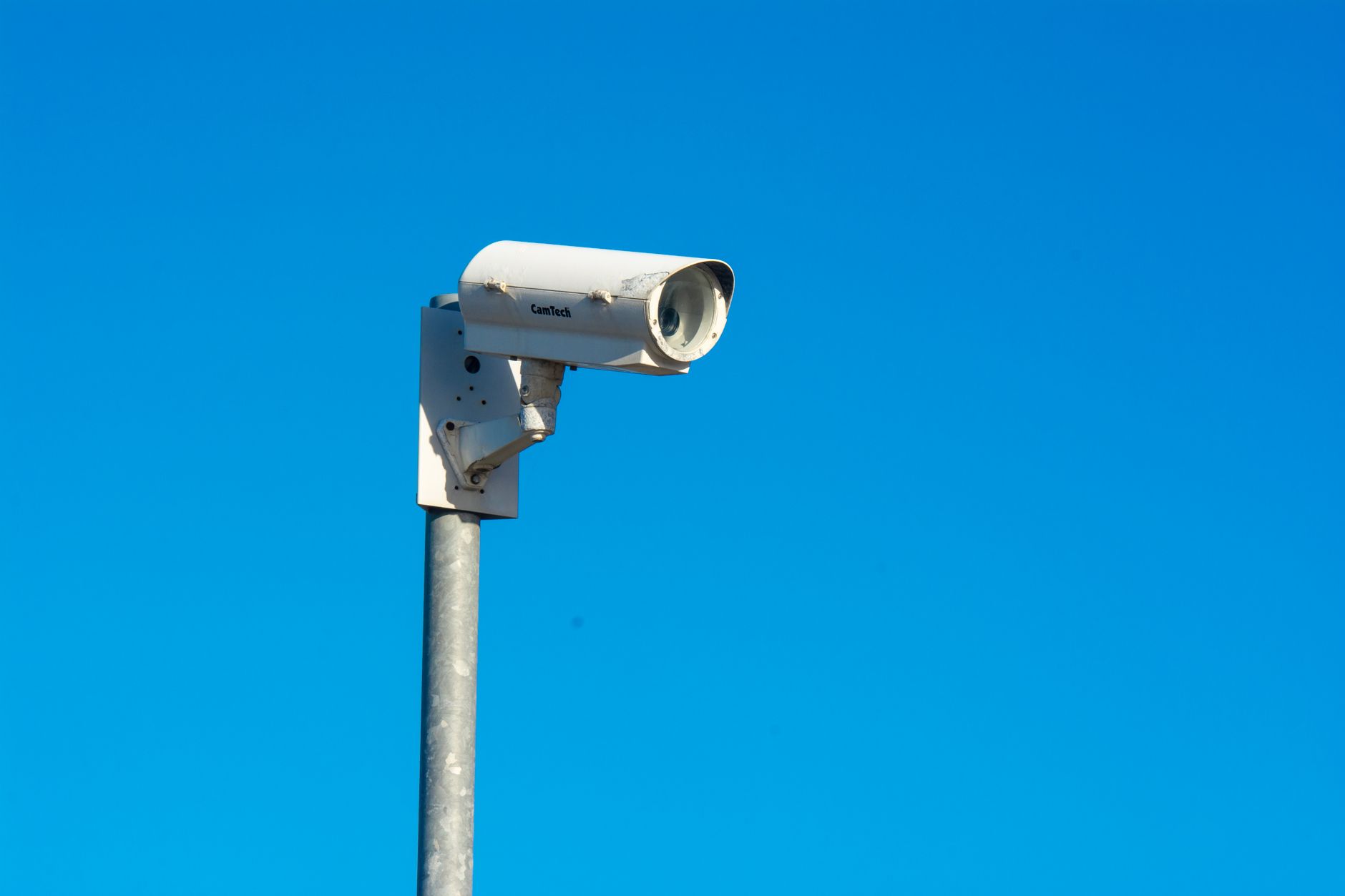
DVR (Digital Video Recorder) is a digital video recording device that connects directly to analog cameras via coaxial cable. The DVR processes, compresses, and stores video on an internal hard drive, requiring no LAN connection for recording operation. DVR is suitable for businesses with existing analog camera infrastructure, or small buildings with 4-16 cameras, limited budgets, and no need for complex remote access.
- Independent recording, not dependent on the Internet
- Low equipment cost (3-8 million VND for 8 channels)
- Supports old analog cameras, easy to install replacements
- Low recording latency, stable
- Does not support modern IP cameras, limited resolution
What is NVR and who should use it?
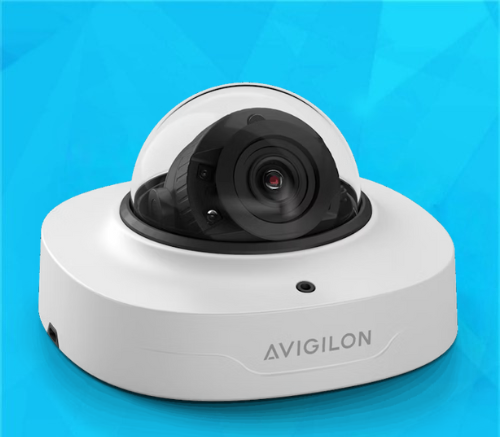
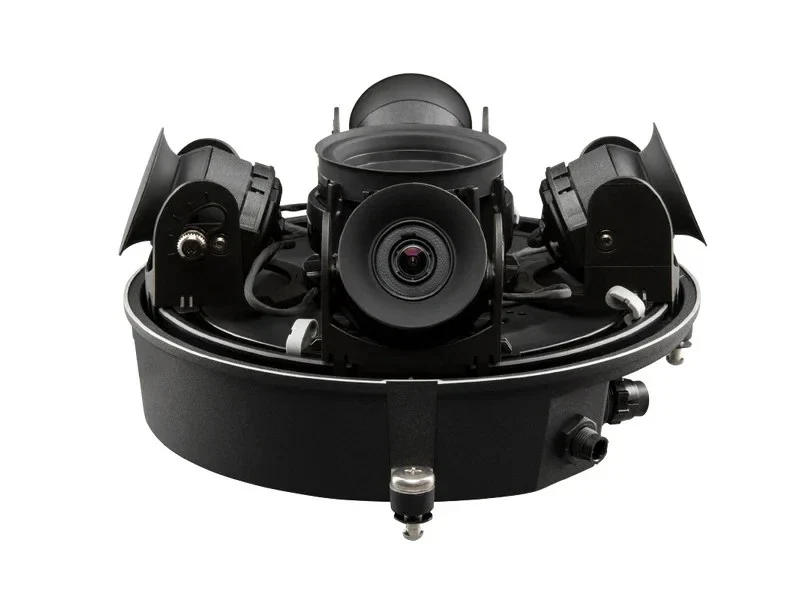
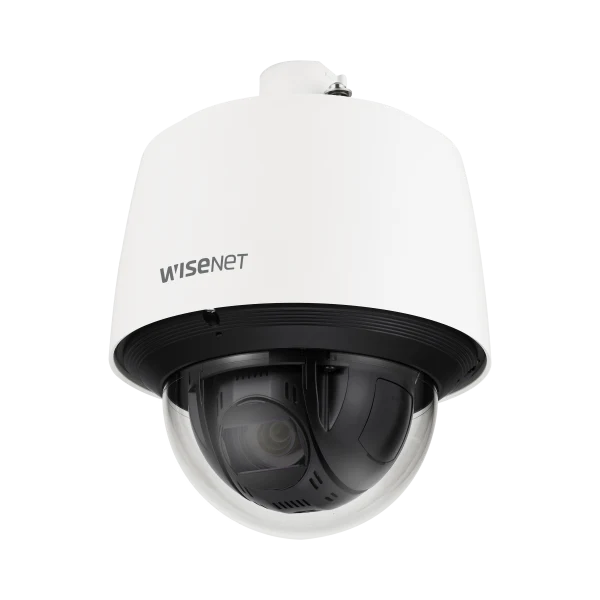

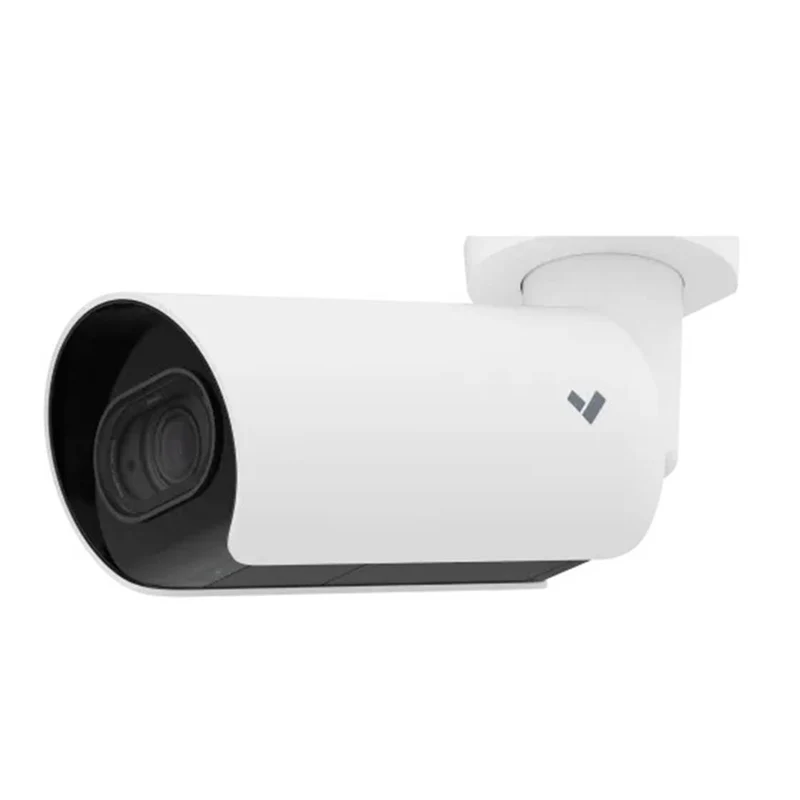
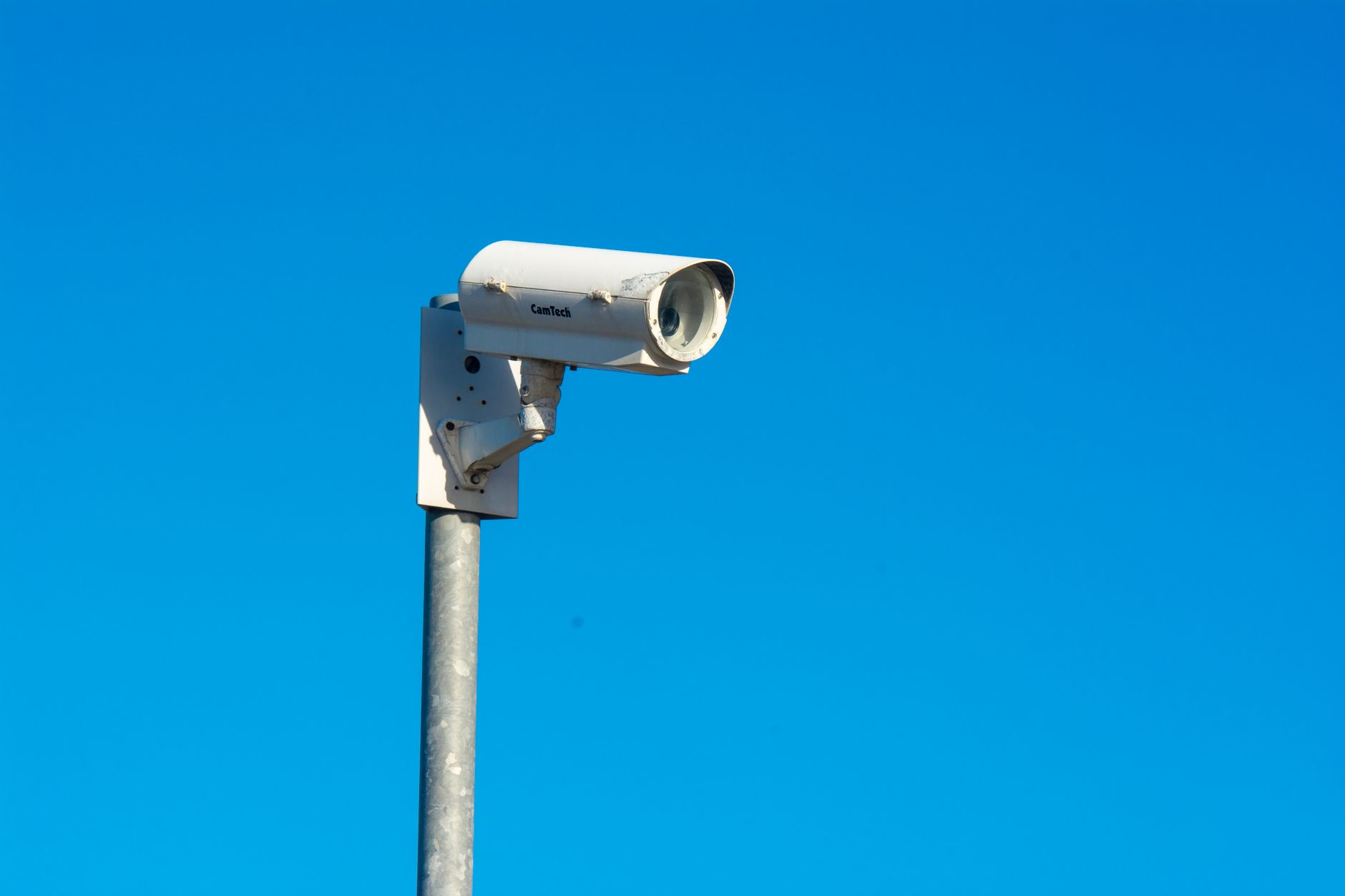
NVR (Network Video Recorder) is a video recording device that connects to IP cameras via a LAN/PoE network. The NVR receives video streams from IP cameras, processes, compresses, and stores them on an internal hard drive or SSD. NVR supports high resolution (4K-8K), AI video analytics, and remote access via the network. NVR is suitable for office buildings, supermarkets, factories, and resorts that need high-quality, feature-rich cameras, with 16-64 cameras or more.
- Supports 4K-8MP IP cameras, integrated AI technology
- Remote access via web/mobile app
- Integrated analytics: people counting, intrusion detection, heatmap
- Average TCO cost (8-25 million for 16 channels)
- Dependent on a stable LAN connection
What is Cloud Storage and who should use it?
Cloud Storage is a service that stores video on remote servers via the Internet, requiring no on-site NVR/DVR equipment. Cameras stream video directly to the cloud (AWS, Azure, Hikvision Cloud, Dahua Cloud...), with data stored redundantly across multiple data centers. Cloud Storage is suitable for multi-location retail chains, distributed offices, and businesses looking to reduce operational costs and avoid managing on-premises hardware.
- No on-site recording equipment needed
- Access from any location, any device
- Automatic data redundancy, high security
- High operating cost (200-500 USD/month for 16 cameras)
- Dependent on Internet connection, potential privacy risks
Detailed Comparison: NVR vs DVR vs Cloud Storage
The table below compares the three storage technologies across 5 key criteria: cost, performance, security, scalability, and reliability during Internet outages. Data is based on the Vietnamese market prices for 2026 and technical specifications from leading providers (Hikvision, Dahua, ZKTeco, Suprema).
| Criteria | DVR | NVR | Cloud Storage (Optimal) |
|---|---|---|---|
| Deployment cost (8 cameras) | 3-5 million VND | 8-15 million VND | 0 VND (IP cameras only) |
| Annual cost (8 cameras) | 0-1 million VND | 1-3 million VND (electricity, maintenance) | 24-48 million VND (subscription) |
| 5-year TCO cost (8 cameras) | Related articlesCamera AI Agentic — a shift from 'recording' to 'detection' for retail chains8 min readVision Language Model in AI Cameras: The 2024-2026 Leap from Filters to Natural Language Descriptions12 min read Ready to deploy in 7–14 days Start with a free 60-minute site surveyOur senior technical team will visit your site, assess the current setup, and propose a bundle matched to your business model and budget. |