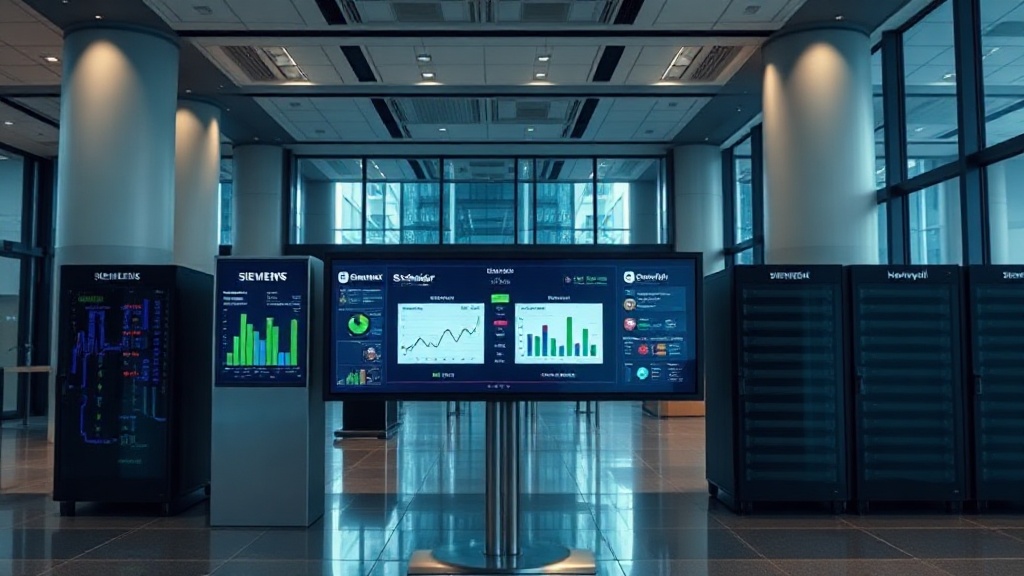
BMS (Building Management System) is an integrated control system that monitors HVAC, lighting, security, and energy for buildings. This article compares Siemens Desigo CC, Schneider EcoStruxure Building Operation, and Honeywell EBI — the world's top 3 BMS platforms — helping BMS Project Managers and Grade A building investors in Vietnam choose the right solution for their 2026 projects.
What is Siemens Desigo CC? Who is it for?
Siemens Desigo CC is Siemens' next-generation BMS platform, succeeding Desigo Insight and Desigo PX. It is an open, web-based system supporting BACnet, Modbus, KNX, and OPC UA protocols. Desigo CC is suitable for Grade A office buildings, hospitals, shopping malls, and complexes requiring high scalability and integration of multiple subsystems such as HVAC, lighting, security, and fire protection.
Desigo CC's strength lies in its flexible server-client architecture, allowing management of 1 to 500+ buildings. This platform supports over 200 built-in drivers, reducing custom programming time. According to Siemens reports, Desigo CC helps reduce energy operating costs by 20-35% for commercial buildings within the first 2-3 years. In Vietnam, Desigo CC has been deployed in several Grade A office buildings in Ho Chi Minh City and Hanoi, with scales of 15-30 floors.
What is Schneider EcoStruxure Building Operation? Who is it for?
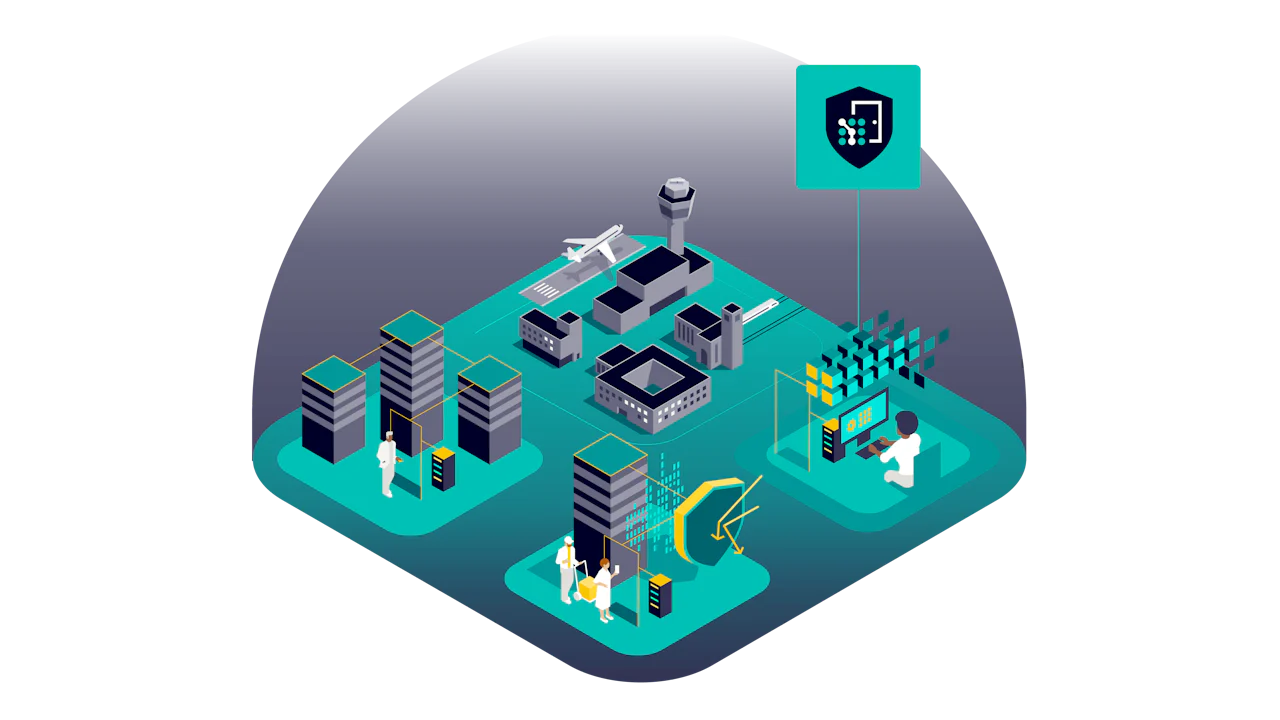
Schneider EcoStruxure Building Operation (EBO) is Schneider Electric's 3rd generation BMS platform, succeeding TAC Vista and Continuum. EBO focuses on energy optimization and IoT integration, with the ability to connect over 1,000 devices via BACnet/IP, Modbus TCP, and other open protocols.
EcoStruxure is suitable for commercial buildings, data centers, and manufacturing plants requiring strict energy management. Schneider provides the EcoStruxure Power Monitoring Expert energy analysis tool, which integrates directly with EBO. EBO deployment costs are typically 15-25% lower than Siemens Desigo CC for medium-scale projects (5,000-15,000m²). However, scalability to 100+ buildings may face performance limitations without additional investment in server clusters.
What is Honeywell EBI (Enterprise Buildings Integrator)? Who is it for?
Honeywell EBI is an enterprise BMS platform integrating building management, security, fire protection, and operational processes. EBI uses a server-client architecture, supporting BACnet, Modbus, OPC, and Honeywell proprietary protocols.
EBI is suitable for industrial plants, industrial parks, airports, and large infrastructure facilities requiring integration of multiple security and fire protection systems. EBI's strength lies in its SOP automation incident management and integration with Honeywell Notifier fire alarm systems. In Vietnam, EBI is often deployed in large manufacturing plants and industrial parks (VSIP, Amata) with scales of 5-20 buildings. EBI deployment costs are typically 30-50% higher than EcoStruxure for the same scale, due to specialized hardware requirements and complex licensing.
Detailed Comparison: Siemens Desigo vs Schneider EcoStruxure vs Honeywell EBI

The comparison table below evaluates the 3 BMS platforms across 8 criteria: integration capability, cost, ease of use, security, scalability, Vietnam support, energy management, and reporting.
| Criteria | Siemens Desigo CC | Schneider EcoStruxure | Honeywell EBI |
|---|---|---|---|
| Integration Capability (Protocols) | BACnet, Modbus, KNX, OPC UA, MQTT — 200+ drivers | BACnet, Modbus, OPC UA, LonWorks — 150+ drivers | BACnet, Modbus, OPC, Honeywell proprietary — 100+ drivers |
| Deployment Cost (10,000m² building) | 2-4 billion VND (including license + hardware) | 1.5-3 billion VND | 2.5-5 billion VND |
| Ease of Use (UI/UX) | Web-based interface, supports HTML5, has mobile app | Web-based interface, built-in energy dashboard | Desktop-based interface, limited mobile app |