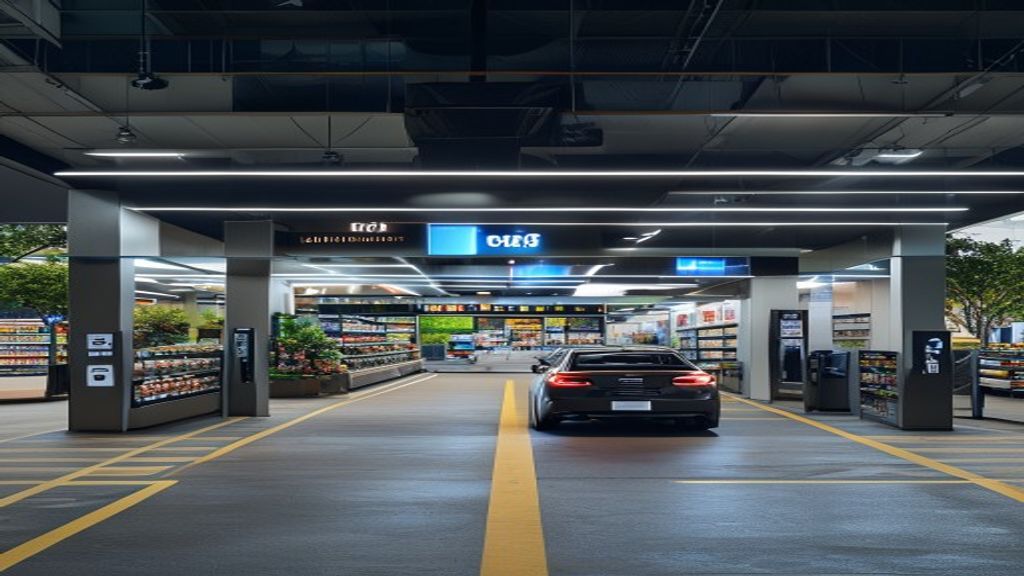
This article compares the two most popular supermarket parking lot management models in Vietnam: the traditional model with security guards and the free AI system integrating LPR and automatic barriers. With security operating costs reaching 200-400 million VND/year for medium-sized supermarkets, while the free AI solution only costs 15-30 million VND/year for maintenance, this comparison will help you choose the optimal option based on scale, budget, and operational goals.
What is a Supermarket Parking Lot with Security Guards? Who is it suitable for?
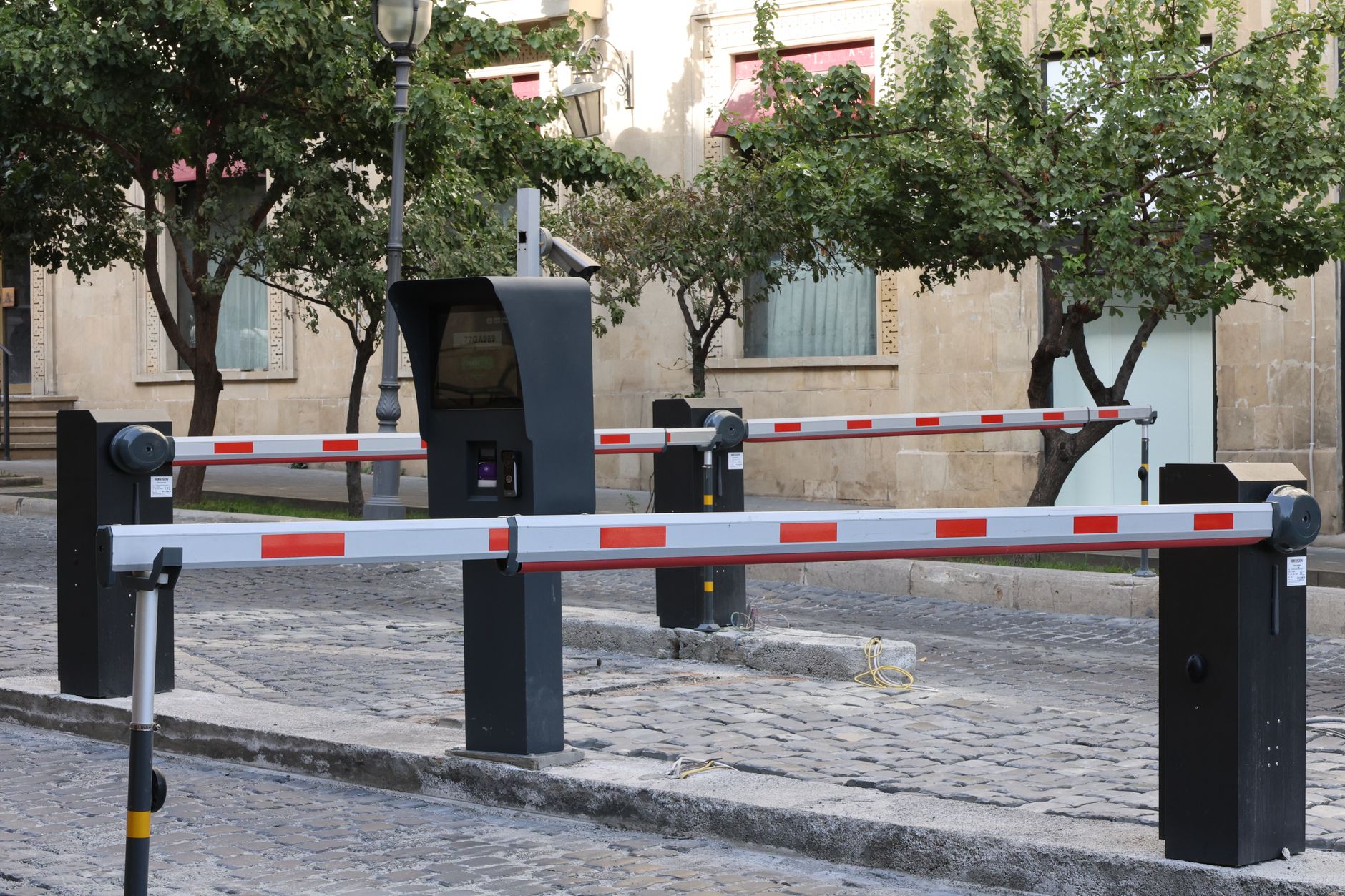
A supermarket parking lot with security guards is a manual management model, using staff to directly record license plates, issue paper tickets, and collect fees with cash or magnetic cards. This model is suitable for small, independent supermarkets with traffic under 200 vehicles/day, without a need for digitalization, or with limited technology investment budgets.
In this model, security guards handle the entire process: greeting vehicles, manually recording license plates, issuing tickets, monitoring the lot, and collecting fees when vehicles exit. Supermarkets typically deploy 2-3 guards per shift, operating 2-3 shifts/day. Outsourcing costs range from 8-12 million VND/person/month, not including management costs, uniforms, and insurance. For mini-supermarkets or convenience stores with small parking lots, this model remains feasible as initial investment costs are almost zero — only requiring staff hiring.
What is a Free AI System for Supermarket Parking Lots? Who is it suitable for?
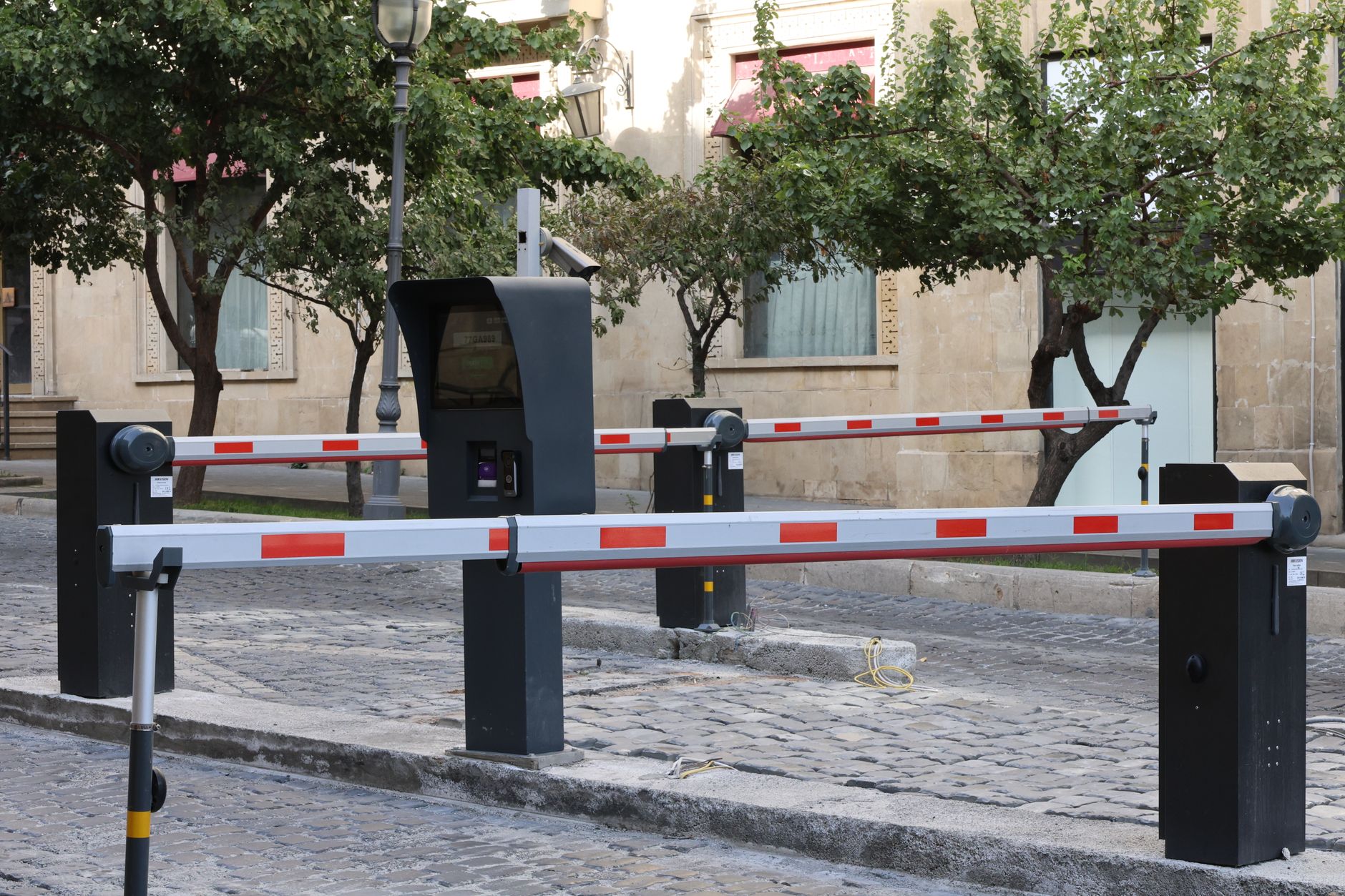
A free AI system for supermarket parking lots is a solution integrating LPR (License Plate Recognition) cameras, automatic barriers, and free perpetual AI vehicle control software, with no monthly licensing fees. It is suitable for medium to large-scale supermarkets and retail chains with 3 or more stores, handling 500-2000+ vehicles/day.
This solution operates fully automatically: the LPR camera captures license plates upon vehicle entry, the barrier opens in 2-3 seconds, and the system records the time and stores data on the cloud. Upon vehicle exit, the camera re-recognizes the plate, cross-references the time, and the barrier opens automatically. Supermarkets do not need security guards directly at the barrier — only 1 staff member to monitor remotely via a screen. Initial hardware investment costs (LPR camera, barrier, controller) are approximately 30-60 million VND/lot, but save 200-400 million VND/year in personnel costs. Comparing free vs. paid parking management software shows that the perpetual free solution is most suitable for supermarkets aiming for long-term cost optimization.
Detailed Comparison: Parking Lots with Security Guards vs. Free AI
The table below compares 5 core criteria between the two models, based on actual operational data from Vietnamese supermarkets with a scale of 500-1000m2.
| Criterion | Parking Lot with Security Guards | Free AI System |
|---|---|---|
| Annual Operating Cost | 200-400 million VND (3-4 guards, management) | 15-30 million VND (equipment maintenance) |
| Processing Time per Vehicle | 30-60 seconds (ticket issuance, payment collection) | 3-5 seconds (automatic recognition) |
| Recognition Accuracy | Dependent on guards — 5-10% error rate | LPR achieves 95-99% under standard conditions |
| Fraud Risk | High (fake tickets, collusion, lost tickets) | Low (digital data, no manual intervention) |
| Chain Scalability | Difficult — each supermarket needs its own security team | Easy — centralized management of multiple supermarkets via cloud |
The results show that the free AI system outperforms in most criteria, especially regarding cost and processing time. However, parking lots with security guards are still suitable for supermarkets with very low traffic or those not ready for initial hardware investment.
Choose by Use Case: Which Group Does Your Supermarket Belong To?
Based on scale and operational characteristics, here are suggested models for common use cases in the Vietnamese market.
Use case 1: Mini-supermarkets, convenience stores (<200 vehicles/day)
Recommendation: Parking lot with security guards or basic barrier + part-time guard.
Reason: AI investment costs (30-60 million VND) are difficult to recover if traffic is low. Hiring 1 part-time guard (5-7 million VND/month) is sufficient.
Use case 2: Medium-sized supermarkets (200-800 vehicles/day), 1 store
Recommendation: Free AI system + 1 barrier + 1 LPR camera.
Reason: Saves 150-300 million VND/year in security costs, processing time reduced from 45 seconds to 4 seconds, increasing customer satisfaction.
Use case 3: Supermarket chains (3-10 stores)
Recommendation: Free AI system with centralized cloud management.
Reason: Manage all parking lots from one dashboard, reduce personnel by 70-80%, and centralize data for business analysis. Guide to choosing a free parking control app for chains provides more details.
Use case 4: Supermarkets with large parking lots (>1000 vehicles/day), extended peak hours
Recommendation: Free AI system + 2 barriers (1 in, 1 out) + dual LPR cameras.
Reason: Avoids peak-hour congestion — each barrier processes 500-700 vehicles/hour, whereas a security guard only processes 60-80 vehicles/hour.
Pros and Cons of Each Model

Each model has its own strengths and limitations. Below is a detailed pro/con analysis to help you consider before making a decision.
Parking Lot with Security Guards — Advantages
- No initial hardware investment required
- Flexible handling of unusual situations (broken down vehicles, accidents)
- Suitable for small supermarkets, low traffic
- Customers are accustomed to human interaction
Parking Lot with Security Guards — Disadvantages
- High operating costs: 200-400 million VND/year
- Risk of ticket fraud, theft
- Slow processing time: 30-60 seconds/vehicle
- Difficult to control quality — guards may lack professionalism
- No data available for traffic analysis
Free AI System — Advantages
- Saves 70-80% of operating costs
- Fast processing speed: 3-5 seconds/vehicle
- High accuracy: 95-99% license plate recognition
- Digitized data for reporting and analysis
- Easy to scale for supermarket chains
Free AI System — Disadvantages
- Requires initial hardware investment of 30-60 million VND
- Dependent on electricity, internet — requires backup in case of disconnection
- Cannot handle complex unusual situations (vehicles without license plates, blurry license plates)
- Requires technical staff for periodic maintenance
Actual Operating Costs: 600m2 Supermarket Case Study
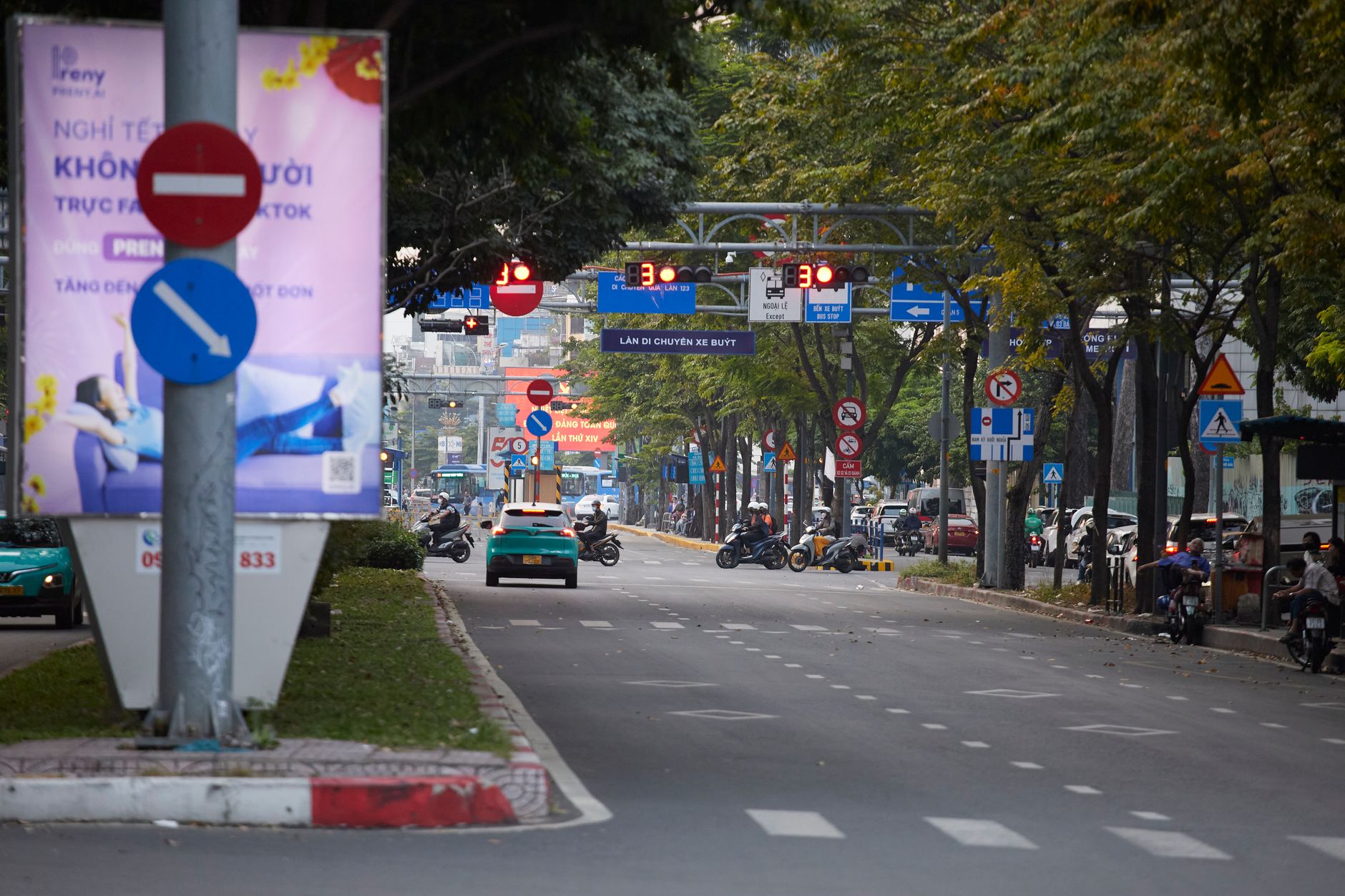
Lá Me Supermarket (Gò Vấp District, HCMC) operates a 150-space parking lot with an average traffic of 600 vehicles/day. Previously, the supermarket hired 4 security guards (2 shifts, 2 people per shift) at a cost of 11 million VND/person/month, totaling 528 million VND/year. After switching to Việt Đức Trí Group's free AI system, the supermarket invested 45 million VND for 2 barriers, 2 LPR cameras, and perpetual free software. Annual operating costs decreased to 18 million VND (maintenance + electricity). Savings: 510 million VND/year. Processing time per vehicle decreased from 50 seconds to 4 seconds, reducing peak-hour congestion by 80%. Case study of converting from paid to free parking software shows this model is feasible for various scales.
Frequently Asked Questions about Supermarket Parking Lots with Security Guards vs. AI
Should small supermarkets invest in an AI system?
If a supermarket has traffic under 200 vehicles/day, the AI investment cost (30-60 million VND) is difficult to recover within 2-3 years. It is advisable to maintain a part-time security guard or a basic barrier. For traffic between 200-500 vehicles/day, AI starts to be beneficial — saving 50-100 million VND/year compared to hiring security guards.
Is the free AI system truly free forever?
Yes. The perpetual free AI vehicle control software does not charge monthly or annual licensing fees. You only pay for the hardware (LPR cameras, barriers, controllers) once and for periodic maintenance costs (15-30 million VND/year). There are no hidden fees or feature limitations.
How are power outages or internet disconnections handled?
The AI system typically has an offline mode: barriers still operate on backup batteries, and cameras store images locally. When power/internet is restored, data synchronizes automatically. Additionally, supermarkets should have one on-duty security guard to handle emergencies, reducing the need from 3-4 people to just one.
Can the AI system recognize motorcycles?
Yes. Modern LPR cameras recognize motorcycle license plates with 90-95% accuracy (lower than cars due to smaller, easily obscured plates). Some systems integrate RFID cards or QR codes to enhance reliability for motorcycles. Most Vietnamese supermarkets still use security guards for motorcycle parking areas due to unreasonable investment costs.
What is the annual maintenance cost for an AI system?
Maintenance costs for an AI system (including camera cleaning, barrier inspection, firmware updates) range from 15-30 million VND/year, depending on the number of devices. Some providers offer an all-inclusive maintenance package of 25 million VND/year for a system with 2 barriers + 2 LPR cameras. Compared to 200-400 million VND/year for security guards, this is a very low cost.
Can both security guards and AI be combined?
Yes. A hybrid model is an optimal solution for many supermarkets: using AI to automate barriers and recognition, reducing the number of security guards from 3-4 to 1 person/shift. This guard monitors remotely, handles exceptions, and assists customers. This saves 50-60% in personnel costs compared to a purely guard-based model.