
LPR barrier (license plate recognition) and card-based barrier are two popular vehicle access control solutions in Vietnamese hospitals. This article provides a detailed comparison of the two barrier types based on operational speed, investment cost, operating cost, accuracy, and scalability — helping business owners choose the solution that fits their scale and budget.
What is a card-based barrier for hospitals?
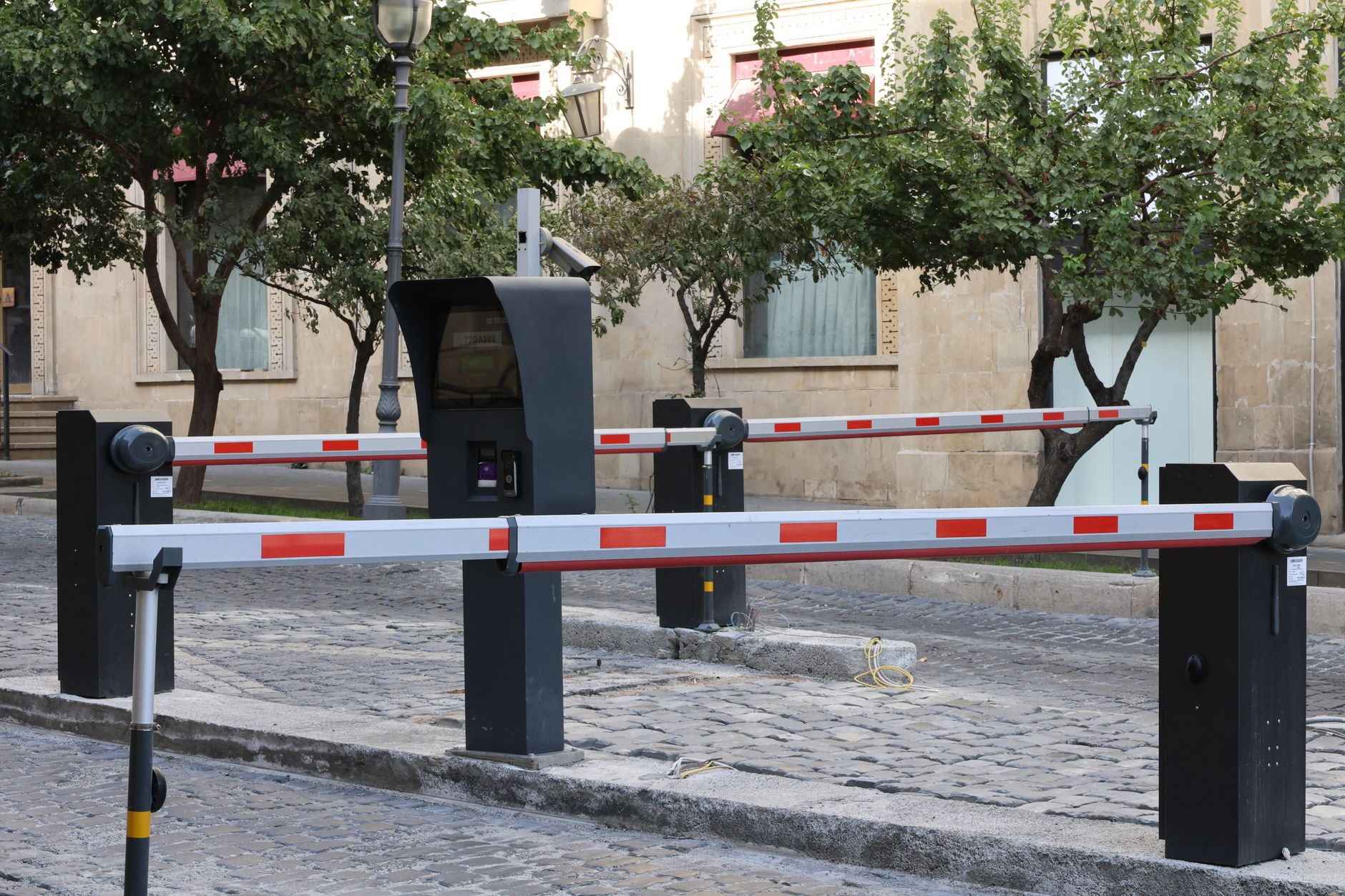
A card-based barrier is an access control system that uses RFID cards or magnetic stripe cards to authenticate vehicles. Users swipe their card through a reader, the system verifies it, and raises the barrier for the vehicle to pass through. Suitable for hospitals with a fixed vehicle flow, primarily staff.
The system includes a barrier arm, card reader, controller, and a card for each vehicle. The initial investment cost is lower than LPR, ranging from 15-30 million VND per lane. However, each vehicle must stop to swipe a card, with an average gate passage time of 10-15 seconds. For a hospital with 500-1000 vehicles per day, the cumulative waiting time can cause congestion during peak hours.
What is an LPR barrier (license plate recognition) for hospitals?
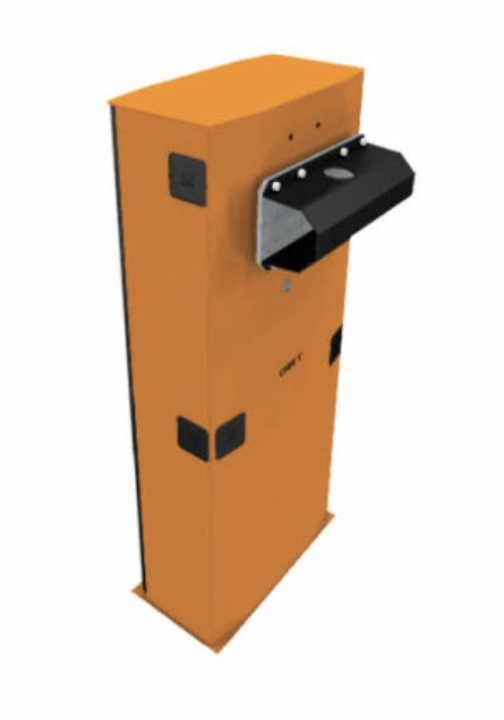
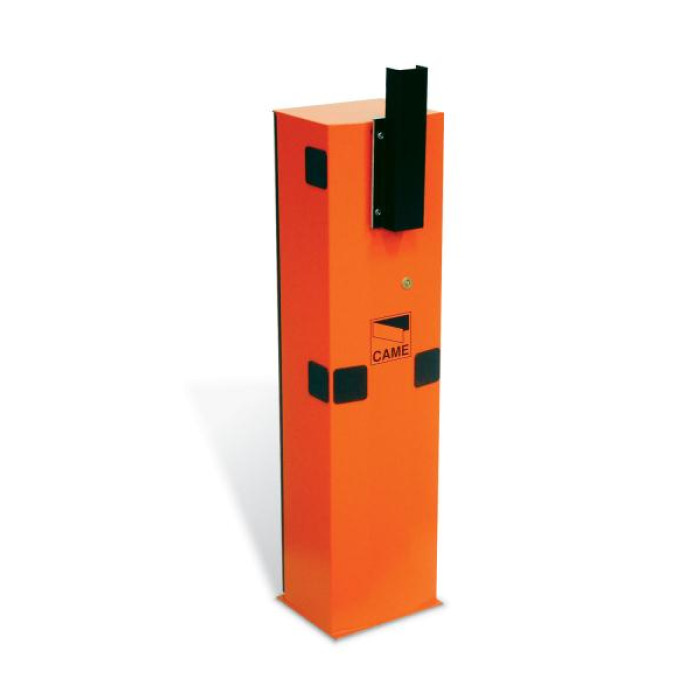
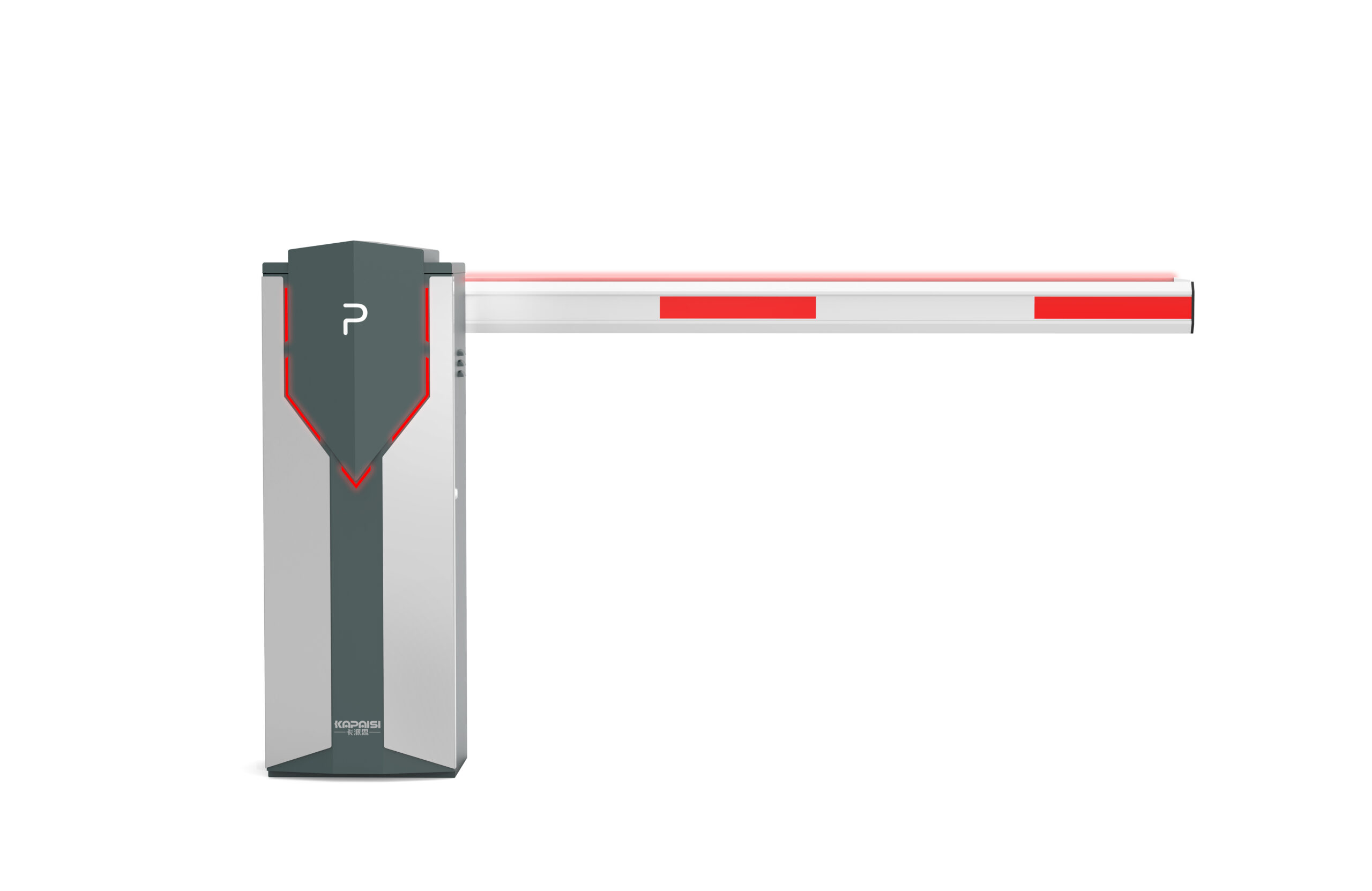
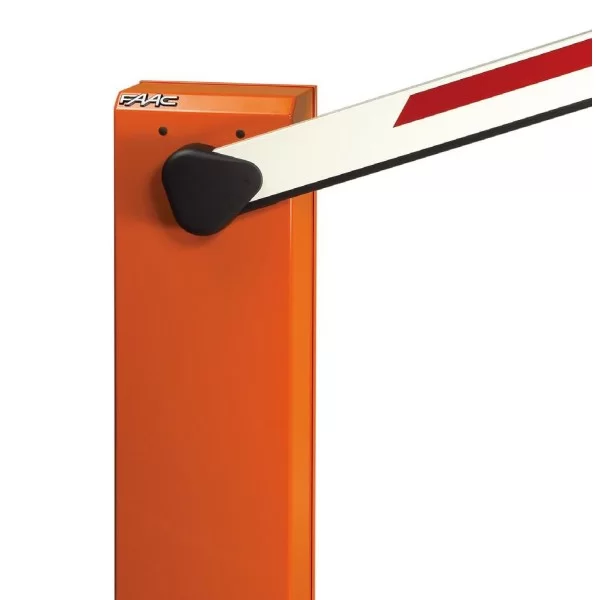
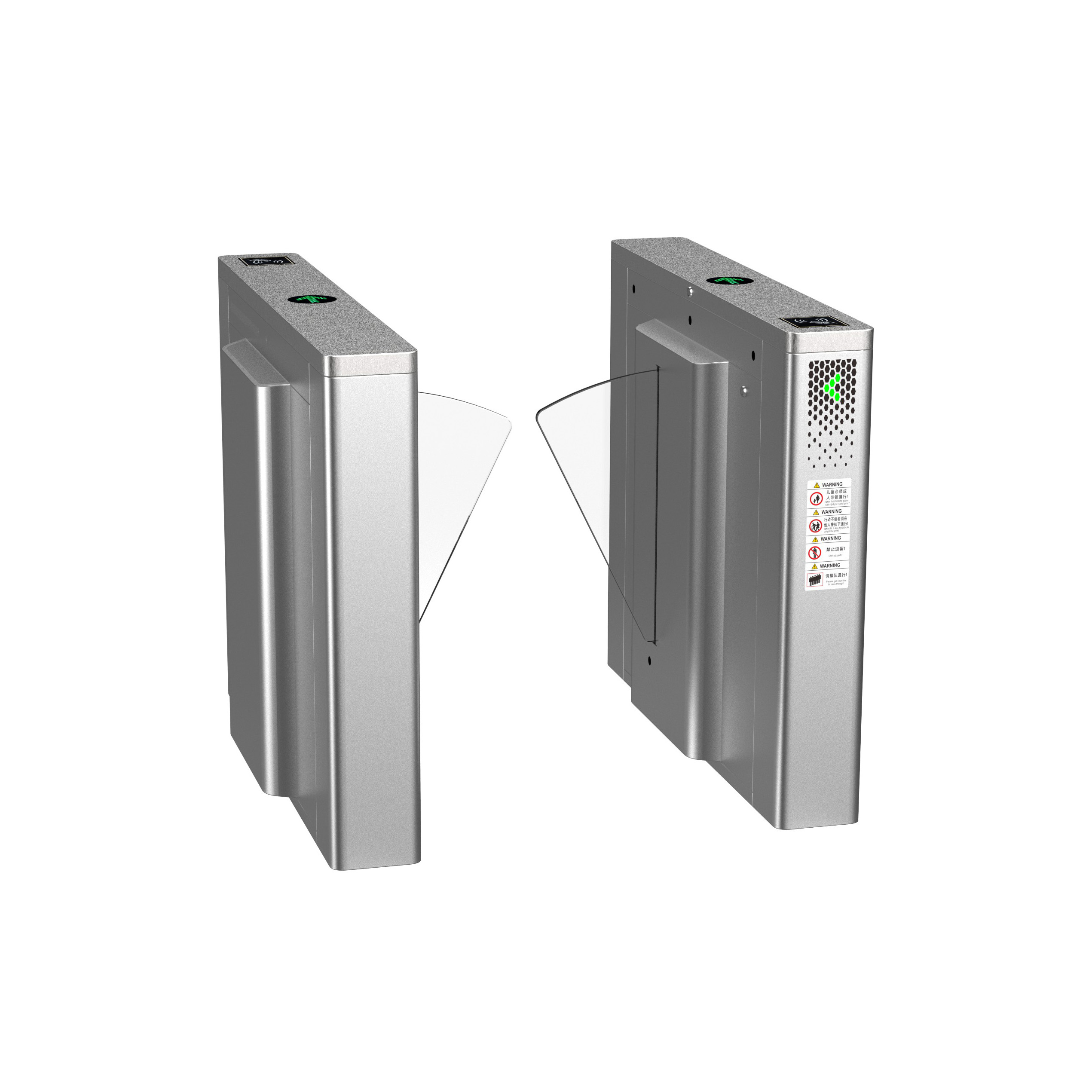
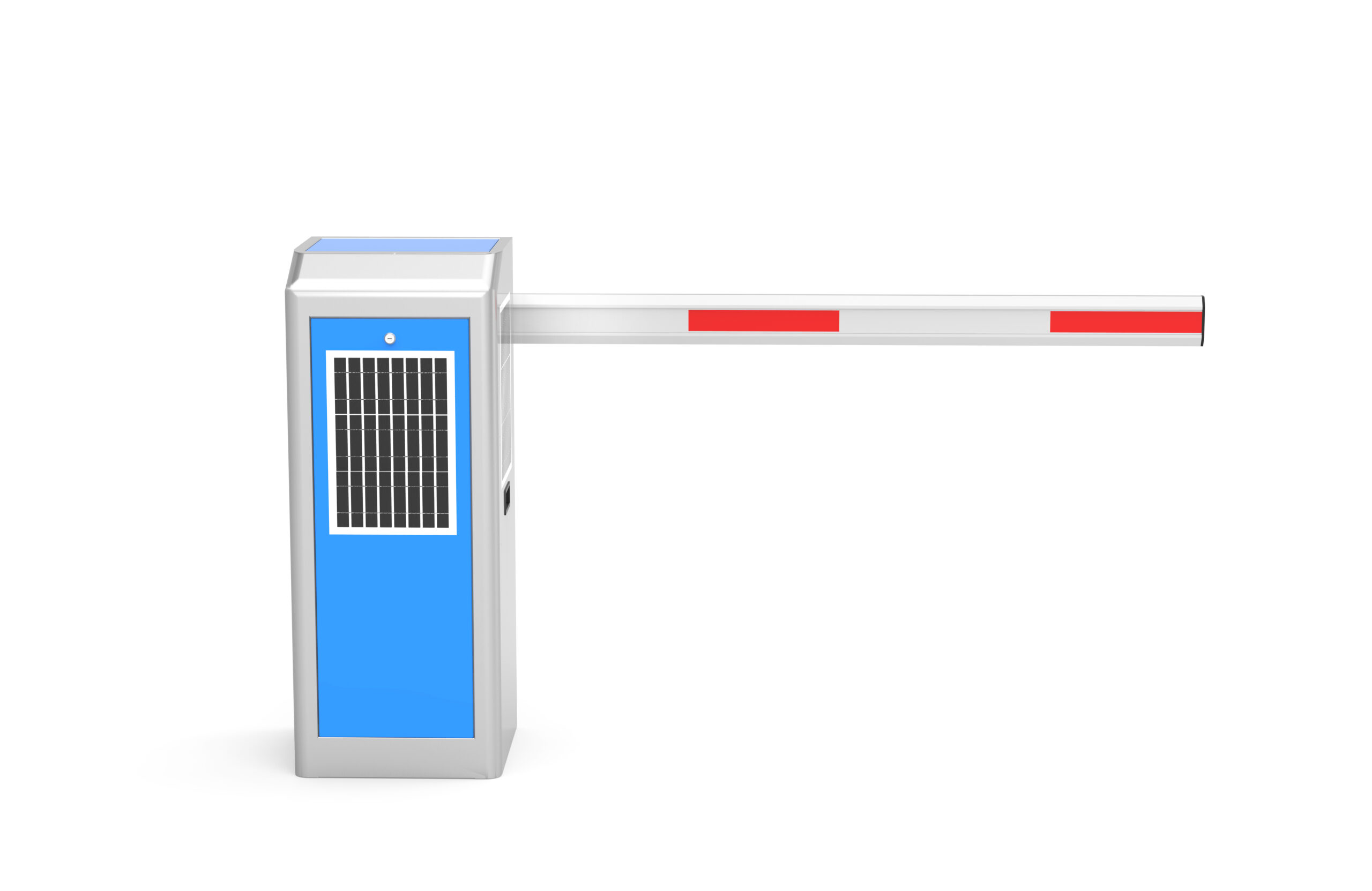
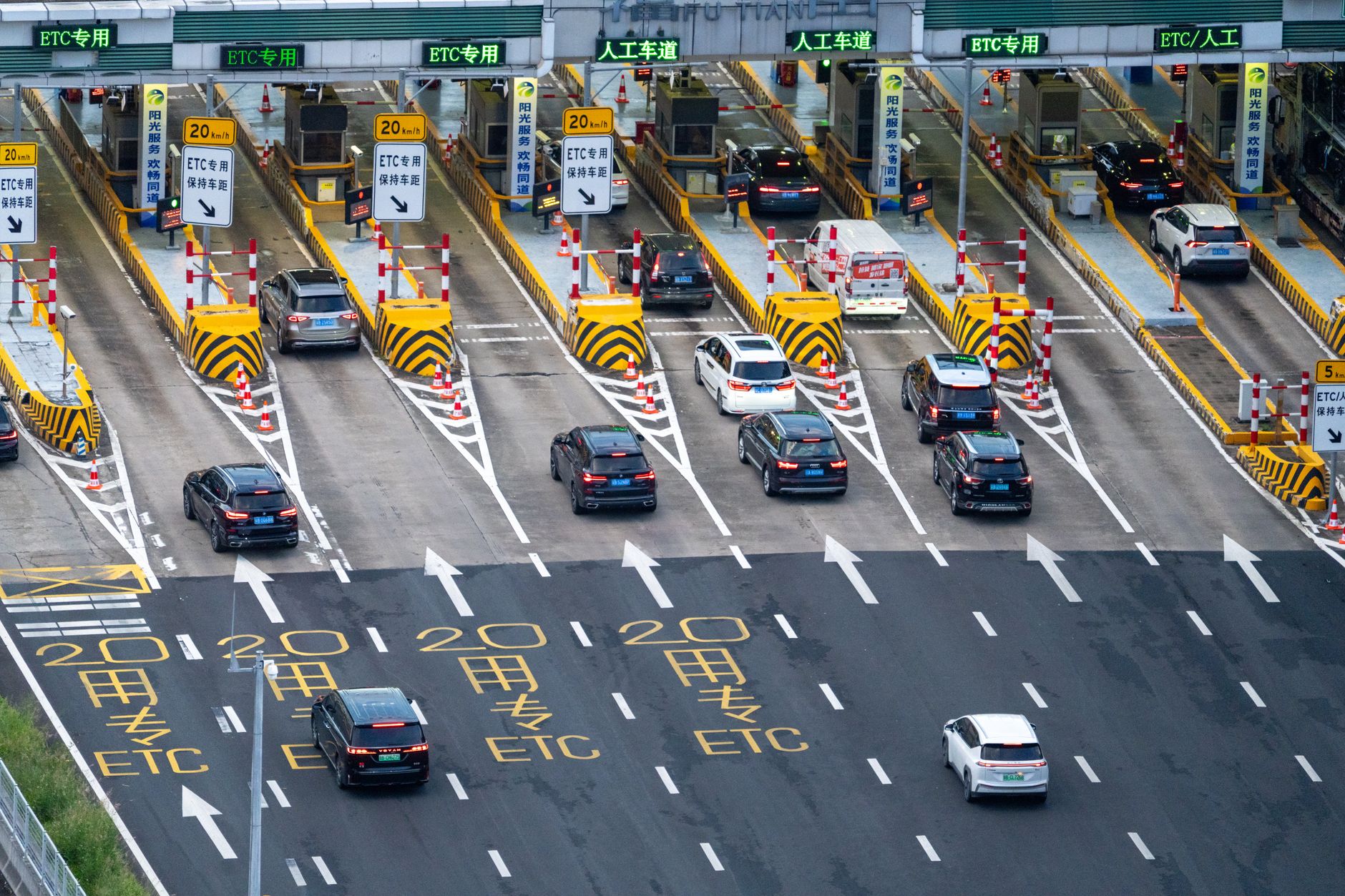
An LPR barrier uses AI cameras to automatically recognize vehicle license plates as the vehicle approaches the barrier. The system looks up the license plate in the database; if valid, it automatically raises the barrier — the vehicle does not need to stop. Suitable for hospitals with high vehicle traffic and many transient visitors.
The LPR camera captures the license plate in 1-2 seconds, the barrier raises in another 2-3 seconds, bringing the total gate passage time to just 3-5 seconds. The system also automatically logs entries and exits, supporting historical vehicle lookup by license plate. The LPR operating principle is based on computer vision and deep learning, with recognition accuracy reaching 95-99% in daylight conditions.
Detailed comparison of LPR barrier and card-based barrier for hospitals
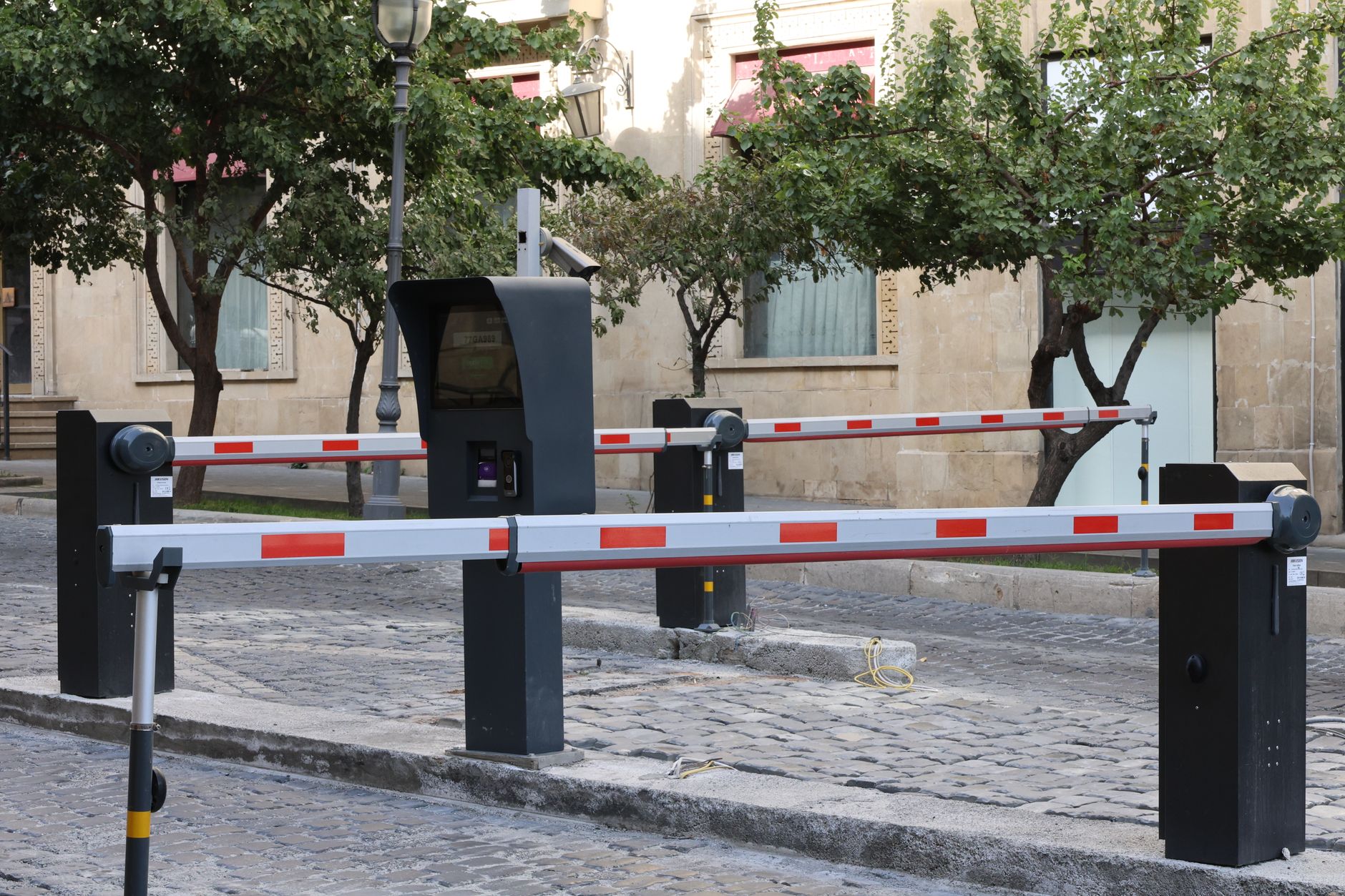
The comparison table below contrasts the 6 most important criteria when choosing a barrier for a hospital: speed, investment cost, operating cost, accuracy, scalability, and maintenance. Highlighted cells indicate the best choice for that criterion.
| Criterion | Card-based barrier | LPR barrier |
|---|---|---|
| Gate passage speed | 10-15 seconds/vehicle (stop to swipe card) | Best: 3-5 seconds/vehicle (no stop) |
| Initial investment cost | Best: 15-30 million VND/lane | 40-80 million VND/lane (includes camera + software) |
| Annual operating cost | 5-10 million VND (card wear and tear, reissuing new cards) | Best: 2-5 million VND (camera maintenance, no card waste) |
| Recognition accuracy | 99.9% (card reader is absolutely accurate) | 95-99% (depends on light, weather, dirty license plates) |
| Scalability | Difficult to scale (each new vehicle needs a new card) | Best: Easy to scale (add license plates to the database) |
| Maintenance | Card readers prone to weather damage, require frequent cleaning | Best: Durable IP cameras, remote maintenance via software |
Choosing a barrier based on hospital use case
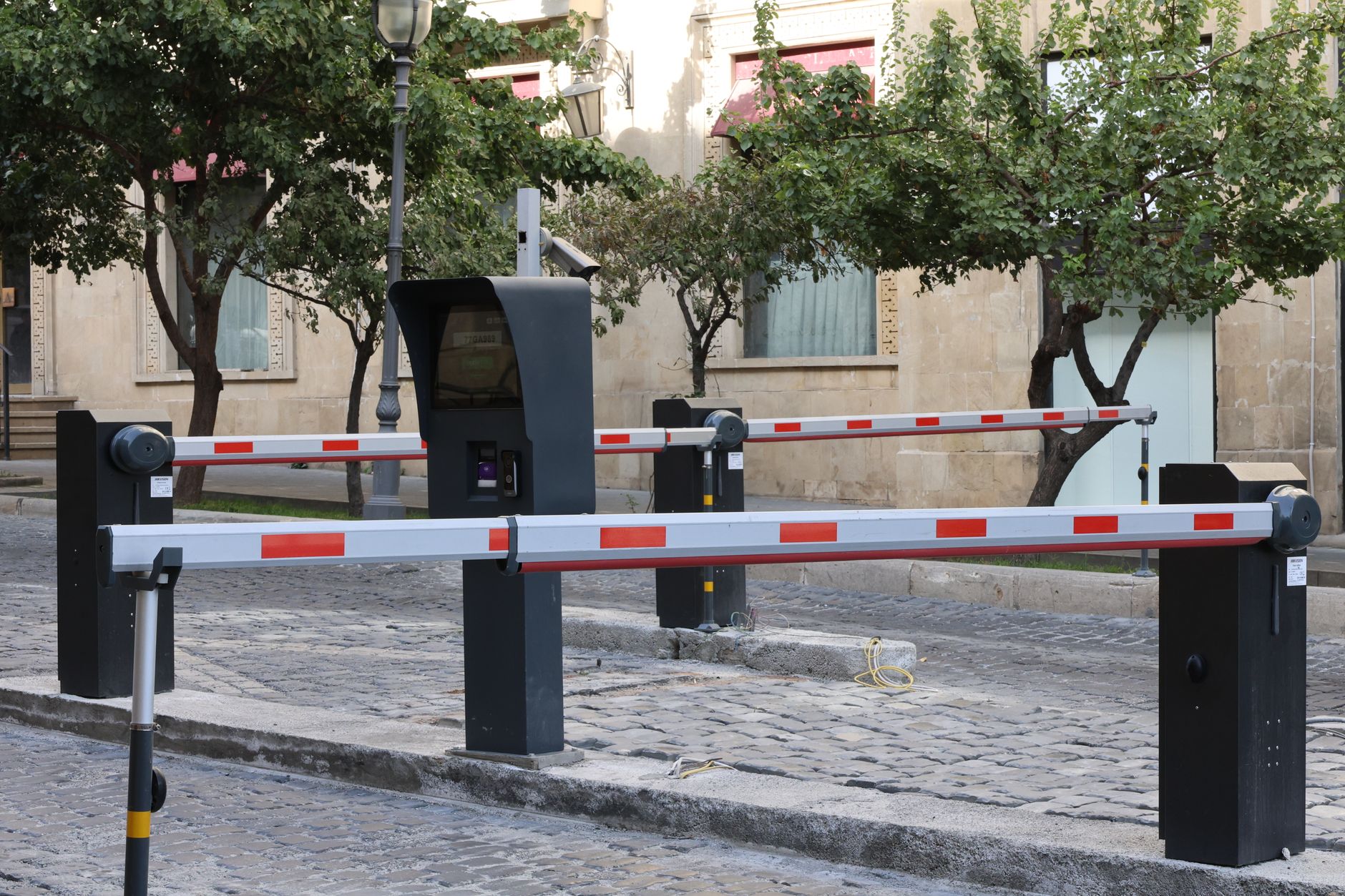
Each hospital scale has different vehicle control needs. Below are 3 typical use cases and recommendations for the appropriate barrier type.
Use case 1: Small private hospital (under 200 beds, 300-500 vehicles/day)
Recommendation