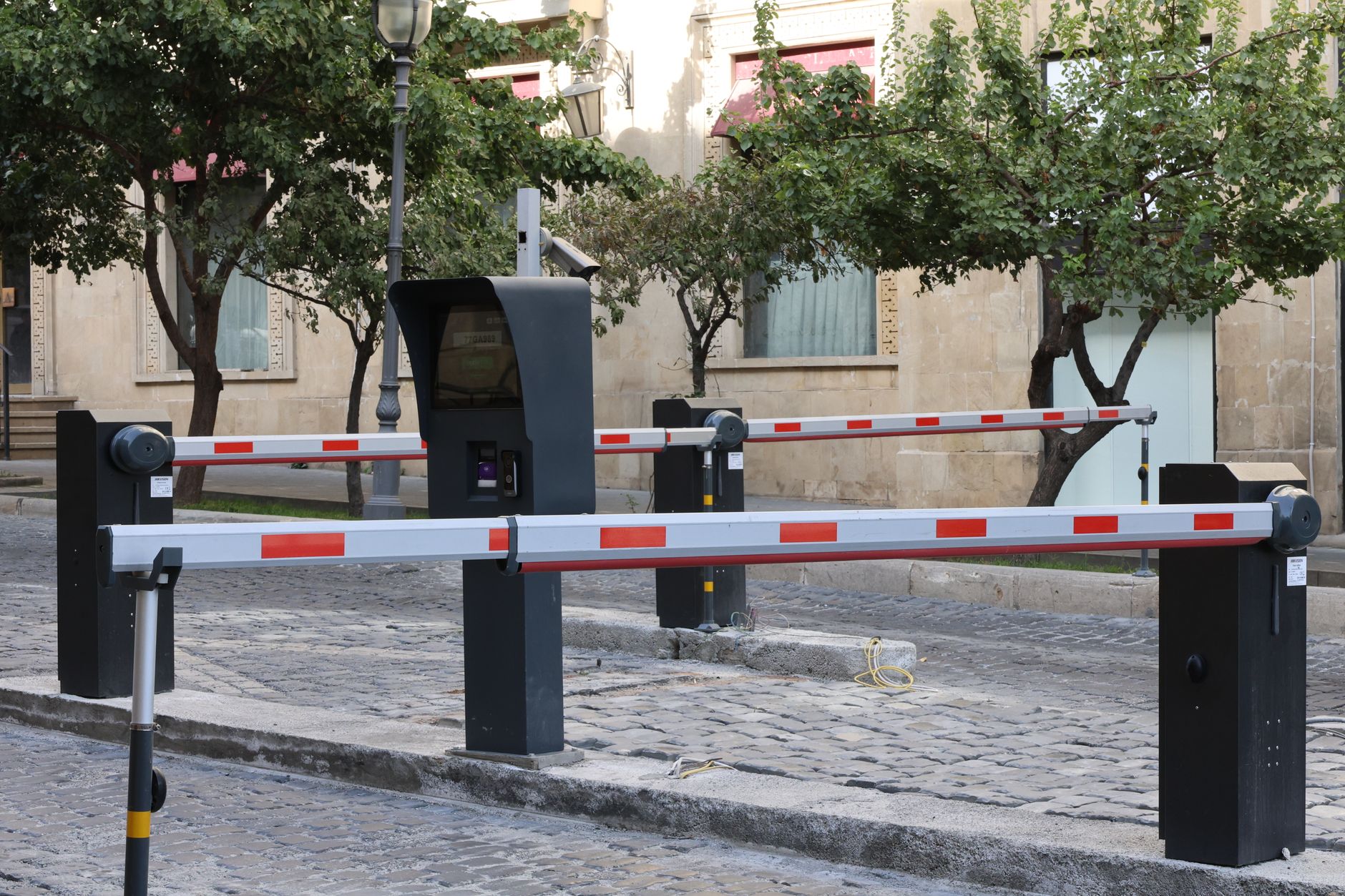
LPR barriers and magnetic card barriers are two common vehicle access control solutions for office buildings in Vietnam. This article provides a detailed comparison of the pros and cons, costs, and scalability of each type, helping business owners choose the optimal solution for 2026.
Overview of LPR barriers and magnetic card barriers
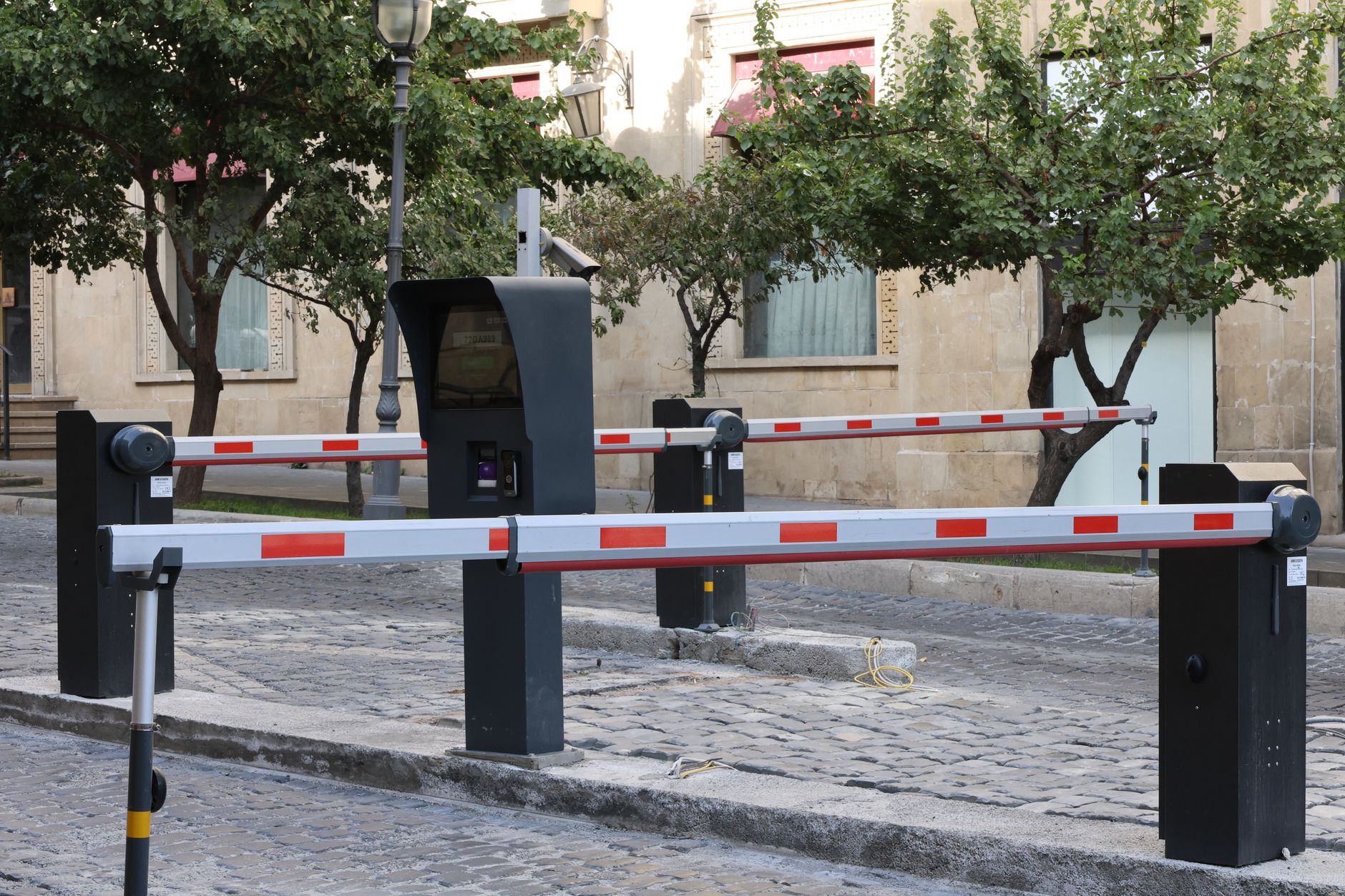
LPR (License Plate Recognition) barriers use a license plate recognition camera to automatically open the barrier when a vehicle approaches. Magnetic card barriers require the driver to swipe an RFID card or magnetic card at the reader to trigger the barrier. Each type suits different scales and operational needs.
LPR barriers operate on computer vision technology: a camera mounted at the gate captures the license plate, software processes it and compares it against the database, and if it matches, a signal is sent to open the barrier. The process takes 1-3 seconds, with no need to stop the vehicle or perform manual operations. Magnetic card barriers use an RFID reader (125kHz or 13.56MHz frequency) to identify the card; the barrier opening time is similar, but the driver must swipe the card at a distance of 5-10 cm.
What is an LPR barrier? Who is it suitable for?
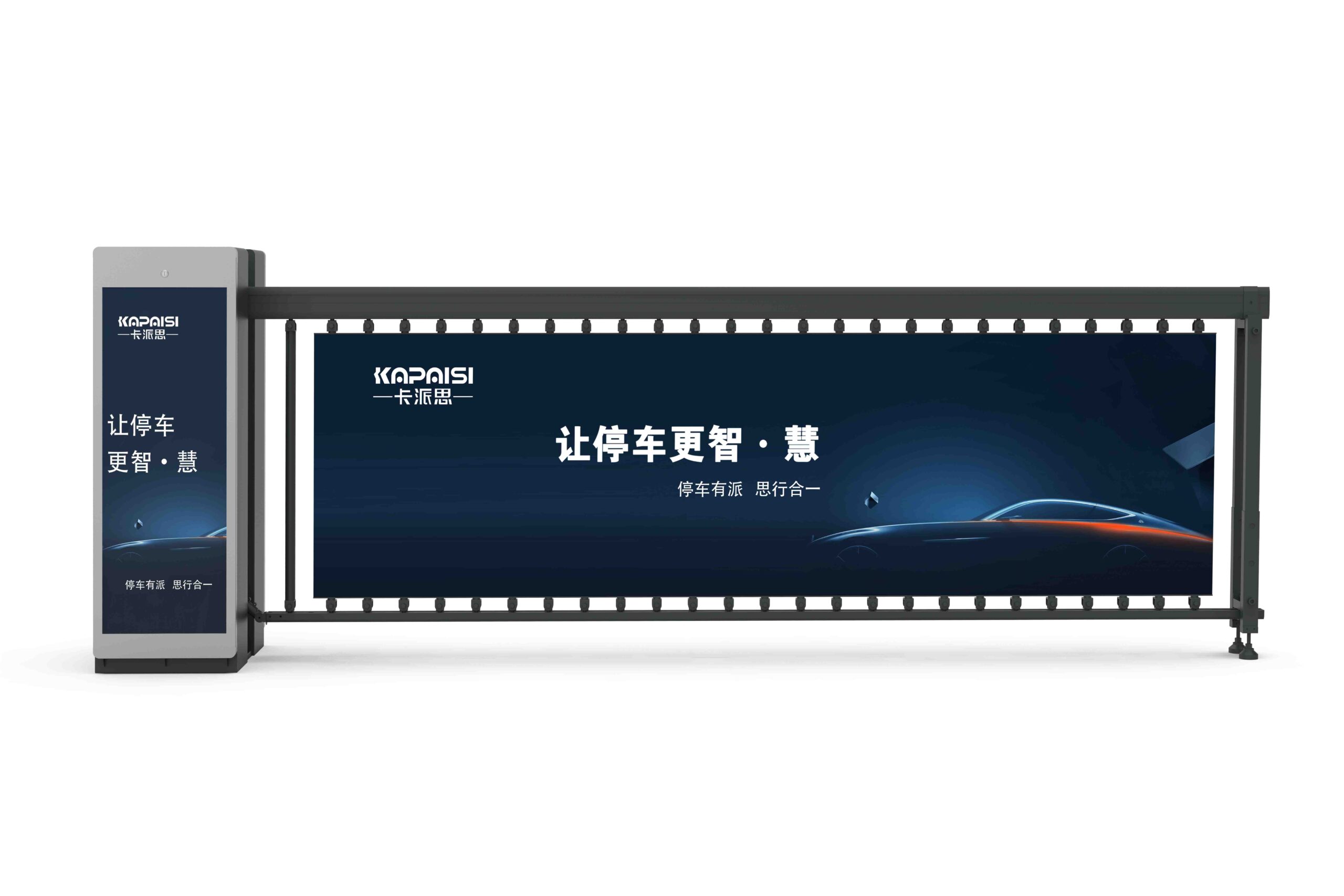
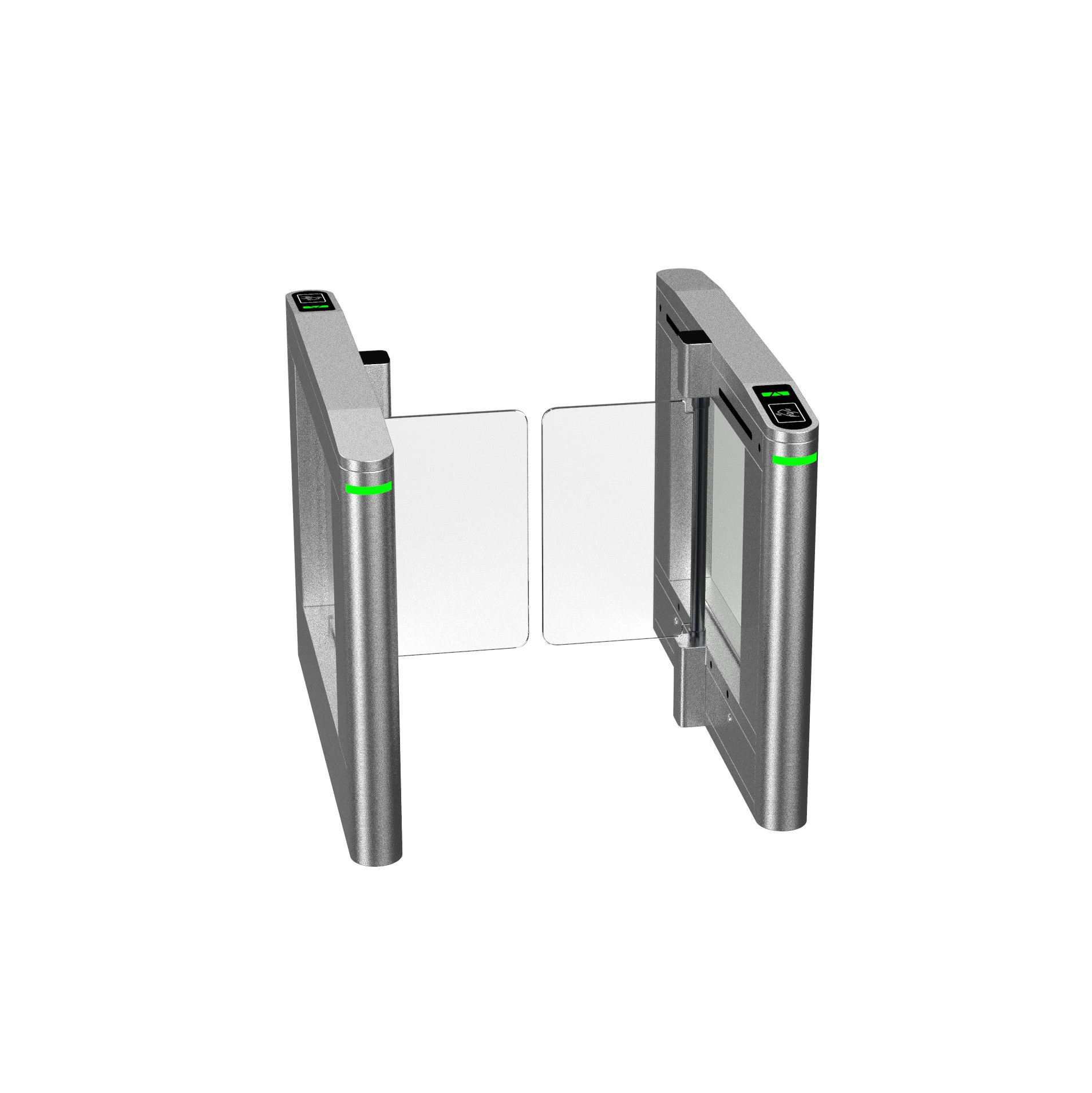
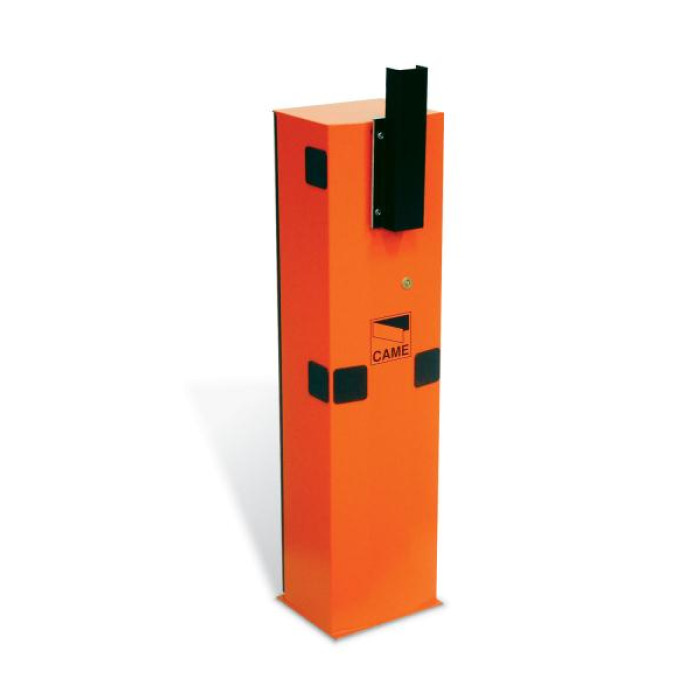
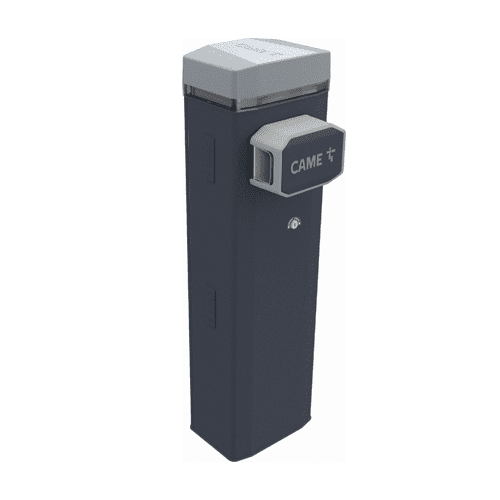
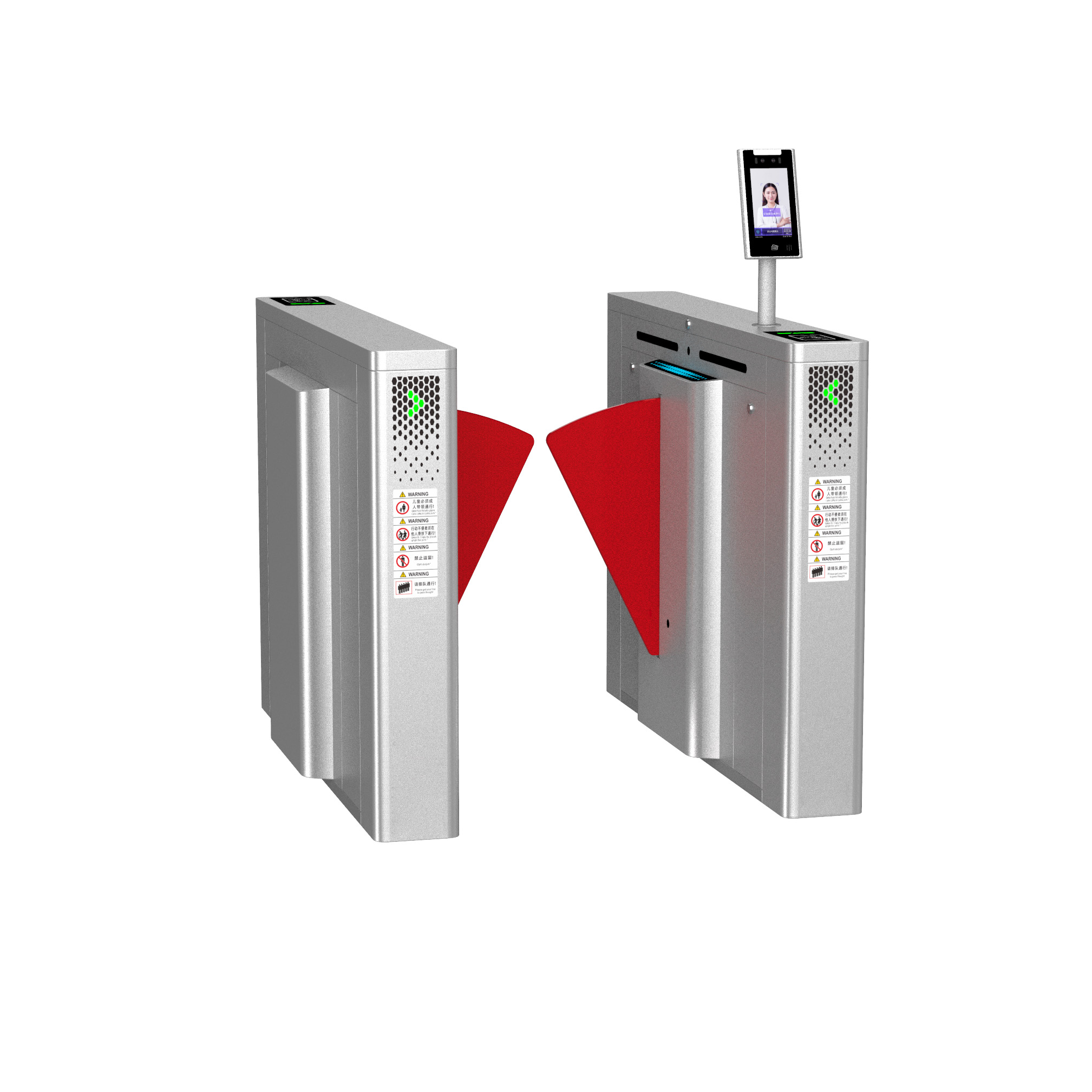
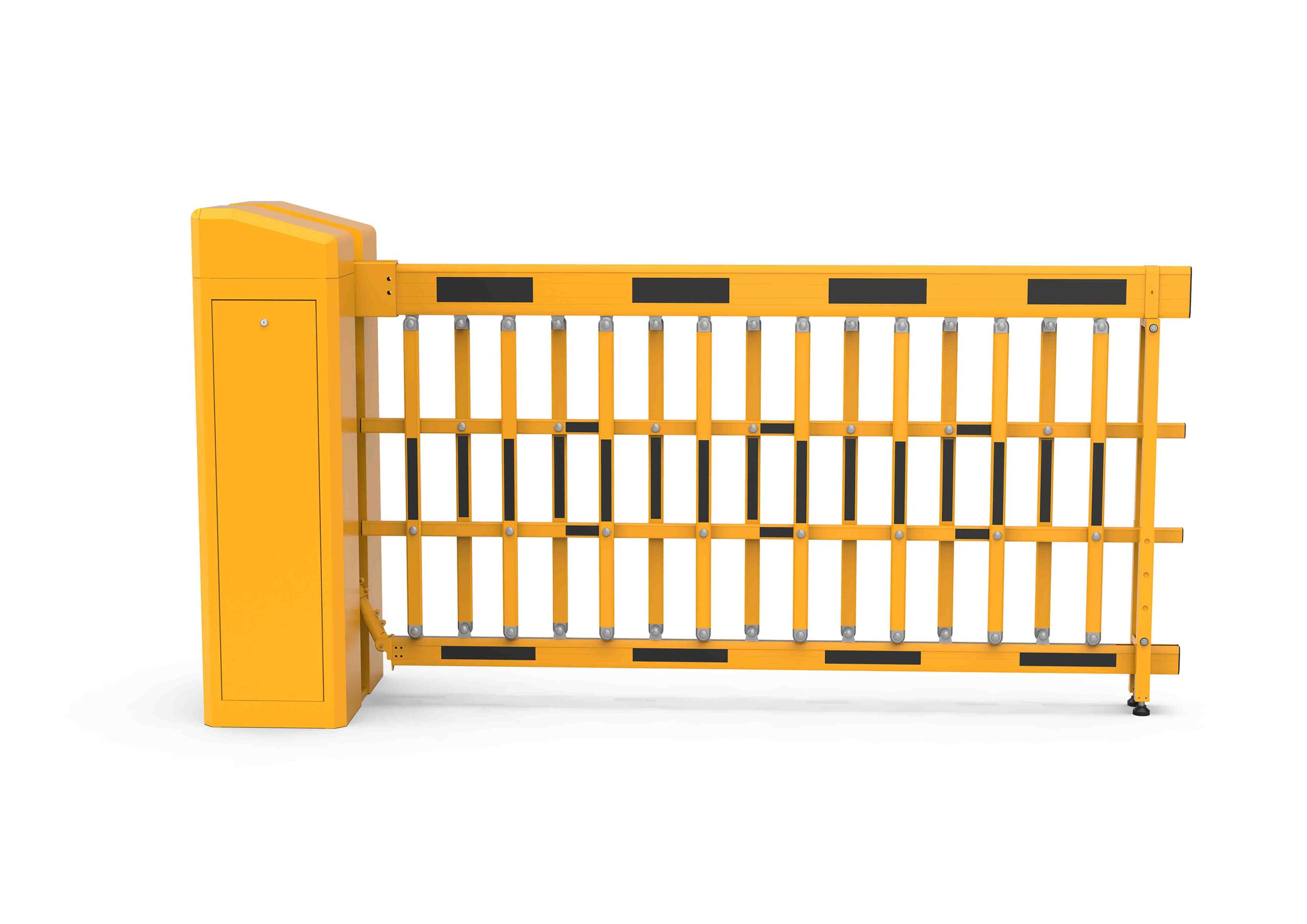
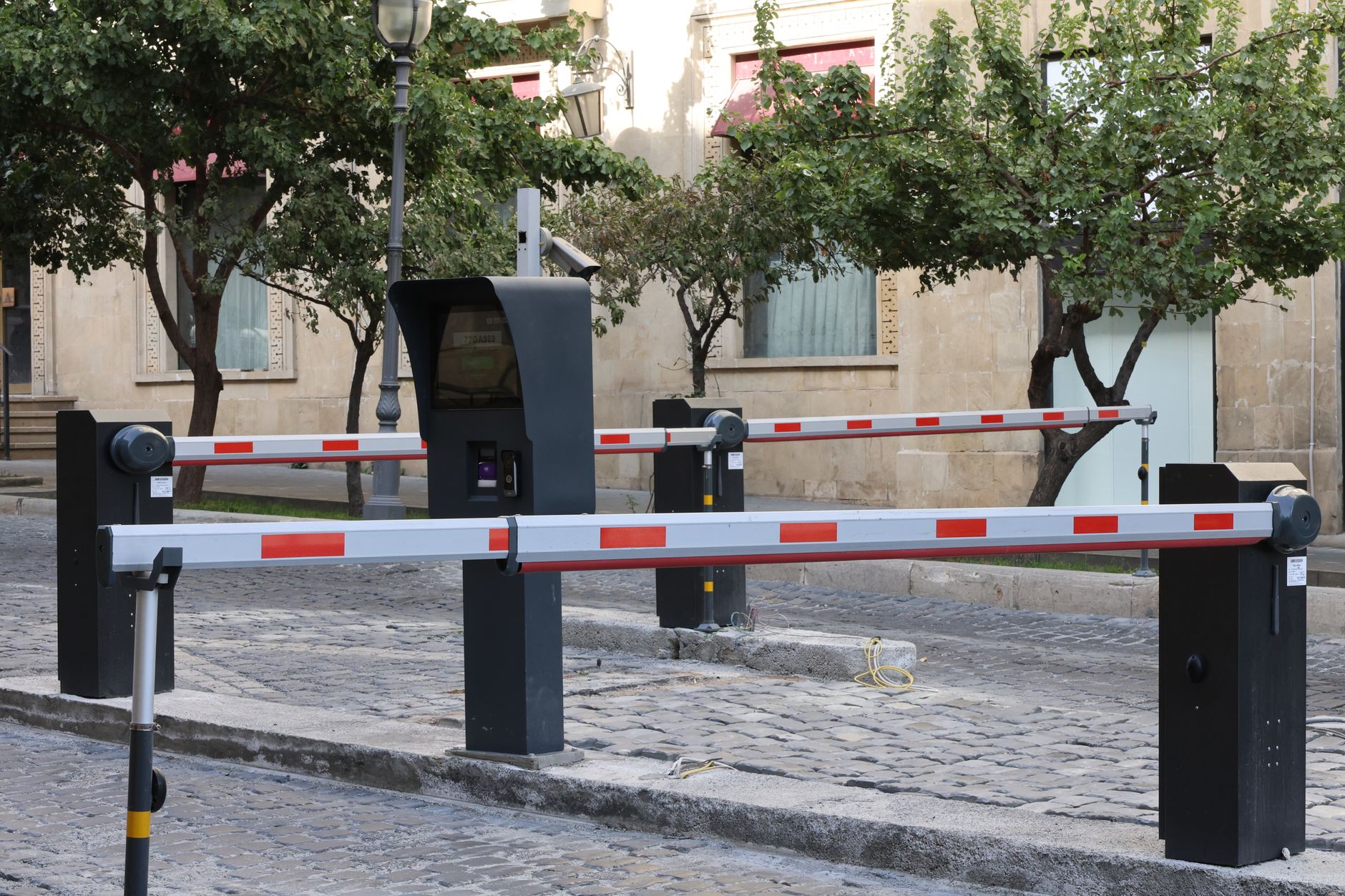
An LPR barrier is an automated vehicle control system that uses a license plate recognition camera, with no card or ticket required. It is suitable for office buildings with steady vehicle traffic (200-500 vehicles/day) that need fast throughput and reduced gate staffing.
An LPR barrier system includes: 2-5MP IP cameras (brands such as Hikvision, Dahua), an integrated LPR processing module, an automatic barrier (for example Kapaisi KPS-CP-6002) and management software. The initial investment cost is 30-50% higher than card-based systems, but it saves operating personnel and reduces losses from counterfeit cards. It is suitable for Grade A buildings, offices with high visitor traffic, or requirements to integrate with a building management system (BMS).
What is a card-based barrier? Who is it suitable for?
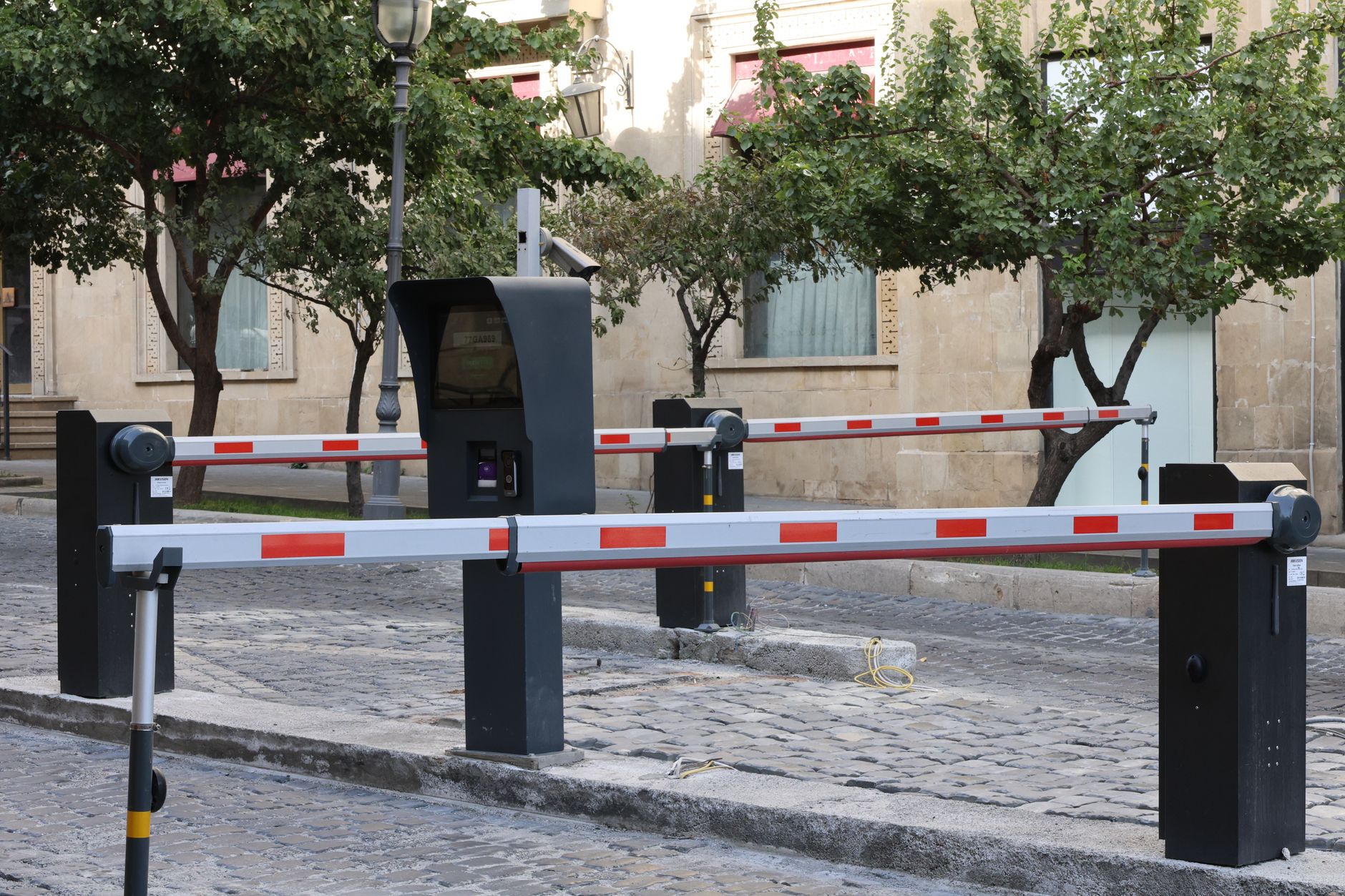
A card-based barrier uses an RFID reader and plastic cards to control vehicle access. It is suitable for small office buildings (under 100 vehicles/day), limited budgets, or sites that already have card-based infrastructure in place.
The system includes: an RFID card reader (for example ZKTeco or Suprema), an automatic barrier (Kapaisi KPS-DZ-8003), plastic cards or windshield sticker tags. The investment cost is 40-60% lower than LPR, but there are additional costs for replacing lost/damaged cards. Barrier opening time is longer (3-5 seconds) because the driver must stop the vehicle, roll down the window and swipe the card. It is suitable for small office buildings with low staff turnover, or for use in combination with an LPR barrier for truck/container lanes.
Detailed comparison of LPR barriers and magnetic card barriers
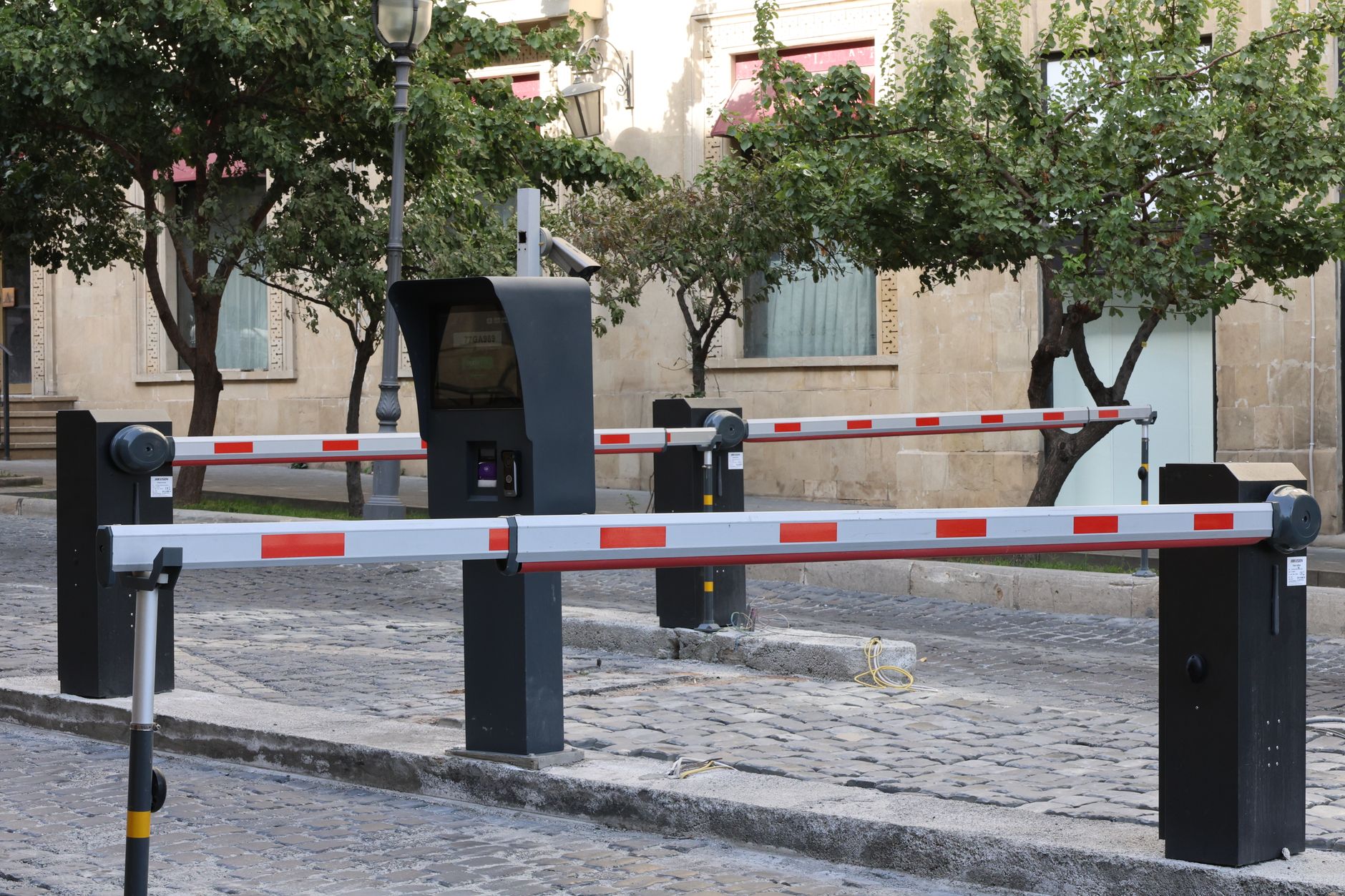
Below is a comparison table of 6 main criteria between LPR barriers and magnetic card barriers for office buildings. The figures are based on a field survey at Grade B and C office buildings in Ho Chi Minh City in 2025.
| Criterion | LPR barrier | Magnetic card barrier |
|---|---|---|
| Initial investment cost | High (VND 50-80 million/gate) | Low (VND 20-40 million/gate) |
| Operating cost/month | Low (VND 0.5-1 million) – no card costs | High (VND 2-5 million) – replacing lost/damaged cards |
| Vehicle throughput speed (one vehicle) | 1-3 seconds (no stopping) | 3-5 seconds (stop + swipe card) |
| Visitor experience | Best – no prior registration required | Average – must receive a temporary card |
| Periodic maintenance | Medium – camera cleaning once/month | High – reader cleaning + card replacement |
| Scalability | High – easy integration with apps, BMS | Low – difficult to upgrade to AI |
Choosing by use case: LPR or magnetic card?
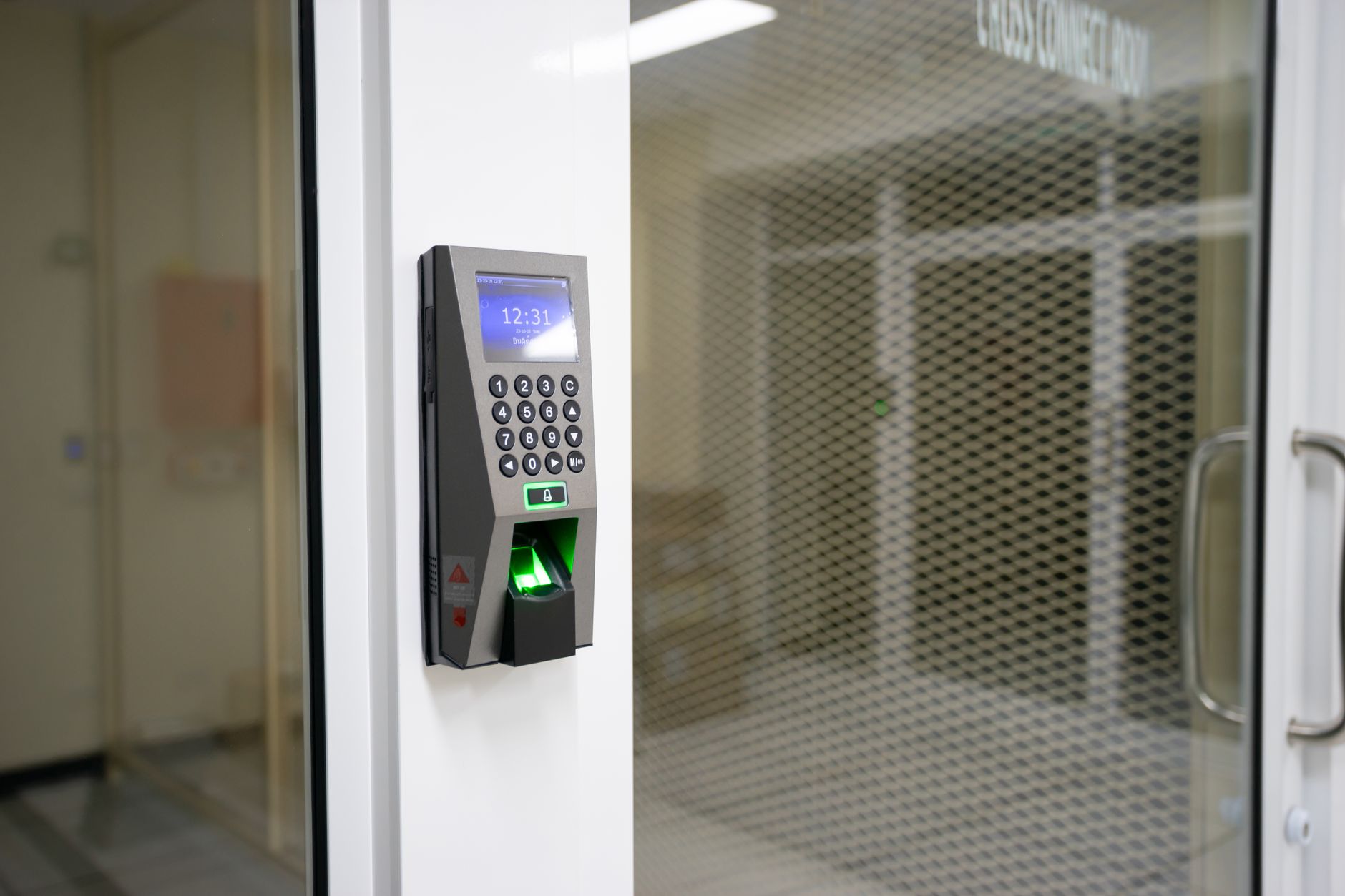
Depending on the specific scale and needs of the office building, you can choose the appropriate solution. Below are suggestions for 4 common use cases.
Use case 1: Grade A office building, >300 vehicles/day
Choose: LPR barrier. Reason: Fast vehicle throughput speed (1-3 seconds), no congestion during peak hours. Reduces 1-2 gate staff, saving VND 12-24 million/year. Easy integration with a booking app for walk-in guests.
Use case 2: Small office building, <100 vehicles/day
Choose: Magnetic card barrier. Reason: Investment cost is 40-60% lower. Employees are used to using cards, no retraining required. If the budget is tight, a magnetic card barrier still meets basic needs.
Use case 3: Office building for lease, many walk-in guests
Choose: LPR barrier. Reason: Walk-in guests do not need to register a temporary card; the barrier automatically recognizes license plates from the pre-booking list. Reduces check-in time for guests by 50-70%.
Use case 4: Building combining offices + delivery trucks
Choose: LPR barrier + magnetic card (combined). Reason: LPR barrier for employee and guest vehicles, magnetic card barrier for trucks requiring strict control. Cost increases but is flexible for both vehicle flows.
Advantages and disadvantages of LPR barriers
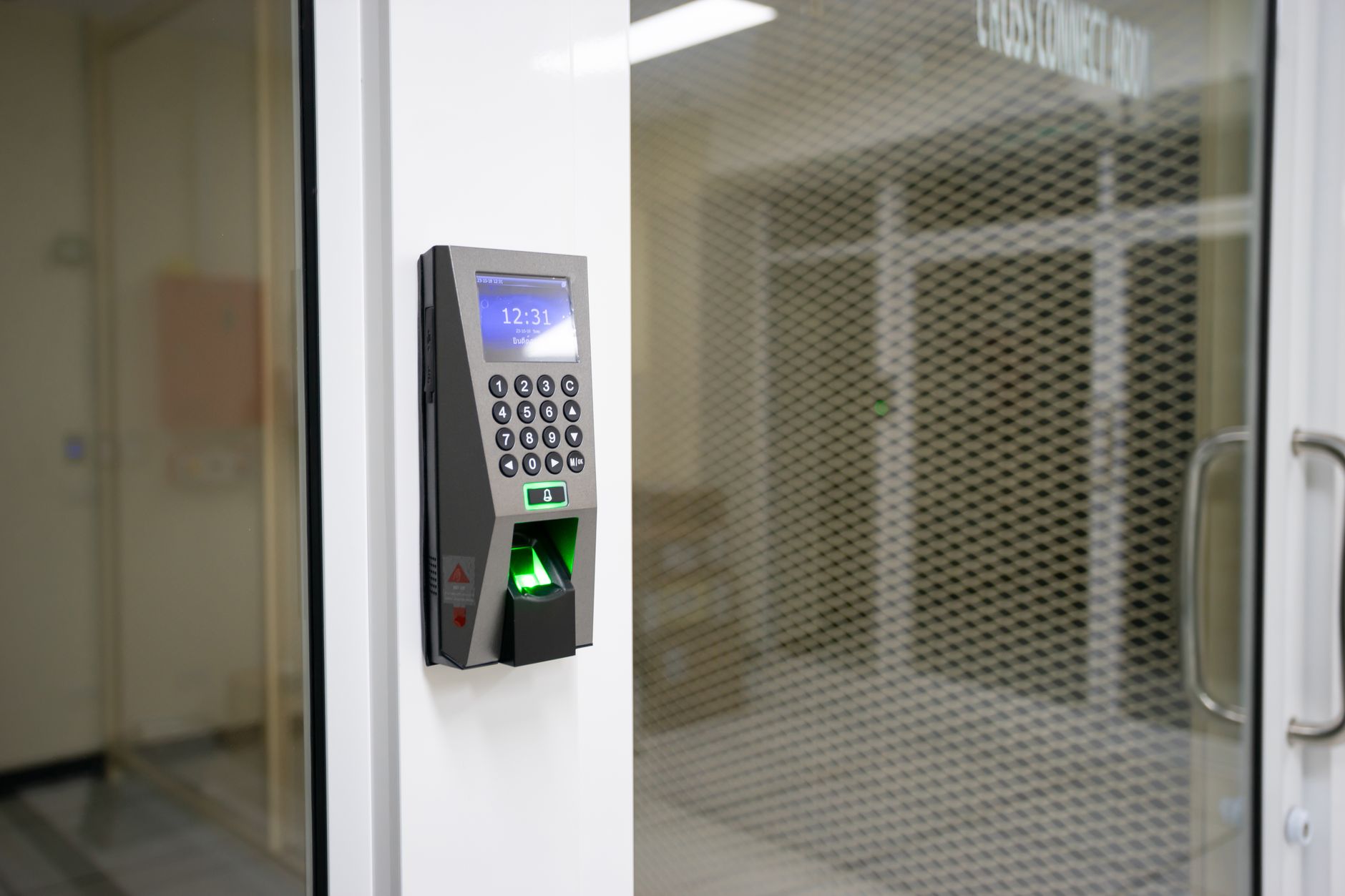
LPR barriers have many outstanding advantages in speed and experience, but the investment cost is high and they depend on lighting conditions. Below is a detailed analysis.
Advantages
- No card or ticket required, reducing long-term operating costs.
- Fast vehicle throughput speed (1-3 seconds), reducing congestion during peak hours.
- Better visitor experience – no prior registration required.
- Easy integration with parking apps, BMS, automated payment systems.
- License plate data is stored, serving lookups when needed.
Disadvantages
- High initial investment cost (VND 50-80 million/gate).
- Depends on lighting and weather (fog, heavy rain affect accuracy).
- Requires periodic camera and software maintenance.
- Cannot recognize old, blurred license plates or foreign license plates.
Advantages and disadvantages of magnetic card barriers
Magnetic card barriers have low cost and are easy to deploy, but are limited in speed and user experience. The analysis below helps you consider carefully.
Advantages
- Low initial investment cost (VND 20-40 million/gate).
- Easy to operate, employees are used to using cards.
- Does not depend on lighting or weather conditions.
- Suitable for small buildings, few vehicles, limited budget.
Disadvantages
- High operating costs due to replacing lost/damaged cards (VND 2-5 million/month).
- Slow vehicle throughput speed (3-5 seconds), prone to congestion during peak hours.
- Poor visitor experience – must receive a temporary card, return the card on exit.
- Difficult to expand or upgrade to an AI system.
- Risk of lost cards, counterfeit cards.
Frequently asked questions
Common questions when choosing an LPR barrier and a card-based barrier for office buildings, answered in detail based on practical deployment experience.
Does an LPR barrier need internet to operate?
An LPR barrier can operate offline with a license plate database synchronized from the management software. However, to update the list of new vehicles or synchronize data across multiple gates, an internet connection is required. The system still records license plates and opens the barrier even during a temporary network outage.
Are card-based barrier maintenance costs high?
Card-based barrier maintenance costs are lower than LPR for hardware (readers fail less often), but the cost of replacing lost/damaged cards can reach 5-10 million/month if the building has 500-1000 employees. With LPR, camera and software maintenance costs are about 1-2 million/month.
Can an LPR barrier recognize motorcycles?
Yes, an LPR barrier can recognize motorcycle license plates if the camera is mounted at a suitable height (2-2.5m) with an optimal capture angle. However, accuracy is usually lower than for cars (90-95% versus 97-99%). Some systems allow custom detection zones specifically for motorcycles.
Can a card-based barrier be used for container trucks?
Yes, a card-based barrier can still be used for trucks if the reader is mounted at a suitable height (1.2-1.5m). However, truck drivers often have difficulty swiping cards due to the high cabin, so an LPR barrier is more optimal. If the building has frequent truck traffic, both solutions should be combined.
How can a card-based barrier be upgraded to an LPR barrier?
It can be upgraded in stages: keep the existing barrier mechanism and only replace the card reader with an LPR camera and processing module. The upgrade cost is about 30-50 million/gate, lower than a completely new installation. The system can also run both card and LPR in parallel during the transition period.
Need advice on an LPR or card-based barrier solution for an office building? Contact Viet Duc Tri Group via hotline 0935 295 337 or email [email protected] for a free survey and detailed quote.