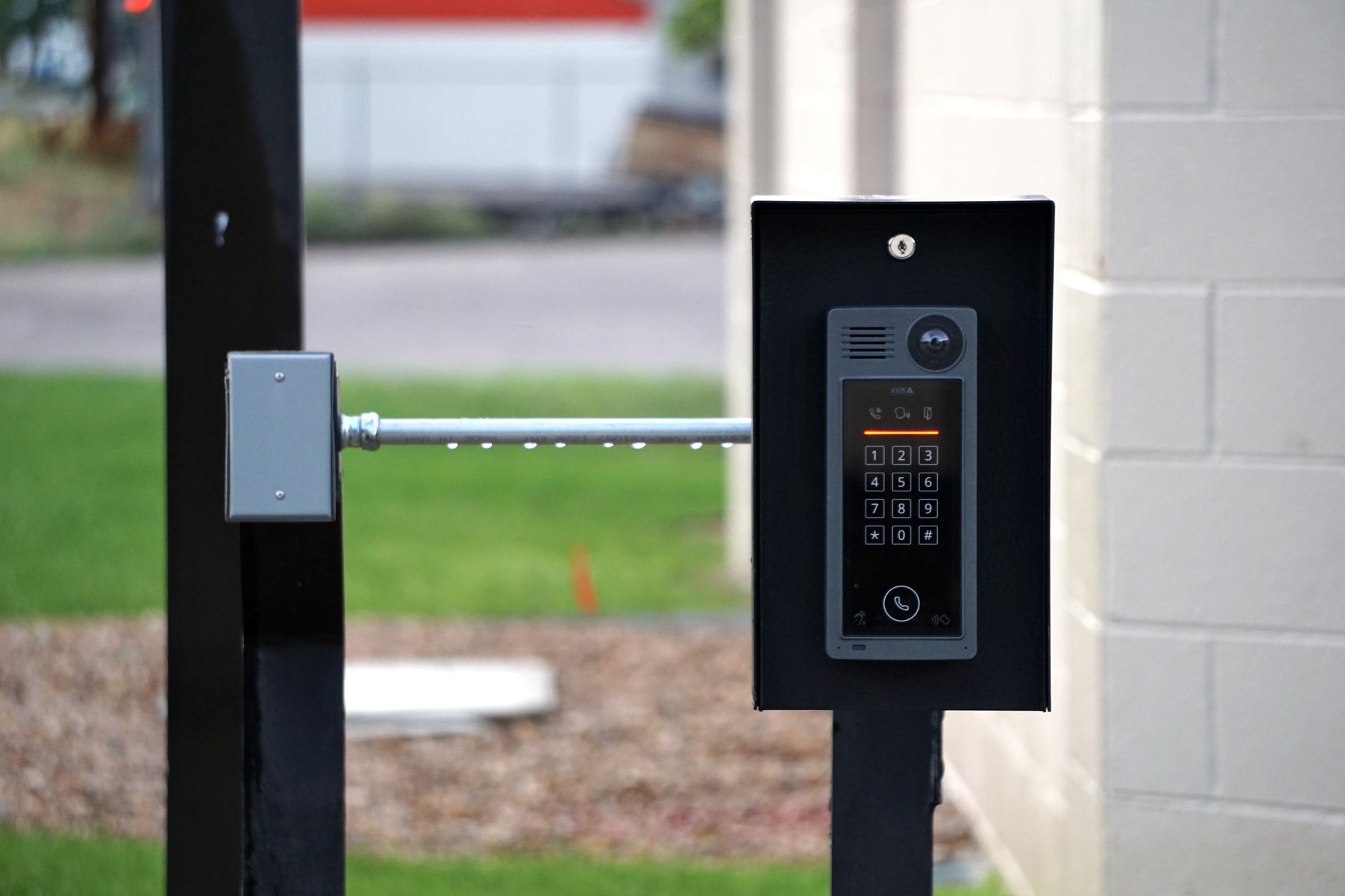
This article compares LPR barrier (automatic license plate recognition) and traditional card barrier — the two most popular vehicle access control solutions for apartment buildings and urban areas. After reading, you will be able to choose the optimal solution based on budget, security requirements, and operational scale.
What is a card barrier? Who is it suitable for?
A card barrier is an automatic vehicle gate system for urban areas that uses magnetic cards (or RFID cards, contact cards) to grant access. Users swipe the card through a reader, and the barrier opens if the card is valid. This solution is suitable for older apartment buildings and budget-constrained projects due to its lowest investment cost.
Card barriers have been present in Vietnam for over 15 years. Their structure includes: a barrier arm, a card reader, a controller, and magnetic cards. Each resident is issued 1-2 cards; if a card is lost, it must be reported to be deactivated. The system operates independently and does not require an internet connection. It is suitable for apartment buildings with fewer than 200 households and low vehicle traffic (under 500 trips/day) since each card swipe takes 3-5 seconds.
What is an LPR barrier? Who should invest in it?
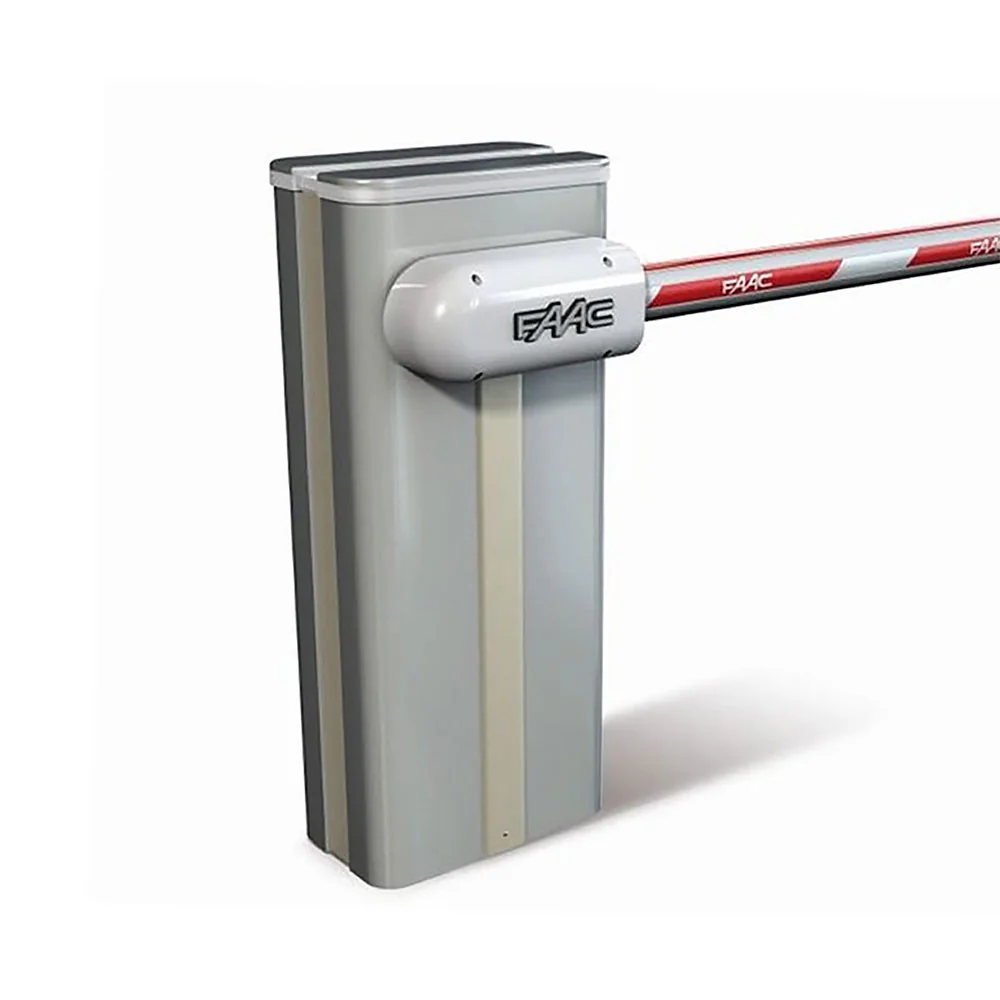
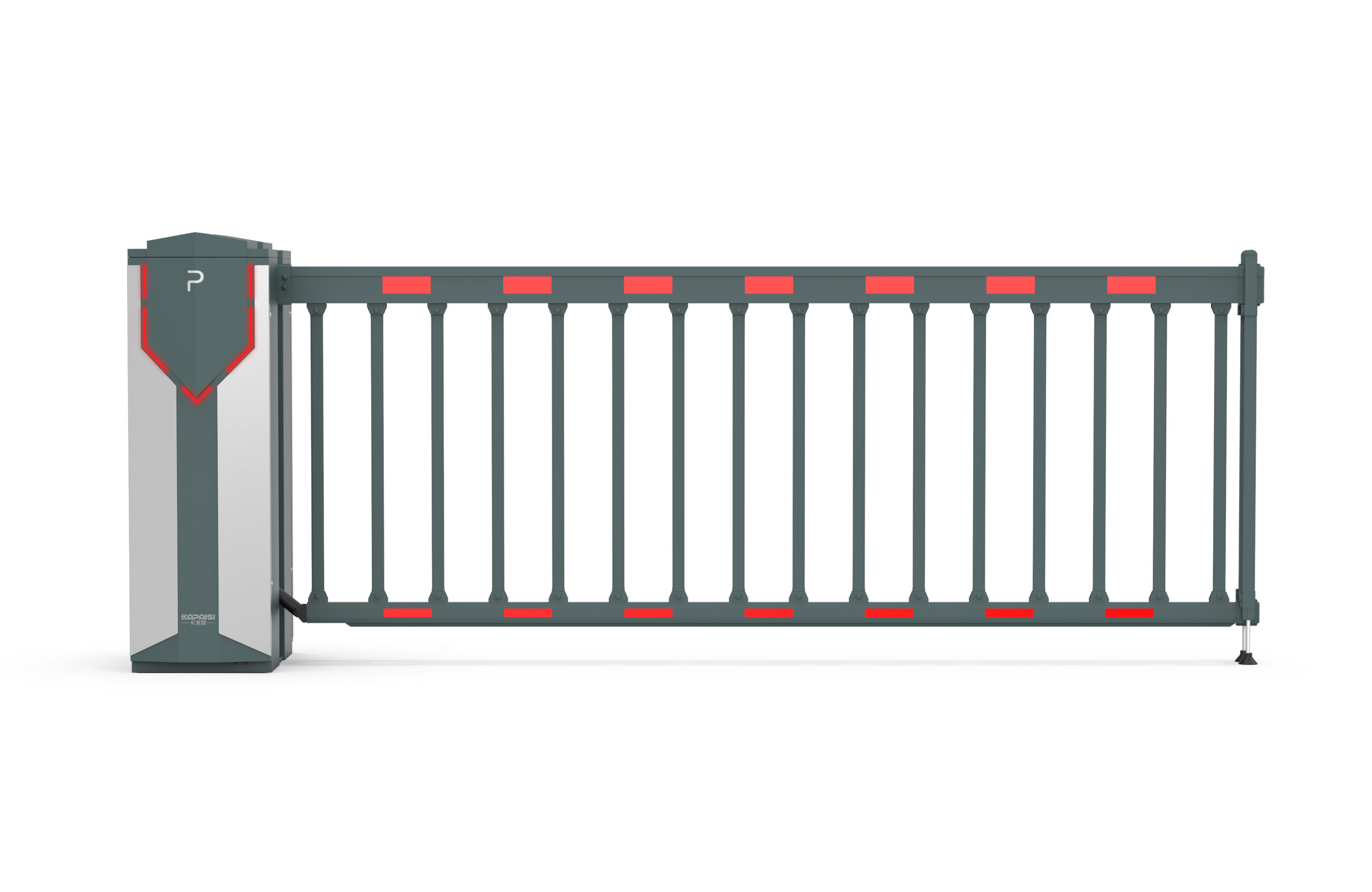
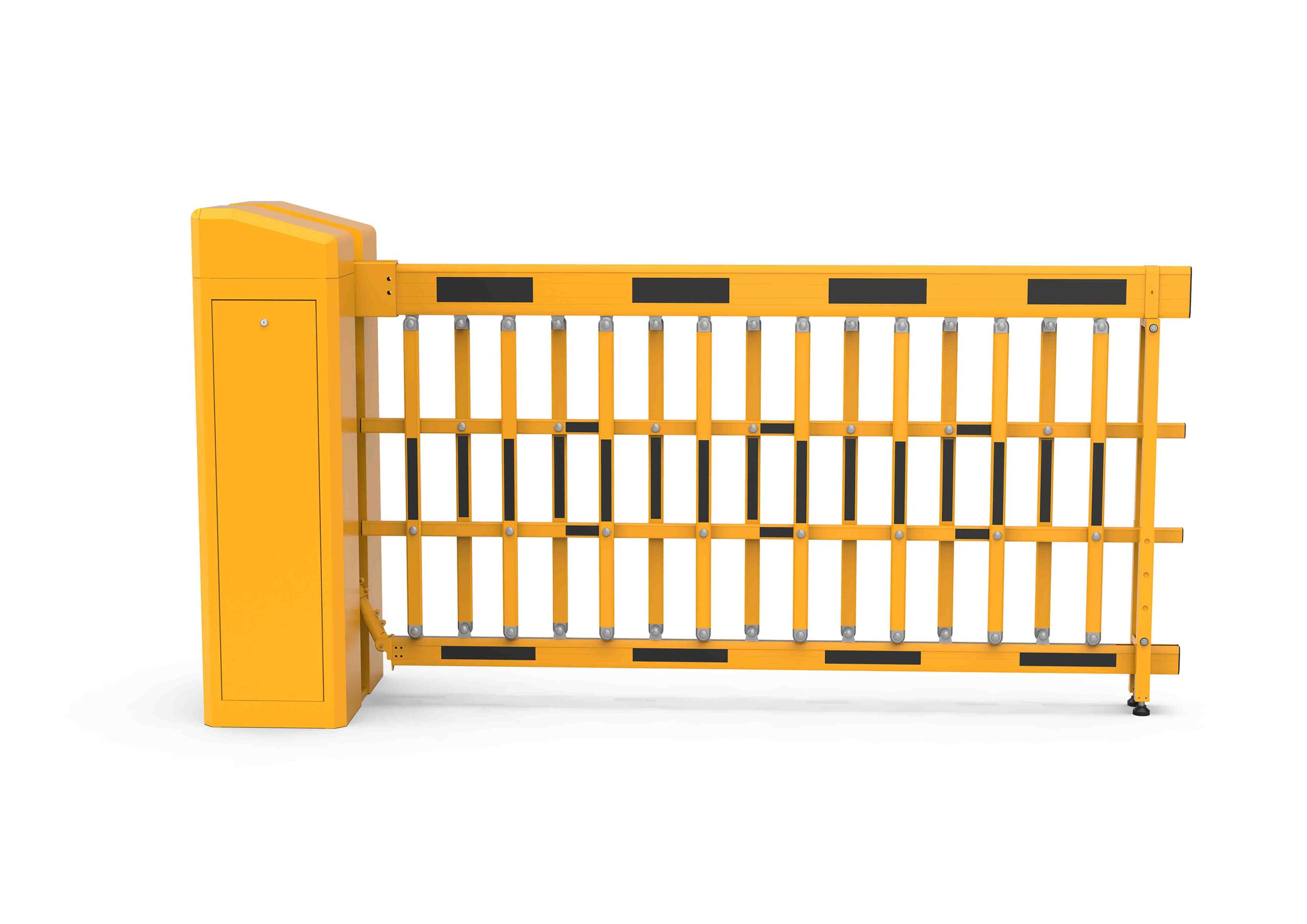
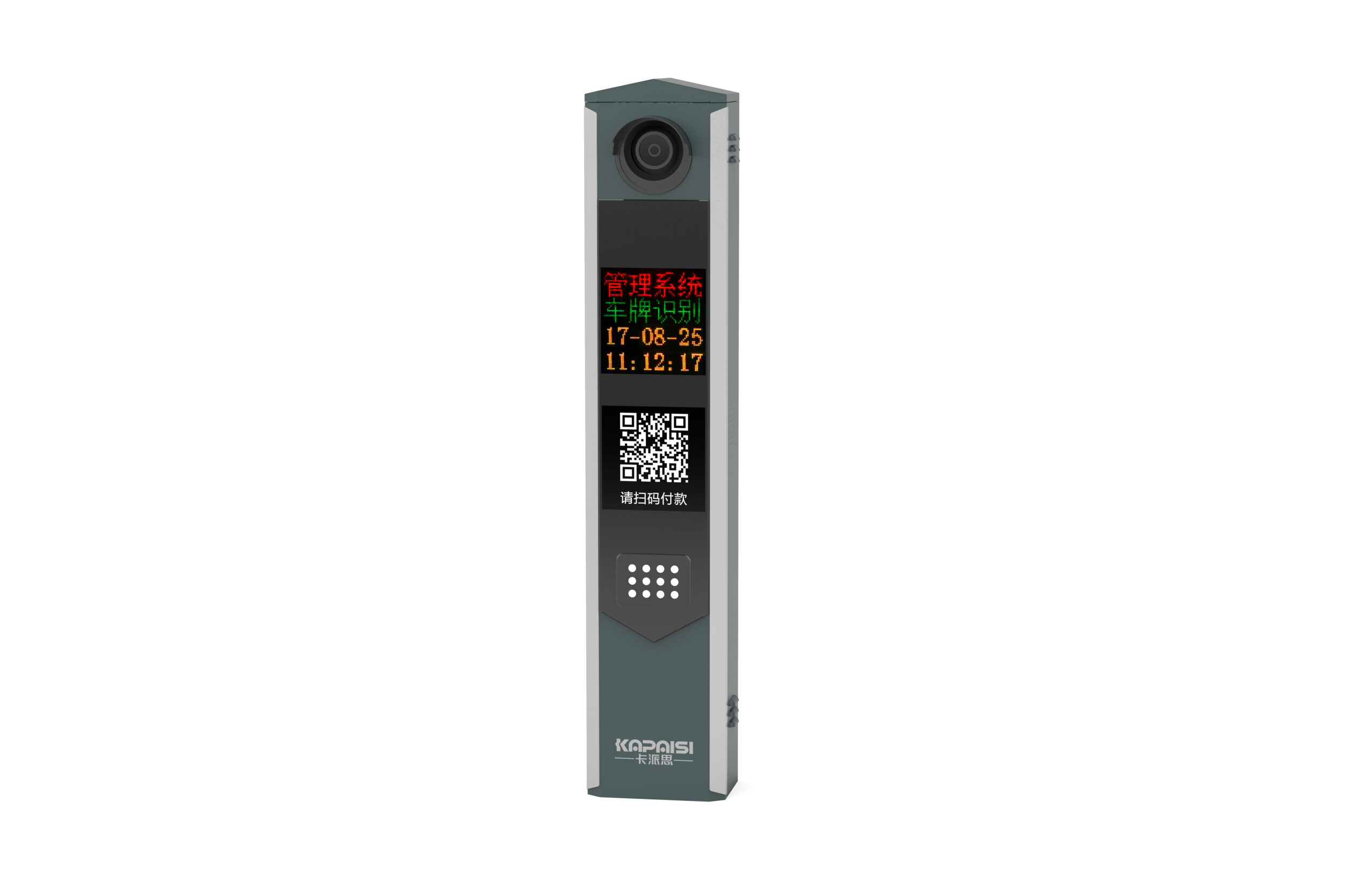
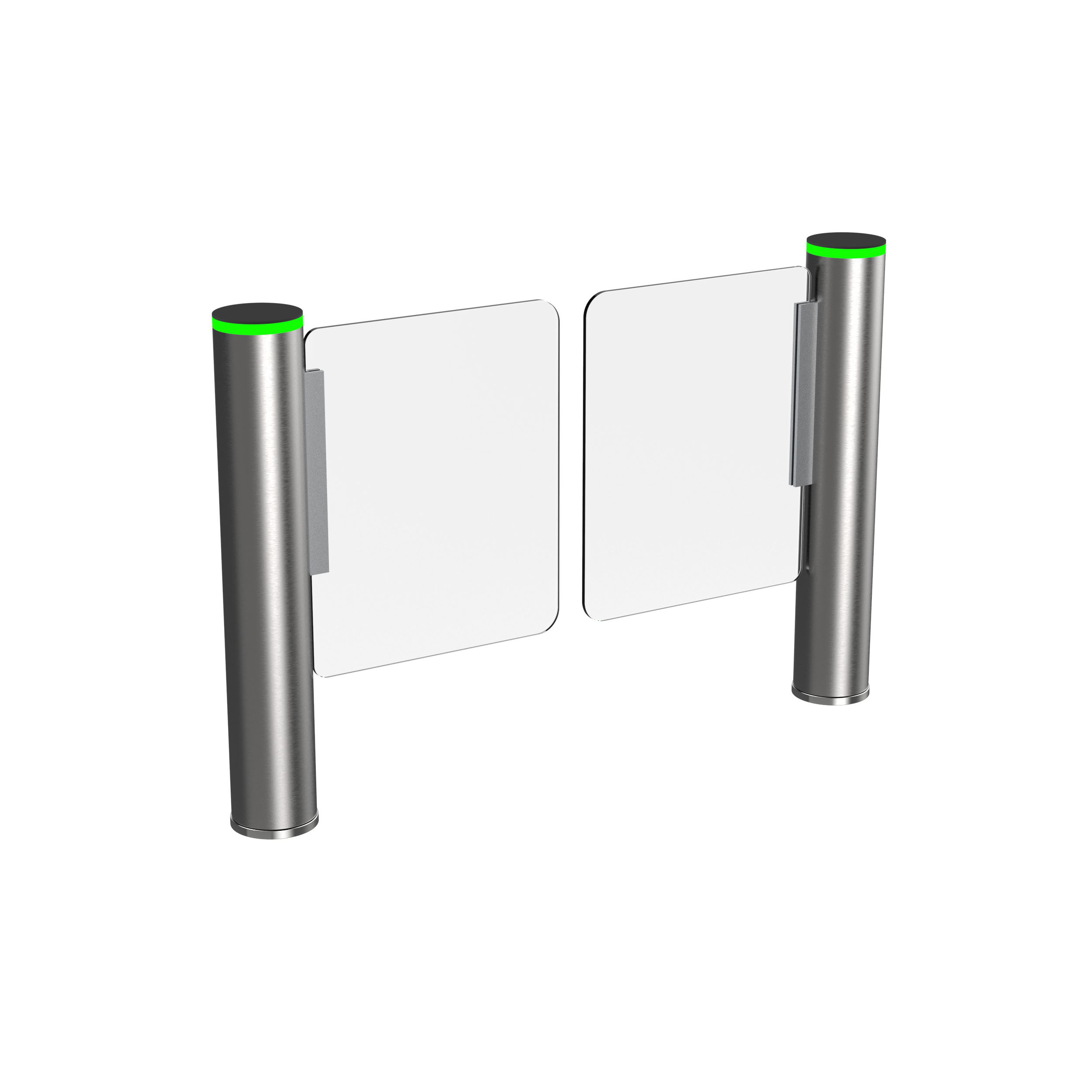
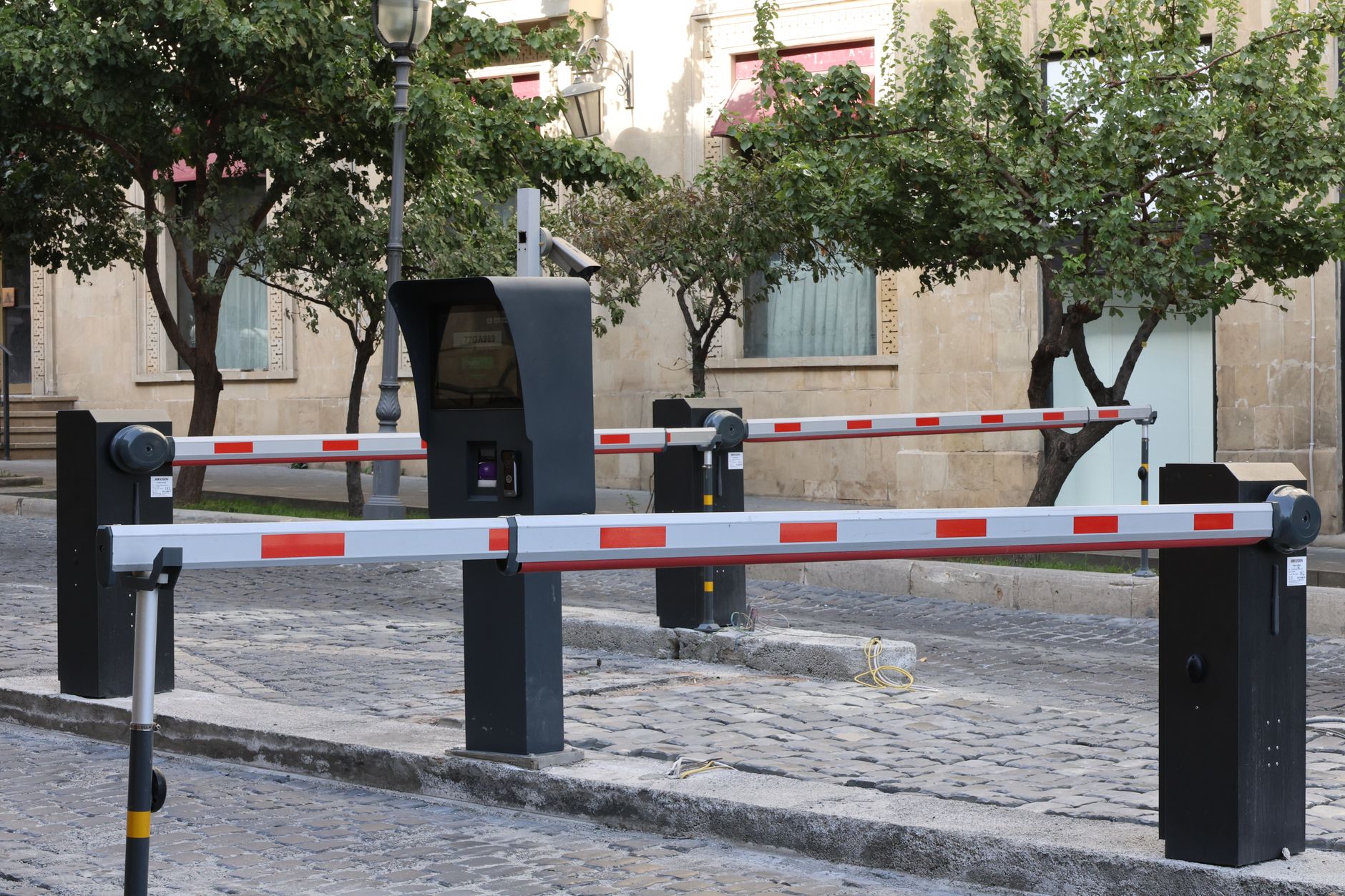
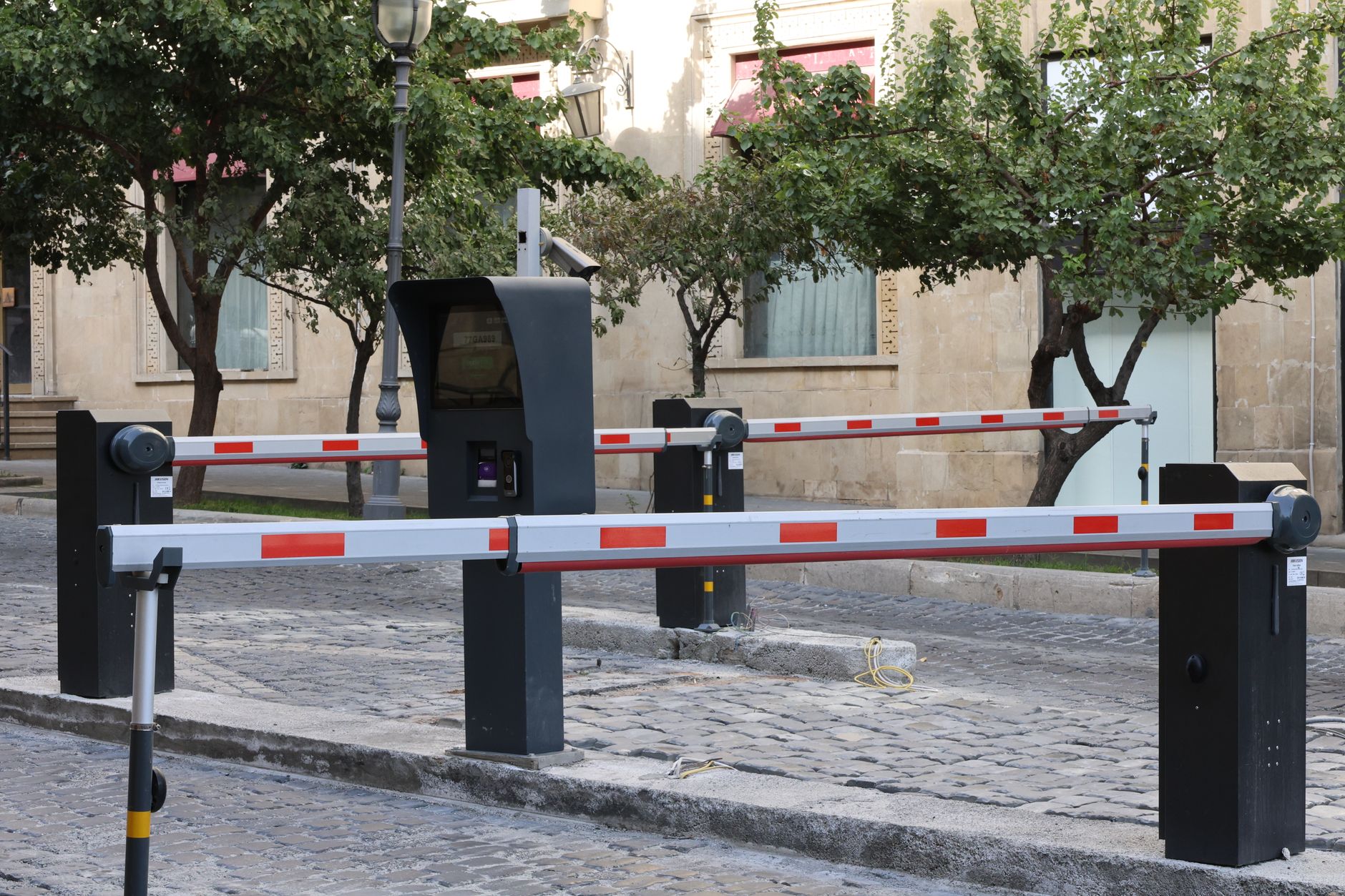
An LPR (License Plate Recognition) barrier is an automatic vehicle gate system for urban areas that uses AI cameras to recognize license plates in <1 second, without the need for cards. When a vehicle arrives, the camera captures the license plate, cross-references it with a whitelist, and the barrier opens automatically. It is suitable for high-end apartment buildings and smart urban areas with high vehicle traffic.
The LPR system includes: an LPR camera, an automatic barrier, a processing computer, management software, and a database. Automatic vehicle gate systems for urban areas with LPR allow vehicles to enter and exit continuously without stopping. License plate data is stored, and entry/exit history can be searched. It is suitable for apartment buildings with over 300 households, traffic over 1,000 trips/day, and high security requirements.
Detailed comparison of LPR barrier vs card barrier
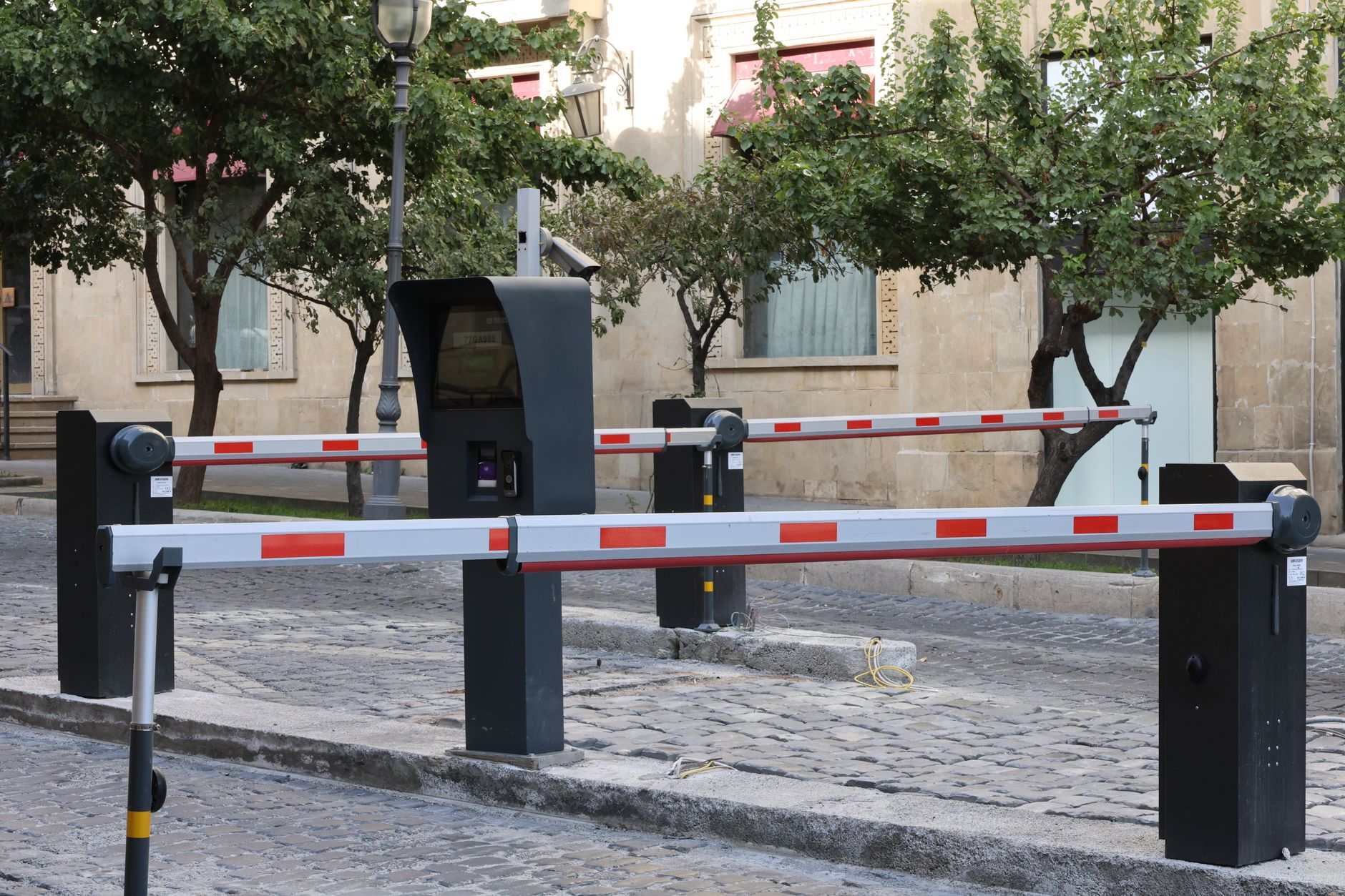
Below is a comparison table of the 6 most important criteria when choosing a vehicle control system for apartment buildings and urban areas. The biggest differences lie in operational speed, long-term costs, and fraud prevention capability.
| Criterion | Card barrier | LPR barrier |
|---|---|---|
| Investment cost (1 lane) | 20-35 million VND | 40-70 million VND |
| Annual operating cost (consumables) | 5-10 million (cards, batteries) | 1-3 million (maintenance) |
| Operational speed | 3-5 seconds/trip | Best <1 second/trip |
| Security level (fraud prevention) | Low (card borrowing, copying) | High (license plate tied to vehicle) |
| Scalability (adding households, lanes) | Average (add cards, readers) | High (add cameras, software updates) |
| User experience | Must stop vehicle, swipe card | No stopping, automatic recognition |
Choose by use case: Which group does your apartment building belong to?
Each apartment building has different scale, budget, and requirements. Below are 4 common use cases, with specific solution suggestions based on real-world deployment experience.
Use case 1: Mini apartment building (under 100 households), low budget
Choose a card barrier. Investment cost is only 20-30 million/lane. Vehicle traffic is low, high automation is not needed. Disadvantages: manual card management, cards are easily lost.